
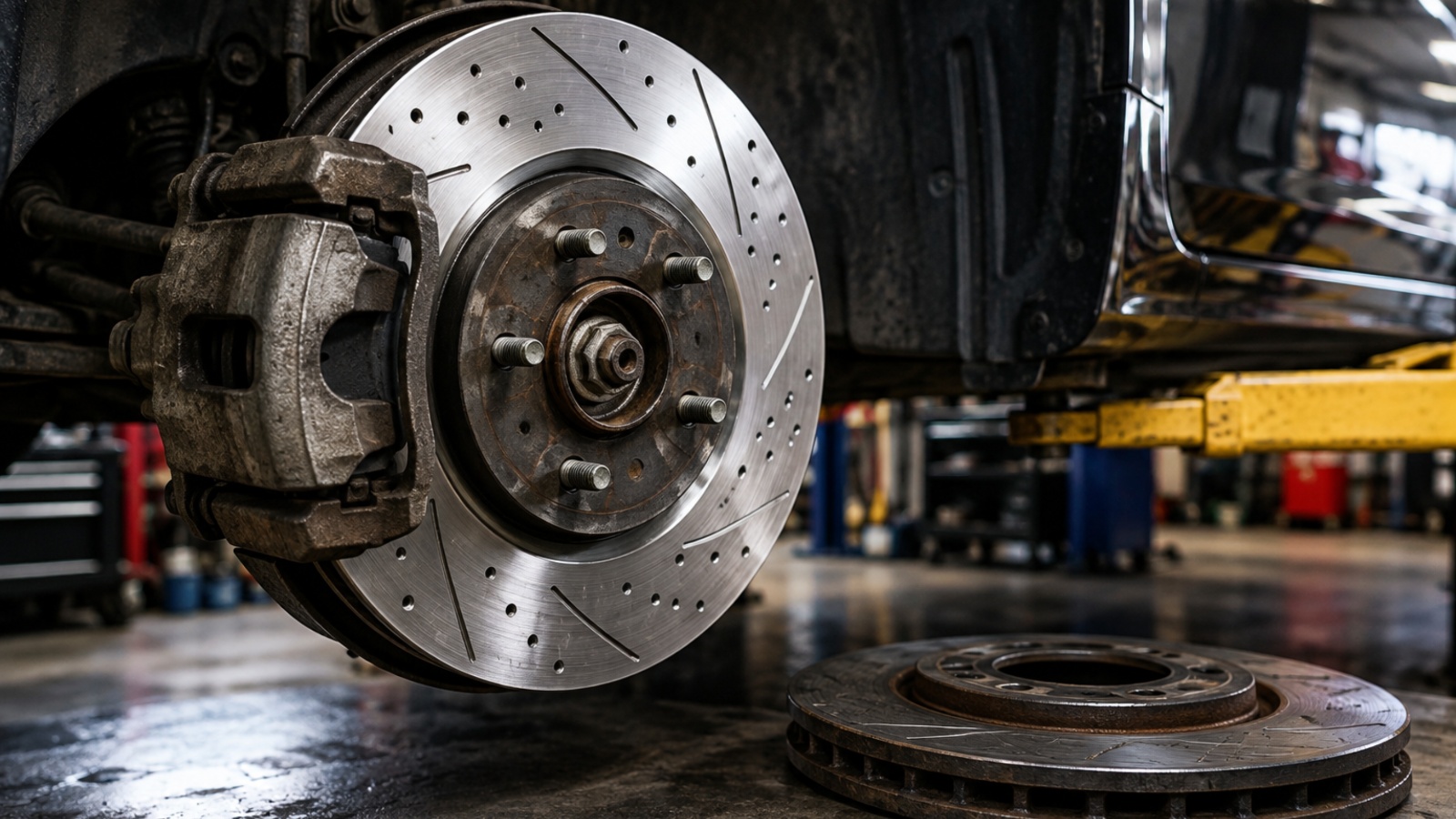
Brake rotors play a major role in a vehicle’s braking system by creating the friction needed to slow down and stop safely. For decades, mechanics commonly resurfaced worn brake rotors instead of replacing them.
Resurfacing involved removing a thin layer of metal from the rotor surface to restore smoothness and improve brake performance. However, modern vehicles have changed the way brake repairs are handled. Today, many repair shops recommend replacing brake rotors rather than resurfacing them.
This shift is linked to thinner rotor designs, improved vehicle engineering, safety requirements, and the lower cost difference between repair options. Understanding this change helps drivers make informed decisions about brake maintenance.
Also Read: 10 EVs Ranked by Charging Speed
Modern Brake Rotors Are Designed Differently
The biggest reason brake rotors are replaced more often today is that modern rotors are not built the same way as older ones. In previous decades, vehicles commonly used thicker brake rotors that had extra material available for machining.
When the rotor surface became uneven, mechanics could place the rotor on a specialized machine and remove a small amount of metal to create a smooth braking surface.
Older rotors were often designed with enough thickness to handle multiple resurfacing procedures throughout their service life. This made resurfacing a practical and affordable repair option. Drivers could replace brake pads, resurface the rotors, and continue using the same components for additional miles.
Modern vehicles, however, focus heavily on weight reduction and efficiency. Automakers are constantly looking for ways to reduce vehicle weight because lighter vehicles require less energy to operate.
Brake rotors are heavy metal components, so manufacturers have developed thinner designs that still meet safety requirements while reducing overall vehicle weight.
Because of these design changes, many newer rotors are already closer to their minimum usable thickness when they are manufactured. Removing additional material through resurfacing can reduce their ability to manage heat and maintain proper braking performance. This makes replacement a safer and more practical solution.
Modern braking systems also operate under different conditions. Many vehicles now have advanced safety technology, higher horsepower engines, larger wheels, and heavier equipment. These factors place greater demands on braking components, making rotor condition more important than ever.
Why Mechanics Recommend Replacement Instead of Resurfacing
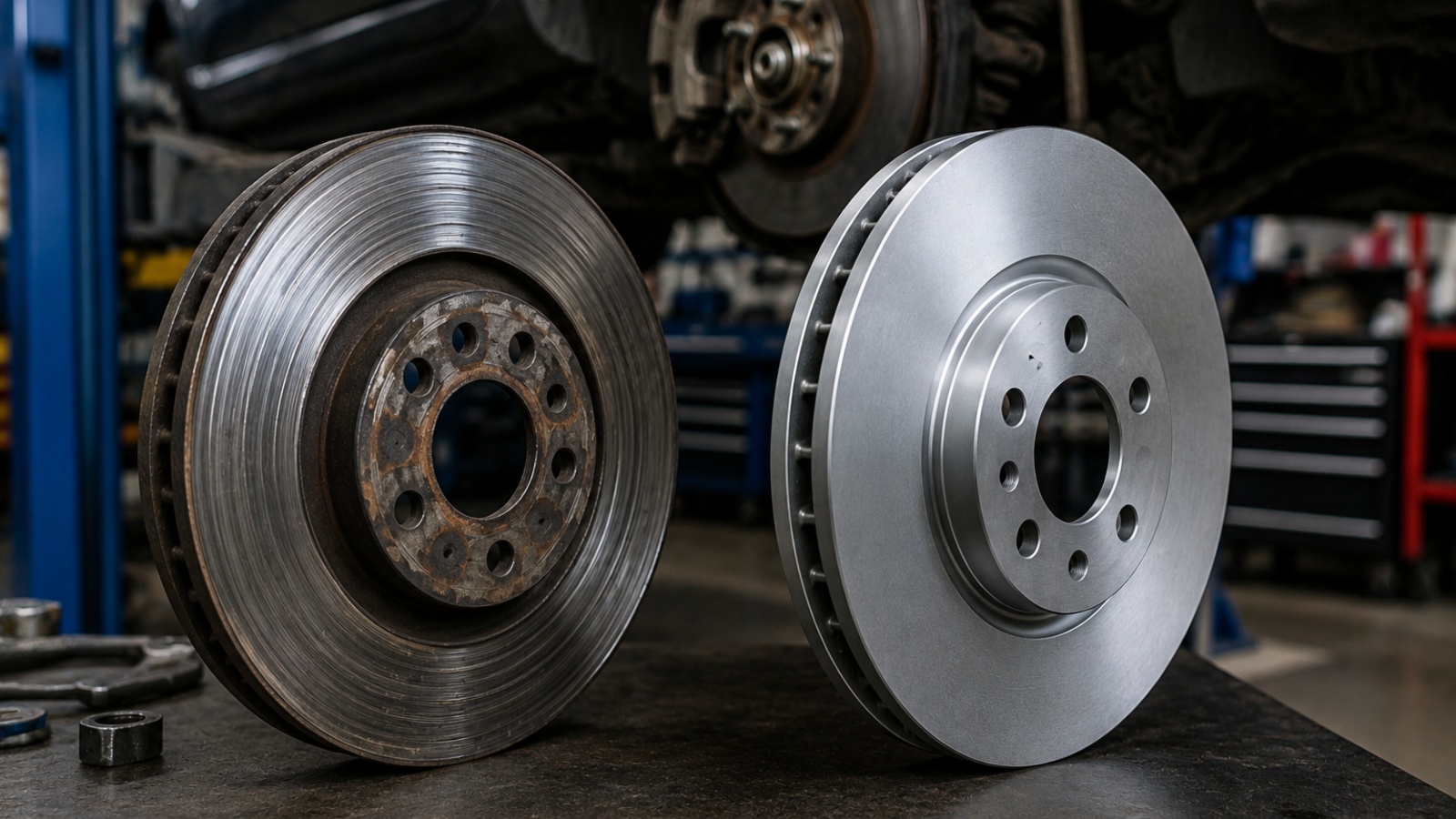
Brake rotor replacement has become more common because resurfacing is not always the best solution for modern vehicles. While resurfacing can correct minor surface problems, it cannot fix every type of rotor damage.
One major concern is rotor thickness. Every brake rotor has a minimum thickness measurement provided by the vehicle manufacturer. This specification exists because rotors need enough metal to handle heat and pressure during braking. If a rotor becomes too thin, it may overheat more quickly and lose its ability to perform properly.
Heat is one of the biggest challenges faced by braking systems. When brake pads press against the rotor, friction creates significant heat. A thick rotor can absorb and release this heat effectively.
A rotor that has already lost material may struggle to control temperatures, especially during repeated braking situations such as driving in heavy traffic, towing, or traveling through mountainous areas.
Another issue is uneven wear. Brake rotors can develop grooves, hot spots, rust damage, cracks, or irregular surfaces over time. Resurfacing may remove some imperfections, but severe damage often requires replacement. Removing enough material to correct serious problems could leave the rotor below safe specifications.
The price difference between resurfacing and replacing rotors has also changed. Years ago, resurfacing was significantly cheaper than installing new rotors. Today, replacement rotors are widely available at competitive prices. When labor costs are considered, many drivers find that installing new rotors provides better value and longer-lasting results.
The Benefits of Installing New Brake Rotors
Replacing brake rotors offers several advantages that explain why it has become the preferred repair method for many vehicles. The first benefit is restoring the braking system with components that meet proper thickness standards.
New rotors provide a fresh, smooth surface for brake pads to contact. This allows the pads to wear evenly and improves braking consistency. Drivers often notice smoother braking after new rotors are installed, especially if the previous rotors caused vibrations or noise.
New brake rotors also improve heat management. Since they have full thickness and have not experienced previous wear, they can handle heat more effectively. This is especially important for trucks, SUVs, performance vehicles, and vehicles that regularly carry heavy loads.
Another advantage is better compatibility between new brake pads and rotors. Brake pads and rotors work together as a system. When new pads are installed on old, worn rotors, the contact surface may not be ideal. Installing both components together allows them to wear evenly and can improve the lifespan of the braking system.
Replacing rotors can also reduce the chance of future brake problems. A resurfaced rotor may appear smooth after machining, but if it is already near the end of its service life, problems may return sooner. New rotors provide a longer-term solution and reduce the likelihood of repeated repairs.
For many vehicle owners, the extra reliability of new rotors makes replacement the preferred choice. Brake repairs involve safety, and using components that meet proper standards helps maintain confidence behind the wheel.
Can Brake Rotors Still Be Resurfaced?
Although rotor replacement is now more common, resurfacing has not completely disappeared. There are still situations where resurfacing can be a suitable option. The decision depends on the condition of the rotor and whether it meets manufacturer specifications after machining.
A rotor may be resurfaced if it has minor surface issues such as uneven pad deposits or light scoring. If there is enough remaining thickness and no major damage, machining can restore the braking surface.
Older vehicles are more likely to benefit from resurfacing because their rotors were often manufactured with more material. Some heavy-duty vehicles and certain applications may also have thicker rotors that allow for machining.
However, resurfacing should only be performed after proper inspection. A mechanic must measure rotor thickness and check for damage before deciding whether machining is safe. Simply removing metal without considering the rotor’s condition can create safety concerns.
Drivers should also understand that resurfacing does not restore a rotor to a brand-new condition. It only removes a layer of material to create a smoother surface. If a rotor has reached the end of its service life, replacement remains the better option.
The choice between resurfacing and replacement should depend on safety, vehicle requirements, and the actual condition of the brake components rather than just the repair cost.
Signs That Brake Rotors Need Replacement
Vehicle owners should pay attention to warning signs that may indicate worn or damaged brake rotors. One common symptom is vibration during braking. If the steering wheel or brake pedal shakes when slowing down, uneven rotor surfaces may be responsible.
Grinding noises are another warning sign. While worn brake pads often cause noise, damaged rotors can also contribute to unusual sounds. Ignoring these issues can lead to more expensive brake repairs.
Drivers may also notice reduced braking performance. If the vehicle takes longer to stop or the brakes feel less responsive, the braking system should be inspected as soon as possible.
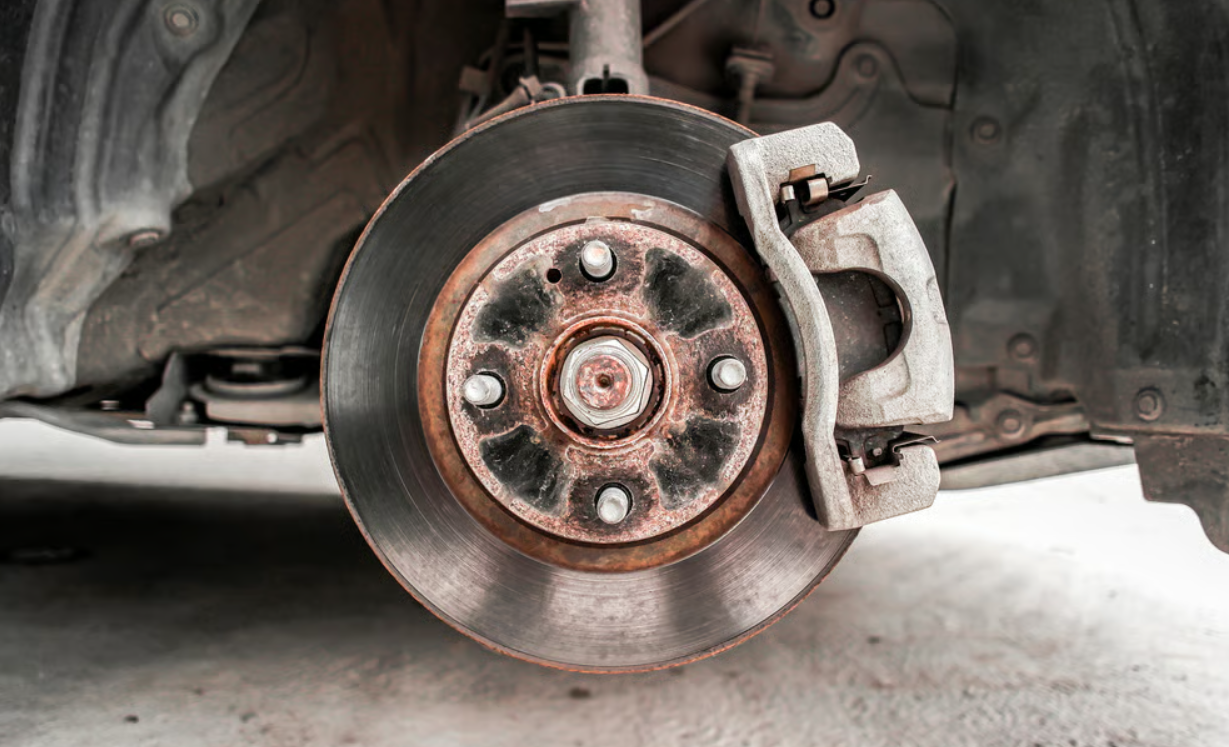
Visible damage can also indicate rotor problems. Deep grooves, heavy rust buildup, discoloration from excessive heat, or cracks are signs that replacement may be necessary.
Regular brake inspections help identify problems before they become serious. Technicians can measure rotor thickness, inspect brake pads, and check the overall condition of the braking system during routine maintenance.
The Future of Brake Rotor Maintenance
Automotive technology continues to evolve, and brake systems are changing along with it. Electric vehicles, hybrid vehicles, and advanced driver assistance systems are influencing brake design and maintenance practices.
As manufacturers continue improving vehicle efficiency, brake components may become even more specialized. Lightweight designs and advanced materials may further reduce the role of resurfacing in future brake repairs.
The basic purpose of brake rotors will remain the same, but maintenance methods will continue adapting to new engineering standards. Replacement may remain common because modern vehicles require precise performance from every component.
Drivers should focus on proper inspections and follow manufacturer recommendations instead of relying only on older repair habits. What worked for vehicles built decades ago may not always apply to newer models.
Also Read: 10 Sedans That Pack More Than You’d Expect
