

Car shopping used to mean picking a color and a trim level. Now it means staring down a payment that rivals a mortgage in some cities. New data from Edmunds shows that one out of every five new-car buyers is agreeing to hand over at least $1,000 a month for their vehicle.
That’s not a rare splurge anymore. It’s becoming routine. A year ago, that group made up 17% of buyers. Today it’s 20%. Something has changed in how people think about cars, money, and what counts as normal debt. This piece breaks down what’s driving the jump, who’s saying yes to these payments, and what it might mean for anyone shopping for a car this year.
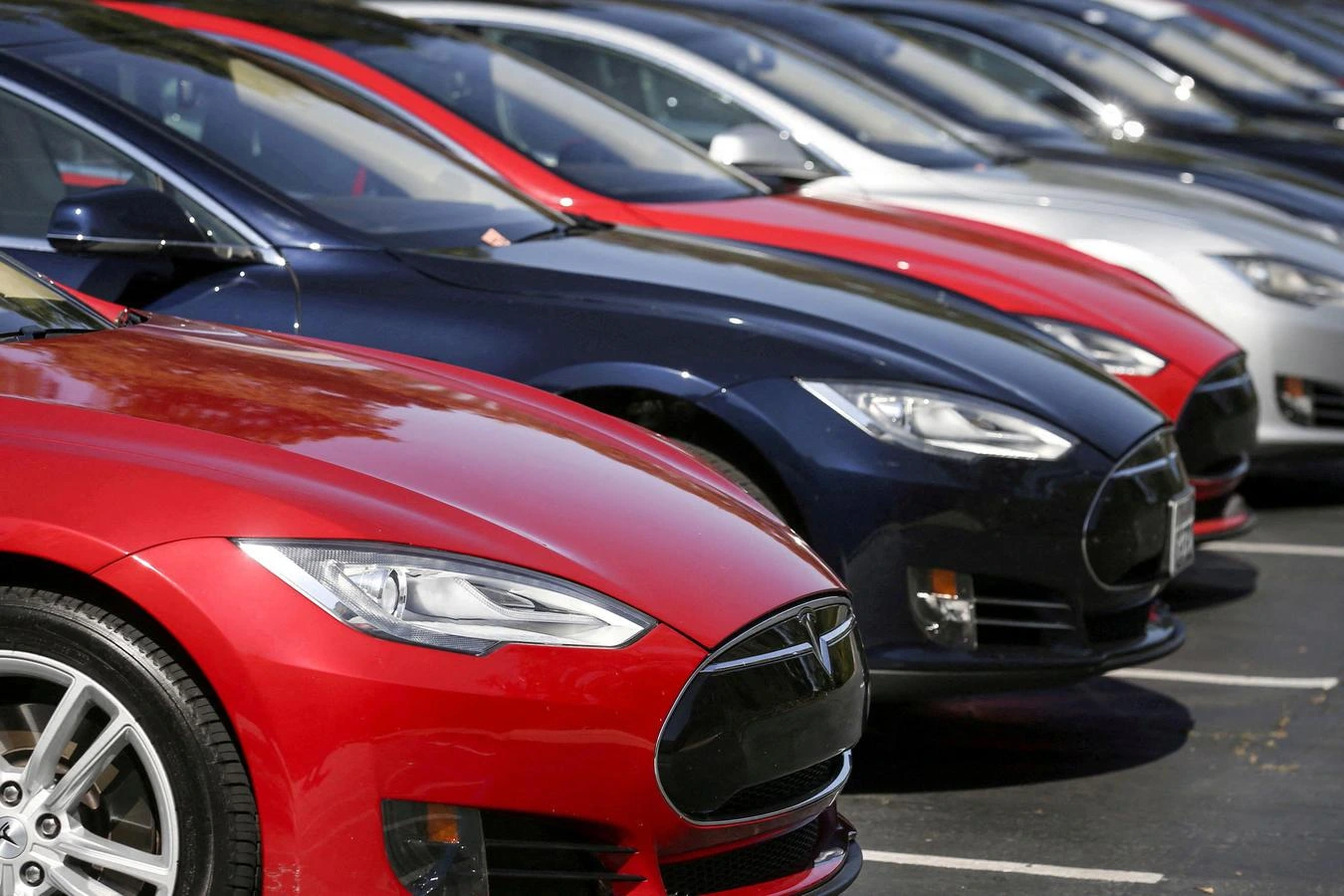
Edmunds Q1 2026 Data Shows The Climb
The numbers tell a blunt story. According to Edmunds’ first-quarter 2026 report, 20% of new-vehicle buyers signed loan agreements with monthly payments of $1,000 or higher. That’s up from 17% during the same stretch last year, a jump that might look small on paper but represents hundreds of thousands of additional households taking on payments that used to be reserved for luxury buyers.
Yahoo Finance, reporting on the same figures, pointed out that this isn’t happening in isolation. Average transaction prices for new cars have been creeping upward for years, interest rates remain stubbornly high compared to the ultra-low borrowing costs of the early 2020s, and loan terms have stretched longer just to keep payments from becoming unmanageable.
Even with those longer terms, the math still lands a fifth of buyers at four figures a month. What’s striking is the pace. A three-point increase in twelve months isn’t gradual drift. It suggests buyers are either accepting higher costs as unavoidable or gravitating toward pricier vehicles despite the squeeze.
Either way, the data paints a clear picture of a market where big monthly commitments are no longer an outlier scenario reserved for exotic cars or fully loaded trucks. They’re becoming a standard line item in a growing number of household budgets.
Why Prices Keep Climbing Higher
Sticker prices haven’t leveled off, and there are real reasons behind that. Manufacturers have leaned into higher-margin vehicles like trucks and SUVs, phasing out cheaper compact models that once served as entry points for budget-conscious shoppers. Fewer affordable options on the lot means buyers who want something new are often funneled toward pricier trims almost by default.
Supply chain costs, labor expenses, and technology upgrades packed into modern vehicles also add up. Today’s average new car comes loaded with driver-assist features, larger touchscreens, and software systems that didn’t exist a decade ago. Those additions aren’t cheap to engineer or install, and the cost gets passed straight to the buyer.
Then there’s the financing side of the equation. Interest rates, while off their recent peaks, are still elevated compared to pre-2022 norms. Borrowing $45,000 or $50,000 at a rate several points higher than what buyers saw a few years back adds real dollars to every monthly bill. Lenders have responded by stretching loan terms to 72, 78, even 84 months in some cases, spreading the pain but rarely eliminating it.
Trade-in values have also softened somewhat compared to the used-car boom of 2021 and 2022, meaning buyers have less equity cushioning their next purchase. Put all of this together, and a $1,000 payment stops looking unusual. It starts looking like the going rate for a reasonably equipped new vehicle.
Also Read: Car Buyers Rolling Over Debt Now Pay $932 a Month on Average
Who’s Actually Saying Yes To This
It would be easy to assume only wealthy buyers are absorbing these payments, but that’s not the full picture. Middle-income households make up a meaningful chunk of the group crossing the $1,000 threshold, often because they feel they have few other choices. Aging vehicles need replacing, leases expire, and family situations change, pushing people into the market whether prices feel comfortable or not.
Younger buyers, particularly those purchasing their first new vehicle, are showing surprising willingness to stretch their budgets for features they consider non-negotiable, like advanced safety tech or hybrid powertrains that promise fuel savings down the road. For some, the logic is that a higher payment today offsets lower running costs later.
There’s also a psychological piece at play. Years of headlines about rising prices may have desensitized buyers to sticker shock. What once seemed alarming can start to feel expected, even normal, after enough repetition. Dealers and lenders have noticed this change too, often structuring offers around monthly affordability rather than total price, which can make a big number feel more palatable when it’s broken into smaller chunks.
Retirees and empty-nesters with more disposable income round out the group, often choosing premium trims or trucks for comfort and utility rather than necessity. Across these different buyer types, one thread connects them: a growing acceptance that four-figure payments are simply part of buying new right now.
What This Means For Your Wallet
A $1,000 monthly car payment doesn’t exist in a vacuum. It competes directly with rent or mortgage payments, grocery bills, childcare costs, and everything else squeezing household budgets. Financial planners have long suggested keeping total vehicle costs, including insurance and fuel, under 15 to 20% of take-home pay. For many buyers in this new group, that guideline is getting stretched thin or ignored altogether.
Longer loan terms carry their own risks too. Stretching a loan to six or seven years increases the odds of owing more than the car is worth for a longer stretch of time, especially since vehicles depreciate fastest in their first few years. That gap, often called being underwater on a loan, can create real problems if a buyer needs to sell or trade in before the loan balance catches up with the car’s value.
Insurance costs also tend to rise alongside vehicle price and financing amount, since insurers factor in the value of what they’re covering. A pricier car with a larger loan often means a bigger monthly insurance bill too, compounding the financial load well beyond the loan payment itself.
Buyers considering this path might benefit from shopping with a firm budget in mind before stepping onto a lot, rather than letting a monthly payment figure dictate the decision after the fact.
Also Read: Why Used Toyota Tacomas Sell for Almost New-Car Prices

Smarter Ways To Approach A Car Purchase
None of this means buying new is a mistake. It means going in informed matters more than ever. Getting pre-approved financing from a bank or credit union before visiting a dealership can offer leverage and a clearer sense of what’s actually affordable, separate from whatever financing package a dealer might push.
Considering a slightly older model year or a well-equipped used vehicle can also soften the blow substantially, since depreciation does most of the heavy lifting on price during those first couple of years of ownership. Buyers who are flexible on trim level or optional packages often find meaningful savings without giving up the core features they actually care about.
Shorter loan terms, even if they mean a higher monthly payment upfront, tend to save thousands in interest over the life of the loan compared to stretching things out to 84 months. Running the numbers on total cost, not just the monthly figure, gives a much more honest picture of what a vehicle actually costs.
Timing purchases around end-of-model-year clearance events or slower sales periods can also open the door to better incentives. Dealers facing inventory pressure are often more willing to negotiate, especially on vehicles that have been sitting on the lot longer than expected.
The bottom line is that a $1,000 payment might be increasingly common, but common doesn’t mean it has to be automatic. A little research and patience can still make a real difference in what buyers end up paying for years to come.
