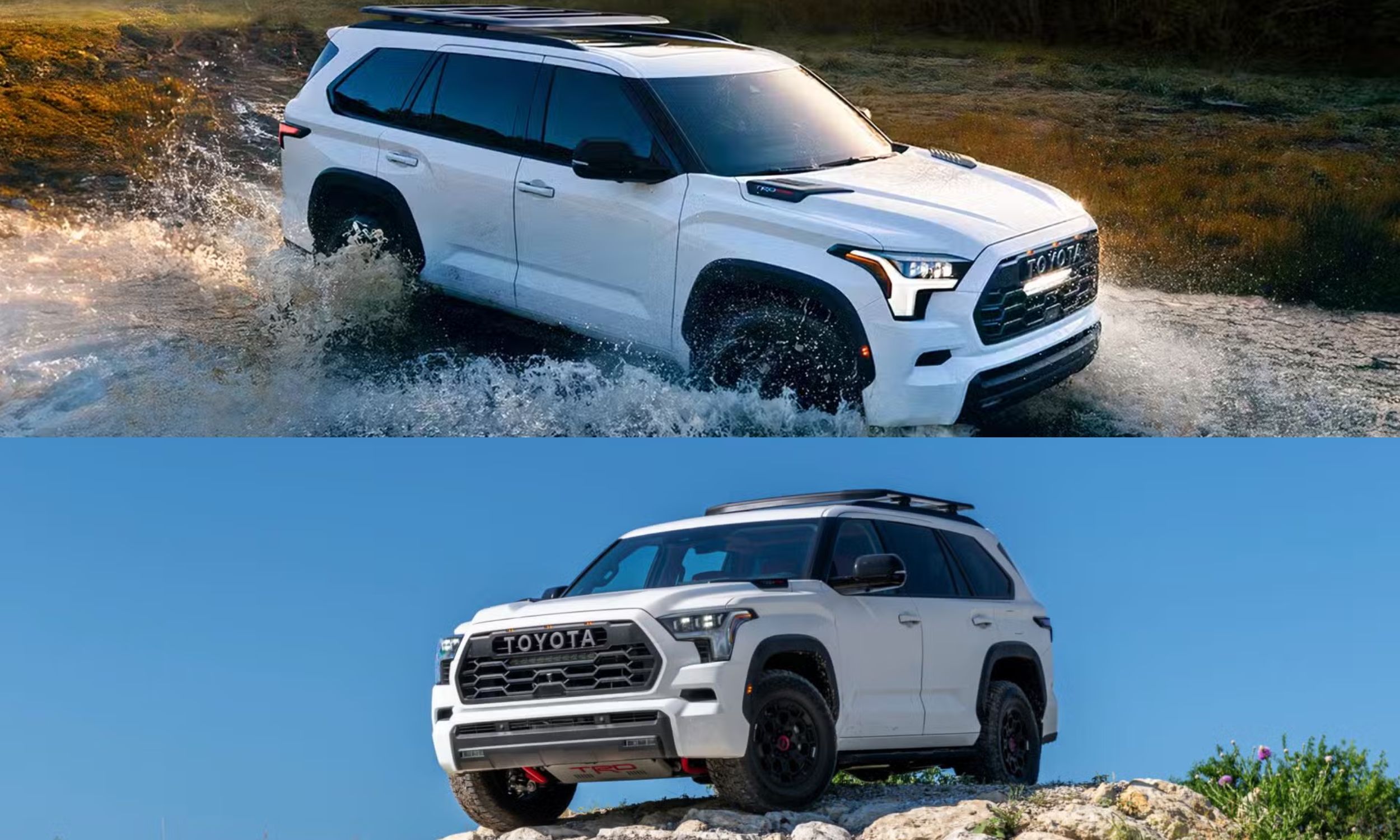
If you’ve ever wondered which cars actually go the distance, the numbers are finally in, and they favor a familiar name. A fresh iSeeCars study covering more than 174 million vehicles found that a Toyota has a 17.8% chance of reaching 250,000 miles, putting the brand far ahead of every other automaker on sale today.
That figure is nearly four times the industry average of 4.8%, which says a lot about how these vehicles are built and how long owners tend to keep them. Lexus landed in second place at 12.8%, while Tesla managed to beat out several brands known for premium engineering, including Mazda, Subaru, and Porsche. Here’s what the data actually shows, and why it matters if you’re shopping for your next car.
Why Toyota Keeps Winning This Race
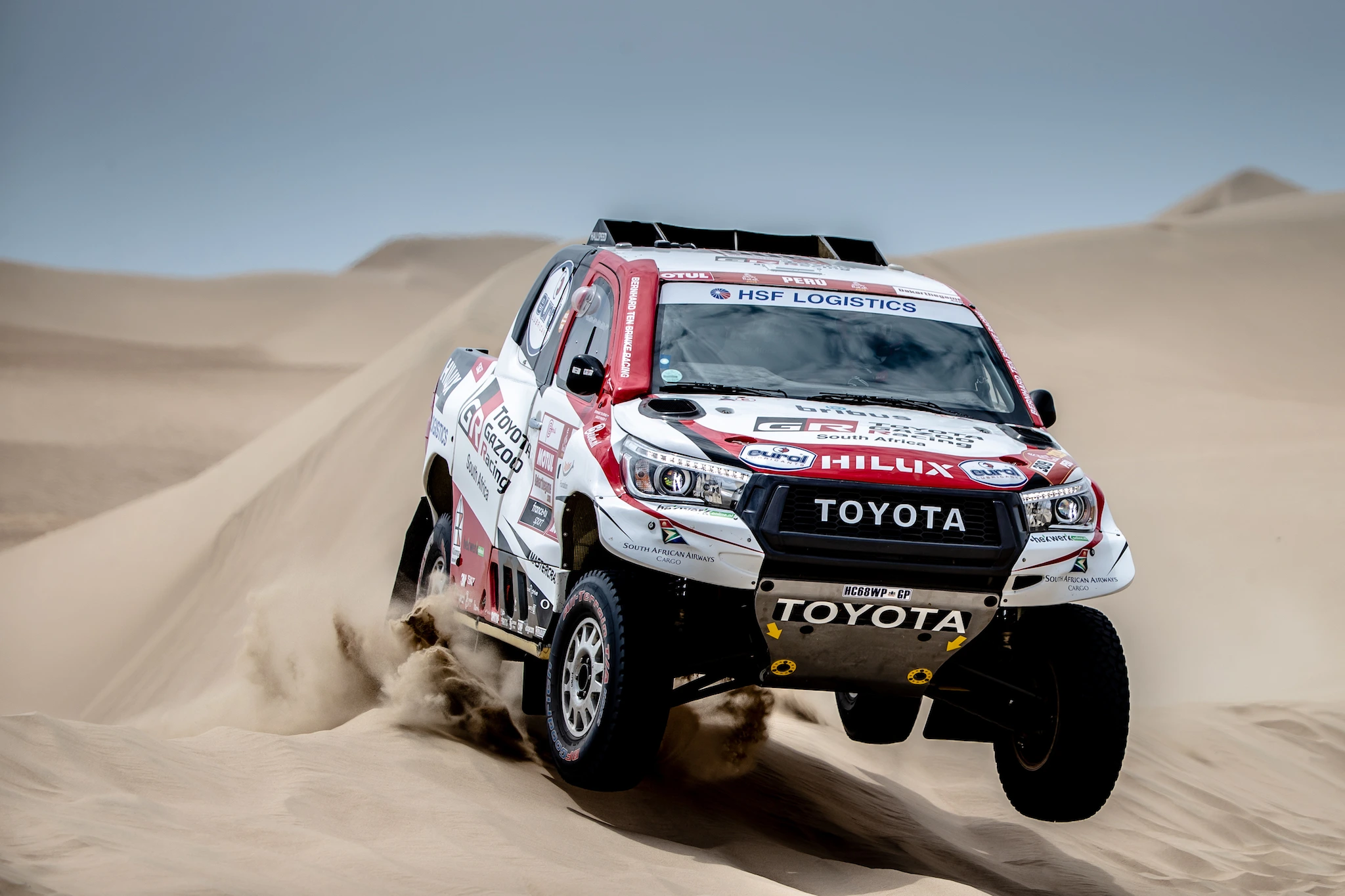
Toyota didn’t stumble into this ranking by accident. According to Carscoops, the brand sits comfortably at the top of the list, and it isn’t close. Honda and Acura round out a clean sweep for Japanese automakers, meaning four of the top spots belong to companies with shared engineering roots and manufacturing philosophies.
These four brands are the only ones that beat the average, which tells you how rare it is for any manufacturer to build vehicles that consistently outlast the typical ownership cycle. Part of the explanation comes down to simplicity. Toyota has built a reputation on mechanical parts that don’t try to reinvent themselves every model year.
Engines, transmissions, and drivetrains get refined gradually rather than redesigned from scratch, which reduces the odds of unexpected failures showing up a decade down the road. Trucks and SUVs like the Tacoma, Tundra, 4Runner, and Sequoia carry much of this reputation, but sedans and hybrids such as the Avalon and Prius post strong results too.
There’s also a cultural piece to this. Toyota owners tend to hold onto their vehicles longer than average, and routine maintenance gets treated as a habit rather than an afterthought. A car built to survive high mileage still needs an attentive owner to actually get there, and Toyota buyers seem unusually willing to provide that.
Why Lexus Remains One of the Most Reliable Luxury Car Brands
Second place went to Lexus, Toyota’s luxury division, at 12.8%. That’s a meaningful accomplishment considering how luxury vehicles typically perform in these studies. Premium brands often pack in more technology, more complicated systems, and more components that can fail with age, yet Lexus manages to sidestep that pattern almost entirely.
Since Lexus shares its underlying platforms, powertrains, and engineering practices with Toyota, it makes sense that durability would carry over. The luxury badge doesn’t seem to introduce the fragility that shows up elsewhere in the segment. Cadillac, Lincoln, and other traditional luxury nameplates fall well behind Lexus in these rankings, despite competing on price and features.
This result should reassure anyone hesitant about buying a used luxury vehicle out of fear it won’t hold up. A Lexus appears to age with the same grace as its more affordable sibling brand, just with leather seats and a quieter cabin along the way. Buyers looking for comfort without sacrificing reliability now have hard numbers to back up what many owners have said for years.
That combination is difficult to find anywhere else in the luxury segment, and it explains why resale values for these vehicles tend to stay strong.
Also Read: Toyota Built 351 Copies of Its First Supercar
Where Honda, Acura, and the Rest of the Field Land
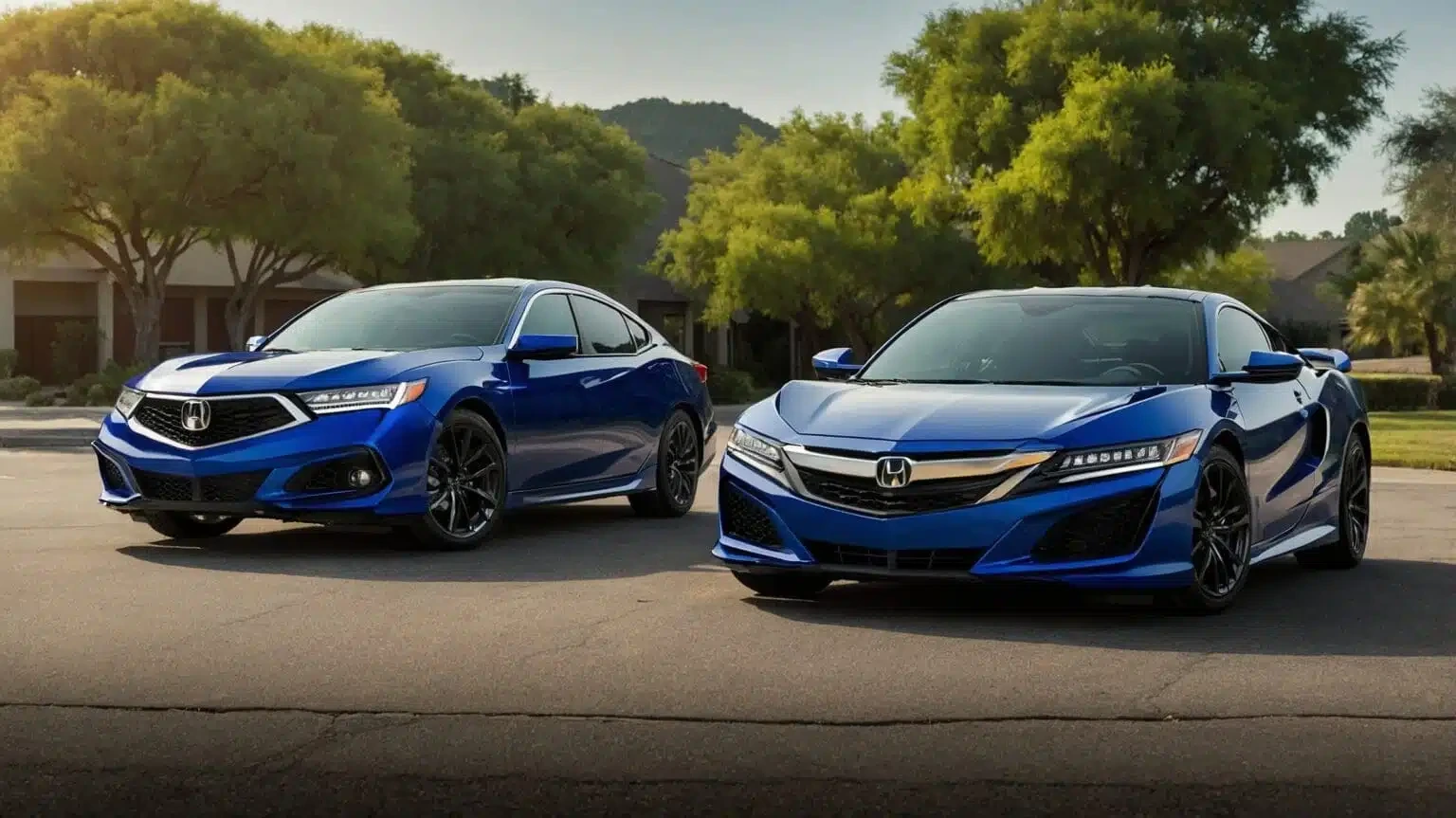
Honda came in third at 10.8%, with Acura following at 7.2%. Together with Toyota and Lexus, these four brands make up a group that clearly separates itself from the pack. Everyone else on the list, including recognizable names like Cadillac, Mercedes, BMW, and Volvo, falls short of the industry average.
That’s a surprising outcome for buyers who associate German engineering with quality that lasts. These brands build capable, well-regarded vehicles, but the data suggests longevity isn’t necessarily their strong suit compared to Japanese competitors. It raises questions about how complicated and long-term durability interact, especially as vehicles pack in more electronics and driver-assistance features every year.
Meanwhile, brands like Jaguar, Mini, and Maserati sit at the bottom, with odds of reaching 250,000 miles described as close to zero. These results reflect years of ownership data rather than a single bad model year, so the gap between the top and bottom of this list isn’t a fluke.
Tesla’s Surprising Spot in the Rankings
Tesla claims the sixth position on this list with an estimated 4.6% probability of reaching 250,000 miles. The electric vehicle manufacturer ranks alongside GMC and even places ahead of several carmakers that have spent many decades building vehicles. That achievement stands out because Tesla is still a relatively young company, and its electric models follow a very different long-term ownership pattern compared with traditional petrol-powered vehicles.
Electric motors have fewer moving parts than traditional engines, which theoretically should support long-term durability. Battery degradation remains the biggest question mark, though real-world examples exist of Tesla vehicles reaching well past a million miles with battery and motor replacements along the way.
Beating out Mazda, Subaru, Porsche, Cadillac, Volvo, Mercedes, and BMW is an impressive result for a company that only started building cars at scale a little over a decade ago.
Also Read: Toyota Highlander Trim Guide for Buyers Under $48,000

What You Need to Know Before Your Next Car Purchase
These numbers offer a useful reality check for anyone shopping with longevity in mind. Brand reputation isn’t just marketing talk; it shows up in the data collected from millions of real vehicles on real roads. If you’re planning to keep a car for over a decade, or you want strong resale value down the line, Toyota and Lexus currently offer the best odds of getting there.
That said, individual maintenance habits still play a massive role in how any car performs as time goes on. A well-maintained vehicle from a lower-ranked brand can easily outlast a neglected Toyota. But when the odds are stacked this heavily in one direction, it’s hard to ignore what the numbers are saying about which brands build cars meant to go the distance.