
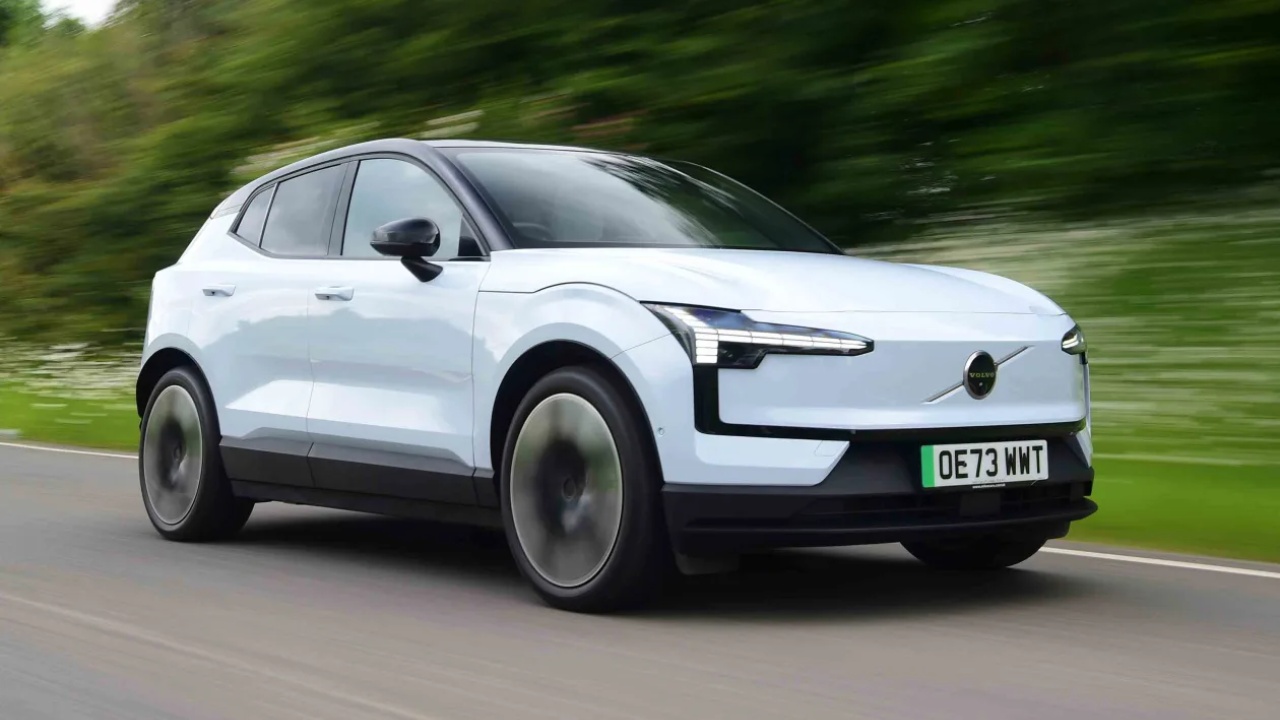
The American automotive market changes every year, but the 2027 model year will mark the departure of several familiar trucks and SUVs. Some are being replaced by new generations, while others are disappearing because of slow sales, changing consumer demand, factory retooling, or manufacturers shifting toward electric vehicles and hybrid technology.
Although these models have loyal owners and strong reputations, automakers continually adjust their lineups to remain competitive.
For buyers considering one of these vehicles, the remaining inventory could represent the final opportunity to purchase a new example before production ends. Here are the first two trucks and SUVs leaving the U.S. market for the 2027 model year.
Also Read: 8 Cars That Can No Longer Pass a Smog Check
1. Ford Escape
For more than two decades, the Ford Escape has been one of America’s best-known compact SUVs. Since its debut for the 2001 model year, it has served millions of families looking for affordable transportation, practical cargo space, and available all-wheel drive.
Despite remaining competitive with hybrid options and modern technology, Ford has confirmed the Escape will not continue into the 2027 model year as the company restructures its North American lineup.
The decision is not driven by poor engineering or declining customer satisfaction. Instead, Ford is repurposing production capacity at its Louisville Assembly Plant for a new generation of affordable electric vehicles expected to arrive in the coming years.
By eliminating the Escape, Ford can dedicate manufacturing resources to future products while allowing the Bronco Sport to become its primary compact SUV offering.
The Escape leaves behind an impressive legacy. Throughout multiple generations, it evolved from a simple compact SUV into a sophisticated crossover offering turbocharged EcoBoost engines, hybrid powertrains, plug-in hybrid variants, advanced driver-assistance systems, and excellent fuel economy.
It remained one of Ford’s strongest sellers even as competition intensified from rivals such as the Toyota RAV4, Honda CR-V, and Hyundai Tucson.
Current owners should not worry about long-term support. Ford has committed to continuing parts availability, warranty coverage, and dealership service for existing Escape models. Used values may also remain relatively strong because demand for reliable compact SUVs continues to be high.
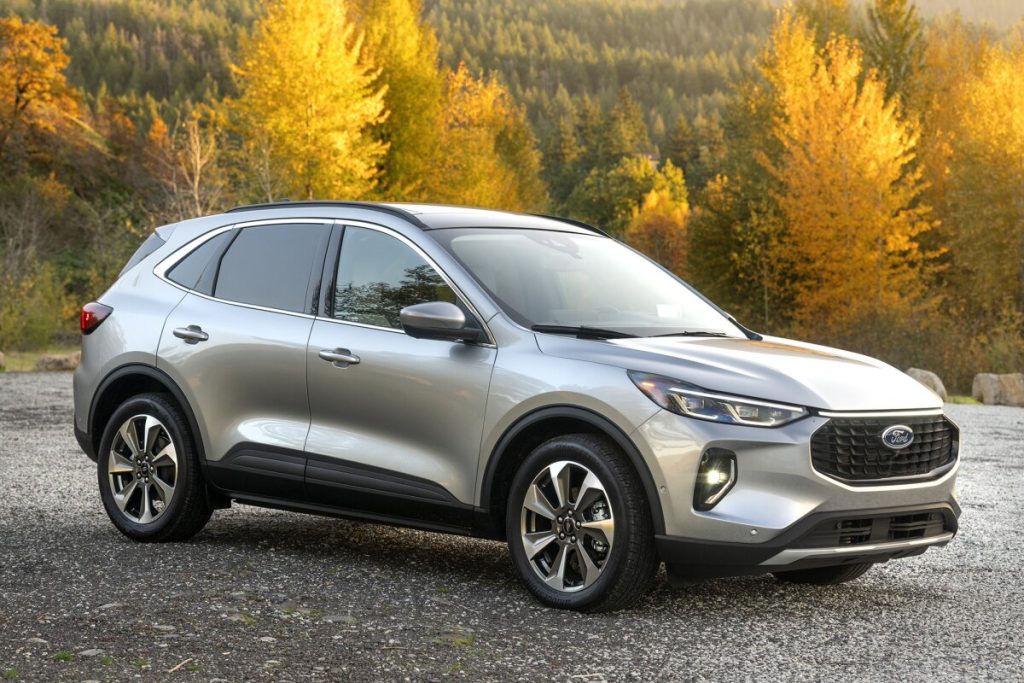
Although its departure marks the end of an important chapter for Ford, industry analysts expect the company’s future compact electric SUV may eventually inherit many of the Escape’s customers while introducing an entirely new direction for the brand.
Specifications (2026 Ford Escape Hybrid)
- Engine: 2.5-liter naturally aspirated inline-four hybrid
- Torque: 155 lb-ft (engine)
- Horsepower: 192 hp (combined system output)
- Length/Width: 180.5 inches / 74.1 inches
2. Acura RDX
Few premium compact SUVs have enjoyed the consistent success of the Acura RDX. Introduced in 2007, the model helped establish Acura as a serious competitor in the luxury crossover segment by combining strong performance, generous equipment, and competitive pricing.
However, the current generation will conclude production after the 2026 model year, leaving no 2027 Acura RDX before a completely redesigned successor arrives for 2028. Rather than a permanent cancellation, this represents a rare production gap during a model transition.
The timing has surprised many industry observers because the RDX remains Acura’s best-selling vehicle.
Normally, manufacturers coordinate production so an outgoing model overlaps with its replacement. In this case, Acura has acknowledged that the next-generation RDX will simply not be ready in time for the 2027 model year.
The outgoing RDX has built a loyal following thanks to its turbocharged engine, Super Handling All-Wheel Drive system, premium interior, and excellent value compared with many European competitors. It consistently earned strong safety ratings while offering one of the most spacious cabins in its class.
Buyers considering a luxury SUV may actually benefit from this transition. Dealers often provide attractive incentives on final production models, making the last model year an appealing option for shoppers who prefer proven engineering over waiting for an all-new generation.
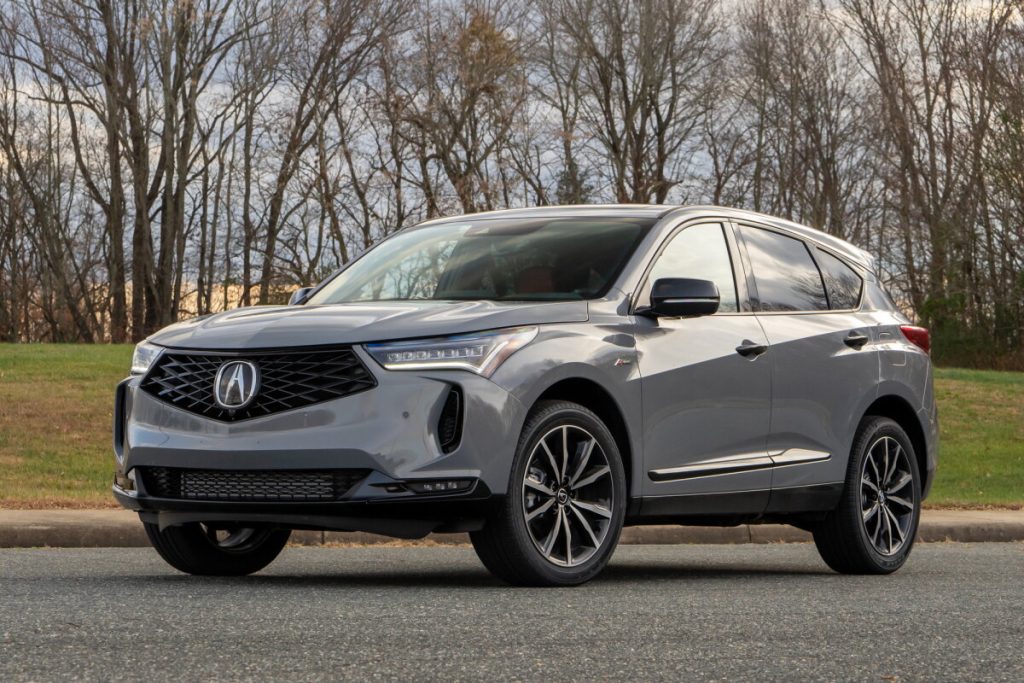
Although the RDX will briefly disappear from Acura showrooms during the 2027 model year, its absence is expected to be temporary. The redesigned model should return with updated styling, improved technology, and electrified powertrain options that better align with Acura’s long-term strategy.
Specifications (2026 Acura RDX)
- Engine: 2.0-liter turbocharged inline-four
- Torque: 280 lb-ft
- Horsepower: 272 hp
- Length/Width: 187.4 inches / 74.8 inches
3. BMW iX
BMW’s flagship electric SUV has served as a technology showcase since its arrival, introducing advanced battery systems, an innovative interior, and one of the brand’s most distinctive exterior designs.
However, the current-generation BMW iX is expected to conclude its run in the U.S. market after the 2027 model year as BMW prepares a replacement based on its next-generation Neue Klasse electric vehicle architecture.
Rather than updating the existing platform indefinitely, BMW is shifting to a completely new family of EVs designed to deliver greater efficiency, faster charging, and improved software integration.
The iX represented a major step for BMW because it was developed from the ground up as an electric vehicle rather than adapting an existing gasoline platform.
Its carbon-fiber-intensive construction, dual-motor all-wheel-drive system, and advanced driver-assistance technologies helped position it among the most capable luxury electric SUVs available. Buyers also appreciated its quiet cabin, long driving range, and impressive performance.
Despite those strengths, electric vehicle technology has advanced rapidly. BMW’s Neue Klasse platform promises higher energy density batteries, improved charging speeds, lower manufacturing costs, and significantly enhanced computing capability.
Replacing the current iX allows BMW to consolidate future electric models around a common architecture while remaining competitive against rivals introducing newer EV platforms.
Owners of existing iX models should continue receiving full factory support, including warranty coverage, software updates where applicable, and replacement parts through BMW’s dealership network. The transition reflects technological evolution rather than dissatisfaction with the current model.
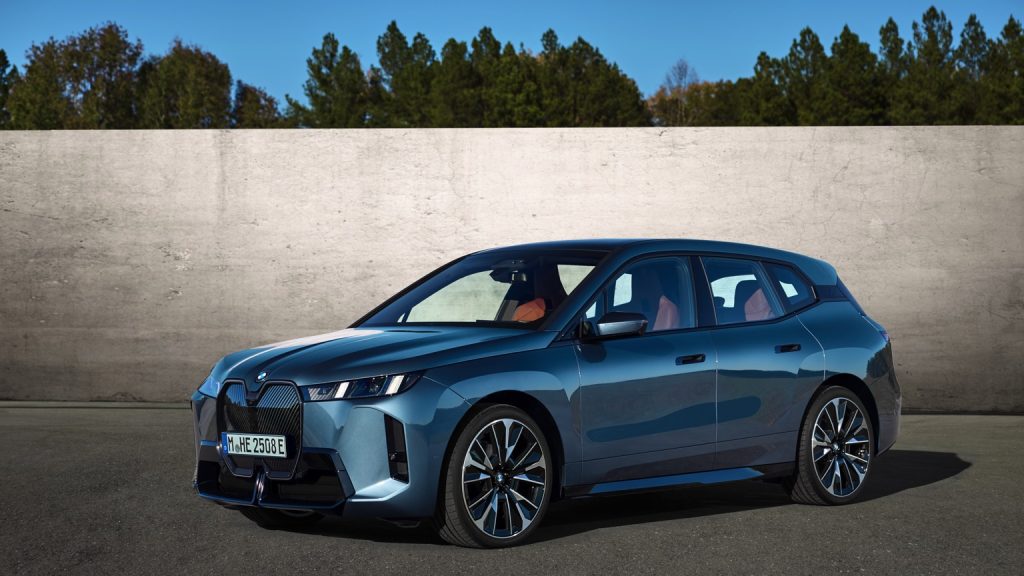
Although production of the present-generation iX is ending, its influence on BMW’s electric strategy will continue. Many of the technologies introduced on the iX are expected to evolve further and appear in future Neue Klasse SUVs destined for the American market.
Specifications (2026 BMW iX xDrive50)
- Engine: Dual permanent-magnet electric motors
- Torque: 564 lb-ft
- Horsepower: 516 hp
- Length/Width: 195.0 inches / 77.4 inches
4. Jaguar F-PACE
The Jaguar F-PACE changed the company’s future when it debuted as the brand’s first SUV. It quickly became Jaguar’s best-selling vehicle by combining sports sedan handling with everyday practicality, attracting buyers who previously had never considered the British luxury manufacturer.
After nearly a decade on the market, however, Jaguar has confirmed the F-PACE will leave the U.S. lineup as the company transforms itself into an ultra-luxury, all-electric brand.
Unlike many discontinued SUVs that disappear because of declining popularity, the F-PACE is leaving as part of a much broader corporate strategy.
Jaguar has announced plans to reinvent its entire product portfolio, replacing today’s gasoline-powered lineup with a limited number of high-end electric vehicles positioned well above its current market segment. That shift leaves no place for the existing F-PACE in the company’s plans.
Throughout its production life, the F-PACE earned praise for delivering engaging driving dynamics rarely found in midsize luxury SUVs.
Buyers could choose from efficient four-cylinder engines, powerful six-cylinder mild hybrids, and even the high-performance SVR model powered by a supercharged V8. Combined with elegant styling and a premium interior, it became one of Jaguar’s defining modern vehicles.
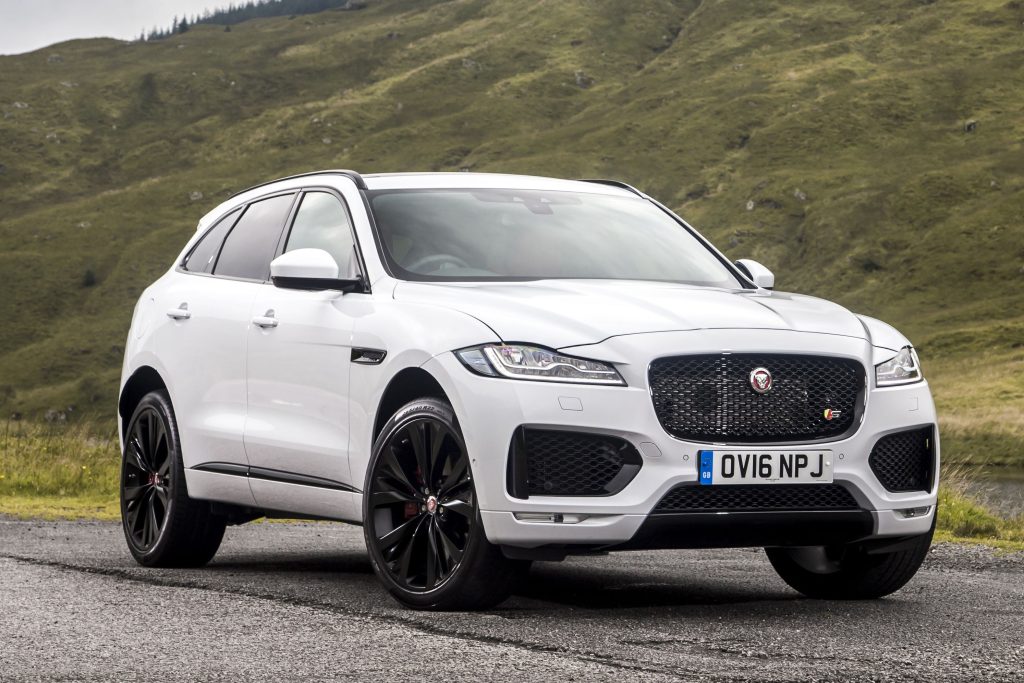
Current owners can expect continued factory service, warranty support, and replacement parts despite the model’s discontinuation. Jaguar has emphasized that customer support will remain available throughout the ownership experience.
The end of the F-PACE closes an important chapter in Jaguar’s history. While its successor may eventually arrive as a fully electric luxury SUV, the original F-PACE will be remembered as the vehicle that successfully introduced Jaguar to the booming SUV market.
Specifications (2026 Jaguar F-PACE P400)
- Engine: 3.0-liter turbocharged and supercharged inline-six mild hybrid
- Torque: 406 lb-ft
- Horsepower: 395 hp
- Length/Width: 186.9 inches / 81.5 inches
5. Honda Prologue
Honda entered the modern American EV market with high expectations for the Prologue. Introduced as the brand’s first volume-production electric SUV in the United States, it combined Honda styling and chassis tuning with General Motors’ Ultium battery platform.
Initial demand was encouraging, but changing market conditions and Honda’s revised product strategy ultimately shortened the Prologue’s lifespan.
Honda has confirmed that production will end after the 2026 model year, with dealer inventory expected to carry sales into early 2027 before the model disappears from U.S. showrooms.
Unlike many discontinued vehicles that simply failed in the marketplace, the Prologue became a victim of shifting corporate priorities. Honda originally intended the SUV to serve as a bridge until its own next-generation electric vehicles arrived.
However, after canceling several planned U.S. EV programs and redirecting investment toward hybrid models, the company determined that continuing the Prologue no longer fit its long-term strategy.
Despite its relatively short production run, the Prologue earned praise for its spacious cabin, smooth ride quality, competitive driving range, and user-friendly technology. Buyers appreciated Honda’s familiar driving character while benefiting from GM’s proven electric platform.
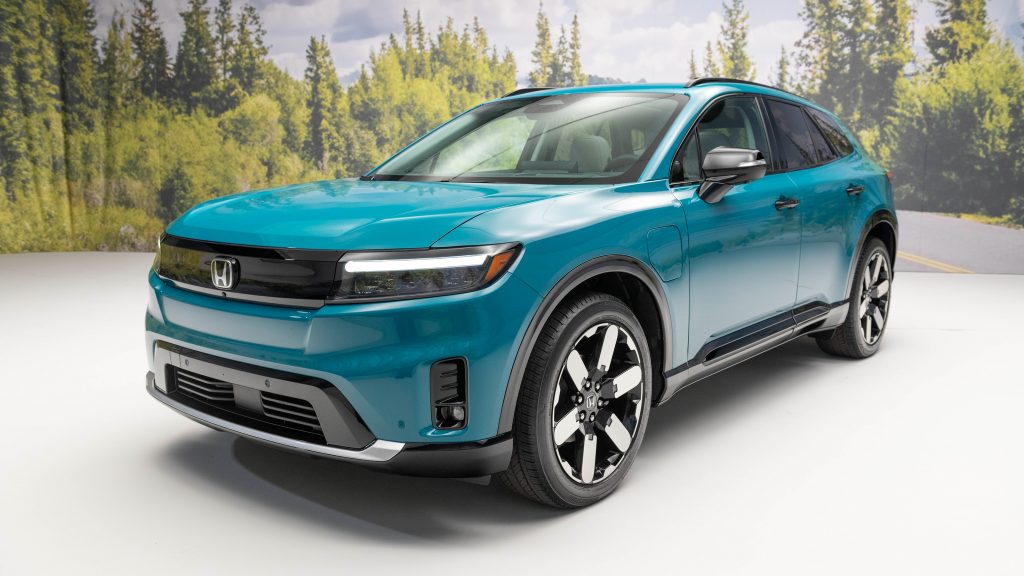
Current owners should not be concerned about support. Honda has confirmed that warranty coverage, parts availability, and dealership service will continue after production ends. Certified pre-owned Prologue models are also expected to remain available through Honda dealers.
The Prologue’s departure marks the end of Honda’s first dedicated electric SUV in America. Whether another all-electric Honda eventually returns will depend on how the company’s future electrification plans evolve in an increasingly competitive marketplace.
Specifications (2026 Honda Prologue AWD)
- Engine: Dual permanent-magnet electric motors
- Torque: 333 lb-ft
- Horsepower: 300 hp
- Length/Width: 192.0 inches / 78.3 inches
6. Volkswagen ID.4
When Volkswagen introduced the ID.4, it represented the company’s commitment to making electric vehicles a mainstream choice for American buyers. Built at Volkswagen’s Chattanooga, Tennessee, assembly plant, the compact electric SUV quickly became one of the brand’s most important products.
That chapter is now coming to a close, as Volkswagen has ended U.S. production of the current ID.4 to make room for the redesigned 2027 Atlas, with remaining inventory expected to last into 2027 before the model temporarily exits the American market.
The decision reflects changing market conditions rather than dissatisfaction with the vehicle itself. Following the elimination of the federal EV tax credit and slower-than-expected electric vehicle demand, Volkswagen shifted its focus toward higher-volume gasoline-powered SUVs while developing future electric products better suited to the North American market.
Throughout its production run, the ID.4 gained recognition for offering a comfortable ride, generous interior space, and respectable driving range at a relatively accessible price. It also played a significant role in Volkswagen’s transition away from internal combustion engines following the Dieselgate era.
Volkswagen has indicated that the ID.4 name is expected to return in the future on a redesigned model, meaning this is better described as a pause than a permanent farewell. Even so, the current generation will disappear from dealer inventories once remaining stock is sold.
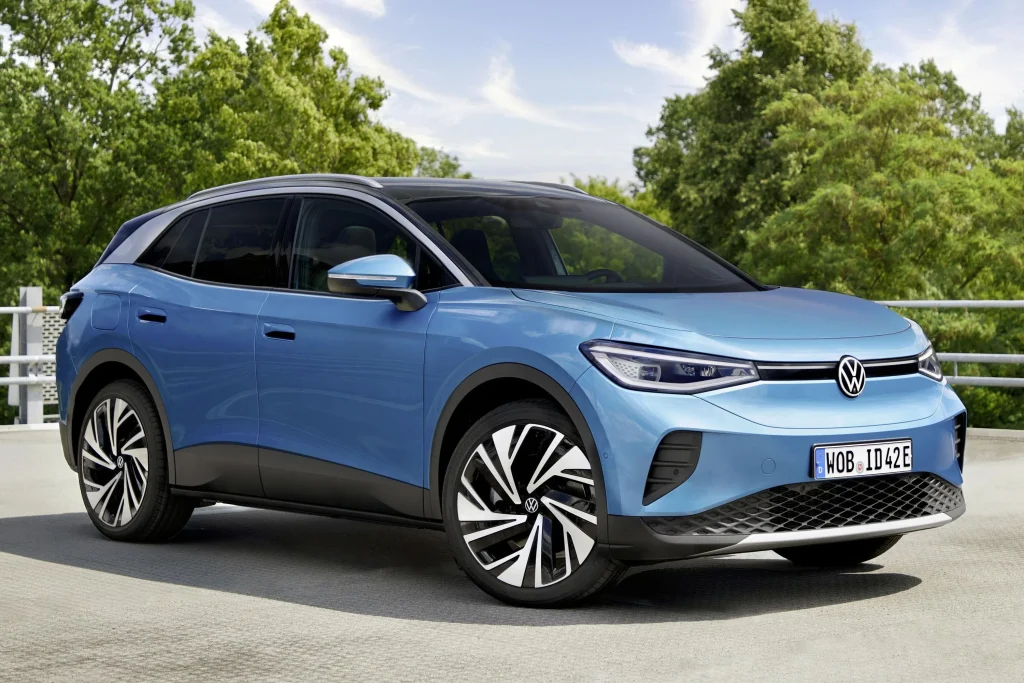
For shoppers interested in owning the original U.S.-built ID.4, the remaining inventory may represent the final opportunity before Volkswagen launches its next-generation electric crossover.
Specifications (2026 Volkswagen ID.4 Pro AWD)
- Engine: Dual permanent-magnet electric motors
- Torque: 402 lb-ft
- Horsepower: 335 hp
- Length/Width: 180.5 inches / 72.9 inches
7. Lincoln Corsair
The Lincoln Corsair has served as the brand’s entry-level luxury SUV since replacing the MKC, offering buyers premium comfort, advanced driver-assistance technology, and an available plug-in hybrid powertrain.
However, Lincoln is expected to phase out the Corsair as it restructures its SUV lineup and shifts its investment toward larger, higher-margin luxury models and future electrified vehicles. The decision reflects changing consumer preferences, as demand in the premium compact SUV segment has become increasingly competitive.
During its production run, the Corsair distinguished itself with a quiet cabin, comfortable ride, and upscale interior materials. It appealed to buyers seeking luxury without stepping into a larger midsize SUV.
Available features such as the Lincoln Co-Pilot360 suite, adaptive suspension, massaging front seats, and plug-in hybrid efficiency helped the model compete with rivals from BMW, Mercedes-Benz, Audi, and Lexus.
Although the Corsair earned positive reviews for refinement, Lincoln’s long-term strategy has increasingly focused on expanding its presence in larger luxury SUVs, where profit margins are generally stronger. Industry analysts also point to the rapid evolution of electrification as another reason manufacturers are reassessing smaller premium crossovers.
Existing Corsair owners should continue receiving full dealer support after production concludes. Lincoln has committed to maintaining warranty coverage, replacement parts, software support where applicable, and routine service through its nationwide dealer network.
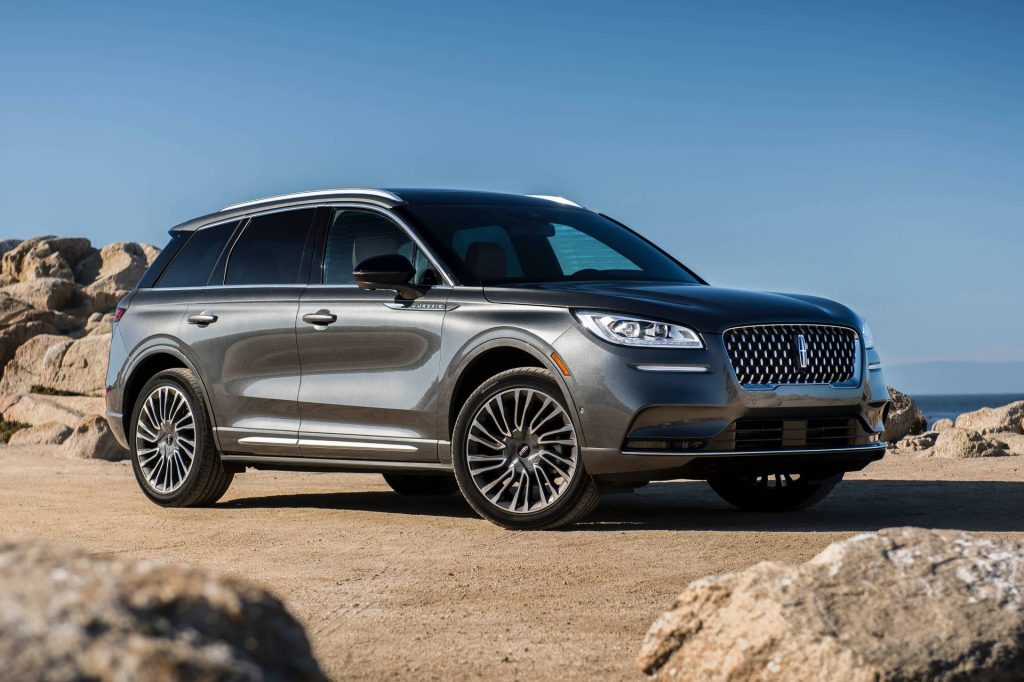
The Corsair leaves behind a reputation as one of the more comfortable compact luxury SUVs in its class. While its departure narrows Lincoln’s lineup, it also signals the company’s continued transition toward a new generation of premium vehicles designed for the evolving American luxury market.
Specifications (2026 Lincoln Corsair Grand Touring)
- Engine: 2.5-liter naturally aspirated inline-four plug-in hybrid
- Torque: 155 lb-ft (engine)
- Horsepower: 266 hp (combined system output)
- Length/Width: 180.6 inches / 74.3 inches
8. Volvo EX30
The Volvo EX30 was introduced as the Swedish automaker’s smallest and most affordable electric SUV, attracting considerable attention for its minimalist Scandinavian design, strong safety technology, and competitive driving range.
Although demand remained high globally, Volvo has chosen to discontinue the initial U.S. version as it adjusts production strategy, tariffs, and manufacturing locations for the North American market.
The EX30 demonstrated that a compact electric SUV could deliver premium quality without requiring the size or price of larger luxury EVs.
Buyers appreciated its clean interior layout, intuitive infotainment system, advanced collision-avoidance technology, and quick acceleration. Despite its compact footprint, the EX30 offered practical everyday usability that appealed to urban drivers and first-time EV buyers.
Volvo’s decision is primarily the result of manufacturing and market strategy rather than shortcomings in the vehicle itself. The company continues investing heavily in electrification but is restructuring how certain models are produced and supplied to the United States.
As a result, the original U.S. version of the EX30 will exit the market while Volvo evaluates plans for compact electric crossovers.
Owners can expect continued warranty support, replacement parts availability, and dealership service throughout the vehicle’s ownership life. Volvo has emphasized that customer support remains unchanged despite production adjustments.
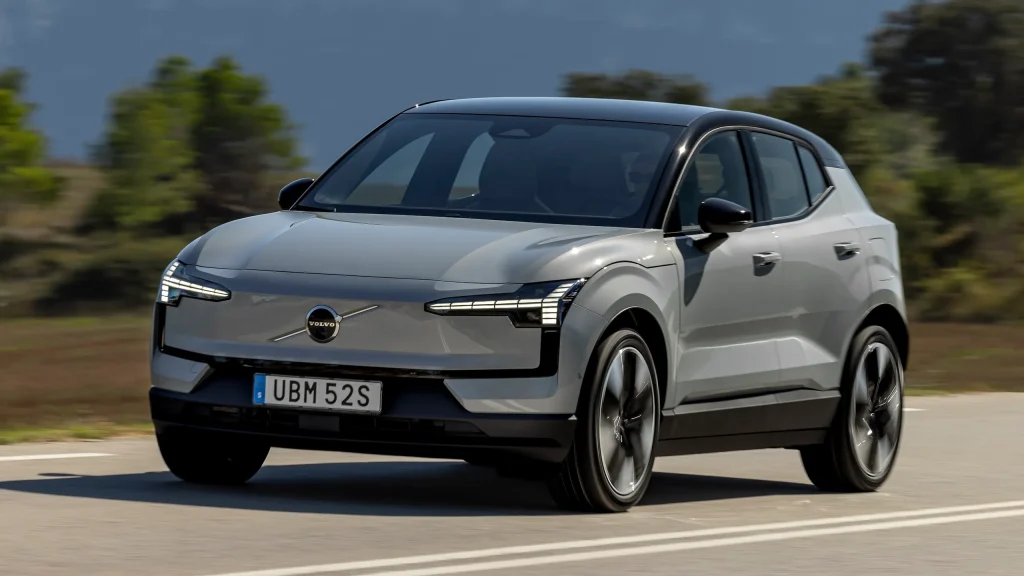
The EX30’s departure illustrates how quickly the electric vehicle market continues to evolve. Manufacturing decisions, supply chains, tariffs, and changing consumer demand now influence product planning almost as much as engineering.
Even with its relatively short time in the American market, the EX30 established itself as one of the most compelling compact luxury EVs introduced in recent years.
Specifications (2026 Volvo EX30 Twin Motor Performance)
- Engine: Dual permanent-magnet electric motors
- Torque: 400 lb-ft
- Horsepower: 422 hp
- Length/Width: 166.7 inches / 72.3 inches
Also Read: 8 Reasons the Trade Gets Appraised Before the Test Drive
