
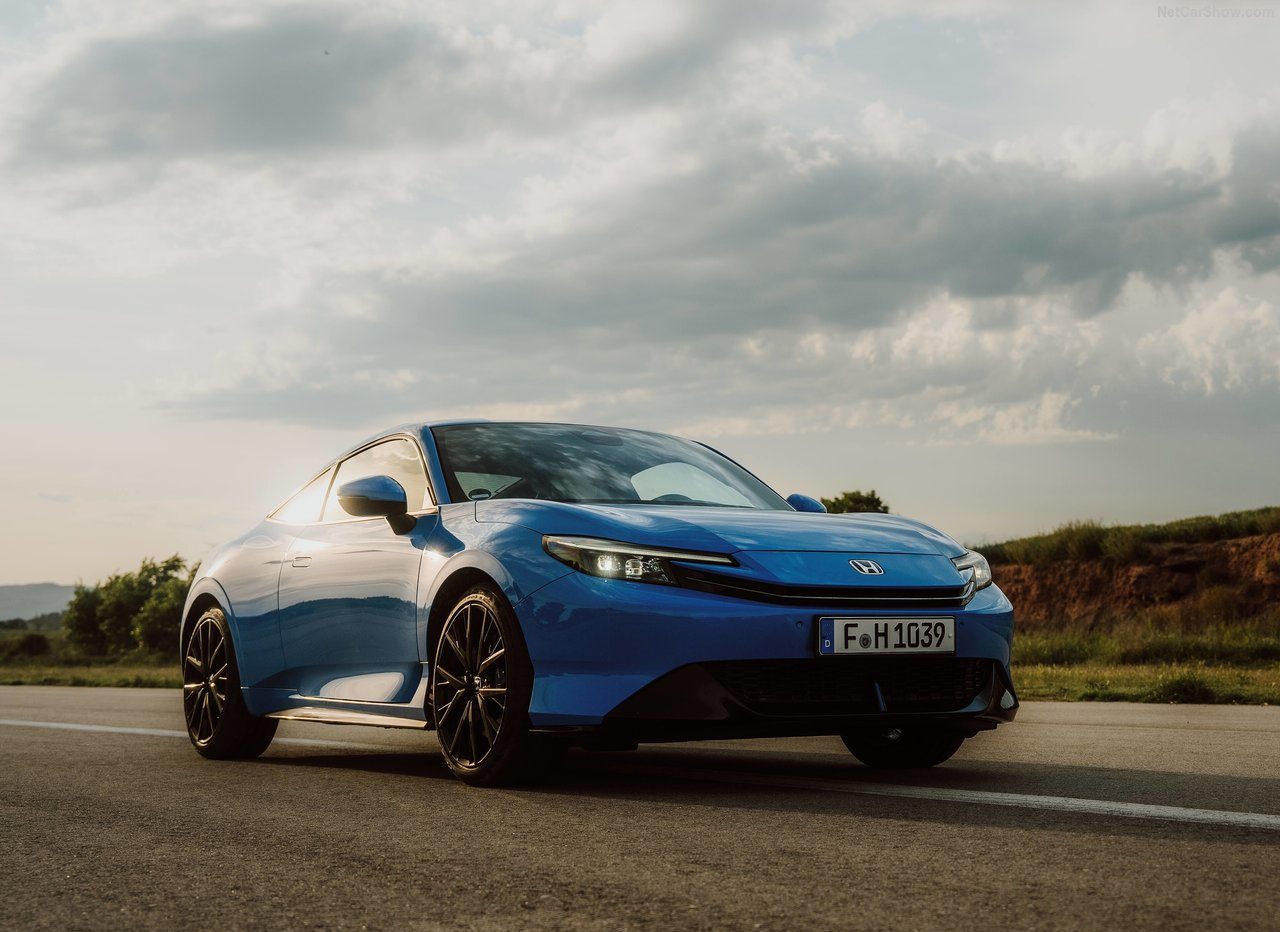
Honda has built a strong reputation for producing vehicles that combine efficiency, reliability, and long-term durability. Many Honda owners have reported keeping their cars on the road for hundreds of thousands of miles with regular maintenance and responsible driving habits. Some models have become famous for reaching impressive mileage figures that few vehicles can match.
A Honda vehicle that reaches 500,000 miles represents careful engineering, quality manufacturing, and proper ownership practices. From compact sedans to practical family vehicles, several Honda models have earned recognition for their ability to provide dependable transportation for decades while maintaining strong performance and value.
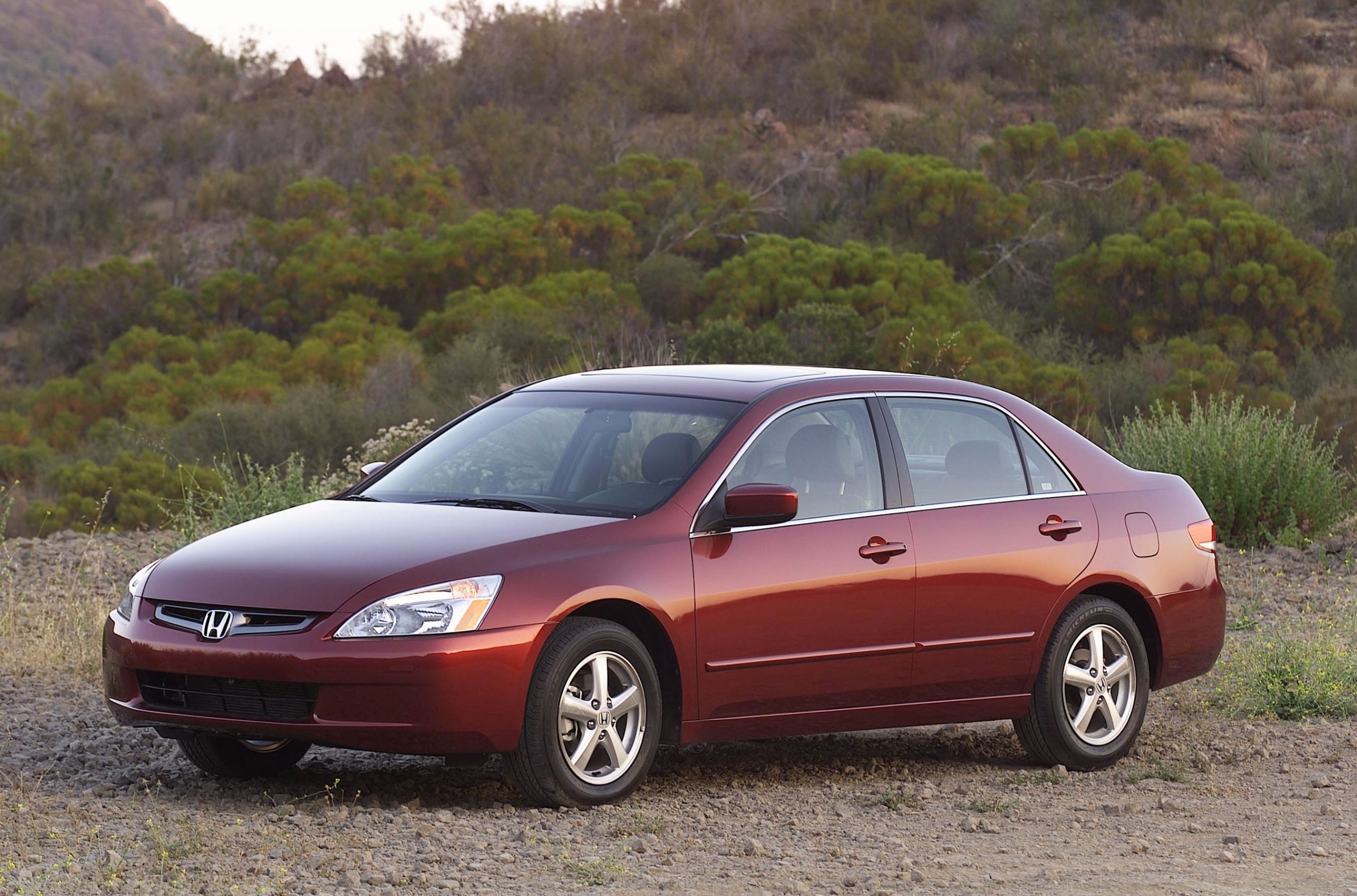
- Engine: 2.4-liter naturally aspirated inline-4 (K24 series)
- Horsepower: 190 hp
- Torque: 162 lb-ft
- Length: 191.4 inches (4,864 mm)
- Width: 72.8 inches (1,849 mm)
1. Honda Accord: A Sedan Built For Long-Term Reliability
The Honda Accord has earned a reputation as a dependable midsize sedan that can handle extensive use over many years. Since its introduction in 1976, the Accord has developed a loyal following among drivers who appreciate its balance of comfort, fuel economy, and mechanical strength.
Many older Accord models have surpassed 300,000 miles, with some well-maintained examples continuing to operate beyond 500,000 miles. Decades of production have allowed Honda to refine the sedan’s engines, transmissions, and engineering across multiple generations, helping establish the Accord as a model recognized for long-term reliability and durability.
A major factor behind the Accord’s durability is Honda’s approach to engine development. Many Accord models have used four-cylinder engines that are known for their smooth operation and efficient design.
Engines such as the F-series and K-series powerplants have gained respect among owners and mechanics because of their ability to handle high mileage when serviced properly. Regular oil changes, timely belt replacements, cooling system care, and transmission maintenance play important roles in helping these engines continue operating for several hundred thousand miles.
The Accord has also benefited from a strong combination of practical engineering and everyday usability. Many owners use these vehicles for daily commuting, highway travel, and family transportation.
The car’s comfortable interior, stable handling, and reasonable repair costs make it a popular choice for people who prefer keeping a reliable vehicle rather than replacing cars frequently. A well-maintained Accord can continue providing dependable service long after many newer vehicles have reached the end of their useful life.
Older Honda Accord models from the 1990s and early 2000s are especially respected among high-mileage vehicle enthusiasts. These generations featured relatively simple mechanical systems compared with many modern vehicles, making repairs easier and more affordable.
Many independent mechanics are familiar with Accord platforms, which helps owners maintain their cars without facing excessive service expenses. The availability of replacement parts also contributes to the model’s ability to remain on the road for decades.
Reaching 500,000 miles requires more than a reliable factory design. Owner habits have a major influence on vehicle lifespan. Honda Accord owners who follow maintenance schedules, address small problems before they become major failures, and drive responsibly often see exceptional mileage from their cars.
The Accord’s combination of engineering quality and owner commitment has helped establish it as a leading example of long-lasting automotive reliability.
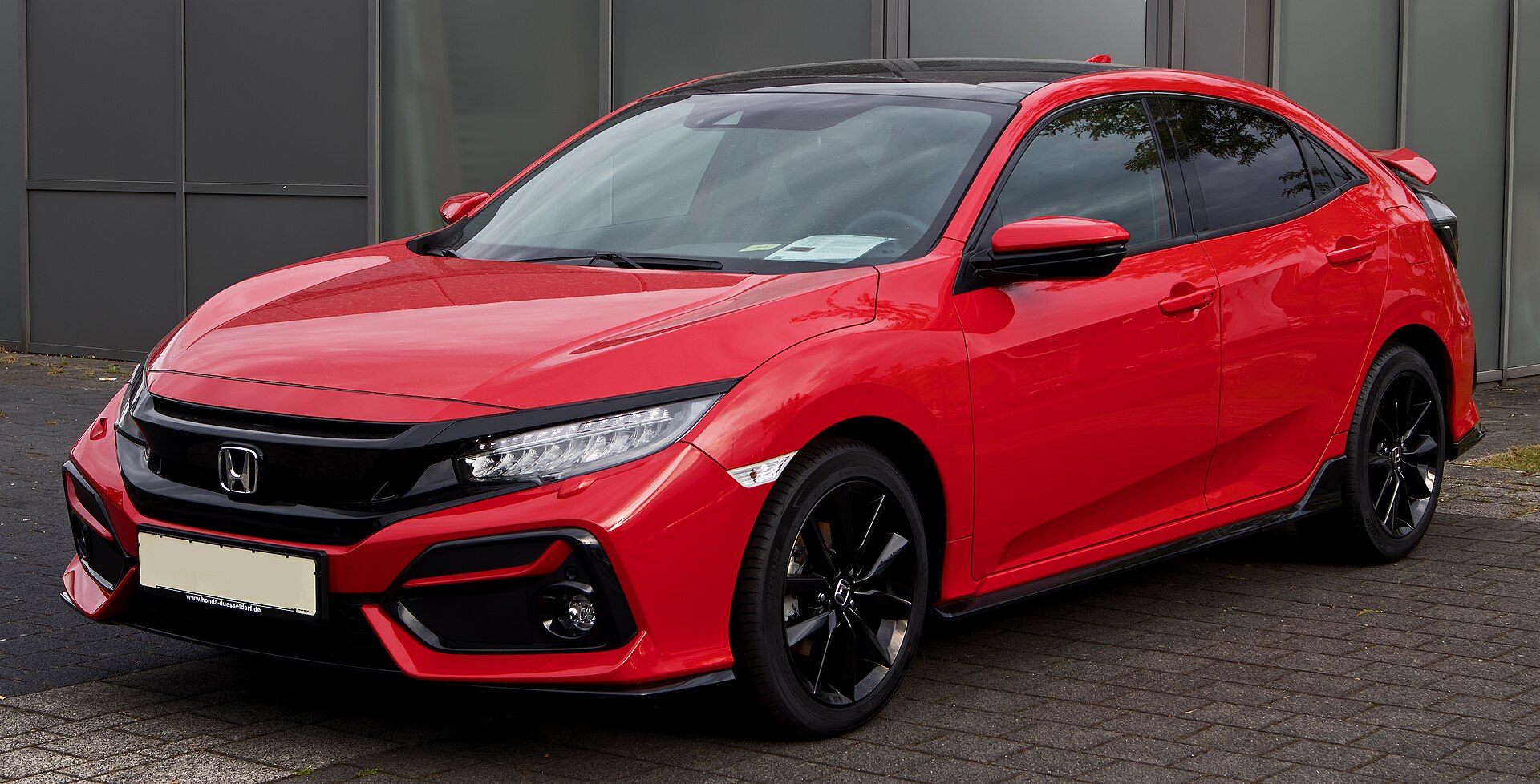
- Engine: 1.8-liter naturally aspirated inline-4 (R18 series)
- Horsepower: 140 hp
- Torque: 128 lb-ft
- Length: 177.3 inches (4,503 mm)
- Width: 69.0 inches (1,753 mm)
2. Honda Civic: The Compact Car That Keeps Going
The Honda Civic is among the most recognized compact cars in automotive history. Since arriving in the United States in 1973, the Civic has become known for affordability, fuel efficiency, and dependable performance.
Many Civic owners have kept their vehicles running for several decades, with numerous examples reaching 300,000 miles and some surpassing the 500,000-mile milestone. Its reputation comes from a simple formula: efficient engines, lightweight construction, affordable maintenance, and proven reliability.
Honda designed the Civic to provide economical transportation without sacrificing mechanical quality. Early Civic models became popular because they delivered excellent fuel economy during periods when fuel prices were rising.
Later generations continued improving performance, safety, and comfort while maintaining the dependable character that made the model successful. The Civic’s engines are often praised for their ability to maintain strong compression and smooth operation even after years of use.
The availability of parts and repair knowledge has helped the Civic remain a favorite among long-term owners. Because millions of Civics have been sold worldwide, replacement components are widely available.
Mechanics have extensive experience working on different Civic generations, allowing many repairs to be completed efficiently. This accessibility helps owners maintain older vehicles instead of replacing them when repairs are needed.
Many high-mileage Civic examples come from drivers who use them as daily commuters. The model’s efficient design makes it suitable for people who travel long distances regularly.
A Civic that receives proper oil changes, brake maintenance, suspension repairs, and transmission service can continue delivering reliable transportation for many years. Its smaller size also reduces stress on mechanical components compared with heavier vehicles.
The Civic’s ability to reach extremely high mileage demonstrates how thoughtful engineering can create lasting value. While newer vehicles often include advanced technology and additional features, many drivers still appreciate the Civic’s straightforward design and dependable nature.
For owners seeking a vehicle capable of lasting through years of regular use, the Honda Civic remains a strong example of long-term automotive durability.
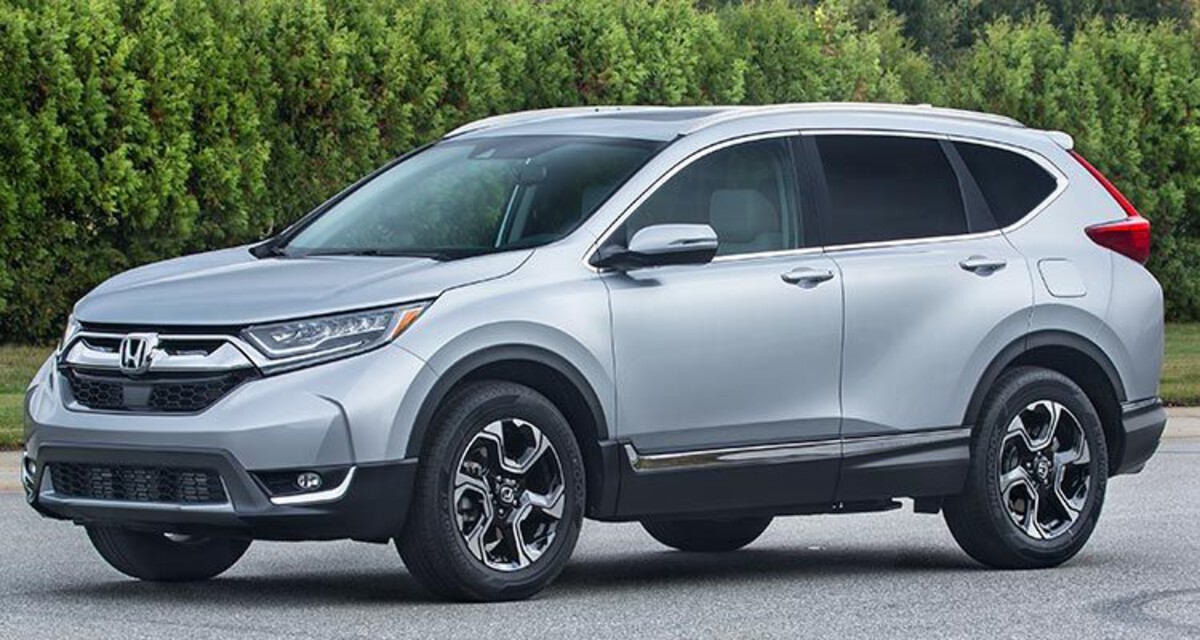
- Engine: 2.4-liter naturally aspirated inline-4 (K24 series)
- Horsepower: 180 hp
- Torque: 161 lb-ft
- Length: 178.9 inches (4,544 mm)
- Width: 71.6 inches (1,819 mm)
3. Honda CR-V: A Reliable SUV With Exceptional Longevity
The Honda CR-V helped establish the popularity of compact SUVs by combining passenger comfort, practical storage, and dependable mechanical performance. Introduced in 1995, the CR-V quickly became a preferred choice for families, commuters, and outdoor enthusiasts.
Many CR-V models have accumulated hundreds of thousands of miles, with some reaching impressive mileage figures close to or beyond 500,000 miles. Its reputation comes from a durable platform, efficient engines, and Honda’s focus on practical vehicle design.
The early CR-V models featured Honda engines known for their strength and reliability. Many versions used the B-series and K-series engine families, which have earned respect for their long service life.
These engines can continue performing well when owners maintain proper oil levels, replace worn components, and follow recommended service intervals. The vehicle’s drivetrain design also contributes to its ability to handle years of regular driving.
The CR-V became popular because it offered SUV practicality without the fuel costs and driving challenges associated with larger trucks.
Its compact dimensions made it easy to operate in cities, while its available all-wheel-drive system provided additional confidence in challenging weather conditions. This balance allowed many owners to use their CR-Vs for commuting, family trips, and long-distance travel.
Maintenance plays a significant role in extending the life of any CR-V. Owners who replace fluids regularly, inspect suspension components, and repair issues early often experience fewer major problems. Many older CR-V models remain active on roads because their owners understand that preventive care protects the vehicle’s long-term reliability.
The Honda CR-V has proven that a practical SUV can also be a long-lasting investment. Its combination of useful interior space, efficient engineering, and durable mechanical components has allowed many examples to remain reliable after decades of service.
For drivers searching for a vehicle capable of handling high mileage, the CR-V continues to represent Honda’s commitment to building dependable transportation.
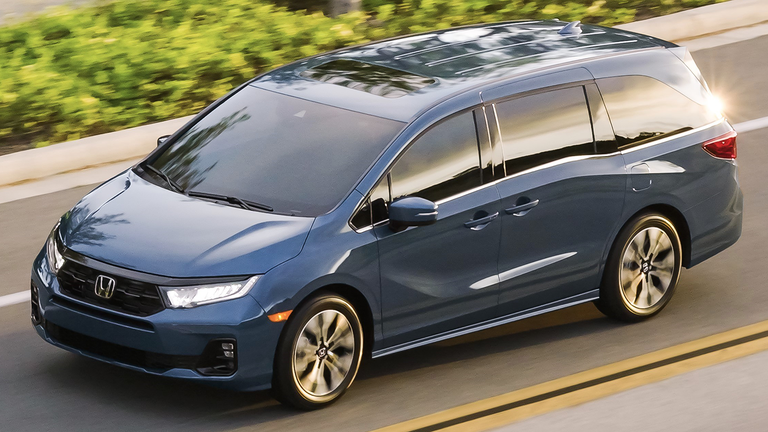
- Engine: 3.5-liter naturally aspirated V6 (J35 series)
- Horsepower: 248 hp
- Torque: 250 lb-ft
- Length: 202.9 inches (5,154 mm)
- Width: 75.6 inches (1,920 mm)
4. Honda Odyssey: A Minivan Designed For Years Of Family Service
The Honda Odyssey has become a respected choice among families who need space, comfort, and dependable transportation. Introduced in the North American market in 1994, the Odyssey brought car-like driving characteristics to the minivan segment while providing flexible seating and practical storage.
Many Odyssey owners have reported reaching extremely high mileage figures, with some vehicles passing 300,000 miles and continuing to operate for many years. With careful maintenance, certain examples have approached the 500,000-mile mark.
A major contributor to the Odyssey’s longevity is its strong V6 engine design. Many generations have used Honda’s J-series V6 engines, which are known for smooth performance and solid durability when properly maintained.
These engines provide enough power for carrying passengers and cargo while maintaining reasonable efficiency for a vehicle of its size. Regular oil changes, timing belt service on applicable models, and cooling system maintenance are essential for protecting the engine over a long lifespan.
Family vehicles often experience demanding conditions because they are used frequently and carry heavier loads. The Odyssey has been designed to handle these challenges through practical engineering choices.
Strong suspension components, comfortable seating systems, and durable interior materials allow many owners to use their vans for daily transportation, road trips, and years of family activities. The vehicle’s usefulness often encourages owners to keep it longer than they might keep other cars.
Transmission maintenance has been an important consideration for some Odyssey generations. Like many vehicles, certain models have experienced transmission-related concerns, making proper servicing especially important.
Owners who maintain fluid levels, follow service recommendations, and address warning signs early often improve the chances of achieving very high mileage. A well-maintained Odyssey can continue providing dependable service long after reaching typical vehicle lifespan expectations.
The Honda Odyssey represents how practical vehicles can become long-term companions for families. Many owners keep these vans because they continue meeting transportation needs even after many years.
Its combination of passenger capacity, driving comfort, and mechanical durability has helped the Odyssey earn recognition as a vehicle capable of reaching impressive mileage when cared for properly.
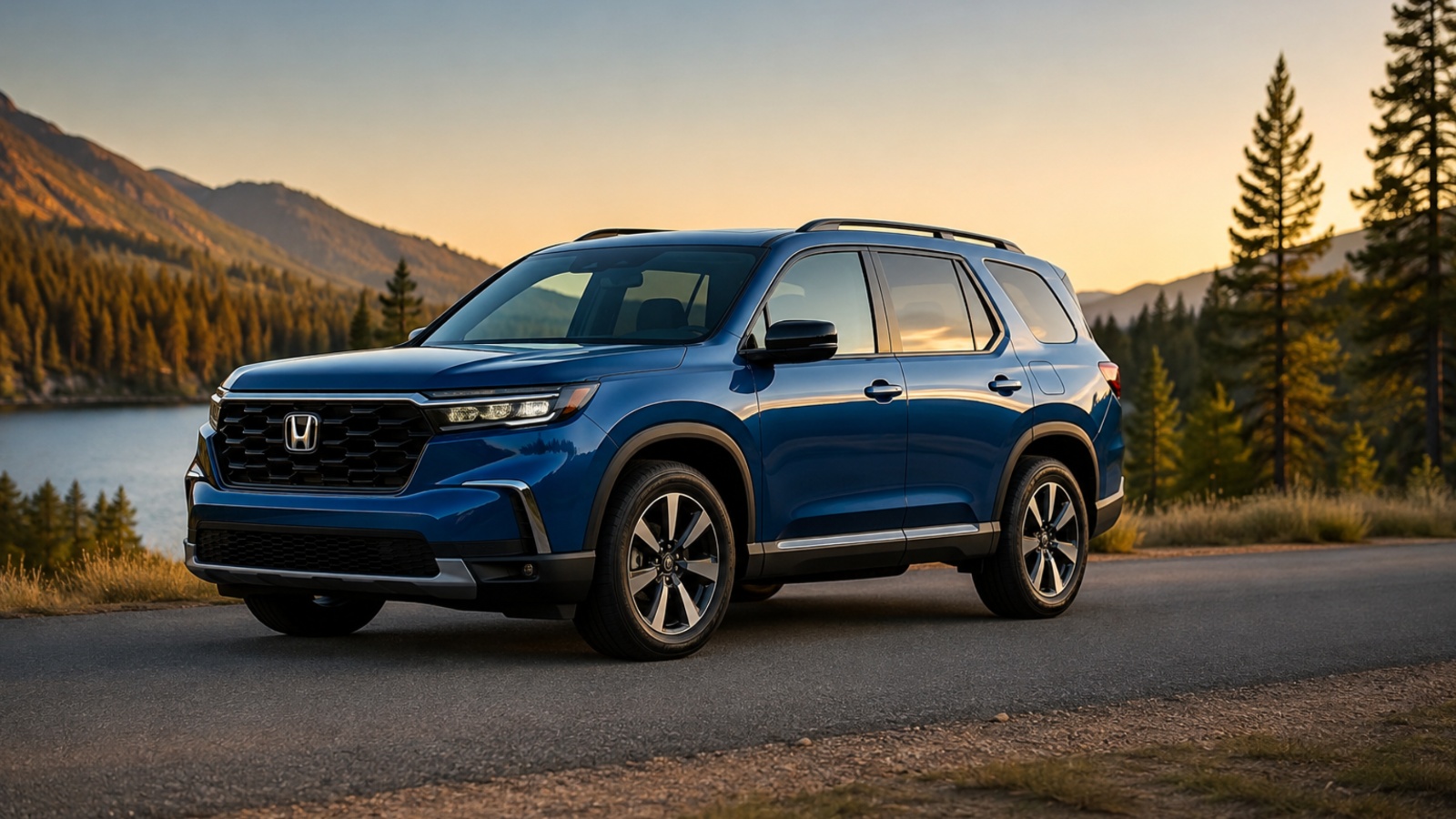
- Engine: 3.5-liter naturally aspirated V6 (J35 series)
- Horsepower: 250 hp
- Torque: 253 lb-ft
- Length: 188.0 inches (4,775 mm)
- Width: 78.5 inches (1,994 mm)
5. Honda Pilot: A Durable SUV For High-Mileage Drivers
The Honda Pilot entered the market in 2002 as Honda’s midsize SUV designed for families needing additional space and capability. Built with a focus on comfort, reliability, and everyday practicality, the Pilot quickly became a popular alternative to traditional larger SUVs.
Many Pilot owners have kept their vehicles for hundreds of thousands of miles, with well-maintained examples showing impressive durability. Some have reported mileage approaching 500,000 miles through careful ownership and regular servicing.
The Pilot shares engineering principles with other successful Honda models, including the use of dependable V6 engines. The J-series V6 used in many Pilot generations provides smooth power delivery and has demonstrated strong durability over extended periods.
These engines benefit from proper maintenance, including timely oil changes, cooling system checks, and scheduled belt replacements. When owners follow maintenance recommendations, the Pilot’s mechanical systems can remain reliable for many years.
SUVs often face more demanding driving conditions than smaller cars because they may carry heavier loads, travel longer distances, or encounter rougher roads.
Honda designed the Pilot with a sturdy structure and practical features that help it manage these challenges. Its spacious cabin, available all-wheel drive, and comfortable ride make it suitable for families, commuters, and travelers who need a dependable vehicle for various situations.
High-mileage Pilot owners often emphasize the importance of preventive maintenance. Small repairs, such as replacing worn suspension parts or fixing fluid leaks, can prevent larger problems later.
Keeping the vehicle in good condition helps preserve both performance and safety. Since many Pilot models are used as family vehicles, responsible maintenance habits often determine whether they remain reliable for several hundred thousand miles.
The Honda Pilot demonstrates that a midsize SUV can provide long-term ownership value. While many people associate high mileage with smaller cars, the Pilot has shown that larger family vehicles can also achieve exceptional durability.
Its combination of strong engineering, practical design, and comfortable driving characteristics has made it a respected choice among owners seeking a vehicle that can last for many years.
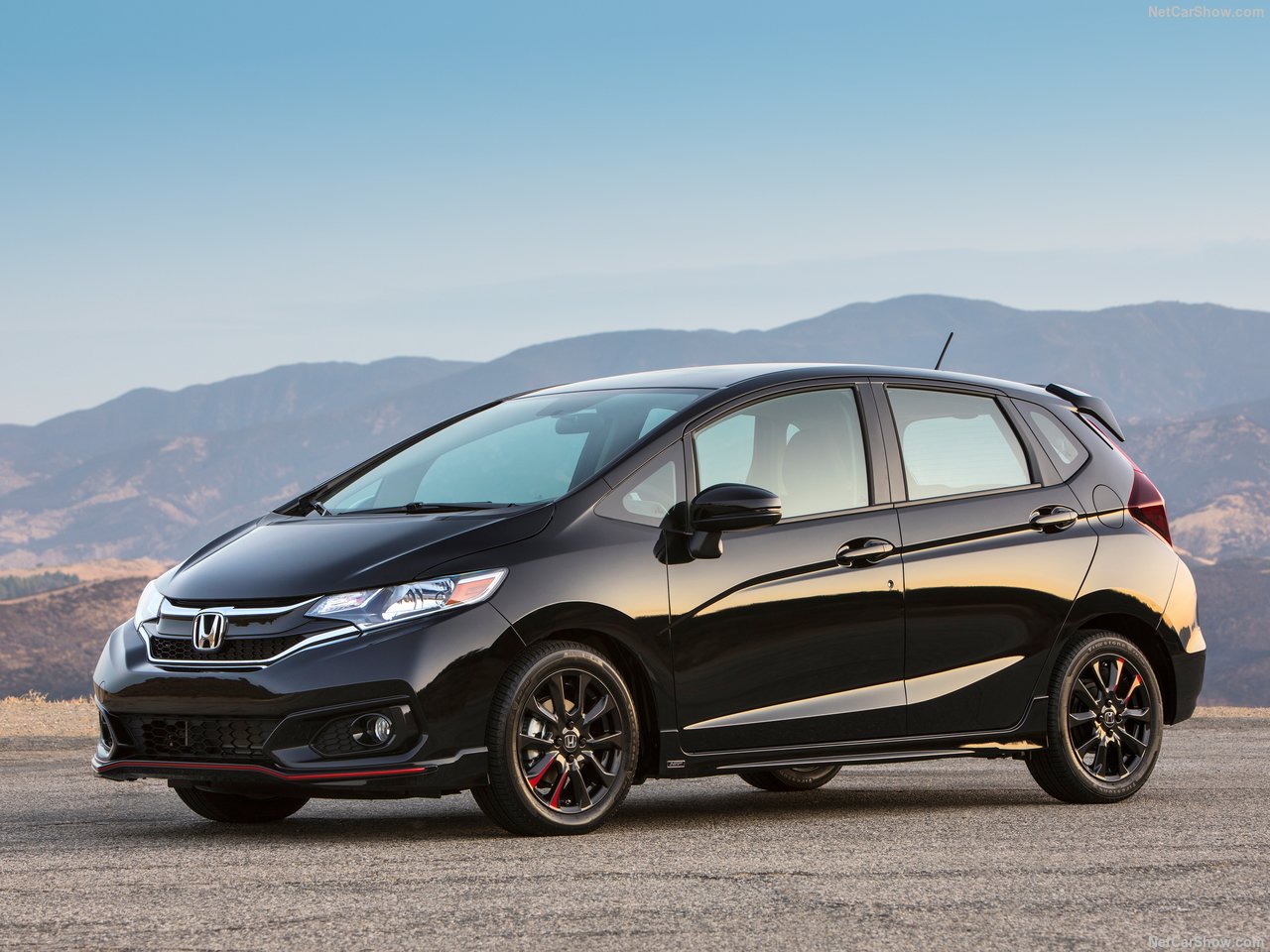
- Engine: 1.5-liter naturally aspirated inline-4 (L15 series)
- Horsepower: 117 hp
- Torque: 106 lb-ft
- Length: 161.4 inches (4,100 mm)
- Width: 66.7 inches (1,694 mm)
6. Honda Fit: A Small Car With Remarkable Strength
The Honda Fit, also known as the Honda Jazz in many markets, has gained recognition for offering impressive practicality in a compact package. Introduced in 2001, the Fit became popular because of its clever interior design, excellent fuel economy, and dependable performance.
While its small size might suggest limited durability, many owners have discovered that the Fit can handle extremely high mileage with proper care. Some examples have reached several hundred thousand miles.
The Fit’s lightweight construction contributes to its efficiency and reduces stress on many mechanical components. Honda equipped the vehicle with compact engines designed for reliability and economical operation.
The L-series four-cylinder engines used in many Fit models are known for their efficiency and ability to provide dependable service over long periods. Regular maintenance helps these engines continue running smoothly even after years of daily use.
One of the Fit’s greatest advantages is its practicality. The vehicle’s flexible interior, including Honda’s innovative seating system, allows owners to transport passengers and cargo despite its compact exterior dimensions. Many drivers choose the Fit because it provides affordable transportation without feeling limited. This practicality encourages owners to keep their vehicles for extended periods instead of replacing them frequently.
The Fit is also known for relatively affordable ownership costs. Its smaller engine requires less fuel, and many maintenance tasks are simpler compared with larger vehicles. Affordable parts and widespread mechanic knowledge make it easier for owners to keep older models functioning properly. These factors contribute to the possibility of reaching very high mileage.
The Honda Fit proves that size does not determine a vehicle’s ability to last. Its efficient engineering, practical design, and reliable components have helped many owners enjoy years of dependable transportation.
For drivers looking for an economical vehicle capable of handling long-term use, the Fit remains an excellent example of Honda’s commitment to durability.
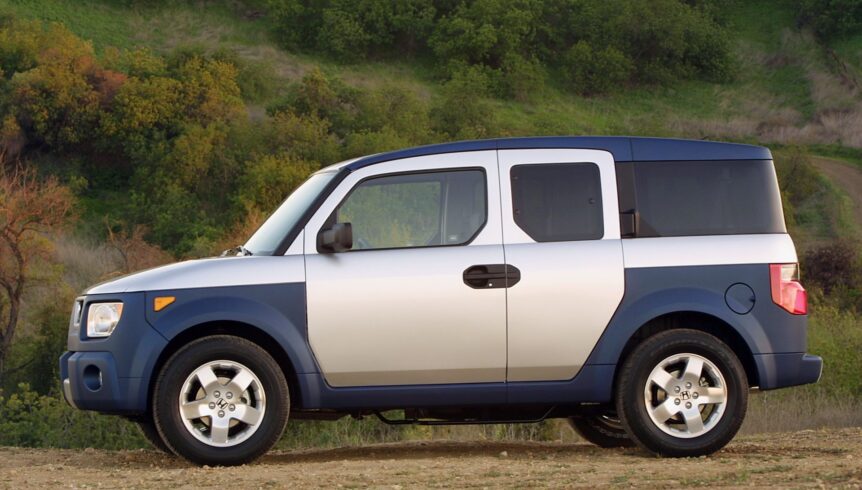
- Engine: 2.4-liter naturally aspirated inline-4 (K24 series)
- Horsepower: 166 hp
- Torque: 161 lb-ft
- Length: 169.9 inches (4,315 mm)
- Width: 71.5 inches (1,816 mm)
7. Honda Element: The Unique SUV That Lasts
The Honda Element was produced from 2003 to 2011 and developed a loyal following because of its unusual design and practical features. With its boxy shape, flexible interior, and durable construction, the Element became popular among drivers who wanted a vehicle suited for active lifestyles.
Many owners have kept their Elements for decades, and some have accumulated extremely high mileage through consistent maintenance.
The Element was built on a platform related to the Honda CR-V, sharing several engineering qualities that contributed to its reliability. Its four-cylinder engine provided dependable performance while maintaining reasonable fuel efficiency. The simple mechanical design helped reduce complexity, allowing many owners to maintain their vehicles successfully over long periods.
A key feature of the Element was its highly practical interior. The washable surfaces, removable rear seats, and large cargo area made it useful for outdoor activities, transportation needs, and everyday errands.
Many owners formed strong connections with their vehicles because the Element offered functionality that few other cars provided. This attachment often encouraged careful maintenance and long-term ownership.
The vehicle’s durability is also linked to Honda’s focus on practical engineering. Rather than prioritizing unnecessary complexity, the Element emphasized usefulness and reliability. Owners who regularly service the engine, transmission, suspension, and other components often find that the vehicle continues performing well even after many years.
Although production ended in 2011, the Honda Element remains popular among used vehicle buyers and enthusiasts. Its unique design, dependable mechanics, and long-lasting reputation have helped it maintain a strong following.
A well-maintained Element can continue serving as reliable transportation for many years, showing that thoughtful design can create lasting value.
- Engine: 2.2-liter naturally aspirated inline-4 VTEC (H22A series)
- Horsepower: 195 hp
- Torque: 156 lb-ft
- Length: 178.0 inches (4,521 mm)
- Width: 69.5 inches (1,765 mm)
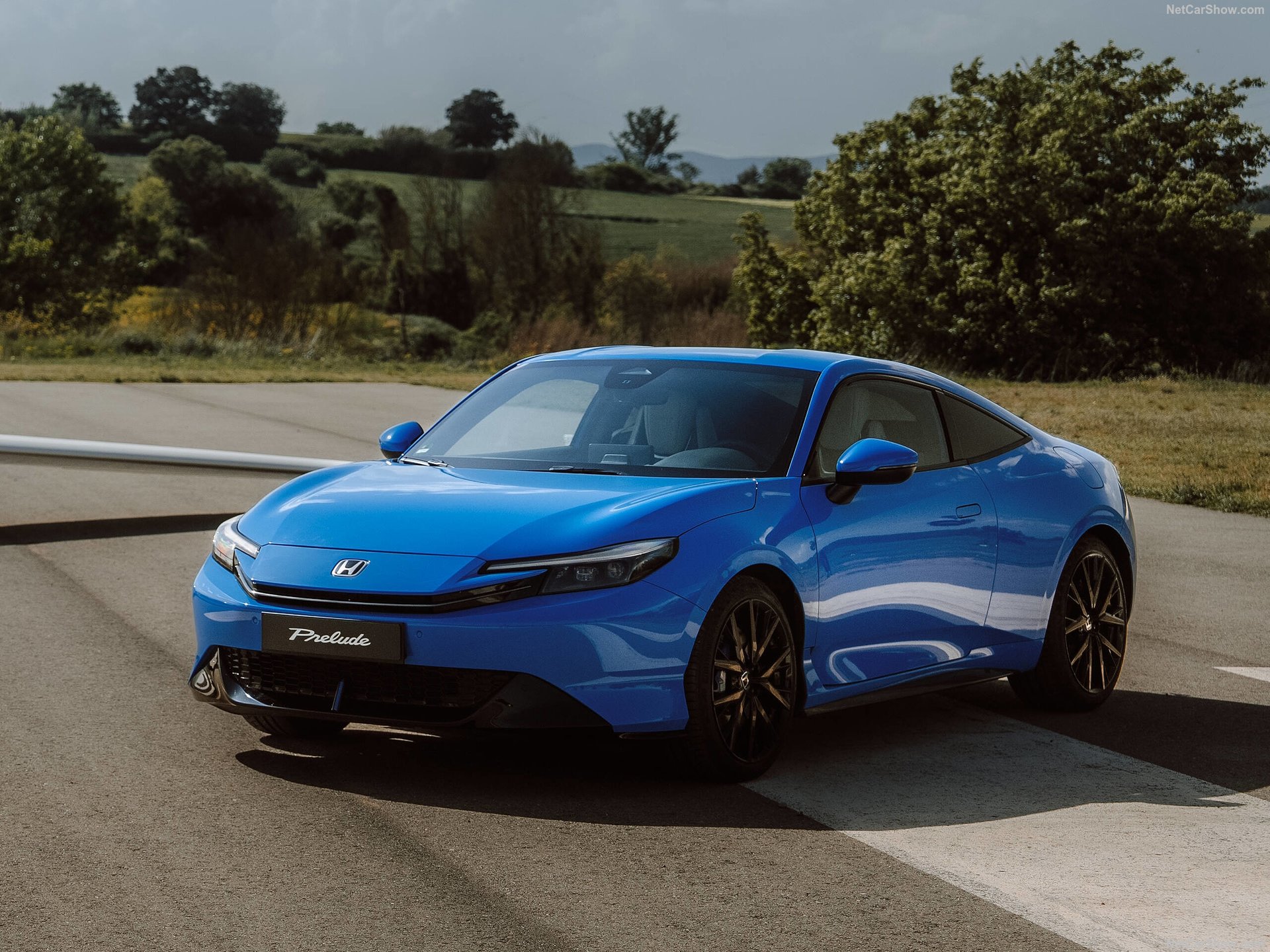
8. Honda Prelude: A Sports Coupe With Long-Term Potential
The Honda Prelude was produced from 1978 to 2001 and became known as a stylish sports coupe that combined enjoyable driving characteristics with Honda’s reputation for reliability.
While performance-focused vehicles are often associated with higher maintenance needs, the Prelude showed that a sporty car could also provide impressive durability. Many owners have maintained their Preludes for decades, with some examples reaching very high mileage through careful care and responsible driving.
A major factor behind the Prelude’s reliability was Honda’s engineering approach to its engines and mechanical systems. Many Prelude generations featured advanced four-cylinder engines that delivered strong performance while maintaining durability.
Honda’s use of technologies such as double-wishbone suspension and well-designed powertrains helped create a vehicle that offered both driving enjoyment and long-term dependability.
The Prelude attracted owners who appreciated precision handling and responsive performance. Because many enthusiasts developed strong connections with their vehicles, they often invested significant time and effort into maintenance.
Regular oil changes, proper cooling system care, transmission servicing, and attention to suspension components helped many Preludes remain functional long after reaching typical vehicle lifespans.
The simplicity of many older Prelude models also contributed to their ability to remain on the road. Compared with newer vehicles that include complex electronic systems, older Preludes often have fewer complicated components that can become expensive to repair. Skilled mechanics and dedicated owners have kept many examples operating for several decades.
Although the Prelude is no longer produced, it remains respected among Honda enthusiasts. Its combination of sporty design, dependable engineering, and enjoyable driving experience has allowed many examples to survive with impressive mileage.
The Prelude demonstrates that performance-oriented vehicles can still achieve exceptional longevity when they receive proper maintenance and attention.
Also read: 10 Cars With the Biggest Heat-Related Reliability Issues
