
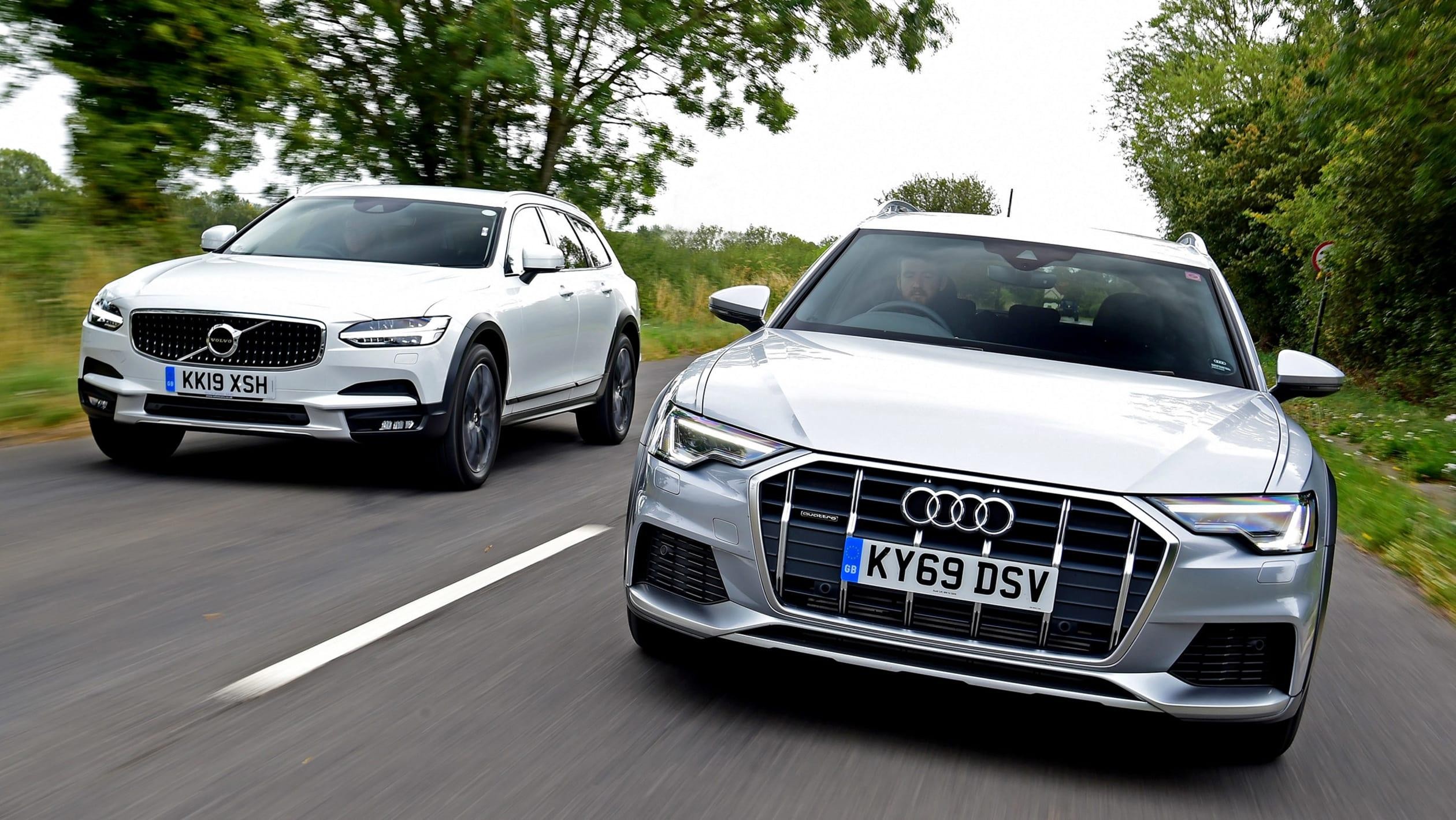
Purchasing a station wagon requires a meticulous evaluation of long-term chassis engineering, mechanical reliability, and packaging efficiency against escalating repair overheads.
The modern automotive market often dismisses the traditional long-roof body style in favor of bulky crossovers, yet true wagons offer superior driving dynamics.
Discerning buyers must look past sleek exterior silhouettes to assess the complex powertrain electronics and transmission durability hiding beneath the sheet metal.
Certain European and domestic wagon architectures represent financial traps, pairing fragile forced-induction engines with notoriously intricate pneumatic suspension systems.
This detailed breakdown explores five exceptionally reliable wagons worth buying alongside five notoriously problematic money pits that should be avoided.
Shoppers entering the used or new wagon segment are frequently seduced by exotic styling cues, losing sight of routine service burdens and parts availability.
When transporting family members, luggage, and gear across vast distances, structural integrity and thermal management take absolute priority over vanity styling.
5 Wagons Worth Buying
The Volvo V70/XC70 delivers Swedish safety and rust-resistant durability with straightforward maintenance. The Subaru Outback’s flat-six engine avoids turbo and head-gasket issues while offering rugged all-weather capability.
The Mercedes-Benz E-Class Wagon pairs a reliable V6 with luxury and towing stability. The Audi Allroad (updated models) resolved earlier oil-consumption defects, and the Volkswagen SportWagen offers efficient, budget-friendly versatility.
1. Volvo V70 / XC70
The Volvo V70 and its raised XC70 sibling represent the absolute golden era of Swedish safety, durability, and functional long-roof design. Their timeless, boxy exterior body style maximizes interior cargo volume while projecting an understated, highly sophisticated aesthetic on any road.
Inside the cabin, occupants are treated to ergonomic orthopedic seats that remain comfortable even after twelve hours of continuous highway driving. The rear cargo area features a flat-loading floor, integrated grocery bag hooks, and a robust tie-down network built for heavy-duty family life.
Underneath the hood, the iconic Volvo whiteblock turbocharged inline-five engine delivers smooth power and an unmistakable exhaust note. The mechanical layout is straightforward, allowing backyard mechanics to perform routine timing belt and fluid services with minimal specialized tooling.
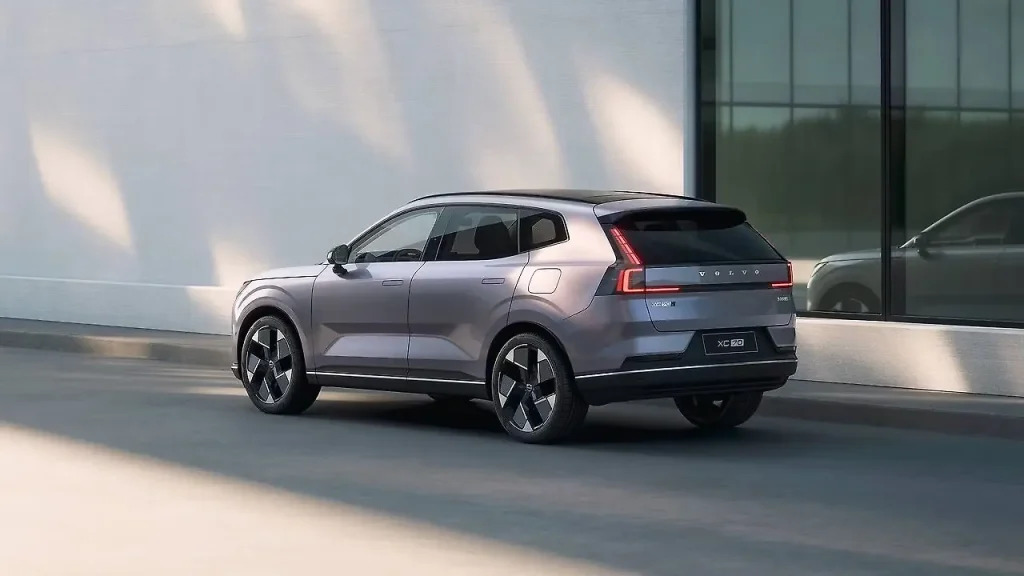
Specifications:
- Engine: 2.5L Turbocharged Inline-5
- Horsepower: 208 hp @ 5,000 rpm
- Torque: 236 lb-ft @ 1,500 rpm
- Length: 185.4 inches
- Width: 73.3 inches
- Transmission: 5-Speed Geartronic Automatic
- Drivetrain: Front-wheel drive / All-wheel drive
Unlike later platform models, this architecture utilizes a robust electrical architecture that avoids the chronic module failures of modern luxury cars. Corrosion resistance is top-tier, thanks to fully galvanized steel body panels designed to shrug off harsh winter road salt.
Suspension components are built heavy, absorbing massive potholes and rough dirt tracks without compromising the planted highway ride quality.
Parts availability remains exceptional through specialist vendors, keeping maintenance overhead remarkably low for a European luxury machine. Purchasing a well-maintained V70 secures a reliable, bulletproof family transport that holds its value remarkably well over time. It stands as an undisputed financial and mechanical victory for anyone requiring classic station wagon utility paired with sturdy reliability.
2. Subaru Outback
The Subaru Outback, equipped with the smooth flat-six engine, fixes the head-gasket vulnerabilities of smaller four-cylinder engine choices. Its rugged body style combines increased ground clearance with traditional wagon proportions, creating an unstoppable all-weather expedition vehicle.
The interior offers massive cabin space, featuring wide door openings and expansive legroom that comfortably accommodates tall adults in the back. Cargo management is brilliant, utilizing integrated roof crossbars that swing out longitudinally when not in use to reduce aerodynamic drag.
The crown jewel of this configuration is the flat-six powerhouse, a chain-driven motor completely free of turbo or head-gasket gremlins. Pairing this silky motor with a traditional conventional automatic transmission avoids the reliability anxieties of continuously variable transmissions.
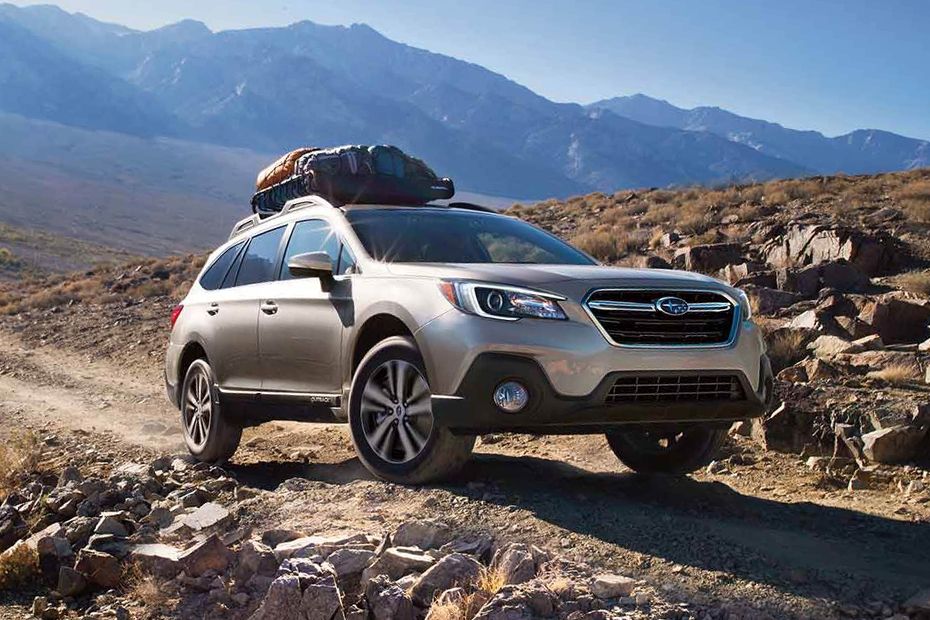
Specifications:
- Engine: 3.6L DOHC Horizontally-Opposed 6-Cylinder
- Horsepower: 256 hp @ 6,000 rpm
- Torque: 247 lb-ft @ 4,400 rpm
- Length: 189.0 inches
- Width: 78.0 inches
- Transmission: 5-Speed Conventional Automatic
- Drivetrain: Symmetrical All-Wheel Drive
Subaru’s symmetrical all-wheel-drive system delivers predictable, confidence-inspiring traction during severe snowstorms and muddy backroad excursions.
Visibility from the driver’s seat is expansive, aided by thin window pillars and large side mirrors that eliminate dangerous blind spots. The chassis tuning balances compliant ride comfort over rough terrain with surprisingly stable tracking at high interstate speeds. Routine maintenance is straightforward, and the vehicle’s massive global enthusiast following provides endless DIY repair guides online.
Resale values for the six-cylinder trim remain exceptionally strong because seasoned buyers actively hunt down this specific reliable powertrain combination. This wagon proves that practical family utility and rugged all-weather capability can coexist brilliantly without financial penalty.
3. Mercedes-Benz E-Class Wagon
The Mercedes-Benz E-Class wagon is widely regarded as the most robust and over-engineered modern luxury long-roof ever built. Its stately, chiseled exterior body style commands respect while hiding a cavernous rear cargo hold complete with a clever rear-facing jump seat.
Inside, the cabin is an oasis of silence, utilizing dense acoustic glass and high-grade leather upholstery designed to withstand heavy abuse. Ergonomics are meticulously optimized, putting physical climate buttons and intuitive infotainment controls directly at the driver’s fingertips.
Specifications:
- Engine: 3.5L V6 Direct-Injected / 4.6L Twin-Turbo V8
- Horsepower: 302 hp (V6) / 402 hp (V8)
- Torque: 273 lb-ft (V6) / 443 lb-ft (V8)
- Length: 193.0 inches
- Width: 85.4 inches (with mirrors)
- Transmission: 7-Speed Automatic
- Drivetrain: 4MATIC Permanent All-Wheel Drive
The naturally aspirated V6 engine solved the timing chain wear issues of older Mercedes power plants, achieving legendary status. The rear air suspension system maintains level ride heights automatically, compensating for heavy payload weights without squatting.
Towing capacity and highway stability are phenomenal, tracking straight and true even when loaded to maximum gross vehicle weight ratings. Safety engineering is peerless, featuring comprehensive electronic driver aids and a reinforced high-strength steel passenger safety cell.
Corrosion protection is exceptional, and door seals remain supple and wind-tight even after logging high mileage in harsh climates. While premium fuel is required, the mechanical durability ensures repair visits are limited to scheduled basic fluid and filter changes.
Finding a clean, dealer-serviced wagon secures a luxurious, indestructible road-trip cruiser that defies rapid automotive depreciation curves. It represents the ultimate expression of executive German wagon engineering without the catastrophic electronic liabilities of newer models.
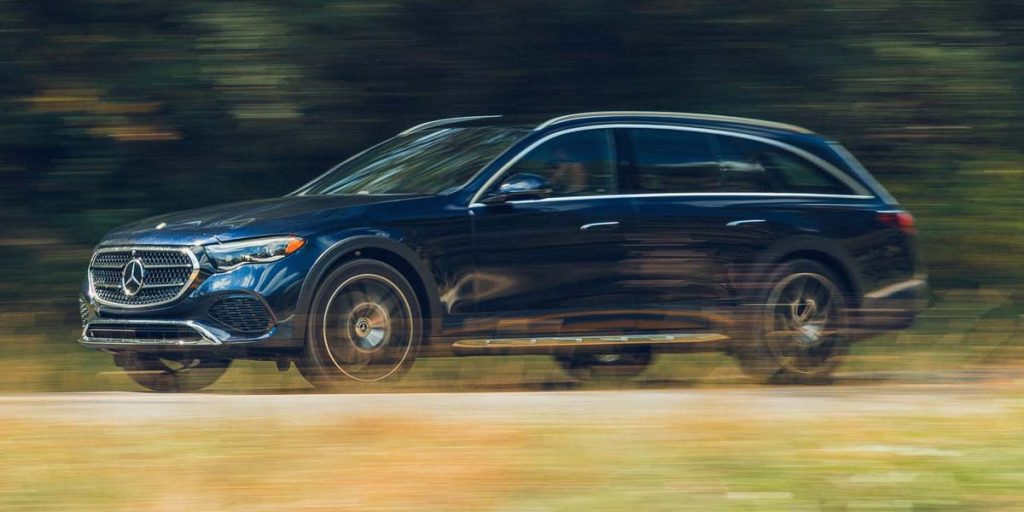
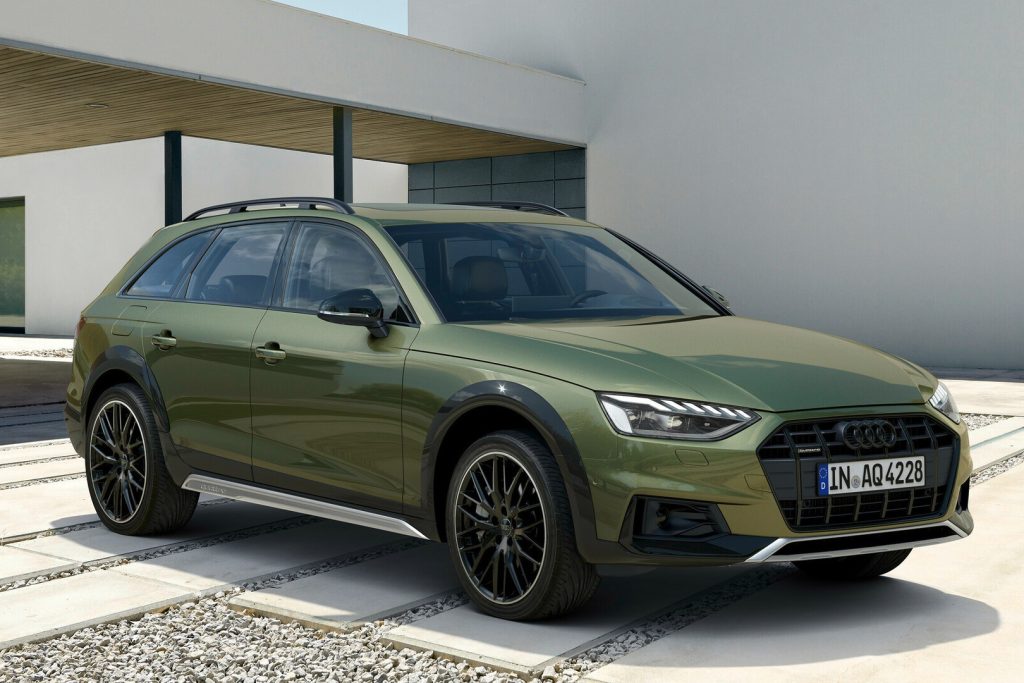
4. Audi Allroad
The Audi Allroad successfully bridges the gap between sleek European styling and practical light-utility ground clearance. Its aggressive body style features protective lower cladding and flared wheel arches, giving it a purposeful stance without feeling bloated.
The interior showcases Audi’s legendary cabin build quality, utilizing soft-touch materials, precise switchgear, and an intuitive interface. Rear seat passengers enjoy well-contoured seating angles, dedicated air vents, and ample foot room under the front seats.
Refreshed models benefited from crucial internal engine revisions that resolved the catastrophic oil-consumption defects of earlier variants. Pairing the updated engine with a rock-solid automatic transmission delivers crisp shifts and impressive mechanical durability.
Specifications:
- Engine: 2.0L Turbocharged Inline-4
- Horsepower: 220 hp @ 4,450 rpm
- Torque: 258 lb-ft @ 1,500 rpm
- Length: 185.9 inches
- Width: 72.5 inches
- Transmission: 8-Speed Tiptronic Automatic
- Drivetrain: Quattro All-Wheel Drive
Audi’s legendary all-wheel-drive system provides supreme grip on slippery mountain passes and rain-slicked coastal highways alike. The wagon silhouette maintains a lower center of gravity than standard SUVs, resulting in agile, car-like handling through twisty canyons.
Cargo flexibility is enhanced by a power tailgate, stainless steel loading sills, and multiple tie-down loops to secure delicate items. Routine maintenance requires strict adherence to fluid change intervals, but well-kept examples reward owners with exceptional driving satisfaction.
Resale values for updated models have stabilized, making them an attractive, sophisticated alternative to mundane family crossovers. It delivers style, performance, and everyday utility in a tight, beautifully balanced German long-roof package.
Also Read: 8 Cars That Stop Charging When a Server Goes Down
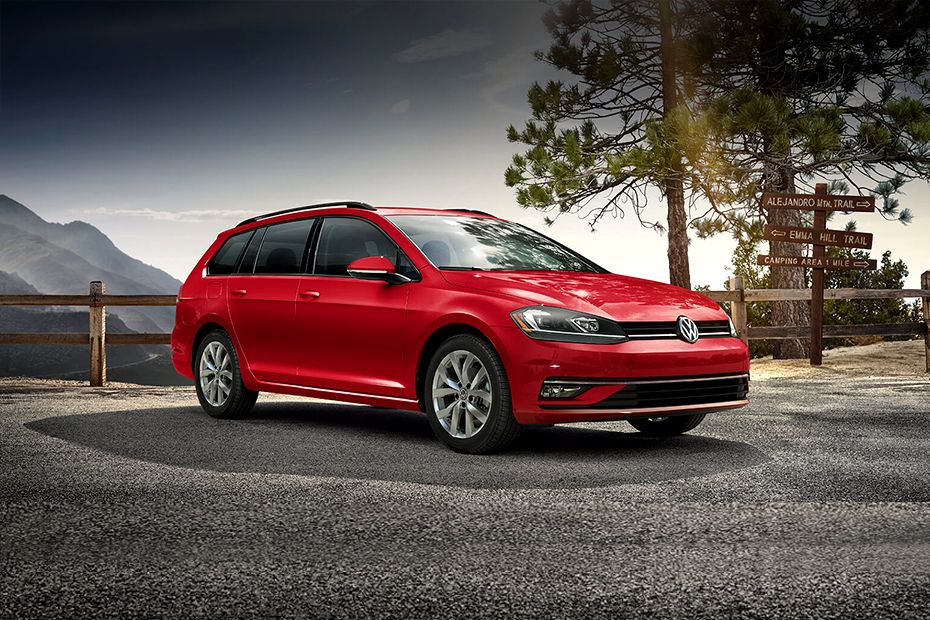
5. Volkswagen SportWagen
The Volkswagen Golf SportWagen offers an incredible masterclass in interior packaging efficiency and nimble, European driving dynamics. Its clean, understated exterior body style disguises a massive interior cargo capacity that rivals much larger midsize sport utility vehicles.
Inside, the cabin features a driver-centric dashboard layout with crisp digital displays and supportive, cloth or leatherette seating surfaces. The rear seats fold completely flat with a simple pull of a lever, creating an expansive loading floor for bulky furniture or camping gear.
The turbocharged engine is remarkably stout, producing punchy low-end torque while sipping fuel efficiently during long commutes. Available all-wheel-drive variants provide confident traction during winter snowstorms without sacrificing the nimble handling of a hatchback.
Specifications:
- Engine: 1.8L Turbocharged Inline-4
- Horsepower: 170 hp @ 4,500 rpm
- Torque: 199 lb-ft @ 1,600 rpm
- Length: 14.7 feet (179.6 inches)
- Width: 70.8 inches
- Transmission: 5-Speed Manual / 6-Speed Automatic
- Drivetrain: Front-wheel drive / All-Wheel Drive
The platform architecture provides rigid structural integrity, eliminating annoying cabin rattles and squeaks over uneven pavement. Steering feedback is direct and weighted perfectly, turning mundane daily commuting errands into genuinely engaging driving experiences.
Fuel economy numbers routinely exceed expectations, making long interstate road trips remarkably gentle on household fuel budgets. Parts are widely available and affordable, as many mechanical components are shared directly across the massive automotive group ecosystem.
Finding a clean manual-transmission or well-maintained automatic SportWagen secures a dependable, highly versatile daily workhorse. It stands out as one of the most sensible, budget-friendly modern station wagons available on the secondary market.
5 Wagons That Are Money Pits
The BMW 3-Series Wagon suffers coolant leaks and electrical gremlins. The early Audi Allroad’s turbo and air suspension issues create costly failures. The Dodge Magnum faces sludge-prone engines and weak suspension components. The Saab 9-5 SportCombi struggles with parts scarcity, and the Jaguar XF Sportbrake brings steep depreciation and unreliable electronics.
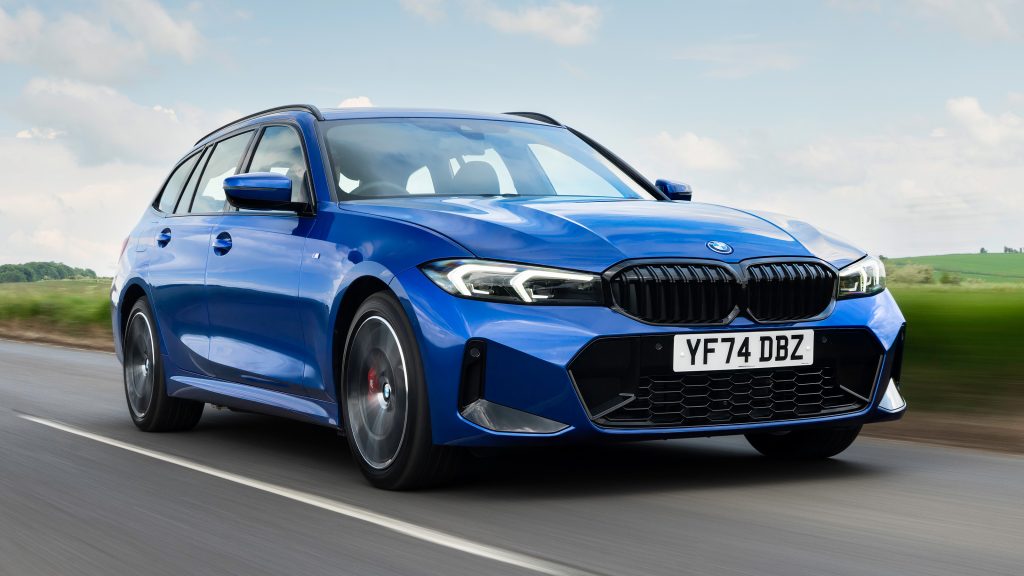
1. BMW 3-Series Wagon
The BMW 3-Series wagon tempts buyers with gorgeous styling and rear-wheel-drive dynamics, but hides severe mechanical liabilities. Its sleek body style looks fantastic, but the engine bay houses notoriously fragile components built with excessive plastic materials.
Inside, the interior ages poorly as soft-touch dashboard coatings melt under sunlight and door handles turn sticky and gross. The panoramic sunroof mechanism is a notorious failure point, frequently jamming open, leaking water, and destroying expensive cabin electronics.
While the naturally aspirated inline-six engine is mechanically robust, peripheral cooling systems and oil filter housing gaskets leak constantly. Plastic coolant flanges and expansion tanks crack without warning, leading to sudden overheating events that can warp aluminum cylinder heads.
Specifications:
- Engine: 3.0L Naturally Aspirated Inline-6
- Horsepower: 230 hp @ 6,500 rpm
- Torque: 200 lb-ft @ 2,750 rpm
- Length: 178.6 inches
- Width: 71.5 inches
- Transmission: 6-Speed Manual / 6-Speed Automatic
- Drivetrain: Rear-wheel drive / All-Wheel Drive
Electrical gremlins run rampant through the rear tailgate wiring harness, causing failing wipers, dead license plate lights, and central locking failures.
The all-wheel-drive transfer case is prone to premature internal wear, resulting in expensive shuddering and transmission binding issues. Maintaining a used wagon requires constant preventative spending on gaskets, water pumps, suspension bushings, and steering components.
Insurance and labor rates at European specialty shops compound the financial burden, turning cheap purchase prices into massive repair bills. Resale values for neglected examples plummet rapidly as buyers realize the sheer volume of deferred maintenance required. Prudent shoppers should admire these stylish wagons from afar to save their bank accounts from endless repair drain.
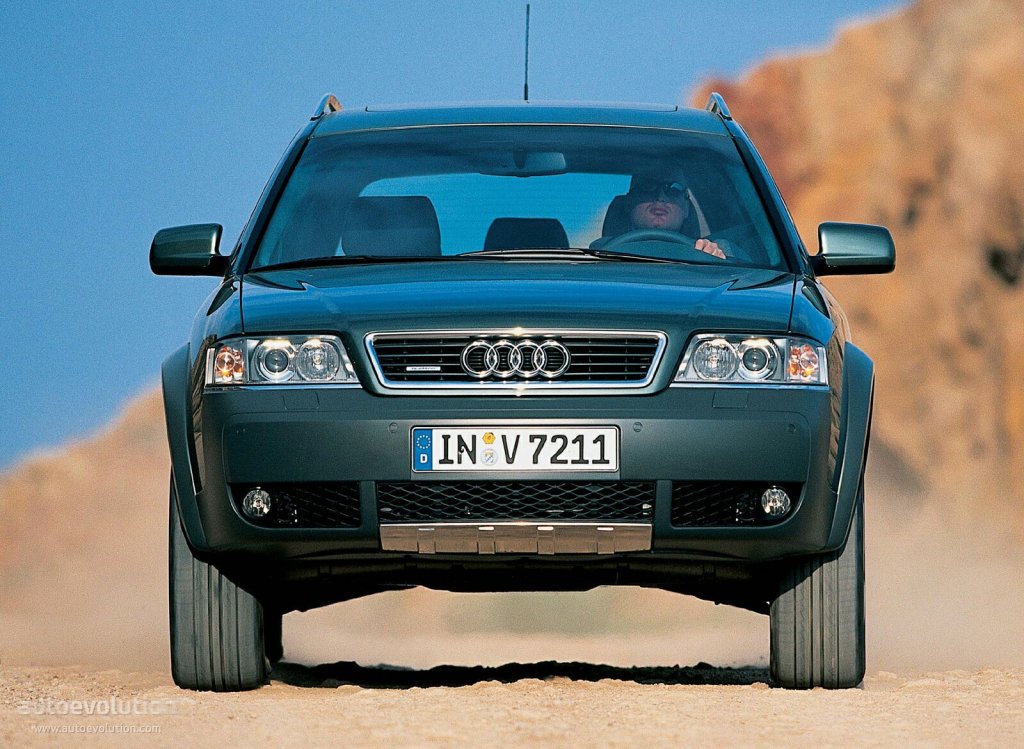
2. Audi Allroad
The early Audi Allroad combined a twin-turbo V6 engine with adjustable air suspension, creating a legendary financial disaster zone. Its rugged body cladding looks adventurous, but the mechanical complexity underneath is an absolute nightmare for unsuspecting second owners.
The interior features luxury wood and leather trim, but brittle wiring harnesses and failing climate control modules cause constant frustration. Cargo space is respectable, but hauling heavy loads often triggers suspension faults that slam the vehicle onto its bump stops.
The twin-turbo engine is tightly packed into a tiny engine bay, meaning routine tasks like changing oxygen sensors require pulling the front bumper.
Specifications:
- Engine: 2.7L Twin-Turbocharged V6
- Horsepower: 250 hp @ 5,800 rpm
- Torque: 258 lb-ft @ 1,800 rpm
- Length: 189.3 inches
- Width: 73.5 inches
- Transmission: 5-Speed Tiptronic / 6-Speed Manual
- Drivetrain: Quattro All-Wheel Drive
Turbocharger failure is practically guaranteed past high mileage thresholds, requiring an engine-out service that costs thousands in labor fees. The four-corner adjustable air suspension system leaks continuously, burning out compressors and stranding the car in slammed positions.
Oil leaks from valve cover gaskets drip directly onto hot exhaust pipes, creating constant acrid burning smells inside the cabin. Finding a clean, unmodified example is nearly impossible, as most have been heavily abused and poorly modified by enthusiasts.
Repair bills routinely exceed the total market value of the car within the first year of ownership alone. Investing in this Allroad variant guarantees an exhausting relationship with local European mechanics and an empty savings account. Buyers must walk away immediately, no matter how cheap the initial asking price appears on classified listing websites.
3. Dodge Magnum
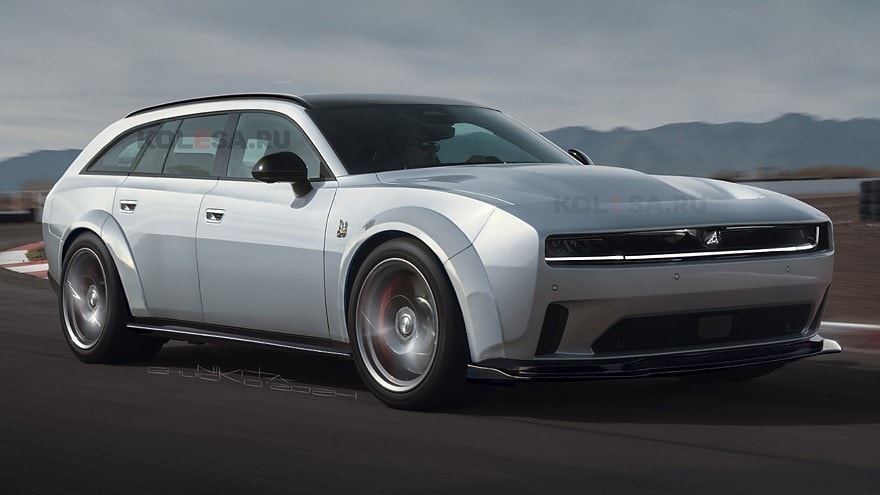
The Dodge Magnum introduced a bold, aggressive muscle-car wagon body style, but its build quality and reliability reflect corporate cost-cutting. Its intimidating front grille and chopped window line command attention, but interior packaging sacrifices rear visibility and ergonomics.
Inside, the interior features harsh, cheap plastics, low-grade switchgear, and an uninspiring dashboard layout that feels dated very quickly. Rear seat legroom is surprisingly tight given the vehicle’s massive external dimensions and long wheelbase platform construction.
Base V6 models utilize the troubled engine variants, infamous for heavy sludge accumulation and premature internal timing chain failure. Suspension components are notoriously weak, chewing through front control arms, tie rods, and ball joints every few thousand miles.
Specifications:
- Engine: 2.7L V6 / 3.5L V6 / 5.7L HEMI V8 / 6.1L SRT8 V8
- Horsepower: 190 hp to 425 hp
- Torque: 190 lb-ft to 420 lb-ft
- Length: 197.7 inches
- Width: 75.6 inches
- Transmission: 4-Speed / 5-Speed Automatic
- Drivetrain: Rear-wheel drive / All-wheel drive
Electrical systems are plagued by failing ignition switch modules, dead instrument cluster stepper motors, and erratic window regulators. High-output engine variants suffer from aggressive valvetrain wear, including lifter failure and camshaft scoring due to improper oil circulation issues.
Fuel economy across all engine options is abysmal, draining wallets rapidly during daily urban commuting and heavy traffic cycles. Rust protection is subpar, with rear wheel arches and rocker panels prone to aggressive bubbling and structural corrosion.
While parts are cheap, the sheer frequency of mechanical and suspension breakdowns makes ownership a persistent headache. It represents a flashy styling statement backed by subpar American engineering that drains family finances effortlessly.
4. Saab 9-5 SportCombi
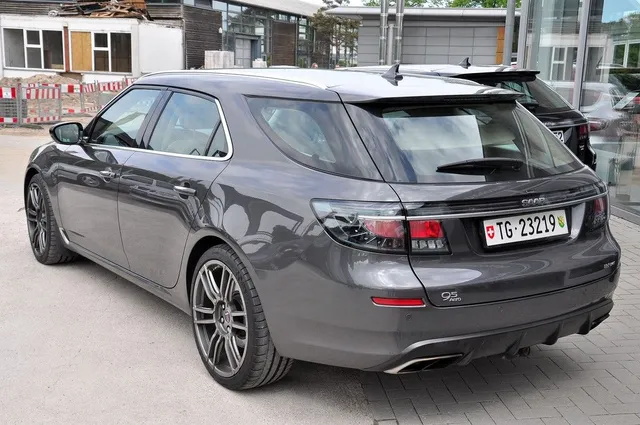
The final-generation Saab 9-5 SportCombi represents a tragic swan song for the iconic brand, built during its messy corporate death throes. Its striking, jet-fighter-inspired body style and wraparound windshield look futuristic, but underlying corporate parts-sharing creates severe headaches.
The interior features quirky design touches like the ignition switch located between the front seats, but material quality is fragile. Finding replacement interior trim pieces, body panels, or specific glass components is an exercise in extreme frustration and high costs.
Because the parent company faced bankruptcy immediately after production commenced, specific sheet metal components were manufactured in tiny numbers.
Specifications:
- Engine: 2.0L Turbocharged I4 / 2.8L Turbo V6
- Horsepower: 220 hp (I4) / 300 hp (V6)
- Torque: 258 lb-ft (I4) / 295 lb-ft (V6)
- Length: 197.2 inches
- Width: 73.8 inches
- Transmission: 6-Speed Automatic
- Drivetrain: Front-wheel drive / All-Wheel Drive
A minor parking lot fender-bender can easily result in an insurance total loss simply because exterior body panels are impossible to source. The all-wheel-drive system on V6 models requires meticulous fluid maintenance, and pump failures lead to expensive drivetrain binding.
Infotainment and electronic control modules are prone to bricking permanently, locking out essential vehicle functions with no dealer support. Turbochargers and timing chains on the high-output V6 engines fail prematurely due to high under-hood operating temperatures.
Resale values are unpredictable, and finding a qualified mechanic who understands rare post-bankruptcy electronics is exceptionally difficult. Purchasing this rare wagon guarantees an orphaned vehicle status that transforms routine repairs into impossible treasure hunts. Prudent collectors and daily drivers alike should avoid this beast to prevent insurmountable parts-scarcity nightmares.
5. Jaguar XF Sportbrake
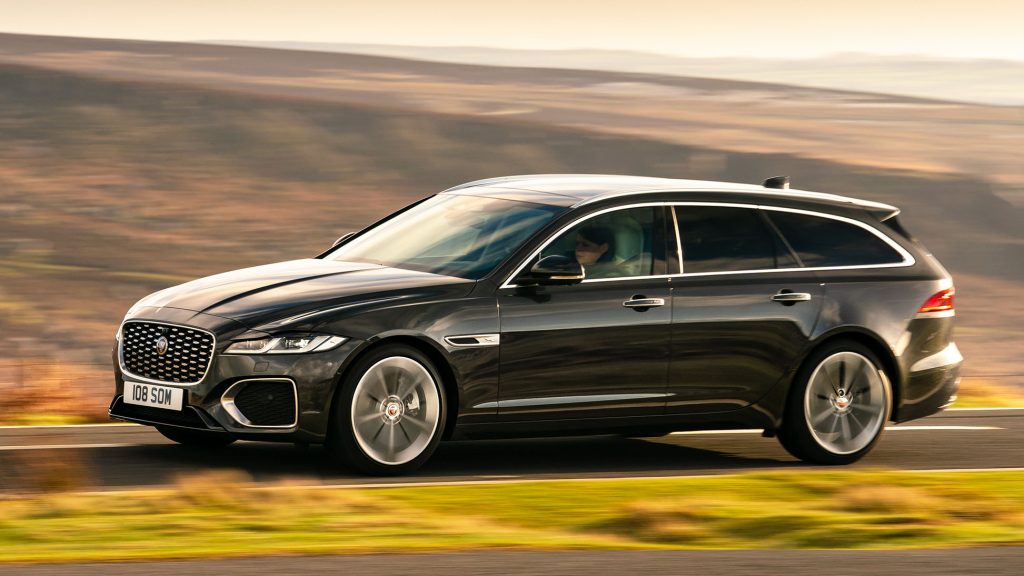
The Jaguar XF Sportbrake promised sleek British elegance and spacious cargo utility, but brought steep depreciation and unreliable electronics. Its stunning exterior body style turns heads effortlessly, but the complex aluminum-intensive construction complicates collision and structural repairs.
Inside, the cabin dazzles with rotating air vents and rising gear selector dials, but the infotainment software is notoriously buggy and slow. Rear cargo space is heavily compromised by the aggressively sloped roofline, limiting the transport of tall or boxy items.
The turbocharged four-cylinder engine has earned a poor reputation for timing chain guide failures and oil dilution issues. Jaguar’s complex electrical architecture triggers phantom dashboard warning lights, draining batteries overnight and disabling safety systems.
Specifications:
- Engine: 2.0L Turbocharged Ingenium Inline-4
- Horsepower: 296 hp @ 5,500 rpm
- Torque: 295 lb-ft @ 1,500 rpm
- Length: 195.8 inches
- Width: 78.5 inches
- Transmission: 8-Speed ZF Automatic
- Drivetrain: All-Wheel Drive
The air rear suspension system fails regularly, causing the tail end to sag unevenly and triggering expensive compressor replacements. Depreciation hits this low-volume luxury wagon with devastating velocity, erasing massive amounts of equity within months of purchase.
Finding independent mechanics equipped with factory diagnostic software to clear proprietary fault codes is challenging and expensive. Routine servicing at franchise dealerships carries exorbitant labor rates that quickly outpace the utility value of the vehicle.
While the automatic transmission is solid, it cannot overcome the overwhelming array of electrical and mechanical failure points. Buying a used Sportbrake invites financial ruin masked behind a veneer of aristocratic British motoring prestige.
