
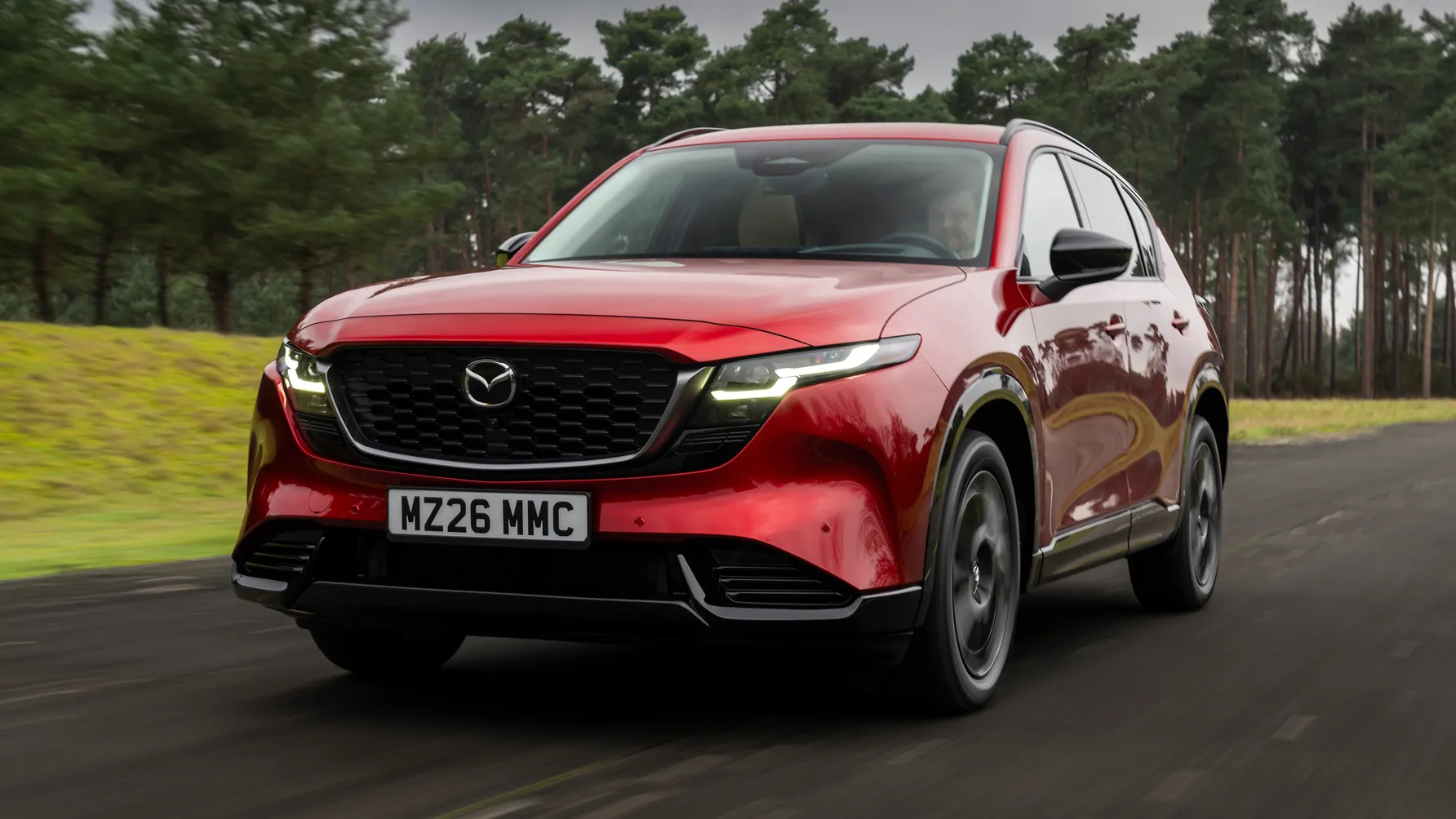
Mazda has built a reputation around engaging driving, attractive designs, and strong engineering, but recent reliability concerns have changed how some buyers view the brand. Consumer Reports’ 2026 reliability rankings placed Mazda in 14th position, with the CX-90 and CX-70 identified as major factors affecting the result.
These SUVs introduced new platforms and technologies that created challenges during ownership evaluations. This shift has raised questions about Mazda’s future reliability performance, product development approach, and ability to maintain the trust it earned through years of dependable vehicles and customer satisfaction.
New SUV Platforms Created Reliability Challenges for Mazda
Mazda’s decline in the Consumer Reports ranking has been linked closely to the introduction of the CX-90 and CX-70. Both SUVs represent a major change in Mazda’s product strategy, moving into the premium midsize SUV segment with new rear-wheel-drive-based platforms, larger engines, and advanced technology.
New vehicle architectures often require careful refinement because manufacturers must test many systems under different driving conditions. Early reliability results can reveal issues that may not appear during traditional development testing, especially when vehicles include many new components.
The CX-90 arrived as a significant step for Mazda, offering a turbocharged inline-six engine, available plug-in hybrid technology, and a more luxurious cabin experience. The model brought impressive features, but the complexity of these systems increased the number of areas where problems could occur.
Modern vehicles depend heavily on electronics, software controls, sensors, and integrated safety systems. When several new technologies are introduced at the same time, reliability evaluations can be affected if owners report recurring problems.
The CX-70 followed a similar path by sharing much of its engineering with the CX-90. While using a common platform can reduce manufacturing costs and improve production efficiency, problems connected to shared components can influence multiple models.
Issues related to software, mechanical systems, or vehicle controls may affect customer experiences across a wider product range. This connection means that the performance of newer SUVs can have a noticeable impact on a brand’s reliability image.
Mazda’s previous reputation was built largely through models such as the Mazda3, Mazda6, CX-5, and CX-50, which earned recognition for solid engineering and consistent ownership experiences.
The arrival of the CX-90 and CX-70 created a different situation because these vehicles entered a more demanding category with higher expectations from buyers.
Customers purchasing premium-positioned SUVs often expect excellent refinement, advanced features, and long-term dependability. Any reliability concerns can receive more attention because of the higher price and expectations.
The reliability setback does not mean Mazda vehicles have become universally unreliable. Rankings measure performance based on surveys, predicted reliability data, and reported owner experiences. A few models experiencing problems can influence a company’s position significantly, especially when those models are important new products.
Mazda still has a history of producing vehicles known for durability, but the latest results highlight the importance of improving quality control and addressing customer concerns quickly.
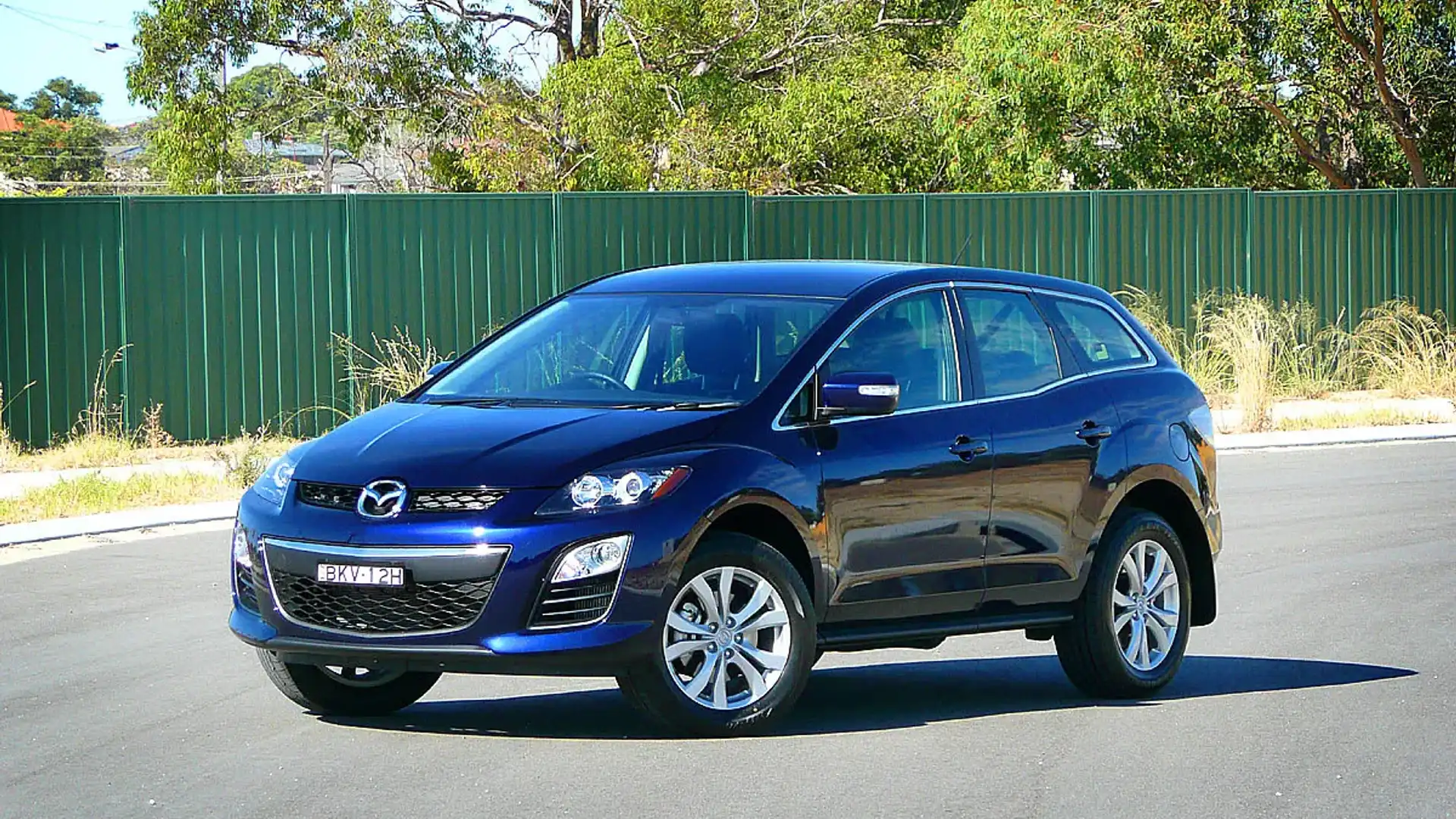
Why Reliability Matters More for Mazda’s Brand Image
Mazda has traditionally competed differently from many mainstream automakers by focusing on driving enjoyment, craftsmanship, and a premium feel without reaching luxury pricing. This approach helped the company develop a loyal customer base.
Reliability has been an important part of that appeal because buyers expect vehicles with attractive styling and enjoyable performance to also provide years of dependable service. A lower ranking creates pressure for Mazda to protect the qualities that helped establish its reputation.
Consumer Reports rankings influence many purchasing decisions because they combine owner feedback and reliability predictions. Shoppers often use these results when comparing vehicles before making a major financial commitment.
A lower position can encourage buyers to consider competing SUVs from brands that have stronger recent reliability records. For Mazda, improving the ownership experience will be important for maintaining confidence among current customers and attracting new buyers.
The SUV market has become highly competitive, with manufacturers investing heavily in technology, comfort, efficiency, and safety features. Mazda’s move toward larger premium SUVs placed the company against established competitors with years of experience in this category.
Buyers in this segment often compare vehicles based on long-term ownership costs, repair expectations, and dependability. Reliability results can influence perceptions before customers even visit a dealership.
New technology brings benefits, including improved fuel economy, stronger performance, and advanced convenience features. However, every additional system creates more potential areas requiring maintenance and careful engineering. Mazda’s challenge is finding the right balance between innovation and proven reliability.
The company must ensure that new engines, hybrid systems, software updates, and electronic features meet the durability standards customers expect from the brand.
A reliability drop can also affect resale values because used vehicle buyers pay close attention to long-term ownership records. Models with strong reliability histories often maintain stronger demand in the used market.
Mazda will need to monitor CX-90 and CX-70 ownership feedback carefully and make improvements through software updates, service campaigns, and future model revisions. Strong customer support can help rebuild confidence while showing that the company responds to real-world feedback.
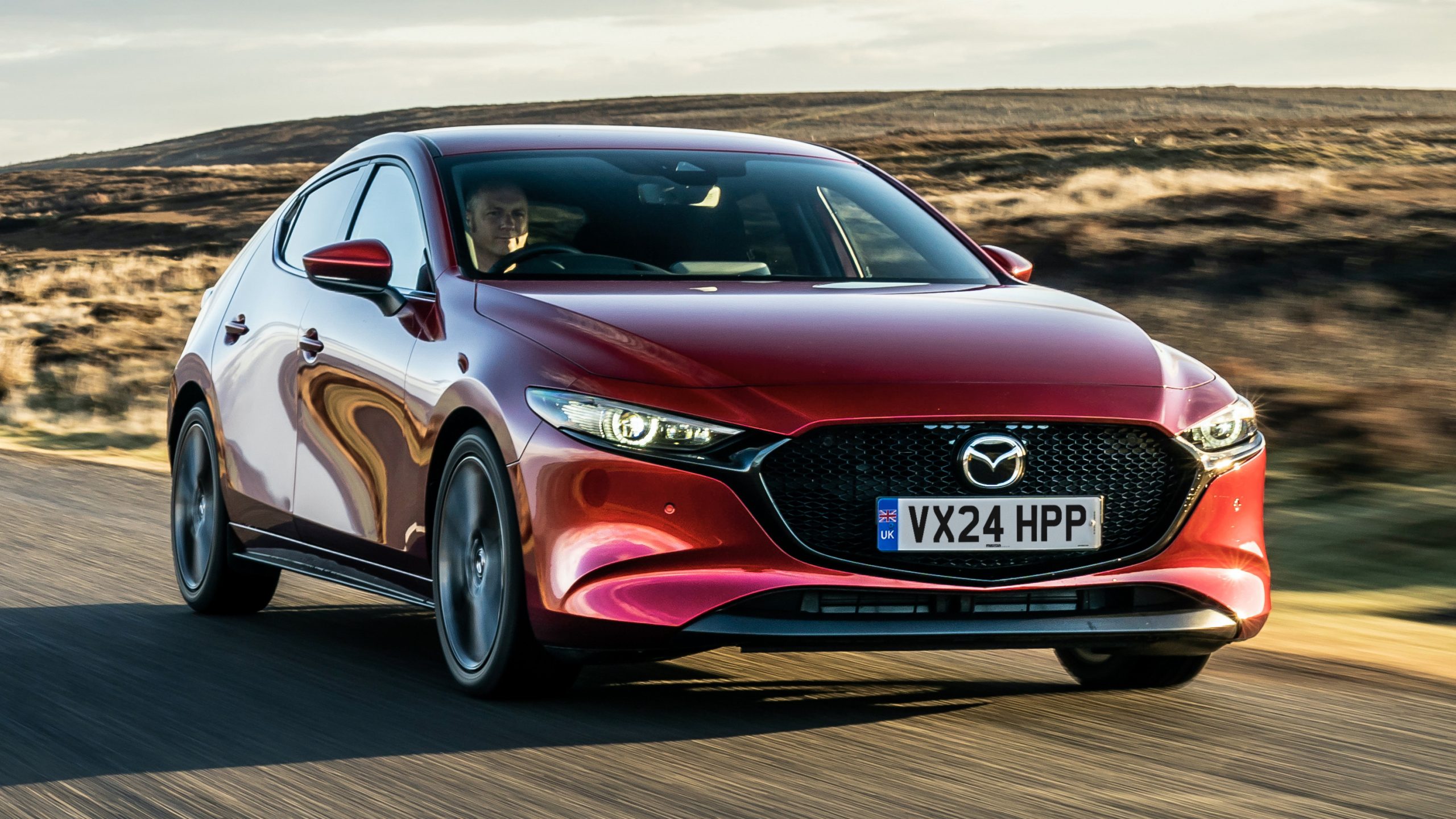
Mazda’s Path Toward Recovery and Future Reliability
Mazda has the opportunity to recover from this ranking decline by focusing on quality improvements and long-term customer satisfaction. Automakers regularly update vehicles after gathering information from real-world use.
Early production challenges can provide valuable lessons that help improve future versions. By addressing reported concerns and refining manufacturing processes, Mazda can strengthen the reliability of its newer SUVs and protect its reputation.
The company’s engineering history gives it a foundation for improvement. Mazda has developed several successful engines, transmissions, and vehicle platforms that have earned positive ownership experiences.
The current challenge comes from managing a transition toward larger vehicles and more complex technologies. Careful updates and continued testing can help ensure that future products deliver the durability customers associate with the brand.
The CX-90 and CX-70 are important models because they represent Mazda’s ambition to compete in a higher segment. Success requires more than attractive design and strong performance.
Buyers expect consistent reliability throughout the ownership period, especially when paying premium prices. Mazda must demonstrate that its newer technologies can provide the same confidence found in its established models.
Reliability rankings can change from year to year as manufacturers improve products and customer experiences develop. A single ranking does not define an entire company, but it does provide useful information about current strengths and weaknesses.
Mazda’s 14th-place position in the 2026 Consumer Reports rankings serves as a reminder that maintaining customer trust requires continuous attention to engineering details, manufacturing quality, and after-sales support.
Mazda’s recent reliability challenge is a significant moment for the company, but it also represents an opportunity. The CX-90 and CX-70 introduced ambitious technology and design changes that require careful refinement.
If Mazda successfully addresses reported issues and maintains its focus on dependable vehicles, the brand can regain stronger reliability scores in future evaluations. The next stage will depend on how effectively Mazda turns customer feedback into improvements while continuing to deliver vehicles that appeal to drivers seeking quality and confidence.
