
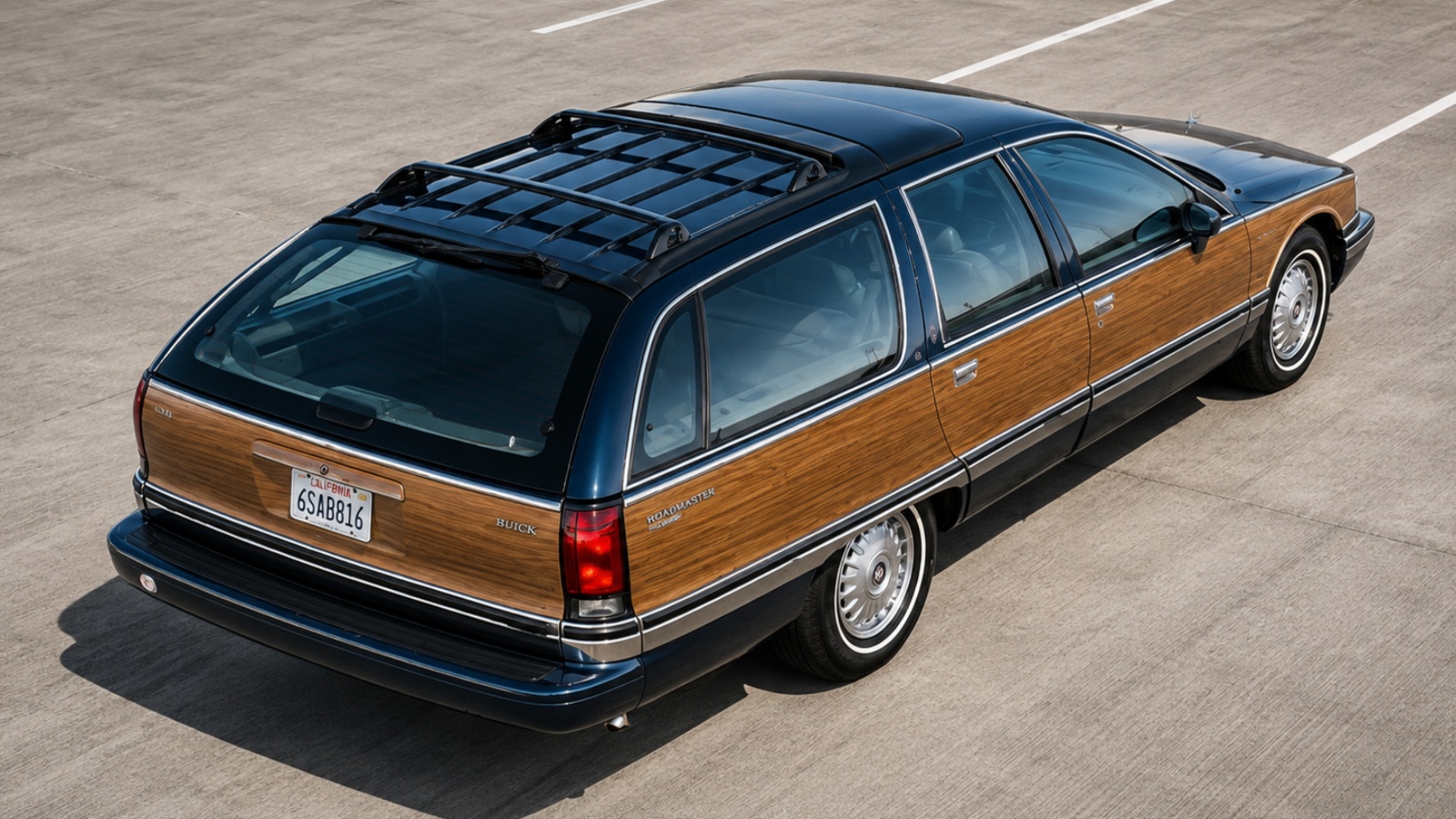
Somewhere in a quiet suburban driveway, a wood-paneled station wagon sat next to minivans and sedans, looking like the most unremarkable vehicle on the block. Nobody glanced twice at it. That was the point. Tucked under its hood sat the same 5.7-liter LT1 V8 that powered the Chevrolet Corvette, one of the most respected sports cars in America.
For three model years, Buick handed ordinary families a genuine performance engine wrapped in acres of sheet metal and fake wood trim, and almost nobody noticed. This is the story of the Roadmaster Estate Wagon, a grocery-getter that could embarrass sports cars at a stoplight without anyone behind the wheel breaking a sweat.
A Family Wagon With a Secret Under the Hood
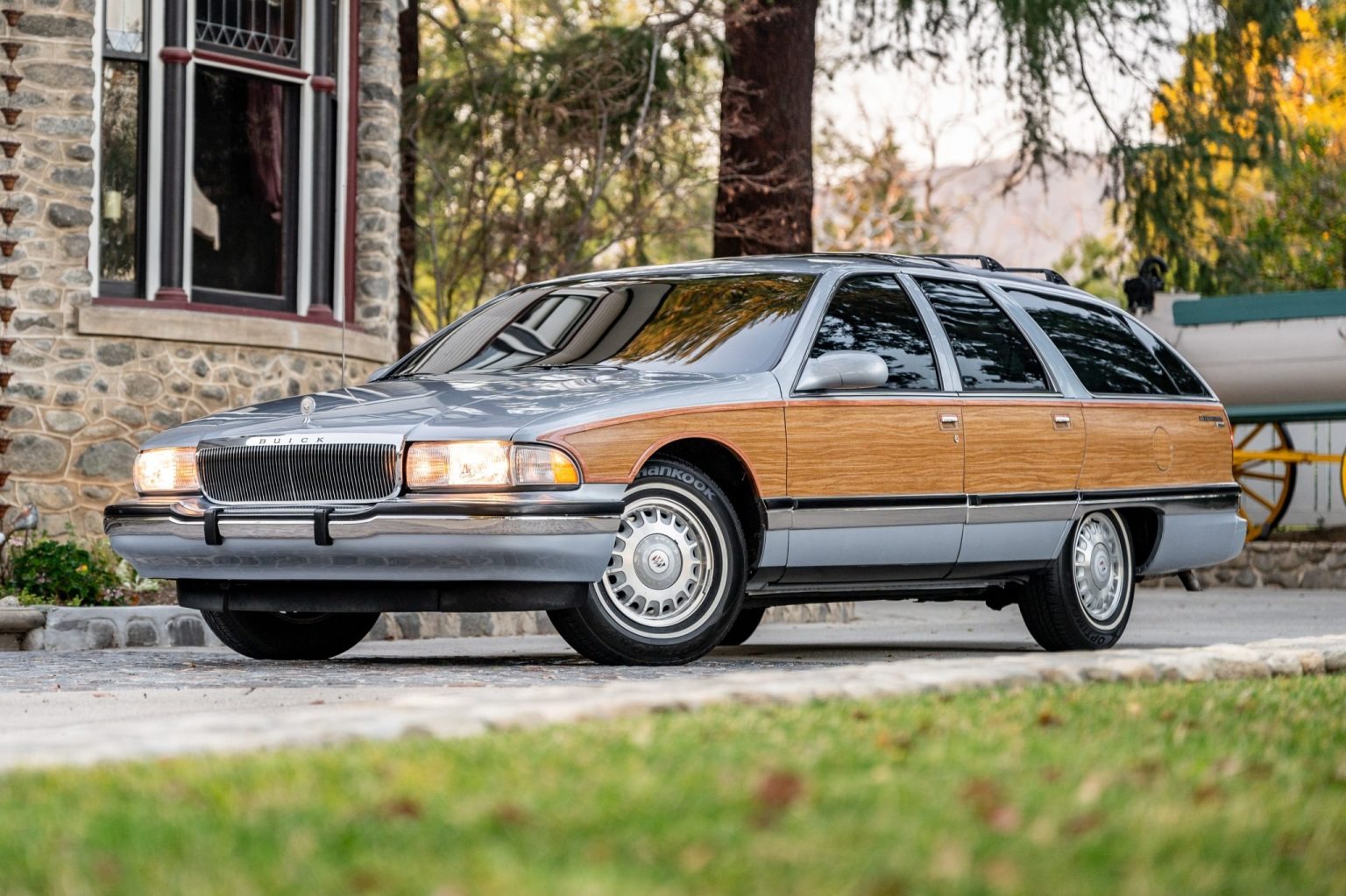
Station wagons carried a certain reputation by the early 1990s. Slow, heavy, built for hauling kids and groceries rather than turning heads on a back road. The Buick Roadmaster Estate Wagon looked every bit the part when it launched for the 1991 model year, riding on GM’s full-size, rear-wheel-drive B-body platform with body-on-frame construction borrowed from an era Detroit was quickly abandoning.
Early versions used a modest 5.0-liter V8 making 170 horsepower, later joined by a 5.7-liter unit producing 180 horsepower. Respectable numbers for a family hauler, nothing more.
Everything changed in 1994. Buick swapped in the LT1, GM’s small-block V8 fresh from Corvette and Camaro duty, rated at 260 horsepower and 330 pound-feet of torque in Roadmaster trim. Suddenly a nine-passenger wagon with rear-facing third-row seating and genuine woodgrain side panels could sprint from a stop in a tick over seven seconds, numbers that embarrassed contemporary BMW M3s offering less output at the time.
Buyers cross-shopping minivans had no idea what sat waiting under that long hood. Cargo space swallowed a full four-by-eight sheet of plywood. Meanwhile, the drivetrain underneath belonged to a completely different category of automobile entirely.
Why Buick Put a Corvette Engine in a Station Wagon
The decision wasn’t really about performance marketing, at least not in any obvious sense. General Motors needed a durable, well-proven V8 for its aging B-body lineup, and the LT1 already existed as a mature, reliable platform shared across the Corvette, Camaro, Firebird, and Chevrolet Impala SS.
Reusing an existing engine family made financial sense during a period when GM was tightening budgets across multiple divisions. Rather than engineering something new for a wagon many executives assumed was nearing the end of its life anyway, Buick simply borrowed hardware that already worked.
There’s a fitting irony buried in that decision. The full-size American wagon, once the standard family vehicle before minivans and SUVs took over completely, received one of GM’s most capable engines during its very last years on the market. Some enthusiasts have described it as a farewell gift, a final flourish before Buick and Chevrolet discontinued their B-body wagons and sedans after the 1996 model year.
Buick also had practical reasons tied to towing capacity and highway confidence. Families hauling boats, trailers, or scout troop equipment benefited from real torque, not just a marketing footnote. The LT1 delivered that torque reliably, and GM already had years of production experience refining it.
Borrowing proven hardware solved several problems simultaneously, even if nobody expected the wagon to become a cult favorite decades later.
Also Read: The 1987 Buick GNX Outran Every Corvette Chevy Built That Year
How the Roadmaster’s LT1 Differed From the Corvette’s
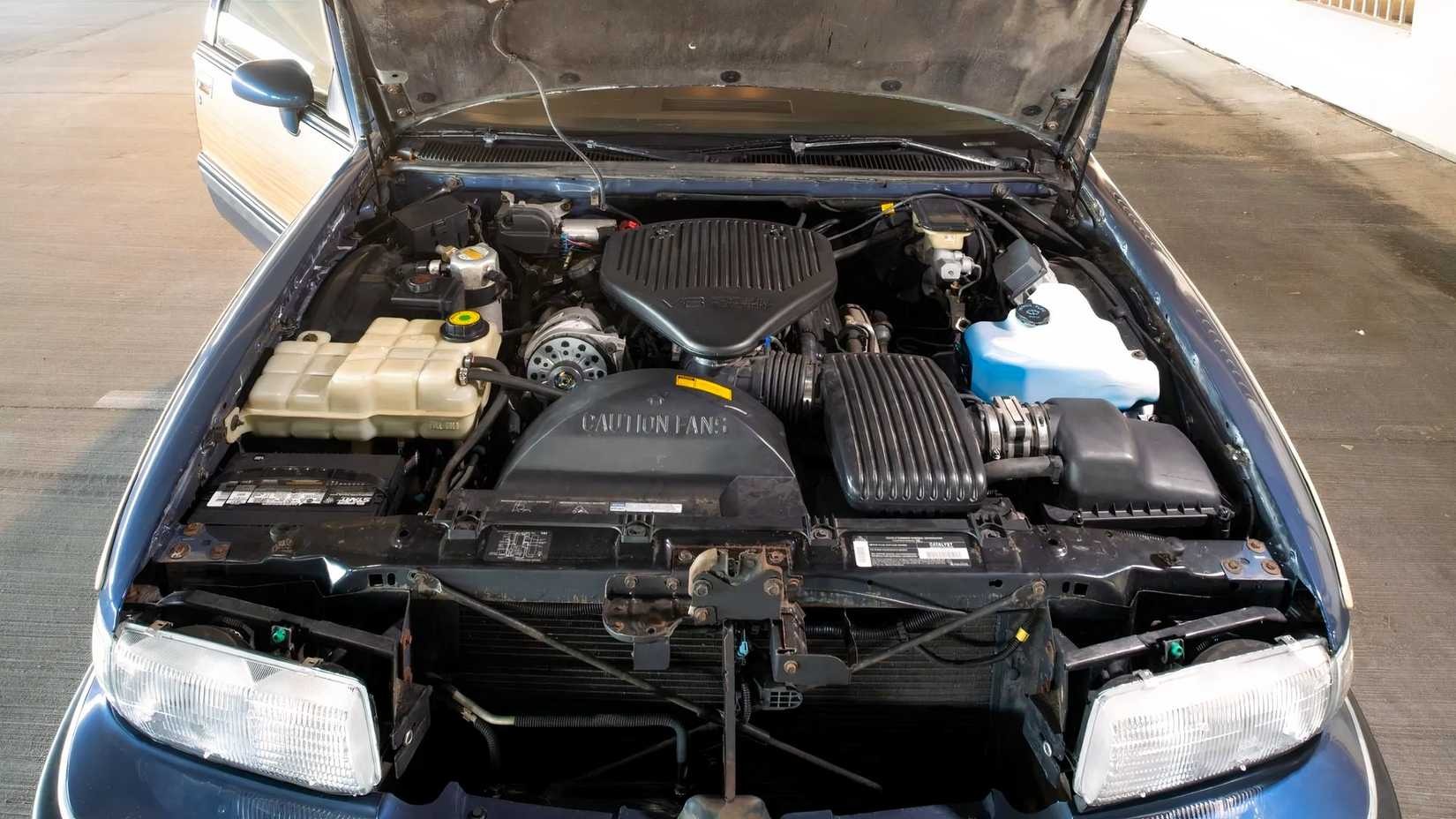
Anyone claiming the Roadmaster used the exact Corvette LT1 would be only partly right. GM modified the engine for wagon duty, changing several components to suit its heavier, more practical role.
Corvette LT1s featured aluminum cylinder heads and four-bolt main caps designed for demanding high-rpm driving. The Roadmaster used iron heads and two-bolt mains, reducing cost while supporting dependable everyday operation.
The camshaft was also revised for smoother, more predictable power instead of maximum performance. Buick electronically limited the wagon to 108 mph, matching its tires, suspension, and intended use.
The reverse-flow cooling system remained, sending coolant through the cylinder heads first to reduce combustion temperatures. Despite these changes, the Roadmaster retained the LT1’s 5.7-liter displacement, basic architecture, and shared block design with Chevrolet’s sports car, making the connection genuinely unusual.
What It Was Like to Drive One of These Sleepers
Numbers on a spec sheet only tell part of the story. Owners who actually lived with these wagons describe something closer to a split personality behind the wheel. Soft, cushioned suspension soaked up highway imperfections the way a proper full-size American car should, riding more like a Cadillac than anything resembling a performance machine.
Then the accelerator pedal went down. That same soft, comfortable wagon transformed into something that pulled hard and sounded genuinely aggressive, the LT1’s exhaust note carrying real character through dual pipes rather than the muted drone typical of family transportation.
Reliability earned consistent praise across owner reviews spanning decades. Many drivers reported crossing 200,000 miles with routine maintenance alone, a track record that helped these wagons develop a devoted following among people who value dependability alongside surprising capability.
Handling stayed true to the wagon’s mission rather than pretending otherwise. GranTouring suspension packages offered reasonably composed cornering for a vehicle weighing close to 4,700 pounds, though nobody mistook it for a sports sedan through tight curves.
The appeal never centered on cornering grip. It centered on the gap between expectation and reality, a gap that widened every time an unsuspecting driver challenged one at a red light and lost.
Also Read: 8 Forgotten Buicks and Oldsmobiles Now Worth Real Money
Why the Roadmaster Wagon Still Matters Today
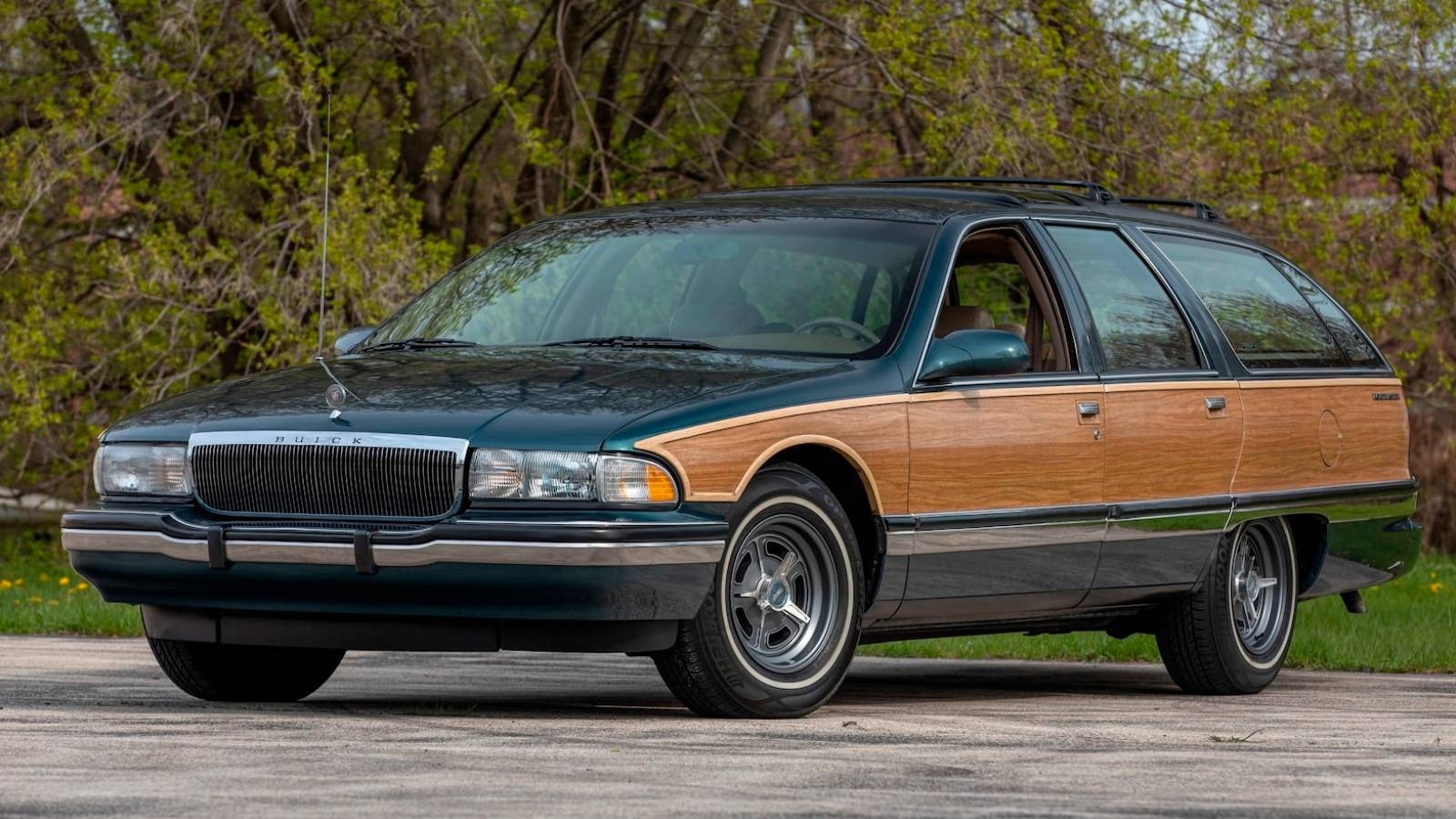
Clean, low-mileage examples have been getting more expensive as collectors take another look at what these wagons had to offer. Models that once changed hands for just a few thousand dollars now sell for much more, especially 1994-1996 LT1 cars with solid maintenance records.
The tuning crowd has also taken a liking to the platform. Because the LT1 shares plenty of aftermarket support with Corvette and Camaro applications, wagon owners have plenty of options. With the right heads, camshaft, and fuel-system upgrades, it is possible to push well beyond 400 horsepower without replacing the engine.
That performance is only part of the appeal. The Roadmaster Estate Wagon is a rare piece of American car history. It combined a Corvette-related V8 with three rows of seats and plenty of room for cargo.
It arrived near the end of the big American wagon era, just as SUVs and minivans were taking over. The Roadmaster was one of the last to go, and it made quite an exit.
