
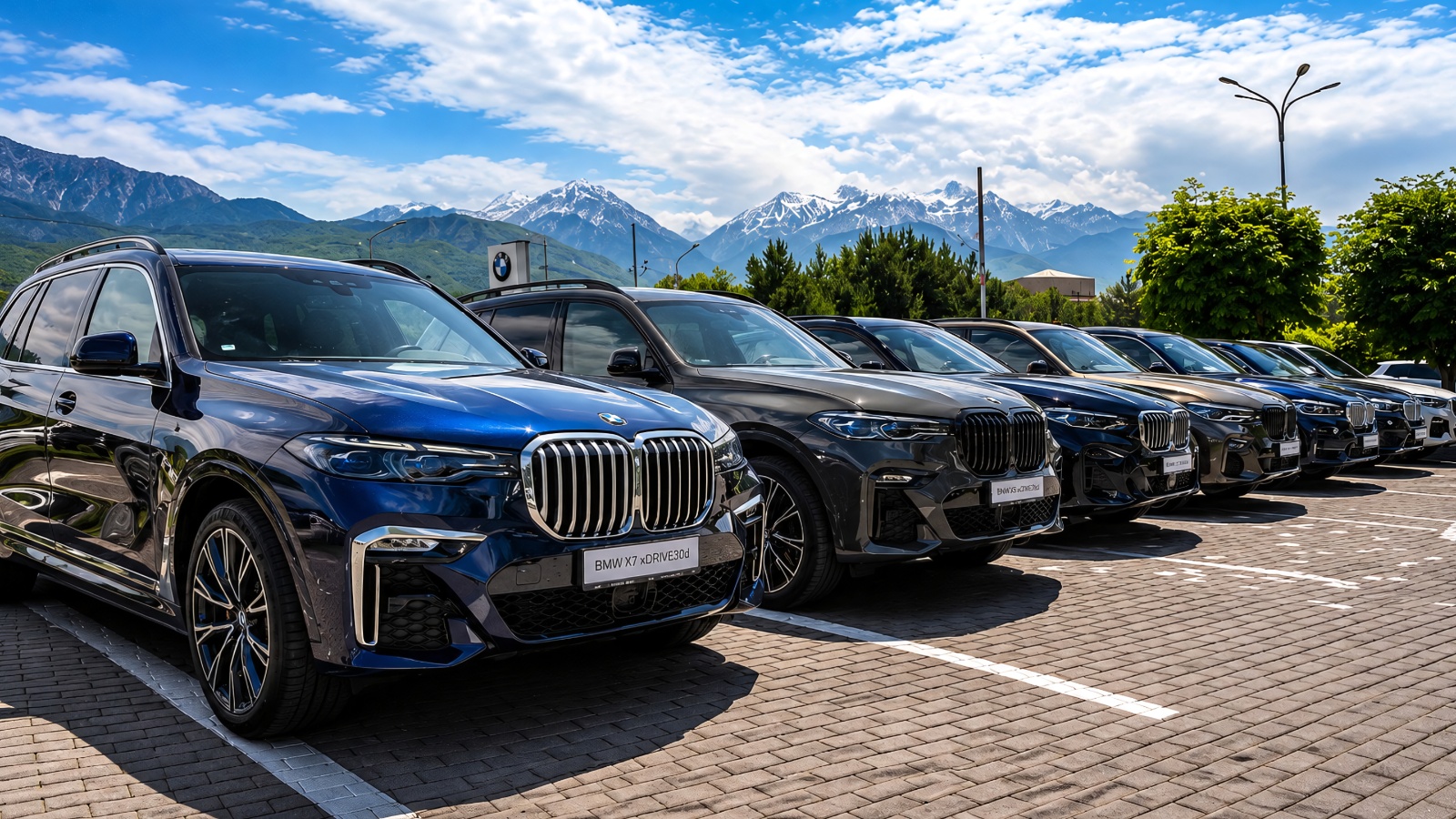
Buying a luxury SUV brand new feels great for about a year, right up until you check its trade-in value. Depreciation studies from iSeeCars keep confirming the same painful pattern: premium SUVs, electric models, and full-size luxury haulers routinely lose $17,000 or more before their odometers even hit 30,000 miles.
High sticker prices, changing technology, and a used market that expects steep discounts all work against these vehicles the moment they leave the lot. If you’re considering one of these SUVs, or thinking about selling one, understanding exactly why the value drops so fast could save you thousands of dollars in the long run.
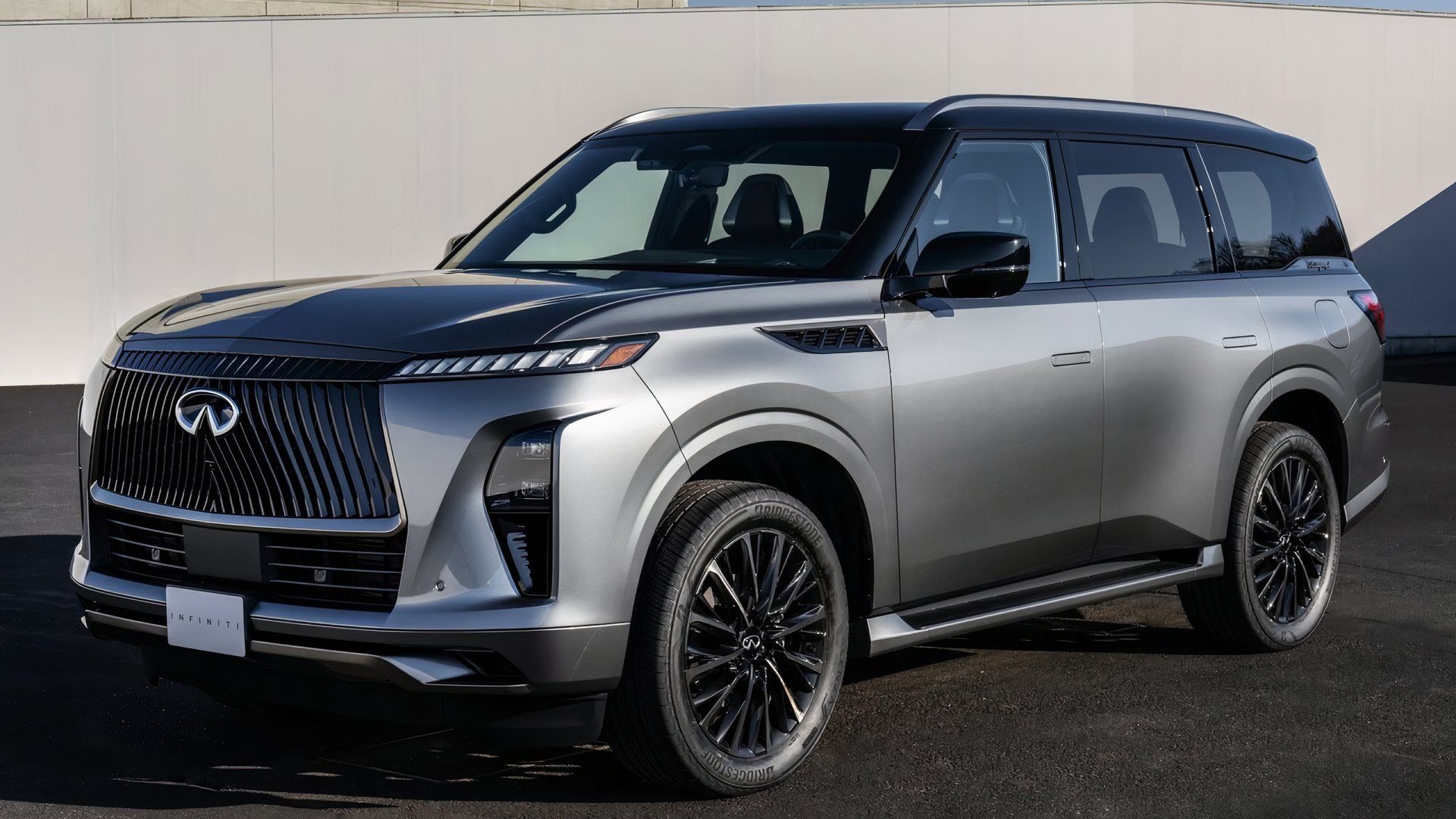
1. Infiniti QX80
- Engine: 3.5-liter Twin-Turbo V6
- Horsepower: 450 hp
- Torque: 516 lb-ft
- Size: 211.2″ L × 83.3″ W × 76.7″ H
Buyers who pay full sticker for this SUV often feel the sting within twelve months, sometimes sooner. The QX80 carries a hefty price tag from the factory, and used shoppers simply refuse to pay anywhere near that number once the vehicle has a single owner behind it.
Infiniti as a brand struggles with resale perception compared to more established luxury nameplates, and that reputation gap translates directly into lower trade-in offers at dealerships nationwide. Buyers cross-shopping this SUV against competitors from Cadillac or Lincoln frequently choose those alternatives instead, further softening demand for a used QX80 sitting on a lot.
Auction data consistently shows wholesale prices falling faster for this model than for rival full-size luxury SUVs, a trend that dealerships factor directly into what they’re willing to offer trade-in customers. Fuel costs associated with the twin-turbo V6 also discourage budget-conscious used buyers who might otherwise consider stepping into this segment.
None of this makes the QX80 a poor vehicle mechanically, but the math around ownership costs tells a different story than the one presented in the showroom, and anyone financing one new should plan for a resale value that drops considerably faster than the loan balance does.
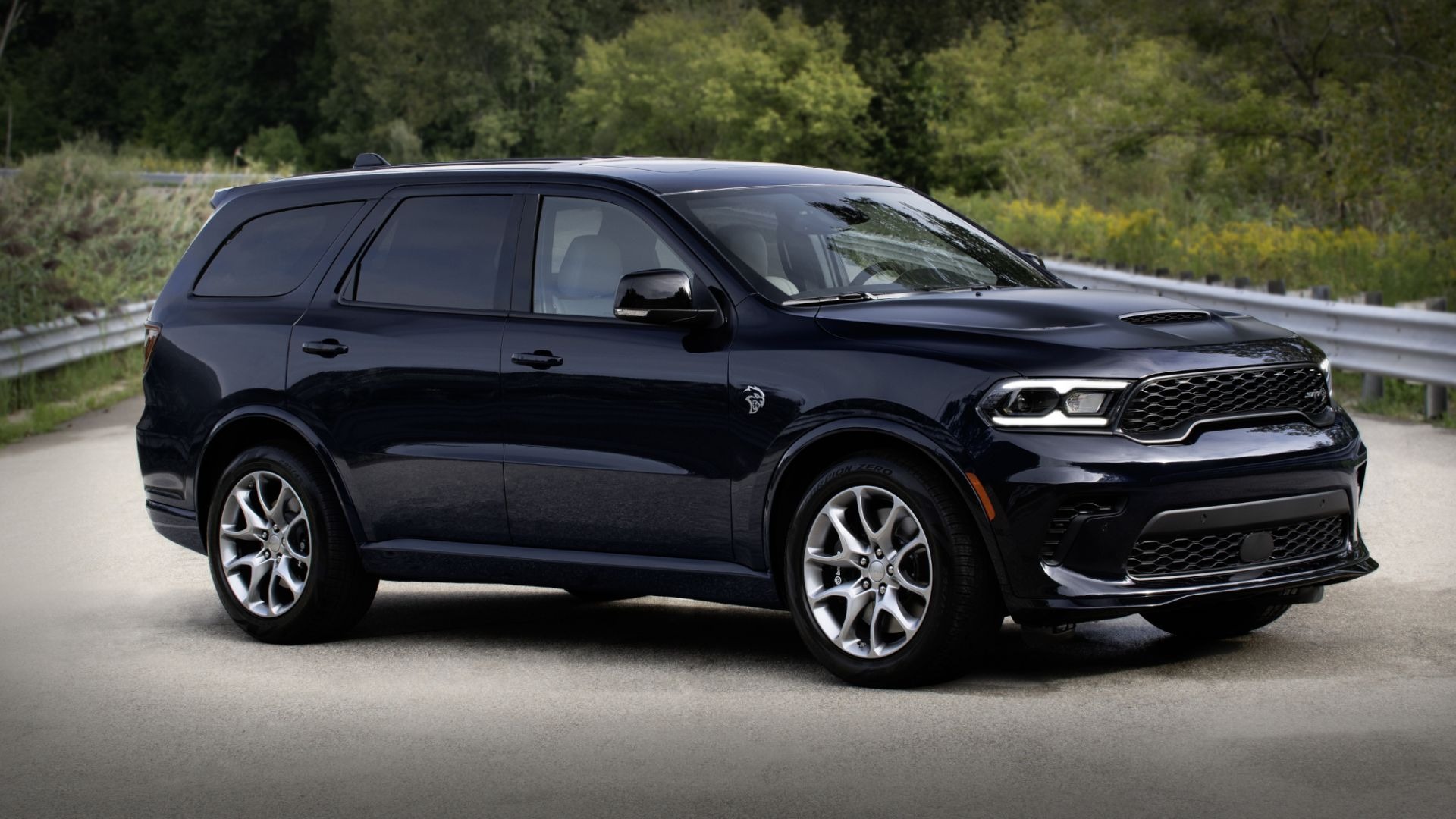
2. Dodge Durango
- Engine: 5.7-liter HEMI V8
- Horsepower: 360 hp
- Torque: 390 lb-ft
- Size: 201.0″ L × 75.8″ W × 72.9″ H
Trim level matters more with this SUV than with almost anything else on this list. Higher-end V8 configurations, loaded with options and carrying premium price tags, tend to shed value fastest because the pool of buyers willing to pay near-new prices for a used Durango shrinks considerably once flashier badges and larger price stickers enter the picture.
Base and mid-range trims hold their value comparatively better, since practical buyers looking for a family hauler don’t need the performance credentials that come with the top configurations.
Dealers report that fully loaded Durango models sit on lots longer than stripped-down versions, and that extended time unsold pushes dealers toward more aggressive pricing to move inventory.
Fuel economy concerns tied to the HEMI V8 push some used buyers toward smaller-engine alternatives instead, further softening demand specifically for the performance trims.
Families cross-shopping three-row SUVs frequently compare the Durango against Toyota and Honda offerings known for stronger resale, and that comparison rarely favors the Dodge once actual trade-in numbers get discussed.
Anyone buying a loaded Durango new should expect a rough first year of depreciation, even if the driving experience itself remains genuinely enjoyable throughout ownership.
Also Read: 10 Slowest SUVs Sold in America Today
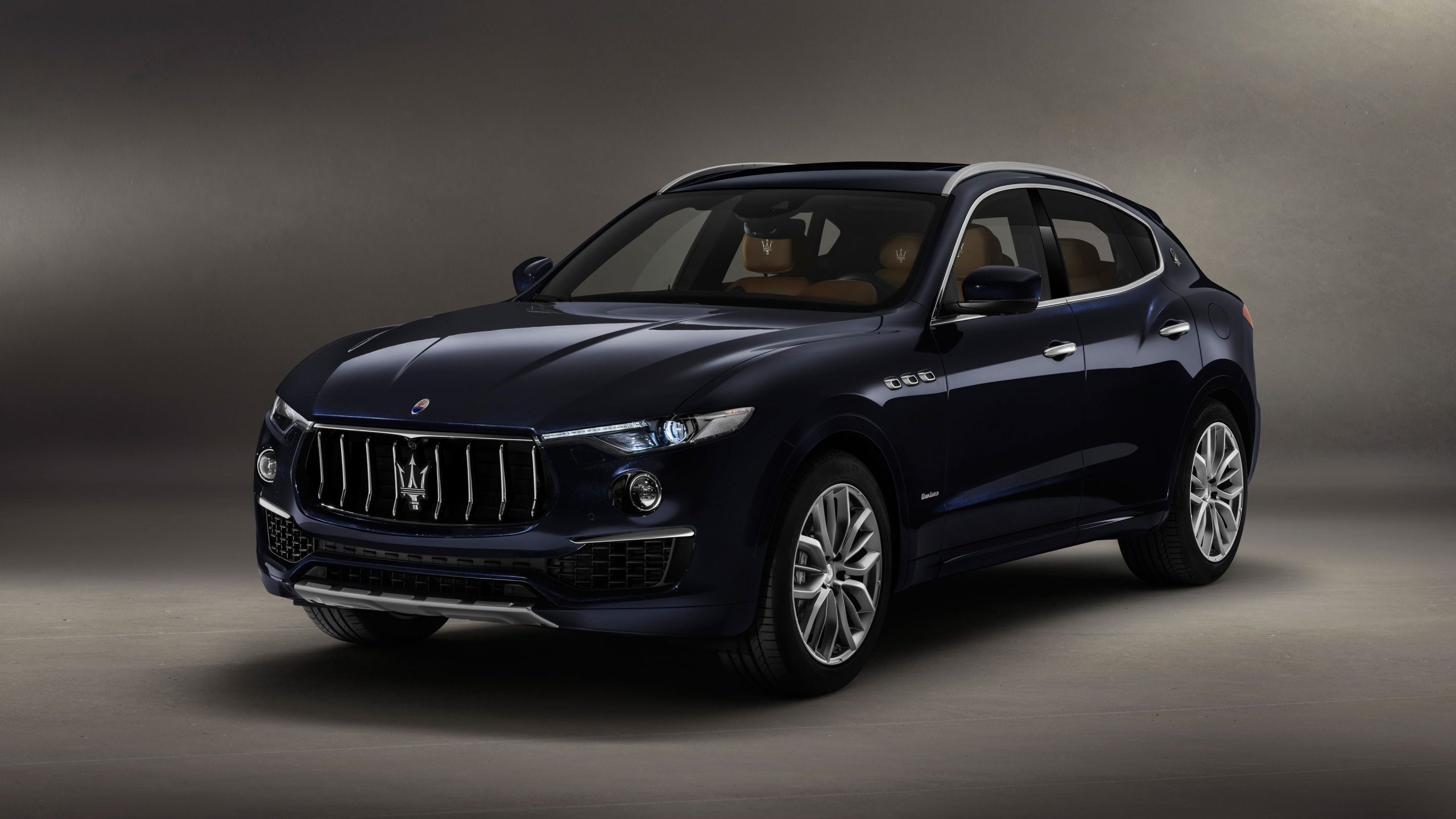
3. Maserati Levante
- Engine: 3.0-liter Twin-Turbo V6
- Horsepower: 345 hp
- Torque: 369 lb-ft
- Size: 197.0″ L × 77.5″ W × 66.1″ H
Exotic badges come with a hidden cost that rarely appears in glossy brochures. The Levante carries genuine Italian prestige, but that same prestige works against owners the moment they try selling one used, since the pool of buyers willing to pay near-new money for a secondhand Maserati SUV stays remarkably small compared to more mainstream luxury competitors.
Reliability concerns tied to the brand historically push cautious used buyers toward safer choices from Porsche or BMW instead, leaving Levante inventory sitting longer on dealer lots and forcing more aggressive pricing to generate interest.
Maintenance costs associated with this SUV also scare off budget-conscious shoppers who might otherwise consider the exotic appeal, since parts and service work through Maserati dealerships carry premium pricing that rivals far exceed.
Auction data shows wholesale values for the Levante falling sharply within the first two years, a pattern consistent across most low-volume luxury nameplates struggling against stronger, more established competitors.
Owners who bought one new specifically for the exclusivity factor sometimes find that same exclusivity becomes a liability when it’s time to sell, since fewer buyers means longer listings and eventual price reductions to finally close a sale.
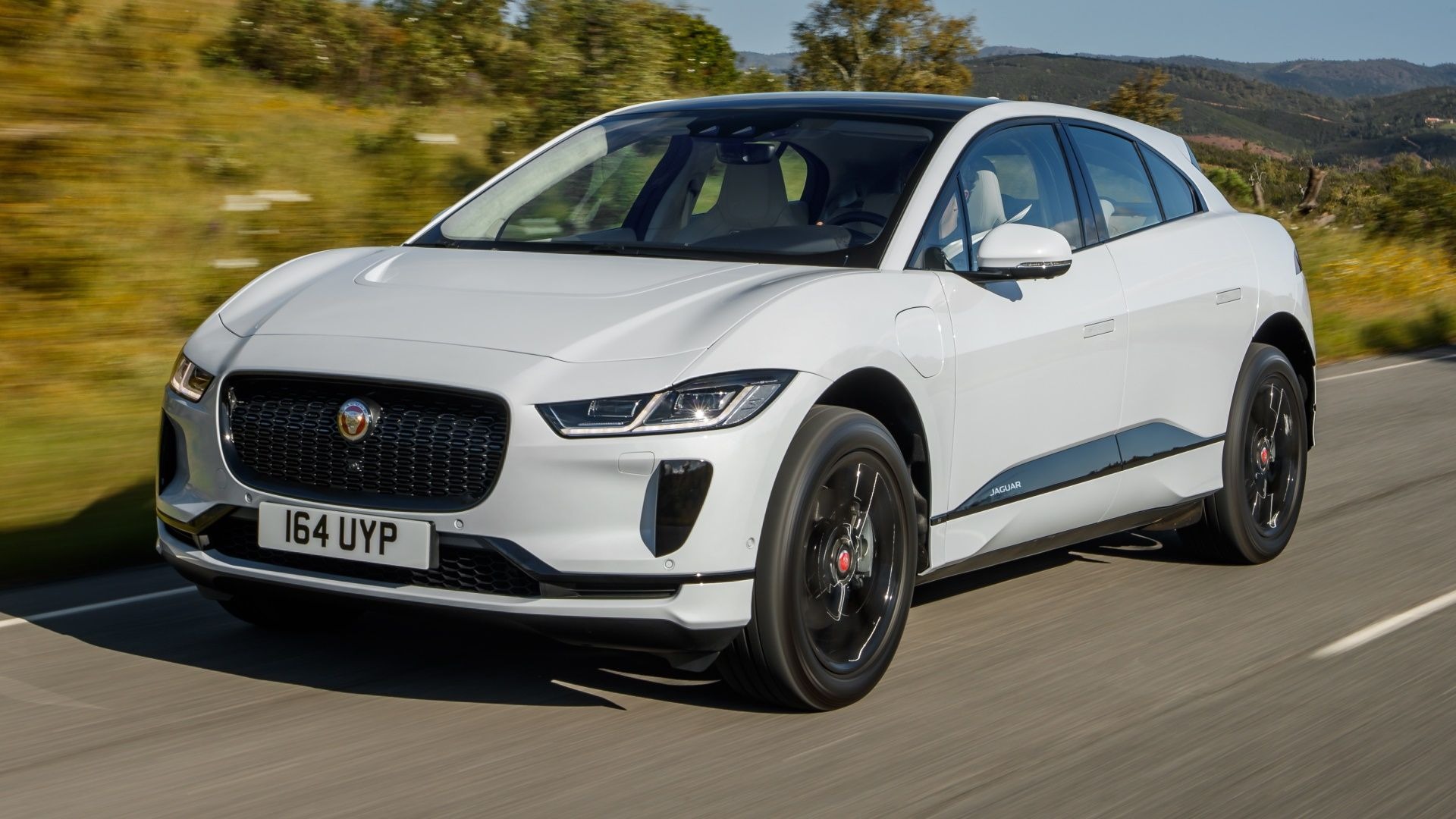
4. Jaguar I-Pace
- Engine: Dual-Motor Electric (90-kWh Battery)
- Horsepower: 394 hp
- Torque: 512 lb-ft
- Size: 184.3″ L × 79.2″ W × 61.3″ H
What happens when battery technology improves faster than a luxury automaker can keep pace with demand? The I-Pace answers that question in painful detail. Electric vehicle technology moves quickly, and each new generation of batteries with better range and faster charging makes older EVs feel outdated almost overnight in the eyes of used buyers.
Jaguar’s smaller dealer network and uncertain long-term commitment to electric vehicles compound the problem, since buyers researching a used EV purchase often prioritize brands with clearer service infrastructure and stronger long-term support.
Charging infrastructure compatibility questions have also worked against this SUV compared to competitors using more widely adopted charging standards. Software updates and range figures that once seemed competitive now look modest next to newer electric SUVs flooding the market from nearly every major manufacturer.
Battery degradation concerns specific to electric vehicles add another layer of hesitation for used buyers, who often demand steep discounts to offset the uncertainty around long-term battery health.
Federal tax credits available on new EV purchases further discourage buyers from considering a used I-Pace when a new electric SUV might qualify for thousands in savings instead, pushing this Jaguar’s resale value down even faster than typical luxury depreciation trends would suggest.
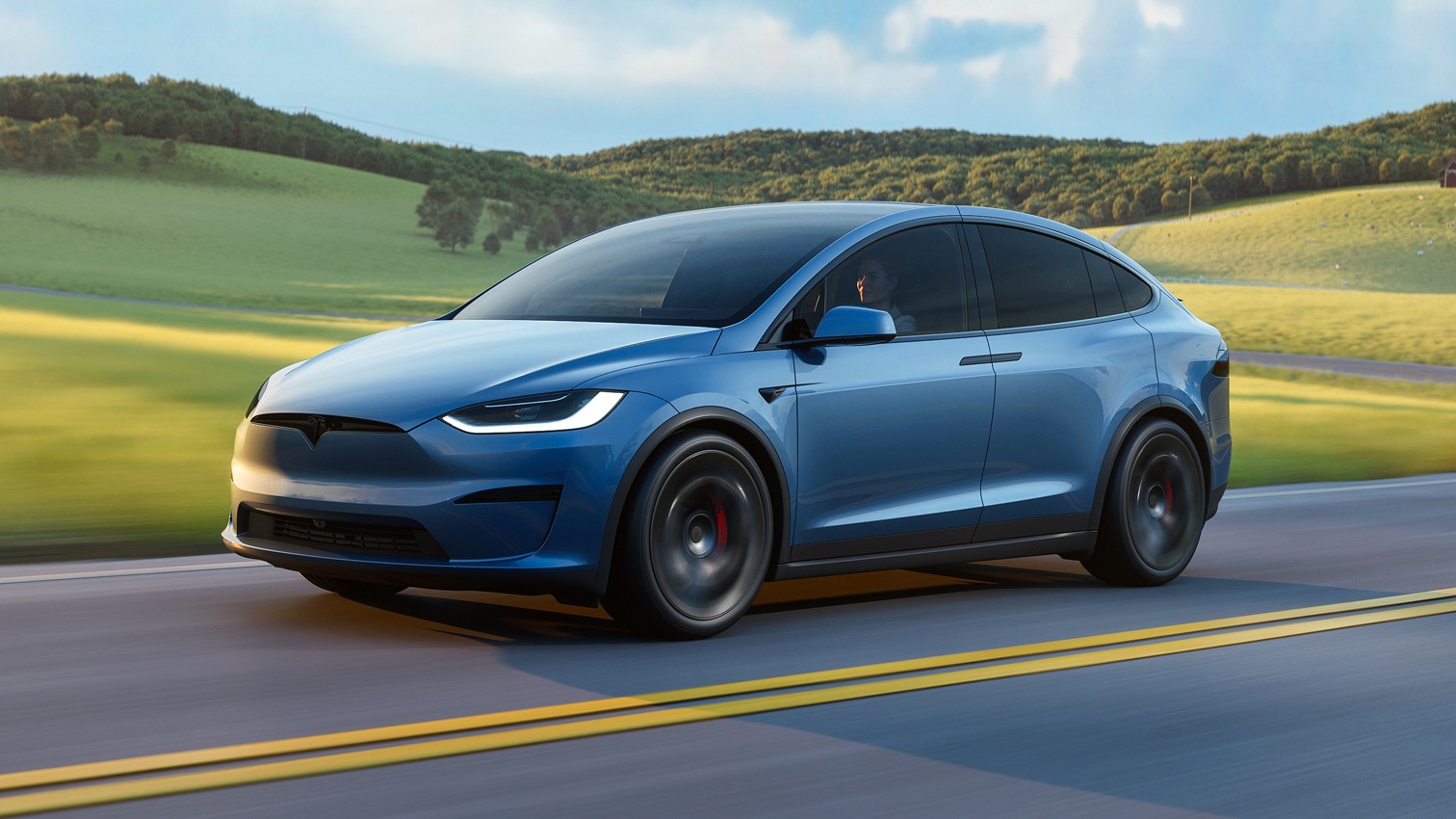
5. Tesla Model X
- Engine: Dual-Motor Electric AWD
- Horsepower: 670 hp
- Torque: Not officially published by Tesla
- Size: 199.1″ L × 78.7″ W × 66.1″ H
The Tesla Model X stands out for its advanced technology and distinctive falcon-wing doors, but it has also experienced one of the sharpest drops in resale value among luxury electric SUVs. A major reason for this is Tesla’s pricing strategy.
The company has reduced the prices of new vehicles several times in recent years, and each price cut has had a direct effect on the value of used Model X SUVs. When a brand-new model becomes cheaper, buyers naturally expect lower prices for pre-owned ones as well.
This has been frustrating for many owners, particularly those who bought their vehicles when Tesla’s prices were much higher. They have seen the gap between what they originally paid and the vehicle’s current market value grow much wider than expected.
The Model X also raises concerns for some used car buyers because of its unique falcon-wing doors. While they remain one of the SUV’s most recognisable features, many people worry about the cost of repairing or maintaining such a specialised system as the vehicle gets older.
These concerns can make buyers more cautious when considering a used example. The wider electric vehicle market has also played a role. Demand for used EVs has softened in many areas, with buyers paying closer attention to battery condition, remaining warranty coverage, and possible repair costs.
At the same time, newer electric SUVs from Tesla and rival manufacturers have entered the market with updated technology and improved features. With more options available, buyers have become more selective, placing additional pressure on the resale value of older Model X models despite their strong performance, spacious cabin, and impressive driving range.
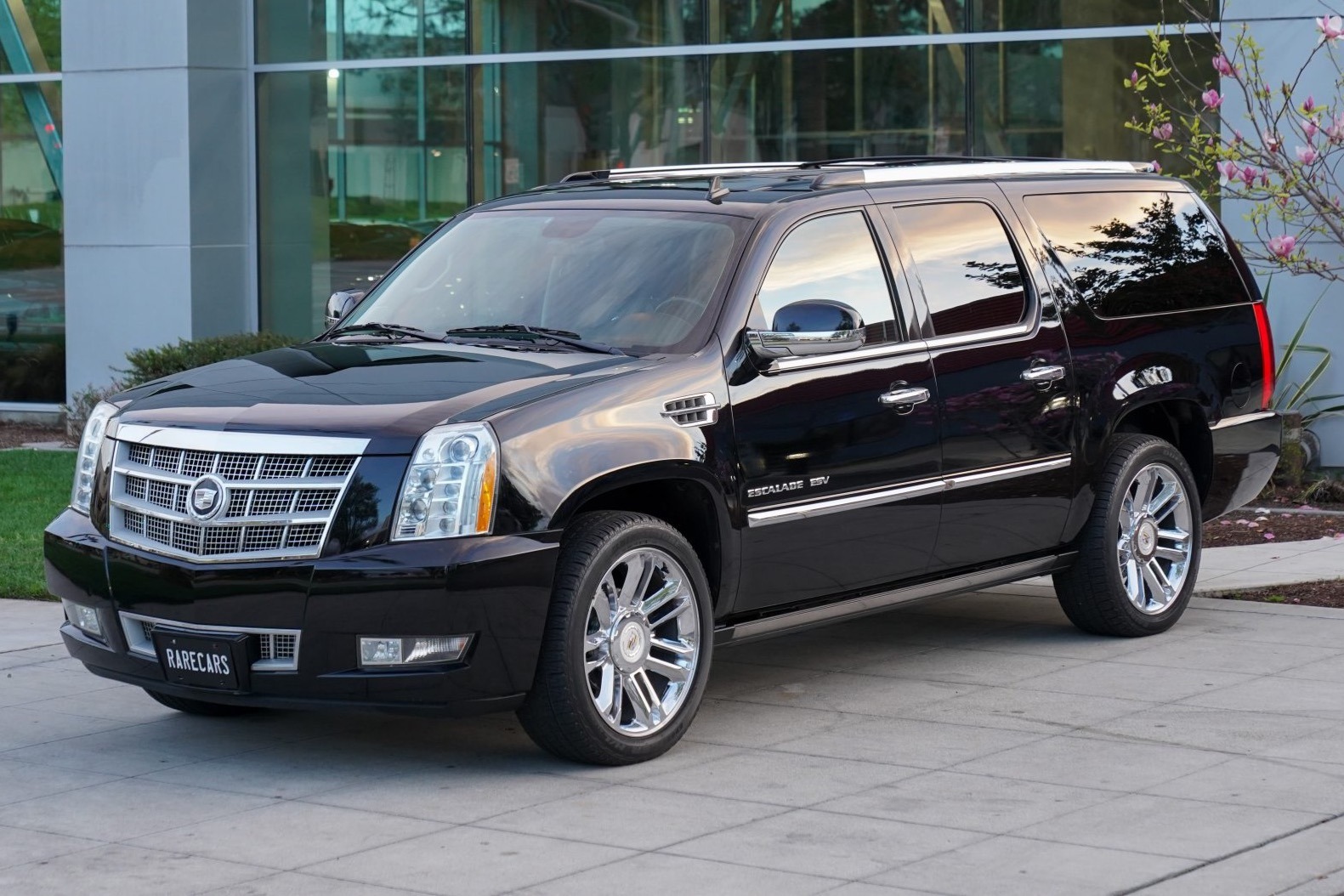
6. Cadillac Escalade ESV
- Engine: 6.2-liter Naturally Aspirated V8
- Horsepower: 420 hp
- Torque: 460 lb-ft
- Size: 227.0″ L × 81.1″ W × 76.4″ H
The Cadillac Escalade ESV is one of the biggest and most luxurious SUVs on the market, but its size and high purchase price work against it when it comes to resale value. As Cadillac’s extended-wheelbase flagship SUV, it carries a premium price when new.
Once it enters the used vehicle market, however, it can lose value quite quickly because many buyers are unwilling to spend such a large amount on a pre-owned luxury SUV.
The ESV also faces stiff competition from other full-size luxury SUVs, including the standard Cadillac Escalade and the Lincoln Navigator. Since buyers have several options to choose from, dealers often have to reduce prices to attract interest, especially for used models. This puts extra pressure on the resale value of the longer ESV version.
Running costs also influence buying decisions. Its naturally aspirated 6.2-litre V8 delivers strong performance, but it consumes a considerable amount of fuel. With fuel prices remaining a concern for many motorists, some buyers prefer more efficient alternatives, making it harder for large V8-powered SUVs to retain their value.
Cadillac has also introduced major improvements to the Escalade’s technology, infotainment system, and driver-assistance features in recent years. Because of these updates, models that are only two or three years old may not offer the same appeal as the latest version, encouraging buyers to focus on newer vehicles instead.
Market trends also show that extended-wheelbase luxury SUVs usually depreciate faster than their standard-length counterparts. Anyone planning to buy a new Escalade ESV should take this early depreciation into account, as it remains one of the biggest ownership costs despite the SUV’s comfort, space, and premium features.
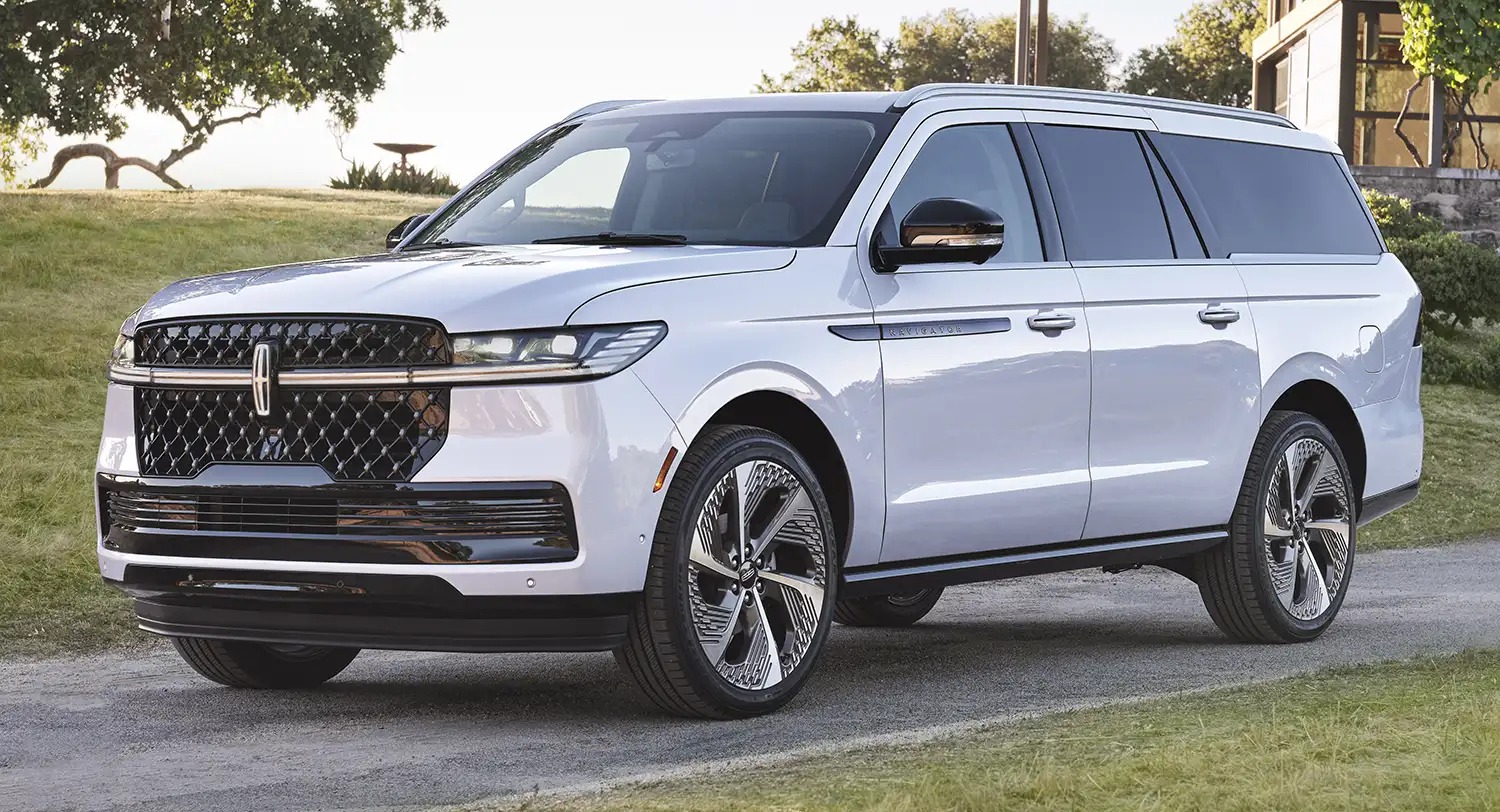
7. Lincoln Navigator
- Engine: 3.5-liter Twin-Turbo V6
- Horsepower: 440 hp
- Torque: 510 lb-ft
- Size: 210.0″ L × 79.9″ W × 76.4″ H
Lincoln built a genuinely impressive full-size SUV with the Navigator, yet impressive engineering hasn’t been enough to protect it from the same depreciation forces affecting nearly every vehicle in this price range.
A steep MSRP puts this SUV firmly in luxury territory, and luxury vehicles across the board tend to lose value faster than mainstream competitors simply because fewer buyers can justify paying near-new prices for a used example.
Brand perception plays a role here too, since Lincoln continues working to rebuild the prestige it once held decades ago, and that ongoing rebuilding effort means used buyers don’t always place the same premium on the badge that Cadillac or European competitors still command.
Interior technology and available options change enough between model years that a Navigator even a couple years old can feel dated next to the newest version on a dealer lot.
Fleet and rental usage of some Navigator trims has also softened resale perception in certain markets, since buyers researching used examples sometimes encounter units with heavier previous use than a typical private owner would put on the vehicle.
Anyone purchasing this SUV new should expect first-year depreciation numbers that mirror its full-size luxury competitors rather than standing apart from them.
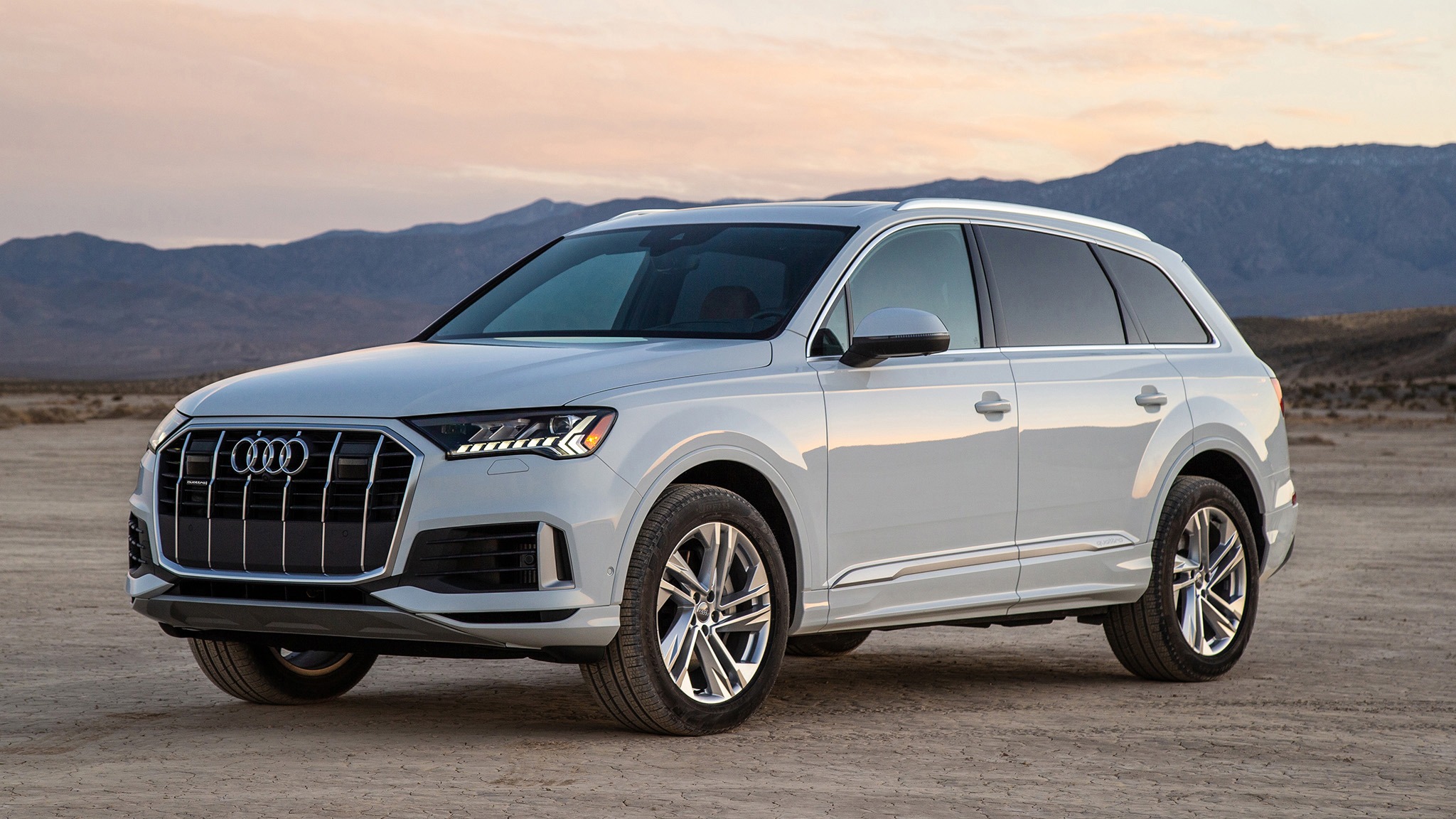
8. Audi Q7
- Engine: 3.0-liter Turbocharged V6
- Horsepower: 335 hp
- Torque: 369 lb-ft
- Size: 199.3″ L × 77.6″ W × 68.5″ H
The Audi Q7 reflects the high standard of German engineering, but that doesn’t stop it from losing value quickly after leaving the showroom. Like many luxury SUVs, it experiences a sharp drop in resale value during its early years, making it less attractive to owners hoping to recover a large part of their initial investment.
Buyers in the used luxury SUV market usually expect to pay much less than the original retail price, and dealers often have little choice but to lower their asking prices to stay competitive. Another factor affecting the Q7’s resale value is the cost of ownership.
Although the SUV has built a decent reputation for reliability, many buyers remain cautious because German luxury vehicles are often associated with expensive servicing, replacement parts, and repairs once the warranty expires. This concern encourages used car buyers to negotiate lower prices to cover possible maintenance expenses.
The Q7 also competes in a crowded luxury SUV segment alongside rivals such as the BMW X5 and Mercedes-Benz GLE. With several strong alternatives available, buyers can compare prices and features before making a decision, placing additional pressure on resale values.
Audi regularly updates the Q7 with improved technology, driver assistance systems, and interior features. As a result, older models can appear less attractive only a few years after purchase, encouraging buyers to favour newer versions instead.
Wholesale market trends also show the Q7 losing value steadily during its first few years on the road. While it continues to impress with its comfortable cabin, refined ride, and strong performance, owners should be prepared for faster-than-average depreciation, which remains one of the biggest costs of ownership.
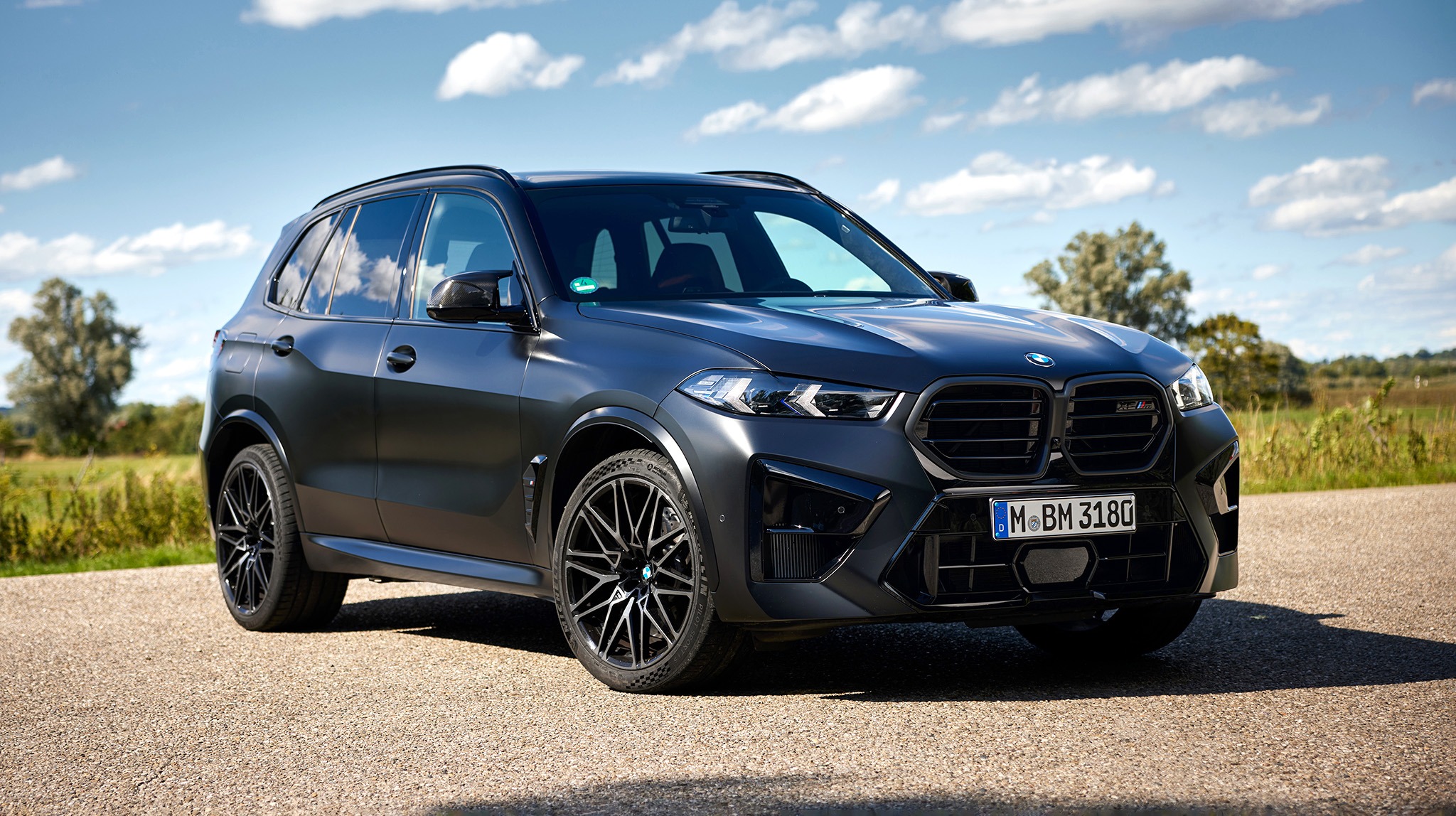
9. BMW X5
- Engine: 3.0-liter Turbocharged Inline-6
- Horsepower: 375 hp
- Torque: 398 lb-ft
- Size: 194.2″ L × 78.9″ W × 69.5″ H
Strong sales numbers might suggest healthy resale value, yet the X5 tells a more complicated story once actual depreciation figures enter the picture. This SUV sells in solid volume, which means used inventory stays plentiful, and that steady supply gives buyers negotiating leverage that keeps prices from holding firm the way lower-volume vehicles sometimes manage.
Premium fuel requirements and higher maintenance costs typical of German luxury vehicles also factor into how much used buyers are willing to pay, since anyone shopping a used X5 has to budget for service costs beyond just the purchase price itself.
Lease returns flood the used market with X5 units regularly, since many original buyers choose leasing specifically to avoid long-term depreciation exposure, and that steady stream of lease returns keeps used pricing under constant downward pressure.
Technology and styling updates across model years happen frequently enough that even recent X5 examples can feel behind the newest version sitting in a showroom nearby. Competing directly against the Q7 and GLE means buyers always have alternatives, further limiting how much negotiating power dealers actually hold when pricing a used X5.
Owners who financed one new should expect the vehicle’s value to fall well ahead of their loan balance during the early ownership period.
Also Read: 8 SUVs That Lost More Than Half Their Value in 12 Months
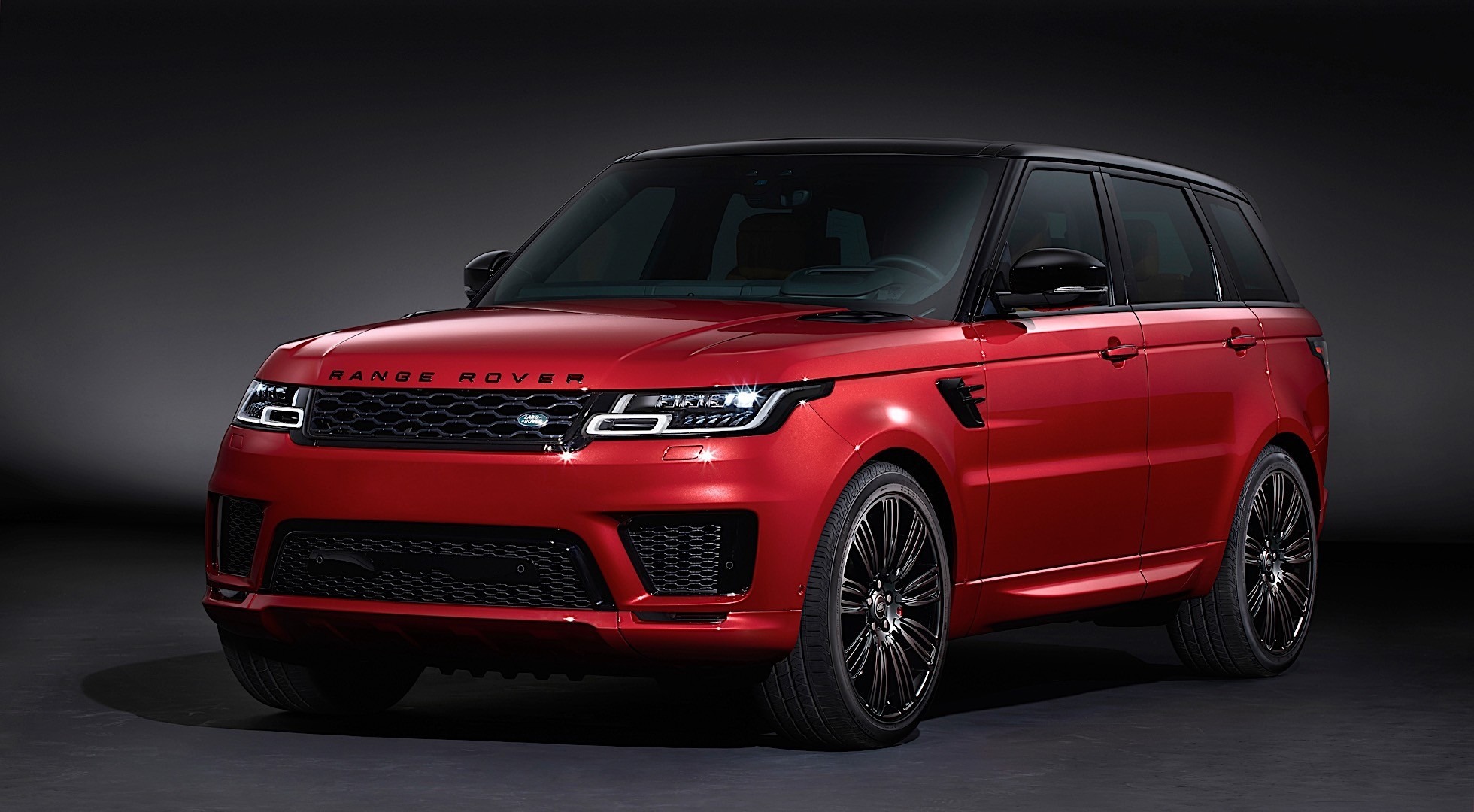
10. Land Rover Range Rover Sport
- Engine: 3.0-liter Turbocharged Inline-6
- Horsepower: 355 hp
- Torque: 369 lb-ft
- Size: 194.7″ L × 80.6″ W × 71.7″ H
Reliability concerns have followed Land Rover for years, and that reputation shows up directly in how quickly the Range Rover Sport loses value once it’s no longer sitting fresh on a dealer lot.
Used buyers researching this SUV frequently encounter forums and reviews warning about electrical gremlins and expensive repair bills, and that widespread perception pushes secondhand pricing down regardless of how any individual example has actually performed.
Extended warranty costs for buyers wanting protection against potential issues add another expense that used shoppers factor into their offers, further pressuring what dealers can realistically ask for a used unit.
Luxury badge prestige helps somewhat, but even strong brand recognition hasn’t been enough to offset the reliability concerns weighing on resale figures across the used market.
Auction data consistently shows wholesale values for this SUV falling faster than mainstream luxury competitors during the first several years of ownership, a pattern that dealers factor directly into trade-in offers presented to current owners.
Buyers drawn to the genuine off-road capability and distinctive styling still find plenty to love about ownership, but anyone purchasing new should budget carefully for depreciation that tends to hit harder and faster here than with most other vehicles in this luxury SUV segment.
