
Performance has become a major selling point for modern SUVs, with many family crossovers now reaching 60 mph in less than six seconds. Yet not every utility vehicle is built for speed. Some prioritize affordability, fuel economy, cargo capacity, or off-road capability instead of quick acceleration.
As a result, a handful of SUVs still require well over nine seconds to reach 60 mph, making them the slowest new models currently available in the U.S. market.
This ranking is based on published manufacturer or independent instrumented 0 to 60 mph testing and begins with the slowest vehicle before working toward the quicker entries.
Also Read: 10 Free Service Offers That Legally Bind You to the Dealer
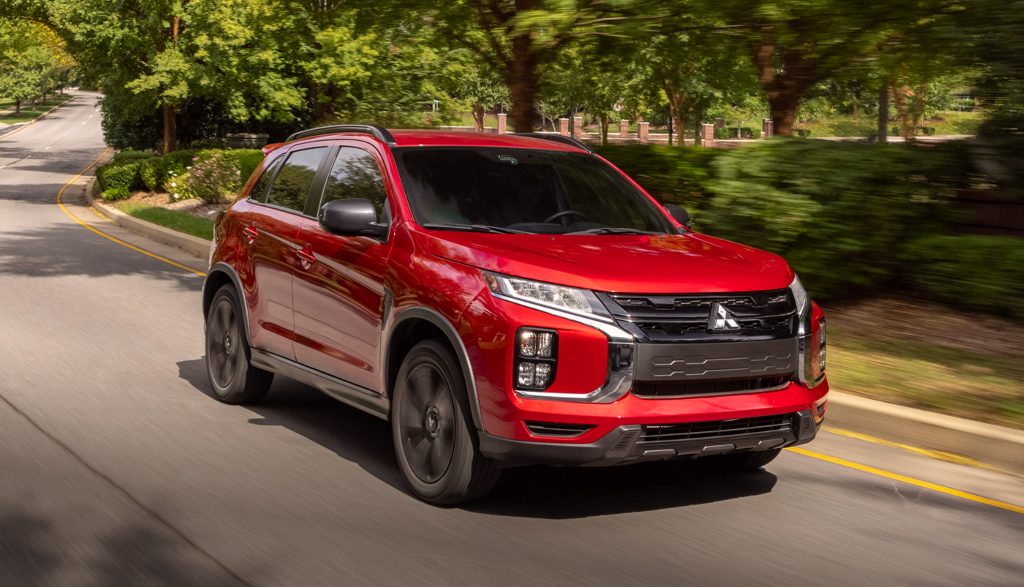
1. Mitsubishi Outlander Sport 2.0 AWD
With a published 0 to 60 mph time of approximately 11.0 seconds, the Mitsubishi Outlander Sport 2.0 AWD ranks among the slowest new SUVs available in America today. While that figure may seem modest compared with modern turbocharged rivals, the Outlander Sport was never engineered to deliver exciting acceleration.
Instead, Mitsubishi focused on keeping the vehicle affordable while offering standard all-wheel drive on many trims and maintaining a reputation for straightforward ownership.
The primary reason for the leisurely acceleration is the combination of a naturally aspirated 2.0-liter four-cylinder engine and a continuously variable transmission. Producing just 148 horsepower, the engine must move a crossover weighing more than 3,300 pounds before passengers or cargo are added.
The CVT is calibrated to maximize fuel economy rather than rapid launches, resulting in gradual acceleration from traffic lights and highway entrance ramps.
Despite its performance limitations, the Outlander Sport continues to appeal to buyers seeking a practical commuter.
Its compact size makes city parking simple, visibility is excellent, and maintenance costs remain relatively reasonable compared with many competitors. Fuel economy also benefits from the conservative powertrain, allowing owners to reduce operating expenses over time.
Passing slower traffic requires more planning than in many competing compact SUVs. Drivers often need to use nearly full throttle during highway merging or overtaking maneuvers, particularly when carrying several passengers or climbing steep grades.
However, once cruising speed is reached, the vehicle remains composed and comfortable for daily transportation.
The Outlander Sport demonstrates that not every SUV needs sports-car acceleration. Buyers focused on affordability, reliability, and everyday practicality may accept slower performance in exchange for lower ownership costs and dependable transportation.
Specifications
- Engine: 2.0-liter naturally aspirated inline-four
- Torque: 145 lb-ft
- Horsepower: 148 hp
- Length/Width: 171.9 inches / 71.3 inches
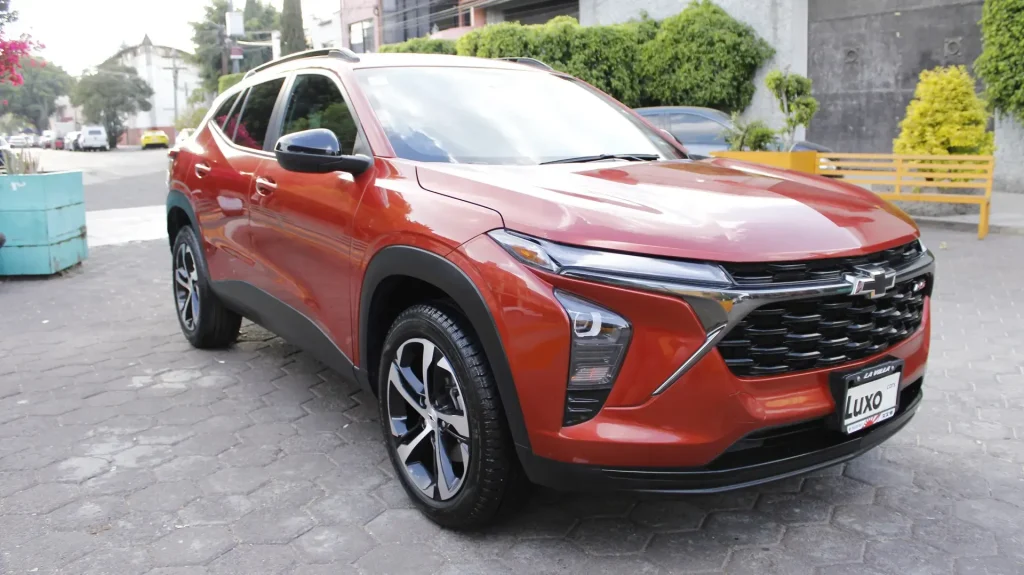
2. Chevrolet Trax 1.2 Turbo
The redesigned Chevrolet Trax brought dramatic styling improvements and a far more modern interior, but acceleration remains one of its least impressive characteristics.
Independent instrumented testing places the front-wheel-drive Trax at approximately 9.8 to 10.0 seconds from 0 to 60 mph, making it one of the slowest SUVs currently sold in the United States. Chevrolet intentionally prioritized affordability, efficiency, and interior space instead of outright performance.
Its turbocharged 1.2-liter three-cylinder engine produces only 137 horsepower, although the healthy torque output arrives at relatively low engine speeds. Around town, that helps the Trax feel responsive during gentle acceleration.
Once speeds increase, however, the modest horsepower becomes more apparent. Highway merging and passing require careful throttle application, particularly when the vehicle carries several occupants or luggage.
Unlike many competitors that offer optional larger engines, the Trax is available with only this single powertrain. Chevrolet made that decision to simplify production and keep the SUV competitively priced in the growing entry-level crossover segment.
Buyers receive a surprisingly spacious cabin, modern infotainment technology, advanced driver-assistance features, and attractive styling without paying for unnecessary performance.
Another factor influencing acceleration is transmission calibration. The six-speed automatic shifts smoothly and efficiently rather than aggressively, reinforcing the vehicle’s comfort-oriented personality. Drivers looking for brisk launches may find the Trax underwhelming, but commuters who value predictable operation are unlikely to object.
The Trax proves that sales success does not always depend on speed. Its value, comfort, technology, and practical packaging continue attracting first-time buyers despite acceleration figures that place it near the bottom of today’s SUV market.
Specifications
- Engine: 1.2-liter turbocharged inline-three
- Torque: 162 lb-ft
- Horsepower: 137 hp
- Length/Width: 178.6 inches / 71.8 inches
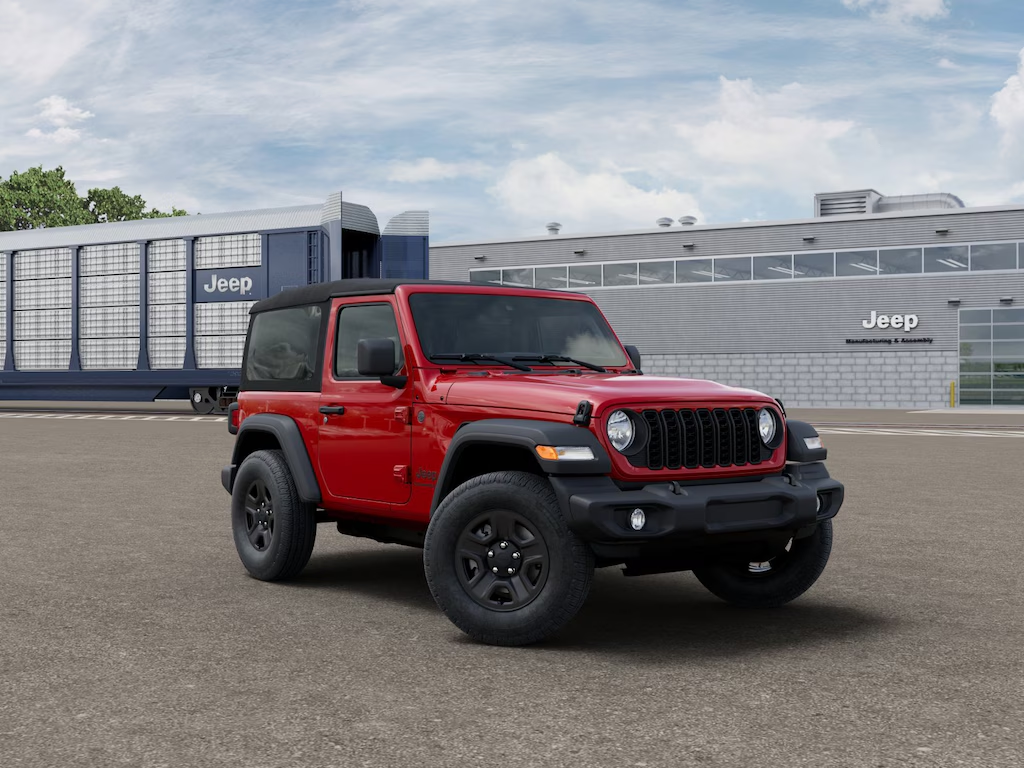
3. Jeep Wrangler Sport Two-Door 3.6 V6
Acceleration has never been the primary mission of the Jeep Wrangler. Designed first for off-road capability, the Wrangler Sport sacrifices quick 0 to 60 mph performance in favor of features that excel on rocky trails, muddy paths, and steep climbs.
Independent instrumented testing places the base two-door Wrangler Sport with the 3.6-liter Pentastar V6 at approximately 8.8 to 9.0 seconds from 0 to 60 mph, making it one of the slower new SUVs sold in America.
Several engineering decisions contribute to that result. The Wrangler’s body-on-frame construction is heavier than the unibody design used by most crossover SUVs.
Solid front and rear axles, high ground clearance, aggressive all-terrain tires, and four-wheel-drive hardware add weight while increasing drivetrain resistance. These components dramatically improve off-road durability but naturally reduce on-road acceleration.
The naturally aspirated Pentastar V6 delivers a respectable 285 horsepower, yet the Wrangler’s aerodynamics work against it. Its upright windshield, exposed door hinges, removable roof panels, and nearly vertical body create significant wind resistance, especially at highway speeds. The vehicle simply is not shaped for rapid acceleration.
Drivers quickly discover that the Wrangler’s strengths lie elsewhere. Outstanding approach and departure angles, impressive articulation, and available locking differentials allow it to travel where many crossovers cannot. Buyers who regularly venture onto difficult trails rarely consider its 0 to 60 mph time a deciding factor.
Highway merging may require more throttle than some turbocharged competitors, but the Wrangler rewards owners with genuine off-road capability and one of the most recognizable designs in the SUV market. It remains proof that performance numbers alone do not define a vehicle’s success.
Specifications
- Engine: 3.6-liter naturally aspirated Pentastar V6
- Torque: 260 lb-ft
- Horsepower: 285 hp
- Length/Width: 166.8 inches / 73.9 inches
4. Subaru Crosstrek 2.0
The Subaru Crosstrek has become one of America’s most popular compact crossovers thanks to its standard all-wheel drive, practical size, and strong safety reputation.
Quick acceleration, however, is not among its defining characteristics. Independent testing places the base 2.0-liter model at approximately 8.8 to 9.0 seconds from 0 to 60 mph, making it one of the slower new SUVs currently available in the U.S. market.
Rather than pursuing high horsepower, Subaru focused on balanced everyday usability. The naturally aspirated 2.0-liter BOXER engine produces 152 horsepower, which is adequate for commuting but modest compared with several competitors offering turbocharged alternatives.
The continuously variable transmission is calibrated primarily for smooth operation and fuel economy, keeping engine speeds low during normal driving.
The standard symmetrical all-wheel drive system also influences acceleration. Power is continuously distributed to all four wheels to improve traction in rain, snow, and loose surfaces, but the additional drivetrain components increase weight and mechanical resistance compared with many front-wheel-drive competitors.
Despite its leisurely acceleration, the Crosstrek excels in areas that matter to many buyers. With 8.7 inches of ground clearance, it handles rough roads, gravel trails, and winter weather better than most compact crossovers. The spacious interior, comfortable ride, and excellent crash-test performance further strengthen its appeal.
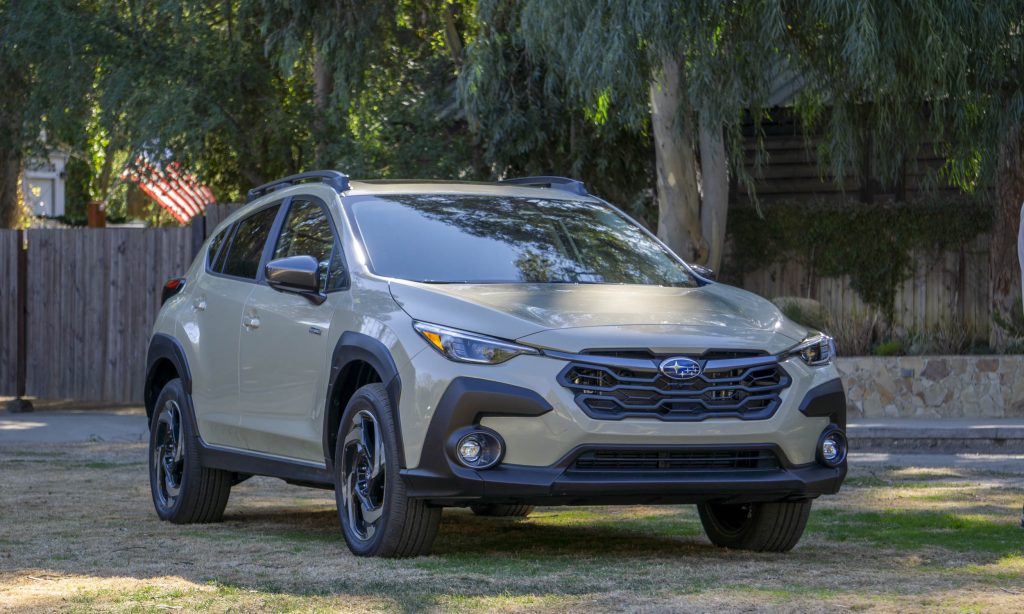
Passing maneuvers on two-lane highways require more planning than in more powerful SUVs, especially with a full load of passengers or cargo. Still, for drivers prioritizing reliability, all-weather confidence, and long-term ownership rather than outright speed, the Crosstrek remains a compelling choice.
Its popularity demonstrates that many American buyers value capability and practicality far more than quick sprint times.
Specifications
- Engine: 2.0-liter naturally aspirated BOXER four-cylinder
- Torque: 145 lb-ft
- Horsepower: 152 hp
- Length/Width: 176.4 inches / 70.9 inches
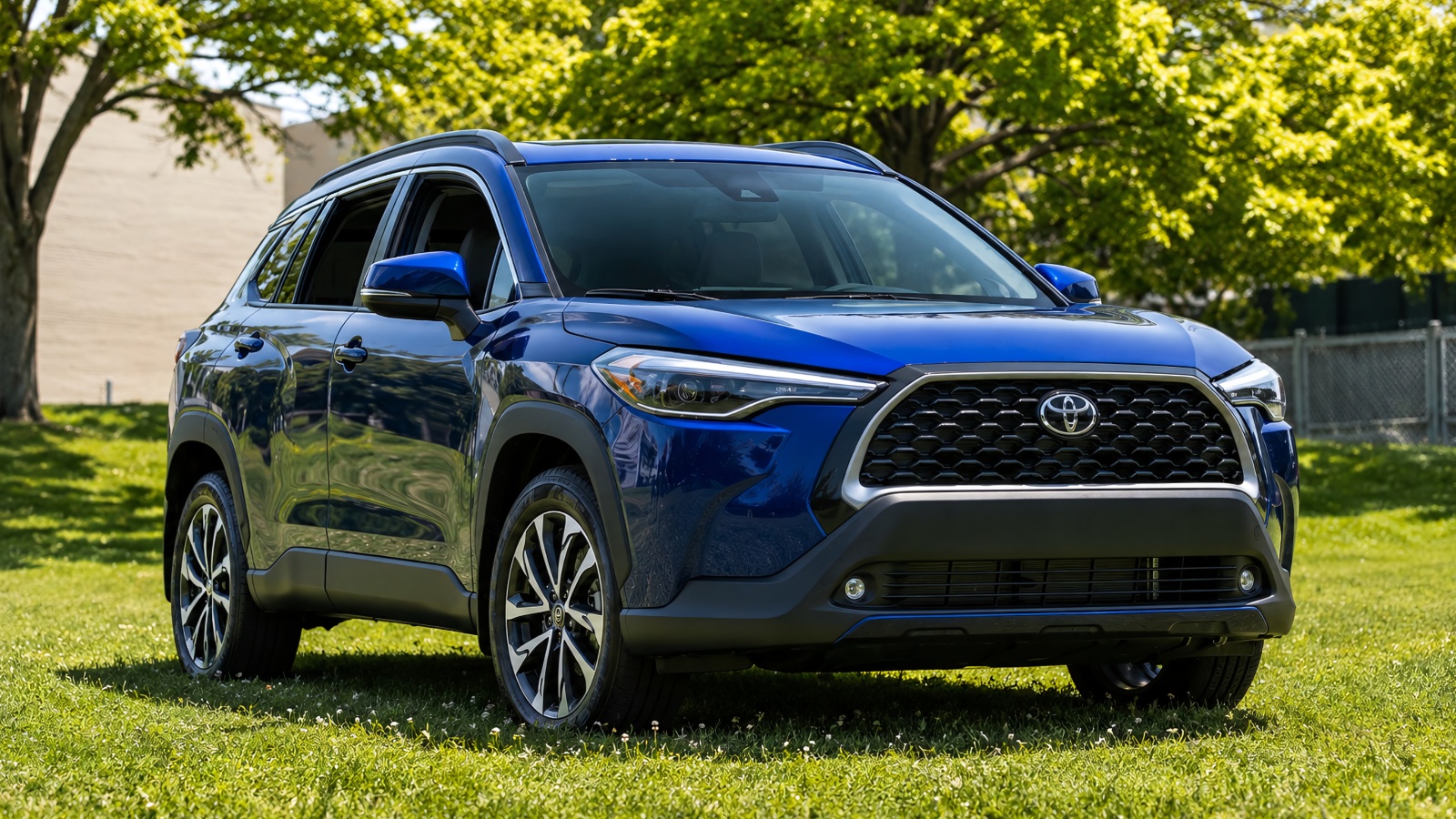
5. Toyota Corolla Cross L AWD
The Toyota Corolla Cross was created for buyers who value reliability, fuel economy, and practicality over outright performance. Those priorities are reflected in its acceleration.
Independent instrumented testing places the naturally aspirated all-wheel-drive model at approximately 8.7 to 8.9 seconds from 0 to 60 mph, making it one of the slower compact SUVs currently sold in the United States.
The Corolla Cross shares much of its engineering with the Corolla sedan, but transforming a compact car platform into an SUV introduces additional weight and aerodynamic drag.
Its 2.0-liter naturally aspirated four-cylinder generates 169 horsepower, a respectable figure on paper, but the continuously variable transmission is tuned to maximize smoothness and efficiency rather than aggressive launches.
During everyday commuting, the powertrain delivers predictable acceleration, yet full-throttle highway merges require more patience than in many turbocharged competitors.
Toyota deliberately avoided chasing high output because the Corolla Cross targets a different customer. Families, retirees, and commuters often place reliability and low operating costs ahead of quick sprint times.
The vehicle rewards owners with excellent fuel economy, a comfortable ride, generous cargo space for its class, and Toyota’s comprehensive suite of driver-assistance technology.
Its all-wheel-drive system also contributes slightly to the slower acceleration by adding mechanical components and extra weight. In return, buyers receive improved traction during rain, snow, and light off-pavement driving, an advantage that many owners appreciate throughout the year.
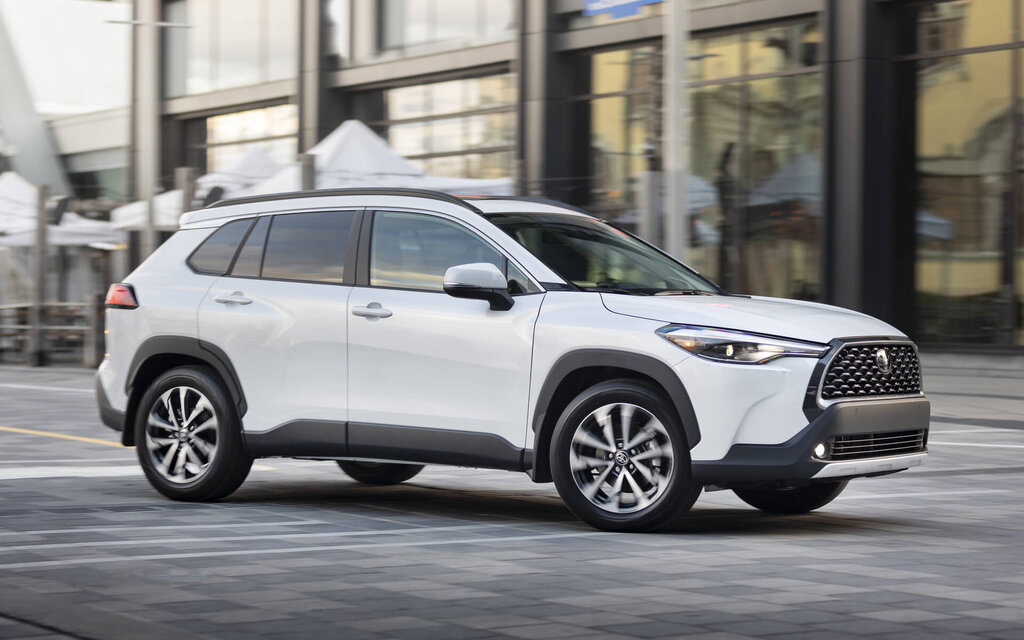
Although enthusiasts may consider the Corolla Cross slow, its strengths become apparent during long-term ownership. Dependability, predictable maintenance costs, and strong resale value continue attracting buyers who rarely judge an SUV solely by its 0 to 60 mph time.
Specifications
- Engine: 2.0-liter naturally aspirated inline-four
- Torque: 151 lb-ft
- Horsepower: 169 hp
- Length/Width: 175.6 inches / 71.9 inches
6. Hyundai Venue
Among the smallest SUVs available in America, the Hyundai Venue was never intended to compete with performance-oriented crossovers.
Instead, it was engineered as an affordable urban vehicle that emphasizes maneuverability, efficiency, and low ownership costs. Independent testing records place the Venue at approximately 8.5 to 8.8 seconds from 0 to 60 mph, making it one of the slowest new SUVs currently on sale.
Its naturally aspirated 1.6-liter four-cylinder produces 121 horsepower, the lowest output among many modern crossover competitors. Power is delivered through a continuously variable transmission programmed to prioritize fuel economy and smooth operation.
Around town, the lightweight Venue feels perfectly adequate for city traffic, but rapid acceleration is not one of its strengths. Highway on-ramps and passing slower vehicles require planning, particularly when carrying several passengers.
The Venue’s compact dimensions actually work in its favor elsewhere. Measuring less than 160 inches long, it is exceptionally easy to park in crowded urban environments where larger SUVs can become difficult to maneuver.
The upright seating position provides good outward visibility, while the cabin offers more passenger space than its exterior dimensions suggest.
Hyundai also focused on delivering strong value. Even entry-level models include modern infotainment technology, multiple advanced safety systems, and an efficient powertrain that helps keep fuel costs low. Buyers shopping for an economical daily commuter often view those advantages as more important than brisk acceleration.
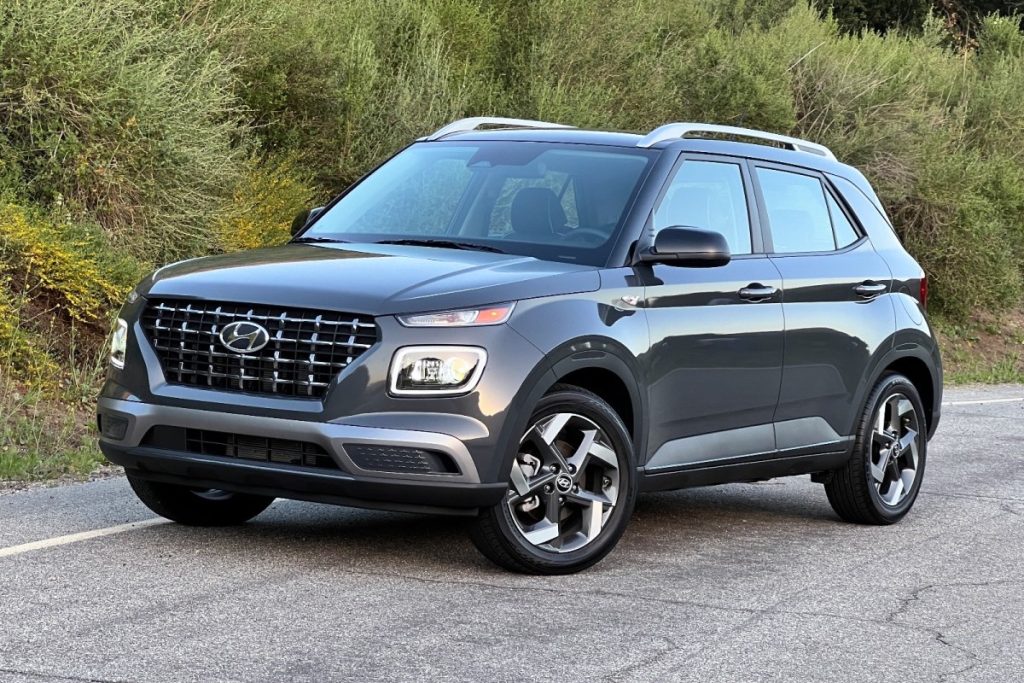
The Venue demonstrates that a successful SUV does not need impressive performance figures. Its combination of affordability, efficiency, and city-friendly practicality has earned it a loyal customer base despite acceleration numbers that rank among the slowest in today’s American SUV market.
Specifications
- Engine: 1.6-liter naturally aspirated inline-four
- Torque: 113 lb-ft
- Horsepower: 121 hp
- Length/Width: 159.1 inches / 69.7 inches
7. Kia Seltos LX AWD
The Kia Seltos has become a popular choice among compact SUV buyers because it offers generous interior space, a comfortable ride, and a long list of standard technology. However, the base LX AWD model is not designed to deliver rapid acceleration.
Independent instrumented testing places its 0 to 60 mph time at approximately 8.4 to 8.6 seconds, making it one of the slower new SUVs currently available in the American market.
The reason is straightforward. The entry-level Seltos uses a naturally aspirated 2.0-liter four-cylinder paired with a continuously variable automatic transmission.
Producing 146 horsepower and 132 lb-ft of torque, the engine is tuned primarily for fuel economy and smooth everyday operation instead of aggressive performance. The standard all-wheel-drive system on the LX trim also adds weight compared with front-wheel-drive competitors, slightly affecting acceleration.
Despite those numbers, the Seltos performs well where most owners actually spend their time. The suspension delivers a comfortable ride over rough pavement, steering is light enough for city driving, and visibility is excellent.
Kia also equips the SUV with a surprisingly spacious rear seat and one of the larger cargo areas in the segment, making it practical for families and commuters alike.
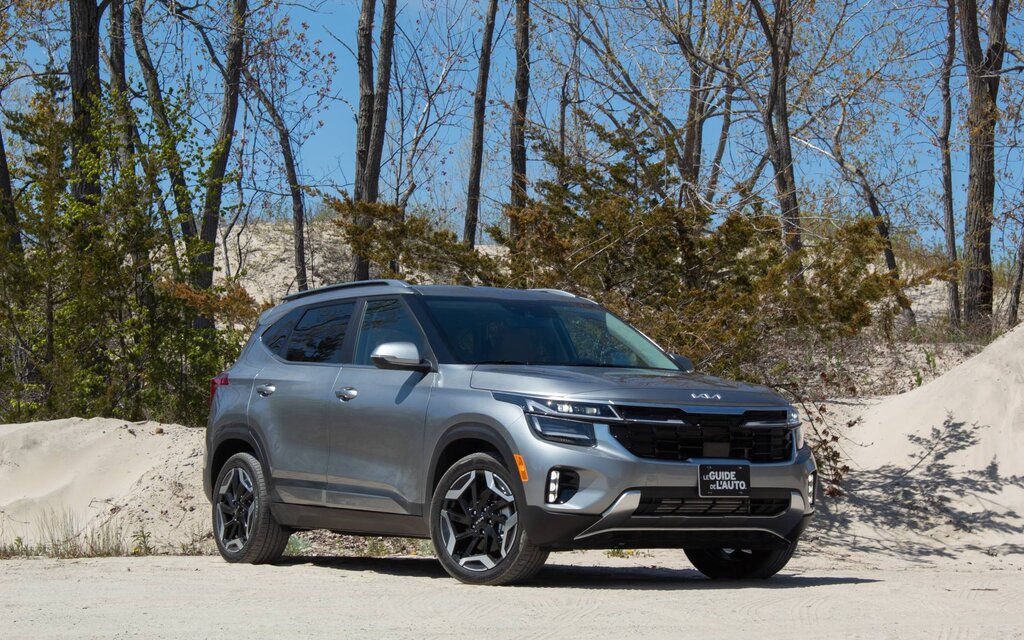
Another advantage is efficiency. The modest power output helps the Seltos achieve competitive fuel economy while reducing long-term operating costs. Buyers who regularly drive in snow or heavy rain also benefit from the standard all-wheel-drive system, even if it slightly compromises straight-line performance.
The Seltos proves that acceleration is only one part of the ownership experience. For drivers who value practicality, safety, interior comfort, and everyday usability, its slower sprint time is unlikely to outweigh its many strengths.
Specifications
- Engine: 2.0-liter naturally aspirated inline-four
- Torque: 132 lb-ft
- Horsepower: 146 hp
- Length/Width: 172.6 inches / 70.9 inches
8. Nissan Kicks
The Nissan Kicks occupies one of the most affordable positions in the American SUV market, and its engineering priorities reflect that mission. Rather than emphasizing speed, Nissan focused on maximizing fuel economy, interior packaging, and low purchase costs.
Independent testing places the current Kicks at approximately 8.3 to 8.5 seconds from 0 to 60 mph, putting it among today’s slower compact SUVs.
Power comes from a naturally aspirated 2.0-liter four-cylinder engine paired with Nissan’s continuously variable transmission. Although the updated engine offers more power than the previous generation, acceleration remains modest compared with many turbocharged competitors.
The CVT keeps engine speeds low during normal driving to improve fuel economy, only allowing higher revs when drivers request maximum acceleration.
Around town, the Kicks feels well suited to its intended purpose. Its compact footprint makes parking effortless, the steering is light, and outward visibility is among the best in the segment. These characteristics are often more valuable in daily urban driving than quick acceleration.
Nissan also concentrated on passenger comfort and technology. Even lower trim levels include modern infotainment features, advanced driver-assistance systems, and flexible cargo space. Buyers looking for an economical commuter often appreciate those qualities more than rapid 0 to 60 mph times.
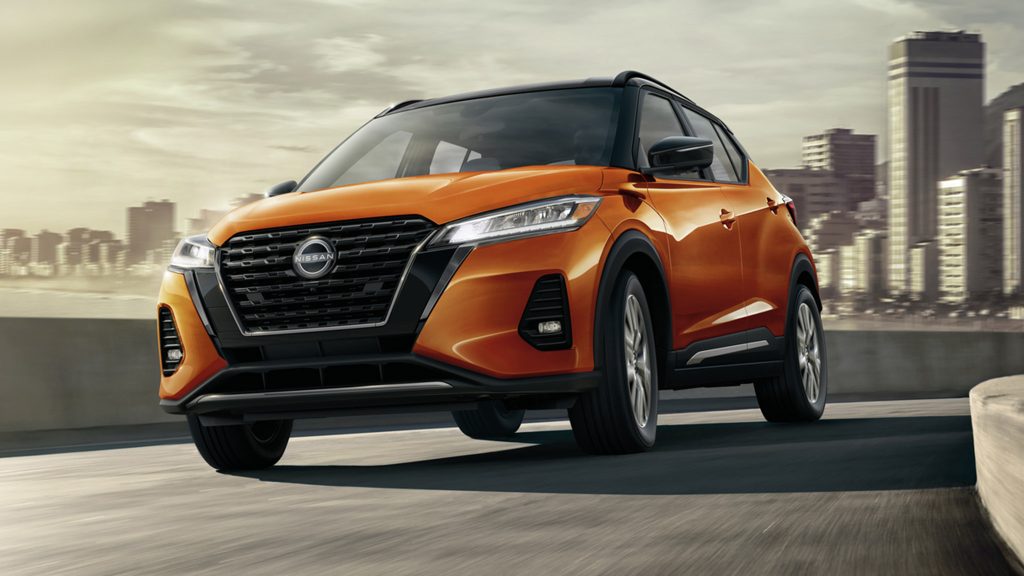
The Kicks is not the SUV enthusiasts choose for spirited driving, but it was never designed with that goal in mind. Instead, it delivers affordable transportation, respectable fuel economy, and practical everyday usability. For many first-time buyers and city commuters, those strengths outweigh its relatively slow acceleration.
Specifications
- Engine: 2.0-liter naturally aspirated inline-four
- Torque: 140 lb-ft
- Horsepower: 141 hp
- Length/Width: 171.9 inches / 70.9 inches
9. Honda HR-V AWD
The Honda HR-V has earned a loyal following by emphasizing practicality, refinement, and long-term reliability rather than outright performance.
In all-wheel-drive form, independent instrumented testing places its 0 to 60 mph time at approximately 8.2 to 8.4 seconds, making it one of the slower compact SUVs currently sold in the United States. While those figures will not impress enthusiasts, they accurately reflect the vehicle’s intended purpose as a dependable daily commuter.
Power comes from Honda’s naturally aspirated 2.0-liter four-cylinder engine producing 158 horsepower. The engine is paired with a continuously variable transmission calibrated for smoothness and fuel efficiency instead of aggressive acceleration.
Around town, the HR-V feels responsive enough for normal driving, but drivers will notice the modest performance when merging onto busy interstates or overtaking slower traffic on two-lane highways.
Honda intentionally focused its engineering efforts elsewhere. The HR-V delivers one of the most refined rides in the compact SUV class, with precise steering, predictable handling, and a quiet cabin. The suspension absorbs broken pavement effectively, making long-distance travel comfortable despite the vehicle’s compact dimensions.
Interior quality is another highlight. Honda uses well-designed controls, supportive seats, and practical storage solutions that make the HR-V feel more upscale than many similarly priced competitors. The cargo area is also generous for the segment, helping families transport groceries, luggage, or outdoor equipment with ease.
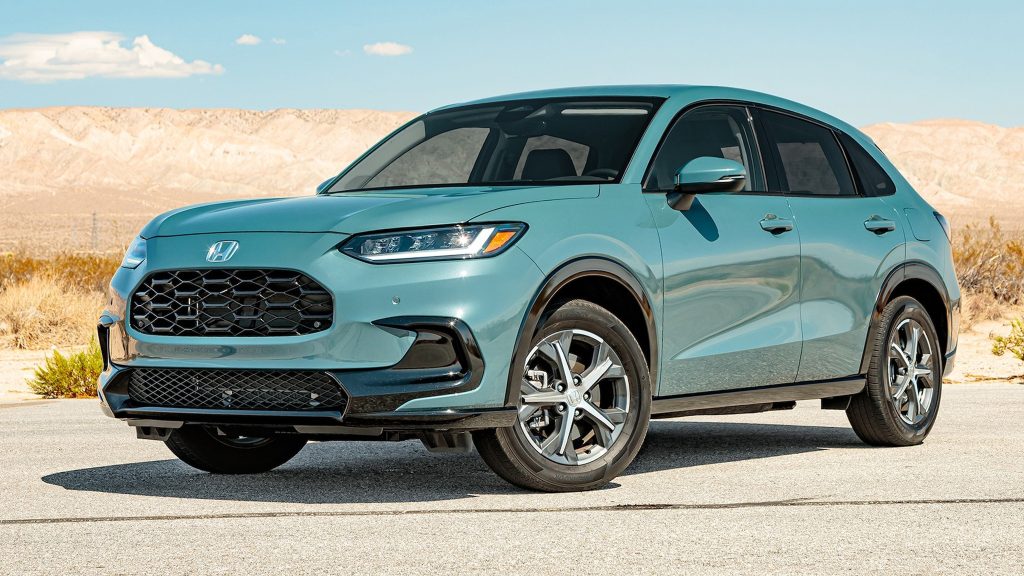
The HR-V demonstrates that not every successful SUV needs impressive acceleration. Buyers who prioritize reliability, safety, comfort, and resale value often consider those strengths far more important than shaving a second off a 0 to 60 mph sprint.
Specifications
- Engine: 2.0-liter naturally aspirated inline-four
- Torque: 138 lb-ft
- Horsepower: 158 hp
- Length/Width: 179.8 inches / 72.4 inches
10. Volkswagen Taos 4Motion
Although the Volkswagen Taos is powered by a turbocharged engine, it still ranks among the slower compact SUVs sold in America. Independent road tests record the 4Motion all-wheel-drive model at approximately 8.0 to 8.2 seconds from 0 to 60 mph.
That places it at the quicker end of this list, yet it remains noticeably slower than many modern compact SUVs equipped with more powerful turbocharged engines or hybrid systems.
The Taos uses Volkswagen’s 1.5-liter turbocharged four-cylinder, producing 174 horsepower and 184 lb-ft of torque. On paper, those figures appear competitive, but the vehicle’s transmission calibration and emphasis on efficiency result in measured acceleration rather than explosive launches.
The seven-speed dual-clutch automatic transmission shifts smoothly during everyday driving, prioritizing fuel economy and drivability over maximum acceleration.
Where the Taos excels is in balance. The turbocharged engine provides strong mid-range torque that makes city driving and moderate-speed passing feel easier than the stopwatch suggests.
The suspension is well controlled, steering is precise, and the cabin remains composed on rough highways. Buyers also benefit from one of the roomiest rear seats and cargo areas in the compact SUV segment.
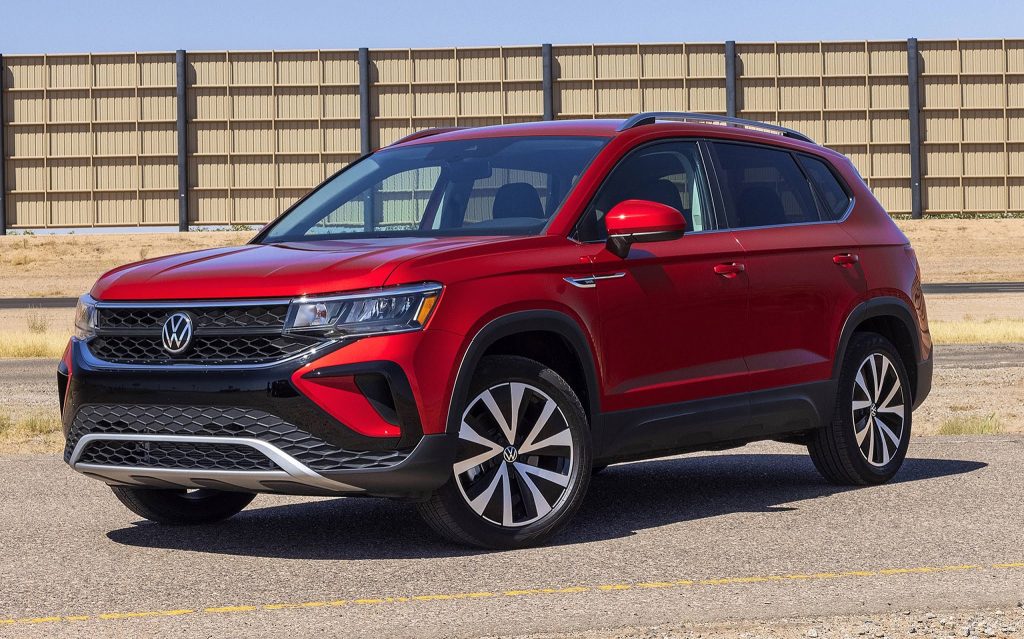
Volkswagen equipped the Taos with a modern infotainment system, advanced driver-assistance technology, and standard all-wheel drive on the 4Motion model, creating a well-rounded package for year-round driving. The additional drivetrain hardware improves traction in rain and snow, although it contributes slightly to the vehicle’s slower acceleration.
The Taos closes this list by illustrating an important point. A slower 0 to 60 mph time does not necessarily translate into a poor driving experience. Comfort, practicality, fuel efficiency, and everyday usability continue to make it an attractive option for buyers who value balanced performance more than outright speed.
Specifications
- Engine: 1.5-liter turbocharged inline-four
- Torque: 184 lb-ft
- Horsepower: 174 hp
- Length/Width: 175.9 inches / 72.5 inches
Also Read: 8 Signs a Used Car Is Still Linked to Another Account
