
For most vehicles, production lasts a decade or two before changing market trends or stricter regulations bring an end to the nameplate. A select group of automobiles has done something far more impressive by staying in continuous production for more than 40 years.
These cars survived oil crises, changing emissions rules, advances in safety technology, and shifting customer preferences while remaining relevant in the United States market.
Their longevity reflects engineering adaptability, strong consumer demand, and continuous refinement rather than standing still. Here are eight cars whose uninterrupted production records have made them some of the longest-running automotive nameplates ever built.
Also Read: 10 Brands With the Most Expensive Out-of-Warranty Repairs
1. Toyota Corolla
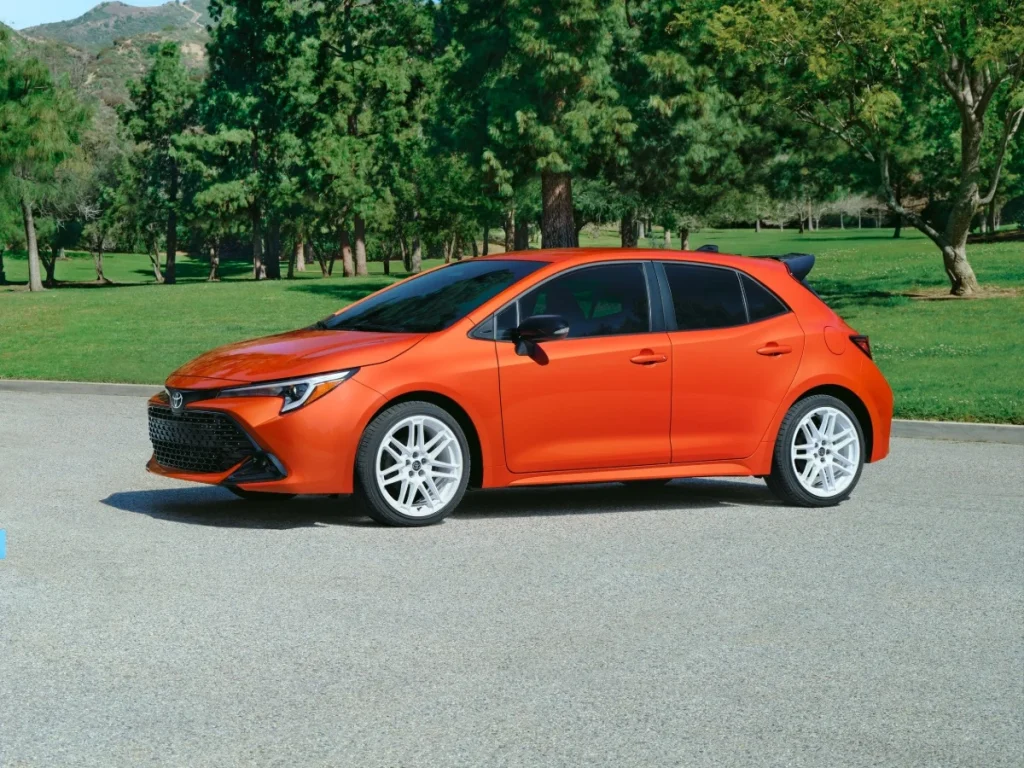
Few vehicles have built a reputation as strong as the Toyota Corolla. Introduced for the 1966 model year, the Corolla has remained in uninterrupted production for nearly six decades, making it one of the longest-running passenger car nameplates in automotive history.
More importantly, it has become the world’s best-selling vehicle nameplate, with Toyota reporting cumulative global sales exceeding 50 million units. That milestone was achieved through constant evolution rather than dramatic reinvention.
The Corolla entered the United States in the late 1960s, but its popularity surged during the fuel crises of the 1970s when buyers began seeking economical and dependable transportation. Since then, every generation has improved fuel economy, crash safety, refinement, and technology while maintaining the affordability that made the car famous.
One reason the Corolla has remained in production for so long is Toyota’s disciplined engineering philosophy. Instead of introducing risky redesigns, Toyota consistently improved reliability, manufacturing quality, and powertrain efficiency.
This strategy resulted in exceptional owner satisfaction and industry-leading resale values. Independent reliability surveys from organizations such as Consumer Reports and J.D. Power have frequently placed the Corolla among the most dependable compact sedans sold in America.
Today’s Corolla offers gasoline and hybrid powertrains, advanced driver-assistance systems, and modern infotainment while still appealing to first-time buyers, commuters, and fleet operators. Despite the market’s shift toward SUVs, Toyota continues investing in the model because demand remains steady across multiple regions.
Remaining in production for almost 60 years requires more than brand recognition. It demands the ability to adapt to changing regulations, customer expectations, and manufacturing technologies without losing the characteristics that made the vehicle successful.
The Corolla has accomplished exactly that, making it one of the greatest long-term success stories in automotive history.
Specifications (2026 Toyota Corolla Sedan, U.S.)
- Engine: 2.0-liter naturally aspirated inline-four
- Torque: 151 lb-ft
- Horsepower: 169 hp
- Length/Width: 182.5 inches / 70.1 inches
2. Honda Civic
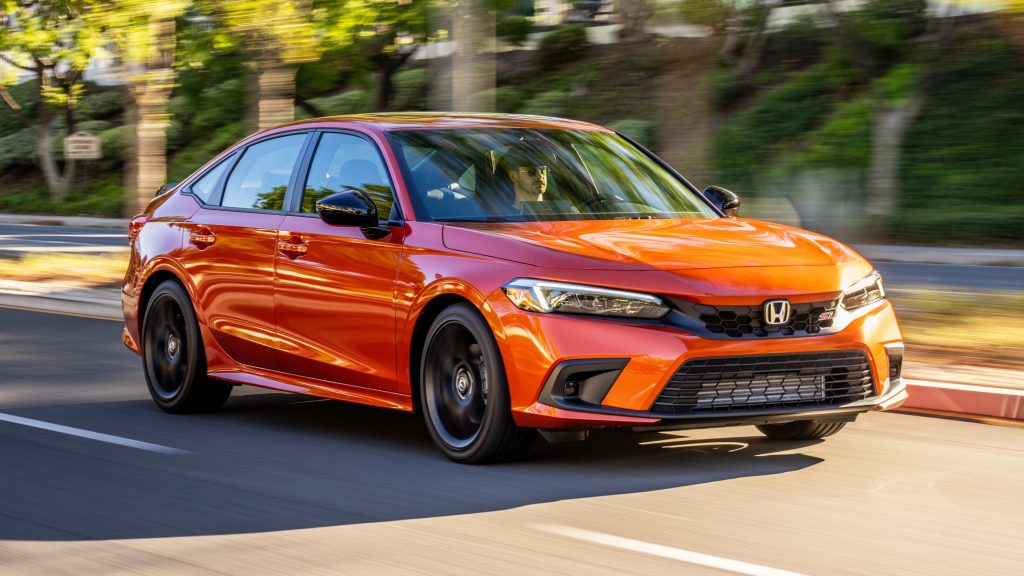
When Honda introduced the Civic in 1972, it arrived during a period when fuel prices and emissions regulations were rapidly reshaping the American automotive landscape. Its timing could hardly have been better.
Compact dimensions, excellent fuel economy, and dependable engineering quickly made the Civic one of America’s favorite small cars. More than 50 years later, it remains in continuous production and continues to rank among Honda’s best-selling vehicles worldwide.
Unlike many competitors that changed identities several times over the decades, the Civic consistently balanced practicality with enjoyable driving dynamics.
Honda engineers managed to improve safety, performance, and efficiency without abandoning the responsive handling that attracted enthusiastic drivers. This broad appeal helped the Civic develop one of the most loyal customer bases in the industry.
The Civic also played an important role in introducing new engine technologies. Honda’s CVCC engine helped the company meet U.S. emissions standards during the 1970s without requiring catalytic converters in its earliest applications.
Later generations introduced advanced VTEC technology, turbocharged engines, hybrid variants, and sophisticated driver-assistance features.
Sales success has remained remarkably consistent. Millions of Civics have been sold in North America alone, while global production stretches across numerous manufacturing plants. The model has also become a favorite among tuners, racers, commuters, and families, demonstrating a versatility that few compact cars have achieved.
Its ability to evolve while maintaining a recognizable identity explains why the Civic has remained relevant for more than five decades.
Whether buyers prioritize fuel efficiency, reliability, performance, or value, the Civic continues to satisfy a remarkably wide range of customers. That adaptability has secured its place among the longest continuously produced automobiles ever offered in the American market.
Specifications (2026 Honda Civic Sedan LX, U.S.)
- Engine: 2.0-liter naturally aspirated inline-four
- Torque: 133 lb-ft
- Horsepower: 150 hp
- Length/Width: 184.0 inches / 70.9 inches
3. Chevrolet Suburban
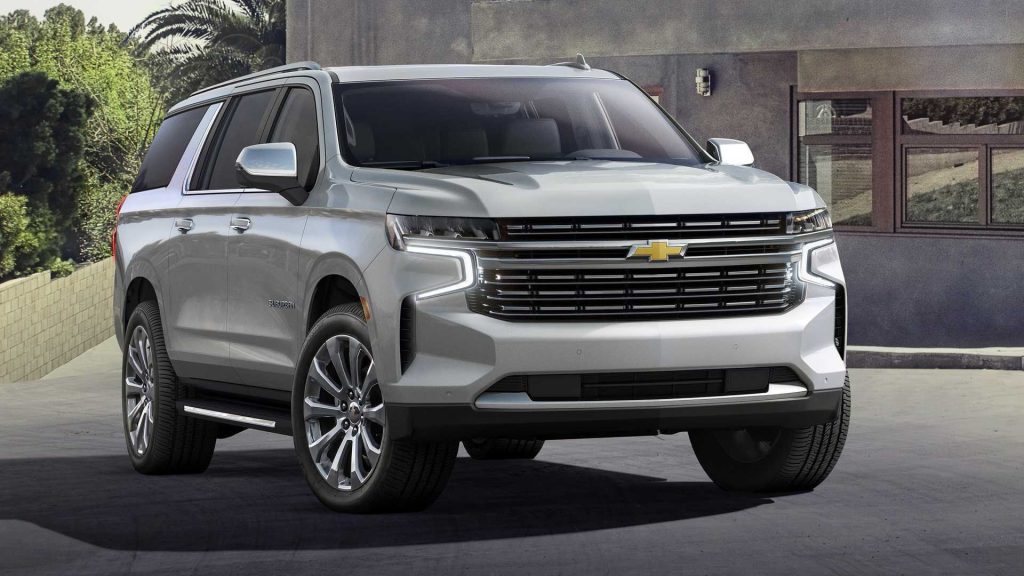
Longevity in the automotive industry is usually associated with compact sedans, but the Chevrolet Suburban proves that a full-size SUV can also stand the test of time. Introduced in 1935, the Suburban holds one of the most remarkable production records in automotive history.
It is recognized as the longest continuously used automobile nameplate in the world. While its design has transformed dramatically over nine decades, the mission has remained unchanged: provide generous passenger space, serious towing capability, and truck-level durability.
The Suburban’s staying power comes from its ability to adapt to changing American lifestyles. It served military and commercial fleets during the mid-20th century, became a favorite family hauler as suburbs expanded after World War II, and later evolved into one of the most capable full-size SUVs available.
Unlike many competitors that disappeared after one or two generations, the Suburban continuously evolved with improvements in safety, comfort, suspension technology, and powertrain efficiency.
Its popularity also extends well beyond private ownership. Law enforcement agencies, government departments, emergency services, and executive transportation fleets have relied on the Suburban for decades because of its proven durability and spacious cabin.
Hollywood has also helped cement its reputation, with the SUV appearing in countless American films and television productions.
Modern versions feature independent rear suspension, advanced driver-assistance systems, available magnetic ride control, and sophisticated infotainment without sacrificing the towing strength buyers expect.
Chevrolet continues offering multiple engine choices, including the highly efficient Duramax diesel, showing that the Suburban remains adaptable even as emissions standards become stricter.
Very few vehicles have successfully remained relevant for more than 90 years. The Suburban has accomplished that by continually improving while preserving its identity as America’s full-size family and fleet SUV. Its uninterrupted production record is unlikely to be challenged anytime soon.
Specifications (2026 Chevrolet Suburban LT, U.S.)
- Engine: 5.3-liter EcoTec3 V8
- Torque: 383 lb-ft
- Horsepower: 355 hp
- Length/Width: 226.3 inches / 81.1 inches
4. Ford F-Series
Unlike most vehicles on this list, the Ford F-Series represents an entire pickup truck family rather than a single body style. Introduced in 1948, it has remained in continuous production for more than 75 years and has become the best-selling truck line in the United States for more than four decades.
According to Ford sales records, the F-Series has also been America’s best-selling vehicle for over 40 consecutive years, an achievement unmatched by any competitor.
Its long production history reflects America’s enduring demand for pickup trucks. Farmers, contractors, businesses, recreational owners, and families have all contributed to its success.
Ford consistently updated the truck to meet changing expectations, adding aluminum body construction, turbocharged EcoBoost engines, hybrid technology, advanced towing systems, and sophisticated driver-assistance features while maintaining its reputation for capability.
One of the biggest reasons for the F-Series’ longevity is its broad lineup. Buyers can choose from work-oriented models, luxury trims, heavy-duty commercial trucks, and high-performance variants such as the F-150 Raptor. This flexibility allows Ford to serve a wider customer base than almost any other vehicle sold in America.
The F-Series has repeatedly set benchmarks for towing capacity, payload capability, and technology integration. Features such as Pro Power Onboard, BlueCruise hands-free driving, onboard scales, and trailer backup assistance demonstrate Ford’s willingness to innovate without abandoning the truck’s core strengths.
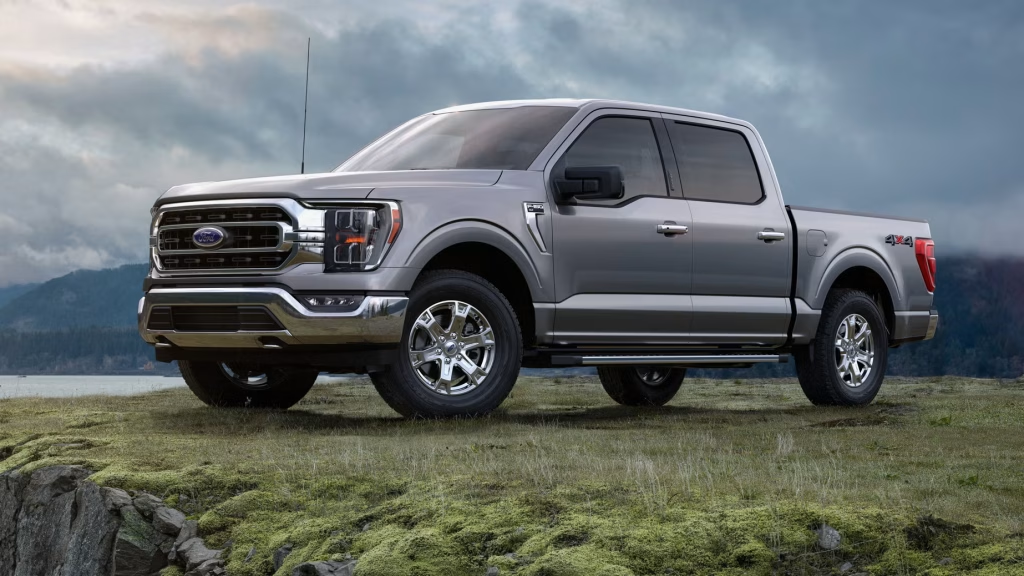
Few nameplates have influenced the American automotive industry as much as the F-Series. Its uninterrupted production record reflects decades of continuous engineering improvements and an unmatched ability to satisfy changing customer demands while remaining one of the country’s most trusted pickup trucks.
Specifications (2026 Ford F-150 XLT, U.S.)
- Engine: 2.7-liter EcoBoost twin-turbocharged V6
- Torque: 400 lb-ft
- Horsepower: 325 hp
- Length/Width: 231.7 inches / 79.9 inches
5. Volkswagen Golf
Some cars remain in production because they dominate sales charts, while others survive by continually setting benchmarks for their segment. The Volkswagen Golf has managed to do both. Introduced in 1974 as the successor to the Beetle, the Golf has remained in uninterrupted production for more than 50 years.
During that time, it has become one of the world’s best-selling cars, with Volkswagen reporting cumulative production exceeding 37 million units.
The Golf arrived at a pivotal moment for Volkswagen. The rear-engine, air-cooled Beetle had reached the limits of its development, and buyers increasingly expected front-wheel drive, improved interior packaging, and better fuel economy.
The Golf answered all of those demands with a hatchback layout that maximized passenger and cargo space while keeping exterior dimensions compact. Its practical design quickly attracted buyers in Europe and steadily gained popularity in the United States.
Unlike many compact cars that focused only on affordability, the Golf built its reputation on balanced performance. Ride quality, steering precision, and solid construction consistently ranked among the best in its class.
Volkswagen also created several iconic variants, including the GTI and Golf R, proving that practicality and driving enjoyment could coexist in the same platform.
Continuous refinement has been the key to the Golf’s longevity. Each generation introduced stronger crash protection, more efficient engines, improved electronics, and higher-quality interiors without abandoning the hatchback formula that made it successful.
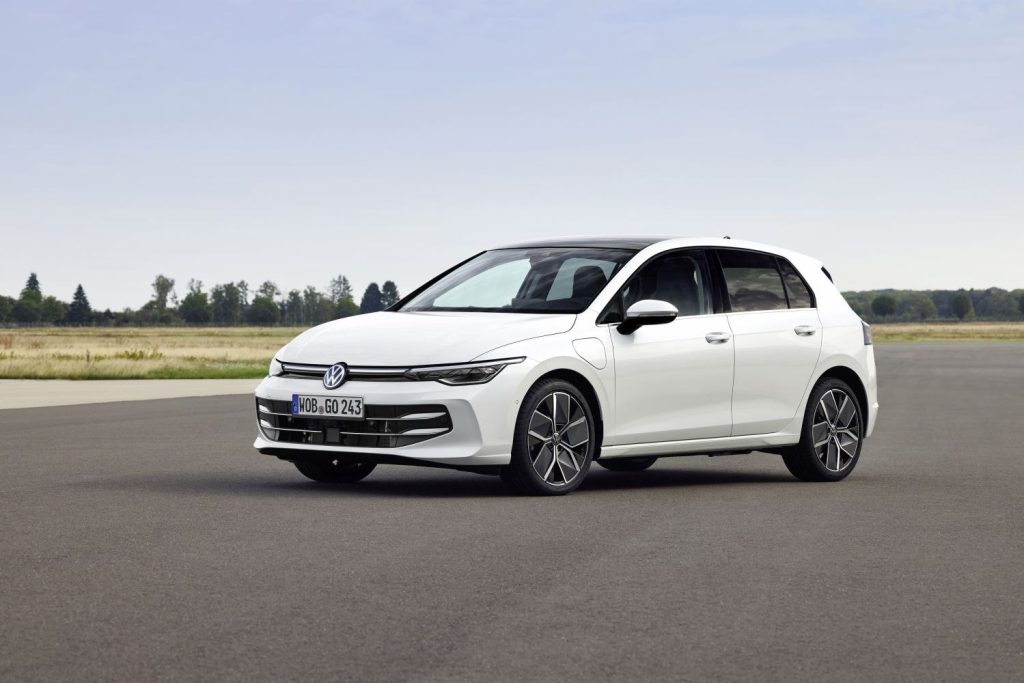
Even as crossovers have dominated American sales, Volkswagen has continued offering the Golf GTI and Golf R because of their loyal customer base and enduring reputation.
The Golf’s uninterrupted production record demonstrates how thoughtful engineering and consistent evolution can keep a model relevant for decades. It remains one of the automotive industry’s clearest examples of a nameplate that successfully adapted to changing markets without losing its original purpose.
Specifications (2026 Volkswagen Golf GTI S, U.S.)
- Engine: 2.0-liter turbocharged inline-four
- Torque: 273 lb-ft
- Horsepower: 241 hp
- Length/Width: 168.9 inches / 70.4 inches
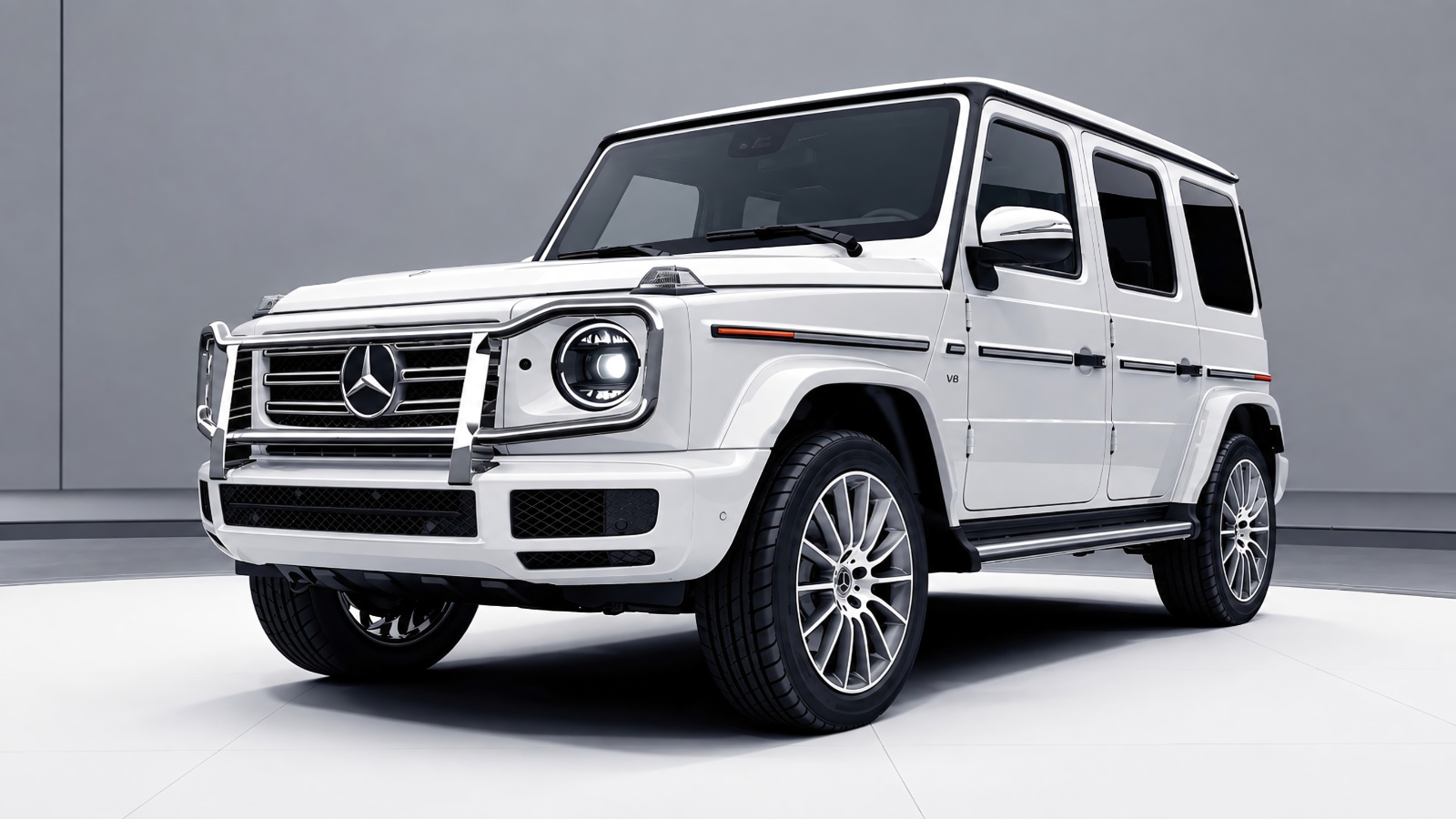
6. Mercedes-Benz G-Class
Few vehicles have changed as little visually while improving as dramatically underneath as the Mercedes-Benz G-Class. Introduced in 1979, the G-Class was originally developed as a rugged military and civilian off-road vehicle.
More than 45 years later, it remains in continuous production and has transformed into one of the world’s most recognizable luxury SUVs without abandoning the boxy silhouette that made it famous.
The original G-Class emphasized durability above everything else. A ladder frame, solid axles, locking differentials, and exceptional ground clearance allowed it to conquer terrain that stopped many conventional SUVs. Those qualities attracted military organizations, emergency services, and outdoor enthusiasts across the globe.
As luxury demand increased during the 1990s and 2000s, Mercedes-Benz gradually added premium interiors, advanced electronics, and high-performance AMG models while preserving the vehicle’s legendary off-road capability.
One reason for the G-Class’ extraordinary lifespan is Mercedes-Benz’s careful modernization strategy. Instead of replacing the vehicle entirely, engineers introduced significant structural improvements, independent front suspension, modern safety systems, and advanced infotainment while keeping its instantly recognizable appearance.
This balance between heritage and innovation has helped maintain exceptionally strong resale values in the American market.
Today, the G-Class appeals to an unusually broad audience. Luxury buyers appreciate its handcrafted cabin and commanding road presence, while enthusiasts continue to admire its genuine off-road engineering.
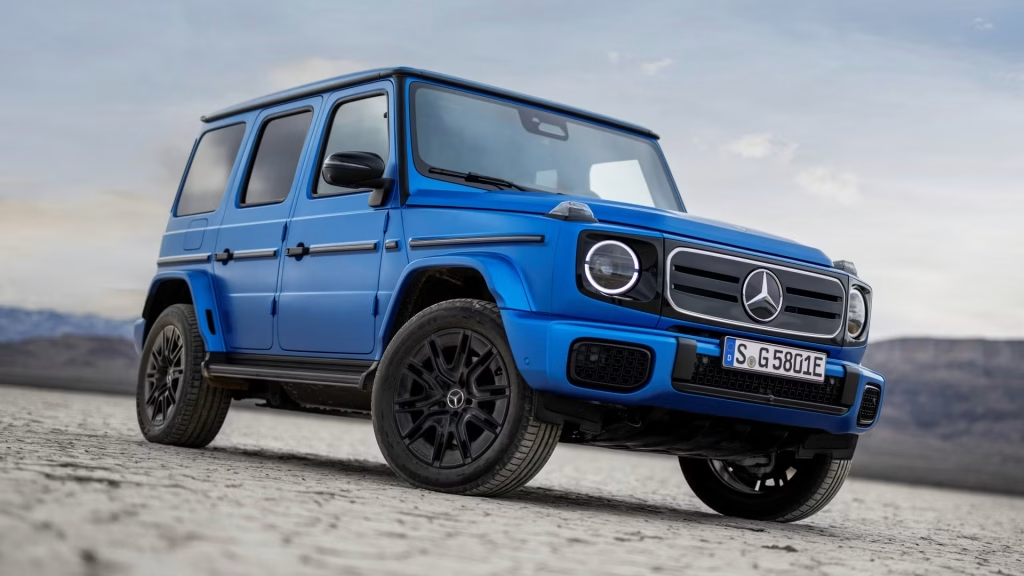
Even with increasing competition from premium SUVs, demand has remained strong enough for Mercedes-Benz to expand production and introduce new powertrain options, including electrified variants.
The G-Class proves that timeless design paired with continuous engineering improvements can keep a vehicle desirable for generations. Very few automobiles have achieved this level of recognition while remaining in uninterrupted production for more than four decades.
Specifications (2026 Mercedes-Benz G 550, U.S.)
- Engine: 3.0-liter turbocharged inline-six with mild hybrid assistance
- Torque: 413 lb-ft
- Horsepower: 443 hp
- Length/Width: 191.8 inches / 78.7 inches
7. Porsche 911
Sports cars rarely enjoy decades of uninterrupted production because changing technology, safety regulations, and customer preferences often force manufacturers to replace successful models with entirely new concepts. The Porsche 911 has defied that pattern since its introduction in 1964.
More than 60 years later, it remains in continuous production and continues to represent the benchmark for everyday sports cars. Despite constant engineering advancements, every generation has retained the distinctive rear-engine layout and unmistakable silhouette that enthusiasts immediately recognize.
The secret behind the 911’s longevity lies in Porsche’s philosophy of evolution instead of revolution. Rather than abandoning the formula that made the original successful, Porsche has continuously refined nearly every component.
Engines became more powerful and efficient, chassis rigidity improved dramatically, and sophisticated electronics enhanced performance without diminishing driver involvement. This steady progression allowed the 911 to remain competitive against newer rivals while preserving its heritage.
The 911 has also become one of the most accomplished motorsport platforms in history. Variants of the car have claimed victories at endurance races such as the 24 Hours of Le Mans, the 24 Hours of Daytona, and countless GT championships around the world.
That racing pedigree has strengthened the model’s reputation among American buyers looking for a sports car that performs equally well on public roads and racetracks.
Unlike many high-performance cars that sacrifice comfort for speed, the 911 has consistently balanced both qualities. Owners can commute during the week and enjoy spirited driving on weekends without compromising reliability or practicality.
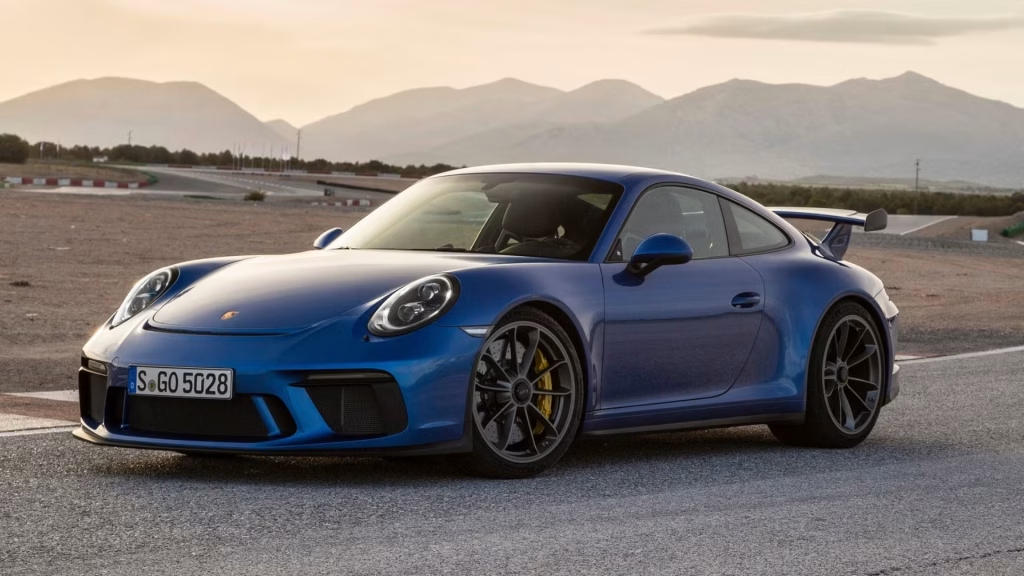
This versatility has helped maintain exceptionally strong resale values and sustained demand generation after generation.
More than six decades after its debut, the Porsche 911 continues proving that careful engineering improvements can preserve a legendary nameplate while keeping it competitive in an increasingly demanding automotive market.
Specifications (2026 Porsche 911 Carrera, U.S.)
- Engine: 3.0-liter twin-turbocharged flat-six
- Torque: 331 lb-ft
- Horsepower: 388 hp
- Length/Width: 177.9 inches / 72.9 inches
8. Nissan Z
Few sports cars have maintained a continuous identity for as long as Nissan’s legendary Z. The journey began with the 1970 Datsun 240Z, a model that introduced affordable performance to American enthusiasts.
Through the 260Z, 280Z, 300ZX, 350Z, 370Z, and today’s Nissan Z, the nameplate has remained in uninterrupted production for more than 55 years. Although styling, engines, and technology have evolved dramatically, the front-engine, rear-wheel-drive formula has remained the foundation of every generation.
The original 240Z changed perceptions of Japanese performance cars in the United States. At a time when many affordable sports cars struggled with reliability or refinement, the Z combined attractive styling, responsive handling, strong straight-line performance, and dependable engineering at a competitive price.
That formula allowed Nissan to establish a loyal following that continues today. Each generation reflected the priorities of its era. The turbocharged 300ZX demonstrated advanced engineering during the 1990s, while the 350Z revived the nameplate after a brief absence from the U.S. market by returning to a simpler performance-focused philosophy.
The current Nissan Z builds upon that heritage with twin-turbocharged power, modern driver-assistance technology, and updated chassis engineering while maintaining familiar proportions that honor earlier models.
The Z’s uninterrupted production is especially impressive because sports car demand has fluctuated significantly over the past five decades. Many competitors disappeared permanently as manufacturers shifted toward SUVs and crossovers.
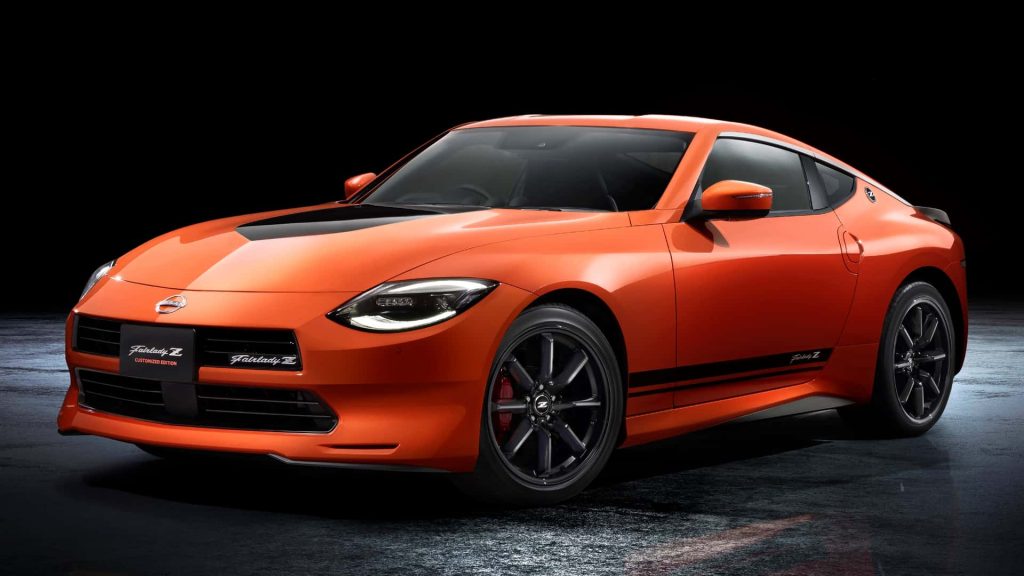
Nissan chose to preserve the Z because it remains an important symbol of the company’s performance heritage and continues attracting loyal enthusiasts.
Its remarkable production history illustrates that iconic design, engaging driving dynamics, and continuous refinement can keep a sports car relevant for generations, even in an automotive market increasingly dominated by utility vehicles.
Specifications (2026 Nissan Z Sport, U.S.)
- Engine: 3.0-liter twin-turbocharged V6
- Torque: 350 lb-ft
- Horsepower: 400 hp
- Length/Width: 172.4 inches / 72.6 inches
Also Read: The Average Collision Repair Bill Now Runs $4,818
