
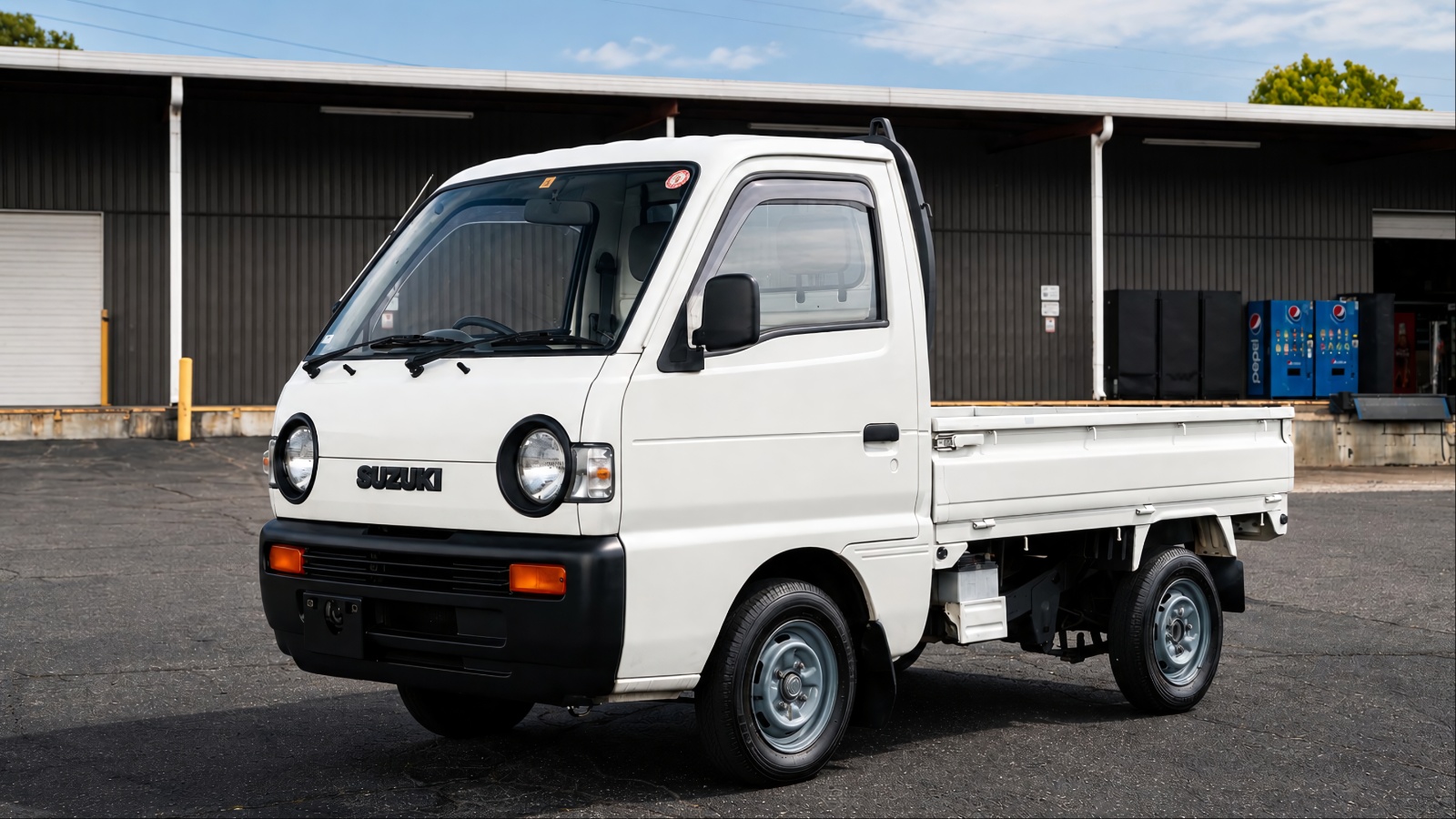
Kei trucks have become popular in the United States for their compact size, low operating costs, simple mechanics, and practical cargo beds. Yet ownership has become harder in several states as motor vehicle agencies reconsider whether these Japanese imports qualify for road registration.
Georgia has revoked existing titles, while Illinois has also taken action against previously registered vehicles. Rhode Island has faced similar disputes.
At the same time, states such as Texas have moved toward clearer legalization. This creates a confusing market for owners, buyers, and sellers because federal import eligibility does not automatically guarantee state registration or legal road use.
Why Kei Trucks Are Facing Registration Problems
Kei trucks were designed for Japan’s kei vehicle category, which emphasizes small dimensions, modest engine capacity, and efficient use of urban space. Popular examples include the Honda Acty, Suzuki Carry, Subaru Sambar, Daihatsu Hijet, and Mitsubishi Minicab.
Many of these trucks are now imported into the United States after reaching 25 years of age. That age threshold is important because federal rules provide an exemption from certain Federal Motor Vehicle Safety Standards for qualifying vehicles that are at least 25 years old. Federal import eligibility, however, does not force a state to issue a title or registration.
The conflict starts when state motor vehicle agencies apply their own requirements to imported vehicles. A kei truck can legally enter the United States under federal import rules and still face difficulty obtaining a plate in a particular state.
Some agencies focus on federal safety certification, while others classify these trucks according to special vehicle categories such as mini trucks, low-speed vehicles, farm vehicles, or off-road vehicles. Those classifications can determine where the truck may operate, how fast it may travel, and whether it can use public highways.
Safety is a major part of the debate. Many kei trucks were built for Japanese roads and regulations rather than American vehicle standards. Older models may lack equipment commonly found in newer American vehicles, including airbags and other crash-protection features.
Their small dimensions also create concerns when they share roads with large pickups, SUVs, buses, and commercial trucks. State agencies that restrict registration often point toward these differences when explaining why imported mini trucks should not receive ordinary road registration.
Emissions rules create a separate challenge. A truck that is old enough to qualify for a federal import exemption does not automatically meet every state emissions requirement. California presents a particularly difficult environment because of its strict emissions regulations.
Other states may have county-level or vehicle-specific requirements that affect registration. This means buyers cannot safely assume that a truck registered in another state will automatically qualify for registration after moving.
The result is a patchwork system that can be difficult for consumers to understand. A kei truck may be legal for ordinary road use in one state, restricted to slower roads in another, permitted only for agricultural purposes elsewhere, and denied normal registration somewhere else.
Current guides show that state policies remain highly varied, with some jurisdictions becoming more restrictive while others are creating clearer pathways for registration.
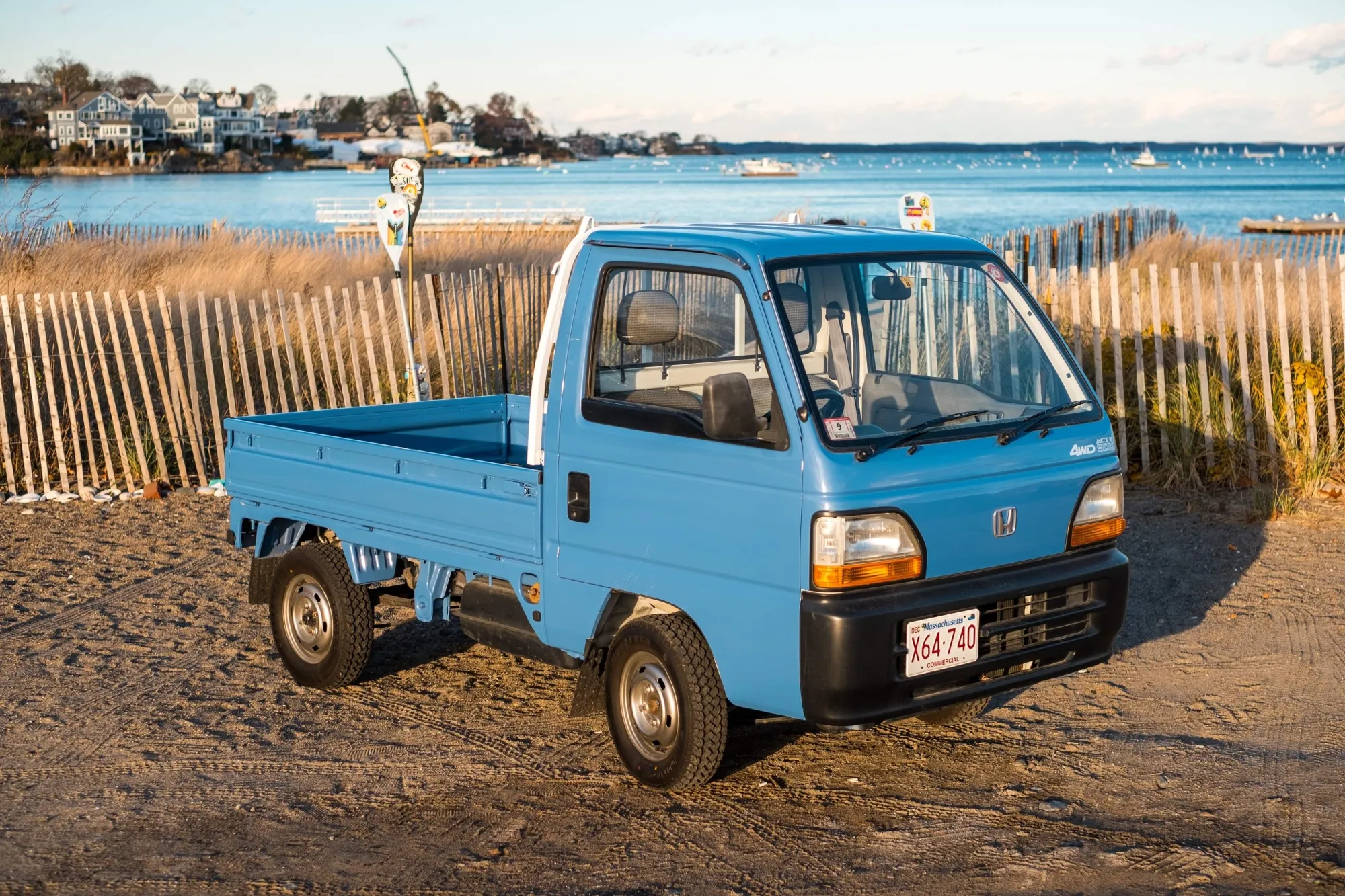
States Where Registration Has Become a Major Issue
Georgia has become a prominent example of the registration controversy. The state’s motor vehicle policy has been used to prevent registration of kei vehicles as conventional road vehicles, and reports indicate that previously issued titles have been revoked.
That distinction matters because some owners purchased their trucks after receiving documents suggesting that the vehicles could be legally registered. When an agency later changes its interpretation, owners can find themselves holding a vehicle that is difficult or impossible to use as originally intended.
Illinois has also created problems for kei truck owners. State treatment has focused on the classification of these vehicles as non-highway vehicles, with reports that previously issued plates have been revoked.
The situation demonstrates why a title or registration document should not be viewed as a permanent guarantee that a particular imported vehicle will remain eligible for road use. Regulatory interpretations can change, and owners can be affected even when they acquired a truck through an apparently legitimate registration process.
Rhode Island is another state associated with registration disputes involving kei vehicles. Reports indicate that the state began revoking registrations and restricting new registrations, leading to legislative efforts aimed at protecting existing owners and establishing clearer rules.
Proposed legislation has sought to address the treatment of previously registered kei vehicles and allow limited use under defined road conditions. This illustrates a broader pattern in which owners and enthusiasts turn to state legislatures after administrative policies create uncertainty.
New York presents a different type of obstacle. The state has generally required imported vehicles to satisfy applicable safety and emissions requirements, creating a major barrier for older kei trucks that were never certified for the American market.
Recent reporting has highlighted efforts to change New York’s treatment of these vehicles, with supporters arguing that the current system is unnecessarily restrictive for compact trucks that have practical uses in urban and rural settings.
These cases do not mean every state is moving toward a ban. The national picture is mixed. Texas, for example, moved in the opposite direction by adopting legislation that allows qualifying Japanese mini trucks to be registered and used on state roads.
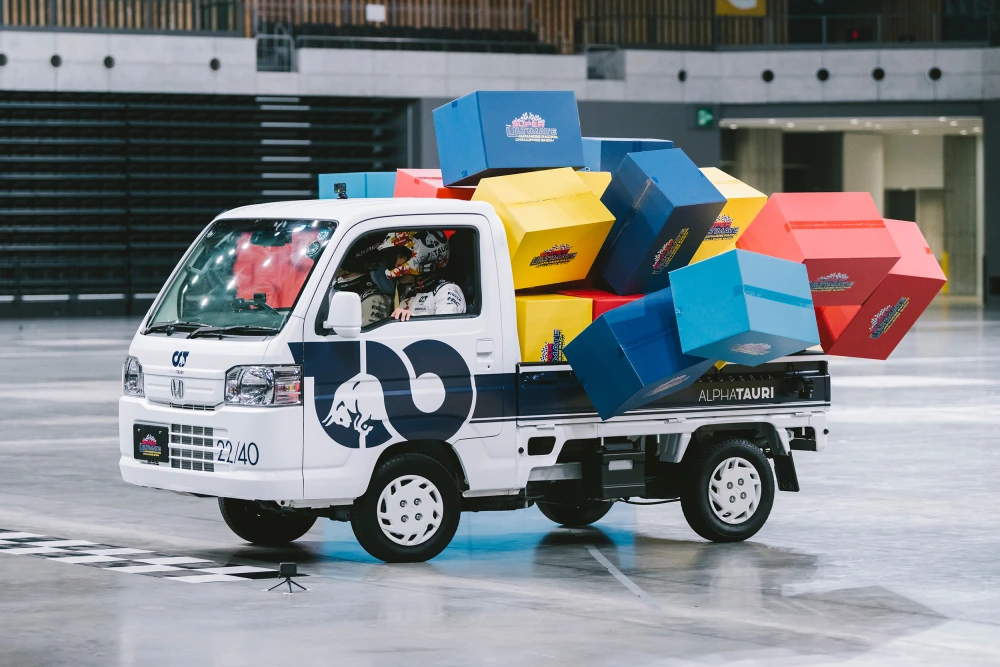
Why Some States Are Moving in the Opposite Direction
The appeal of kei trucks is easy to understand. They take up much less space than conventional pickups, use small engines, and can be useful for farms, landscaping operations, maintenance work, hunting properties, warehouses, and local transportation.
Their compact dimensions make them particularly convenient in areas where a full-size truck is unnecessary. Owners also appreciate the mechanical simplicity and distinctive design of older Japanese mini trucks.
Fuel consumption can be attractive as well, though actual economy depends on the model, drivetrain, gearing, condition, and driving environment. A kei truck should not be treated as a direct replacement for every modern pickup.
Payload, towing capacity, highway performance, braking systems, cabin protection, and comfort are generally different. For short-distance work, however, the smaller footprint can provide practical advantages that larger vehicles cannot match.
Consumer interest has helped encourage legislative changes. Texas provides a useful example. Senate Bill 1816 established a clearer framework for registering qualifying Japanese mini trucks, allowing vehicles that meet the applicable age requirement to receive state registration.
The change followed advocacy from kei truck owners and enthusiasts who wanted predictable rules rather than uncertain administrative treatment.
The argument for legalization also extends beyond enthusiasts. Small trucks can be useful for municipal maintenance, agricultural properties, private facilities, and businesses that do not require a full-size pickup.
Supporters argue that owners should have access to vehicles suited to specific jobs rather than being forced into larger vehicles simply because regulations were written around conventional American automobiles.
There is also a broader policy question concerning vehicle choice. Modern American vehicles have become larger, heavier, and more expensive, while kei trucks represent a very different philosophy based on compact dimensions and modest performance.
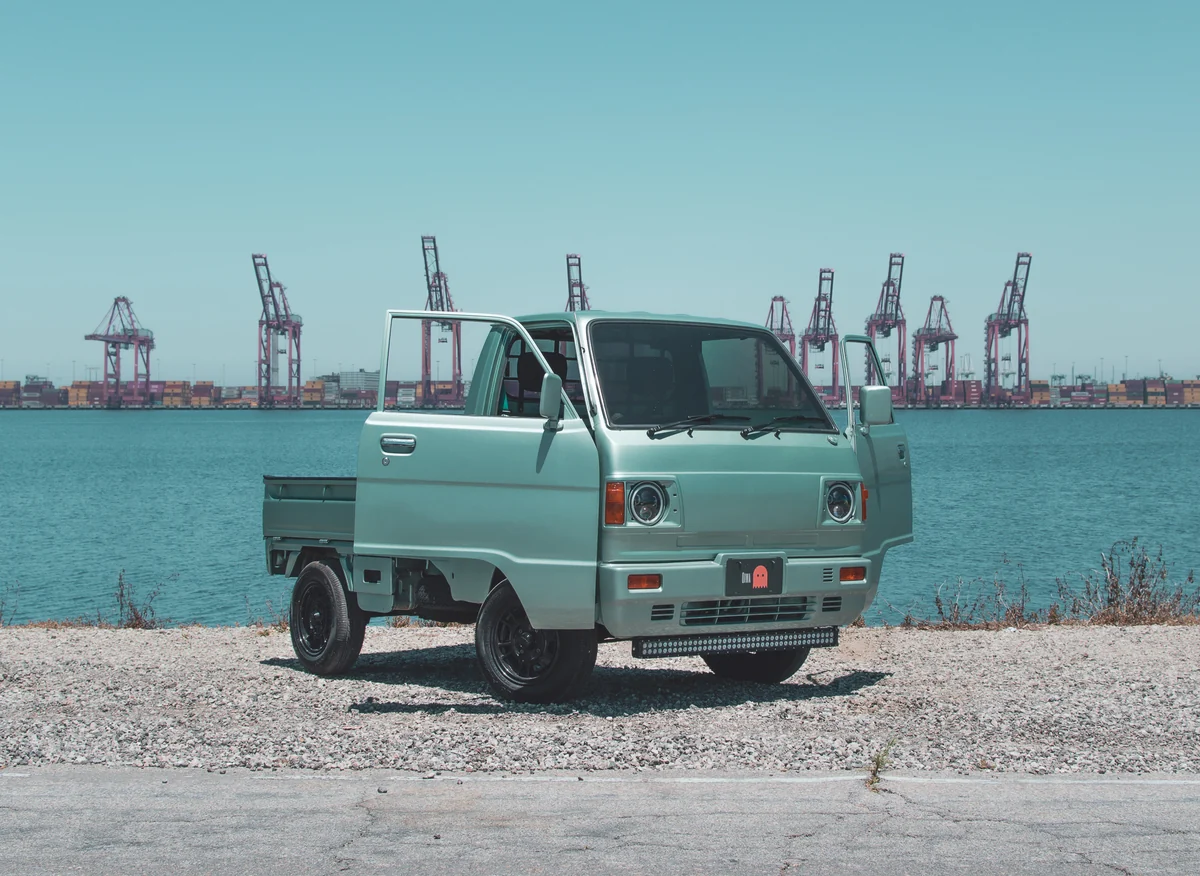
What Kei Truck Owners Should Know Before Buying
The first step for a prospective buyer is checking the rules in the state where the vehicle will actually be operated. It is not enough to see an advertisement claiming that a kei truck is “street legal.”
That phrase can mean very different things depending on location. A truck may qualify for registration but face restrictions on highways, speed limits, road classifications, or local jurisdictions.
Buyers should also examine the truck’s documentation carefully. The vehicle identification number, import paperwork, title history, age, previous registration, and classification can all affect the registration process.
A truck that was previously registered in another state may still face a fresh review after relocation. A seller’s statement that a truck has a title should therefore be treated as useful information rather than a guarantee of future registration.
The vehicle’s age is particularly important. The federal 25-year import rule is frequently discussed because it provides a pathway for importing older vehicles that do not meet current U.S. safety standards.
The rule does not mean every 25-year-old kei truck is automatically legal for public-road operation in every state. Federal import status and state registration are separate legal questions.
Insurance is another consideration. An owner may be able to obtain a title or registration but still need to locate an insurer willing to cover the vehicle for the intended use.
Coverage requirements can vary according to the vehicle’s classification and the insurer’s underwriting policies. Owners should establish insurance availability before purchasing rather than assuming that a standard passenger vehicle policy will apply.
Also Read: 8 EVs With Range Held Back by Software
