
Fuel choice is one of the most common questions drivers face, especially when they see different grades of gasoline at the pump labeled as regular, mid-grade, and premium. Many people assume premium gas automatically means better performance, better mileage, or even a healthier engine.
Others believe it is just a marketing trick designed to make drivers spend more money without any real benefit. The truth lies somewhere in between, and understanding it can help you make smarter financial and mechanical decisions for your vehicle.
Gasoline is primarily measured by its octane rating, which determines how well the fuel can resist engine knocking or pinging during combustion.
Higher octane fuel is more stable under pressure, which is important for certain high-compression engines. However, not every engine is designed to take advantage of this stability. In fact, most vehicles on the road today are built to run perfectly fine on regular unleaded fuel, which typically has an octane rating of 87 in many countries.
Despite this, premium gasoline, usually rated at 91 or 93 octane, is often marketed as a superior product. This creates confusion among drivers who want to take care of their cars but also avoid unnecessary expenses. With fuel prices constantly fluctuating, the decision becomes even more important.
Choosing the wrong fuel may either waste money or, in rare cases, reduce engine performance if the manufacturer specifically recommends premium fuel.
The goal of this article is to break down exactly what premium gas is, when it is actually necessary, and whether it provides any real benefit for the average driver. We will explore how modern engines are designed, what happens when you use the wrong fuel type, and whether the price difference truly translates into meaningful performance gains.
By the end, you will have a clear understanding of whether premium gas is worth it for your specific vehicle or if it is simply an unnecessary expense.
Also Read: Ford Issues ‘Do Not Drive’ Recall On 4,653 Maverick And Bronco Sport Models
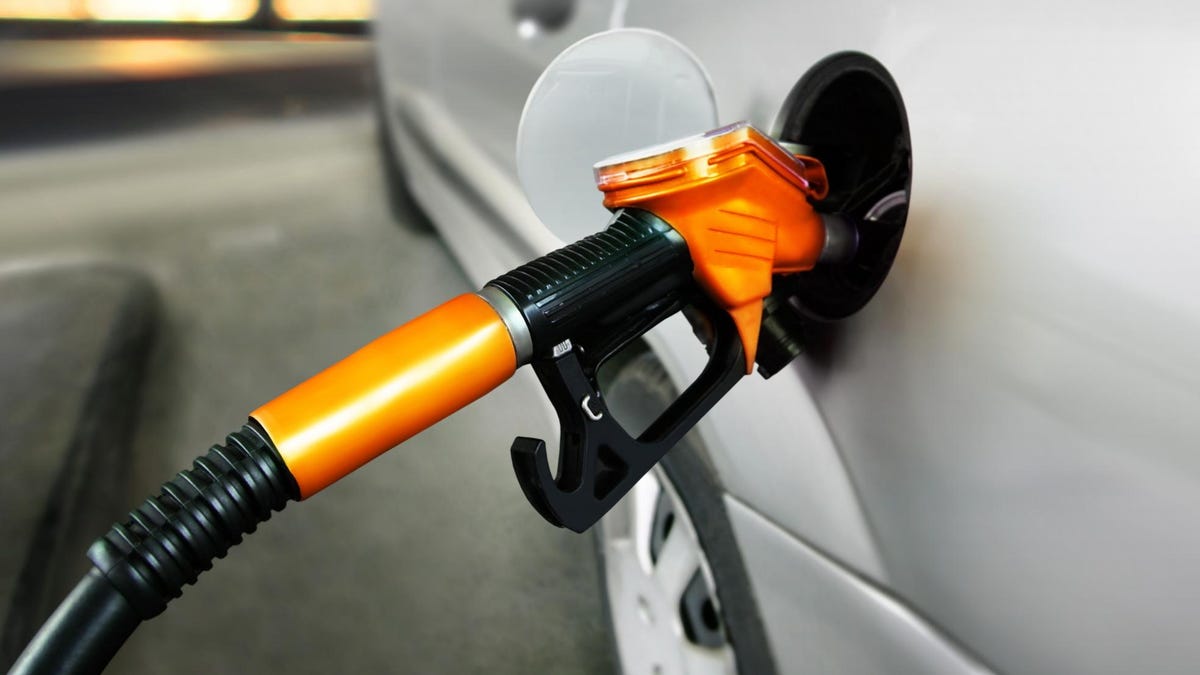
What Premium Gas Actually Means
Premium gasoline is defined primarily by its octane rating rather than its energy content or quality. The octane rating measures the fuel’s ability to resist premature ignition under compression inside the engine cylinder.
Higher octane fuels can withstand greater pressure before igniting, which makes them suitable for high-performance or high-compression engines. This does not mean the fuel contains more power or energy compared to regular gasoline.
In most fuel systems, regular gasoline typically has an octane rating of around 87, mid-grade around 89, and premium around 91 to 93. These numbers represent resistance to knocking rather than speed or efficiency. Engine knocking occurs when fuel ignites unevenly inside the combustion chamber, which can cause a pinging sound and potentially damage engine components over time if severe or persistent.
Premium gas is often refined with slightly different formulations to achieve higher stability under pressure, but the chemical energy content remains very similar to regular gasoline. This is why many drivers do not notice any difference in day-to-day driving when switching between fuel types, especially if their engine is designed for regular fuel.
It is also important to understand that premium fuel is not universally “cleaner” or more environmentally friendly. While some premium fuels may include additional detergents or additives depending on the brand, the primary distinction remains octane rating. Marketing often emphasizes cleanliness and performance, but these benefits are usually secondary and not directly tied to the octane level itself.
For most modern engines, the vehicle’s engine control unit, also known as the ECU, is designed to adjust ignition timing based on the fuel being used.
This means that if a lower octane fuel is used in an engine that can tolerate it, the system compensates automatically to prevent knocking. As a result, the difference in performance between fuel grades is often minimal unless the engine specifically requires higher octane fuel.
When Premium Gas Is Required?
Some vehicles are engineered in a way that makes premium gasoline not just optional but necessary for proper operation. These are typically high-performance engines, luxury vehicles, turbocharged engines, or engines with high compression ratios. In such cases, the engine design relies on the stability of higher octane fuel to function correctly and efficiently without knocking.
When a manufacturer specifies premium fuel in the owner’s manual, it is usually because the engine operates under higher pressure conditions.
Turbocharged and supercharged engines, for example, force more air into the combustion chamber, increasing compression and heat. Without high-octane fuel, these engines may experience knocking, reduced performance, or long-term damage if the issue persists.
Luxury and performance brands often tune their engines aggressively to extract maximum power and efficiency. In these cases, premium fuel allows the engine to maintain optimal ignition timing. If lower octane fuel is used, the engine may automatically retard timing to prevent knocking, which leads to reduced horsepower and slower acceleration. While the car will still run, it will not perform as intended.
It is also worth noting that some engines are designed to adapt to different fuel grades, but still recommend premium for best performance.
This means the car can operate on regular fuel safely, but it may not deliver the advertised fuel economy or power output. Drivers often misunderstand this distinction and assume premium fuel is optional when it is actually tied to performance expectations.
Ignoring manufacturer recommendations in engines that require premium fuel can lead to long-term mechanical issues. While modern engines have knock sensors and protective systems, consistently running lower octane fuel in a premium required engine can increase engine wear over time.
This is why it is always important to check the fuel requirement section in the owner’s manual before making a decision.
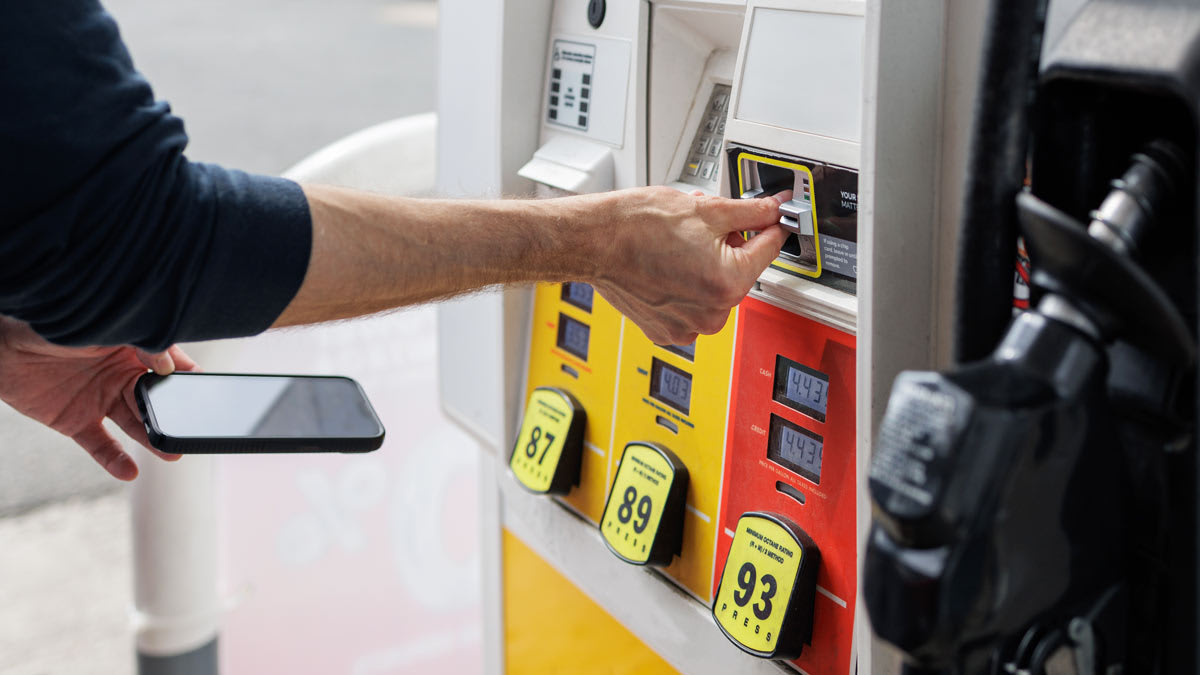
What Happens If You Use Regular Gas Instead of Premium?
Using regular gasoline in a vehicle designed for premium fuel does not usually cause immediate damage, but it can affect performance and efficiency. Modern engines are equipped with knock sensors that detect irregular combustion and adjust engine timing accordingly. This helps prevent serious damage, but it also reduces the engine’s performance output.
When lower octane fuel is used in a premium-recommended engine, the ECU often retards ignition timing to avoid knocking. This means the fuel burns later in the combustion cycle, which reduces the engine’s ability to generate maximum power. Drivers may notice slower acceleration, reduced throttle response, and, in some cases, slightly lower fuel efficiency.
In everyday driving conditions, the difference may not always be obvious. For commuting at steady speeds, most drivers will not feel a dramatic change. However, during high load situations such as highway acceleration, uphill driving, or carrying heavy loads, the performance difference becomes more noticeable.
Repeated use of lower octane fuel in engines requiring premium can also lead to increased engine heat and stress. While the engine is designed with safeguards, continuous operation under suboptimal conditions is not ideal for long-term durability. Over time, this may contribute to carbon buildup or slightly increased wear on internal components.
That said, it is important to distinguish between engines that require premium and those that only recommend it. In engines where premium is recommended but not required, using regular fuel is generally safe and does not cause damage. The main trade-off is reduced performance rather than mechanical harm.
Also Read: 6 Best and Worst Years of the Ford F-150
Does Premium Gas Improve Performance or Mileage
One of the most common misconceptions about premium gasoline is that it automatically improves fuel economy or horsepower in all vehicles. In reality, premium fuel only improves performance when the engine is specifically designed to take advantage of its higher octane rating. Without that design requirement, there is usually no measurable benefit.
In engines that require premium fuel, using the correct grade allows the engine to operate at its intended compression and ignition timing levels. This ensures maximum efficiency and power output. However, this does not mean premium fuel creates extra energy. Instead, it simply allows the engine to function as it was engineered to perform.
For engines designed for regular fuel, switching to premium gasoline typically does not result in better mileage. The ECU does not adjust the engine to extract more power from higher octane fuel because it is not programmed to do so. In some cases, drivers report a slight improvement in smoothness, but this is often subjective rather than a measurable gain.
Fuel economy is influenced far more by driving habits, vehicle maintenance, tire pressure, and engine condition than by fuel grade. Aggressive acceleration, frequent braking, and poor maintenance can significantly reduce mileage regardless of whether regular or premium fuel is used.
Some fuel brands advertise premium gasoline as containing extra detergents that help keep engines clean. While certain additives may help reduce carbon buildup over time, these benefits are generally independent of octane rating and can often be found in mid-grade or even some regular fuels as well. Therefore, paying extra for a premium solely for cleanliness is not always justified.
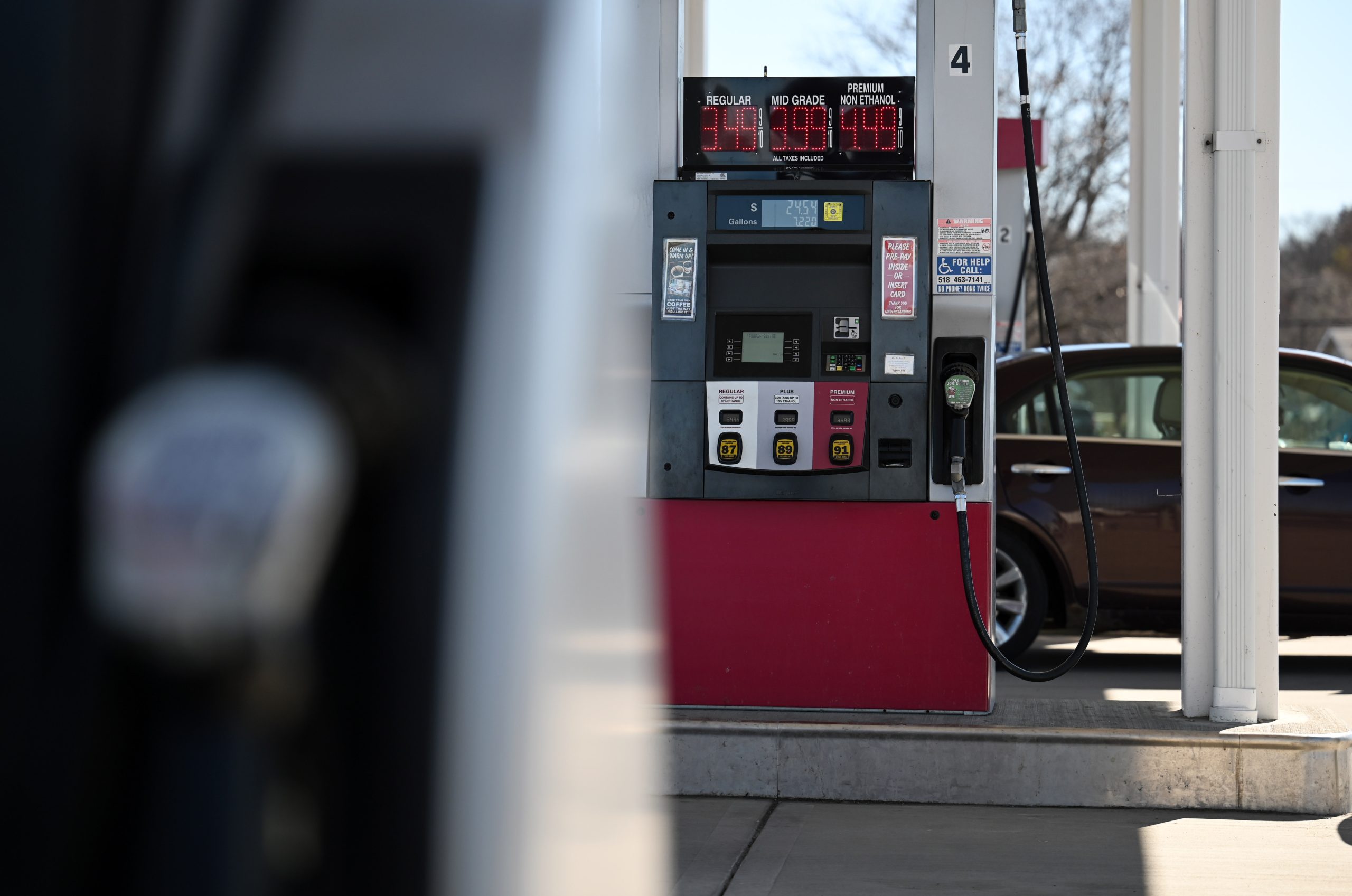
Cost Analysis: Is Premium Gas Worth It
From a financial perspective, the decision to use premium gas should be based on manufacturer requirements rather than assumptions about quality. Premium gasoline typically costs significantly more per liter or gallon, and over time, this difference can add up to a substantial amount of money spent on fuel.
If your vehicle specifically requires premium fuel, then using it is not optional. In this case, the cost is part of the ownership experience, and choosing regular fuel would likely reduce performance and potentially affect engine health. For these vehicles, the cost is justified because it supports proper engine function.
However, if your vehicle only recommends premium fuel or is designed for regular fuel, then using premium gas is usually not cost-effective. You are essentially paying more for little to no performance gain. In some cases, the difference in fuel economy is so small that it does not offset the higher price of premium fuel.
Long-term savings can be significant when consistently choosing the correct fuel grade. For example, if premium fuel costs noticeably more per fill-up, that extra expense compounds over months and years of driving. Unless there is a clear performance or mechanical need, this additional cost often does not provide meaningful returns.
The most reliable approach is to follow the manufacturer’s recommendation and account for the specific design requirements of the engine. Premium gasoline is not better or worse in general terms, but rather a specialized fuel formulated for certain engine conditions. For most drivers, regular gasoline offers the most practical and cost-effective option while still maintaining proper performance and reliability.
