
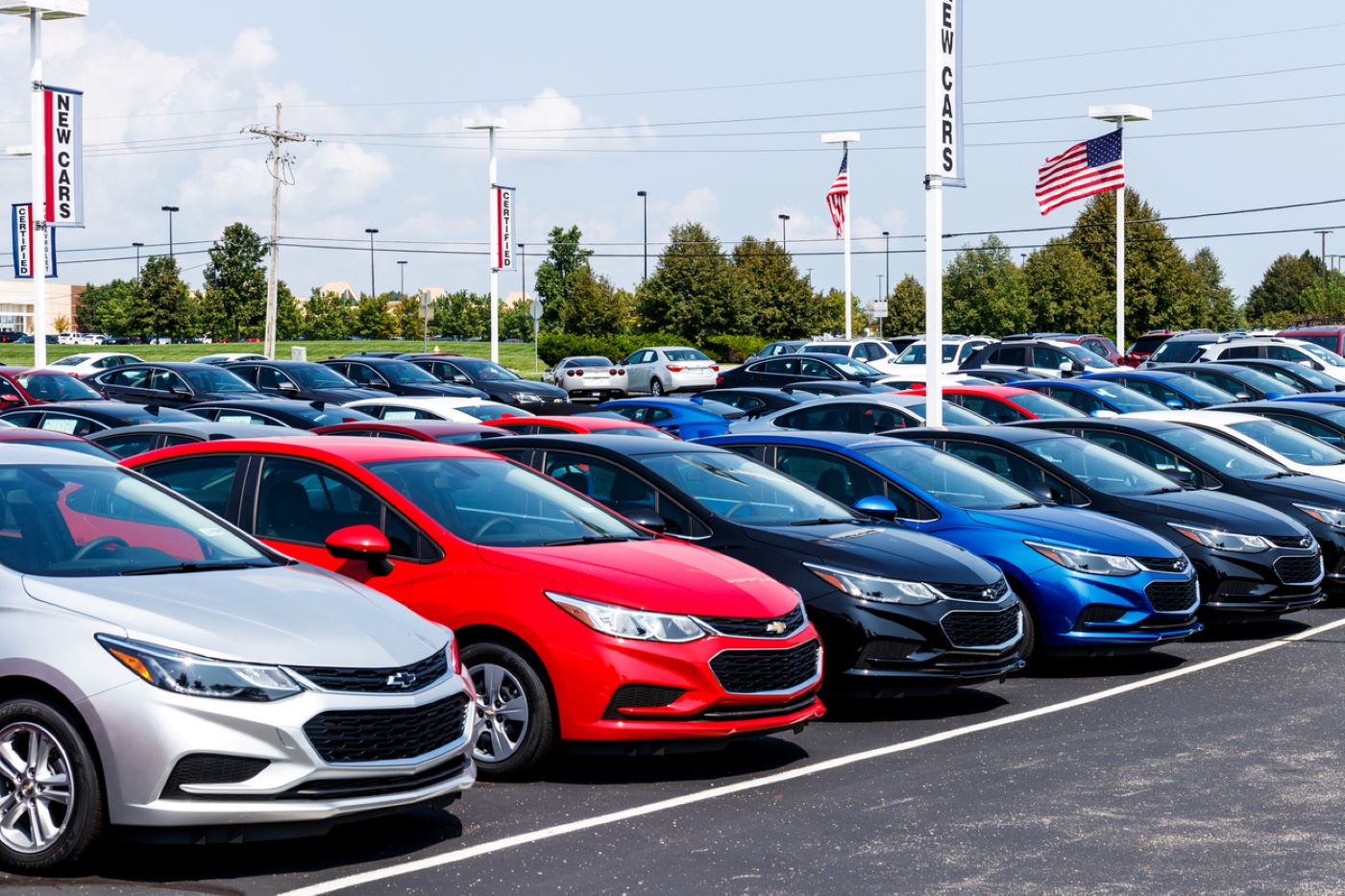
Buying a new car is one of the most important financial decisions for many people, and it often involves more complexity than most buyers expect. The price you see on a vehicle is rarely the final amount you end up paying, and understanding how dealerships, financing options, incentives, and negotiation strategies work can make a major difference in the final deal.
In today’s automotive market, prices change frequently based on demand, inventory levels, fuel costs, manufacturer promotions, and even regional availability. Because of this, buyers who walk into a dealership without preparation often end up paying more than necessary or agreeing to terms that are not in their favor.
Getting the best value when purchasing a new car involves much more than negotiating the sticker price. Buyers should take time to research different models, assess current market prices, compare available financing offers, and review the purchase agreement for hidden charges that could increase the total amount paid.
Many buyers pay attention only to the monthly payment, but this can create a false impression of affordability. Dealerships may lower monthly installments by extending the loan term or adjusting the interest rate, resulting in a much higher amount paid over the life of the loan. A more effective strategy is to evaluate the total out-the-door price, which includes taxes, insurance, registration fees, and any additional dealer charges.
Buyers who understand these cycles can use them to their advantage. In addition, inventory levels can affect negotiation power. When a dealership has excess stock, they are more likely to offer discounts compared to when a specific model is in high demand or limited supply.
Technology has also changed the way people buy cars. Online platforms now allow buyers to compare prices across multiple dealerships, read reviews, and even secure financing before stepping into a showroom.
This shift has increased transparency in the market, but it has also made pricing strategies more dynamic. Dealerships may adjust their offers based on competitor pricing or online demand trends. As a result, being informed is more important than ever.
This guide on 8 Steps To Getting The Best Deal On A New Car breaks down the entire process into practical and actionable steps. Each step is designed to help buyers avoid common mistakes, understand how pricing works, and negotiate with confidence.
Whether you are buying your first car or upgrading to a newer model, following these steps can help you save money, avoid unnecessary add-ons, and secure a deal that truly fits your budget and needs.
Also Read: 10 Electric Vehicles That Spend the Least Time at Charging Stations
1: Research the Right Car and Set a Clear Budget
Choosing the right car begins long before you visit a dealership. The first and most important step is to clearly define your needs, preferences, and budget.
Many buyers make the mistake of starting their search based on appearance or brand popularity rather than practical requirements such as fuel efficiency, maintenance cost, resale value, and long term reliability. A structured research process helps avoid emotional decisions that can lead to financial regret later.
Setting a realistic budget involves more than considering the vehicle’s purchase price. Buyers should also account for recurring expenses such as insurance, fuel, maintenance, loan interest, and registration fees. While a car may appear affordable at first, higher operating and maintenance costs can make it significantly more expensive over the long term.
Creating a realistic monthly budget helps narrow down options and prevents overspending. Financial experts often recommend keeping total car expenses within a comfortable percentage of monthly income to maintain financial stability.
Once the budget is clear, the next step is identifying suitable models. Comparing multiple vehicles within your price range helps you understand differences in features, safety ratings, mileage, and long term ownership costs.
Reading expert reviews and owner feedback provides valuable insights into real world performance. It is also helpful to compare at least three to five models rather than focusing on a single option, as this increases negotiation flexibility later.
Market research plays a crucial role in this stage. Checking average selling prices in your region gives you a benchmark for fair value. Many buyers rely only on showroom pricing, but online price comparisons often reveal significant differences between dealers.
Understanding the true market value helps you recognize whether a quoted price is reasonable or inflated. This knowledge becomes a powerful tool during negotiations.
Shortlisting the car should be based on a balance of practicality and long term value. Features like safety systems, fuel economy, warranty coverage, and resale demand should weigh more heavily than cosmetic upgrades. A well researched decision at this stage ensures that every following step in the buying process becomes easier, more strategic, and financially beneficial.

2: Understand Market Pricing and Vehicle Value Trends
Knowing the factors that influence vehicle pricing can help buyers negotiate with greater confidence and secure a better deal. The cost of a new car is shaped by several elements, including the manufacturer’s suggested retail price (MSRP), dealer markup, regional market demand, and available inventory. Although many people believe the sticker price is non-negotiable, dealers often have room to adjust pricing based on current market conditions and sales objectives.
One of the most important concepts is fair market value. This is the average price that similar buyers are paying for the same model in your region. Knowing this figure prevents overpaying and gives you a strong reference point during negotiation. Prices can vary even within the same city depending on dealership competition and stock availability.
Seasonal trends also affect pricing significantly. During festive seasons, year end clearance periods, or manufacturer campaign periods, dealerships often provide discounts or bonuses.
These offers are designed to boost sales volume, and informed buyers can take advantage of them. On the other hand, newly launched models or high demand vehicles tend to have less room for negotiation.
Dealerships with a surplus of a particular vehicle model are generally more willing to provide discounts, complimentary accessories, or extended warranty packages to encourage sales. On the other hand, limited inventory often reduces the opportunity for negotiation. Evaluating a dealership’s inventory levels can help buyers determine the right time to negotiate more assertively or postpone their purchase until better offers become available.
It is important to track pricing trends over time rather than relying on a single quote. Monitoring how prices change across multiple dealerships gives you a clearer picture of the real market range. This approach ensures that you are not influenced by inflated initial offers and helps you make a confident and informed purchasing decision.
3: Compare Multiple Dealerships Before You Commit
Once you understand the car and its market value, the next practical move is to avoid relying on a single dealership. Prices for the same model can vary noticeably between dealers, even within the same city or region.
This difference usually comes from sales targets, inventory pressure, dealership margins, and internal incentives from manufacturers. Treating the first quote as the baseline rather than the final answer gives you immediate leverage.
Start by shortlisting at least three to five dealerships. Contact them with the exact model, variant, and color you want so comparisons stay accurate.
Ask for the on road price breakdown in writing, including taxes, insurance, handling fees, and any dealer installed accessories. Many buyers skip this step and only look at the final number, which makes it harder to identify hidden charges later.
It is also important to avoid discussing monthly EMI at this stage. Dealers often steer conversations toward monthly payments because it allows them to adjust loan tenure or interest rates in ways that can hide the real cost of the vehicle. Focus only on the total out the door price. This keeps the comparison clean and prevents confusion.
As responses come in, you will often notice pricing gaps. Some dealers may offer lower base prices but compensate with higher accessory charges, while others may bundle discounts more transparently. This is where negotiation becomes easier, because you can present competing offers and ask dealers to match or beat them.
Consistency and patience matter here. Taking time to compare properly often results in significant savings and gives you a stronger position before you even step into a showroom.
Also Read: 10 Reasons Cars Got Smaller Over the Last 60 Years

4: Get Pre Approved for Financing Before Visiting Dealers
Financing plays a major role in the total cost of a new car, yet many buyers leave it entirely in the hands of the dealership. This is one of the most common ways people end up paying more than necessary. Getting pre approved for a car loan from a bank or financial institution before visiting a showroom gives you clarity, control, and negotiating power.
A pre approved loan tells you exactly how much you can borrow and at what interest rate. This helps you set realistic expectations and prevents you from being pushed into higher interest dealer financing options. Dealerships often earn commissions from financing arrangements, which means they may not always offer the most competitive rates.
When you walk into a dealership with a pre approved offer, you shift the dynamic. Instead of asking for financing, you are comparing options. Dealers may then try to match or beat your bank’s rate, which can result in better terms for you. Even if they do not, you already have a secure fallback option.
It is also important to understand loan tenure. A longer loan may reduce monthly payments but significantly increase total interest paid. Buyers often focus on affordability per month rather than total cost, which can lead to paying far more over time. A clear repayment plan helps avoid this mistake.
Pre approval also speeds up the buying process. It reduces paperwork delays and helps you negotiate from a position of financial readiness.

5: Time Your Purchase Strategically
Timing can significantly influence the price you pay for a new car. Dealerships and manufacturers operate on sales cycles, and understanding these cycles can give you a clear advantage. Many buyers overlook this factor and end up purchasing at less favorable times when demand is high and discounts are limited.
End of the month is often a strong period for negotiation because sales teams are trying to meet monthly targets. Similarly, end of the quarter or financial year periods can lead to even better offers as dealerships push to achieve performance goals. During these times, managers may have more flexibility to approve discounts or additional benefits.
Festive seasons and promotional campaigns can also bring attractive offers, including cashback, free accessories, or reduced insurance costs. However, these periods can also increase footfall, which means popular models may sell quickly, reducing negotiation flexibility.
On the other hand, newly launched models usually have minimal discounts because demand is high and supply may be limited. If your priority is saving money rather than owning the latest version immediately, waiting for a few months after launch can often result in better deals.
Cars that have been sitting in stock for longer periods are more likely to be discounted. Dealerships prefer to move older stock to make room for new shipments, which creates negotiation opportunities for informed buyers.
Strategic timing is not about waiting endlessly but about aligning your purchase with periods where sellers are more motivated to offer concessions.
6: Focus on the On Road Price, Not Just the Sticker Price
One of the biggest mistakes car buyers make is focusing only on the ex showroom price. While it may look like the main cost, it does not reflect the true amount you will pay. The on road price includes taxes, registration, insurance, handling fees, and other charges that significantly increase the final cost.
Examining the complete pricing details makes it easier to identify extra costs that may not be necessary. Dealerships sometimes include high fees for documentation, handling, or optional accessories that are not required as part of the purchase. Asking for an explanation of these charges and negotiating when appropriate can help reduce the final cost of the vehicle.
Insurance is an area where dealerships may add margin. Instead of accepting bundled insurance from the dealer, it is often better to compare external insurance providers. In many cases, you can get the same coverage at a lower price independently.
Registration charges are usually fixed by government authorities, but additional service fees may vary. Always ask for a detailed invoice that separates official charges from dealer add ons. This transparency helps you understand where your money is going.
Focusing on the on-road price helps prevent attractive base prices from masking additional expenses that increase the final amount you pay. It also makes it easier to compare offers from different dealerships and evaluate financing options more accurately.

7: Negotiate the Price Confidently and Professionally
Negotiation is not about being aggressive, but about being informed and consistent. Once you have gathered multiple quotes and understood market pricing, you are in a strong position to negotiate effectively.
Start by using competing offers as leverage. Politely inform the dealer that you have received a lower price elsewhere and ask if they can match or improve it. Most dealerships have some flexibility, especially if they are close to meeting targets.
It is important to stay focused on the total price rather than small discounts on individual items. Dealers may try to shift attention toward freebies like accessories or service packages, but these should not distract from the core deal.
Silence can also be a powerful tool. After making your offer, avoid rushing to fill gaps in conversation. Dealers often respond by improving their offer if they sense you are not easily convinced.
Maintain a calm and professional tone throughout the discussion. Emotional decisions or urgency often work against the buyer. A patient and structured approach typically leads to better outcomes.
Good negotiation is based on preparation, not pressure. When you know the market value and have alternatives, you naturally negotiate from a position of strength.

8: Avoid Unnecessary Dealer Add Ons and Hidden Extras
After you have agreed on a price, dealerships often try to increase profit through add ons that are not always necessary. These can include extended warranties, paint protection, underbody coating, seat covers, accessories packages, and sometimes service plans that sound useful but may not provide real value for your specific needs.
The key is to separate genuine benefits from profit driven extras. Some add ons like basic floor mats or essential safety kits may be reasonable depending on the deal, but many cosmetic upgrades are marked up heavily at the dealership. These items are often available in the open market at much lower prices with similar or better quality.
Extended warranties deserve careful attention. While they can be useful for long term peace of mind, not every buyer needs them immediately. It is important to understand what is already covered under the manufacturer warranty before agreeing to additional coverage. Sometimes, the standard warranty is sufficient for the first few years of ownership.
Insurance related add ons also require caution. Dealers may bundle products like return to invoice cover or zero depreciation insurance at inflated rates. Comparing external insurance providers can help you decide whether the bundled option is actually worth it or just more expensive convenience.
A disciplined approach works best here. Once you finalize the car price, resist pressure to add extras unless they clearly improve safety, value, or long term ownership experience. Being selective at this stage helps protect the savings you worked to achieve during negotiation.
