
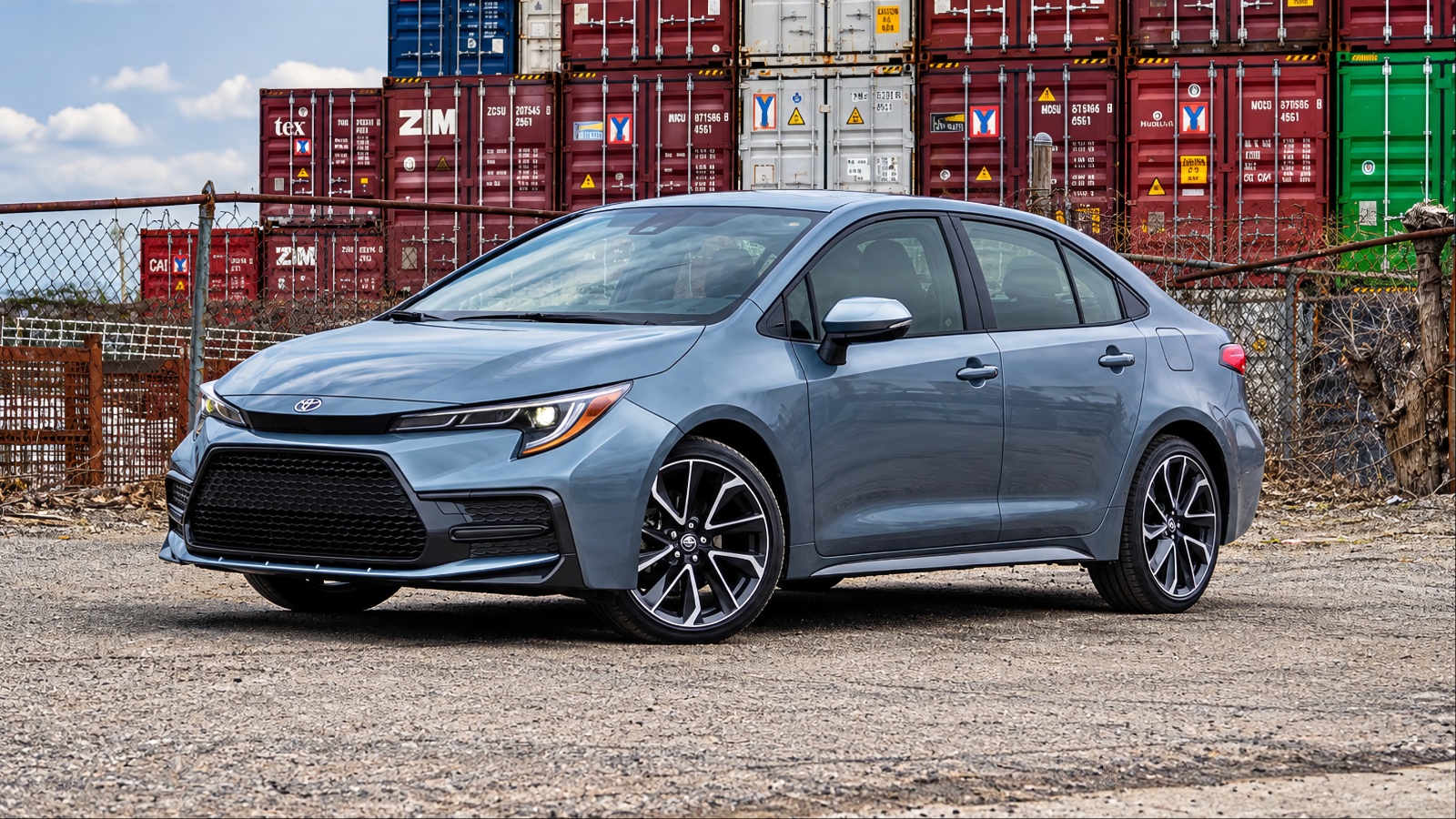
Toyota Corolla has become a symbol of dependable motoring since its launch in 1966. More than 50 million Corollas have been sold worldwide, giving the nameplate a remarkable place in automotive history. Its success comes from a simple formula built around affordability, practicality, fuel efficiency, durability, and broad customer appeal.
The Corolla has served families, commuters, students, businesses, and drivers seeking inexpensive transportation across generations. From its early compact design to today’s technology-rich models, the car has changed with consumer expectations while preserving its practical character.
Few vehicles have maintained such a long production history while reaching such a vast global audience.
How the Toyota Corolla Became a Global Best Seller
The Toyota Corolla began production in 1966 during a period when Japan was experiencing rapid economic growth and rising demand for personal transportation. Toyota designed the car as an affordable family vehicle that could fit changing lifestyles and growing suburban communities.
The original Corolla was compact, straightforward, and economical, making it suitable for drivers who wanted useful transportation without excessive cost. Its timing proved important because car ownership was becoming increasingly accessible to ordinary households.
Toyota also placed strong emphasis on manufacturing quality, helping the Corolla establish a reputation that would become increasingly valuable as sales expanded.
The first-generation Corolla was not a luxury automobile, and that was part of its appeal. It focused on the things many drivers actually needed: reasonable running costs, practical dimensions, simple mechanical components, and comfortable transportation for everyday use.
The first model arrived with a small four-cylinder engine and a four-speed manual transmission. Over time, Toyota introduced additional body styles and improved the car to suit different markets.
This willingness to adapt allowed the Corolla name to remain relevant as buyers demanded more comfort, performance, safety, and technology.
International expansion played a major role in the Corolla story. Toyota began sending the car to overseas markets soon after its Japanese introduction, with Australia becoming its first export market. The Corolla later established itself in North America, Europe, Asia, Africa, and other regions.
Instead of treating every market exactly the same, Toyota adjusted specifications, body styles, engines, and equipment according to local preferences. That approach helped the Corolla become a genuinely global product rather than a vehicle associated with a single country or region.
By 1970, global cumulative Corolla sales had reached about one million units. The five-million mark followed in 1976, showing how quickly demand had grown during its first decade. Toyota’s official historical records show that sales continued climbing through subsequent generations as production expanded across different countries.
The Corolla’s ability to maintain steady demand over many years became more significant than short bursts of popularity. A model that sells consistently for decades can eventually achieve numbers that are difficult for newer vehicles to match.
The Corolla eventually surpassed the Volkswagen Beetle in cumulative nameplate sales and became recognized as the best-selling automobile nameplate in history. Toyota reported that the Corolla had exceeded 22.65 million cumulative sales by 1997.
Sales then continued growing, with Toyota reporting more than one million Corollas sold annually from 2002 onward during that period. These figures demonstrate that its success was not based on a single generation or a temporary market trend. It was the result of continuous production, international reach, and long-term customer demand.
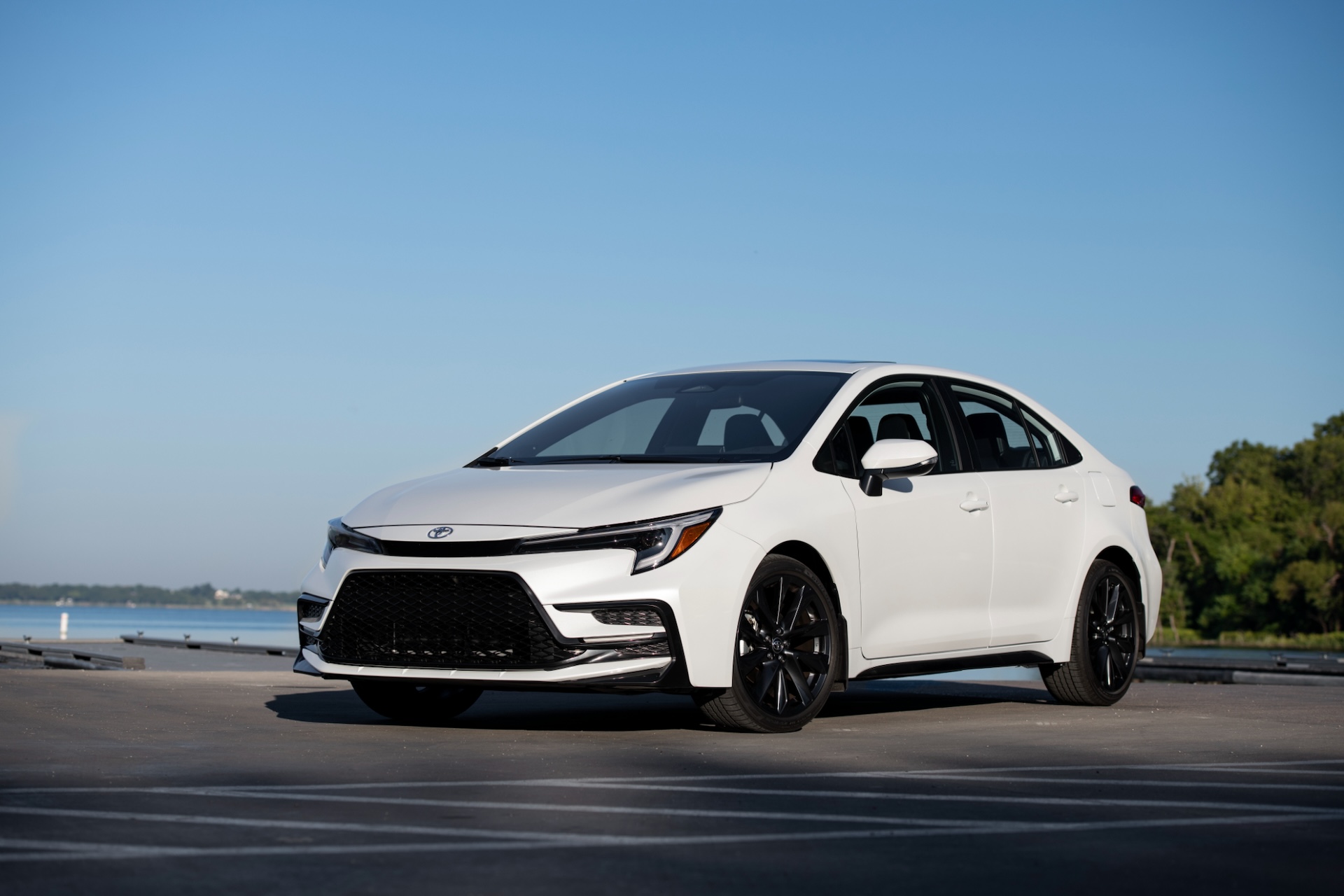
Why the Toyota Corolla Has Sold More Than 50 Million Units
Reliability has played a central role in the Toyota Corolla’s reputation. Drivers generally want a vehicle that starts when needed, handles regular commuting without unnecessary drama, and remains affordable to operate. Toyota built the Corolla around those expectations.
Mechanical simplicity in earlier generations helped make maintenance easier, while later models added more sophisticated engineering without abandoning the focus on dependable daily transportation. This combination helped create strong customer trust, which is particularly valuable for a vehicle purchased as practical transportation rather than as a status symbol.
Affordability also helped the Corolla reach a remarkably broad customer base. A buyer did not need to be wealthy to own a Corolla, and the car’s modest dimensions made it suitable for crowded cities as well as suburban roads. Fuel economy became increasingly important during periods of rising fuel prices, giving compact cars additional appeal.
The Corolla could serve as a first car for a young driver, a family vehicle, a commuter car, or a fleet vehicle for businesses. Its versatility allowed Toyota to sell the same basic nameplate to very different types of customers.
Toyota also understood that a successful long-running model cannot remain frozen in time. Corolla generations have become progressively more refined, with improvements in interior quality, safety equipment, driving dynamics, connectivity, and powertrain technology.
Modern versions bear little visual resemblance to the 1966 car, yet the underlying mission remains familiar. The latest Corolla models continue to focus on practical transportation while offering features that would have been unimaginable when the first generation appeared.
The Corolla name has also covered a broad range of body styles. Depending on the market and generation, buyers have encountered sedans, hatchbacks, wagons, coupes, and other variations carrying the Corolla name. This flexibility allowed Toyota to respond to different customer preferences without abandoning the established nameplate.
In Europe, for example, Corolla hatchback and Touring Sports models have played an important role, while sedan versions remain particularly relevant in other regions. The variety has helped keep the Corolla useful across changing automotive markets.
The 50-million milestone arrived in July 2021, when Toyota announced that cumulative global Corolla sales had surpassed 50 million units. The achievement covered 12 generations and more than five decades of production.
Reaching such a figure requires extraordinary consistency because the model must remain attractive through major changes in technology, economic conditions, customer preferences, and automotive competition.
The milestone therefore represents more than a large sales number. It reflects the ability of a single nameplate to remain commercially relevant across multiple generations.
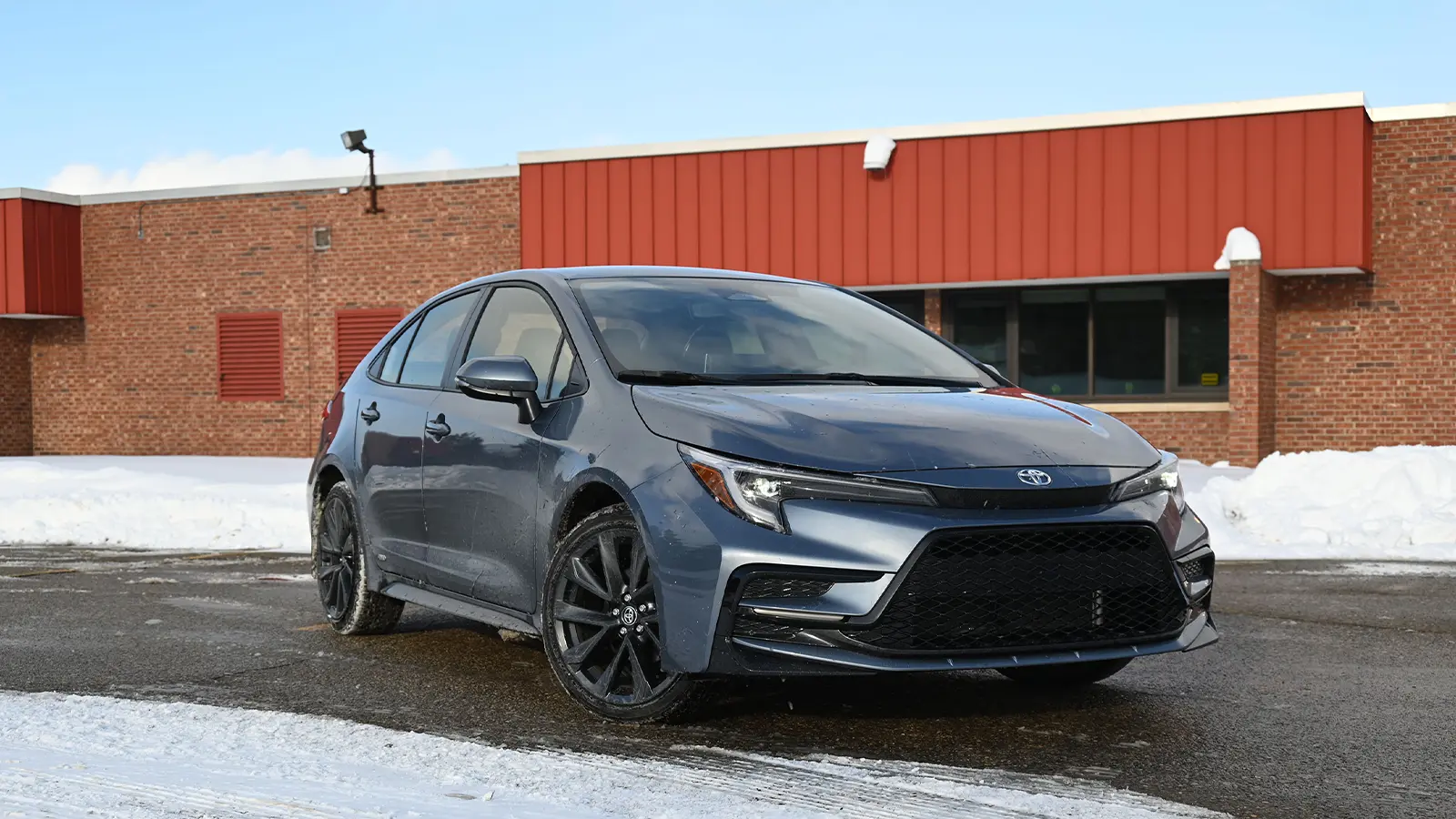
The Corolla’s Influence on Automotive History
The Toyota Corolla changed expectations for what an affordable compact car could provide. During its early years, buyers were increasingly looking for dependable personal transportation that could support work, family responsibilities, and everyday mobility. The Corolla met those needs with a practical package.
As its popularity increased, competitors had to respond with compact vehicles offering similar combinations of economy, reliability, useful interior space, and manageable ownership costs. Its success helped reinforce the importance of the compact family car in markets around the globe.
The Corolla also contributed to Toyota’s growth as an international automaker. The company used the model to introduce its brand to customers in numerous countries, building familiarity through a product that was relatively easy to understand. A customer might have encountered a Corolla in a dealership, as a family vehicle, or as a rental car.
That repeated exposure strengthened Toyota’s reputation and helped establish a relationship between the brand and dependable transportation. The Corolla therefore became important not just as a product but as a major part of Toyota’s global identity.
Production localization became another important factor. As international demand grew, Toyota expanded manufacturing and supply operations in various regions. Building vehicles closer to their intended markets could improve logistics and allow products to be adapted to local requirements.
Corolla production and related manufacturing activities eventually became part of Toyota’s industrial presence in numerous countries. This global manufacturing network supported the high volumes required to maintain the model’s enormous sales history.
The Corolla also developed a strong presence beyond ordinary commuting. Certain versions have been used in motorsport, including touring car competition and rallying. These applications demonstrated that the Corolla name could support vehicles with considerably different personalities.
The standard family car remained focused on practicality, while performance-oriented versions gave enthusiasts something more engaging. Motorsport exposure also added visibility to the nameplate and showed that an inexpensive compact vehicle could have an enthusiast following.
Its cultural impact can be seen in the number of Corollas that have become part of everyday life. Millions have been used as family cars, taxis, company vehicles, learner cars, and long-distance commuters. Many owners keep them for years before passing them to another driver.
Used Corollas are also common in numerous markets because large production volumes created a substantial supply of second-hand vehicles. This long ownership cycle has helped the Corolla become familiar to several generations of drivers.
Also Read: 8 EVs With Range Held Back by Software
