
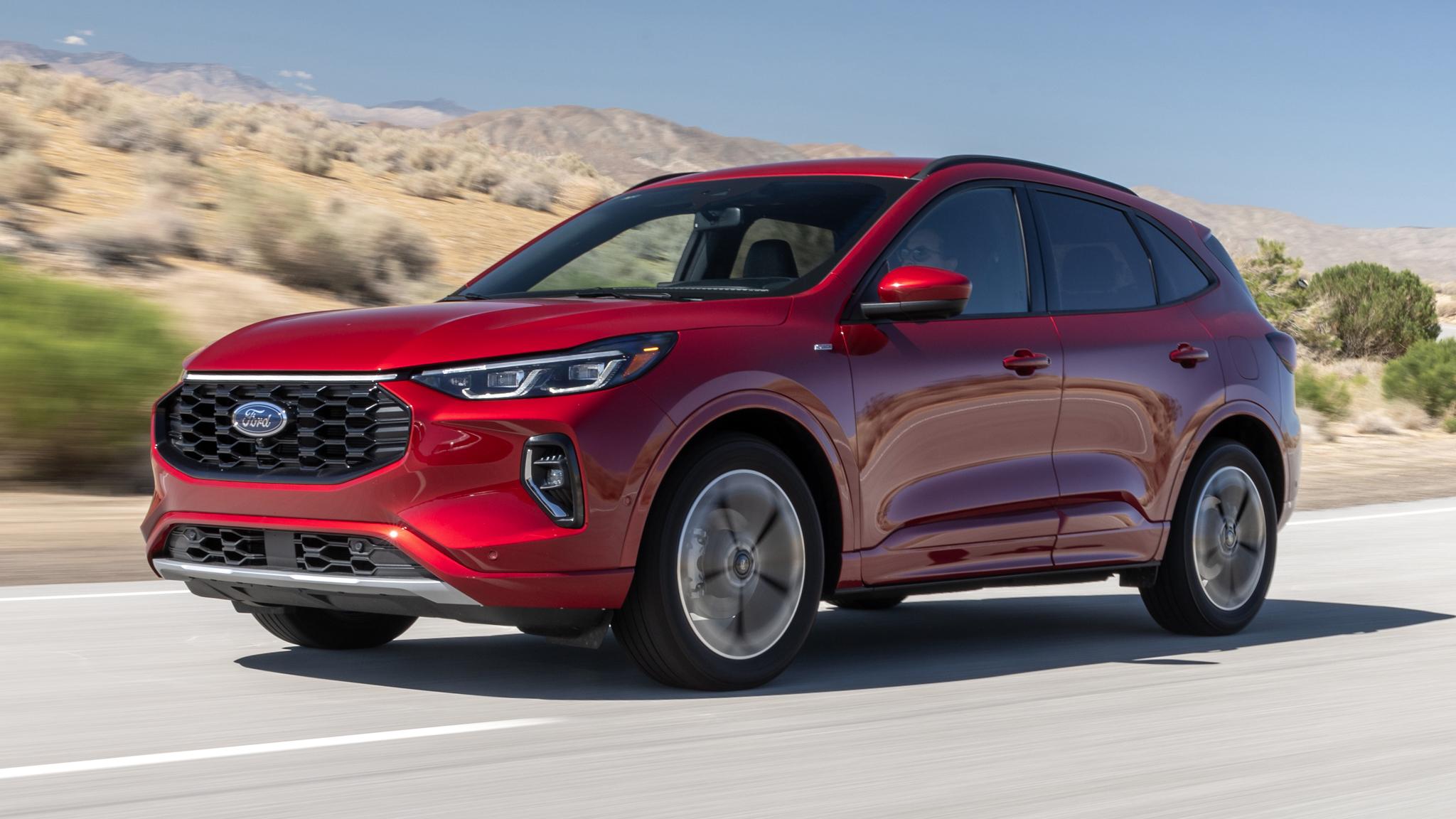
Certified Pre-Owned vehicles are often presented as the safest middle ground between buying new and buying used.
The idea is simple: you get a car that has already taken its biggest depreciation hit, but still carries a sense of trust through inspection, refurbishment, and warranty coverage. For many buyers, that promise feels like a shortcut to avoiding the usual risks associated with used vehicles.
Dealerships build entire sales strategies around this perception. Showrooms highlight certified inventory as premium choices, salespeople emphasise multi-point inspections, and marketing materials reinforce the idea that these cars meet higher standards.
It creates a strong psychological effect. Buyers feel reassured before they even look at the details, and that confidence often translates into quicker purchase decisions.
However, the certification label is not as straightforward as it appears. There is no universal standard that applies across all brands and dealerships.
Each manufacturer sets its own rules, and individual dealerships interpret and execute those rules differently. What qualifies as “certified” in one place may not match the expectations a buyer has in mind.
Another layer of complexity comes from how information is presented. Buyers are told about inspections and warranties, but are rarely guided through what those actually include.
The emphasis stays on the existence of these features, not their depth or limitations. As a result, many people assume they are getting far more protection than they actually are.
Pricing adds another dimension to the story. Certified vehicles often carry a noticeable premium, justified by the added assurance. Yet the connection between that higher price and tangible value is not always clear. In some cases, buyers are paying for branding rather than meaningful improvements in condition or reliability.
Understanding the truth behind Certified Pre-Owned programs requires looking beyond the surface. It involves questioning what certification really guarantees, how inspections are performed, and what buyers are truly receiving for the extra money.
The following sections break down these realities, focusing on the aspects that dealerships rarely explain in detail.
Also Read: The 10 Most Bulletproof Diesel Engines Ever, Ranked
1. The Inspection Is Not As Thorough As It Sounds
Dealerships often highlight multi-point inspections as the backbone of Certified Pre-Owned programs. Numbers like 100-point or 150-point checks are used to create an impression of deep mechanical scrutiny.
The assumption is that every component of the vehicle is carefully examined, tested, and restored if needed. In reality, the process is more structured around checklists than detailed mechanical analysis.
Many of these inspection points are visual or basic functional checks rather than in-depth diagnostics. A technician may confirm that a system operates within expected limits without disassembling or stress-testing it.
Components that show no immediate issues can pass without being examined beyond surface-level verification. This means underlying wear or early-stage problems can go unnoticed.
Time constraints also play a role. Dealership service departments operate under pressure to process vehicles efficiently.
Spending extended hours on a single car is not always practical from a business standpoint. As a result, inspections are often completed within a limited timeframe, focusing on items that are quick to evaluate.
Another factor is consistency. Even within the same dealership, different technicians may approach inspections differently. One might be more meticulous, while another may follow the checklist strictly without going beyond it. The certification standard remains the same on paper, but the execution can vary.
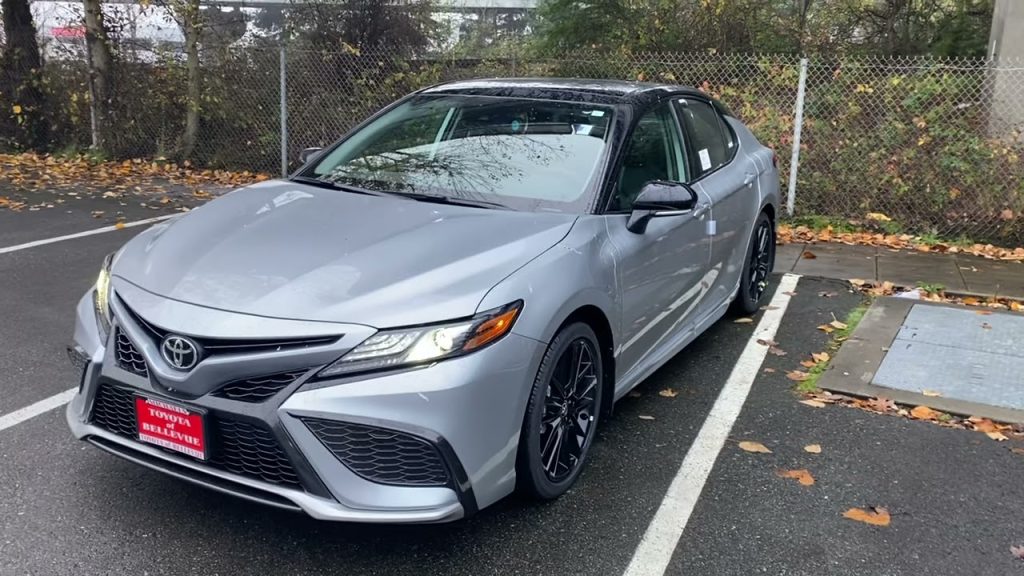
What buyers rarely hear is that certification does not guarantee perfection. It confirms that the vehicle meets a defined set of criteria at the time of inspection, not that it is free from future issues. Understanding this distinction is essential before placing too much trust in the inspection label.
2. The Warranty Has More Limits Than Advertised
Warranty coverage is often presented as the strongest advantage of buying Certified Pre-Owned. Sales conversations tend to focus on the length of coverage and the sense of security it provides. Buyers walk away believing that most potential problems will be handled without additional cost. The fine print tells a more restrictive story.
Many certified warranties are limited in scope. They typically cover major components such as the engine and transmission, but exclude a wide range of parts that are prone to wear. Items like suspension components, interior electronics, trim pieces, and even certain sensors may not be included. When issues arise in these areas, the cost falls entirely on the owner.
Deductibles are another detail that is not always emphasised. Even when a repair is covered, the buyer may need to pay a fixed amount out of pocket for each service visit. Over time, these costs can add up, reducing the perceived value of the warranty.
There is also the matter of conditions and exclusions. Some warranties require strict adherence to maintenance schedules, and failing to meet those requirements can void coverage. Others may exclude damage related to environmental factors, driving conditions, or previous wear that was not identified during inspection.
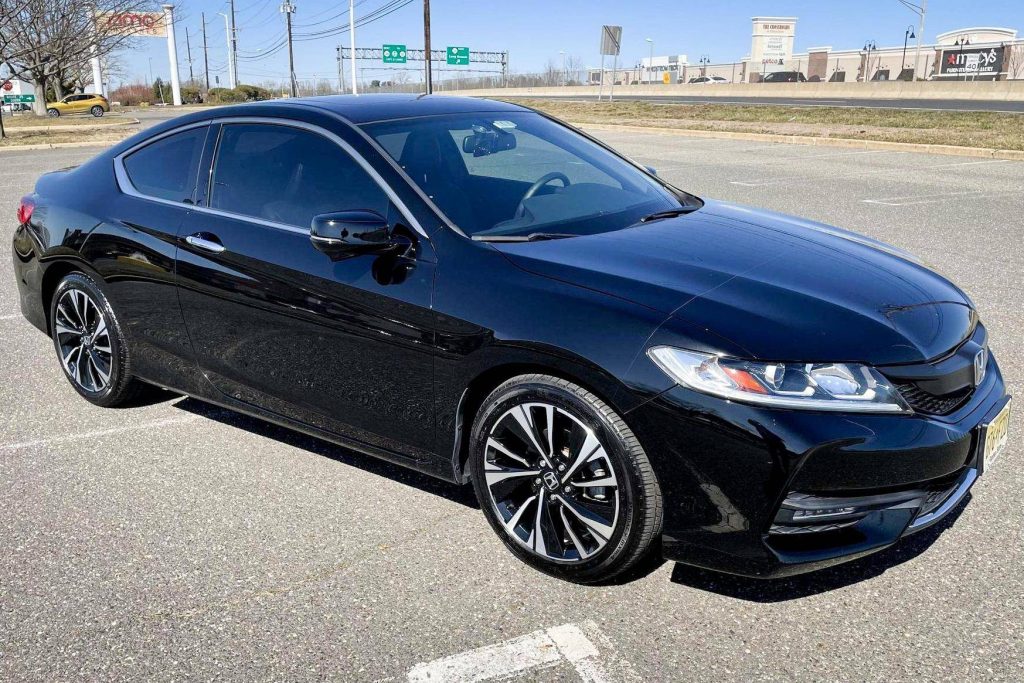
Buyers often assume that certification means comprehensive protection, but the reality is more selective. The warranty provides a layer of support, but it is not a safety net for every possible issue. Reading and understanding the coverage details is critical, even though it is rarely encouraged during the sales process.
3. You Are Often Paying for Branding, Not Condition
One of the biggest hidden truths about Certified Pre-Owned vehicles is how pricing is structured. The certification label allows dealerships to position these cars as premium offerings within the used market. That positioning comes with a higher price tag, often justified by inspection, reconditioning, and warranty benefits.
What is less obvious is how little actual improvement may separate a certified vehicle from a well-maintained non-certified one. A car with a clean history, proper servicing, and good full condition can be nearly identical in performance and reliability. The certification process may not significantly alter the vehicle beyond basic preparation for sale.
The added cost is partly tied to the dealership’s investment in the certification program. Fees, administrative costs, and marketing efforts are built into the price. Buyers are effectively paying for the label and the perception it creates, rather than a substantial upgrade in the vehicle itself.
This pricing strategy relies heavily on buyer psychology. The word “certified” suggests trust, and that trust reduces hesitation. Many buyers are willing to pay more to avoid uncertainty, even if the tangible benefits are limited.

In some cases, comparing a certified vehicle with a similar non-certified option reveals a gap that is difficult to justify. The difference can be large enough to cover potential repairs or even an extended warranty purchased separately. Yet this comparison is rarely highlighted during the buying process.
Understanding where the extra money goes helps put the decision into perspective. Certification can add value, but it is not always proportional to the price increase attached to it.
4. Not All Certification Programs Are Equal
A common misconception is that all Certified Pre-Owned programs follow the same standards. Buyers often assume that certification represents a universal level of quality across all brands and dealerships. In reality, there is significant variation in how these programs are designed and implemented.
Automakers set their own criteria for certification, including inspection requirements, age limits, and mileage thresholds. Some programs are more rigorous, while others are relatively basic. Even within the same brand, the way a dealership carries out the process can differ.
There are also dealer-certified vehicles, which are not backed by the manufacturer. These programs can use similar language and marketing, but the standards and warranties may be entirely different. Buyers may not immediately recognise the distinction, especially if the presentation closely resembles an official program.
This lack of uniformity creates confusion. Two vehicles labelled as Certified Pre-Owned can offer very different levels of inspection quality and warranty coverage. Without careful attention, buyers may assume they are getting the same level of assurance when that is not the case.

The key issue is transparency. While the term “certified” sounds definitive, it does not carry a single, consistent meaning. Each program operates within its own framework, and understanding those differences requires more effort than most buyers expect.
Recognising this variation is important before placing full trust in the label. Certification can be valuable, but its significance depends entirely on the program behind it.
5. Reconditioning Is Often Minimal, Not Comprehensive
The idea of reconditioning plays a major role in how Certified Pre-Owned vehicles are sold. Buyers are led to believe that these cars are restored to a near-new state, with worn parts replaced and cosmetic flaws corrected.
In practice, reconditioning is usually limited to what is necessary to meet certification standards rather than what would make the vehicle feel genuinely refreshed.
Dealerships focus on cost efficiency. If a component is still within acceptable limits, it is unlikely to be replaced. For example, brake pads that have some life left or tyres that meet minimum tread requirements are often kept as they are.
From a certification standpoint, the car passes without issue, but from a buyer’s perspective, those parts may need replacement sooner than expected.
Cosmetic work follows a similar pattern. Minor scratches, interior wear, or small imperfections may be addressed only if they are highly visible or affect resale appeal. Subtle signs of use are frequently left untouched because fixing them does not significantly increase the vehicle’s perceived value during a sale.
There is also a difference between making a car “presentable” and making it “like new.” Cleaning, detailing, and minor touch-ups can create a strong first impression, but they do not change the underlying condition of the vehicle. Buyers may interpret this polished appearance as evidence of deeper refurbishment, which is not always the case.
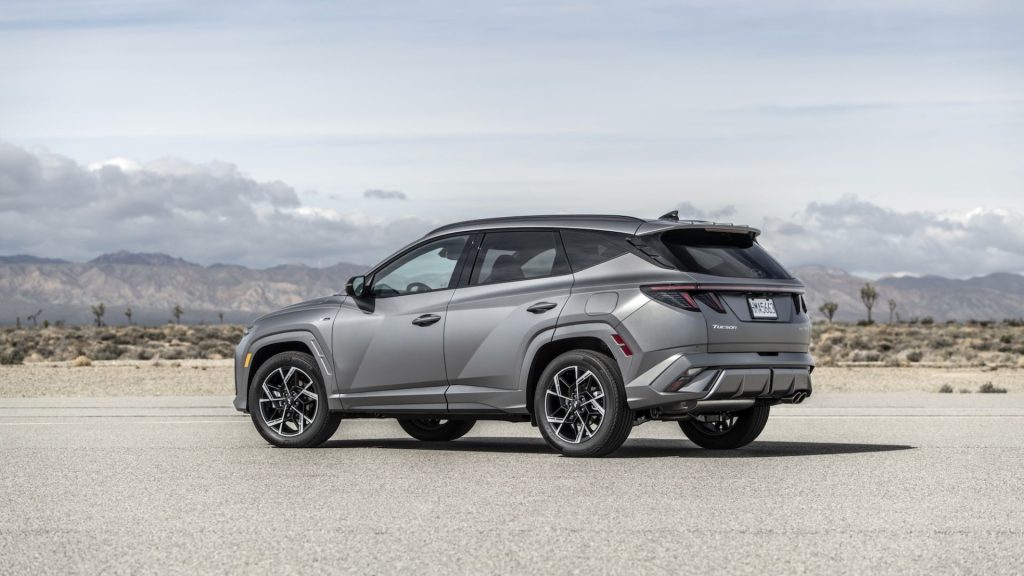
The key point is that reconditioning is guided by thresholds, not perfection. The goal is to meet certification criteria efficiently, not to eliminate every sign of wear. Understanding this helps set realistic expectations about what a certified vehicle truly offers beyond its initial appearance.
6. Vehicle History Still Matters More Than Certification
Certification can create a false sense of security that overshadows one of the most important factors in any used car purchase: its history. Buyers often assume that a certified vehicle has a clean and trouble-free past, but certification does not necessarily erase or fully address previous issues.
A vehicle may have had multiple owners, periods of inconsistent maintenance, or even minor accident repairs and still qualify for certification. As long as it meets the program’s criteria at the time of inspection, it can carry the certified label. This means that past usage patterns, which can influence long-term reliability, are not always reflected in the certification status.
Service records provide a deeper insight into how a car has been treated over time. Regular maintenance, timely repairs, and consistent care often matter more than whether the vehicle has gone through a certification process. A well-documented history can indicate a level of reliability that certification alone cannot guarantee.
Driving conditions also play a role. A car used primarily for highway driving may experience less wear than one subjected to frequent stop-and-go traffic, even if both appear similar during inspection. These nuances are rarely highlighted in certified listings, yet they can have a significant impact on future performance.
Buyers who rely solely on certification may overlook these critical details. Taking the time to review the vehicle’s background can reveal information that the certification process does not fully capture. In many cases, history tells a more complete story than the certified label ever could.
Certified Pre-Owned vehicles are often marketed as a safer and smarter alternative to regular used cars, but the reality is more nuanced. The certification label creates a sense of trust, yet the inspection process is usually checklist-based rather than deeply diagnostic, meaning some issues can still go unnoticed.
What appears to be a thoroughly vetted car may simply meet minimum standards rather than being close to new in condition.

Warranty coverage, another major selling point, is not as comprehensive as many buyers assume. It often excludes wear-and-tear components and comes with conditions, deductibles, and limitations that reduce its real-world value.
At the same time, the higher price attached to certified vehicles is not always justified by tangible improvements, as much of the premium goes toward branding and dealership costs.
Reconditioning tends to be minimal, focusing on meeting requirements rather than fully restoring the vehicle. In addition, certification does not replace the importance of vehicle history, which remains one of the most reliable indicators of long-term performance.
Finally, sales strategies are designed to emphasise reassurance while minimising scrutiny. Buyers who understand these factors are better equipped to make informed decisions rather than relying solely on the certified label.
Also Read: 10 Cars From the 2000s That Are Quietly Disappearing From American Roads
