
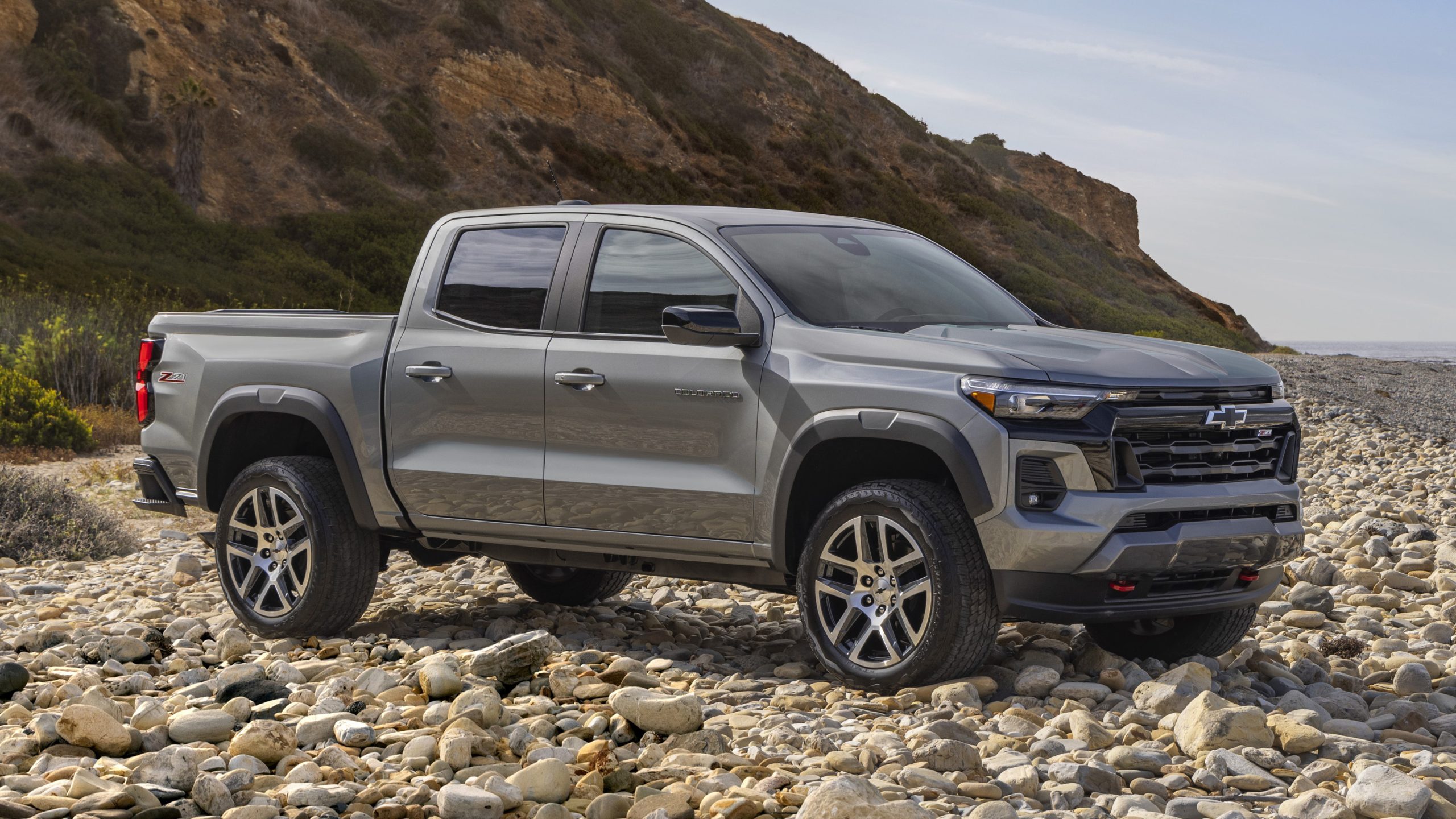
Truck insurance prices have risen dramatically in recent years, leaving many owners shocked when renewal notices arrive. Drivers who once viewed pickup trucks as practical and affordable work vehicles now face premiums closer to luxury SUV territory.
The increase is not caused by a single issue. Modern trucks have changed completely from the simple machines they used to be, and insurance companies have adjusted their pricing to match new risks, repair costs, and claim trends.
Years ago, most trucks were built with basic interiors, modest technology, and straightforward mechanical systems. Repairs were relatively simple, body panels were cheaper, and replacement parts could be sourced easily.
Today’s trucks are packed with expensive electronics, advanced safety systems, massive infotainment displays, radar sensors, cameras, turbocharged engines, adaptive suspensions, and luxury-level interiors. Even a relatively minor accident can now trigger repair bills that would have seemed unbelievable a decade ago.
Truck prices themselves have also climbed sharply. Many modern pickups cost as much as premium luxury sedans once did. High-trim models regularly exceed prices that were once associated only with exotic vehicles.
Insurance companies calculate premiums partly based on replacement value, which means more expensive trucks naturally produce higher insurance costs. When repair claims become larger, premiums usually rise across the market.
Another major factor is how trucks are used today. Pickup trucks are no longer limited to construction sites, farms, or towing jobs. Many families now use them as daily transportation, long-distance travel vehicles, and lifestyle purchases.
More trucks on busy roads means more accidents, more claims, and greater exposure for insurers. Their large size and weight can also increase damage severity during collisions, leading to higher payout amounts.
Theft rates have become another growing concern. Modern trucks are highly desirable targets because of their popularity, expensive components, and strong resale values.
Organized theft operations often focus on pickups specifically because parts sell quickly and stolen vehicles attract strong demand in underground markets.
Repair complexity has changed the equation even further. Simple bumper replacements now involve sensors, cameras, calibration procedures, and computerized safety systems. What once required basic bodywork may now demand specialized equipment and highly trained technicians. Labor shortages and parts delays have made those repairs even more expensive.
Insurance companies study all these trends carefully. Rising repair bills, larger claims, increased theft, expensive technology, and changing driving habits have combined to reshape truck insurance entirely.
Understanding why modern trucks cost so much to insure reveals how dramatically the pickup market itself has evolved during the last decade.
Also Read: 10 Most Overrated Pickup Trucks American Buyers Still Worship
1. Modern Technology Made Repairs Extremely Expensive
Modern trucks contain far more technology than most drivers realize. What appears to be a simple pickup from the outside may actually include dozens of sensors, cameras, control modules, and computerized systems hidden throughout the body.
These features improve comfort and safety, but they also make accident repairs dramatically more expensive than they used to be.
A small collision that once required little more than paint and metal work can now involve radar recalibration, camera replacement, wiring repairs, and software programming.
Front bumpers, especially, have become expensive repair zones because many trucks place adaptive cruise control sensors and parking systems directly behind them. Low-speed impacts can trigger major repair costs.
Headlights represent another major expense. Many modern trucks use advanced LED or matrix lighting systems containing electronic modules and intricate internal components.
Replacing a damaged headlight assembly can cost thousands instead of hundreds. Insurance companies see these repair invoices constantly, and those rising costs influence premium calculations heavily.
Truck beds have become more complicated, too. Features like integrated power outlets, step systems, bed cameras, powered tailgates, and advanced towing technology increase repair complexity significantly. A damaged tailgate on a modern truck may involve electronics, sensors, motors, and recalibration procedures rather than just sheet metal replacement.
Luxury interiors also contribute to rising insurance costs. High-trim pickups now include massive touchscreens, heated and ventilated seats, digital instrument clusters, premium audio systems, and advanced driver assistance features. Water damage, theft, or collision repairs involving these components can become extremely costly.
Repair labor costs continue increasing alongside technology complexity. Technicians require specialized training to work on modern trucks properly.
Calibration procedures for safety systems often demand expensive equipment and manufacturer-specific software. Body shops invest heavily in tools and certifications, and those expenses ultimately affect insurance claims.
Parts shortages have worsened the situation further. Trucks involved in accidents sometimes wait weeks or months for replacement components. During that time, insurers may also cover rental vehicle expenses, increasing claim totals even more.
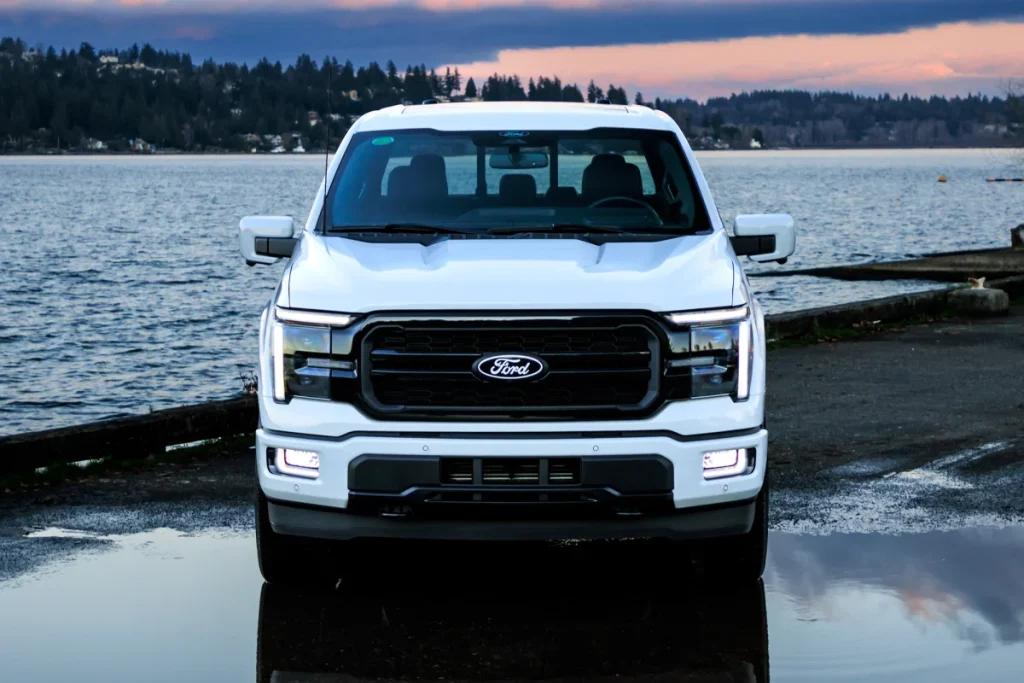
Interestingly, safety technology does reduce certain accident rates, but repair severity has increased enough that insurers still face higher payouts. Modern trucks are safer for occupants in many cases, yet far more expensive to restore after collisions.
Insurance companies calculate premiums based on financial risk. As repair bills continue climbing because of advanced technology, insurers respond by charging higher rates.
Truck owners may appreciate the comfort and innovation packed into modern pickups, but those same features quietly contribute to some of the highest insurance costs the truck market has ever experienced.
2. Truck Prices Have Reached Luxury Vehicle Territory
Pickup trucks were once marketed primarily as durable work tools. Today, many models compete directly with luxury SUVs in both pricing and equipment. This dramatic increase in vehicle value has become one of the biggest reasons insurance premiums continue rising across the truck segment.
High-end pickups now regularly include leather interiors, panoramic roofs, advanced suspension systems, large digital displays, premium sound systems, and sophisticated towing technology.
Buyers who once spent luxury car money on imported sedans now purchase fully loaded trucks instead. Some premium trims exceed prices that would have seemed unrealistic for pickups only a decade ago.
Insurance companies closely monitor replacement values because payouts become larger when expensive vehicles are totaled or stolen. A truck costing twice as much to replace naturally creates greater financial exposure for insurers. Even moderate damage may result in much higher claim amounts compared to older, simpler trucks.
Depreciation patterns also affect insurance pricing. Certain modern trucks retain value exceptionally well due to strong demand. High resale values make them attractive to thieves and increase replacement costs simultaneously. Insurers recognize that stolen trucks often require larger payouts than vehicles with weaker market demand.
Financing trends contribute to the problem, too. Many buyers now finance trucks for longer periods because prices have risen so high. Large loan balances increase the importance of comprehensive and collision coverage, leading owners toward more expensive insurance policies with broader protection.
Luxury features influence repair estimates in surprising ways. Premium paint finishes, large wheel packages, powered running boards, adaptive suspensions, and advanced towing systems all increase repair costs after accidents.
Insurance companies price policies according to these risks because modern trucks contain far more expensive components than previous generations.
Another issue comes from the customization culture. Truck owners frequently add lift kits, oversized wheels, upgraded tires, lighting systems, bed accessories, and aftermarket performance parts.
These modifications raise replacement values further and sometimes increase accident risk. Insurers may charge additional premiums or require specialized coverage for heavily modified trucks.
The shift in truck ownership demographics matters as well. Pickups are no longer purchased only by contractors and commercial users. Families, commuters, and lifestyle buyers now represent a huge portion of truck sales.
That broader customer base increases accident exposure simply because more trucks spend time in heavy urban traffic rather than limited work environments.
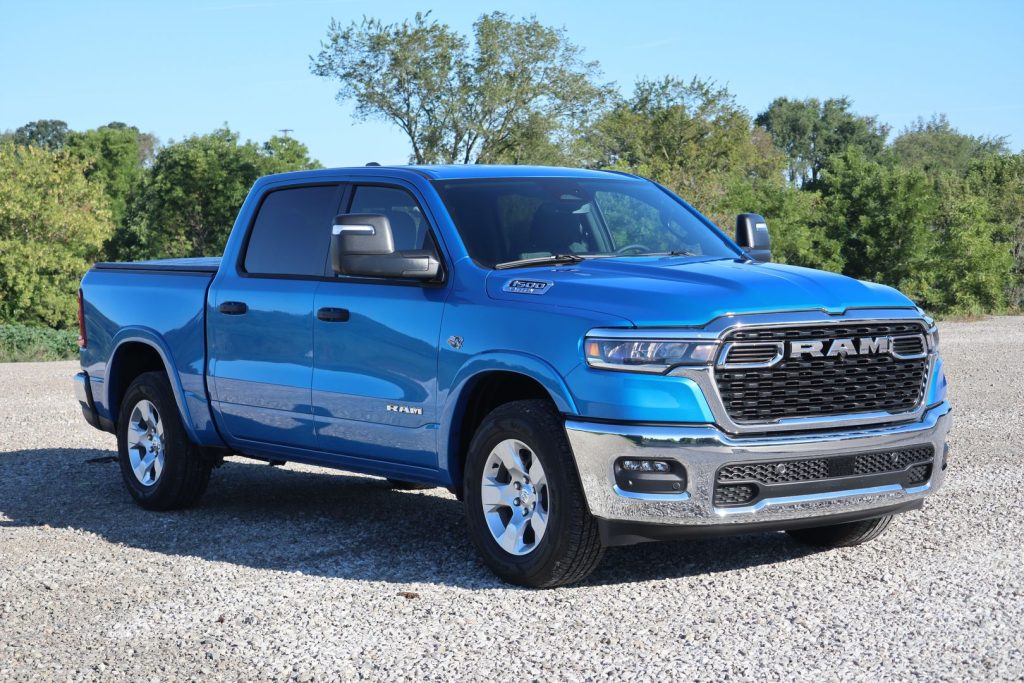
The modern pickup market transformed from practical transportation into a premium consumer segment. Insurance pricing followed that transformation closely. As trucks became more luxurious, more expensive, and more valuable, insurers adjusted premiums to reflect the growing financial risk attached to every claim involving these vehicles.
3. Theft Rates and Parts Demand Keep Rising.
Modern trucks have become some of the most attractive targets for vehicle thieves. Their popularity, high resale value, and expensive components make them extremely profitable in both domestic and international black markets.
Insurance companies pay close attention to theft statistics, and rising truck theft claims directly influence premium costs across the industry.
Organized theft groups often focus specifically on pickups because demand remains consistently strong. A stolen truck can be resold whole, exported overseas, or dismantled for parts within hours.
Components such as wheels, tailgates, headlights, infotainment systems, catalytic converters, and powertrain parts carry significant value individually. In many situations, thieves earn more money selling parts separately than selling the entire vehicle intact.
Tailgate theft alone became a surprisingly expensive problem in recent years. Modern tailgates now contain integrated cameras, electronic release systems, sensors, and advanced locking mechanisms.
What was once a simple removable panel evolved into a costly electronic component. Insurance companies saw claims increase rapidly as thieves targeted these high-value parts.
Wheel theft also contributes heavily to rising costs. Many trucks leave factories with large premium wheel packages and expensive all-terrain tires. Criminals can remove these components quickly, and replacement costs often reach several thousand dollars. Even when the vehicle itself remains untouched, insurers still face expensive payouts.
Keyless entry systems created additional vulnerabilities. Thieves now use relay attacks and electronic programming devices to steal trucks without visible damage. These methods allow criminals to bypass security systems quickly, making modern trucks easier to target in certain situations than many owners realize.
Geographic demand patterns further increase theft risks. Trucks remain highly desirable in construction industries, rural areas, export markets, and off-road communities. That broad demand ensures stolen vehicles and components can usually find buyers rapidly. Insurance companies recognize this constant resale potential when calculating premiums.
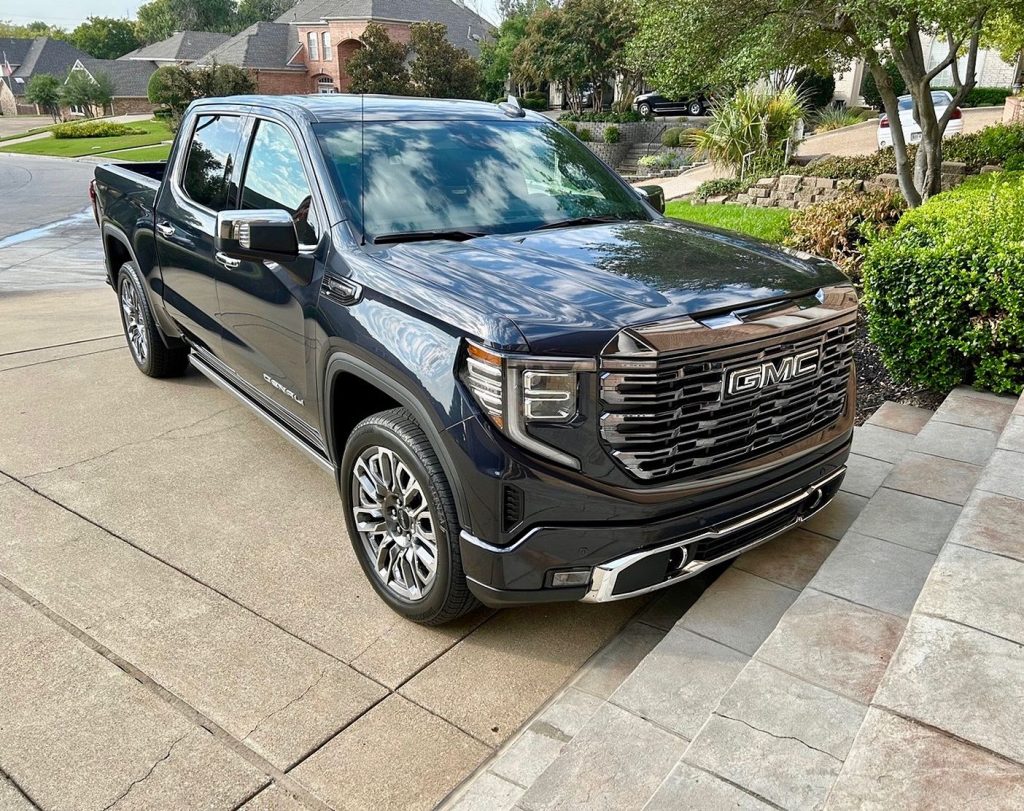
Another hidden factor involves repair fraud and staged theft claims. High-value trucks attract fraudulent activity because payout amounts are larger. Insurers spend substantial resources investigating suspicious claims, and those costs eventually influence pricing for honest customers as well.
Urban environments intensified the problem further. Large apartment complexes, crowded parking garages, and poorly lit streets create ideal conditions for organized theft operations. Trucks parked outside overnight often face greater exposure simply because their components are valuable and relatively accessible.
Manufacturers continue improving anti-theft technology, but criminals adapt quickly. Insurance companies operate according to statistical trends rather than isolated cases.
When theft claims rise consistently across specific truck categories, premiums usually follow the same direction. Rising theft activity, therefore, became another major reason modern truck owners now face significantly higher insurance costs than previous generations ever experienced.
4. Bigger Trucks Create Bigger Accident Claims
Modern pickup trucks are much larger than the trucks sold decades ago. Increased size improved towing capacity, interior space, and road presence, but it also changed accident dynamics significantly. Insurance companies now deal with larger repair bills and more severe damage claims involving trucks than ever before.
Today’s pickups are taller, heavier, and more powerful than older models. When these vehicles collide with smaller cars, the resulting damage can become extensive.
Higher ride heights allow trucks to strike areas above traditional crash structures in smaller vehicles, increasing repair severity and injury risk. Insurers factor these patterns into premium calculations carefully.
Weight plays a major role, too. A heavy truck carries more momentum during accidents, which can increase property damage and bodily injury claim costs. Moderate-speed collisions may produce repair bills far larger than similar incidents involving smaller vehicles. Insurance companies respond by charging higher premiums to offset potential payouts.
Blind spots create additional concerns. Despite modern camera systems and sensors, large trucks still present visibility challenges compared to smaller passenger cars.
Parking lot accidents, low-speed impacts, and lane-change collisions remain common claim categories for pickups. These smaller incidents happen frequently enough to affect insurance pricing substantially.
Towing introduces another layer of risk. Many truck owners regularly pull trailers, boats, campers, or work equipment. Towing increases stopping distances, handling complexity, and accident exposure. Claims involving trailers often become more expensive because multiple vehicles or damaged property may be involved simultaneously.
Severe weather conditions can worsen these risks. Drivers sometimes assume four-wheel drive guarantees safety in rain, snow, or mud.
That confidence occasionally leads to overestimating vehicle capability, resulting in accidents caused by excessive speed or poor control. Insurance companies analyze these trends closely because claim frequency matters as much as claim size.
Driver demographics shifted as trucks became more mainstream family vehicles. Many owners now purchase pickups without previous truck-driving experience. Manoeuvring large vehicles in crowded cities, parking garages, and tight suburban areas can increase accident likelihood. Insurers consider driver behavior and vehicle type together when setting rates.
Medical claim costs also influence truck insurance heavily. Larger vehicles involved in serious crashes may produce more substantial injury claims, legal expenses, and liability payouts. Rising healthcare and legal costs magnify the financial impact of those accidents for insurers.
Modern trucks provide impressive comfort, capability, and technology, but their physical size changes the economics of insurance dramatically. Bigger vehicles create bigger financial risks in many collision scenarios.
As repair severity, liability exposure, and accident costs continue increasing, insurers adjust premiums accordingly. Truck owners are therefore paying not only for the value of the vehicle itself but also for the growing financial consequences attached to accidents involving modern pickups.
5. Insurance Companies Now Use More Detailed Risk Calculations
Truck insurance pricing today is far more complex than it was years ago. Insurance companies no longer rely only on driver age, location, and accident history when calculating premiums. Modern insurers analyze massive amounts of data to predict risk more precisely, and trucks often score poorly in several expensive categories simultaneously.
Driving behavior tracking became increasingly common through mobile apps and telematics systems. Sudden braking, rapid acceleration, nighttime driving, mileage, and average speed can all influence insurance costs.
Trucks equipped with powerful engines frequently encourage harder acceleration, and insurers may interpret aggressive driving patterns as increased accident risk. Location-based data also became much more detailed. Insurance companies study theft rates, weather patterns, repair costs, traffic congestion, and accident frequency down to specific neighborhoods. Truck owners living in areas with higher theft activity or severe weather exposure often pay noticeably higher premiums even with clean driving records.
Claim frequency matters heavily, too. Trucks generate large numbers of smaller claims involving parking damage, windshield replacement, wheel theft, towing incidents, and minor collisions. Even when these claims are not catastrophic individually, their combined financial impact becomes enormous across millions of insured vehicles.
Repair inflation created another major challenge for insurers. Labor costs, parts pricing, and rental vehicle expenses all increased rapidly in recent years.
Trucks remain especially expensive because replacement components are larger, more specialized, and sometimes harder to source quickly. Insurance companies adjust premiums continuously to keep pace with these rising expenses.
Weather-related claims have also increased. Hailstorms, flooding, and severe storms damage large numbers of trucks every year, especially in regions where pickups dominate the market. Modern trucks packed with electronics and expensive body panels often cost much more to repair after weather damage than older models did.
There is also greater legal exposure now than in the past. Accident lawsuits involving large vehicles can result in substantial settlements or court awards, particularly when injuries occur. Insurance companies account for this legal risk carefully when pricing truck policies.
Credit-based insurance scoring influences many drivers as well. In some markets, insurers consider financial behavior alongside driving history when determining premiums. Truck owners already managing high monthly payments may feel additional pressure from rising insurance costs tied to broader financial trends.
The modern insurance industry operates through detailed statistical modeling rather than simple assumptions. Trucks now combine high repair costs, theft exposure, expensive technology, larger accident claims, and increased claim frequency into one vehicle category.
As insurers gather more data and refine risk analysis methods, premiums continue to reflect the true financial complexity attached to modern truck ownership.
Also Read: 10 Cheap Cars That Are More Reliable Than Most Luxury SUVs
