

Buying a vehicle today is a very different experience from what it was even a decade ago. The automotive retail industry has been changing rapidly as technology, consumer expectations, and market competition reshape how dealerships operate.
Many practices that were once considered standard parts of the car-buying journey are gradually fading away. Some are disappearing because customers no longer tolerate them, while others are being replaced by more efficient digital alternatives.
Modern buyers arrive at dealerships with far more information than previous generations. Online pricing tools, vehicle comparison websites, digital financing platforms, and manufacturer websites allow shoppers to research nearly every aspect of a vehicle before stepping onto a dealership lot.
As a result, several traditional sales techniques have become less effective and, in some cases, completely outdated.
Economic pressures have also played a role. Inventory shortages during recent years forced dealerships to rethink long-established business models.
At the same time, growing competition from direct-to-consumer sales methods encouraged retailers to become more transparent and customer-focused. Dealers who fail to adapt often find themselves losing business to competitors that provide smoother purchasing experiences.
Not every disappearing practice is negative. Some older methods served customers well for decades, but advances in technology have made them less necessary. Others developed a poor reputation because buyers found them confusing, time-consuming, or unfair. In any case, the automotive retail world continues to change steadily.
The following dealership practices were once common across the industry but are becoming increasingly rare. While some still exist in certain markets, their influence continues to decline as dealerships modernize operations and customers demand a more straightforward purchasing process.
Understanding these changes offers a fascinating look at how car buying continues to transform in the digital age.
Also Read: 10 Cars That Won #8217;t Function Without a Software Update
1. Lengthy Price Negotiations
For generations, one of the most recognizable dealership traditions involved extended negotiations between buyers and salespeople. A customer would select a vehicle, receive an initial offer, reject it, wait while the salesperson “checked with the manager,” and then begin a series of back-and-forth discussions that could last hours.
Many buyers disliked this process because pricing often felt unclear. Two customers purchasing identical vehicles could leave with significantly different deals depending on their negotiating skills. This created uncertainty and frustration, especially for shoppers who preferred straightforward transactions.
Today, transparent pricing is becoming much more common. Online vehicle listings often display competitive prices before customers even visit a dealership. Buyers can compare offers from multiple retailers within minutes, making it difficult for dealerships to rely on traditional bargaining tactics.
Another factor driving change is customer convenience. Modern consumers are accustomed to fixed pricing in most retail environments. Spending an entire afternoon negotiating a vehicle purchase no longer appeals to many shoppers.
Dealers increasingly recognize that a faster and more transparent sales process can improve customer satisfaction and generate repeat business.

Negotiation has not vanished entirely. Certain specialty vehicles, limited-production models, and used cars may still involve discussion about pricing. However, the era when nearly every vehicle purchase required prolonged bargaining sessions is slowly fading.
Younger buyers, in particular, often prefer a transaction that resembles online shopping. They want clear pricing, predictable fees, and minimal surprises. As dealerships adapt to these expectations, lengthy negotiations continue to lose their place as a central part of the buying experience.
2. Handwritten Paperwork Stacks
There was a time when purchasing a vehicle meant signing an enormous stack of paper documents. Buyers often spend hours reviewing contracts, warranty forms, financing agreements, title paperwork, insurance disclosures, and various dealership documents.
The finance office traditionally became the final hurdle of the buying process. Even after agreeing on a vehicle and price, customers frequently waited while paperwork was prepared, printed, reviewed, and manually signed. Errors could require forms to be reprinted and signed again, adding even more time to the transaction.
Digital transformation has dramatically reduced the need for these paper-heavy procedures. Electronic signatures, digital document management systems, and online credit applications allow much of the process to be completed before a customer arrives at the dealership.
Some retailers even provide secure portals where buyers can review and sign documents from home.
This shift benefits both customers and dealerships. Digital records are easier to store, retrieve, and manage. They also reduce printing expenses and minimize the likelihood of misplaced paperwork. Regulatory compliance can become simpler when documentation is automatically organized within electronic systems.
Customers appreciate the convenience as well. Instead of signing dozens of physical pages, many buyers can complete the majority of required documentation electronically in a fraction of the time. The transaction feels more efficient and less intimidating.

Paper documents still exist for certain legal requirements and state-specific regulations. Nevertheless, the towering stack of forms that once defined the dealership finance office is becoming increasingly uncommon.
As technology continues to improve, the move toward paperless transactions is expected to accelerate throughout the automotive retail industry.
3. Surprise Add-On Packages at the Last Minute
Many vehicle buyers are familiar with a frustrating situation that traditionally occurred near the end of a transaction.
After agreeing on a price, customers would discover additional charges for accessories, protection packages, dealer-installed equipment, window etching, paint treatments, or other extras that were not clearly discussed at the beginning of the process.
For years, some dealerships relied on these add-ons to increase profit margins. The practice often caught customers off guard because the advertised vehicle price did not always reflect the final amount due.
Buyers who had already invested significant time in the purchase process sometimes felt pressured to accept the additional costs rather than start over elsewhere.
Consumer awareness has steadily reduced the effectiveness of this strategy. Online reviews, automotive forums, and social media have made pricing transparency more important than ever. Customers can quickly share negative experiences, and dealerships that develop a reputation for hidden fees may struggle to attract future buyers.
Manufacturers have also encouraged clearer pricing practices in many markets. Competitive pressure from online vehicle retailers has further accelerated the shift. Shoppers can easily compare multiple listings and identify dealers that advertise transparent pricing structures.
Today’s buyers frequently arrive with printed quotes, online screenshots, and detailed pricing research. This makes it harder for dealerships to introduce unexpected charges without facing questions or objections. Many retailers now disclose optional packages earlier in the process to maintain trust and improve customer satisfaction.

The disappearance of surprise add-ons reflects a broader trend toward openness in automotive sales. While optional products and protection plans remain available, customers increasingly expect them to be presented as genuine choices rather than unavoidable expenses.
Dealerships that embrace transparency often build stronger long-term relationships with buyers and generate more referrals from satisfied customers.
4. Aggressive Sales Floor Pressure
Not long ago, some dealerships were known for high-pressure sales tactics designed to keep customers from leaving without making a purchase. Salespeople were often trained to overcome every objection immediately, discourage buyers from visiting competitors, and create a sense of urgency that pushed shoppers toward a quick decision.
The traditional sales floor could sometimes feel intimidating. Customers who simply wanted information might find themselves repeatedly asked to commit to a purchase. Phrases such as “What can I do to earn your business today?” became synonymous with an era when closing the sale often took priority over building trust.
Several factors have contributed to the decline of this approach. Modern consumers have access to extensive vehicle information before visiting a dealership.
They already know pricing ranges, specifications, reliability ratings, and competitor offerings. As a result, they are less dependent on salespeople for basic information and more likely to walk away if they feel pressured.
Customer satisfaction scores have become increasingly important for dealerships and manufacturers alike. Positive reviews influence future sales, making respectful interactions more valuable than aggressive closing techniques.
Many retailers now focus on consultation rather than persuasion, positioning sales staff as product experts who help buyers make informed decisions.

The rise of appointment-based shopping has also changed dealership culture. Customers frequently schedule visits after conducting online research, meaning they often arrive with a shortlist of vehicles already in mind. The salesperson’s role has shifted toward answering questions and facilitating the transaction rather than convincing someone to buy.
Aggressive sales pressure has not disappeared completely, but it is far less common than it once was. Today’s most successful dealerships recognize that trust, transparency, and convenience are stronger drivers of long-term success than short-term pressure tactics.
5. The “Manager Approval” Routine
One of the most recognizable dealership traditions involved the salesperson repeatedly leaving the desk to speak with a sales manager. Whether the discussion concerned pricing, financing terms, trade-in values, or promotional incentives, customers were often left waiting while decisions supposedly moved up the chain of command.
For decades, this process was considered a standard part of vehicle sales. Dealerships structured negotiations around multiple approval levels, creating a system where salespeople rarely had authority to finalize key aspects of a transaction on their own.
Buyers frequently experienced several rounds of waiting as offers and counteroffers traveled between the showroom floor and the manager’s office.
While the practice sometimes reflected genuine dealership policies, many customers viewed it as an unnecessary delay.
The repeated departures and lengthy pauses often made negotiations feel complicated and exhausting. In some cases, buyers felt the waiting periods were intentionally used to increase pressure and encourage acceptance of an offer simply to finish the process.
Modern dealership operations are gradually moving away from this approach. Technology allows pricing structures, incentives, financing options, and inventory information to be available instantly. Many sales representatives now have access to tools that enable faster decision-making without constant managerial involvement.
Consumer expectations have also changed significantly. People accustomed to instant online transactions are less willing to spend hours waiting for approvals that could potentially be handled in minutes. Dealerships seeking higher customer satisfaction scores increasingly focus on streamlining every step of the buying experience.
Some retailers have adopted one-person sales models where a single representative guides the customer through much of the process. Others provide sales staff with broader authority to negotiate within predetermined guidelines. These changes reduce waiting times and create a more efficient atmosphere.

Manager oversight remains important, especially for complex transactions, special financing situations, or unusual trade-ins.
However, the days when customers routinely watched a salesperson disappear into an office multiple times during every negotiation are steadily fading. Faster communication systems and customer demand for efficiency continue to push dealerships toward a more direct and transparent sales process.
6. Inflated Trade-In Appraisal Games
Trading in an existing vehicle has long been a major part of dealership business. In the past, however, the appraisal process was often far less transparent than many customers realized. Dealers could adjust trade-in values and vehicle pricing in ways that made transactions appear more attractive while producing the same financial result.
A buyer might receive what seemed like an exceptionally generous trade-in offer, only to discover that the price of the replacement vehicle was higher than competing offers elsewhere.
Conversely, a lower vehicle price might be paired with a disappointing trade-in value. The complexity made it difficult for customers to determine whether they were truly receiving a fair deal.
This practice thrived during an era when market information was harder to access. Vehicle owners often had limited resources for determining the value of their used cars. Dealerships possessed far more information than buyers, creating an imbalance that sometimes worked to the retailer’s advantage.
The internet has dramatically changed this situation. Consumers can now obtain trade-in estimates within minutes using numerous valuation tools. Auction data, market listings, vehicle history reports, and pricing guides provide buyers with a much clearer understanding of what their vehicle is worth before visiting a dealership.
As transparency has increased, dealerships have adapted. Many retailers now use third-party valuation systems that generate consistent appraisals based on current market conditions. Some even provide instant online trade-in offers that can be reviewed before an in-person visit.
Competition from companies specializing in used-vehicle purchases has added further pressure. Customers who dislike a dealership’s offer can often obtain alternative quotes quickly, giving them greater negotiating power than in previous decades.
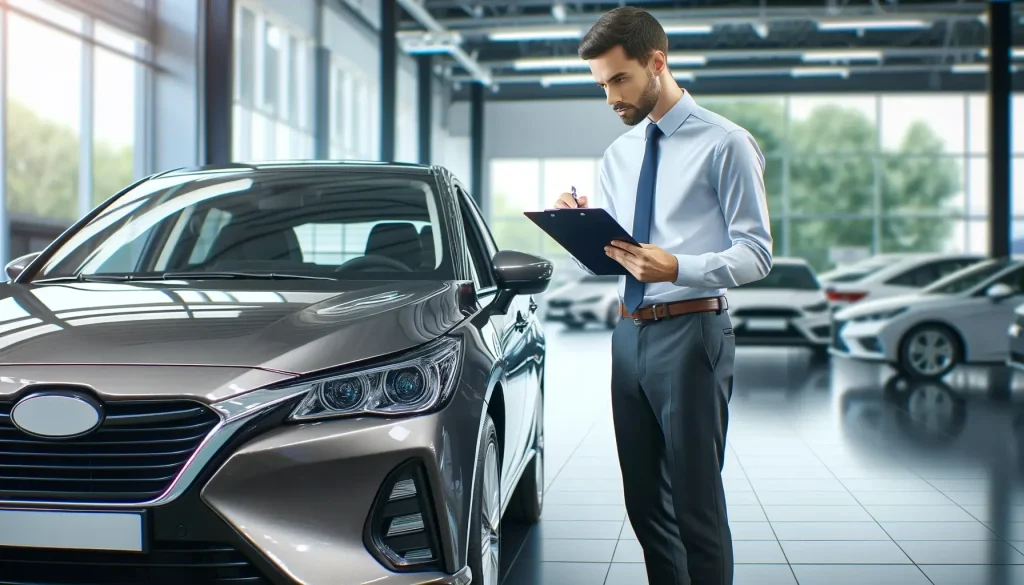
Trade-in negotiations still exist, particularly for rare vehicles or unusual market situations. Yet the traditional appraisal game, where customers struggled to understand how values were determined, is becoming increasingly uncommon.
Modern buyers expect clear explanations and data-backed valuations, and dealerships are responding by making the process more straightforward to understand.
7. Mandatory In-Person Financing Discussions
For much of automotive retail history, financing was treated as something that could only be handled inside the dealership.
Customers often arrived expecting to discuss vehicle selection and pricing first, only to discover that loan details, payment calculations, interest rates, and approval terms would require a lengthy meeting with the finance department before the purchase could move forward.
This system gave dealerships substantial control over the financing process. Buyers frequently entered the finance office with limited information about available rates or lending options.
The finance manager would then present payment structures, loan lengths, warranty products, and protection plans, sometimes all during a single session. Because many customers were already committed to buying the vehicle, they often felt pressure to make financial decisions quickly.
The digital age has dramatically changed how consumers approach vehicle financing. Before setting foot in a showroom, many shoppers now compare loan offers online, calculate monthly payments, check credit qualifications, and secure pre-approvals from banks or credit unions.
This preparation allows buyers to arrive with a much clearer understanding of what financing terms they can realistically obtain.
Dealerships have adapted by offering online credit applications and remote financing tools. Customers can often receive preliminary approvals from home, reducing the amount of time required at the dealership. Some retailers even provide digital platforms that allow buyers to review financing options before scheduling an appointment.
Another reason for the decline of mandatory in-person financing discussions is convenience. Consumers increasingly expect transactions to fit into busy schedules. Spending hours in a finance office reviewing paperwork feels outdated when many financial services can be completed electronically.
Regulatory scrutiny and customer expectations have also encouraged greater transparency. Buyers want to understand exactly how interest rates, loan terms, and optional products affect the total cost of ownership. Digital tools make these comparisons easier than ever before.
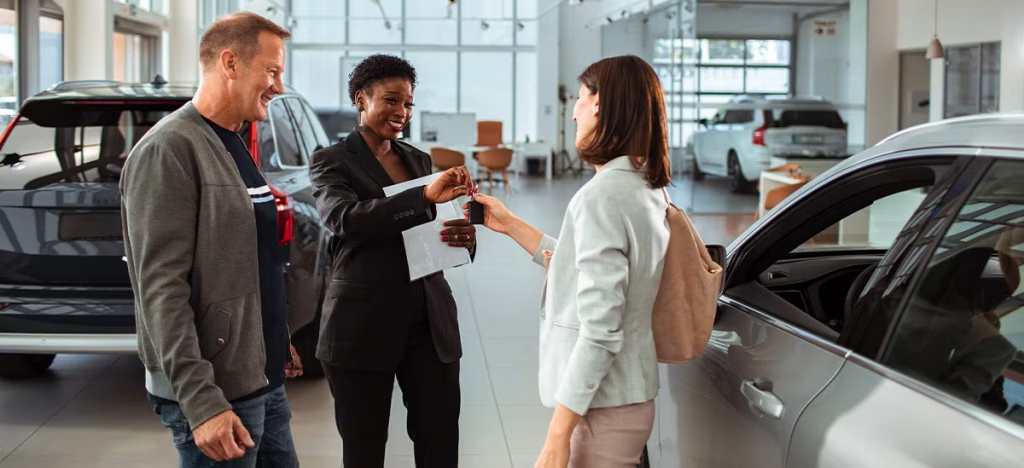
Finance departments remain an important part of dealership operations, and many customers still choose dealer-arranged loans. However, the traditional model in which buyers had little financing information until reaching the final stage of the purchase is steadily disappearing.
Today’s customers arrive informed, prepared, and often pre-approved, transforming the finance office from a gatekeeper into a facilitator of the transaction.
8. Limited Vehicle Information on the Lot
Years ago, visiting a dealership often meant beginning the research process rather than finishing it. Vehicles displayed on the lot typically provided only basic information through a window sticker. Customers relied heavily on salespeople to explain features, options, performance figures, fuel economy ratings, and trim-level differences.
This arrangement worked because information was relatively difficult to obtain elsewhere. Automotive magazines, brochures, and dealership visits were primary sources of knowledge.
As a result, sales staff served as the main bridge between manufacturers and consumers. Buyers often needed extensive conversations simply to understand what distinguished one model from another.
The internet has fundamentally changed this relationship. Modern consumers can access detailed specifications, expert reviews, ownership experiences, comparison tools, safety ratings, and video demonstrations from virtually anywhere.
Many buyers conduct weeks of research before visiting a dealership, arriving with a level of product knowledge that would have been unusual in previous decades.
Recognizing this shift, dealerships increasingly provide comprehensive vehicle information online. High-resolution images, feature lists, maintenance histories for used vehicles, virtual walkarounds, and pricing details are now commonly available before a customer ever visits the showroom. Some retailers even include videos that highlight specific features and equipment packages.
The growing availability of information has reduced the dependence on traditional lot presentations. Customers no longer need to physically inspect multiple vehicles to compare specifications. They can narrow their choices online and use dealership visits primarily for test drives and final evaluations.
Salespeople still play a valuable role, especially when explaining advanced technology or answering detailed questions. However, they are no longer the sole source of information. Their responsibilities have evolved toward helping customers confirm research rather than introducing products.

This change has created a more informed buying environment. Consumers gain confidence through independent research, while dealerships benefit from interacting with shoppers who already understand much of the product lineup.
The era of limited vehicle information and heavy reliance on brochures is steadily disappearing as digital resources continue to expand and improve across the automotive industry.
9. Sunday Newspaper Vehicle Advertising Dominance
For decades, the Sunday newspaper served as one of the most powerful marketing tools available to car dealerships. Automotive sections were packed with advertisements showcasing new arrivals, special financing offers, clearance sales, and promotional events.
Many shoppers began their vehicle search by flipping through pages filled with dealership listings and colorful sales announcements.
At one time, newspaper advertising was almost unavoidable for dealerships hoping to reach a large audience. Families often gathered information about available vehicles, incentives, and local inventory through printed publications.
Dealers invested substantial portions of their marketing budgets into these weekly advertisements because they represented one of the most effective ways to attract customers.
The rise of digital technology has dramatically reduced the influence of newspaper-based vehicle marketing. Today’s buyers typically start their search online rather than in print. Search engines, manufacturer websites, vehicle marketplaces, social media platforms, and dealership inventory pages provide instant access to information that newspapers once delivered.
Digital advertising offers several advantages that traditional newspapers simply cannot match. Dealers can update pricing immediately, adjust promotions in real time, and target specific customer groups based on location, interests, or shopping behavior.
A newspaper advertisement remains fixed once printed, while online listings can change throughout the day.
Consumer behavior has shifted alongside these technological developments. Many younger buyers rarely read printed newspapers, making digital channels a more effective way to reach potential customers. Mobile devices have become a primary source of shopping information, allowing consumers to research vehicles whenever and wherever they choose.
The transition has also improved transparency. Instead of seeing a brief advertisement with limited details, customers can view extensive photo galleries, financing information, equipment lists, and vehicle history reports online. This depth of information helps buyers make more informed decisions before contacting a dealership.
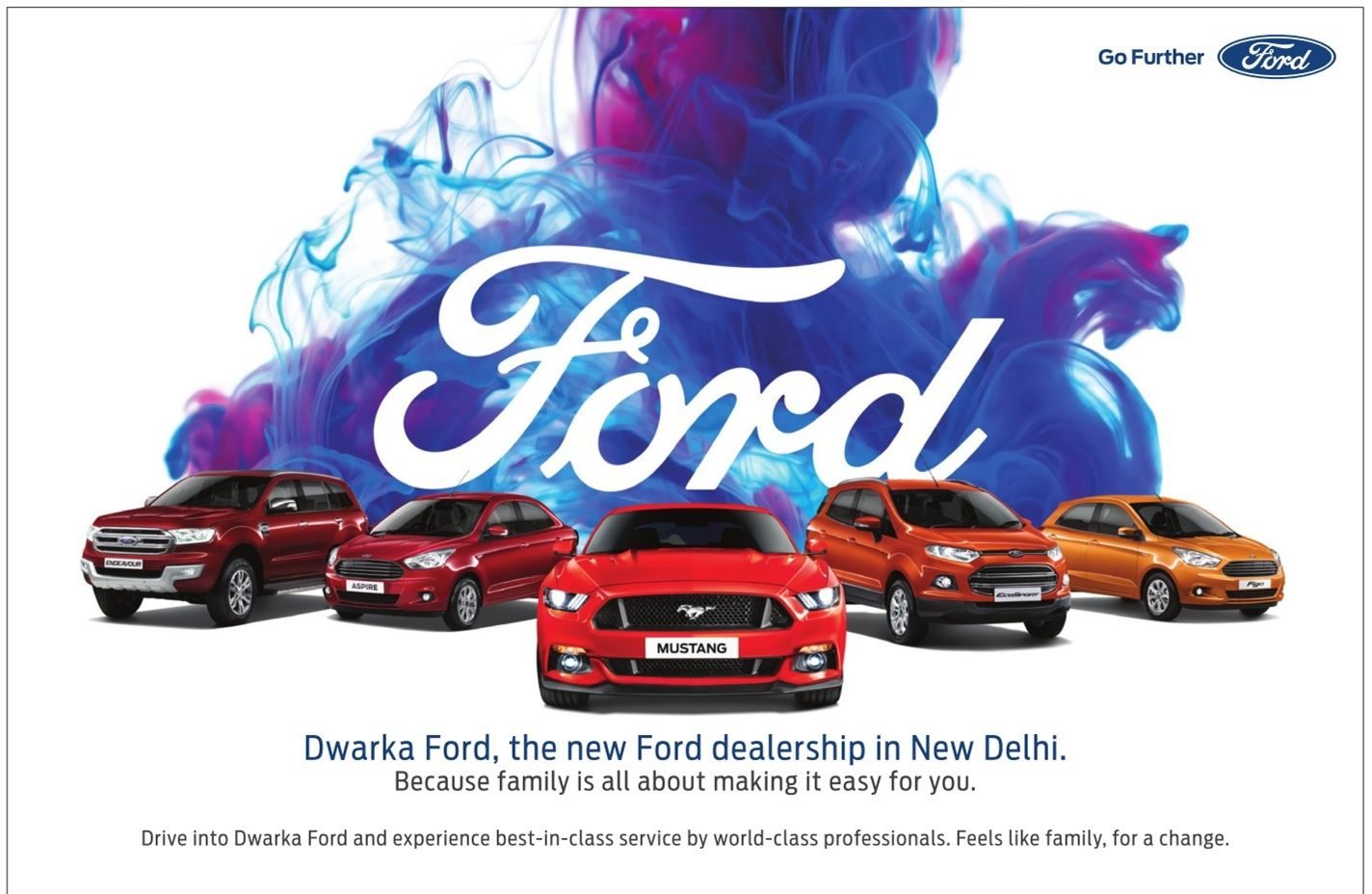
Printed advertisements have not disappeared completely. Some dealerships still use newspapers to promote major sales events or maintain visibility within local communities. However, their role is far smaller than it once was.
The era when newspaper automotive sections dominated vehicle marketing is steadily fading, replaced by digital platforms that offer greater flexibility, broader reach, and more detailed information for both dealers and consumers.
10. Keeping Customers at the Dealership for an Entire Day
One dealership practice that many buyers remember with frustration is the all-day purchasing experience. A customer might arrive in the morning expecting to complete a transaction within a couple of hours, only to remain at the dealership well into the afternoon or evening.
Several factors contributed to these lengthy visits. Negotiations, trade-in evaluations, financing approvals, paperwork preparation, vehicle inspections, and manager consultations often occurred sequentially rather than simultaneously.
Delays between departments could add significant waiting time, turning what should have been a straightforward purchase into an exhausting process.
Historically, dealerships accepted these lengthy transactions as normal. Buyers expected that purchasing a vehicle would require patience, and retailers often focused more on maximizing sales opportunities than minimizing transaction times. Some believed that keeping customers engaged for extended periods increased the likelihood of completing a sale.
Modern consumers have far less tolerance for these delays. Convenience has become a major competitive advantage across nearly every industry, and automotive retail is no exception. Customers accustomed to fast online transactions expect similar efficiency when purchasing a vehicle. Spending an entire day at a dealership now feels unnecessary to many shoppers.
To address this expectation, dealerships have invested heavily in process improvements. Online credit applications, digital trade-in evaluations, appointment scheduling systems, electronic document signing, and integrated software platforms help reduce bottlenecks. Many buyers can complete substantial portions of the transaction before arriving at the showroom.

Some retailers have gone even further by offering home delivery services, remote paperwork completion, and virtual consultations. These options allow customers to avoid much of the traditional dealership experience while still receiving professional assistance when needed.
Reducing transaction time benefits dealerships as well. Faster processes improve customer satisfaction, increase operational efficiency, and allow staff to assist more buyers throughout the day. Positive experiences often lead to repeat business and stronger online reviews.
Although lengthy purchases can still occur in complex situations, they are becoming less common. The traditional expectation that buying a vehicle requires sacrificing an entire day is gradually disappearing as dealerships embrace technology and streamline operations to meet the demands of modern consumers.
