
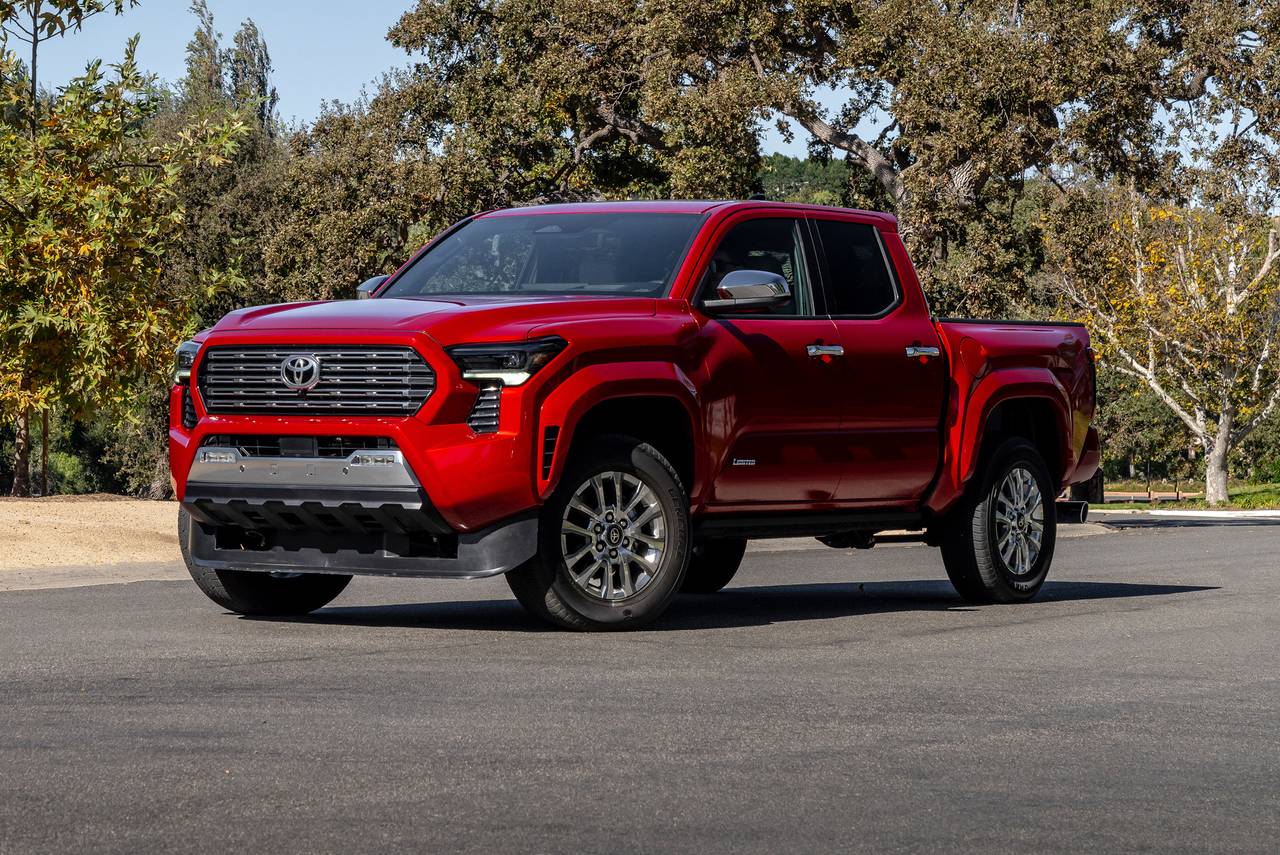
A pickup truck may carry a sticker price of $45,000, $60,000, or well beyond $80,000, but the amount an automaker spends to build it is far lower than the number printed on the window. That difference does not mean manufacturers simply pocket the gap.
Between the factory floor and the dealership, a truck absorbs the cost of engineering, raw materials, labor, shipping, warranty coverage, advertising, dealer incentives, regulatory compliance, and corporate overhead.
That is why there is no single answer to the question, “What does it cost to build a pickup truck?” The answer changes depending on whether the vehicle is a basic work truck, a well-equipped half-ton model, a heavy-duty diesel, or a luxury pickup with leather, cameras, premium audio, and advanced driver-assistance technology.
Still, the broad economics are clear. A mainstream full-size pickup that retails for around $55,000 may carry direct manufacturing costs in the neighborhood of $30,000 to $40,000 before the manufacturer adds the many expenses that exist outside the assembly plant.
A high-end truck can cost much more to build, but it can also generate far more revenue per unit.
The pickup business remains one of the most important profit engines in the American auto industry because trucks combine high transaction prices, strong customer loyalty, extensive option packages, and enormous production scale.
The Ford Motor Company F-Series, General Motors’ full-size trucks, and Stellantis’ Ram lineup are not simply popular vehicles. They are central financial products for the companies that build them.
Also Read: 10 Cars Faster Than a Lamborghini for Under $50,000
The Sticker Price Is Not the Factory Cost
The first mistake many people make is assuming that a $60,000 pickup costs nearly $60,000 to manufacture. It does not.
The manufacturer’s suggested retail price includes several layers of value added after the truck leaves the factory. The dealer needs room to make money.
The automaker must cover distribution, marketing, warranty reserves, research and development, corporate operations, and future product investment. Incentives and discounts can also reduce the amount the manufacturer actually receives.
A truck listed at $60,000 may not sell for $60,000. A dealer could discount it, offer special financing, add trade-in support, or include manufacturer-backed incentives.
The automaker may receive a wholesale amount that is lower than the final retail transaction price, while the dealer earns money through the sale, financing, service, accessories, and trade-in activity.
That means a pickup’s sticker price should not be treated as a direct measure of manufacturing profit.
The true calculation begins with direct costs: steel or aluminum, powertrain components, electronics, tires, seats, glass, paint, wiring, labor, and the thousands of smaller parts supplied by outside companies. From there, the company adds the cost of operating the plant and supporting the truck long after it is delivered.
Materials Consume the Largest Share
Raw materials and purchased components make up the largest portion of a pickup truck’s direct manufacturing cost.
A modern full-size truck contains a frame, body panels, suspension components, brakes, wheels, tires, wiring harnesses, seats, glass, electronics, safety equipment, powertrain hardware, and increasingly expensive infotainment systems.
The basic materials alone are substantial because pickups are physically large and engineered to carry heavy loads.
Steel remains important for frames, suspension pieces, brackets, fasteners, and structural components. Aluminum has become especially significant in the half-ton segment, particularly for the Ford F-150, which uses an aluminum-intensive body.
Reuters reported in June that Ford’s dependence on aluminum supply from Novelis became so important that disruptions at the supplier’s New York facility affected Ford’s financial outlook and truck production planning.
Aluminum can reduce weight and improve fuel economy, but it is not a simple low-cost substitute for steel. It requires specialized supply chains, manufacturing processes, repair considerations, and long-term purchasing agreements.
Then there is the powertrain. A basic turbocharged four-cylinder or V6 costs less than a heavy-duty diesel engine paired with a reinforced transmission, upgraded cooling system, larger axles, and towing hardware.
Hybrid systems add batteries, electric motors, inverters, and more complex software. A luxury truck can also include panoramic roofs, massaging seats, large digital displays, premium audio, multi-camera systems, and advanced towing technology. Each feature raises both the parts bill and the complexity of assembly.
The Engine and transmission are major cost centers.
The powertrain is one of the most expensive systems in any pickup truck. A work-oriented truck with a naturally aspirated gasoline engine and conventional automatic transmission is comparatively straightforward.
It still requires sophisticated manufacturing, emissions equipment, engine-control software, and extensive testing, but the component count remains manageable.
A turbocharged engine adds hardware such as turbochargers, intercoolers, additional plumbing, stronger internal components, and more demanding cooling requirements. A hybrid pickup adds even more.
Battery modules, high-voltage cables, power electronics, electric motors, thermal-management systems, and specialized safety systems all increase direct costs. Heavy-duty trucks can be even more expensive.
A diesel engine is not simply a gasoline engine with a different fuel system. It must withstand higher compression forces and includes expensive fuel-injection equipment, turbocharging hardware, emissions-control systems, exhaust after-treatment components, and cooling capacity designed for sustained towing.
The transmission, driveshaft, axles, brakes, and suspension may also need to be upgraded to handle higher torque and payload ratings.
That is one reason a diesel heavy-duty pickup can cost dramatically more to manufacture than a basic half-ton truck, even before luxury features are added.
Labor Is Important, But It Is Not the Biggest Cost
Many buyers assume assembly-line wages are the largest reason trucks are expensive. Labor matters, particularly in North American plants with skilled union workforces, but it is usually smaller than the cost of materials and supplier components.
Building a pickup requires hundreds of workers across stamping, body assembly, paint, final assembly, quality control, logistics, maintenance, and engineering support. The final assembly process also depends on highly automated equipment, including robots that weld, seal, paint, and move components.
Labor cost includes more than hourly wages. It includes benefits, pensions, healthcare obligations, overtime, training, safety programs, plant maintenance, and the cost of keeping skilled employees available even when production schedules change.
A modern truck plant is therefore an expensive operation long before a single vehicle reaches the line.
Yet labor is only one part of the equation. A pickup contains thousands of purchased parts, many supplied by specialized companies. Seats may come from one supplier, headlights from another, infotainment hardware from another, and electronic modules from several more. The automaker pays for those parts before it can complete the truck.
Factory Investment Must Be Spread Across Every Truck
A pickup factory is not just a building with a moving assembly line. It is a multibillion-dollar industrial system.
Automakers invest heavily in stamping presses, body shops, paint facilities, robotics, tooling, quality-control equipment, software systems, testing centers, and supplier logistics.
Before a new truck generation reaches dealerships, the manufacturer may spend years developing the platform, validating durability, conducting crash tests, certifying emissions systems, and preparing factories for production.
Those costs must be spread across the life of the vehicle program. If a manufacturer spends billions developing a new full-size truck platform, the company needs to sell large volumes over several years to recover that investment.
This is why pickup trucks are so valuable. Their high sales volume and long product cycles allow automakers to spread engineering and factory costs across millions of units.
A niche truck with low sales volume may be expensive to develop even if its parts are not especially costly. A popular full-size pickup can be more profitable because the company builds enough of them to reduce the per-unit burden of development and tooling.
Technology Is Raising the Cost of Every New Truck
A modern pickup is no longer just a frame, engine, cab, and bed. It is a rolling network of computers.
Even a midlevel truck may include radar sensors, cameras, blind-spot monitoring, automatic emergency braking, adaptive cruise control, trailer-assist features, wireless smartphone connectivity, digital instrument displays, over-the-air update capability, and multiple electronic control modules.
Luxury models add even more. Large touchscreens, head-up displays, premium sound systems, 360-degree camera views, hands-free driving hardware, power running boards, ventilated seats, and advanced trailer-monitoring systems all increase manufacturing cost.
The customer may see these as options, but the automaker must source, validate, install, program, and warranty them.
Software has also become a major expense. Manufacturers must employ engineers to develop vehicle operating systems, cybersecurity protections, diagnostic tools, mobile apps, connected services, and update systems. These costs are not visible on a window sticker, but they are built into the economics of every truck.
Shipping, Advertising, and Warranty Costs Add Up
The cost of building the truck does not end when it leaves the assembly plant. A completed pickup must be transported by rail and truck to dealerships across the country.
Freight costs can vary depending on fuel prices, distance, capacity, and delivery conditions. Trucks built in the Midwest may travel thousands of miles before reaching buyers on the coasts. Then come advertising and incentives.
Pickup trucks are heavily marketed because the segment is fiercely competitive. Manufacturers spend money on television campaigns, sports sponsorships, digital advertising, dealer programs, regional promotions, and special financing offers. A truck may also receive cash incentives or subsidized interest rates to keep monthly payments competitive.
Warranty reserves are another major factor. Every truck sold carries the possibility of future repairs. The automaker must estimate likely warranty claims involving engines, transmissions, electronics, paint, infotainment systems, recalls, and other components.
A truck that looks profitable at the time of sale can become less profitable if warranty expenses rise sharply later.
Dealers Also Take a Share of the Economics
The dealership is a separate business from the automaker. When a manufacturer sells a truck to a franchised dealer, the dealer typically pays a wholesale amount. The dealer then sells the vehicle to the retail customer, often at a price that includes some margin above its acquisition cost.
That does not mean dealers keep every dollar between invoice and sticker price. They also face expenses including floorplan interest, sales staff, facility costs, advertising, reconditioning, insurance, and local taxes. But it does mean the automaker does not receive the full retail sticker price in a simple one-to-one transaction.
This is why a truck’s MSRP can be misleading when people try to calculate manufacturer profit.
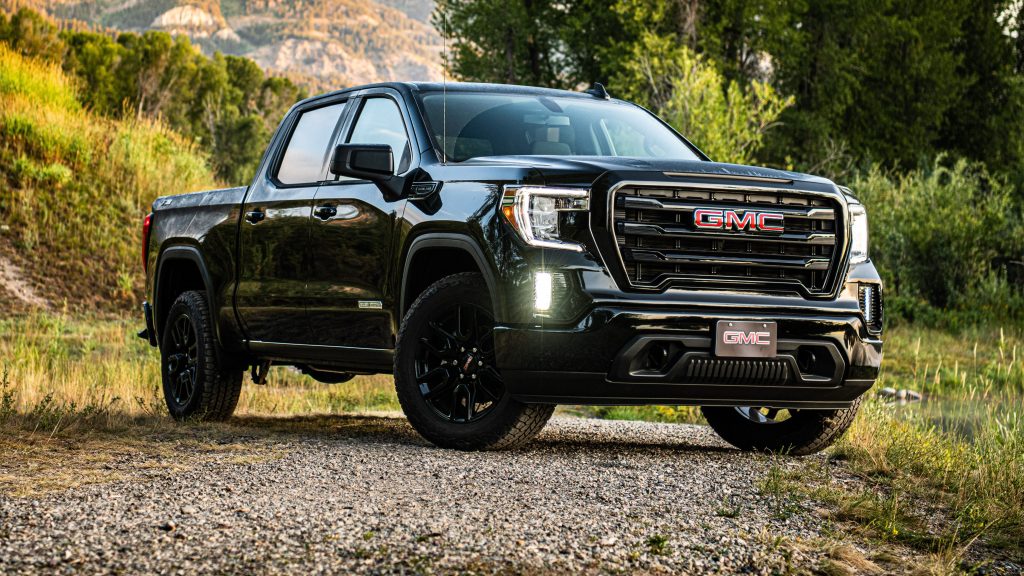
The automaker’s revenue depends on wholesale pricing, incentives, production costs, and the mix of trims sold. The dealer’s profitability depends on its transaction price, financing income, accessories, trade-ins, service work, and inventory costs.
Why Luxury Trucks Can Be So Profitable
The most profitable pickups are often not the base work trucks. They are the well-equipped models with high-margin options.
A manufacturer may spend a relatively modest additional amount to install leather upholstery, larger wheels, premium audio, advanced cameras, upgraded displays, power tailgates, and appearance packages. Yet those options can add thousands of dollars to the retail price.
That does not mean the features are cheap. Some, particularly electronics and luxury seating, carry a meaningful cost. But option pricing can create stronger margins than the basic truck itself.
This is why full-size pickups have moved so far upmarket. Buyers increasingly use them as family vehicles, long-distance commuters, tow rigs, and luxury transportation. Automakers have responded with trims that can rival premium SUVs in price and equipment.
The result is a truck market where a basic work model and a luxury trim may share the same basic platform but generate very different financial outcomes.
The Real Answer Depends on the Truck
There is no honest single number for what it costs to build a pickup. A basic midsize truck may have a far lower direct cost than a fully loaded heavy-duty diesel. A high-volume half-ton truck benefits from enormous scale.
A hybrid or electric pickup carries a more expensive battery and electronics content. A luxury model may add substantial revenue without increasing manufacturing cost at the same rate.
What can be said with confidence is that the automaker’s profit is much smaller than the gap between factory cost and sticker price might suggest.
The truck must pay for materials, labor, factory investment, engineering, software, transportation, marketing, incentives, warranty obligations, dealer economics, and corporate overhead. Only after those costs are covered does the manufacturer earn a true profit.
That is why pickups matter so much to Detroit. They are expensive to design and build, but when production is efficient, demand is strong, and buyers choose higher trims, they can become the financial backbone of an entire automaker.
Also Read: 10 Little-Known Features in the Mazda CX-5
