
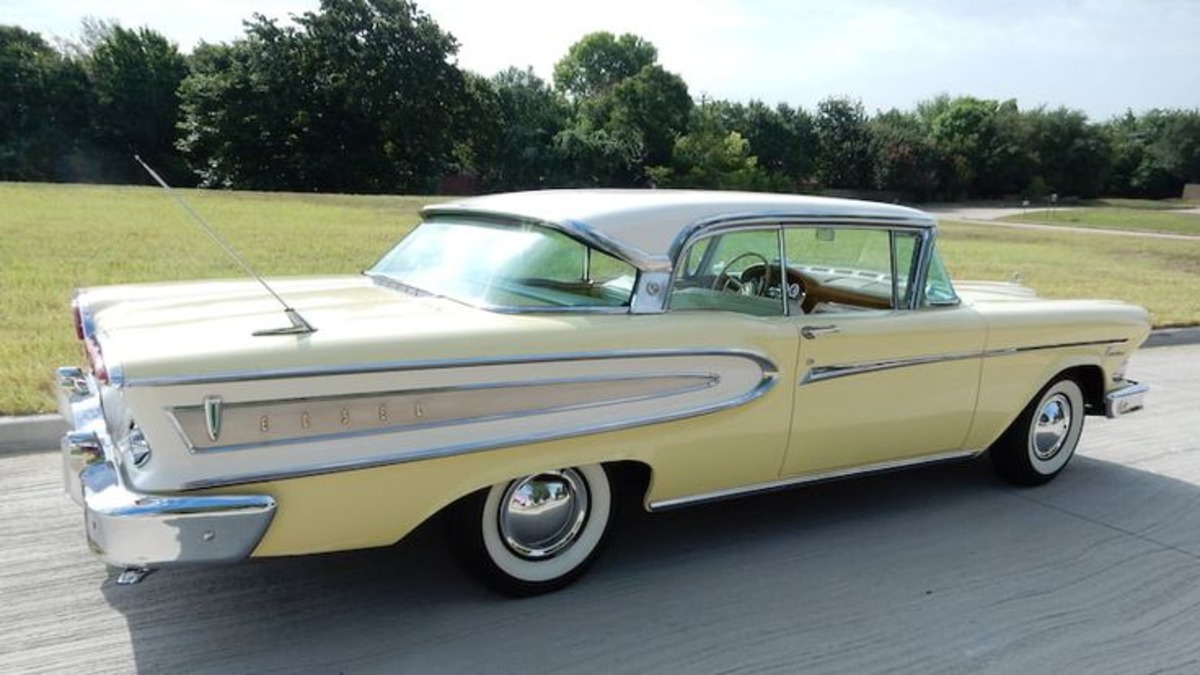
The automotive industry has long been driven by innovation, with manufacturers continually introducing new ideas in design, engineering, safety, and technology. While some groundbreaking vehicles transformed the industry, others failed commercially despite offering advanced concepts far ahead of their time. In many cases, these failures were not due to poor engineering but because consumers and the market were not ready to embrace the innovations being introduced.
Many of these overlooked vehicles pioneered features that later became common, including electric powertrains, hybrid systems, digital instrument clusters, lightweight construction, and futuristic styling. At the time, however, such technologies were often considered too expensive, impractical, or unconventional for mainstream buyers.
This article examines ten cars that introduced revolutionary ideas yet struggled in the marketplace due to factors such as high production costs, ineffective marketing, or limited consumer acceptance. Despite their lack of commercial success, these vehicles helped shape the future of automotive development. Their stories highlight how innovation often requires time, multiple attempts, and changing market conditions before revolutionary concepts gain widespread acceptance and become industry standards.
Also Read: 7 Most Reliable Motorcycles You Can Buy Today
- Engine: 2.85L PRV V6 (Petrol)
- Horsepower: 130 to 140 hp
- Torque: 207 Nm (153 lb-ft)
- Length: 4267 mm
- Width: 1858 mm
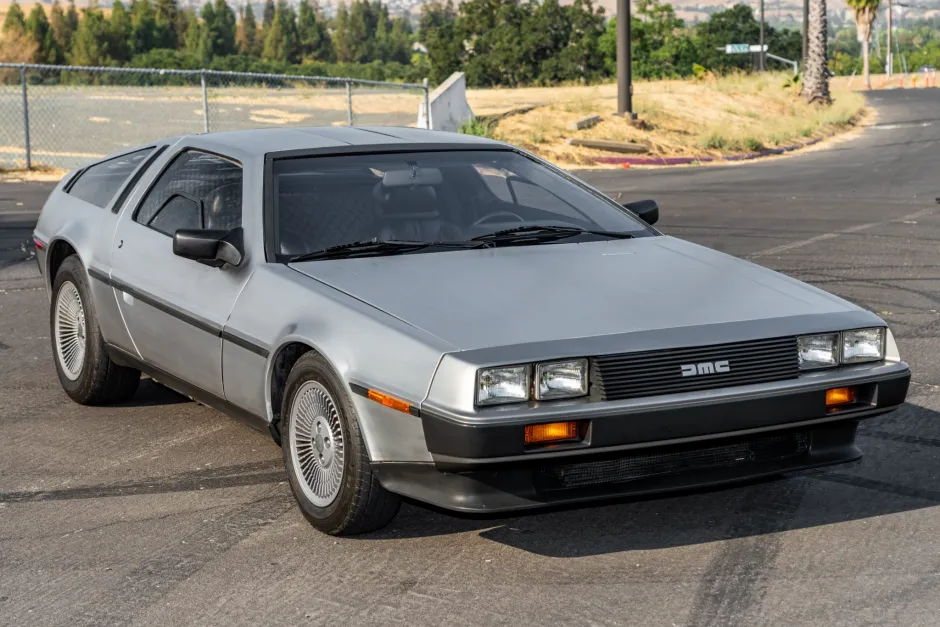
1. DeLorean DMC-12
The DeLorean DMC-12 remains one of the most fascinating examples of a car that was significantly ahead of its time yet failed to achieve commercial success. Introduced in the early 1980s, the vehicle immediately attracted attention because of its futuristic appearance.
Unlike most sports cars of the era, the DMC-12 featured unpainted stainless steel body panels that gave it a distinctive and almost concept car like presence. Combined with its dramatic gullwing doors, the car looked like something from the future rather than a product of its time. Even decades after production ended, the vehicle continues to stand out as one of the most recognizable automotive designs ever created.
Despite its groundbreaking appearance, the DMC-12 struggled to meet expectations in terms of performance. The car was marketed as a sports car, but its engine output was relatively modest compared to rivals from Europe and Japan. Drivers expected thrilling acceleration and sharp handling, yet many found the performance merely adequate.
While the vehicle provided a comfortable driving experience and attracted attention wherever it went, it lacked the dynamic qualities that many sports car buyers desired. This mismatch between appearance and performance became one of the key criticisms of the vehicle.
Although the DMC-12 failed as a commercial product, its legacy has grown considerably over time. The car eventually became a cultural icon and is now celebrated as one of the most memorable vehicles ever produced. Collectors and enthusiasts admire its unique design, and it frequently appears in discussions about automotive innovation.
The DMC-12 demonstrates that a vehicle can fail in the marketplace while still leaving a lasting impact on automotive history. Its bold design choices continue to inspire modern manufacturers seeking to create distinctive and futuristic automobiles.
- Engine: Electric induction motor
- Horsepower: 137 hp
- Torque: around 149 lb-ft (approx. 200 Nm)
- Length: 4310 mm
- Width: 1760 mm
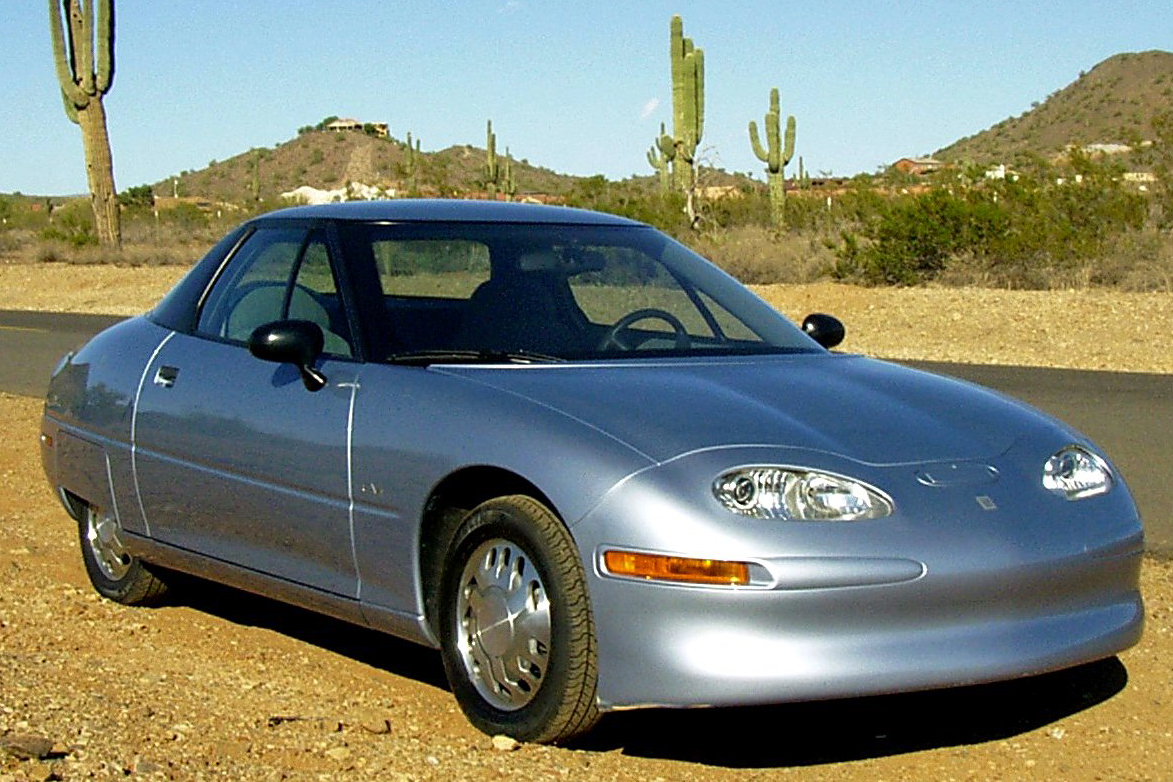
2. General Motors EV1
The General Motors EV1 was one of the most ambitious automotive projects of the twentieth century. At a time when electric vehicles were considered impractical and niche products, General Motors invested heavily in developing a fully electric passenger car for everyday use.
The result was a vehicle that anticipated many of the trends shaping the automotive industry today. Long before electric vehicles became common, the EV1 demonstrated that a major manufacturer could build a dedicated electric car designed specifically for modern transportation needs.
One of the most impressive aspects of the EV1 was its aerodynamic design. Engineers focused extensively on reducing drag in order to maximize efficiency and extend driving range. The vehicle featured a sleek body shape that allowed it to move through the air with minimal resistance.
This emphasis on aerodynamics is now a defining characteristic of many modern electric vehicles, but at the time, it was an unusually advanced approach. Combined with lightweight construction and efficient engineering, the EV1 represented a significant technological achievement.
- Engine: 3.9L to 6.7L V8 (varied across trims)
- Horsepower: approximately 303 to 345 hp (top variants)
- Torque: approximately 500 to 580 Nm (varies by engine)
- Length: around 5400 mm
- Width: around 2000 mm
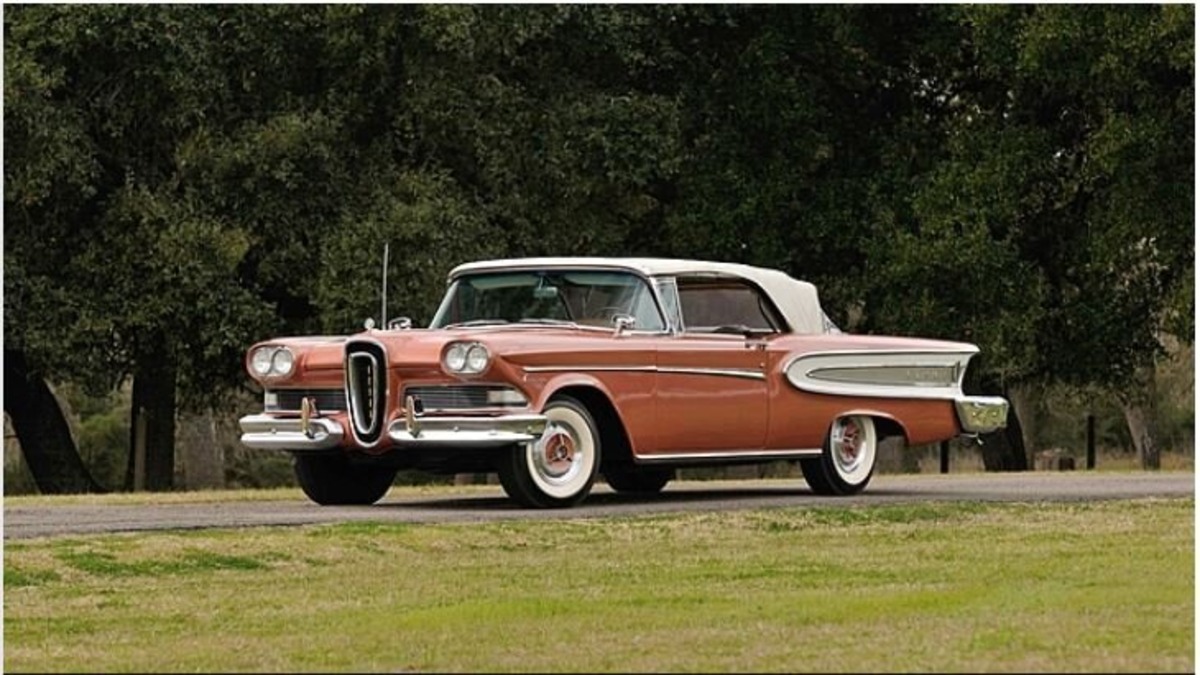
3. Ford Edsel
The Ford Edsel is often cited as one of the most famous automotive failures in history, yet the story is far more complex than a simple product disaster. Introduced in the late 1950s, the Edsel was intended to fill a strategic gap within Ford’s lineup and attract consumers seeking a blend of luxury, innovation, and style.
The company invested enormous resources into research, development, and marketing, believing the new brand would become a major success. Expectations were exceptionally high, making the eventual disappointment even more significant.
One of the reasons the Edsel was considered ahead of its time was its emphasis on new features and technology. The vehicle introduced innovative controls and styling elements that distinguished it from competing models.
Ford attempted to create a unique identity for the brand by incorporating design details that were unlike anything else on the road. This willingness to experiment demonstrated a forward-thinking approach, even though many consumers found the results unconventional.
Although the Edsel failed commercially, it remains an important case study in automotive history. The lessons learned from its development, marketing, and launch influenced future product planning throughout the industry.
Manufacturers became more careful about understanding consumer preferences, market timing, and brand positioning. Today, the Edsel is remembered not only for its shortcomings but also for its willingness to challenge convention. Its story demonstrates that innovation alone cannot guarantee success if market conditions and consumer expectations are not aligned.
- Engine: 3.0L V6 Petrol
- Horsepower: 207 hp
- Torque: 290 Nm
- Length: 4640 mm
- Width: 1830 mm
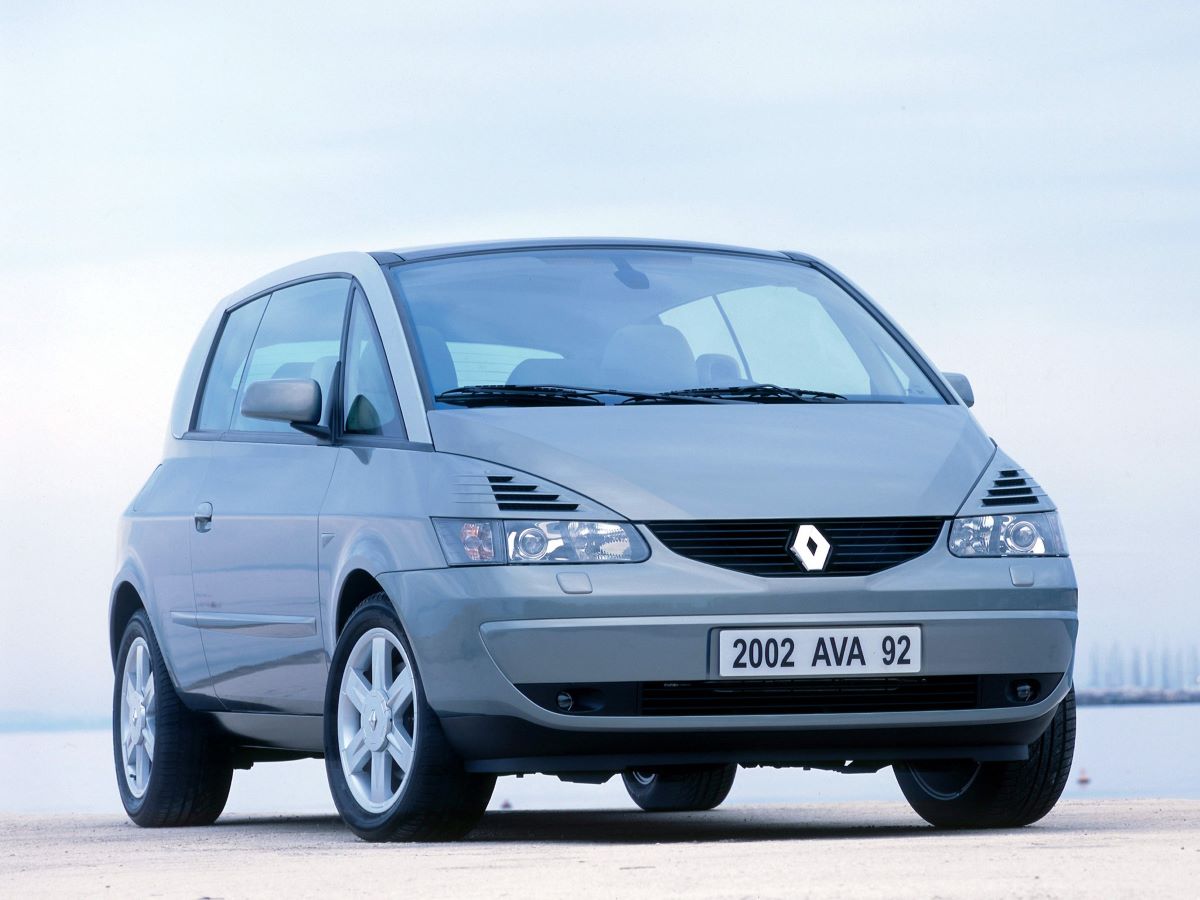
4. Renault Avantime
The Renault Avantime was one of the most unconventional vehicles ever offered to the public. Introduced in the early 2000s, it challenged traditional automotive categories by combining elements of a luxury coupe, a family vehicle, and a grand tourer into a single package.
At a time when manufacturers generally followed established market segments, the Avantime attempted to create an entirely new concept. This ambitious vision made it one of the most distinctive and forward-thinking vehicles of its generation.
The interior of the Avantime was particularly innovative. Designers focused on creating an airy and luxurious environment that felt more like a premium lounge than a conventional automobile. Large windows allowed natural light to fill the cabin, while high-quality materials enhanced the sense of refinement.
The vehicle encouraged long-distance comfort and relaxed travel, qualities that are now highly valued in modern family-oriented vehicles. At the time, however, many consumers struggled to understand the concept.
One of the primary reasons for Avantime’s commercial failure was its difficulty fitting into existing market categories. Customers seeking practical transportation often chose traditional minivans, while those interested in stylish performance vehicles preferred established coupe models.
Because the Avantime occupied a unique position between these segments, it lacked a clearly defined target audience. This made marketing challenging and limited its appeal despite its numerous strengths.
In retrospect, the Avantime can be viewed as a precursor to many of today’s premium crossover and SUV models. Modern consumers increasingly seek vehicles that combine comfort, practicality, elevated seating positions, and stylish design.
These characteristics were central to Avantime’s identity years before they became mainstream preferences. Although sales were disappointing, the vehicle demonstrated remarkable foresight regarding future automotive trends and remains a respected example of creative automotive thinking.
- Engine: 3.3L EG33 Flat-6
- Horsepower: 230 hp
- Torque: 309 Nm
- Length: 4620 mm
- Width: 1770 mm
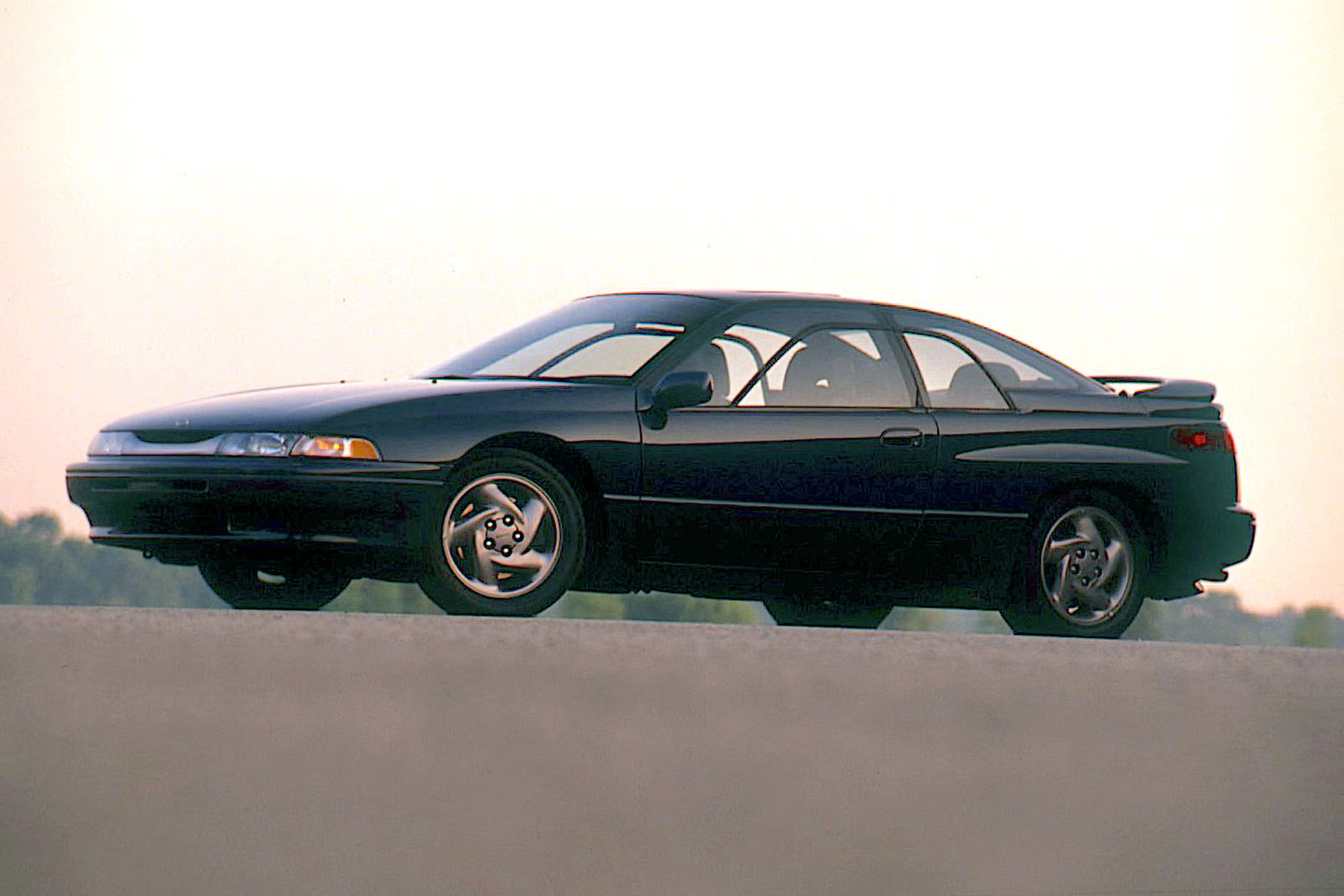
5. Subaru SVX
The Subaru SVX was one of the most ambitious projects ever undertaken by Subaru. Introduced in the early 1990s, the grand touring coupe represented a significant departure from the company’s traditional focus on practical and affordable vehicles.
The SVX was designed to showcase advanced engineering, distinctive styling, and premium features, positioning Subaru in a market segment that was dominated by established luxury and performance brands.
One of the most striking aspects of the SVX was its appearance. Designed with input from renowned automotive stylists, the vehicle featured a sleek, aerodynamic shape that looked futuristic even years after its introduction.
Its most recognizable characteristic was the innovative window within a window design, which created a unique visual identity while improving aerodynamics. This feature immediately distinguished the car from competitors and demonstrated Subaru’s willingness to experiment with unconventional ideas.
Despite its strengths, the SVX faced significant market challenges. Its price placed it in direct competition with vehicles from luxury manufacturers that had stronger reputations in the grand touring segment.
Many consumers found it difficult to justify spending premium money on a Subaru, regardless of the vehicle’s quality and engineering. Additionally, the coupe market itself was becoming increasingly competitive, making it difficult for a newcomer to gain substantial market share.
Over time, the Subaru SVX has earned recognition as an underrated automotive achievement. Enthusiasts appreciate its distinctive styling, advanced technology, and unique place in Subaru’s history.
The vehicle demonstrated that the company was capable of producing sophisticated and ambitious automobiles beyond its traditional offerings. Although it failed to achieve strong sales during its production run, the SVX remains an important example of how innovation can be appreciated long after a product leaves the market.
Also Read: 10 Cars That Drove Over 800,000 Miles
- Engine options:
- 2.2L Turbo Inline-4 (Maserati tuned)
- 3.0L V6 (Mitsubishi sourced)
- Horsepower: 141 to 200 hp (depending on version)
- Torque: 271 Nm (2.2 Turbo variant peak)
- Length: 4440 mm
- Width: 1750 mm
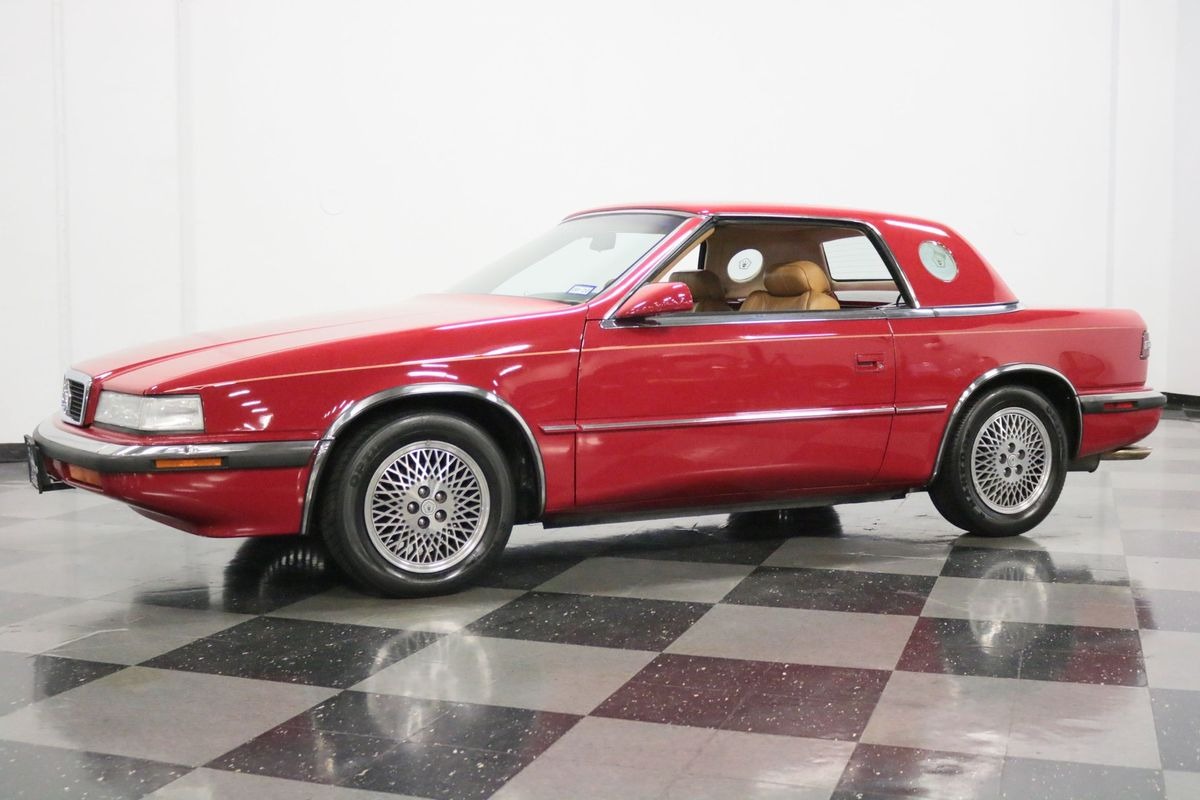
6. Chrysler TC by Maserati
The Chrysler TC by Maserati stands as one of the most ambitious partnerships in automotive history. In the 1980s, Chrysler aimed to strengthen its premium appeal by joining forces with Maserati, an Italian marque renowned for luxury craftsmanship and high performance.
The goal was to create a sophisticated grand touring convertible that combined European craftsmanship with American practicality. At the time, international partnerships of this scale were relatively uncommon, making the project an innovative attempt to blend two distinct automotive philosophies into a single product.
From a design perspective, the TC by Maserati offered a level of luxury that exceeded many Chrysler products of the era. The vehicle featured handcrafted interior elements, premium leather upholstery, and carefully designed trim pieces intended to create an upscale experience.
Buyers were presented with a car that emphasized comfort and exclusivity rather than pure performance. The attention to detail reflected Maserati’s influence and demonstrated Chrysler’s desire to compete in a higher market segment.
The vehicle also incorporated advanced features for its time. Electronic systems, premium audio options, and sophisticated comfort features were included to appeal to affluent buyers seeking modern conveniences.
The TC was positioned as a personal luxury car that could serve as both a stylish commuter and a comfortable long-distance tourer. In theory, it offered a compelling combination of prestige and practicality that should have attracted considerable interest.
Today, the Chrysler TC by Maserati is viewed as an interesting experiment in international collaboration. While it failed to achieve commercial success, it demonstrated the potential benefits and challenges of combining expertise from different automotive cultures.
The project highlighted the growing globalization of the industry and foreshadowed the partnerships that would become increasingly common in later decades. As a result, the TC remains a noteworthy chapter in automotive history despite its commercial shortcomings.
- Engine options:
- 4.0L V8
- 5.0L and 5.6L V12
- Horsepower: 286 hp to 380 hp
- Torque: 400 Nm to 550 Nm
- Length: 4780 mm
- Width: 1855 mm
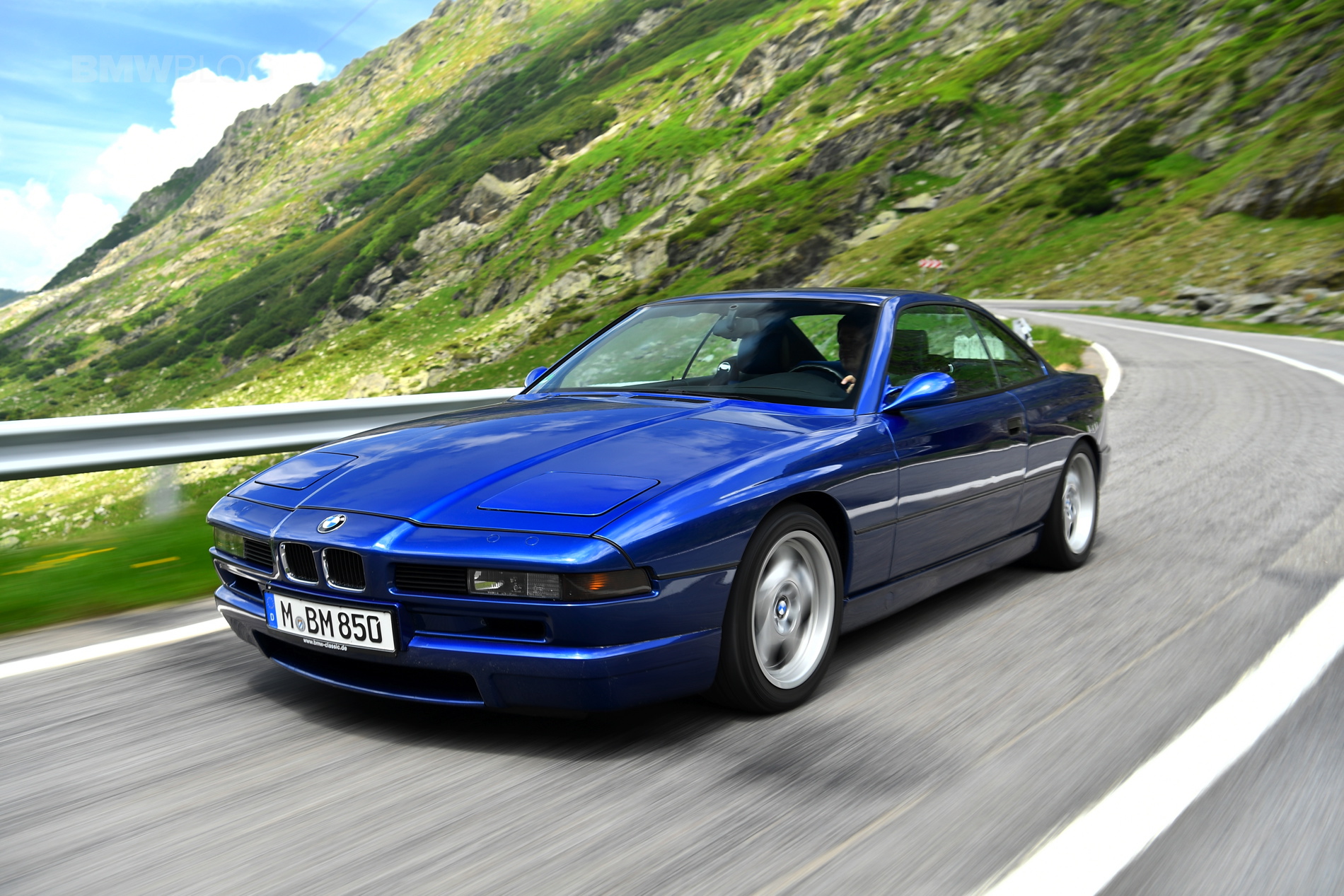
7. BMW 8 Series (E31)
The BMW 8 Series (E31) was conceived as a technological flagship that would showcase the company’s engineering capabilities. Introduced at the end of the 1980s, it represented a major leap forward in terms of luxury, performance, and innovation.
Rather than serving as a simple replacement for existing grand touring models, the E31 was designed to establish new standards for what a premium coupe could achieve. It entered the market as one of the most advanced vehicles BMW had ever produced.
One of the car’s defining characteristics was its extensive use of cutting-edge technology. The E31 featured sophisticated electronic systems, advanced suspension engineering, and powerful engine options that included both V8 and V12 configurations.
Engineers devoted significant effort to improving handling, comfort, and high-speed stability. These innovations helped position the vehicle at the forefront of automotive development and demonstrated BMW’s commitment to pushing technological boundaries.
The design of the E31 also reflected a forward-looking philosophy. Its sleek bodywork, pop-up headlights, and aerodynamic profile gave it a modern appearance that still attracts admiration today. The interior was equally impressive, combining luxury materials with advanced controls and driver-focused ergonomics. Every aspect of the vehicle was intended to create an experience that felt premium, exclusive, and technologically sophisticated.
Over time, the BMW 8 Series E31 has gained recognition as one of the most significant grand touring cars of its era. Enthusiasts value its combination of performance, comfort, and technological advancement.
Many features that were once considered groundbreaking have since become standard throughout the industry. Although sales fell short of expectations, the E31 succeeded in demonstrating what was possible when engineering ambition was given priority over short-term commercial considerations.
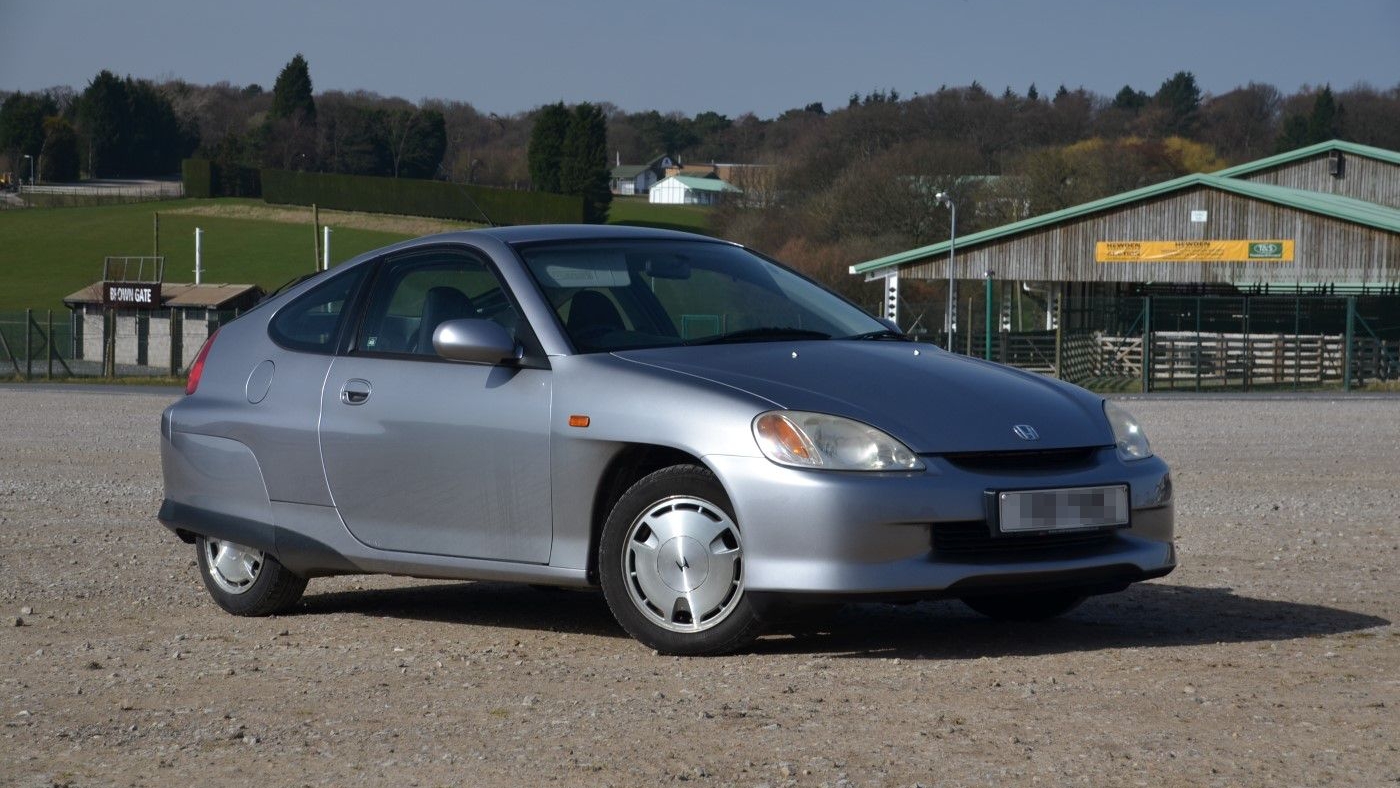
- Engine: 1.0L 3-cylinder + electric assist (IMA system)
- Horsepower: 73 hp (combined system output)
- Torque: approximately 167 Nm (system combined)
- Length: 3945 mm
- Width: 1695 mm
8. Honda Insight (First Generation)
The first-generation Honda Insight was one of the earliest examples of a production hybrid vehicle designed for maximum fuel efficiency.
Released at a time when environmental concerns were beginning to influence consumer behavior, the Insight represented Honda’s vision for the future of transportation. It demonstrated that significant reductions in fuel consumption could be achieved without sacrificing everyday usability. This concept would later become a central objective for automakers around the world.
A major reason the Insight was ahead of its time was its focus on lightweight construction. Honda engineers utilized aluminum extensively throughout the vehicle to reduce weight and improve efficiency.
This approach allowed the car to achieve remarkable fuel economy figures that were difficult for conventional vehicles to match. Today, lightweight materials are widely used in modern automotive design, but the Insight was among the pioneers of this strategy.
The hybrid powertrain itself was another innovative feature. By combining a gasoline engine with electric assistance, the vehicle improved efficiency while maintaining familiar driving characteristics.
At a time when many consumers were unfamiliar with alternative propulsion systems, the Insight offered a practical introduction to hybrid technology. It demonstrated that electrification could enhance fuel economy without requiring major lifestyle changes.
Despite its engineering achievements, the Insight struggled to achieve widespread popularity. Its unusual appearance, compact dimensions, and limited passenger capacity made it less appealing to mainstream buyers.
Many consumers still prioritized size, performance, and traditional styling over fuel efficiency. Additionally, gasoline prices during parts of its production period were not high enough to motivate large numbers of drivers to adopt hybrid technology.
In retrospect, the first-generation Insight was a landmark vehicle that helped establish the viability of hybrid automobiles.
The lessons learned from its development influenced future generations of fuel-efficient vehicles and contributed to the broader acceptance of electrified transportation. Although it was not a major commercial success, its impact on automotive innovation remains significant and enduring.
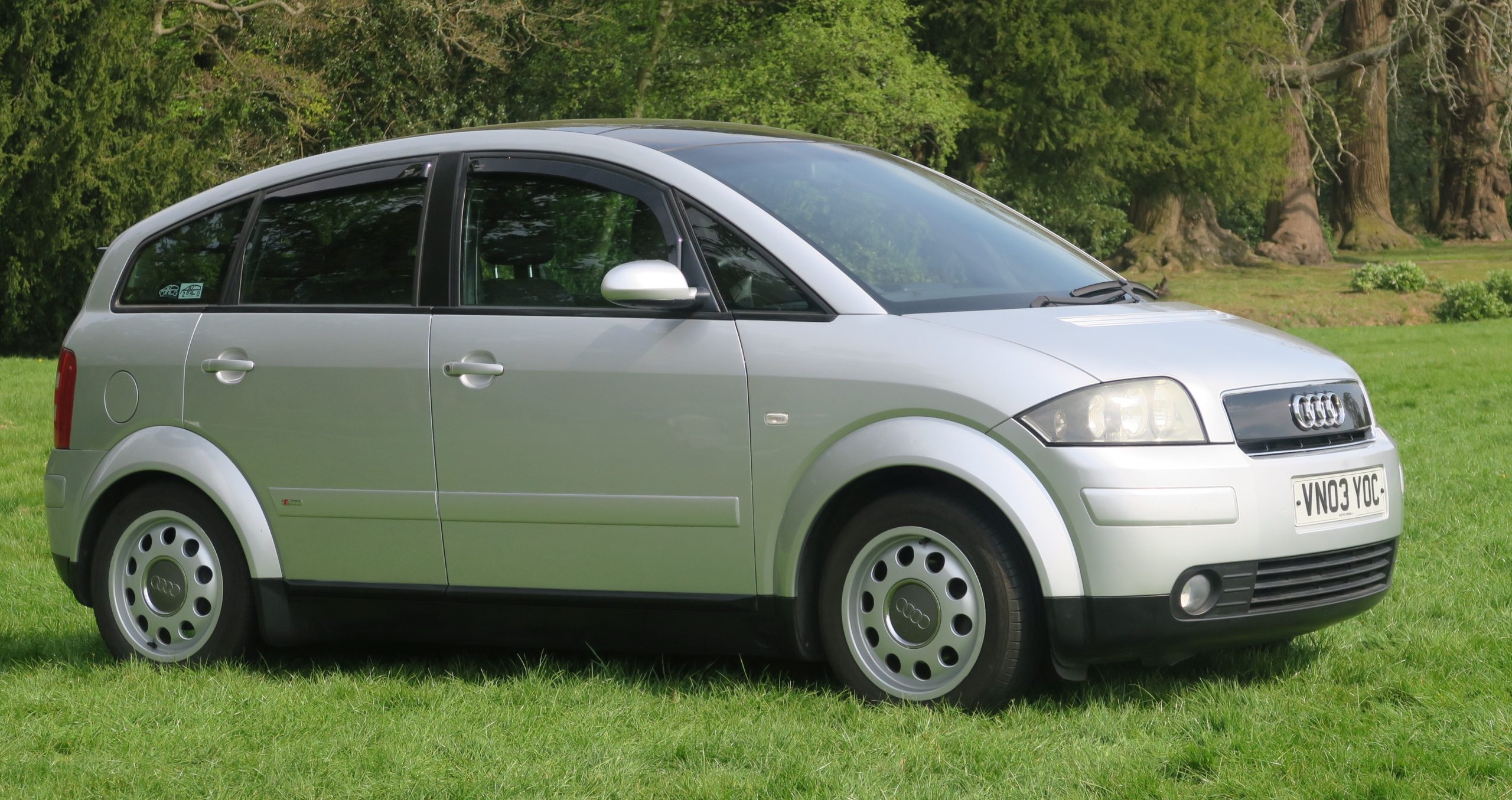
- Engine options:
- 1.4L Petrol (75 hp)
- 1.2L TDI Diesel (61 hp)
- Torque: 126 to 140 Nm
- Length: 3826 mm
- Width: 1673 mm
9. Audi A2
The Audi A2 was a remarkable example of engineering innovation applied to a compact vehicle. Introduced at the turn of the millennium, it challenged conventional assumptions about small cars by incorporating advanced materials and premium construction techniques.
Audi sought to create a vehicle that combined efficiency, practicality, and technological sophistication in a package that would stand apart from competitors. The result was a car that many experts now consider one of the most forward-thinking designs of its era.
The vehicle’s aerodynamic design further enhanced its efficiency. Engineers carefully shaped the body to minimize air resistance and maximize fuel savings.
The combination of low weight and aerodynamic efficiency produced impressive performance in terms of economy and environmental impact. These priorities anticipated many of the trends that would later dominate automotive development as manufacturers sought to improve sustainability.
Today, the Audi A2 is often regarded as an underrated masterpiece of automotive engineering. Its emphasis on lightweight construction, efficiency, and innovative design anticipated developments that would become increasingly important in the years that followed.
While the market did not fully embrace the vehicle during its production run, its influence can be seen in many modern approaches to automotive design and manufacturing.
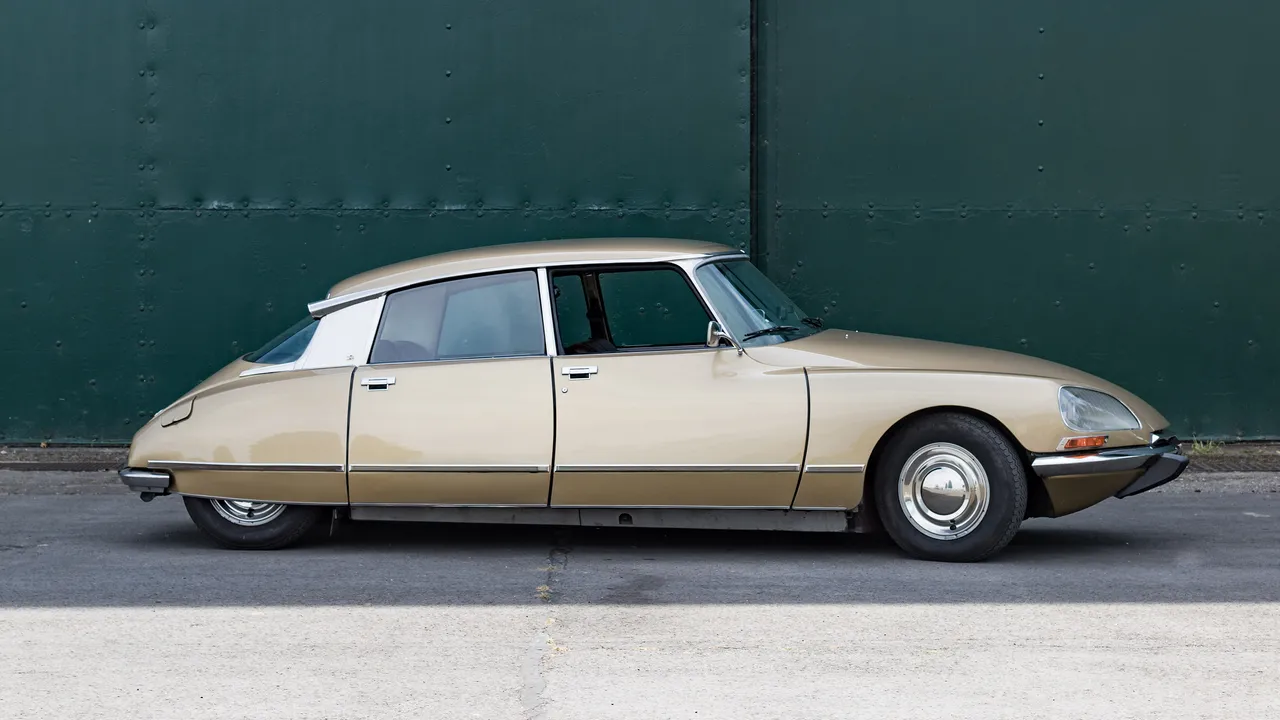
- Engine options: 1.9L to 2.3L Inline-4
- Horsepower: 75 to 130 hp (depending on version)
- Torque: approximately 147 to 200 Nm
- Length: 4870 mm
- Width: 1800 mm
10. Citroën DS
The Citroën DS is widely regarded as one of the most revolutionary automobiles ever produced. Introduced during the mid twentieth century, it stunned audiences with a combination of futuristic styling and advanced engineering.
At a time when many vehicles followed traditional design principles, the DS offered a vision of the future that seemed decades ahead of contemporary automobiles. Its introduction marked a turning point in automotive innovation and established Citroën as a leader in creative engineering.
One of the vehicle’s most groundbreaking features was its hydropneumatic suspension system. This technology provided an exceptionally smooth ride by automatically adjusting to road conditions and maintaining a consistent ride height.
The system delivered levels of comfort that surpassed many luxury vehicles of the era. It also improved handling and stability, demonstrating how advanced engineering could enhance both comfort and performance simultaneously.
Despite its technological brilliance, the DS faced challenges related to complexity. The sophisticated systems that made the vehicle unique also required specialized maintenance and expertise.
In regions where qualified technicians were unavailable, ownership could become difficult. Some consumers were hesitant to adopt a car that appeared so different from established norms, limiting its acceptance in certain markets.
Nevertheless, the Citroën DS achieved a lasting legacy that extends far beyond its sales figures. It influenced automotive design, suspension technology, and engineering philosophy for decades after its introduction.
Many historians consider it one of the most important vehicles ever produced because it demonstrated how bold innovation could transform the driving experience. Even today, the DS remains a symbol of creativity, ambition, and technological progress within the automotive world.
