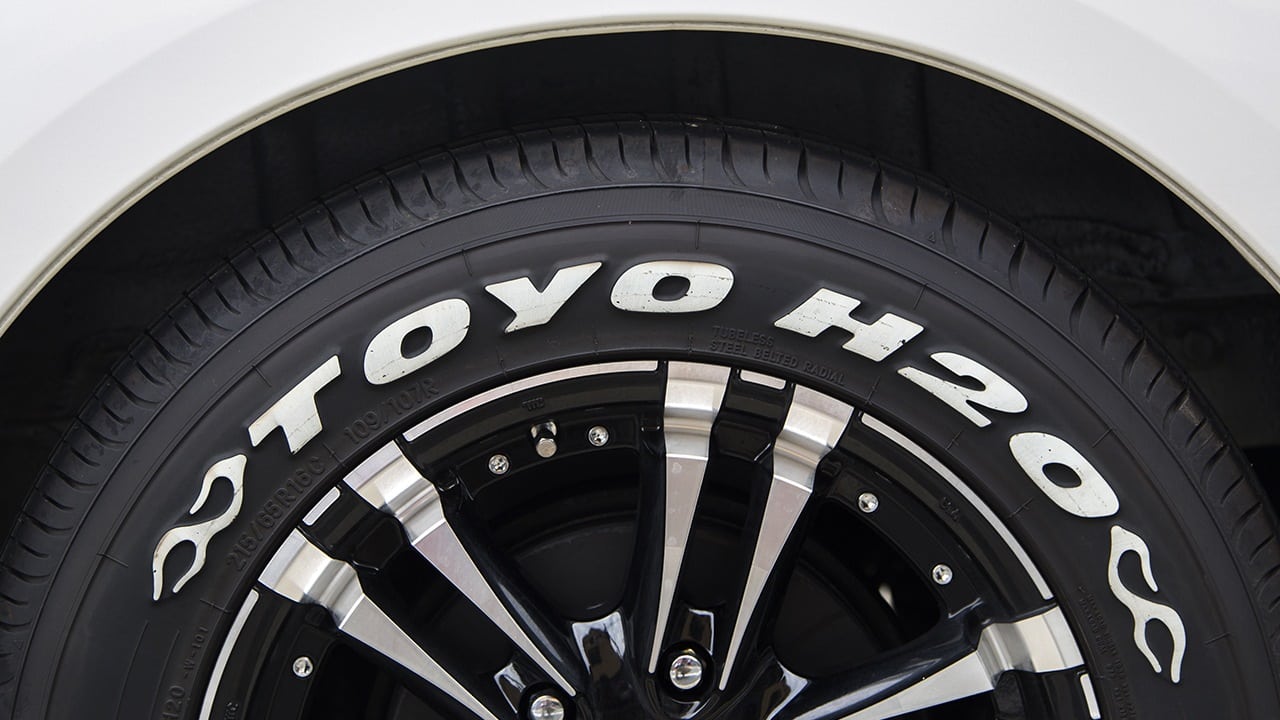
Cheap tires can look like one of the easiest ways to reduce a vehicle-maintenance bill. A set of budget tires may cost hundreds of dollars less than a set from a major brand, and when a driver is facing an unexpected replacement, the lower price at the tire shop can be hard to ignore.
But the purchase price is only the beginning of the calculation. A tire affects braking distance, wet-road grip, fuel economy, ride quality, road noise, tread life, alignment wear, and the vehicle’s ability to remain stable in an emergency.
A cheaper tire can be a good value when it meets the right safety and durability standards. It can also become more expensive than a premium option if it wears out early, reduces fuel economy, creates poor wet-weather traction, or forces the owner to replace it sooner.
The question is not whether every low-priced tire is unsafe. Many budget tire brands produce acceptable products for low-mileage commuting, older vehicles, and drivers in mild climates. The real issue is whether the tire delivers enough life and performance to justify its lower initial price.
A $90 tire that lasts 30,000 miles can cost more per mile than a $150 tire that lasts 70,000 miles. If the cheaper tire also performs worse in the rain or needs replacement after one pothole impact, the savings can disappear quickly.
Consumer Reports notes that tire performance can vary significantly in grip, braking, handling, noise, rolling resistance, and treadwear. Its test program evaluates about 40 tire models each year and uses real-world road testing to estimate tread life rather than relying only on manufacturer claims.
Also Read: Why Two Identical Cars Sell for Wildly Different Prices
The Purchase Price Can Be Misleading
The most obvious difference between cheap and premium tires is the price on the invoice. A budget all-season tire for a compact sedan may cost $75 to $110 each.
A mid-range tire may cost $120 to $160, while a premium tire from Michelin, Continental, Bridgestone, Goodyear, Pirelli, or another established brand may cost $160 to $220 or more.
For a set of four, the gap can be substantial. A driver may spend $400 for budget tires or $800 for premium tires once installation, balancing, disposal fees, and taxes are included.
That price gap makes the cheaper option appear to be the clear winner. But tire ownership is not a one-time expense. It is a cost-per-mile expense.
Consider two sets of tires. The first costs $400 and lasts 30,000 miles. The second costs $700 and lasts 60,000 miles. The budget set costs 1.33 cents per mile, while the more expensive set costs 1.17 cents per mile. The premium tire costs more at the counter but less over its usable life.
This comparison becomes more important for drivers who cover 12,000 to 15,000 miles each year. A tire that wears out 20,000 miles earlier may need replacement two years sooner, adding another installation bill, balancing charge, and possible alignment expense.
Consumer Reports has found that the best all-season tires can last as many as 97,000 miles in its testing, while the worst examples may need replacement after around 55,000 miles.
Those numbers will vary by vehicle, driving style, road conditions, and tire type, but they show why tread life matters more than the sticker price alone.
Shorter Tread Life Is Often the Biggest Hidden Cost
Budget tires often use less expensive rubber compounds and simpler tread designs. That does not automatically make them poor products, but it can affect how quickly the tread wears.
A tire with a shorter lifespan creates several costs beyond the replacement price. The driver must pay for mounting, balancing, disposal, valve stems, and possibly a new tire-pressure monitoring system service kit. If the vehicle needs an alignment because of uneven wear, that adds more money.
There is also the inconvenience of replacing tires more frequently. A driver may need to take time off work, wait at a tire shop, arrange transportation, and repeat the process years earlier than expected.
Treadwear warranties can help, but they should be read carefully. A 60,000-mile warranty does not mean every tire will reach 60,000 miles. The warranty may be prorated, require rotation records, exclude certain wear patterns, and provide credit only toward another tire from the same manufacturer.
The better question is whether the tire has a proven record of long-term wear in real driving. Consumer Reports says tread life depends on vehicle type, tire type, driving aggression, road conditions, and weather. A tire that performs well on a compact sedan may wear much faster on a heavy SUV, electric vehicle, or pickup truck.
This is especially important for EV owners. Electric vehicles are heavier than comparable gasoline cars and deliver instant torque, which can accelerate tire wear. A cheap tire may look attractive, but replacing it early can erase the savings.
Wet Braking Is Where Cheap Tires Can Become a Safety Issue
A tire’s job is not simply to roll. It must provide grip when the driver brakes, turns, accelerates, or makes an emergency maneuver.
Wet-weather performance is one of the most important differences between tire designs. Premium tires often use more advanced tread compounds, deeper water channels, and more sophisticated siping to move water away from the contact patch.
These features can improve resistance to hydroplaning and help the tire maintain grip on wet pavement.
The National Highway Traffic Safety Administration grades tire traction from AA to C. The rating measures a tire’s ability to stop on wet pavement, with AA representing the highest grade. NHTSA says a higher-rated tire should stop in a shorter distance on wet roads than a lower-rated one.
A budget tire may still carry an A traction rating and perform acceptably. But buyers should avoid assuming all tires of the same size behave the same way. Consumer Reports says its testing finds meaningful differences in wet braking, handling, ride, noise, and hydroplaning resistance across tire models.
The financial cost of poor wet grip is difficult to calculate because it may never appear on a receipt. But one avoidable collision can cost far more than the difference between budget and premium tires.
Insurance deductibles, higher premiums, repair bills, lost time, and reduced resale value can turn a small tire saving into a large expense.
Fuel Economy Can Change With Tire Choice
Tires influence fuel economy through rolling resistance, which is the energy lost as the tire rolls under the vehicle’s weight.
A tire with lower rolling resistance requires less energy to keep moving. A tire with higher rolling resistance can reduce fuel economy, particularly on long highway drives.
NHTSA estimates that a 10% reduction in rolling resistance can improve fuel economy by 1% to 2%. Consumer Reports similarly reports that a 10% reduction in rolling resistance is associated with about a 1% improvement in fuel economy.
That may not sound dramatic, but it adds up over the life of a tire. A driver who spends $2,000 annually on gasoline could lose $20 to $40 each year from a 1% to 2% fuel-economy penalty. Over five years, that can add $100 to $200 to the real cost of a lower-efficiency tire.
For hybrid and electric vehicles, rolling resistance affects driving range as well as energy cost. A tire that reduces range may force more frequent charging or make long trips less convenient.
The cheapest tire is not always the least efficient, and the most expensive tire is not always the best choice for fuel economy. Buyers should compare independent test results and look for tires designed for their vehicle type.
Ride, Noise, and Handling Also Have Value
Cheap tires can affect how a vehicle feels every day. Some budget tires create more road noise, transmit more vibration into the cabin, and produce less precise steering response.
Those issues may not matter much on an older commuter car used for short trips. They matter more on a luxury vehicle, family SUV, or long-distance highway vehicle.
A tire with weak sidewalls or poor balance can also create vibration that feels like a suspension problem. In some cases, owners spend money diagnosing wheel bearings, shocks, or alignment issues when the real problem is the tire.
Handling differences become more noticeable during emergency lane changes, highway ramps, and sudden braking. Consumer Reports warns that choosing the wrong replacement tire can adversely affect handling, ride, noise, and safety.
This does not mean every driver needs the most expensive performance tire. In fact, ultra-high-performance tires can wear faster and cost more than a quality all-season tire. The right choice is a tire that matches the vehicle, climate, load rating, and driving needs.
Cheap Tires Can Increase the Risk of Early Damage
Tire durability is not only about treadwear. A tire must resist heat, pothole impacts, cuts, sidewall damage, and heavy loads.
NHTSA’s temperature grades indicate a tire’s ability to resist heat buildup, which can contribute to deterioration, tread separation, and blowouts during sustained high-speed driving in hot weather.
A cheaper tire may use a less robust construction, making it more vulnerable to damage from potholes and rough roads. That can be especially costly on SUVs, trucks, and vehicles with large wheels and low-profile tires.
One damaged tire can create a larger bill on an all-wheel-drive vehicle. Many AWD systems require all four tires to have closely matched tread depth.
If one tire is destroyed and the remaining three are significantly worn, the owner may need to replace all four rather than just one. That turns a single pothole incident into a $700 to $1,500 expense, depending on tire size.
Maintenance Determines Whether Any Tire Delivers Value
Even an expensive tire can become a bad investment if it is neglected. NHTSA says proper inflation can save as much as 11 cents per gallon of fuel and can extend the average life of a tire by 4,700 miles. The agency also says only 19% of consumers properly inflate their tires.
Checking pressure monthly, rotating tires at the recommended interval, correcting alignment problems, and avoiding overload can extend the life of both budget and premium tires.
Drivers should also inspect tires for uneven wear, cracks, bulges, vibration, and repeated pressure loss. A tire that is cheap to buy but poorly maintained will become expensive quickly.
Cheap tires can save money upfront, but their true cost depends on how long they last, how efficiently they roll, how well they stop in the rain, and how likely they are to survive real-world road hazards.
The best value is not automatically the cheapest tire or the most expensive one. It is the tire that provides the right balance of tread life, wet traction, fuel efficiency, durability, comfort, and price for the vehicle and the driver.
A budget tire can make sense for a low-mileage commuter car driven in mild weather. But for a family vehicle, SUV, EV, long-distance commuter, or vehicle frequently driven in rain and snow, spending more on a proven tire can reduce the cost per mile and provide a meaningful safety advantage.
Also Read: The Hidden Markup Buried in Every Extended Warranty