
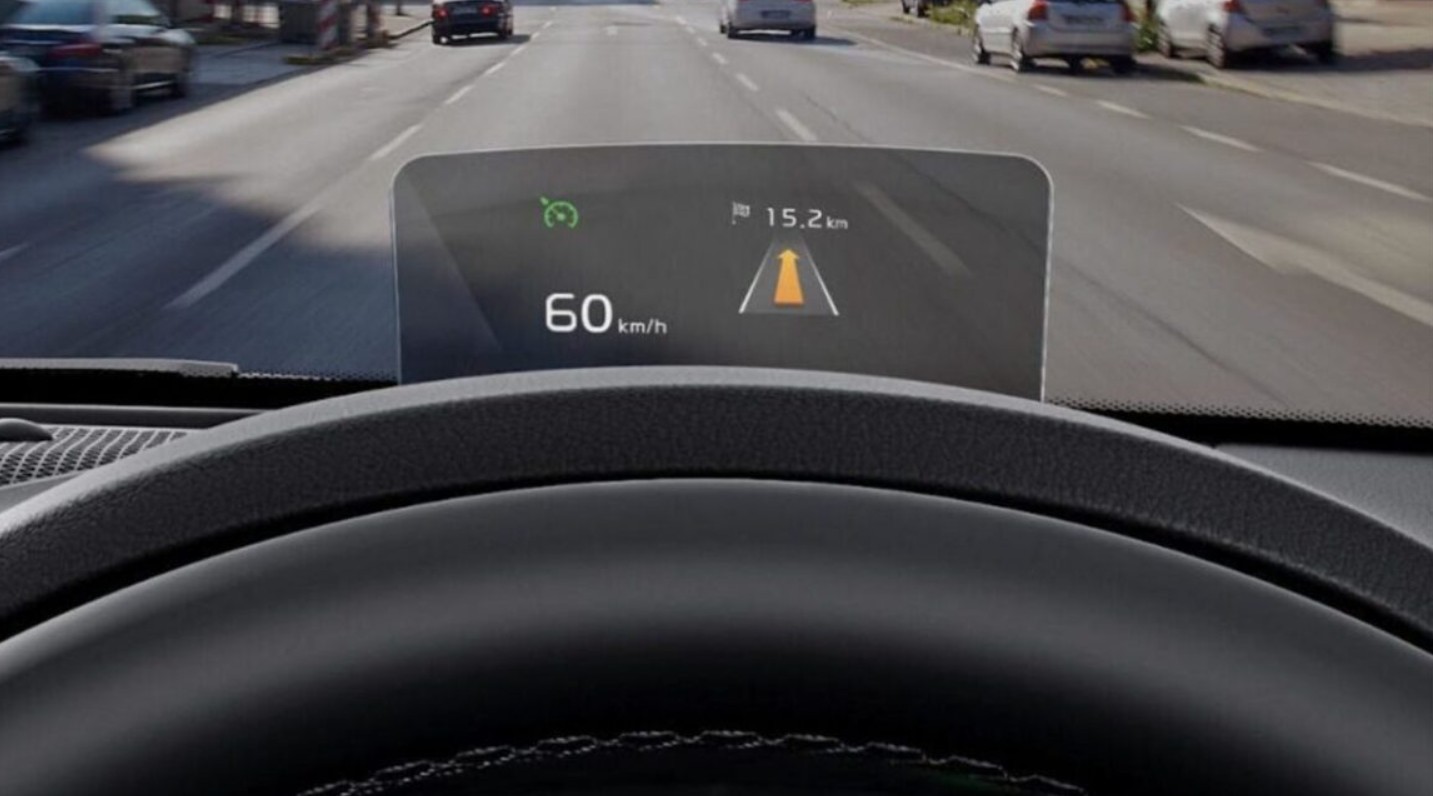
Modern cars are far more advanced than most drivers realize. Over the past two decades, the automobile industry has quietly transformed vehicles from purely mechanical machines into intelligent systems packed with sensors, cameras, radar, and software-driven safety tools.
Many of these innovations were designed to reduce human error, prevent collisions, and make driving less stressful. However, despite being widely available in many mid-range and even entry-level cars, a significant number of drivers either do not fully understand these features or choose not to activate them at all.
This disconnect between available technology and actual usage is more common than it seems. Surveys and automotive safety studies consistently show that drivers often rely only on basic functions such as seatbelts, airbags, and standard braking systems, while ignoring advanced driver assistance systems.
Some drivers assume these features are unnecessary, while others find them distracting or confusing. In many cases, the issue is simply a lack of awareness that these systems exist or that they can be customized in the vehicle settings menu.
The reality is that many modern safety features are designed to operate quietly in the background, stepping in only when a potential risk is detected.
Systems like lane monitoring, adaptive cruise control, and emergency braking are not meant to replace the driver, but to act as an additional layer of protection. When used correctly, they can significantly reduce the chances of accidents caused by fatigue, distraction, or delayed reaction times.
Another important factor is that many drivers never explore the full infotainment or settings menu of their vehicle. As a result, factory-installed safety systems often remain in default or partially disabled modes. Some features may require manual activation after purchase, while others allow sensitivity adjustments that improve their usefulness. Unfortunately, this means that a large portion of the safety potential built into modern vehicles goes unused.
Understanding and enabling these systems can make a measurable difference in road safety. They are not just luxury additions found in high-end vehicles anymore, but increasingly standard across a wide range of cars globally.
From city driving to long highway journeys, these features are designed to assist in real-world conditions where human attention can naturally fluctuate. In the following sections, we will explore eight hidden safety features that many drivers overlook, how they work, and why activating them can significantly improve driving confidence and safety.
Also Read: 7 Most Reliable Motorcycles You Can Buy Today
1. Lane Departure Warning System
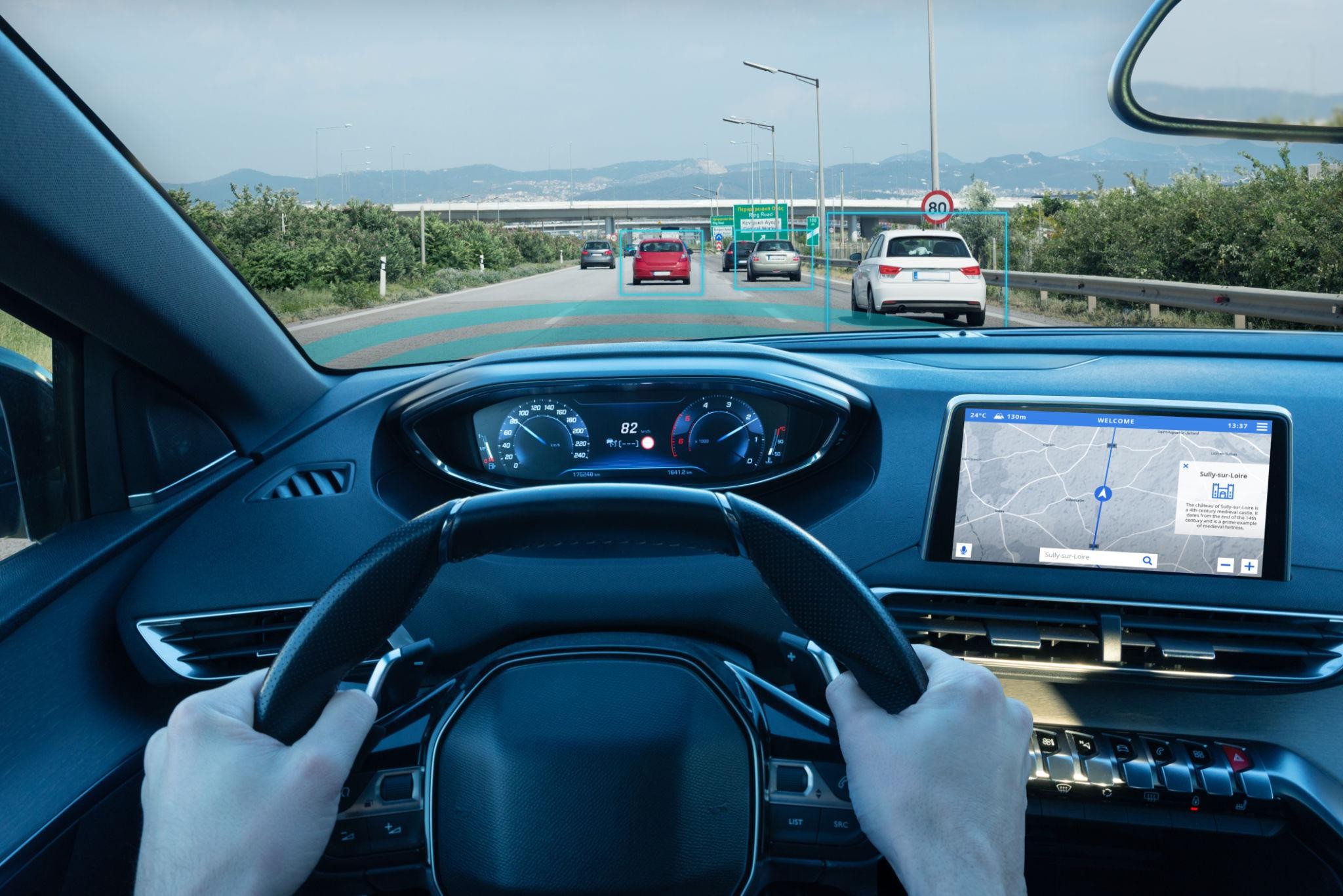
The lane departure warning system is designed to prevent unintentional drifting out of a driving lane. It uses cameras, usually mounted near the rearview mirror, to monitor road markings and track the vehicle’s position. When the system detects that the car is moving out of its lane without a turn signal, it alerts the driver through vibrations, sounds, or visual warnings on the dashboard.
Many drivers keep this system turned off because they find the alerts annoying or overly sensitive. However, this feature is particularly useful during long highway drives where fatigue can cause reduced attention. Even a momentary distraction can lead to dangerous lane drifting, especially at high speeds.
The system does not take control of the car but acts as a warning mechanism. In more advanced versions, it is combined with lane-keeping assist, which gently steers the vehicle back into the lane. This combination significantly reduces the risk of side collisions and roadway departures.
Another overlooked benefit is its effectiveness in poor visibility conditions. During rain, fog, or nighttime driving, lane markings may be harder to see. The system helps compensate for reduced human perception by continuously scanning the road.
Drivers who learn to adjust sensitivity settings often find it more comfortable and less intrusive. Once properly configured, it becomes a silent guardian that only activates when necessary, rather than constantly interrupting normal driving behavior.
2. Adaptive Cruise Control
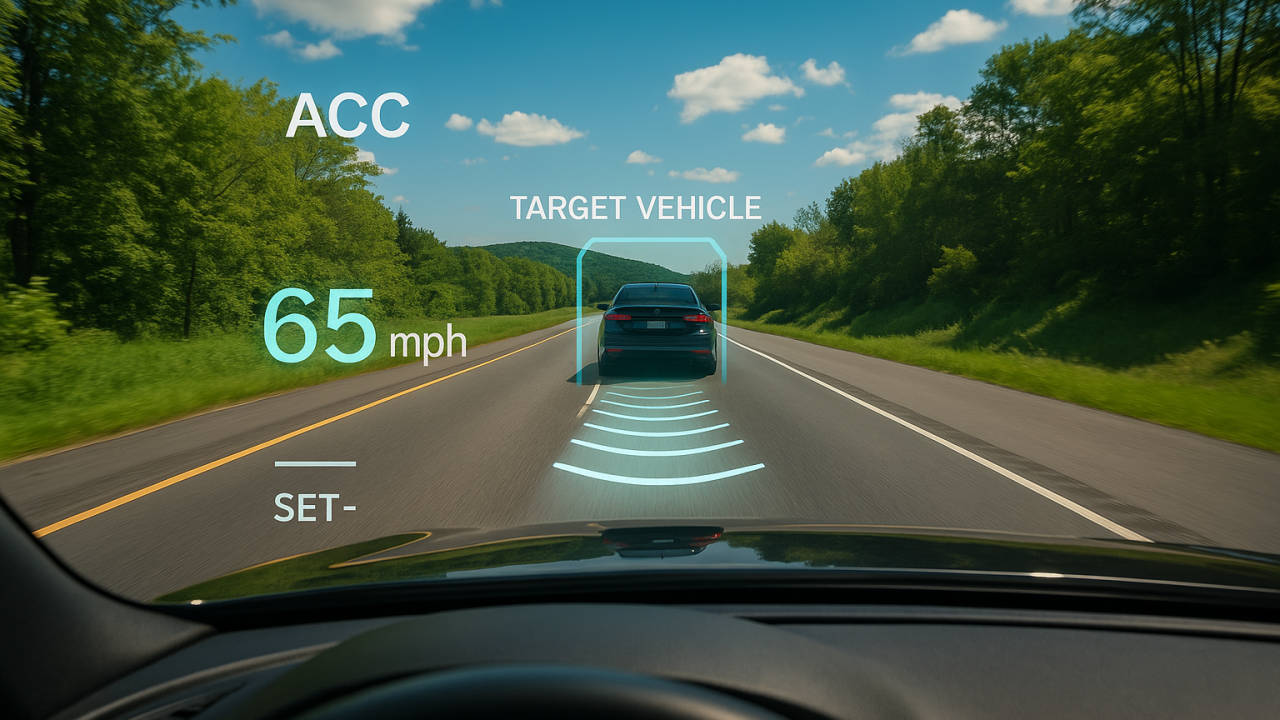
Adaptive cruise control is an advanced version of traditional cruise control. Instead of maintaining a fixed speed, it automatically adjusts the vehicle’s speed based on the distance from the car ahead. Using radar and sensors, it slows down when traffic is heavy and accelerates when the road clears.
Despite its usefulness, many drivers avoid it because they prefer manual control or do not trust automated speed adjustments. However, this system is particularly effective in highway traffic where stop-and-go conditions can become tiring and stressful.
It helps reduce driver fatigue by minimizing the need for constant braking and acceleration. This allows the driver to maintain a more relaxed posture while still staying attentive to road conditions.
In modern systems, adaptive cruise control can even bring the vehicle to a complete stop and resume movement automatically when traffic starts moving again. This feature is especially useful in congested urban highways and toll booth traffic.
When used properly, it improves fuel efficiency by maintaining smoother acceleration patterns. It also reduces the likelihood of rear-end collisions caused by delayed braking responses in heavy traffic situations.
3. Blind Spot Monitoring System
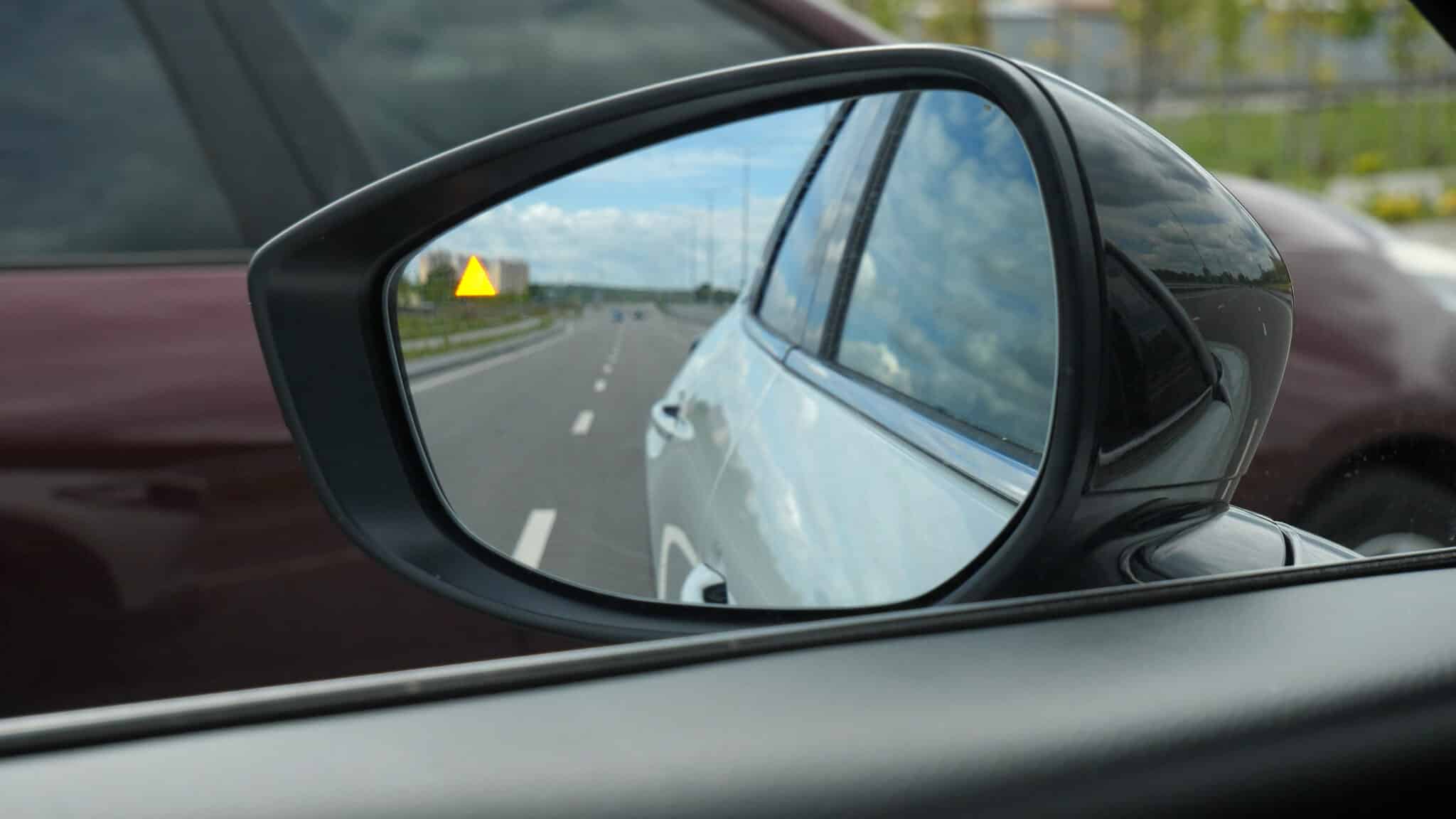
Blind spot monitoring uses sensors placed on the sides of the vehicle to detect cars that are not visible in the side mirrors. When a vehicle enters the blind spot zone, a warning light appears on the side mirror or dashboard. Some systems also produce an audible alert if the driver signals a lane change while another vehicle is present.
Many drivers underestimate blind spots, especially in modern cars with larger pillars and smaller rear windows. This system becomes particularly important when driving on highways where vehicles frequently overtake at high speeds.
The biggest advantage of this feature is its ability to reduce side collision risks during lane changes. Human judgment alone is not always reliable, especially when traffic is dense or fast-moving.
Advanced versions of this system can also intervene slightly by preventing lane changes if another vehicle is detected. This adds an extra layer of protection in situations where driver awareness is momentarily compromised.
Over time, drivers often become more confident and consistent in lane changing decisions when this system is active, as it provides real-time confirmation of surrounding traffic conditions.
4. Automatic Emergency Braking
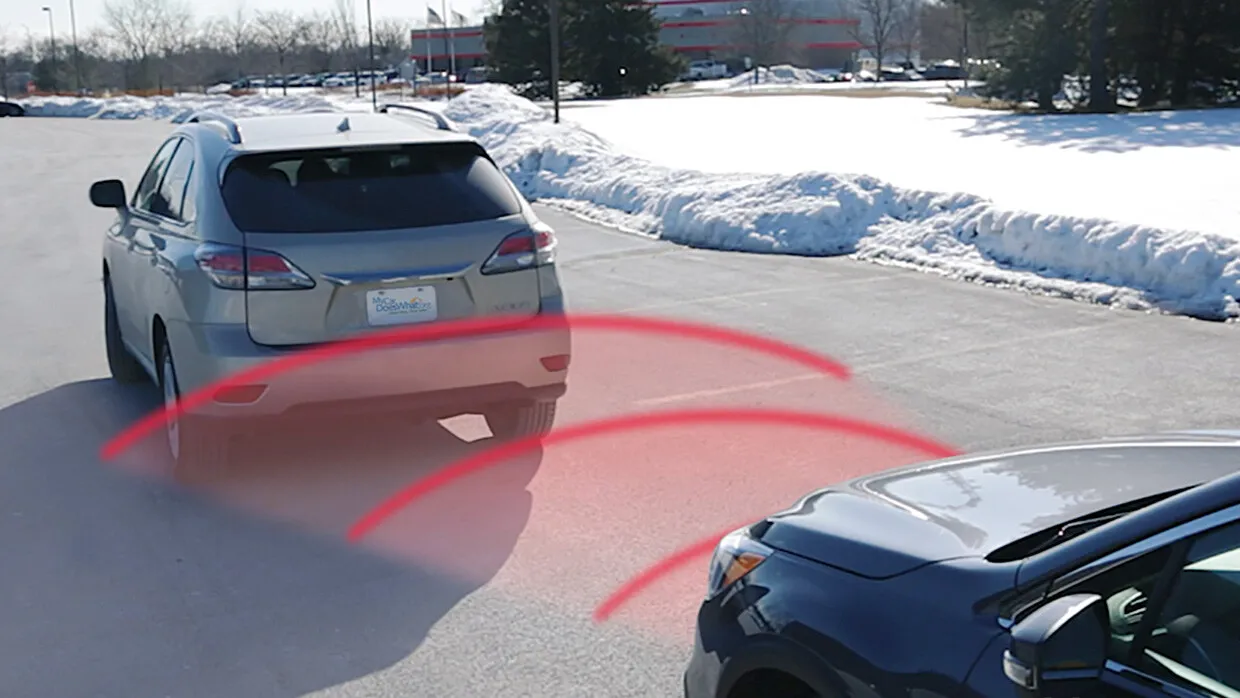
Automatic emergency braking is one of the most important safety innovations in modern vehicles. It uses radar, cameras, or both to detect an imminent collision and automatically applies the brakes if the driver does not respond in time.
Some drivers disable this feature because they feel uncomfortable with the car taking control of braking. However, its purpose is not to replace the driver but to act as a last line of defense in emergency situations.
This system is especially effective in preventing low-speed collisions in city traffic, such as rear-ending another vehicle or hitting a pedestrian crossing unexpectedly.
In many cases, it reacts faster than human reflexes, which can make the difference between a near miss and a serious accident. It is particularly valuable in situations where the driver is distracted or reacts too slowly.
Modern versions of this system can detect pedestrians, cyclists, and even animals, making it one of the most comprehensive safety features available today.
5. Electronic Stability Control
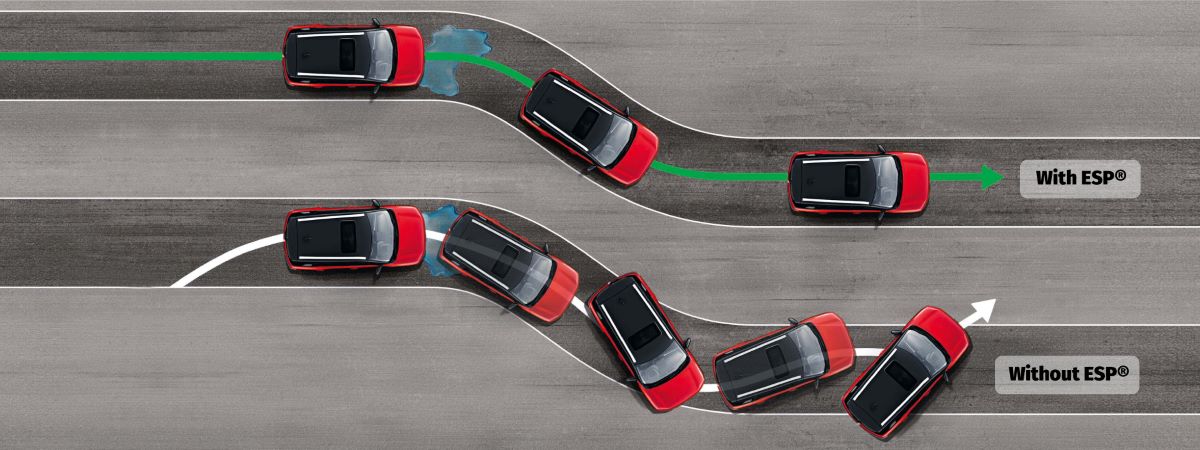
Electronic stability control helps prevent skidding and loss of vehicle control during sharp turns or slippery road conditions. It automatically applies brakes to individual wheels to keep the car stable and aligned with the driver’s intended direction.
Many drivers are not aware that this system is active by default in most modern cars, and some mistakenly turn it off, thinking it affects performance.
Its importance becomes clear in emergency maneuvers or when driving on wet or uneven surfaces. Without it, vehicles are more likely to spin or drift uncontrollably during sudden steering inputs.
The system works silently in the background, continuously monitoring wheel speed and steering input. When it detects instability, it makes micro adjustments to restore balance.
This feature has been credited with significantly reducing rollover accidents and loss of control incidents worldwide.
Also Read: 10 Cars That Drove Over 800,000 Miles
6. Tire Pressure Monitoring System
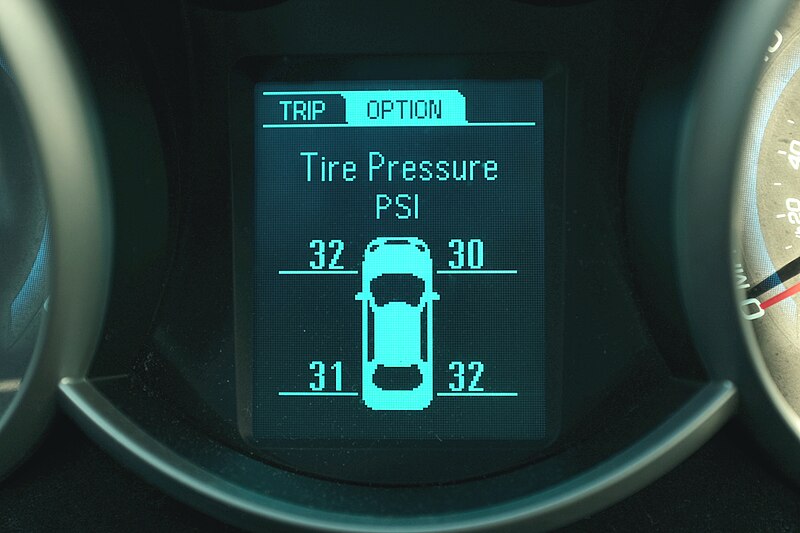
The tire pressure monitoring system alerts drivers when tire pressure drops below safe levels. It uses sensors inside the tires or wheel assemblies to track real-time pressure data.
Many drivers ignore warning lights or assume they are not urgent, but incorrect tire pressure can significantly increase accident risk. Underinflated tires reduce braking efficiency and vehicle stability.
This system helps prevent blowouts, improves fuel efficiency, and ensures even tire wear. It is especially important for long-distance driving or high-temperature conditions where tire pressure can fluctuate.
Some systems provide individual tire readings, allowing drivers to identify exactly which tire needs attention. This level of detail helps prevent unnecessary guesswork and maintenance delays.
Keeping the system active ensures that small issues are detected before they become serious safety hazards.
7. Rear Cross Traffic Alert
The rear cross-traffic alert is designed to assist drivers when reversing out of parking spaces. It detects approaching vehicles from the side that may not be visible due to obstacles.
This feature is especially useful in crowded parking lots where visibility is limited, and vehicles frequently move behind the driver’s car.
When a vehicle is detected, the system provides audible and visual warnings to prevent collisions. Some advanced systems can even apply automatic braking if the driver does not react in time.
Drivers often overlook this feature because they rely solely on rearview cameras. However, cameras do not always capture fast-approaching traffic from the sides.
By combining sensors and alerts, this system significantly reduces the risk of reversing accidents in tight or busy environments.
8. Driver Attention Monitoring System
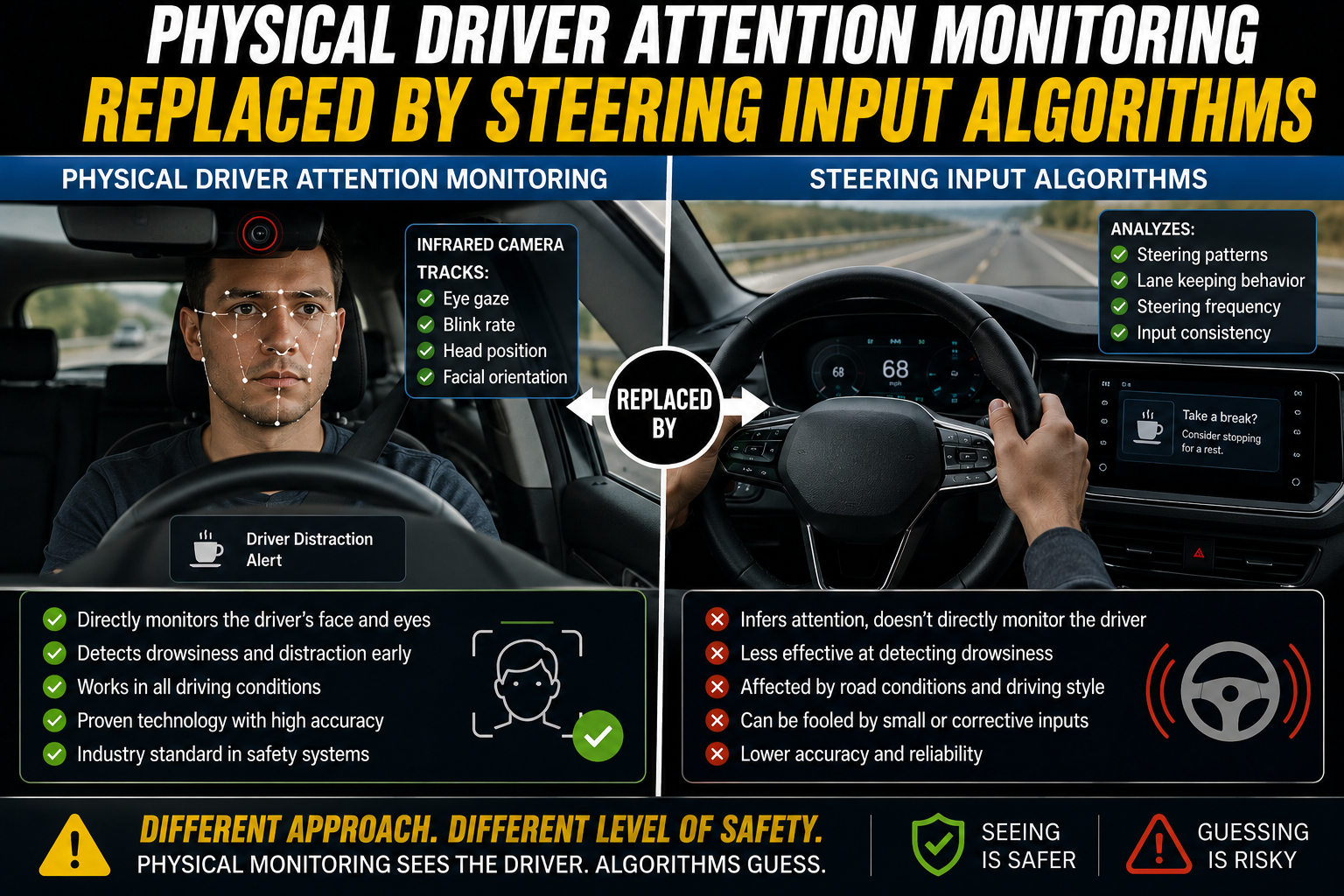
Driver attention monitoring tracks steering patterns, lane behavior, and driving consistency to detect signs of fatigue or distraction. If irregular behavior is detected, the system alerts the driver to take a break.
Many drivers disable this feature because they find the alerts unnecessary, especially during long trips. However, fatigue is one of the leading causes of road accidents worldwide.
This system works best on highways where long periods of steady driving can lead to reduced alertness. It provides timely reminders that help prevent microsleep-related accidents.
Some advanced versions also analyze facial cues using in-cabin cameras to detect drowsiness more accurately.
By encouraging rest at the right time, this system plays a crucial role in preventing serious fatigue-related crashes.
