
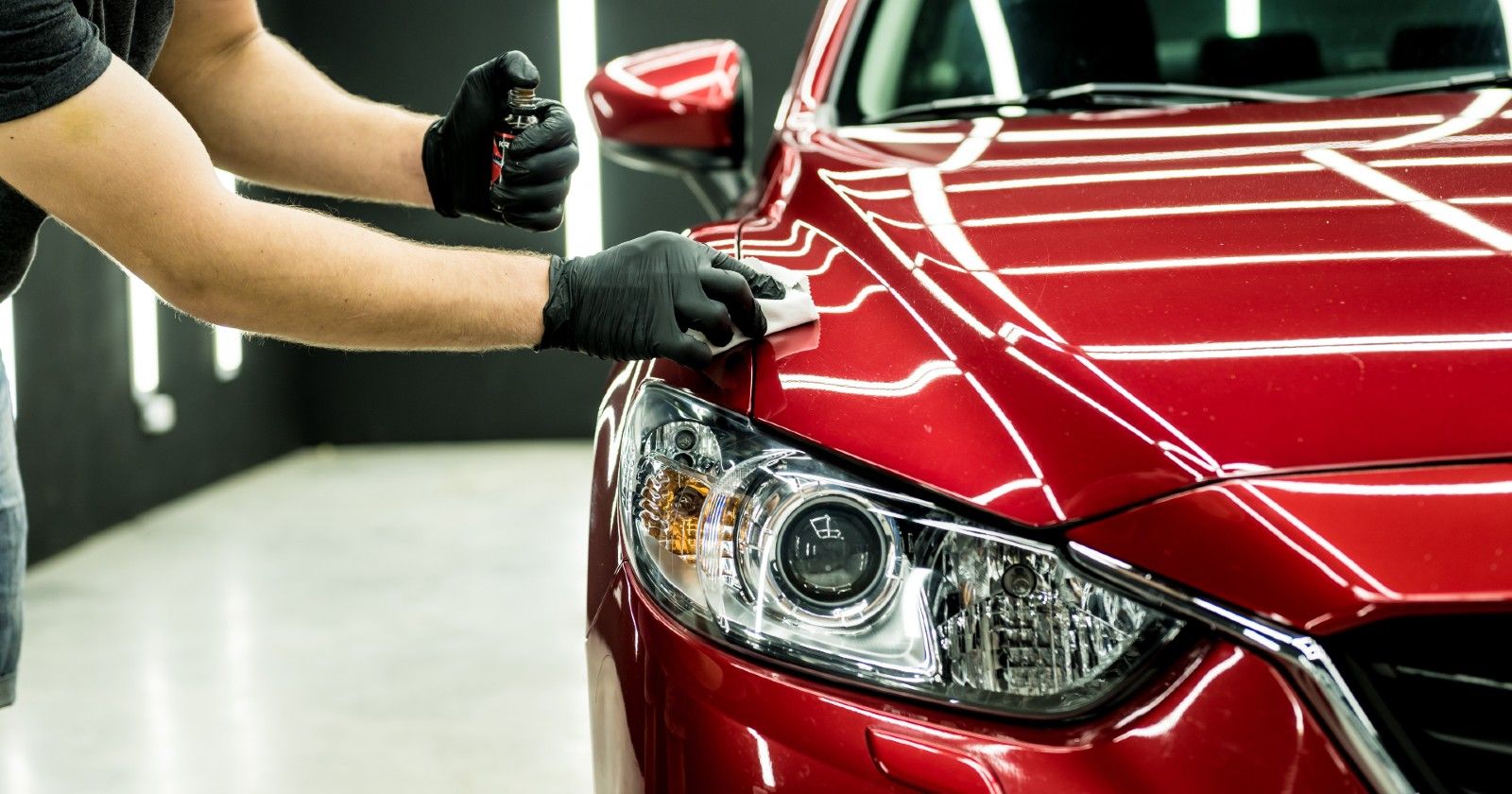
Ceramic coatings have become one of the most talked-about products in modern car care. Browse social media, visit an auto detailing shop, or watch automotive videos online, and you’ll likely hear claims that a ceramic coating keeps a vehicle looking brand new for years while protecting the paint from almost everything the road can throw at it.
Some advertisements even suggest you will never need to wax your car again or that scratches will simply disappear.
Those promises have made ceramic coatings one of the fastest-growing segments of the automotive detailing industry. Professional applications often cost anywhere from $800 to more than $2,500, while do-it-yourself kits are widely available for a fraction of that price.
With such a significant investment involved, many vehicle owners naturally wonder whether ceramic coatings truly deliver on their promises or whether they are simply another expensive detailing trend.
The truth lies somewhere in the middle. Ceramic coatings absolutely provide real benefits, but they also have limitations that are often overlooked in marketing materials. Understanding what a ceramic coating actually does and, more importantly, what it cannot do is essential before deciding whether it is worth the cost.
Also Read: 8 Vehicle Recalls From 2026 You Should Never Ignore
What Exactly Is a Ceramic Coating?
Despite the name, a ceramic coating is not a thick layer of ceramic like the material used in tiles or cookware.
Instead, it is a liquid polymer, usually based on silicon dioxide (SiO₂) and sometimes combined with titanium dioxide (TiO₂), that chemically bonds with a vehicle’s factory clear coat after application.
Unlike waxes or traditional paint sealants that simply sit on the surface, ceramic coatings form a much stronger bond with the paint.
Once cured, the coating creates an extremely thin protective layer measured in microns. While nearly invisible, this layer changes the surface characteristics of the paint by making it smoother, more chemically resistant, and highly hydrophobic.
That hydrophobic property is one of the first things owners notice. Water forms tight beads and rolls off the paint much more easily than it does on untreated surfaces.
It Protects Against Many Everyday Contaminants
One of the biggest advantages of ceramic coatings is their ability to reduce damage caused by everyday environmental contamination.
Modern vehicles constantly face exposure to:
- Bird droppings
- Tree sap
- Road grime
- Brake dust
- Insect residue
- Acid rain
- UV radiation
- Industrial fallout
Many of these contaminants can stain or etch automotive clear coats if left on the surface for extended periods.
A ceramic coating provides an additional sacrificial layer between the paint and those contaminants.
For example, bird droppings contain acidic compounds capable of damaging clear coats when exposed to heat. While a ceramic coating does not make bird droppings harmless, it generally gives owners more time to remove them before permanent staining occurs.
Similarly, bug residue and tree sap often clean off more easily because they bond less aggressively to the coated surface.
UV Protection Helps Preserve Paint
Sunlight is one of the biggest long-term enemies of automotive paint. Ultraviolet radiation gradually oxidizes the clear coat, causing colors to lose depth and gloss over time.
Dark-colored vehicles often show this aging process more quickly than lighter colors. Ceramic coatings help reduce UV exposure reaching the factory clear coat.
Although they cannot eliminate sun damage, they slow the oxidation process and help preserve paint clarity for a longer period.
This benefit is especially valuable for vehicles that spend most of their lives parked outdoors.
Owners in regions with intense sunlight often notice that coated vehicles maintain a deeper shine with less fading over several years.
Washing the Car Becomes Much Easier
Many ceramic coating owners say the biggest day-to-day benefit is not the protection itself but how much easier the vehicle becomes to clean.
The slick surface prevents dirt from adhering as firmly to the paint. Road grime, dust, and mud generally rinse away more easily.
Water also sheets off the surface quickly, reducing the amount left behind after washing.
That means:
- Less scrubbing
- Reduced drying time
- Fewer water spots
- Easier maintenance washes
- Improved gloss after cleaning
A properly maintained ceramic coating does not keep the vehicle clean forever. The car still gets dirty.
It simply becomes easier to restore to a clean condition. The Gloss Improvement Is Real: Ceramic coatings noticeably improve paint appearance.
The smooth surface reflects light more evenly, creating greater depth and clarity. Many detailers describe this as a “candy-like” appearance because reflections appear sharper and colors look richer.
The effect is particularly noticeable on:
- Black
- Dark blue
- Red
- Metallic gray
However, it is important to understand that the coating does not create perfect paint. If swirl marks, scratches, or oxidation already exist before application, the coating seals those imperfections beneath it.
For that reason, professional installers almost always perform paint correction before applying the coating.
The Biggest Myth: It Does Not Prevent Scratches
Perhaps the most common misconception is that ceramic coatings make paint scratch-proof. They do not. A ceramic coating is extremely thin.
It cannot stop:
- Shopping cart impacts
- Door dings
- Rock chips
- Key scratches
- Deep swirl marks
- Abrasive contact
Some coatings provide limited resistance against very light wash-induced marring because their surface is harder than bare clear coat. However, that should not be confused with true impact protection.
If someone drags a branch across the vehicle or a rock strikes the hood at highway speed, the coating will not prevent paint damage.
Owners expecting armor-like protection are often disappointed because ceramic coatings were never designed for that purpose.
It Is Not a Substitute for Paint Protection Film
Many people confuse ceramic coatings with paint protection film (PPF). The two products serve very different purposes.
Ceramic coating primarily provides the following:
- Chemical resistance
- UV protection
- Easier cleaning
- Hydrophobic behavior
- Improved gloss
Paint protection film provides the following:
- Rock-chip resistance
- Scratch resistance
- Impact absorption
- Self-healing properties of many premium films
Drivers who want maximum protection often combine both products. Paint protection film is installed on high-impact areas such as the front bumper, hood, mirrors, and fenders, while ceramic coating is applied over the remaining painted surfaces or even over the film itself.
Although considerably more expensive, this combination offers the highest level of long-term paint protection currently available.
Proper Preparation Matters More Than the Coating
The quality of the final result depends heavily on preparation. Professional detailers typically spend many hours:
- Washing
- Decontaminating
- Clay barring
- Polishing
- Correcting paint defects
- Removing oils
Only after these steps is the ceramic coating applied. Skipping preparation significantly reduces both appearance and durability.
This explains why professional installations cost much more than simply purchasing the coating itself. Much of the price reflects labor rather than materials.
Maintenance Is Still Necessary
Another common misunderstanding is that ceramic coatings eliminate maintenance. They do not. Owners should still:
- Wash regularly
- Remove bird droppings quickly
- Avoid automatic brush car washes
- Use pH-neutral car shampoo
- Perform periodic decontamination washes
Some manufacturers also recommend maintenance sprays every several months to preserve maximum water repellency.
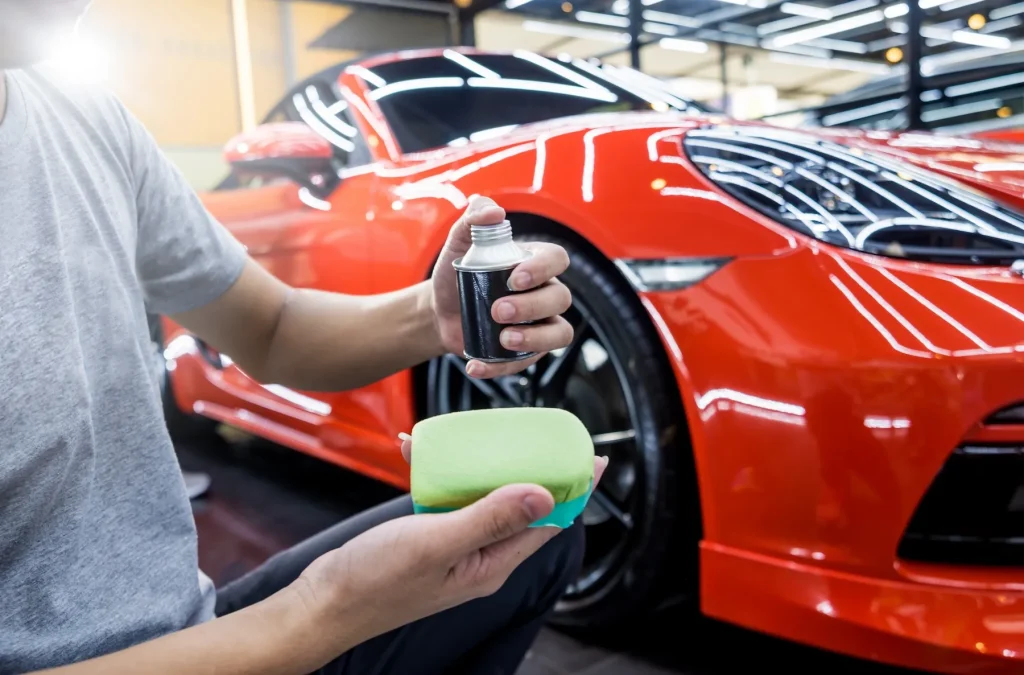
Neglecting maintenance allows contaminants to accumulate on the coating itself, reducing many of its benefits.
A ceramic-coated vehicle still requires proper care. It simply rewards that care with easier maintenance.
Professional vs DIY Ceramic Coatings
Consumers today have two primary choices. Professional coatings generally offer:
- Longer durability
- Better chemical resistance
- Multi-layer application
- Warranty coverage
- Professional paint correction
DIY products typically provide the following:
- Lower purchase price
- Easier application
- Good gloss
- Solid water repellency
- Shorter lifespan
Professional coatings often last three to seven years, depending on the product and maintenance. Most consumer-grade coatings last one to three years before requiring reapplication.
The right choice depends largely on budget, expectations, and willingness to perform careful preparation.
Is It Worth the Money?
For many owners, yes. A ceramic coating can be an excellent investment if
- You regularly wash your vehicle.
- You plan to keep the car for several years.
- You value easier maintenance.
- You want long-lasting gloss.
- Your paint is already in good condition.
It may be less worthwhile if:
- The vehicle rarely gets washed.
- You expect complete scratch protection.
- You plan to sell the car soon.
- You are unwilling to maintain the coating properly.
Like many automotive products, its value depends on realistic expectations rather than marketing claims.
Ceramic coatings genuinely protect automotive paint, but not in the way many advertisements suggest. They provide excellent resistance against UV rays, chemical contaminants, oxidation, water spotting, and everyday environmental exposure while making vehicles significantly easier to clean and helping preserve a deep, glossy finish.
Those benefits are real and well worth considering for owners who want to maintain their vehicle’s appearance over the long term.
However, ceramic coatings are not an invisible shield. They will not stop rock chips, prevent door dings, eliminate scratches, or make a vehicle maintenance-free. Understanding those limitations is the key to deciding whether the investment makes sense.
For drivers seeking improved paint preservation and easier maintenance, a properly applied ceramic coating remains one of the most effective detailing upgrades available. For those expecting complete physical protection, paint protection film or a combination of both products is the better solution.
Also Read: 8 Maintenance Items Owners Should Not Skip
