
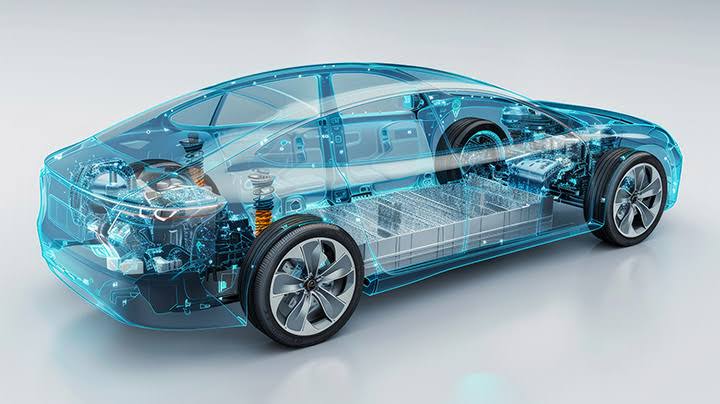
Cold weather has long been one of the biggest challenges for electric vehicles. Unlike gasoline-powered cars, which generate abundant waste heat from their engines, EVs must use electricity from the battery to warm the cabin.
That additional energy demand, combined with the effects of low temperatures on lithium-ion batteries, can noticeably reduce driving range during winter.
For years, drivers simply accepted that EVs would lose a significant portion of their range in freezing conditions. However, one piece of technology has dramatically changed that equation: the heat pump.
Increasingly offered as standard or optional equipment on modern electric vehicles, heat pumps provide cabin heating far more efficiently than traditional electric resistance heaters.
According to testing highlighted by InsideEVs and supported by multiple independent studies, heat pumps can reduce winter range loss by as much as 50% compared with conventional resistive heating systems.
Instead of creating heat directly from electricity, a heat pump transfers existing thermal energy from outside air and other vehicle components into the cabin, requiring substantially less electrical power. As a result, drivers can maintain a comfortable interior while preserving more battery energy for driving.
The technology has quickly become one of the most valuable features for EV owners living in colder climates, with nearly every major automaker now incorporating heat pumps into their latest electric models.
Also Read: 8 Vehicles With Common Battery Drain Problems Owners Report
Why Cold Weather Reduces EV Driving Range
Winter affects electric vehicle efficiency in several different ways, many of which have nothing to do with cabin heating.
Lithium-ion batteries operate most efficiently within a moderate temperature range. As temperatures fall below freezing, the chemical reactions inside battery cells slow down, increasing internal resistance and temporarily reducing the amount of energy the battery can deliver.
Until the battery warms up, acceleration, regenerative braking, charging speed, and driving range may all be reduced.
The cabin heating system creates another major source of energy consumption. In traditional gasoline vehicles, the heater simply redirects excess heat produced by the engine. Electric vehicles do not have that free source of thermal energy, so the cabin heater must draw electricity directly from the high-voltage battery.
Vehicles equipped with conventional positive temperature coefficient (PTC) resistance heaters generate warmth in much the same way as an electric space heater. Electrical energy passes through heating elements, producing heat almost instantly.
While effective, the process is relatively inefficient because every unit of heat requires approximately one unit of electrical energy.
Testing conducted by the American Automobile Association (AAA) has demonstrated how dramatically cabin heating affects winter efficiency. In controlled testing, using the cabin heater at 20°F (-6.7°C) reduced EV driving range by an average of 41% compared with testing under milder conditions.
The results illustrated that cabin heating, rather than battery chemistry alone, accounts for a significant portion of winter range loss.
Cold temperatures also increase rolling resistance as winter tires become stiffer and lubricants inside the drivetrain thicken. Air density rises in colder weather as well, increasing aerodynamic drag at highway speeds.
Winter conditions can significantly reduce an electric vehicle’s driving range because cold temperatures affect battery performance and require additional energy for cabin heating. Although this is a common characteristic of EVs, newer models are better equipped to handle these challenges with improved thermal management systems and more efficient heating technology, helping to preserve range in cold weather.
How Heat Pumps Improve Efficiency
Unlike resistance heaters that generate heat directly, a heat pump works by moving existing thermal energy.
The technology operates similarly to a residential heat pump or air conditioner running in reverse. Using refrigerant, compressors, evaporators, and condensers, the system extracts heat from outside air, electric motors, power electronics, and other vehicle components before transferring that heat into the passenger cabin.
Because moving heat requires much less electricity than creating it, heat pumps can achieve efficiencies several times greater than traditional resistance heating under many operating conditions.
According to research summarized by InsideEVs, heat pumps can reduce cold-weather driving range losses by up to 50% compared with EVs relying solely on resistive heating systems.
While the exact benefit depends on outside temperature, driving conditions, and vehicle design, the efficiency advantage becomes especially noticeable during extended winter driving.
The U.S. Department of Energy explains that heat pumps often deliver multiple units of heating energy for every unit of electrical energy consumed because they transfer existing heat instead of generating it through electrical resistance. This significantly reduces the amount of battery energy diverted away from propulsion.
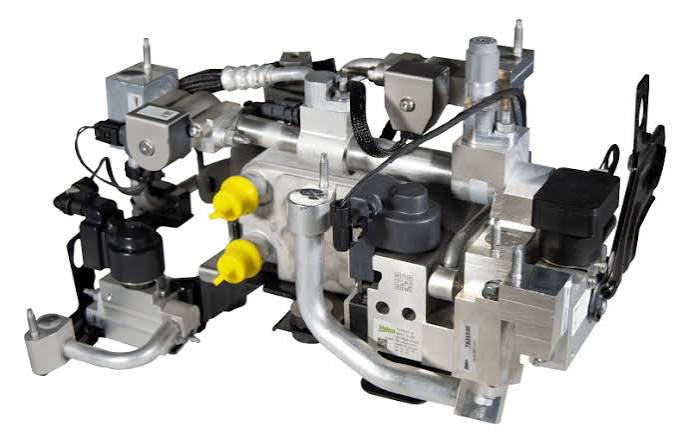
Automakers have increasingly expanded heat pump adoption across their EV lineups. Tesla introduced heat pumps beginning with the 2021 Model Y before extending the technology across additional models.
Hyundai, Kia, Ford, General Motors, BMW, Mercedes-Benz, Volvo, Polestar, Rivian, Lucid, Volkswagen, Nissan, and many others now offer heat pumps either as standard equipment or through optional cold-weather packages depending on the model.
Modern systems have also become increasingly sophisticated. Some manufacturers recover waste heat produced by electric motors, inverters, onboard chargers, and even battery conditioning systems.
Rather than allowing that energy to dissipate into the environment, advanced thermal management systems recycle it to warm the passenger compartment or maintain optimal battery temperature.
However, heat pumps are not equally effective under every condition. At extremely low temperatures, often below approximately -10°F to -15°F (-23°C to -26°C), depending on system design, the amount of available heat in outside air decreases substantially.
Under those conditions, many vehicles automatically supplement the heat pump using conventional electric resistance heating to maintain cabin comfort.
Even then, heat pumps typically reduce total energy consumption during much of the winter season, especially in climates where temperatures fluctuate around freezing.
Heat Pumps Are Becoming a Key Feature for EV Buyers
As electric vehicles continue replacing internal combustion models, consumers are paying closer attention to winter performance rather than focusing solely on maximum EPA driving range.
Independent testing consistently shows that EVs equipped with efficient heat pumps outperform similar vehicles using resistance heating during cold-weather driving. This advantage can be particularly valuable for drivers in northern U.S. states, Canada, and European markets where winter temperatures remain below freezing for extended periods.
Battery management systems also contribute significantly to winter efficiency. Modern EVs automatically precondition batteries before fast charging or departure, warming battery cells to improve efficiency and charging performance.
Many vehicles allow owners to schedule preconditioning while still connected to home charging, reducing battery energy consumption during the initial portion of a trip.
Preheating the cabin while the vehicle remains plugged into a charger offers another practical advantage. Instead of drawing heating energy from the battery after departure, the vehicle uses grid electricity to warm both the cabin and the battery before driving begins.
Most manufacturers recommend this approach during winter because it maximizes available driving range.
Additional improvements continue to reduce seasonal range losses. Better battery chemistries, more efficient compressors, improved insulation, intelligent thermal management software, and increasingly integrated heating systems are allowing modern EVs to maintain higher efficiency even under challenging weather conditions.
Real-world ownership data also indicate that winter range loss has become more manageable than many early EV buyers experienced a decade ago. Larger battery packs provide greater reserve capacity, while smarter energy management systems optimize heating based on occupancy, route planning, and outside temperature.
Heat pumps have become one of the clearest examples of how incremental engineering improvements can significantly enhance everyday EV ownership. Rather than eliminating winter range loss, they substantially reduce one of its largest causes by heating the cabin far more efficiently than traditional electric resistance systems.
According to testing highlighted by InsideEVs, heat pumps can cut cold-weather range loss by up to half compared with conventional resistive heating, making them one of the most valuable technologies available on modern electric vehicles.
For buyers who regularly face freezing temperatures, a heat pump is no longer just a convenience feature. It has become an important contributor to real-world driving range, charging efficiency, and year-round usability.
Also Read: 10 Vehicles Already Confirmed for a 2028 Redesign
