

For most drivers, a speeding ticket feels like a one-time expense. You pay the fine, move on, and hope it doesn’t happen again. In reality, the ticket itself is often only the beginning. The much larger financial impact usually comes when your auto insurance policy renews.
Depending on where you live, a single speeding conviction can increase your premium by hundreds or even thousands of dollars over the following three to five years.
Insurance companies view speeding violations as a predictor of future risk. Numerous studies have shown that drivers with moving violations are statistically more likely to be involved in crashes and file insurance claims.
As a result, insurers adjust premiums based on both the severity of the violation and the state’s insurance regulations. Some states allow insurers greater flexibility when setting rates, while others have stricter rules that limit premium increases.
The exact increase varies widely because insurers consider multiple factors, including the driver’s age, driving history, vehicle, ZIP code, and the speed at which the ticket was issued. A driver cited for traveling 10 mph over the limit will usually see a smaller increase than someone convicted of reckless speeding or driving 25 mph over the posted limit.
According to The Zebra’s 2025 State of Auto Insurance Report, a single speeding ticket increases the average U.S. annual insurance premium by approximately 20%, though the increase differs substantially from one state to another.
Likewise, Bankrate’s insurance analysis found that drivers often pay hundreds of dollars more per year after just one speeding conviction, with rate hikes varying significantly depending on state regulations and insurer pricing models.
Also Read: 10 New Cars Still Sold With a Physical Ignition Key
Why Insurance Rates Increase After a Speeding Ticket
Insurance companies calculate premiums based on risk. Historical claims data consistently show that drivers with speeding violations are more likely to be involved in future accidents than drivers with clean records.
According to the Insurance Information Institute (Triple-I), insurers rely heavily on driving records because moving violations correlate with increased claim frequency and higher claim severity. A speeding ticket signals risk, prompting insurers to adjust premiums accordingly.
Many insurers also use point systems. While each company has its own underwriting guidelines, most assign additional risk points after a speeding conviction. Multiple violations within a short period can result in even larger premium increases or, in some cases, policy non-renewal.
The increase also depends on how long the violation remains on your record. In most states, a speeding ticket influences insurance premiums for three to five years, although some serious violations may affect rates for longer.
Another important factor is whether the violation qualifies as reckless driving. Exceeding the speed limit by a significant margin may trigger criminal charges in certain states rather than a simple traffic citation. Those violations typically produce much larger insurance increases.
Average Insurance Increase After One Speeding Ticket by State
While every insurance company calculates premiums differently, industry studies provide reliable statewide averages. According to The Zebra, Bankrate, and Insurify, these are representative average increases after one speeding ticket for a driver with otherwise clean driving history.
| State | Average Premium Increase |
|---|---|
| Alabama | 17% |
| Alaska | 14% |
| Arizona | 24% |
| Arkansas | 19% |
| California | 36% |
| Colorado | 22% |
| Connecticut | 21% |
| Delaware | 18% |
| Florida | 30% |
| Georgia | 27% |
| Hawaii | 10% |
| Idaho | 15% |
| Illinois | 20% |
| Indiana | 18% |
| Iowa | 13% |
| Kansas | 17% |
| Kentucky | 23% |
| Louisiana | 29% |
| Maine | 12% |
| Maryland | 25% |
| Massachusetts | 19% |
| Michigan | 28% |
| Minnesota | 16% |
| Mississippi | 21% |
| Missouri | 18% |
| Montana | 16% |
| Nebraska | 15% |
| Nevada | 24% |
| New Hampshire | 14% |
| New Jersey | 26% |
| New Mexico | 20% |
| New York | 29% |
| North Carolina | 35% |
| North Dakota | 13% |
| Ohio | 18% |
| Oklahoma | 20% |
| Oregon | 17% |
| Pennsylvania | 22% |
| Rhode Island | 24% |
| South Carolina | 23% |
| South Dakota | 14% |
| Tennessee | 19% |
| Texas | 25% |
| Utah | 18% |
| Vermont | 11% |
| Virginia | 21% |
| Washington | 20% |
| West Virginia | 19% |
| Wisconsin | 16% |
| Wyoming | 15% |
States such as California, North Carolina, Florida, New York, and Louisiana consistently rank among those with the largest average premium increases after a speeding violation. By contrast, Vermont, Hawaii, Maine, North Dakota, and Iowa generally see smaller average increases.
These figures represent statewide averages. Some insurers may increase premiums far more or far less depending on individual circumstances.
The Long-Term Cost Can Be Much Higher Than the Fine
The fine printed on the ticket often represents only a small portion of the true financial impact.
For example, a driver paying a $200 speeding ticket who experiences a $350 annual insurance increase for three years will spend more than $1,250 in combined fines and additional premiums. If the violation remains on the policy for five years, the added insurance cost alone could exceed $1,700, depending on the insurer.
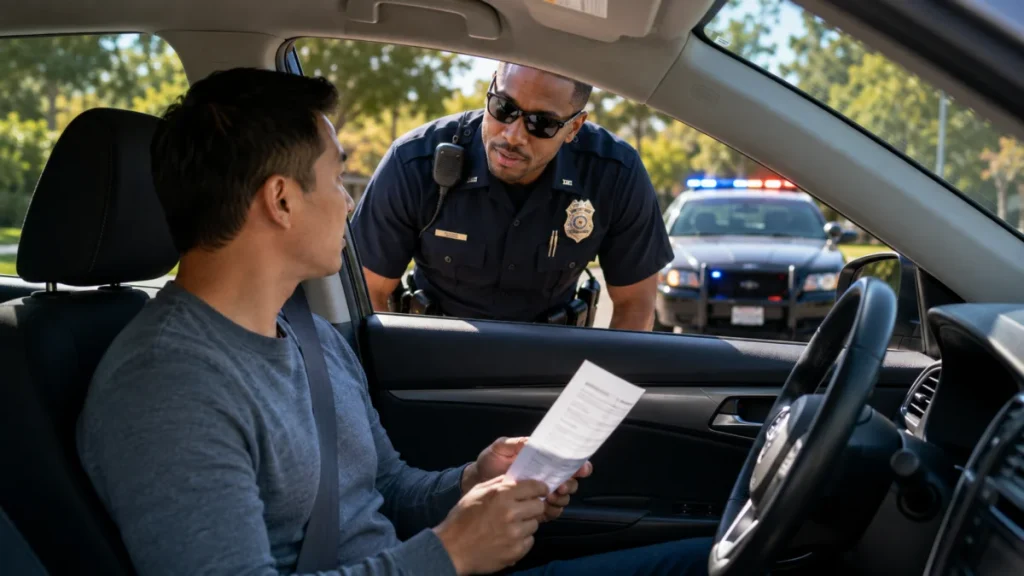
According to Bankrate, shopping for a new insurance policy after receiving a speeding ticket can sometimes reduce the increase because insurers evaluate violations differently. Some companies place greater emphasis on recent driving history, while others weigh factors such as mileage, vehicle type, and claims history more heavily.
Drivers may also qualify for defensive driving courses in certain states. Completing an approved course can sometimes reduce points on a driving record or help offset future premium increases, although eligibility varies by state and insurer.
Maintaining a clean driving record after the violation is equally important. Most insurers gradually reduce the surcharge as time passes without additional moving violations or at-fault accidents. Drivers who avoid further infractions often see premiums return closer to normal once the violation ages off their insurance record.
Another overlooked consequence is that multiple speeding tickets can eliminate eligibility for safe-driver discounts. Many insurers reward customers who maintain violation-free records for several years. Losing those discounts can further increase premiums beyond the standard surcharge for the ticket itself.
One speeding ticket is far more expensive than many drivers realize. While the citation itself may cost only a few hundred dollars, the resulting insurance increases can multiply that expense several times over.
The amount varies considerably depending on where you live, your insurer, and your driving history, but the underlying message remains consistent across every state.
Safe driving not only reduces the risk of crashes but also protects one of the highest recurring costs of vehicle ownership. For most motorists, avoiding a single speeding ticket can save substantially more money than simply avoiding the fine.
Can You Reduce the Insurance Increase After a Speeding Ticket?
Although a speeding ticket almost always leads to higher insurance premiums, drivers are not necessarily stuck paying higher rates for years without any options. Several factors can help minimize the financial impact, particularly if the violation is a first offense.
One of the most effective steps is comparing quotes from multiple insurers before your policy renews. According to insurance marketplace analyses by The Zebra and Insurify, companies assess driving violations differently based on their own underwriting models.
A driver facing a significant increase from one insurer may receive a considerably lower premium from another, even with the same speeding conviction on record. Shopping around after a ticket can therefore produce meaningful savings, especially for drivers with an otherwise clean history.
Another option available in many states is attending a court-approved defensive driving or traffic safety course.
Depending on state laws and the circumstances of the citation, successfully completing the course may reduce points on a driving record, prevent the violation from affecting insurance as severely, or even allow the ticket to be dismissed if it is a first-time offense.
Eligibility varies by jurisdiction, so drivers should verify local rules before assuming the option is available.
Maintaining a clean driving record after the violation is equally important. Most insurance companies place the greatest emphasis on recent driving behavior. As time passes without additional speeding tickets, at-fault accidents, or other moving violations, the surcharge associated with the original ticket gradually declines.
For many insurers, the violation has the greatest impact during the first three years before becoming less significant as it ages.
Drivers should also remember that vehicle choice affects how much a speeding ticket influences premiums. Sports cars and high-performance vehicles generally experience larger premium increases because they are already categorized as higher-risk models.
A driver of a family sedan or compact crossover may see a smaller percentage increase for the same violation.
While a speeding ticket cannot always be erased from an insurance record, taking proactive steps such as comparing insurers, qualifying for defensive driving programs, and maintaining violation-free driving afterwards can substantially reduce its long-term financial impact.
In many cases, these actions save far more money than simply paying the ticket and waiting for premiums to return to normal.
Also Read: 10 Trucks That Beat Their EPA Ratings in Real-World Driving
