
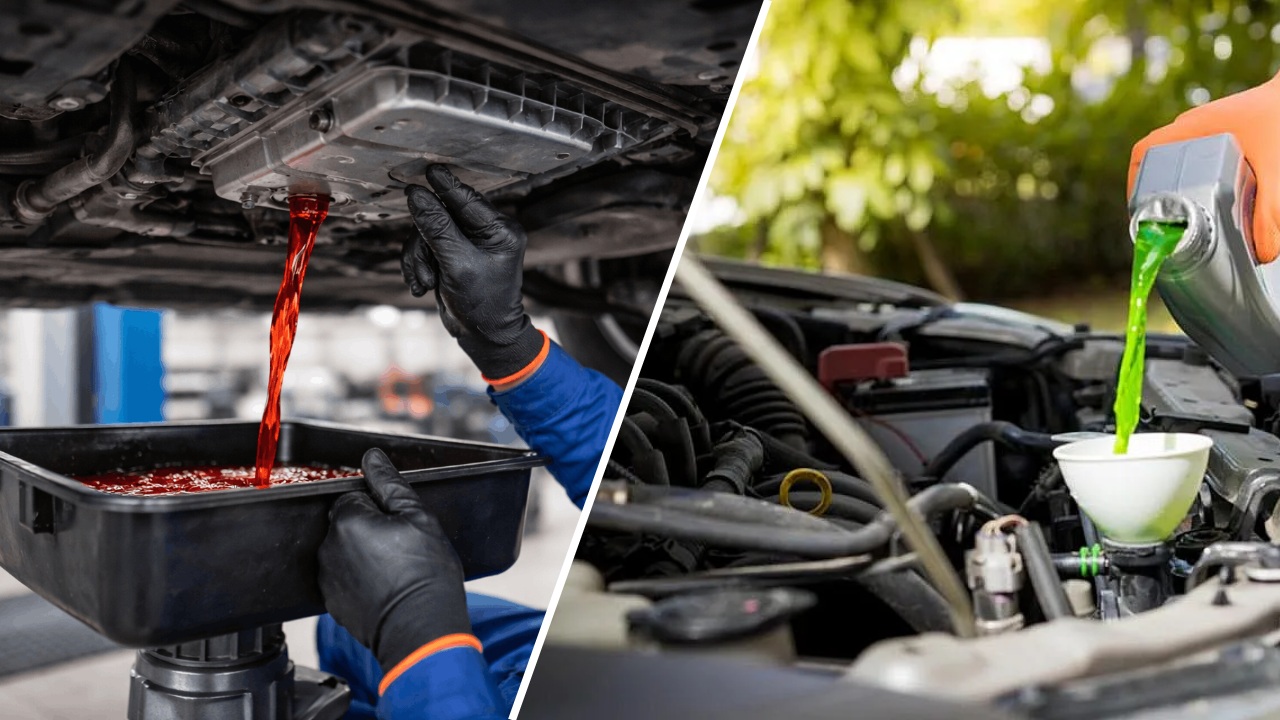
Reaching 60,000 miles is a major milestone for any vehicle. By this point, many cars have already passed their factory bumper-to-bumper warranty, and several maintenance items become critical for long-term reliability.
Many vehicle owners make the mistake of limiting maintenance to routine oil changes while putting off more costly services. Over time, this approach can contribute to transmission issues, cooling system malfunctions, lower fuel efficiency, and expensive repairs that could have been avoided.
Manufacturer maintenance schedules are designed to prevent these issues before they develop. Here are eight maintenance jobs that are commonly due around 60,000 miles on many vehicles sold in the United States and are frequently overlooked by owners despite their importance.
Also Read: 8 Cars With Turbo Failures Reported Before 100,000 Miles
1. Automatic Transmission Fluid Service
Many modern vehicles advertise “lifetime” transmission fluid, leading countless owners to believe their automatic transmission never requires maintenance. In reality, most transmission manufacturers, including ZF, Aisin, and many automakers, recommend fluid inspections or replacement under normal or severe driving conditions.
By approximately 60,000 miles, automatic transmission fluid has experienced thousands of heating and cooling cycles that gradually reduce its ability to lubricate, cool, and protect internal components.
Transmission fluid does far more than provide lubrication. It also operates hydraulic valves, controls clutch engagement, reduces wear on gears and bearings, and carries heat away from moving parts. As the fluid ages, friction modifiers deteriorate, contaminants accumulate, and microscopic metal particles circulate throughout the transmission.
Ignoring fluid replacement can contribute to harsh shifting, delayed gear engagement, torque converter shudder, and premature clutch wear.
Vehicles used for towing, stop-and-go commuting, mountainous driving, or high temperatures place even greater stress on transmission fluid. Many owners discover problems only after symptoms become noticeable, at which point internal damage may already have occurred.
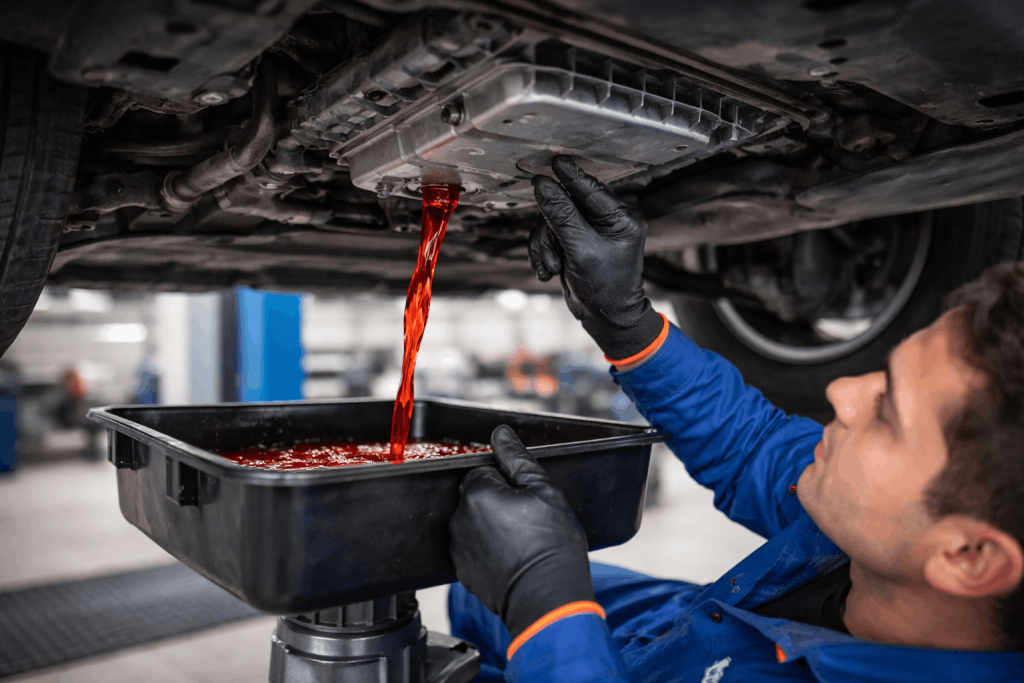
A proper transmission service typically includes draining the old fluid, replacing the transmission filter when applicable, installing fresh manufacturer-approved fluid, and verifying the correct operating level. Using the wrong fluid specification can create shifting problems, making OEM-approved fluid essential.
Considering that transmission replacements commonly cost several thousand dollars in the United States, preventive fluid service around the 60,000-mile mark remains one of the most valuable maintenance investments an owner can make.
2. Spark Plug Replacement
Spark plugs are designed to last far longer than they once did, particularly with modern iridium and platinum designs.
Even so, many vehicles require spark plug replacement between 60,000 and 100,000 miles, with numerous turbocharged engines recommending service closer to the lower end of that range.
Owners often postpone the job because the engine continues running, but worn spark plugs gradually reduce efficiency long before complete failure occurs.
Every combustion cycle depends on a precisely timed spark to ignite the air-fuel mixture. As spark plugs age, electrode wear increases the gap, forcing the ignition coils to work harder. The result may include slower acceleration, rough idling, reduced fuel economy, harder cold starts, and occasional engine misfires.
If ignored long enough, weak spark plugs can also shorten the life of expensive ignition coils and catalytic converters.
Turbocharged and direct-injected engines place additional demands on spark plugs because higher cylinder pressures require stronger ignition performance. Many manufacturers specifically recommend replacing plugs before performance begins to decline.
During replacement, technicians also inspect ignition coils, plug wells, and surrounding seals for oil leaks or moisture intrusion. Addressing these concerns early prevents more complicated ignition problems later.
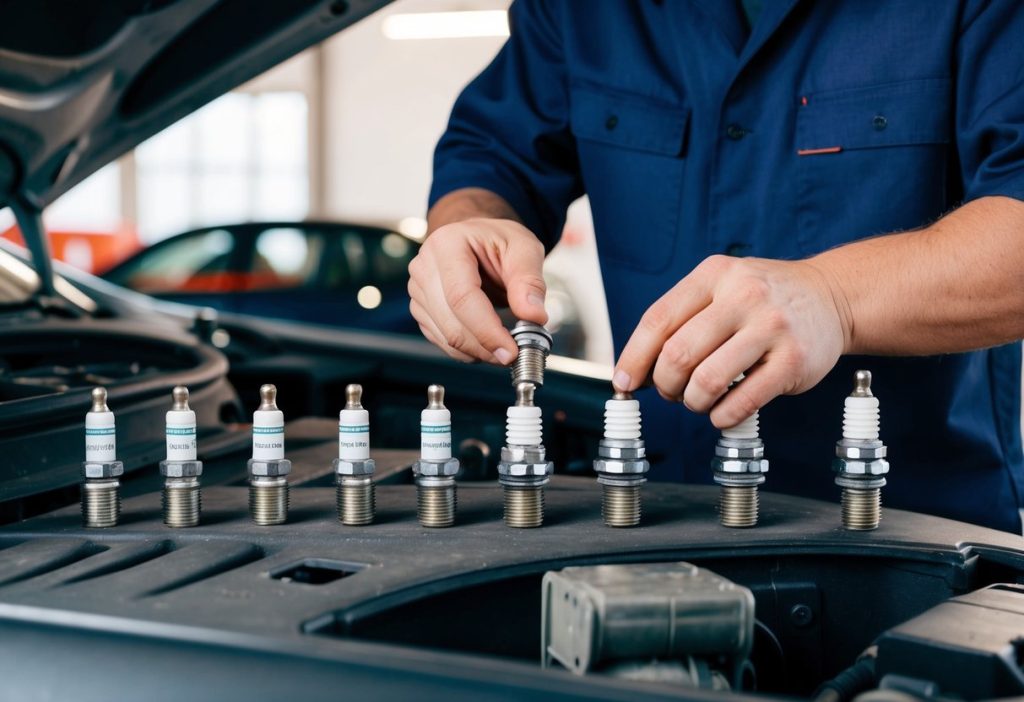
Although replacing spark plugs may seem like routine maintenance, the service plays an important role in preserving engine performance, fuel economy, and emissions compliance.
Completing the job according to the manufacturer’s maintenance schedule helps maintain smooth operation while avoiding larger repair bills caused by neglected ignition components.
3. Engine Coolant Replacement
Engine coolant often receives far less attention than engine oil, yet it performs an equally important role in protecting the engine. Modern long-life coolant can last for several years, but many manufacturers recommend replacing it at approximately 60,000 miles or within a specified time interval, depending on the vehicle.
Owners who ignore this service risk allowing the cooling system’s protective additives to break down, leaving internal components vulnerable to corrosion and overheating.
Coolant does much more than prevent freezing during winter. It regulates engine temperature, protects aluminum engine blocks from corrosion, lubricates the water pump, and prevents mineral deposits from forming inside the radiator and heater core.
Over time, the corrosion inhibitors gradually lose effectiveness, while contaminants begin circulating through the system.
A neglected cooling system may initially show no symptoms, but problems can develop without warning. Water pump seals can wear prematurely, radiator passages may become partially restricted, and corrosion can damage expensive aluminum components.
An overheating engine can also warp the cylinder head or damage the head gasket, resulting in repair bills that easily reach several thousand dollars.
Replacing coolant involves more than simply draining and refilling the radiator. A complete service typically includes flushing old coolant, inspecting hoses, checking the thermostat, examining the radiator cap, and refilling the system with the exact coolant specification required by the manufacturer.
Mixing incompatible coolant types can reduce corrosion protection and shorten component life.
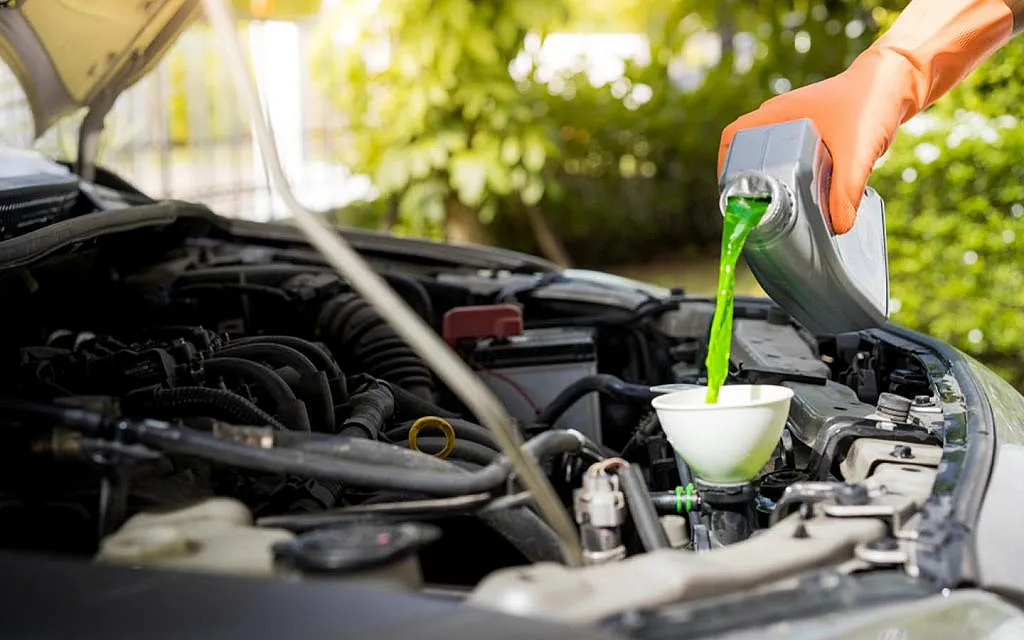
Considering the relatively low cost of preventive maintenance compared with major engine repairs, coolant replacement remains one of the smartest services owners can perform around the 60,000-mile milestone.
Maintaining proper cooling system protection helps preserve engine reliability for many years beyond the initial ownership period.
4. Brake Fluid Flush
Brake pads and rotors receive most of the attention during routine maintenance, but brake fluid is frequently forgotten despite playing a vital role in vehicle safety. Unlike engine oil, brake fluid is hygroscopic, meaning it naturally absorbs moisture from the surrounding air over time.
Because of this characteristic, many automakers recommend replacing brake fluid every two to three years, which commonly aligns with the 60,000-mile mark for many American drivers.
As moisture accumulates inside the braking system, the fluid’s boiling point gradually decreases. During repeated hard braking, towing, or mountain driving, contaminated fluid can reach temperatures high enough to boil, creating vapor bubbles within the hydraulic system.
Since vapor compresses far more easily than liquid, drivers may experience a soft brake pedal or reduced stopping performance under demanding conditions.
Water contamination also promotes internal corrosion. Components such as the ABS hydraulic control unit, master cylinder, brake calipers, and steel brake lines become increasingly vulnerable as moisture levels rise. These parts are considerably more expensive to replace than performing a routine brake fluid service.
A proper brake fluid flush removes nearly all of the old fluid from the hydraulic system before replacing it with fresh fluid that meets the manufacturer’s DOT specification. During the procedure, technicians also inspect brake hoses, calipers, and related hardware for leaks or wear.
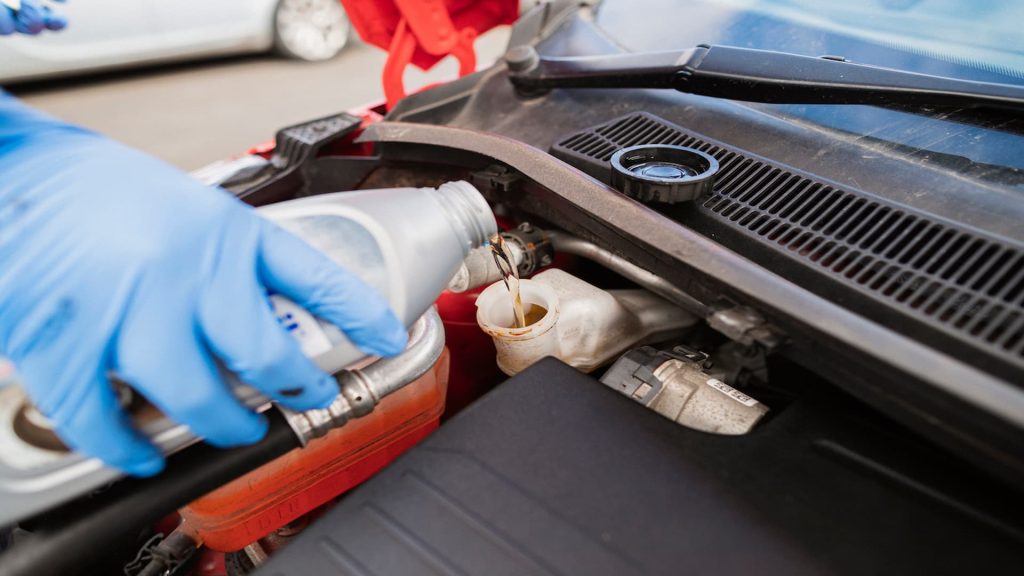
Many owners postpone this maintenance because braking performance appears normal during everyday driving. However, fresh brake fluid helps preserve consistent pedal feel, maximizes emergency stopping capability, and protects expensive hydraulic components.
For a relatively inexpensive service, replacing brake fluid remains one of the most effective ways to maintain long-term braking reliability and safety.
5. Differential and Transfer Case Fluid Replacement
Owners of all-wheel-drive and four-wheel-drive vehicles often remember engine oil changes but forget that the drivetrain contains several additional components requiring periodic lubrication.
Around the 60,000-mile mark, many manufacturers recommend inspecting or replacing the fluid inside the front differential, rear differential, and transfer case, particularly if the vehicle regularly tows, travels off-road, or operates in severe conditions.
Differentials contain precision-cut gears that transfer engine power to the wheels while allowing them to rotate at different speeds during turns.
These gears operate under extremely high loads, and their lubricating oil gradually breaks down because of heat, pressure, and microscopic metal particles generated through normal wear. The transfer case, responsible for distributing power between the front and rear axles, relies on clean fluid for smooth operation and long-term durability.
Old gear oil loses its protective properties over time. If replacement is delayed, bearings and gears can experience accelerated wear, leading to noisy operation, vibration, or expensive internal damage. Limited-slip differentials are especially sensitive because they often require specific friction modifiers to function correctly.
A complete drivetrain service includes draining the old lubricant, inspecting for excessive metal debris, replacing seals if necessary, and refilling each component with the exact fluid specification recommended by the manufacturer.
Using the wrong viscosity or omitting limited-slip additives can negatively affect drivetrain performance.
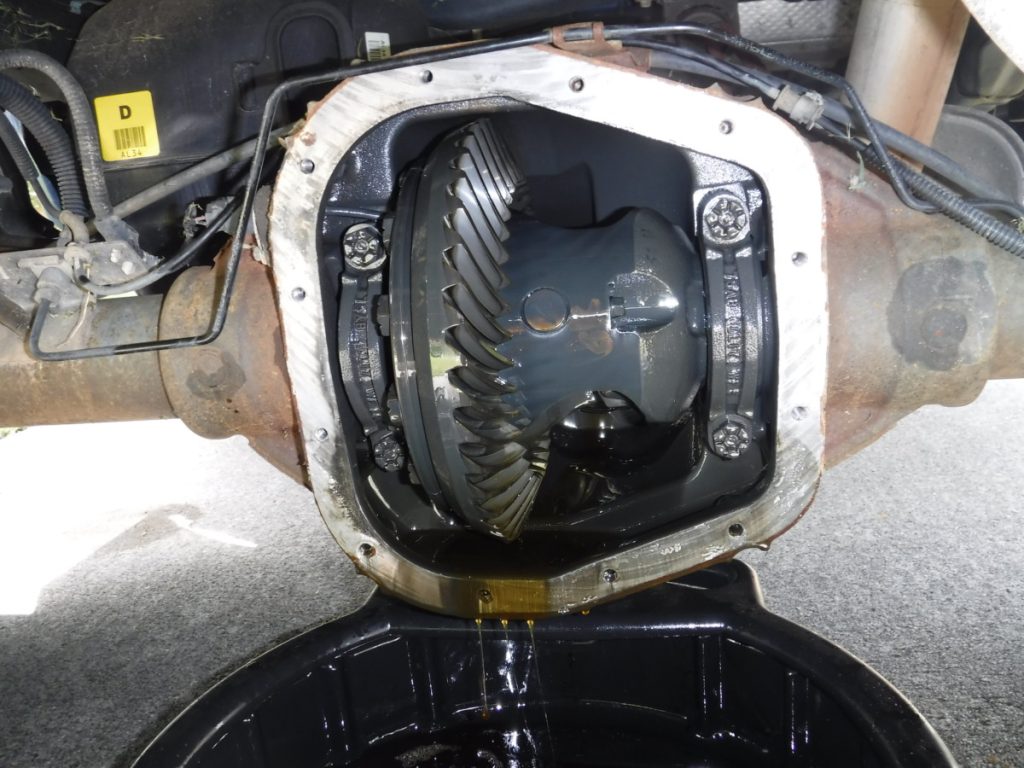
Differential or transfer case replacement frequently costs thousands of dollars, making preventive maintenance a relatively inexpensive investment. Drivers who regularly tow trailers, launch boats, or travel through mud, snow, or rocky terrain should be especially careful not to postpone this important service.
6. Fuel System Cleaning and Fuel Filter Service
Fuel quality has improved significantly over the years, but that does not eliminate carbon deposits or contamination inside the fuel system.
By approximately 60,000 miles, many vehicles benefit from fuel injector cleaning and, on models equipped with a serviceable fuel filter, replacing the filter according to the manufacturer’s maintenance schedule.
Every fuel injector must deliver a precise spray pattern to maintain proper combustion. Over time, small deposits can accumulate around the injector nozzles, especially in direct-injected engines that operate under extremely high fuel pressure.
Even minor restrictions may affect idle quality, throttle response, fuel economy, and emissions. Drivers sometimes notice hesitation during acceleration or rough cold starts before realizing the fuel system requires attention.
The fuel filter serves as the first line of defense against contaminants entering the injection system. As it traps dirt and debris, flow capacity gradually decreases. A restricted filter forces the fuel pump to work harder, potentially shortening its lifespan.
Although many newer vehicles integrate the filter into the fuel tank and do not specify regular replacement, numerous older models and trucks still include replaceable filters that require scheduled service.
Professional fuel system cleaning often involves manufacturer-approved cleaning solutions introduced through specialized equipment designed to remove deposits safely without damaging sensitive components. Combined with a fresh fuel filter where applicable, the service helps restore proper fuel delivery and maintain engine efficiency.
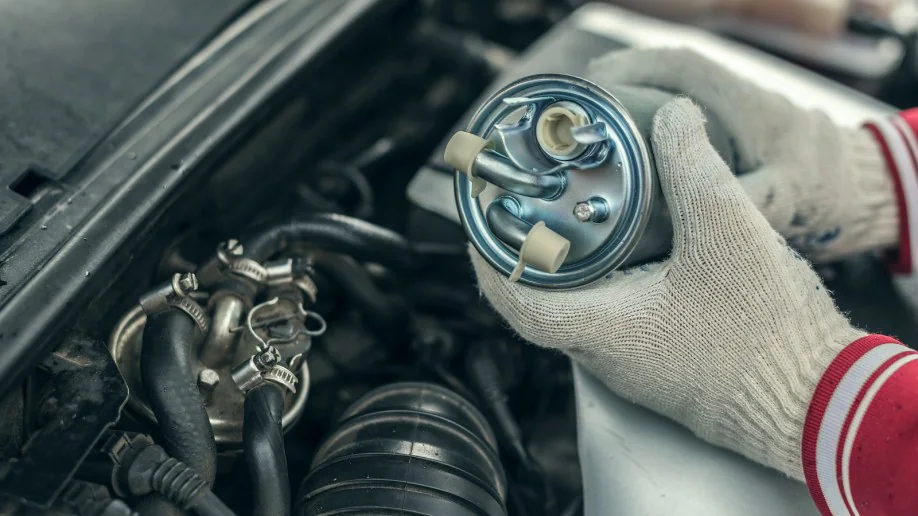
Preventive maintenance costs only a fraction of replacing high-pressure fuel pumps or direct fuel injectors. Keeping the fuel system clean allows the engine to perform as intended while reducing the likelihood of expensive drivability problems later in the vehicle’s life.
7. PCV Valve Inspection or Replacement
The positive crankcase ventilation, commonly called the PCV system, is one of the smallest components under the hood, yet it plays a critical role in engine health. Because it rarely receives attention during routine maintenance, many owners never think about it until engine problems begin appearing.
Around the 60,000-mile mark, many manufacturers recommend inspecting or replacing the PCV valve, depending on the engine design and maintenance schedule.
During normal engine operation, combustion gases slip past the piston rings and enter the crankcase. The PCV system routes these gases back into the intake manifold so they can be burned instead of being released into the atmosphere.
A properly functioning valve also regulates crankcase pressure, helping protect engine seals and gaskets from excessive pressure buildup.
As mileage increases, the valve can become clogged with carbon deposits, sludge, or oil residue. A stuck PCV valve may cause rough idling, increased oil consumption, poor fuel economy, oil leaks, or even trigger the check engine light.
Excess crankcase pressure can also force oil past seals and gaskets, creating leaks that appear unrelated to the ventilation system.
Inspection is relatively straightforward on engines equipped with a serviceable valve. Technicians check for proper airflow, examine connected hoses for cracks, and replace the valve if it shows signs of sticking or contamination.
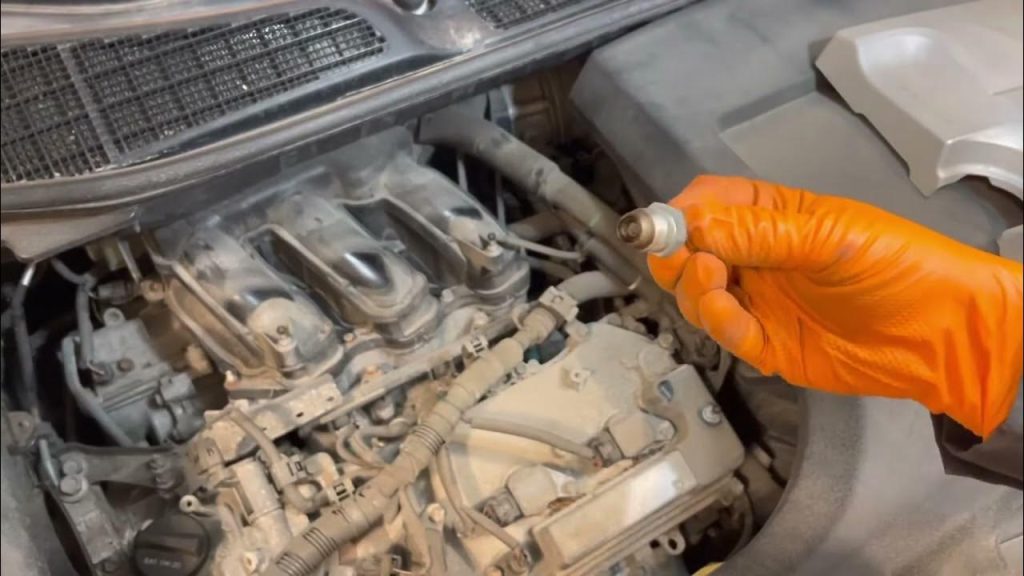
On newer engines where the PCV system is integrated into the valve cover, replacement may require installing the entire assembly.
Considering the low cost of servicing a conventional PCV valve compared with repairing oil leaks or replacing damaged seals, this remains one of the most overlooked yet valuable maintenance items around 60,000 miles. Keeping the crankcase ventilation system operating properly helps preserve engine efficiency and long-term reliability.
8. Serpentine Belt and Belt Tensioner Inspection
The serpentine belt quietly powers several of the engine’s most important accessories every time the vehicle is driven. It turns the alternator, water pump on many engines, air conditioning compressor, and power steering pump, where applicable.
Although many belts are designed to last well beyond 60,000 miles, this mileage is an ideal time for a thorough inspection because wear often begins to appear long before complete failure.
Modern serpentine belts are constructed from durable synthetic materials that resist cracking better than older rubber belts. However, constant exposure to heat, engine vibration, moisture, and road debris gradually weakens the belt.
Small cracks, glazing, frayed edges, or missing ribs indicate that replacement should not be delayed. Equally important is the automatic belt tensioner, which maintains proper belt tension throughout its service life. A worn tensioner can allow belt slippage, producing squealing noises and reducing accessory performance.
Ignoring belt wear can have immediate consequences. A broken serpentine belt may disable the alternator, preventing battery charging. On engines where the water pump is belt-driven, coolant circulation can stop almost instantly, causing rapid overheating that may result in severe engine damage if the vehicle continues operating.
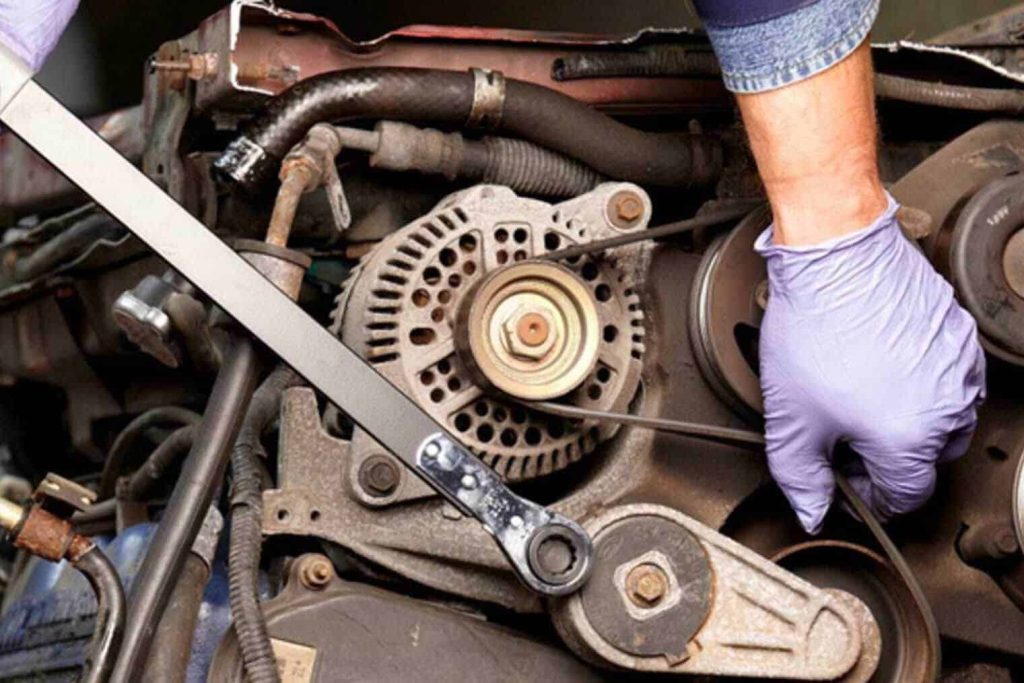
During inspection, technicians examine the belt, tensioner, idler pulleys, and accessory bearings for wear or abnormal movement. Replacing these components proactively is considerably less expensive than repairing damage caused by a sudden roadside failure.
Many owners wait until a belt begins squealing before seeking service, but visible wear often appears first. A routine inspection around 60,000 miles provides an opportunity to replace aging components before they leave the driver stranded or contribute to more expensive engine repairs.
Also Read: 8 High-Wear Car Parts You Shouldn’t Ignore at 100,000 Miles
