Longevity in the automotive world is not achieved by chance. It is the result of engineering discipline, careful material selection, and a clear understanding of how engines behave over hundreds of thousands of kilometers.
Honda has built a reputation around this idea, consistently producing engines that do not just perform well when new but continue delivering dependable service long after many competitors begin to show signs of fatigue.
What separates long lasting engines from average ones is not a single feature but a combination of thoughtful design decisions. Honda has often prioritized balance rather than extremes.
Instead of chasing maximum power at the expense of durability, many of its engines are tuned to operate within safe mechanical limits. This reduces stress on internal components and allows them to maintain structural integrity over time.
Another important factor is manufacturing precision. Tight tolerances ensure that moving parts interact smoothly, reducing unnecessary friction and wear. This level of accuracy also improves efficiency, which indirectly contributes to longevity by keeping temperatures and loads within manageable ranges.
Maintenance plays a role as well, but Honda engines are often praised for their ability to tolerate less than perfect care. Mechanics frequently encounter engines that have exceeded expectations even when service intervals were not followed strictly. This resilience adds to their reputation and makes them appealing to a wide range of drivers.
Cooling and lubrication systems are also key contributors. Honda designs typically emphasize consistent fluid flow, ensuring that heat is managed effectively and that critical components receive proper lubrication. When these systems function efficiently, the engine can operate for extended periods without significant degradation.
Another aspect worth noting is how these engines age. Instead of sudden failures, they tend to show gradual wear patterns that can be managed with routine maintenance. This predictability allows owners to address issues before they become serious, extending the life of the engine even further.
This article highlights Honda engines that have become known for their exceptional longevity. These are engines that mechanics trust, drivers rely on, and enthusiasts respect. They have proven their durability in real world conditions, often surpassing expectations and setting benchmarks for reliability.
Understanding what makes these engines special provides insight into how thoughtful engineering can create products that stand the test of time. It also explains why Honda continues to be associated with long lasting performance across generations.
Also Read: 8 Engines Whose Design Hasn’t Been Improved in 20 Years
1. Honda B16 Engine
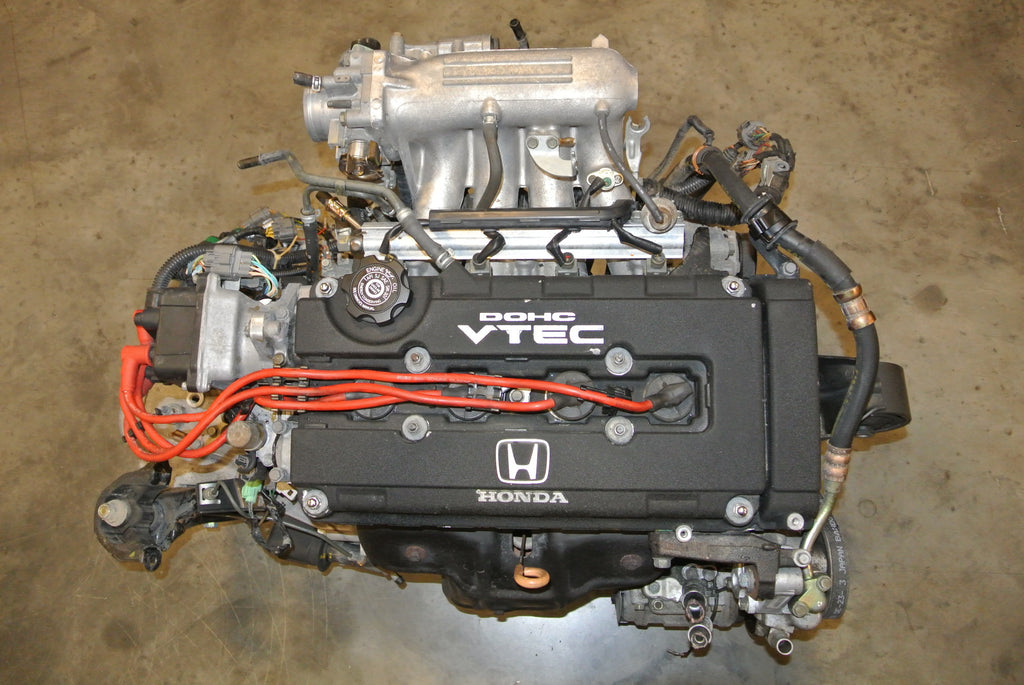
The Honda B16 engine is often remembered for its high revving nature, yet what truly defines it is how well it holds together over time. Mechanics frequently encounter B16 engines that have seen years of spirited driving and still maintain strong internal health. This combination of performance and durability is what makes it stand out.
At the core of its longevity is the VTEC system, which allows the engine to switch between different cam profiles. While this enhances performance, it also means the engine operates efficiently at lower speeds, reducing unnecessary wear during everyday driving. This dual character contributes to its long service life.
The internal components are built with precision and strength. Forged pistons and a well balanced crankshaft ensure that the engine can handle high rpm without excessive stress. Even when pushed hard, the B16 maintains stability, which is a key factor in preventing premature wear.
Another aspect that mechanics often highlight is the engine’s ability to maintain oil pressure. Consistent lubrication plays a critical role in protecting moving parts, and the B16’s design ensures that oil reaches critical areas effectively. This reduces friction and extends component life.
Drivers often notice that the engine continues to feel responsive even after high mileage. This is not just a matter of perception. The engine’s design minimizes internal degradation, allowing it to retain performance characteristics over time.
Maintenance requirements are relatively straightforward. Regular oil changes and basic servicing are usually enough to keep the engine in good condition. Even when maintenance is not perfect, the B16 often shows a level of tolerance that adds to its reputation.
What makes the B16 particularly impressive is how it combines excitement with reliability. Many performance oriented engines sacrifice longevity, but this one manages to deliver both.
Mechanics who work with these engines often describe them as dependable even under demanding conditions. Their ability to withstand high rpm operation without significant issues sets them apart.
The B16 remains a benchmark for how a performance engine can also be built to last. It reflects Honda’s approach of balancing power with durability, creating an engine that continues to perform long after others might require major repairs.
2. Honda D15 Engine
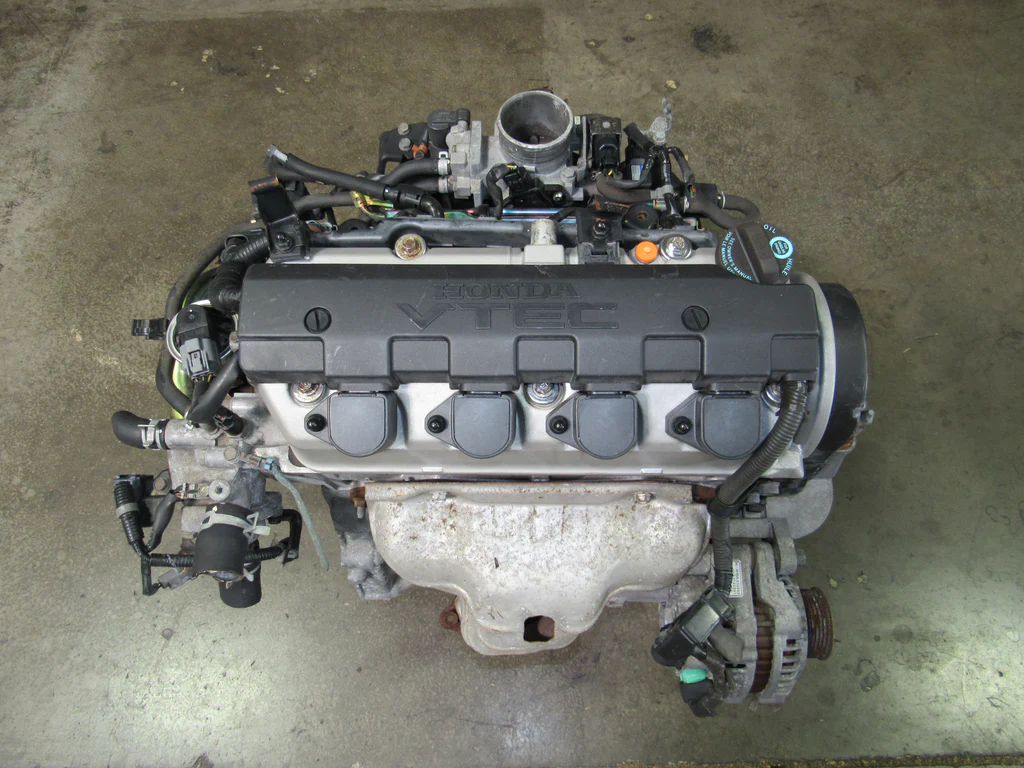
The Honda D15 engine represents a different philosophy compared to the B16. Instead of focusing on high performance, it emphasizes simplicity and efficiency. This approach has resulted in an engine that mechanics often regard as one of the most durable in Honda’s history.
Its design is straightforward, with fewer complex components that could potentially fail. This simplicity reduces the likelihood of mechanical issues and makes maintenance easier. Owners benefit from an engine that is not only reliable but also cost effective to keep running.
One of the key reasons for its longevity is its low stress operation. The D15 is not pushed to extreme limits, which allows internal components to wear more slowly. This conservative tuning ensures that the engine remains stable even after extended use.
Fuel efficiency is another advantage that indirectly supports durability. Efficient combustion reduces heat buildup, which helps maintain the integrity of engine components. Lower operating temperatures contribute to longer service life.
Mechanics frequently encounter D15 engines with very high mileage that still run smoothly. This consistency is a testament to the quality of materials and the effectiveness of the design. Even when signs of wear appear, they tend to develop gradually rather than suddenly.
The engine’s cooling system is also designed to maintain stable temperatures. Proper heat management prevents warping and other forms of damage that can shorten engine life. This reliability is particularly valuable in varying driving conditions.
Another factor that contributes to its reputation is its tolerance for less than ideal maintenance. While regular servicing is always recommended, the D15 often continues to perform even when maintenance schedules are not strictly followed.
Drivers appreciate the predictability of this engine. It does not deliver dramatic performance, but it provides consistent and dependable operation over many years.
The D15 stands as an example of how simplicity can lead to longevity. By focusing on essential functions and avoiding unnecessary complexity, Honda created an engine that continues to serve reliably long after its introduction.
3. Honda K20 Engine
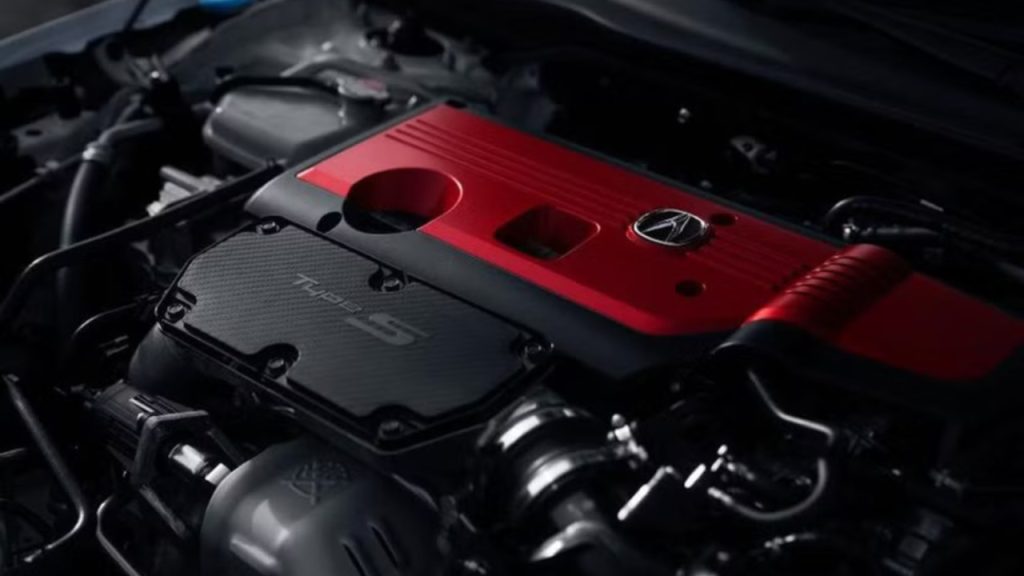
The Honda K20 engine represents a shift toward modern engineering while still preserving the brand’s core strength in durability. Mechanics often describe it as an engine that feels refined yet remains incredibly tough underneath.
It powers everything from performance oriented models to everyday commuters, and in both roles, it has built a strong reputation for lasting well beyond expectations.
One of the defining traits of the K20 is how efficiently it manages stress. Even though it can produce impressive power, the internal components are designed to handle load without excessive strain.
The crankshaft, connecting rods, and pistons work together in a balanced manner, which reduces vibration and wear over time. This smooth operation plays a significant role in extending engine life.
The i VTEC system adds another layer of efficiency. By adjusting valve timing and lift, the engine adapts to different driving conditions. During normal use, it operates conservatively, which minimizes internal stress.
When pushed harder, it delivers performance without compromising structural integrity. This adaptability helps explain why the K20 performs consistently across different usage patterns.
Cooling efficiency is another strength. The engine maintains stable operating temperatures even during extended drives. Mechanics often note that engines which control heat effectively tend to last longer, and the K20 follows that pattern closely. Proper heat management prevents issues such as warping or premature gasket wear.
Oil circulation is also well optimized. The lubrication system ensures that critical components receive consistent protection, reducing friction and preventing damage. This is particularly important in engines that are capable of higher rpm operation.
Owners frequently report that the K20 continues to feel smooth and responsive even after significant mileage. This is not just due to good maintenance but also the engine’s inherent design quality. Wear tends to occur gradually, allowing for timely intervention before serious problems develop.
Another interesting aspect is how well the K20 responds to modifications without losing reliability. Enthusiasts often increase power output, yet the engine still maintains a strong foundation, provided changes are done carefully.
The K20 stands as a modern example of Honda’s ability to combine performance, efficiency, and longevity. It shows that advancing technology does not have to come at the cost of durability when executed thoughtfully.
4. Honda F23 Engine
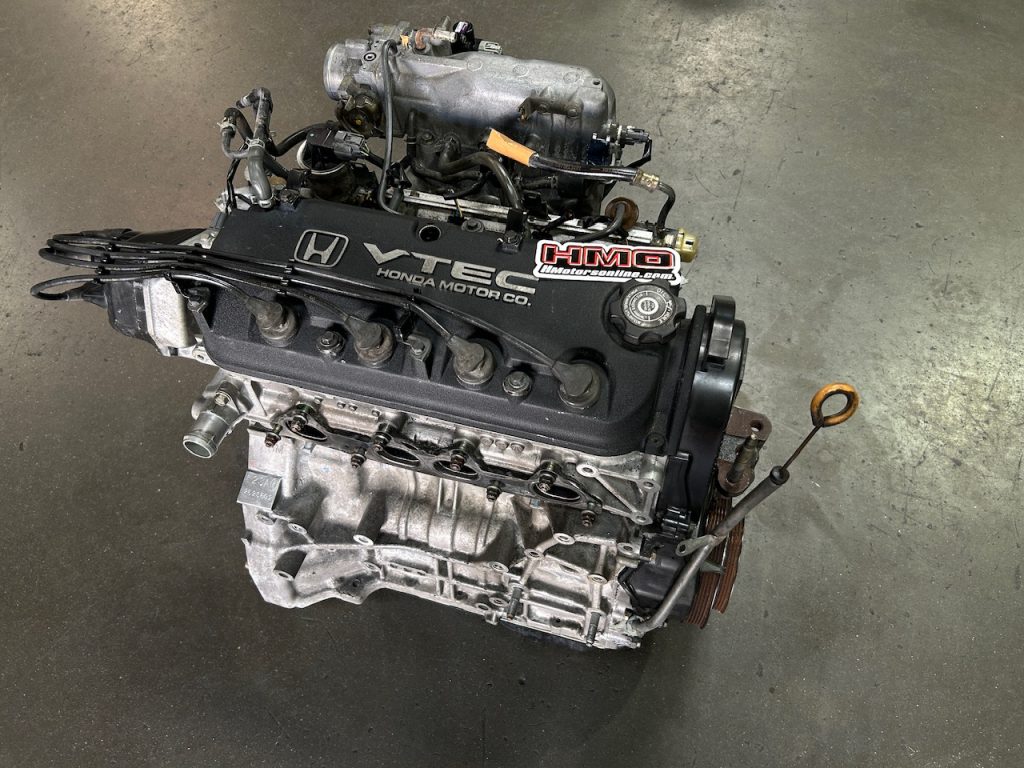
The Honda F23 engine takes a more understated approach to longevity. It is not known for high revving excitement or aggressive performance, but it excels in providing steady and dependable operation over long periods. Mechanics who work on older Honda models often encounter this engine still running smoothly after years of use.
One of the most notable characteristics of the F23 is its focus on low end torque. This tuning allows the engine to deliver power without needing to operate at high rpm frequently. Lower engine speeds reduce internal stress, which directly contributes to longer component life.
The design emphasizes durability through simplicity and solid construction. Internal parts are built to handle daily driving demands without being pushed to extremes. This conservative approach ensures that wear occurs slowly and predictably.
Heat management plays an important role here as well. The F23 maintains consistent temperatures, which helps prevent issues related to overheating. Mechanics often point out that engines with stable thermal behavior tend to experience fewer long term problems.
Another factor is its straightforward maintenance requirements. Routine servicing is easy to perform, and parts are widely available. This encourages owners to keep up with maintenance, further extending the engine’s lifespan.
Drivers often appreciate how the engine feels consistent over time. It may not deliver dramatic acceleration, but it provides reliable performance that does not degrade quickly. This predictability is a key reason why many of these engines remain in use for extended periods.
The F23 also shows resilience in less than ideal conditions. Even when maintenance is delayed, it often continues to operate without immediate failure. While this should not replace proper care, it highlights the engine’s robust nature.
Mechanics frequently describe the F23 as dependable rather than exciting, and that is precisely what makes it valuable. It fulfills its purpose without introducing unnecessary complexity or risk.
This engine demonstrates that longevity does not always come from advanced features. Sometimes, a balanced and straightforward design is enough to create an engine that remains reliable for many years.
5. Honda J35 V6 Engine
The Honda J35 V6 introduces a different dimension to longevity by combining higher displacement with smooth and controlled power delivery.
Mechanics often regard it as one of Honda’s most durable larger engines, especially considering the additional stress that naturally comes with a V6 configuration. Despite its size and output, it manages to maintain reliability across long ownership periods.
A major reason behind this durability is how the engine distributes load. Instead of concentrating stress in specific areas, the J35 spreads it evenly across its internal components. This balanced operation reduces the likelihood of localized wear, which is often the starting point for major engine issues.
The VTEC system in this engine is tuned more for efficiency than aggressive performance. It enhances fuel economy while keeping internal pressures within safe limits during normal driving. This approach ensures that the engine does not constantly operate under high stress, which helps extend its lifespan.
Another factor that mechanics frequently highlight is the strength of its bottom end. The crankshaft and connecting rods are designed to handle sustained use without developing excessive play or vibration. Even after significant mileage, these components often remain in good condition.
Cooling efficiency also plays a key role. The J35 maintains stable temperatures even in larger vehicles such as SUVs and minivans, where engines are often subjected to heavier loads. Consistent temperature control prevents long term damage to gaskets and seals.
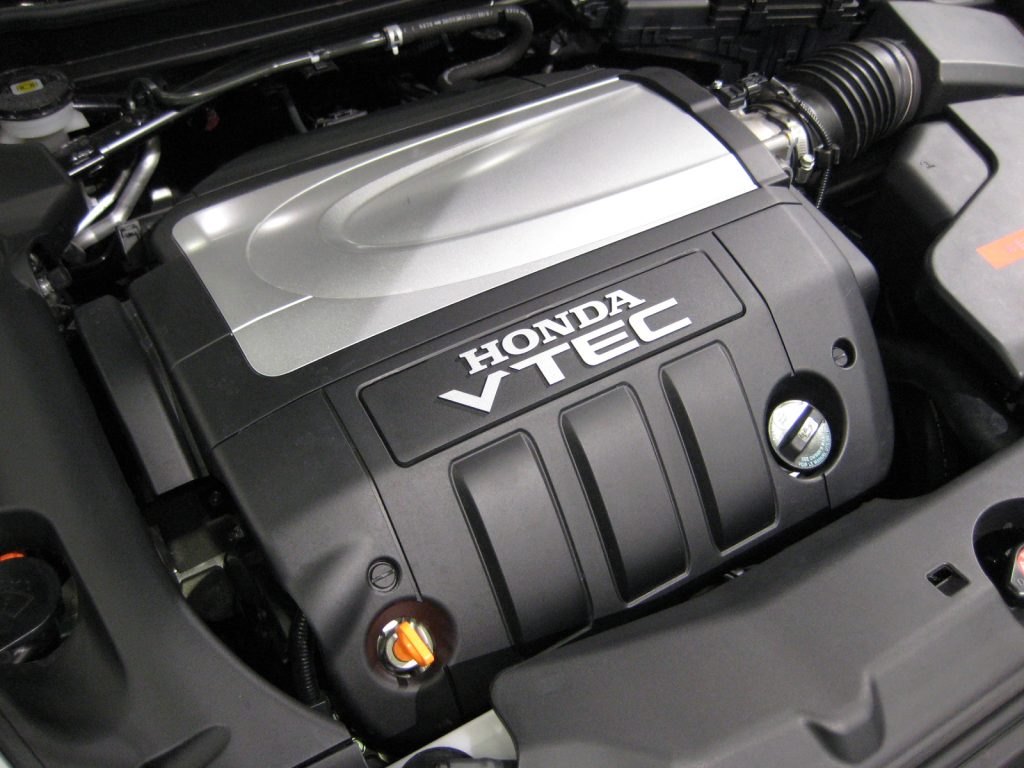
Owners often report that the engine continues to run quietly and smoothly even after years of use. This consistency reflects the quality of engineering and the effectiveness of its internal balance. Noise and vibration, which often indicate wear, tend to remain minimal.
Maintenance is relatively straightforward, though attention to timing belt service is important. When serviced properly, the engine rarely develops major issues. Mechanics often see these engines reach high mileage with only routine care.
The J35 demonstrates that larger engines can still achieve impressive longevity when designed with care. It combines power with reliability in a way that supports both daily driving and long term ownership.
6. Honda R18 Engine
The Honda R18 engine represents a modern approach to efficiency and durability, particularly in compact vehicles. It was designed to deliver reliable performance while meeting stricter emissions and fuel economy standards, and it has proven capable of lasting well beyond typical expectations.
One of the defining aspects of the R18 is its emphasis on low friction operation. Internal components are engineered to move smoothly, reducing energy loss and wear. This design philosophy not only improves efficiency but also contributes directly to engine longevity.
The engine’s i VTEC system is calibrated to prioritize fuel economy and smooth operation. Rather than focusing on high performance, it adjusts valve timing to maintain efficiency across different driving conditions. This reduces stress on internal parts and helps the engine age more gracefully.
Mechanics often point out that the R18 maintains stable performance over time. It does not develop significant issues suddenly, and wear tends to occur gradually. This allows owners to address minor problems before they escalate into major repairs.
Another important feature is its effective cooling system. The engine maintains consistent operating temperatures, which is essential for preventing long term damage. Proper heat management ensures that components retain their structural integrity even after extended use.
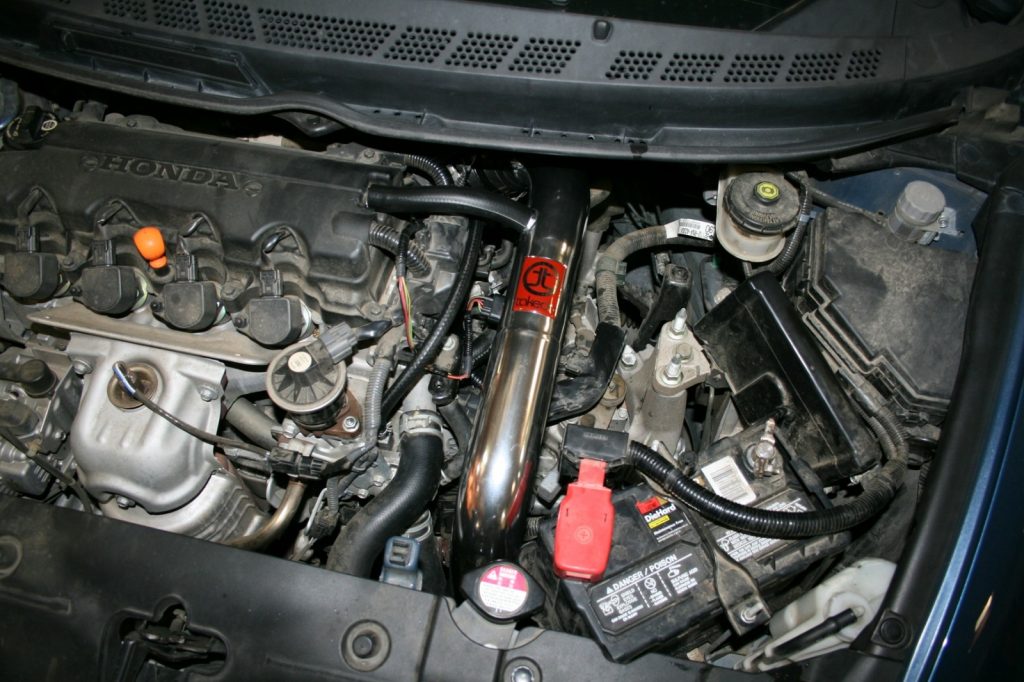
Oil consumption is generally low, which further supports durability. Consistent lubrication protects moving parts and reduces the risk of internal damage. Mechanics frequently encounter R18 engines that show minimal wear even after high mileage.
Drivers appreciate the engine’s quiet and smooth operation. It may not be the most powerful option, but it delivers reliable performance that remains consistent over the years. This predictability adds to its appeal.
Maintenance requirements are simple, and parts availability is strong. This makes it easier for owners to keep the engine in good condition without significant expense.
The R18 stands as an example of how modern engineering can achieve both efficiency and longevity. It reflects Honda’s ability to adapt to changing demands while maintaining a strong focus on reliability.
7. Honda B18 Engine
The Honda B18 engine carries forward the same spirit as the B16 but with a slightly broader character that emphasizes usable performance without compromising durability. Mechanics who have worked with this engine over the years often describe it as one of the most well rounded powerplants Honda has ever produced.
It combines strong mid range torque with the ability to rev freely, all while maintaining a structure that holds up remarkably well over time.
One of the key strengths of the B18 lies in its internal balance. The rotating assembly is engineered to minimize vibration, which reduces long term stress on bearings and other moving parts. This smooth operation contributes significantly to its longevity, especially in engines that have seen spirited driving.
Unlike some performance engines that feel strained under daily use, the B18 adapts comfortably to both calm commuting and aggressive acceleration. This flexibility means the engine does not spend prolonged periods under extreme stress, allowing it to wear at a slower and more controlled rate.
The VTEC system plays a supportive role rather than dominating the engine’s character. It enhances performance when needed but allows the engine to remain efficient during regular driving. This balance helps preserve internal components by avoiding constant high load conditions.
Mechanics often point out that the B18 maintains compression well even after high mileage. This is a clear indication that the cylinder walls, piston rings, and valves continue to function effectively over time. Engines that retain compression tend to deliver consistent performance and efficiency.
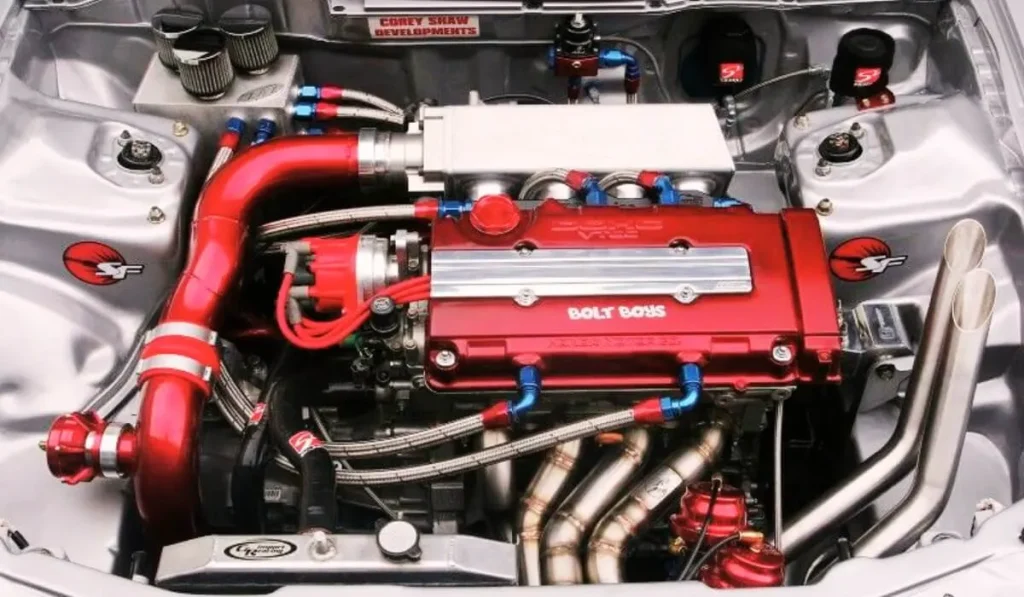
Another aspect worth noting is its tolerance for modifications. Enthusiasts frequently upgrade intake and exhaust systems or increase power output, yet the engine continues to perform reliably when modifications are done responsibly. This resilience speaks to the strength of its design.
Maintenance is straightforward, and parts remain widely available. Regular oil changes and basic servicing are usually sufficient to keep the engine running smoothly for years. Even when maintenance is not perfect, the B18 often continues to operate without immediate issues.
The B18 stands as an example of how thoughtful engineering can create an engine that excels in multiple areas. It delivers performance, adaptability, and durability in a way that few engines manage to achieve simultaneously.
8. Honda L15 Engine
The Honda L15 engine represents a more recent chapter in Honda’s approach to longevity, focusing on efficiency and compact design while still maintaining durability. Found in smaller vehicles, this engine demonstrates how modern engineering can achieve long term reliability without relying on large displacement or heavy construction.
A defining characteristic of the L15 is its efficient use of space and materials. The engine is compact, yet its internal components are designed to handle daily driving demands without excessive strain. This careful balance between size and strength contributes to its ability to last over time.
The i VTEC system in the L15 is tuned to optimize fuel efficiency and smooth operation. By adjusting valve timing, the engine maintains stable performance across different driving conditions. This reduces unnecessary stress on internal components and helps extend their lifespan.
Mechanics often highlight the engine’s ability to maintain consistent performance even after extended use. It does not develop major issues suddenly, and wear tends to progress gradually. This predictability allows owners to address maintenance needs before they become serious problems.
Another important factor is its effective heat management. Despite its compact size, the engine maintains stable temperatures, which is essential for preventing long term damage. Proper cooling ensures that components remain within safe operating limits.
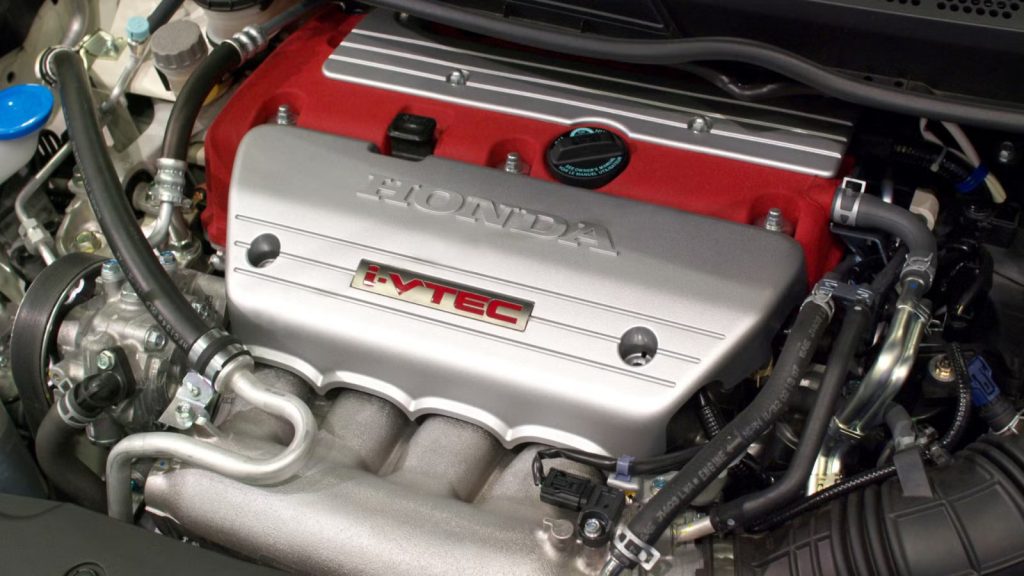
Oil efficiency is also a strength. The engine uses lubrication effectively, reducing friction and protecting internal parts. Mechanics frequently encounter L15 engines that show minimal wear even after significant mileage.
Drivers appreciate the engine’s quiet and refined operation. It delivers reliable performance without drawing attention to itself, which is often a sign of good engineering. Consistency becomes one of its most valuable traits.
Maintenance remains simple, and the engine responds well to regular servicing. With proper care, it continues to perform reliably over many years.
The L15 demonstrates that longevity is not limited to larger or more powerful engines. With the right design approach, even compact engines can achieve impressive durability.
9. Honda K24 Engine
The Honda K24 engine builds on the strengths of the K20 while introducing a more relaxed and torque focused character. Mechanics often view it as one of the most dependable modern Honda engines because it combines strong performance with a design that avoids unnecessary stress on internal components.
It is widely used in sedans, SUVs, and even performance oriented models, which highlights its versatility.
A major reason for its longevity lies in how it delivers power. Instead of relying on extremely high rpm, the K24 produces torque at lower engine speeds. This reduces strain on moving parts and allows the engine to operate within a more comfortable range during daily driving. Lower stress levels translate directly into slower wear over time.
The internal construction is robust, with components designed to handle sustained use. The crankshaft and connecting rods maintain stability even after extended mileage, and the cylinder walls tend to retain their integrity. Mechanics frequently report that these engines maintain strong compression long after many others begin to weaken.
Another strength is its efficient oiling system. Proper lubrication ensures that friction remains minimal, protecting critical parts from premature damage. This consistency is especially important in engines that see a mix of city and highway driving.
Heat management is also well controlled. The K24 maintains steady operating temperatures, which helps prevent issues such as gasket failure or warping. Engines that manage heat effectively tend to have longer service lives, and this one follows that pattern closely.
Owners often notice that the engine continues to feel smooth and responsive even after years of use. This consistency reflects the quality of its engineering and the balance between performance and durability.
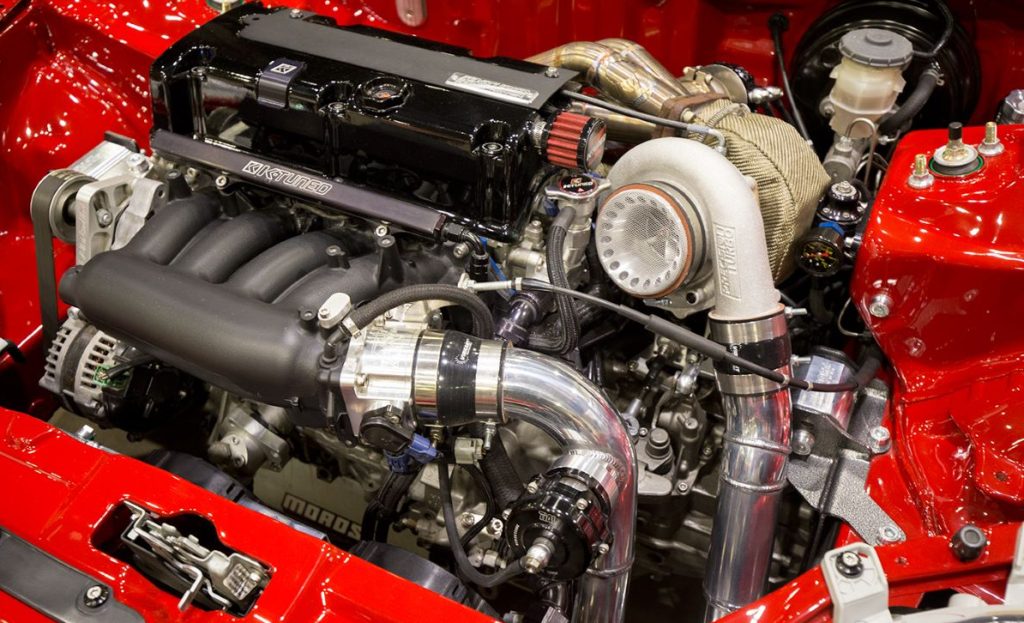
The K24 also adapts well to different driving styles. Whether used for calm commuting or more demanding conditions, it maintains reliability without requiring constant attention. This flexibility adds to its appeal among a wide range of drivers.
Maintenance remains straightforward, and the engine responds well to regular servicing. With proper care, it can deliver years of dependable operation without major issues.
The K24 stands as a strong example of how modern engines can achieve longevity without sacrificing usability. It continues Honda’s tradition of building engines that perform reliably across different conditions.
10. Honda F20C Engine
The Honda F20C engine takes a different approach to longevity by combining high performance with exceptional engineering precision.
Known for its use in performance applications, this engine operates at high rpm levels that would typically reduce lifespan in less refined designs. Yet it manages to maintain durability in a way that surprises many mechanics.
One of the most impressive aspects of the F20C is its ability to handle extreme engine speeds without excessive wear. The internal components are built with remarkable precision, allowing them to move smoothly even under demanding conditions. This reduces friction and prevents the kind of stress that usually leads to early failure.
The engine’s lightweight design contributes to its efficiency. By reducing mass in critical areas, Honda minimized the forces acting on internal components. This careful balance allows the engine to sustain high performance without compromising structural integrity.
Lubrication plays a critical role in maintaining its longevity. The oiling system is designed to deliver consistent protection, even when the engine is pushed to its limits. Mechanics often emphasize that proper oil quality and maintenance are especially important for this engine.
Another factor is its cooling efficiency. Despite operating at high rpm, the engine maintains stable temperatures, which helps prevent long term damage. Effective heat management ensures that components remain within safe operating limits.
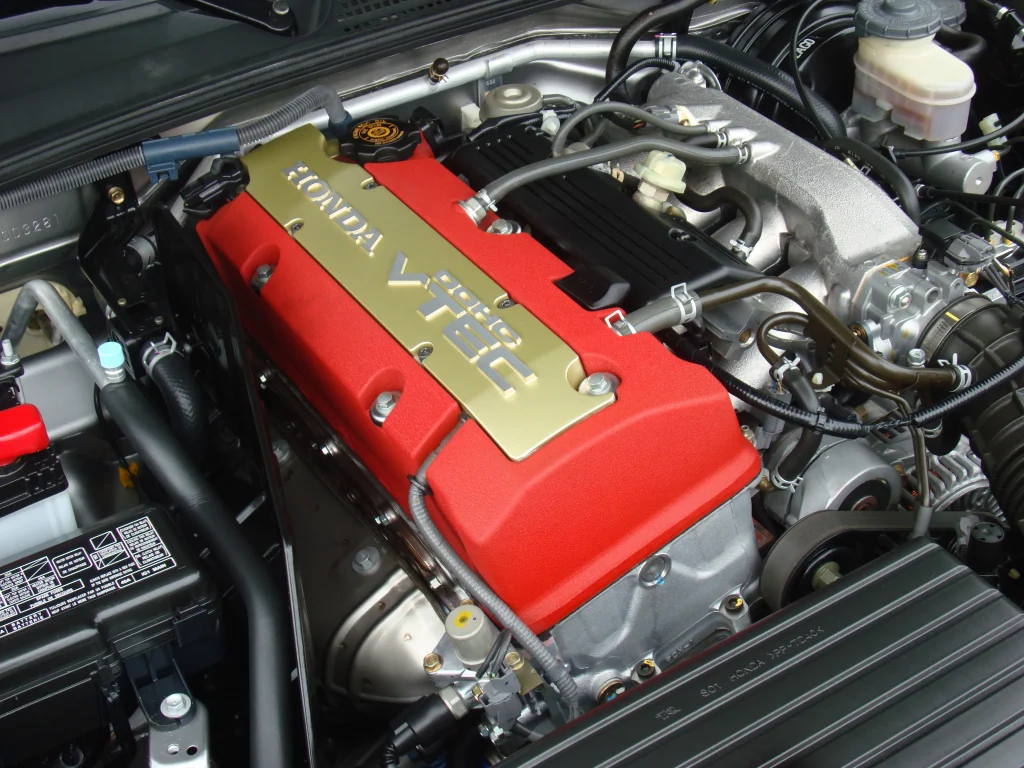
Drivers often report that the engine continues to perform strongly even after significant mileage. This durability is a direct result of the precision engineering that defines the F20C. It does not rely on conservative tuning but instead achieves longevity through careful design.
Maintenance requires attention to detail, but when properly cared for, the engine remains reliable. Mechanics who work with these engines often describe them as resilient despite their performance focus.
The F20C demonstrates that longevity is not limited to low stress engines. With the right engineering approach, even high performance engines can deliver long term reliability. It stands as a testament to Honda’s ability to push boundaries while maintaining durability.
Also Read: 8 Truck Engines Fleet Managers Specify for Guaranteed Uptime