
After spending some time with a midsize SUV, daily use can start to feel routine. Controls are used without thinking, settings stay the same, and certain parts of the interior barely register anymore. That sense of familiarity often creates the impression that everything the vehicle offers has already been discovered.
In reality, modern SUVs are designed with layers of functionality that are easy to miss once the excitement of ownership settles. The Hyundai Santa Fe is a strong example of this approach. Designed for comfort, family responsibilities, and occasional outdoor use, it includes a wide range of features meant to support real-life driving situations.
Many of these details are subtle by design. Some are hidden within trim pieces, others are buried inside system menus, and a few require actions most drivers never consider trying. These features are not decorative or experimental. Each one exists to solve a practical problem once it comes into use.
This page highlights ten built-in features that owners often overlook. When viewed together, they show how much everyday convenience has been integrated into the vehicle without calling attention to itself. Each addresses common situations drivers encounter during normal weekly routines, making daily use easier once they are discovered.
1. Hidden C-Pillar Assist Handle
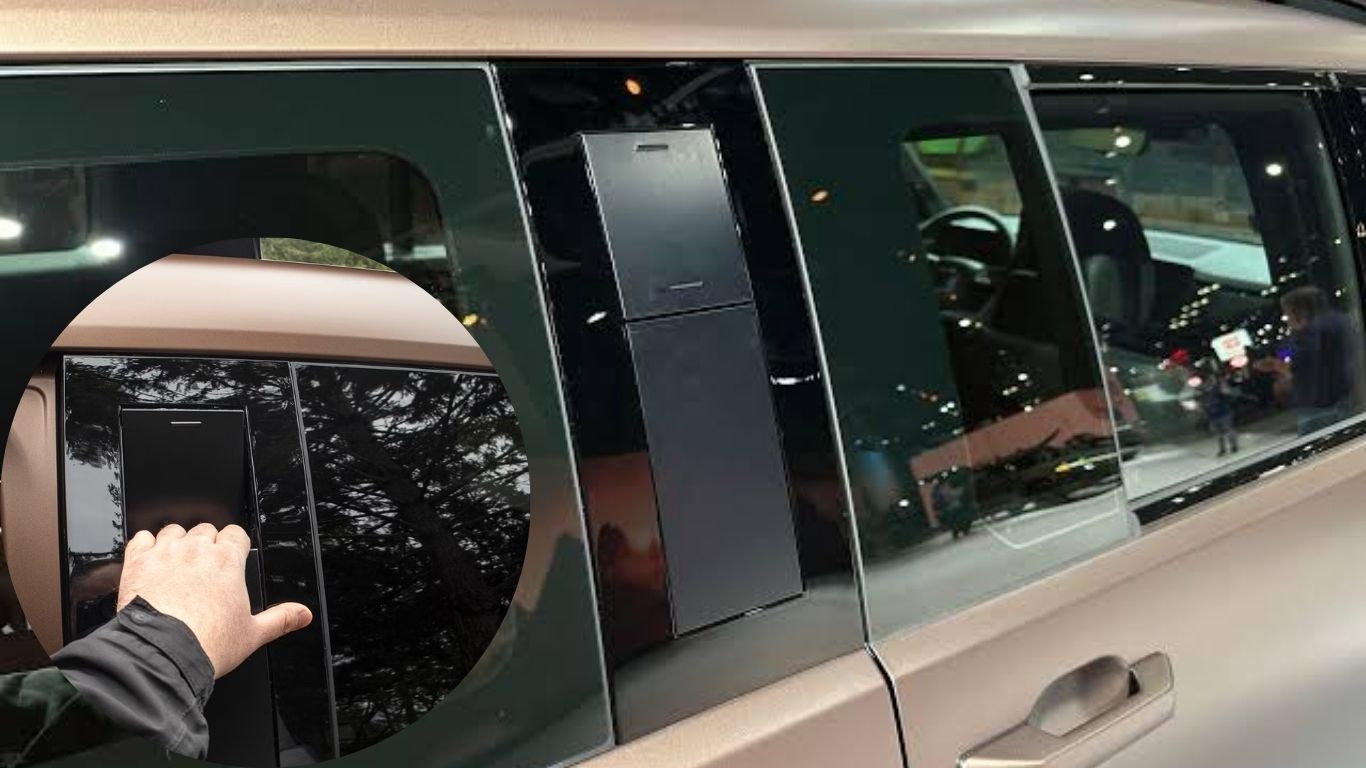
At the rear section of the vehicle, just behind the back passenger doors, a discreet detail sits within the dark exterior trim. With a gentle press, a solid assist handle emerges from the body panel. This addition serves a practical purpose, especially for vehicles with elevated rooflines that can be difficult to access safely without support.
Loading items onto the roof of a tall SUV often presents physical challenges. Equipment such as rooftop carriers, tents, kayaks, or camping supplies requires steady balance and a secure grip. Instead of depending on temporary steps or placing weight on door edges, this built-in handle provides firm support. When paired with the natural foothold created by the vehicle’s structure, users achieve better balance while lifting or securing items above shoulder height.
Many drivers overlook this feature because it blends neatly into the vehicle’s exterior. Once discovered, it quickly becomes part of regular use. Tasks that once felt uncomfortable now feel more controlled. Tightening roof straps becomes less stressful, and preparing for travel takes less effort.
Shorter users benefit greatly from this thoughtful placement. The handle reduces awkward stretching and improves reach without requiring added accessories. No installation is necessary, and no tools are involved. When not in use, the handle rests flush against the body, preserving the vehicle’s clean appearance.
This design reflects careful attention to outdoor practicality. Instead of attaching visible add-ons, functionality is built directly into the structure. The result is improved safety during loading, better confidence when working at height, and smoother preparation for trips involving rooftop equipment.
2. UV-C Sterilization Tray
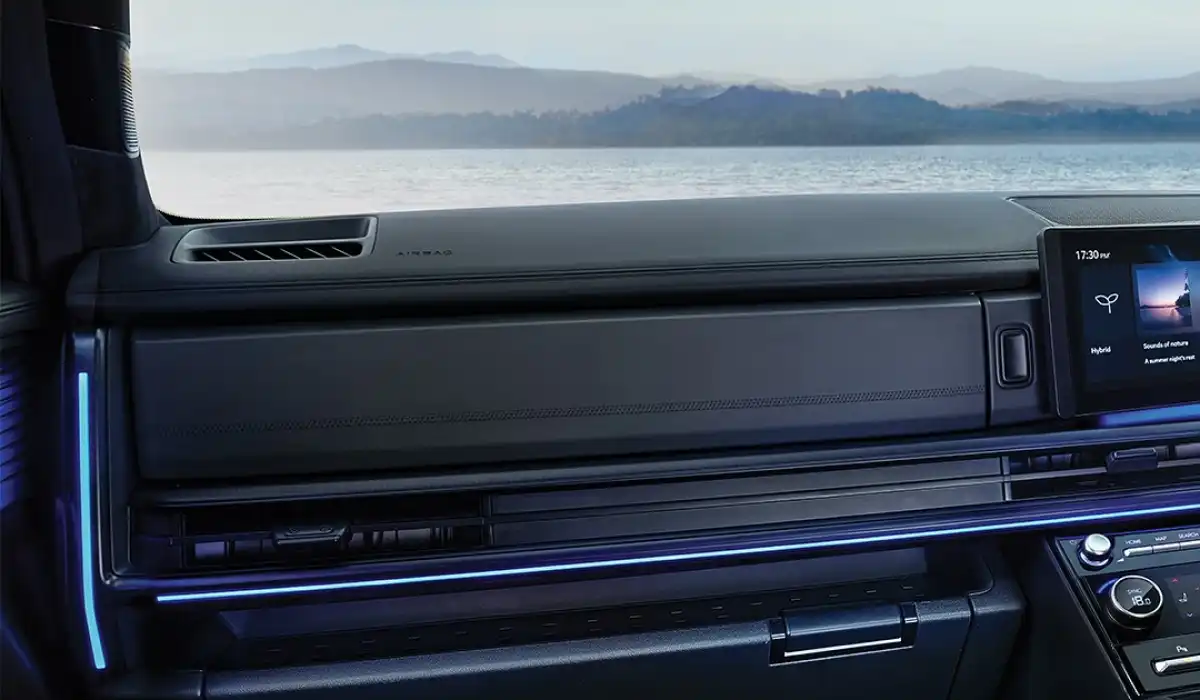
Inside the upper glove compartment, a subtle feature offers added everyday usefulness. Certain trims include a UV-C sterilization tray designed to clean small personal items during regular driving. Once items are placed inside and the compartment is closed, a simple command begins the ultraviolet cleaning process.
Objects such as mobile phones, keys, wallets, and eyeglasses are handled constantly throughout the day. These items collect bacteria through frequent contact, yet regular cleaning often gets overlooked. This tray addresses that issue by allowing sanitation to happen automatically while the vehicle is in motion.
Drivers find this feature helpful after visits to crowded locations or during periods when hygiene becomes a priority. Parents often use it for items handled by children, while daily commuters appreciate having a cleaner phone without carrying wipes or sprays.
Operation remains straightforward. The compartment closes securely, the cycle starts, and the system completes its task without requiring further attention. There is no moisture, no heat buildup, and no risk to sensitive electronics. Items remain dry and unchanged after the process ends.
Many owners remain unaware of this feature because it sits above the main glove box and often goes unmentioned during delivery explanations. Once identified, it easily becomes part of daily habits. By using existing interior space creatively, this feature supports cleanliness without adding inconvenience. It fits naturally into everyday routines while helping maintain better personal hygiene during regular vehicle use.
Also Read: 8 Little-Known Features In The Hyundai Tucson
3. Bi-Directional Dual-Hinged Center Console
Shared cabin space can create minor discomfort when access favors only the front seats. Traditional center consoles often limit rear occupants, leaving them dependent on assistance. Hyundai addressed this issue through a dual-hinged center console designed to open from both directions, allowing equal access for everyone inside the vehicle.
From the front seats, the console operates as expected, offering storage for everyday items such as charging cables, tissues, and small personal belongings. Rear occupants, however, can lift the same lid from their side without leaning forward or disrupting the driver. This arrangement supports smoother interaction inside the cabin and reduces repeated requests during travel.
Families experience practical benefits quickly. Children seated at the back can reach snacks or small toys on their own, reducing interruptions during long trips. Adults enjoy a quieter drive with fewer distractions. Items remain stored in one shared location rather than scattered across seats or door pockets.
The design also suits ride-sharing and carpool arrangements. Rear passengers feel included rather than overlooked, which improves comfort and cooperation during shared journeys. The cabin operates as a collective space instead of serving only those seated in front.
Build quality remains dependable. The hinges secure firmly from either side, and the lid closes with equal strength regardless of direction. There is no looseness or unwanted noise during movement. Many owners assume the console opens only from the front and never test the rear access. When discovered later, it feels like gaining additional storage rather than learning a hidden function.
This feature shows how careful interior planning improves daily comfort. Without adding electronics or raising costs, a simple structural adjustment transforms how occupants interact with shared space inside the vehicle.
4. Digital Key 2 Touch Sharing
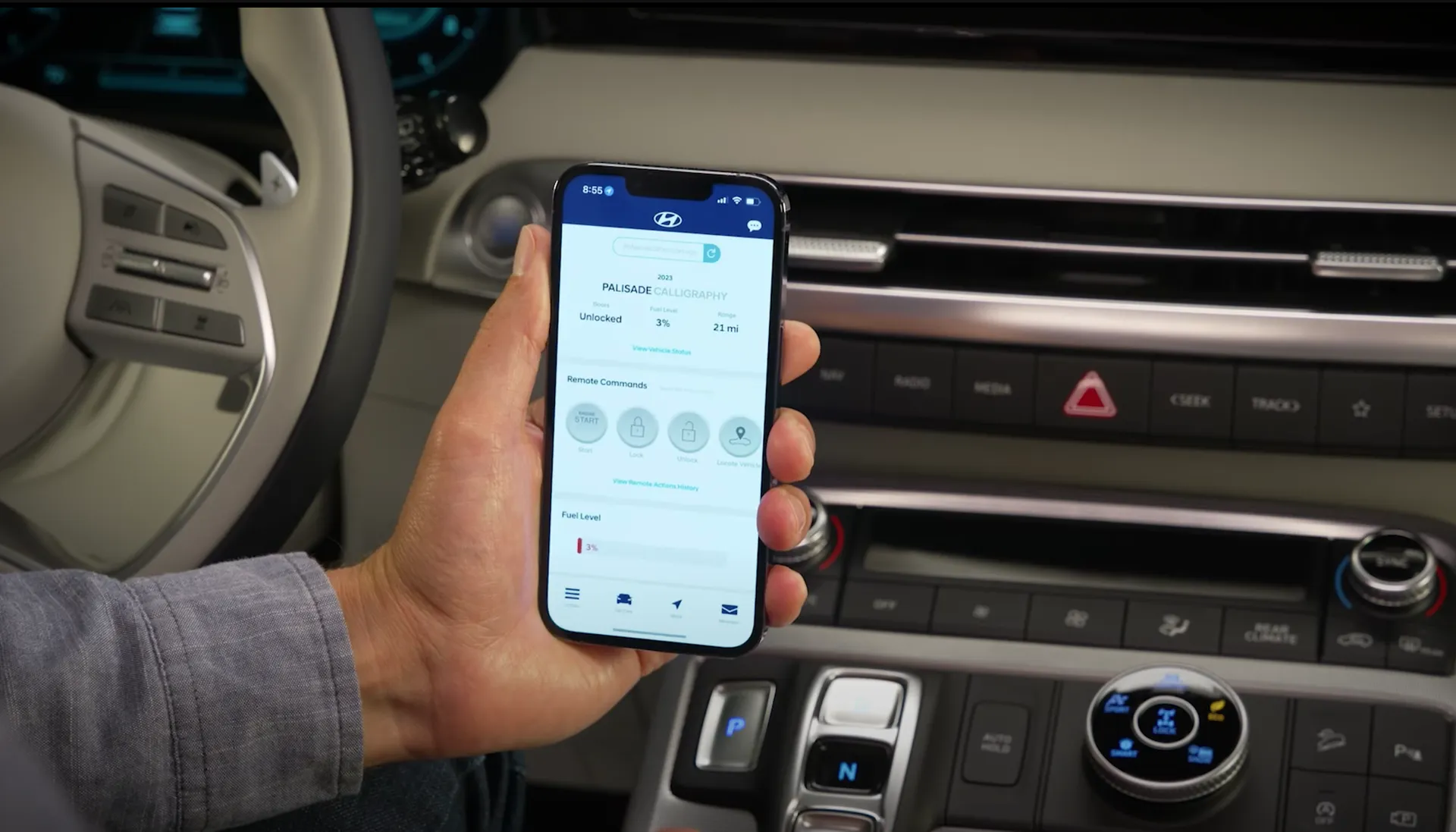
Vehicle access has moved beyond traditional key fobs as technology reshapes daily habits. Digital Key 2 Touch allows drivers to unlock and start their vehicle using a compatible smartphone. After setting up through Apple Wallet, Google Wallet, or Samsung Wallet, access happens by placing the phone near the door handle.
Authentication relies on Ultra-Wideband technology, which identifies approved devices quickly and securely. Once inside the cabin, the same phone enables engine start without additional steps. The experience feels natural for users already accustomed to mobile payments and digital passes.
Sharing vehicle access becomes easier through this system. Drivers can send a digital key to another phone using messaging services. Time limits and usage permissions remain adjustable, allowing controlled access without physical exchange. This proves helpful for families with shared vehicles or short-term lending situations.
Misplaced keys become less troublesome when phones remain within reach. Daily routines feel smoother because drivers no longer worry about carrying an extra device. The system supports modern lifestyles without demanding behavioural change. Initial setup requires only a few minutes. Once completed, the feature integrates seamlessly into daily use. Some owners continue carrying physical fobs simply because they never activate the digital option, not because of difficulty.
Security remains a priority throughout the process. Permissions can be withdrawn instantly, and access stays limited to approved devices. There is no reduction in protection compared to conventional keys. This approach reflects how vehicles adapt to present-day habits. By reducing steps rather than adding them, Digital Key 2 Touch improves convenience while maintaining dependable access control for shared and individual use.
5. Remote Smart Parking Assist
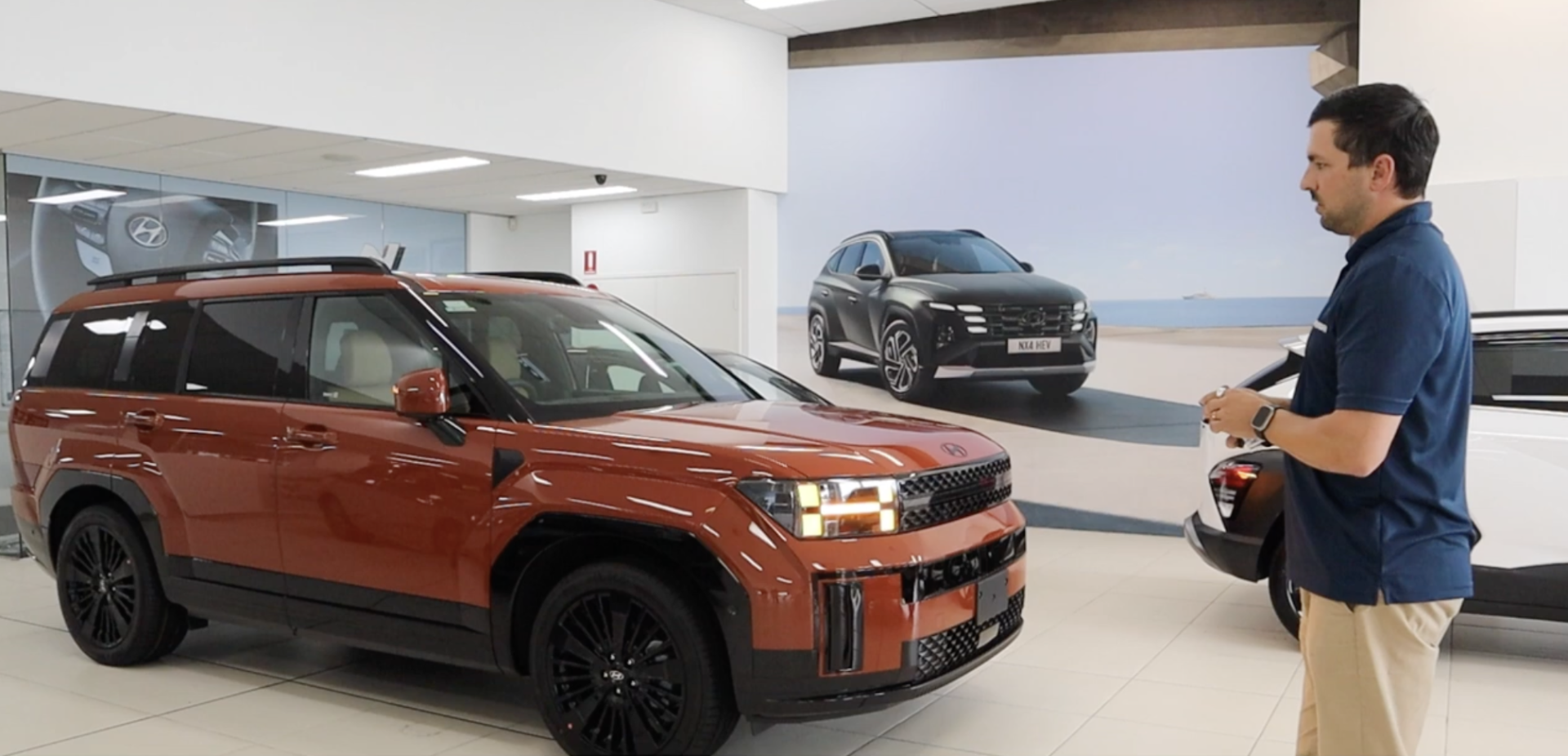
Tight parking spaces often create stress, especially in crowded shopping areas or narrow residential garages. Remote Smart Parking Assist addresses this challenge by allowing the vehicle to move forward or backward while the driver stands outside using the key fob.
The operation involves holding designated buttons on the fob, prompting the vehicle to reposition itself in a straight line. This removes the need to squeeze through narrow door gaps before entering or exiting. The feature proves useful in city environments where space remains limited.
Safety remains central to the system. Movement stops immediately when the buttons are released, giving the driver full control at all times. Sensors monitor the surroundings continuously, helping the vehicle maintain awareness of nearby objects while moving slowly and steadily.
The function works well in home garages with restricted clearance. Drivers can create adequate space before entering the cabin, improving comfort and reducing contact with walls or adjacent vehicles. Learning the activation sequence takes some familiarity, which explains why many owners remain unaware of the feature. Once understood, it becomes a dependable solution during awkward parking situations.
Parents also benefit when loading children or bulky items. Repositioning the vehicle first creates safer and more comfortable access without rushing. This technology feels practical because it addresses common parking frustrations rather than rare scenarios. By allowing movement without driver presence inside the cabin, Remote Smart Parking Assist reduces stress during daily routines and supports safer vehicle handling in confined spaces.
6. Rear Occupant Alert with Radar Sensors
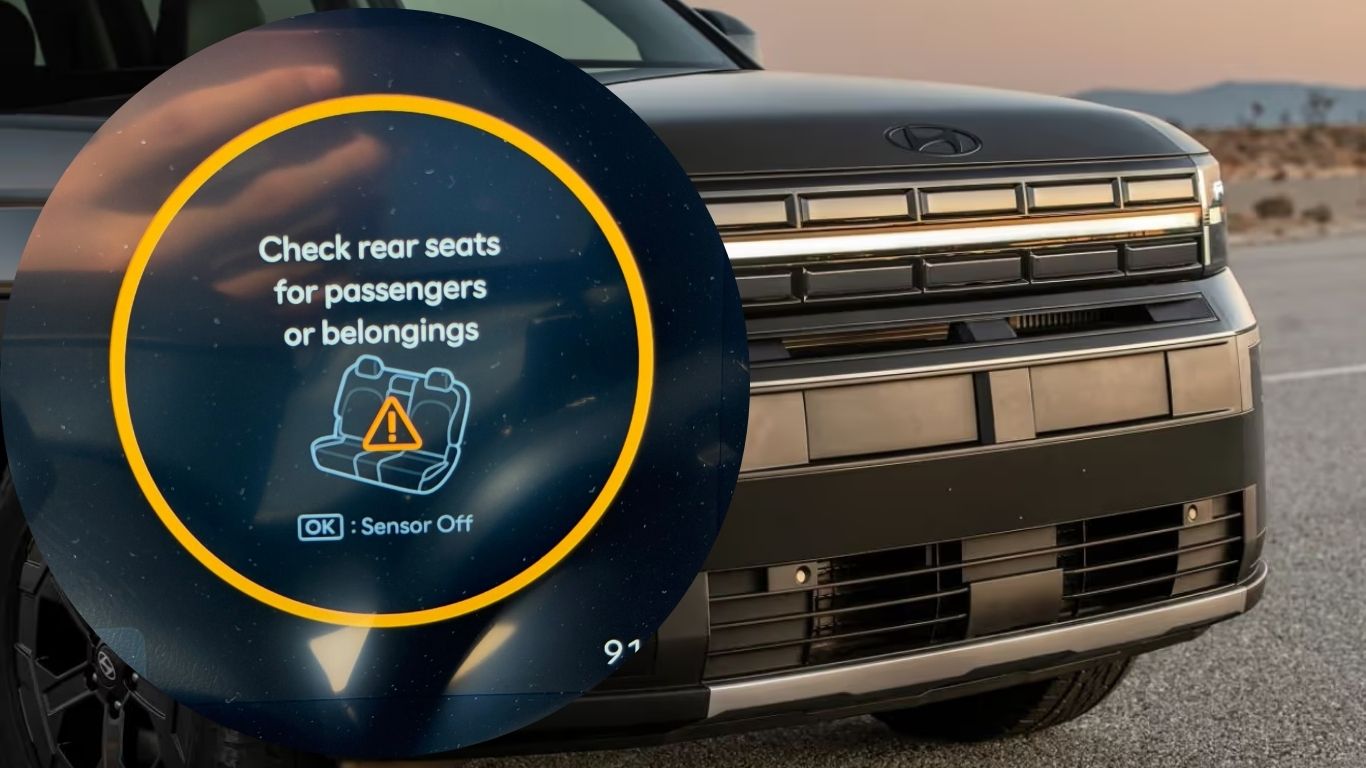
Keeping children and pets safe inside a parked vehicle requires more than simple reminders. Hyundai approached this responsibility with a radar-based rear seat monitoring system that checks for movement after the car is turned off. A sensor mounted near the ceiling tracks activity in the back seats, including gentle motion such as breathing, which basic reminder systems are unable to detect.
After the vehicle is shut down and locked, the monitoring system stays active. If movement appears in the rear seating area, the vehicle reacts without delay. The horn sounds to alert anyone nearby, while a message is sent directly to the driver’s connected phone. This combination ensures the warning reaches the driver even if they have already left the area.
Busy schedules often lead to distractions, especially for parents and caregivers. This system adds peace of mind by focusing on actual presence rather than routine habits. Pets also gain protection, especially during short stops that unexpectedly take longer than planned.
During regular driving, the system remains silent and unnoticed. It does not affect cabin comfort or passenger experience. Its role becomes visible only when attention is required, allowing it to work quietly in the background. Drivers can adjust alert sensitivity and notification preferences through the infotainment screen. These settings allow personal control while keeping safety as the main priority.
Unlike systems that rely on door usage patterns, radar detection responds only when someone is truly present. This makes it reliable during shared vehicle use or irregular travel routines. By accounting for real daily situations, this feature supports safer habits. Through constant monitoring and timely alerts, it acts as a dependable safeguard when attention momentarily slips.
7. Quiet Mode Audio Cutoff
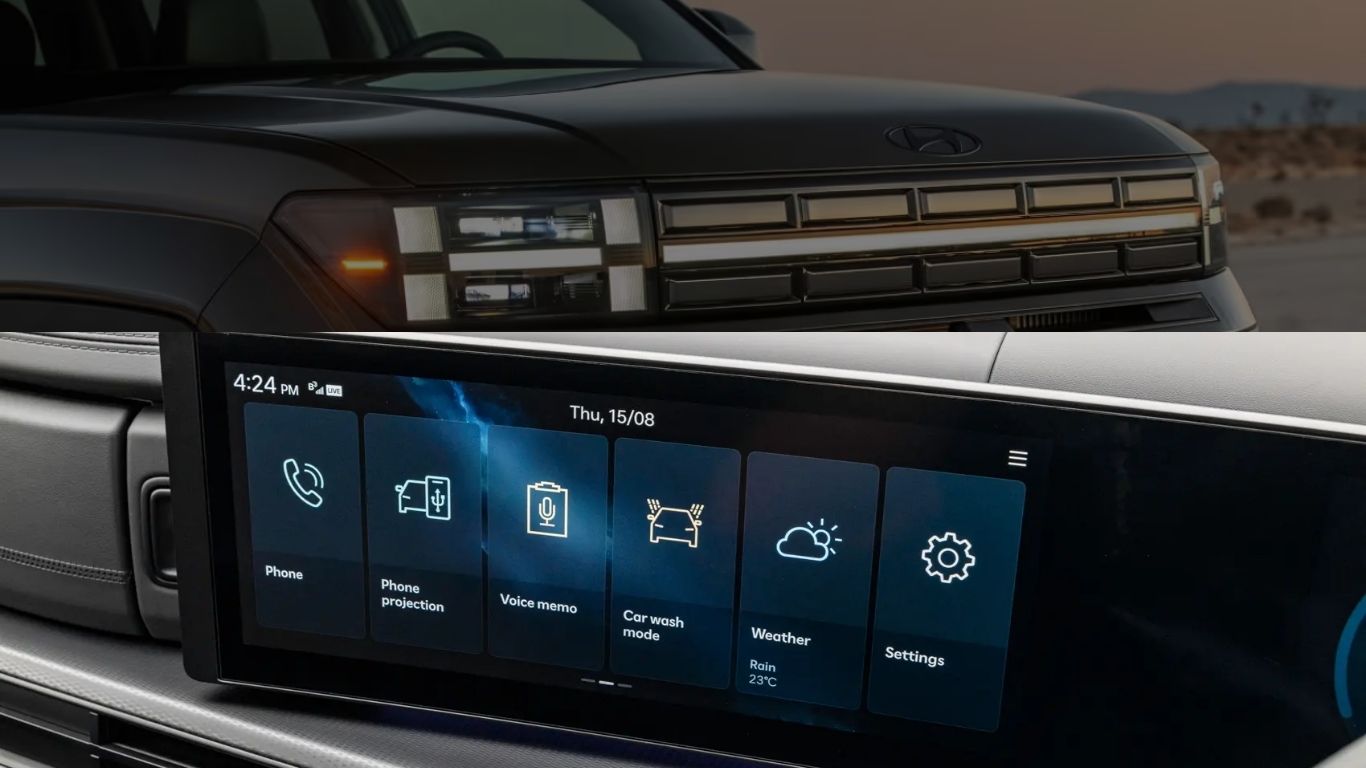
Traveling with others often means balancing different comfort preferences inside the vehicle. While some occupants want quiet time to rest, the driver may still need access to music, calls, or navigation prompts. Quiet Mode solves this by silencing the rear speakers while keeping sound active in the front, allowing the journey to continue without disturbing those seated behind.
Accessing this feature takes only a quick tap on the infotainment display. Once switched on, the system automatically adjusts audio output. Sound stops playing through the rear speakers, while the front speakers continue at the same volume. Directions, phone conversations, and selected audio remain clear for the driver, without any need to adjust balance settings.
Evening and nighttime trips become easier with this option. Children sleeping in the back seats are not interrupted, and parents can focus on driving without worrying about noise levels. The cabin stays calm while the driver maintains full awareness. Adults riding along on longer trips also benefit. Removing unnecessary sound from the rear area creates a more restful environment. Passengers can relax comfortably while the driver continues without distraction.
Turning Quiet Mode off is just as simple. One touch returns sound to all speakers smoothly, avoiding sudden volume changes. The system handles audio distribution on its own, so drivers do not need technical knowledge or memory of previous settings. This type of sound control shows how small adjustments can improve shared travel. By limiting noise where it is not needed, the vehicle supports comfort, focus, and cooperation during both short drives and extended trips.

8. Smart Tailgate Height Customization
Power-operated liftgates sometimes rise beyond practical limits in garages with restricted clearance. This function allows the driver to set a preferred opening height without technical tools or dealership assistance. The process relies on simple manual positioning followed by a brief command input, after which the vehicle retains the chosen limit for regular use.
Once stored, the liftgate responds consistently each time it opens, reducing contact risks and improving confidence during parking in enclosed spaces. The procedure begins by opening the liftgate and guiding it by hand to the desired level. After positioning, the close control is pressed and held until an audible chime confirms acceptance.
That confirmation signals permanent storage until a new height is selected. The vehicle does not revert automatically, which means the setting supports repeated daily routines without surprise movement. Shorter drivers gain measurable convenience from this arrangement.
Reaching the close control becomes easier, eliminating unnecessary stretching. The physical effort associated with closing a raised gate is reduced, allowing smoother interaction during errands or school runs. Parents handling groceries or luggage also benefit, since the motion aligns with natural reach.
Safety advantages appear immediately. Low ceilings, shelves, and garage fittings remain protected from contact. Scratches, dents, and hinge strain are reduced through controlled movement. The feature also assists shared vehicles, since one driver can adjust the height to match a common parking location used by multiple people.
Consistency stands out as the main strength. The liftgate opens to the same point each time, which builds trust during use. Drivers no longer anticipate sudden stops or unexpected extensions. This predictability supports calm operation during rain or tight parking conditions.
Many owners remain unaware of this adjustment because it receives limited explanation during delivery. Discovery often occurs through experimentation rather than instruction. Once applied, the benefit becomes immediately apparent and difficult to abandon.
This form of customization improves everyday interaction with the vehicle. Rather than altering performance or appearance, it refines routine contact points. Practical design choices like this reduce irritation and support smoother ownership experiences across different environments.
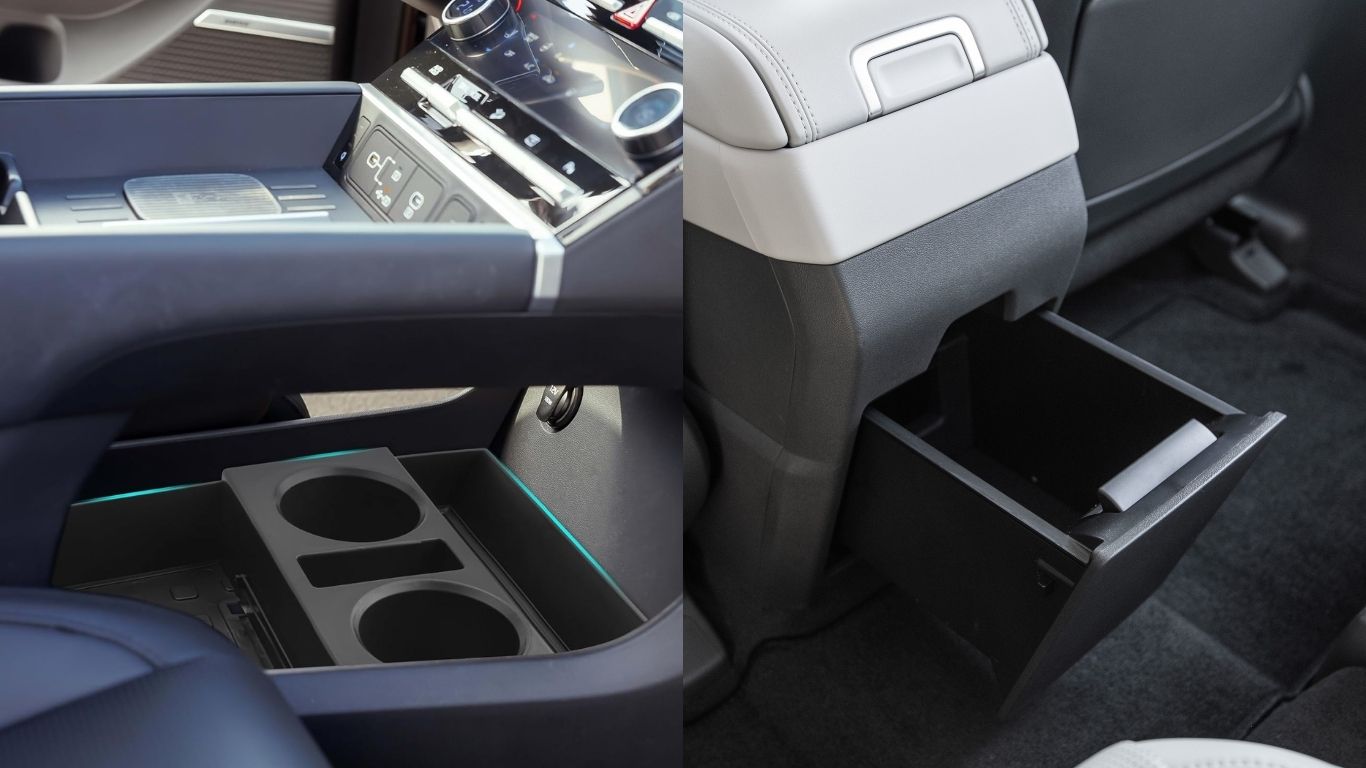
9. Under-Console Pass-Through Storage
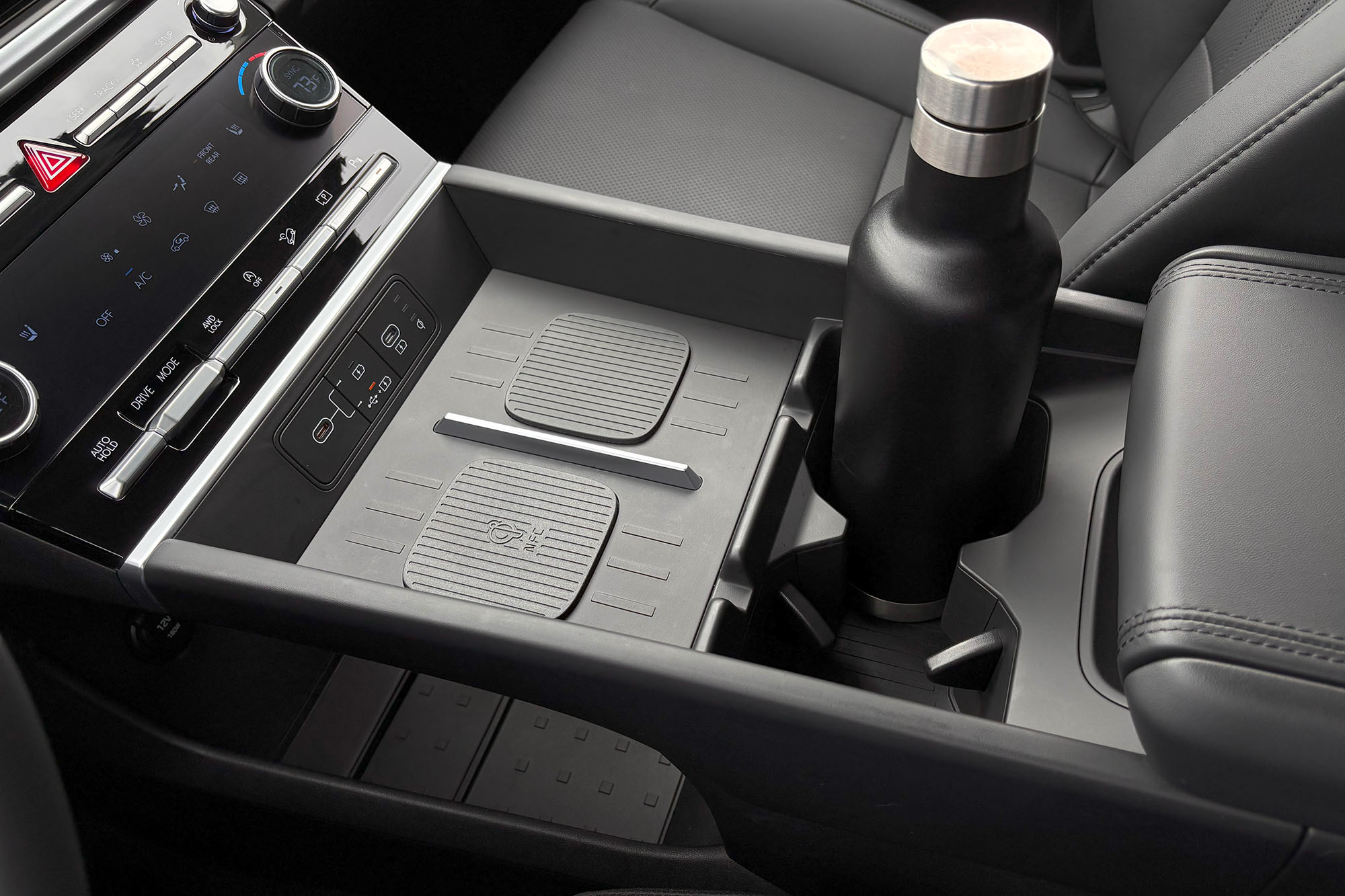
Vehicle cabins have changed as electronic systems replace older mechanical parts. Removing the traditional gear lever opened up a useful area beneath the center console, giving designers room to add an open storage path between the front seats. This space increases usefulness without altering the shape or size of the interior.
Everyday items fit easily within this opening. Small bags, tablets, tissue packs, and similar personal belongings can be placed there without effort. Both the driver and front passenger can reach these items quickly, while keeping them out of plain sight. The result is a cleaner interior without extra compartments or covers.
Long-distance driving benefits from better placement of loose objects. Items that might slide onto seats or into foot areas now have a stable spot. With fewer distractions from moving belongings, driving feels more relaxed and controlled. Physical comfort also improves due to the open design. The absence of a solid console base allows better leg movement and easier position changes. Air passes more freely between the front foot areas, which helps maintain comfort during extended trips.
Family travel becomes easier with this added space. Shared items such as drinks, snacks, or travel tools stay close without interfering with driving. Parents find daily trips smoother when essentials remain organized. Many drivers miss this storage area at first because it blends naturally into the console design. Once discovered, it quickly becomes part of regular use due to its convenience.
Visibility from outside the vehicle remains limited, which helps protect stored items during public parking. Cleaning is also simpler, as fewer parts block access. By turning unused space into practical storage, the interior better supports daily routines and personal comfort without extra effort.
Also Read: 10 Hidden Features in Hyundai Cars That Add Real Value
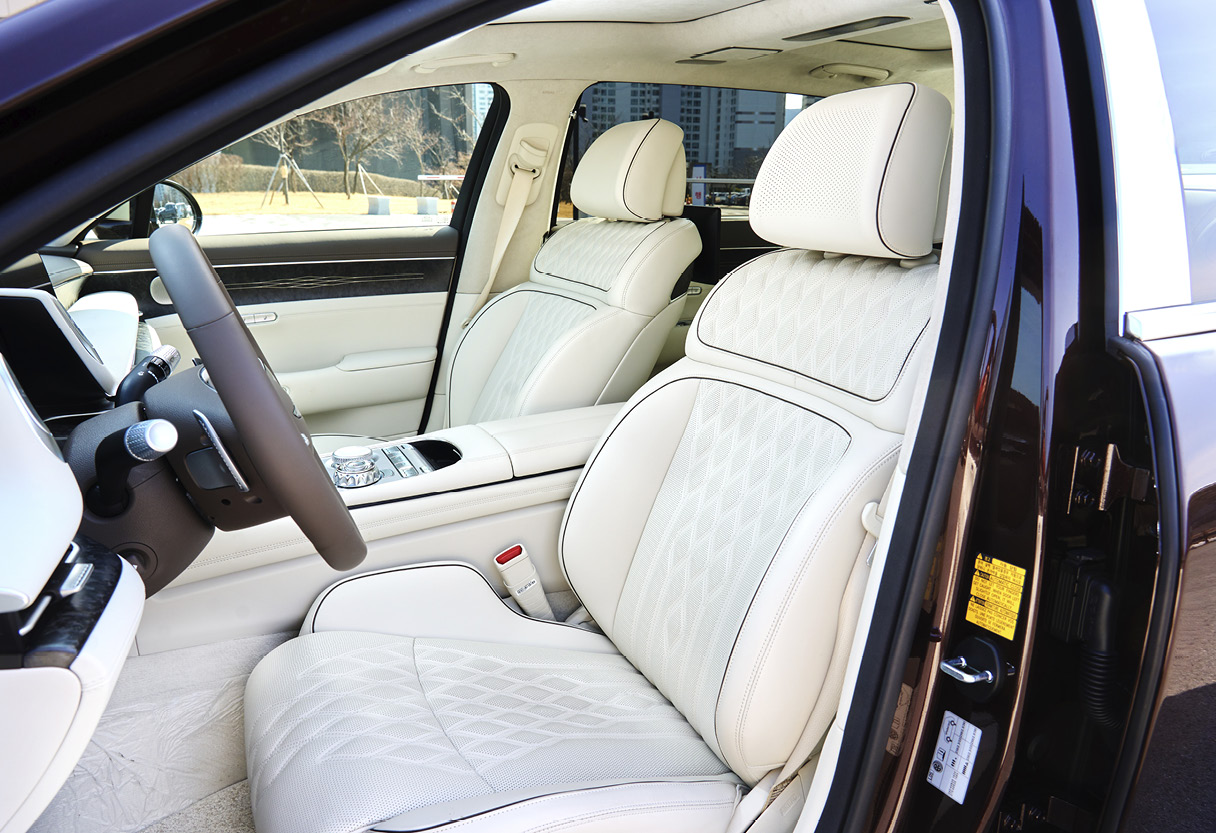
10. Ergo Motion Driving Seat Auto Massage
Long hours behind the wheel can place steady pressure on the body, especially during highway cruising or slow-moving traffic. To reduce this physical stress, Hyundai introduced a driver seat system that uses built-in air chambers to adjust support while driving. The feature can run on its own or be controlled manually, depending on what the driver prefers.
As time passes during a trip, the seat gently redistributes pressure along the lower back and upper legs. These small movements help maintain healthy blood flow and limit stiffness. Adjustments happen smoothly, allowing the driver to stay comfortable without feeling distracted by motion.
Turning the system on requires very little effort. Once activated, it works independently, reacting to driving duration and conditions. The driver does not need to keep making changes, which helps maintain full attention on the road. Controls remain easy to understand and quick to access.
During longer trips, drivers often notice less tiredness when they arrive. Balanced support prevents one area of the body from carrying too much pressure for too long. This helps preserve alertness and physical ease, even after many miles. The seat operates quietly, without sudden sounds or noticeable moves. Most passengers never realize the feature is active. Its purpose focuses on steady comfort rather than drawing attention.
Daily commuting also benefits from this system. Traffic delays often force drivers to sit still for extended periods, and the seat responds by adjusting support automatically. By focusing on posture and movement rather than appearance, the design supports long-term comfort. Routine maintenance remains simple, fitting seamlessly into regular vehicle care.
