
The luxury coupe segment has always been a battleground between style and substance. Automakers constantly promise the perfect blend of performance and comfort. But the reality is often far more complicated than the brochure suggests.
In 2026, the luxury coupe market is more competitive than ever before. Brands are pushing boundaries in technology, design, and engineering. Yet not every gorgeous coupe delivers a smooth, relaxing driving experience.
Some luxury coupes wrap you in a cocoon of silence and serenity. They absorb road imperfections like a magic carpet gliding over pavement. These are the cars that make long highway journeys feel effortless and deeply satisfying.
Then there are the coupes that punish you for every pothole and expansion joint. Their stiff suspensions and low-profile tires transmit every road imperfection directly to your spine. Beautiful to look at, but brutal to live with daily.
This article explores both sides of the luxury coupe world in 2026. We examine five cars that genuinely coddle their occupants in silky comfort. We also expose five stunning machines that will rattle your fillings loose on anything but glass-smooth tarmac. Read on to find your perfect match.
5 Luxury Coupes With Comfortable Rides
These exceptionally refined vehicles feature sophisticated adaptive suspension systems and carefully tuned damping perfectly suited for grand touring comfort, providing serene transportation through advanced air suspension technology and intelligent ride quality management that resist the harsh compromises typically associated with performance-focused coupes prioritizing handling over occupant comfort during real-world driving on imperfect pavement.
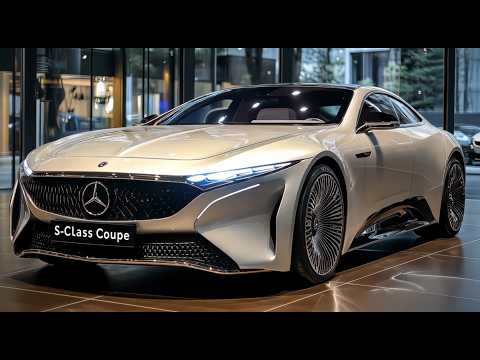
1. Mercedes-Benz S-Class Coupe (2026)
The 2026 Mercedes-Benz S-Class Coupe stands as the undisputed king of comfortable luxury coupes. It represents decades of German engineering refinement poured into one breathtaking two-door package. Mercedes has always understood that true luxury begins with how a car makes you feel on the inside.
The suspension setup on this car is nothing short of miraculous. Mercedes equips it with their latest-generation E-Active Body Control system as standard. This system uses road-scanning cameras to predict bumps and adjust each wheel independently before impact occurs.
The result is a ride quality that borders on the supernatural. You glide over rough city streets with barely a whisper of disturbance entering the cabin. Expansion joints, manhole covers, and broken pavement simply cease to exist for occupants.
The cabin itself amplifies this sense of isolation beautifully. Mercedes uses multiple layers of acoustic glass and extensive sound deadening throughout the body. Wind noise at highway speeds is virtually nonexistent, even when pushing past 80 miles per hour.
The front seats are masterpieces of ergonomic engineering. They offer heating, cooling, massage functions, and multi-axis power adjustment. Long drives that once felt taxing now feel like sessions in a moving luxury spa.
The steering is weighted beautifully for relaxed grand touring. It never feels nervous or overly responsive in standard driving mode. You point the car and it follows your inputs with silky, predictable grace.
Road surface feedback is filtered to an extraordinary degree. You remain aware of the road without being assaulted by its imperfections. This balance between isolation and connection is something Mercedes has perfected over generations.
The air suspension can also raise the body height when rough roads are detected. This added ground clearance provides an extra buffer against severe road damage. It is a thoughtful feature that proves Mercedes considers every driving scenario.
Powertrain refinement matches the chassis sophistication perfectly. The twin-turbocharged inline-six engine operates with hushed, velvety smoothness. Power delivery is linear and effortless, never jerky or intrusive to the calm cabin environment.
The 2026 S-Class Coupe also benefits from improved noise cancellation technology. Active noise cancellation microphones monitor cabin sounds and emit opposing frequencies. The silence this creates is something you genuinely have to experience to fully appreciate.
For anyone seeking a luxury coupe that prioritizes occupant comfort above all else, this is the benchmark. No other coupe in the segment comes close to matching its holistic approach to ride comfort. The S-Class Coupe remains the gold standard by which all others are judged.
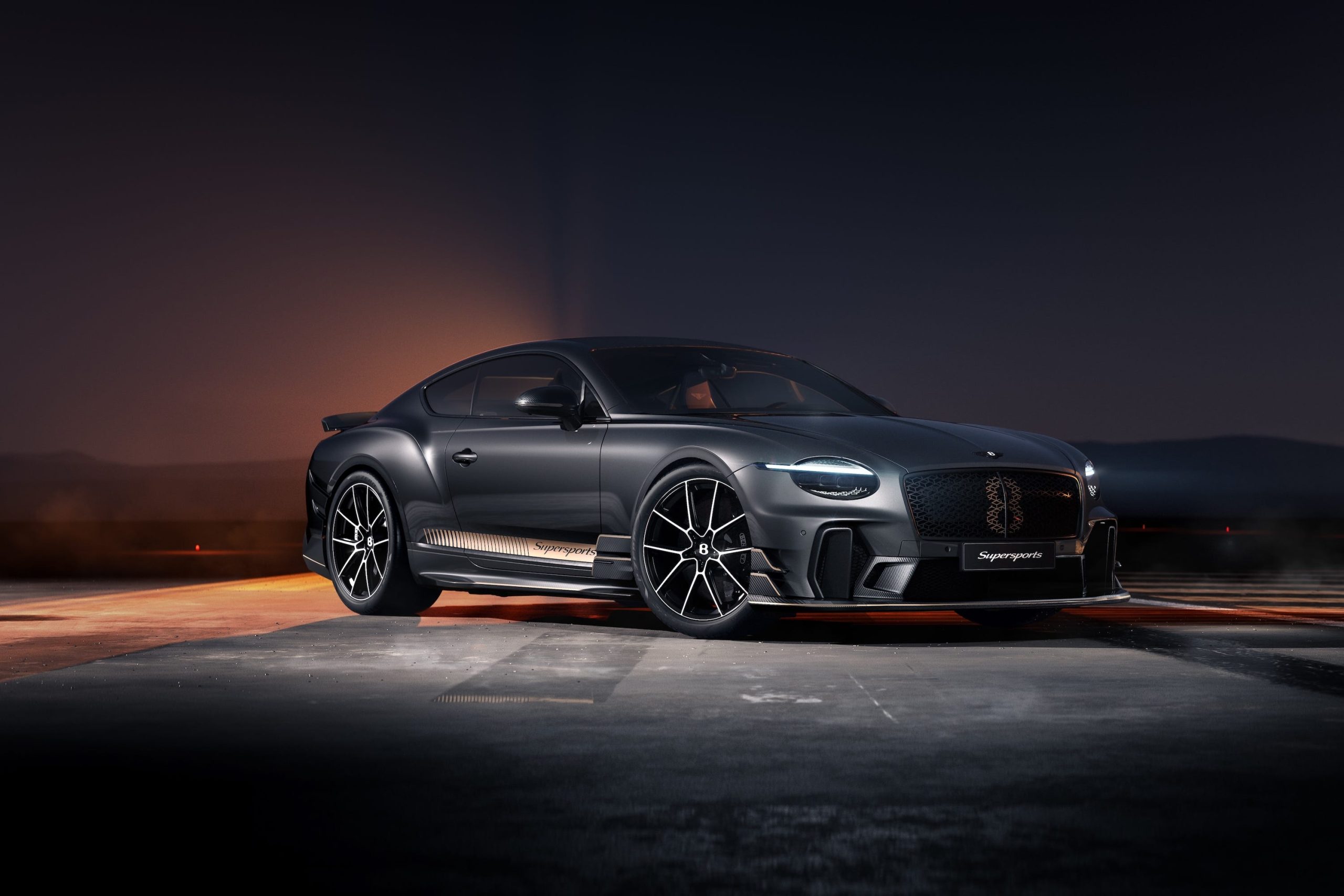
2. Bentley Continental GT (2026)
The 2026 Bentley Continental GT continues to define what a grand touring luxury coupe should feel like. Bentley has refined this formula over two decades, and the results are extraordinary. Every generation brings meaningful improvements to an already exceptional formula.
Bentley’s triple-chamber air suspension is the heart of the Continental GT’s comfort story. It can vary the spring rate across an enormous range within milliseconds. This adaptability allows the car to be genuinely comfortable on poor road surfaces without sacrificing composure at speed.
The suspension also works in harmony with the optional Electronic All-Wheel Drive system. Power is distributed seamlessly between axles depending on conditions. This cooperation between drivetrain and chassis keeps the ride planted and serene at all times.
One of the most impressive aspects is how the Continental GT handles motorway expansion joints. Most cars produce a sharp thud as tires cross these transitions. The Bentley simply absorbs them with a soft, muted sensation that barely registers.
The cabin craftsmanship reinforces the comfort experience at every touchpoint. Hand-stitched leather covers nearly every surface you can see and touch. The quality of materials used would embarrass many furniture makers and interior designers.
Bentley sources wool carpet that is denser and softer than most domestic rugs. The headliner is often finished in Alcantara or fine leather. Every element is chosen to maximize tactile pleasure and acoustic absorption.
Sound insulation in the Continental GT is absolutely class-leading. Bentley uses laminated glass all around and applies acoustic foam extensively. The result is a cabin that remains hushed and serene even on rough, noisy road surfaces.
The seats provide exceptional long-distance support without becoming fatiguing. They offer 20-way adjustment, heating, cooling, and massage functions. Hours behind the wheel feel natural rather than draining, which is precisely the point of a grand tourer.
The W12 engine is a marvel of mechanical smoothness. Its twelve cylinders create a velvet power delivery that feels effortless. You can access enormous performance without disturbing the tranquility of the cabin environment.
Bentley has also improved vibration damping throughout the body structure for 2026. Rubber mounting points are used more extensively at key structural locations. This attention to detail eliminates high-frequency vibrations that would otherwise creep into the cabin.
The Continental GT is not just comfortable by luxury coupe standards. It is comfortable by any automotive standard, full stop. Riding in one is genuinely one of the most relaxing four-wheeled experiences available at any price point today.
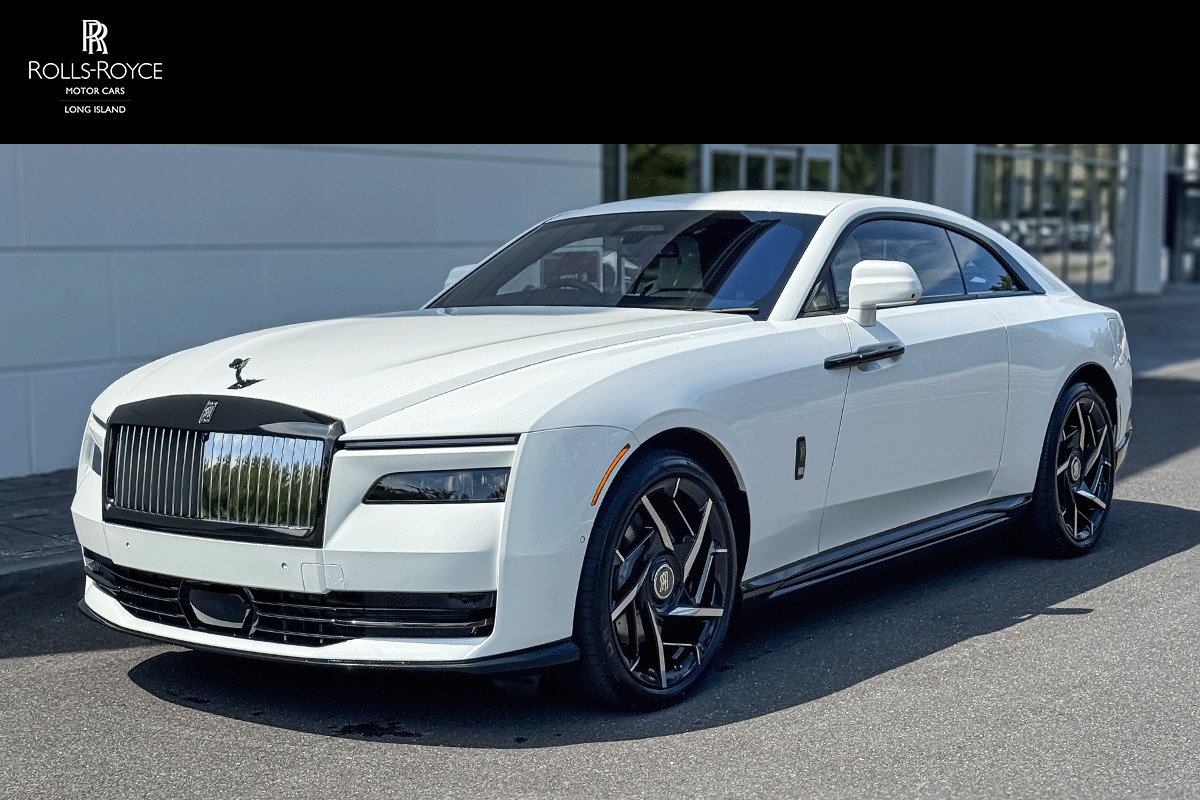
3. Rolls-Royce Wraith (2026)
The 2026 Rolls-Royce Wraith occupies a category almost entirely of its own creation. Rolls-Royce does not merely build comfortable cars. They engineer experiences that redefine what automotive comfort fundamentally means to human beings.
The self-leveling air suspension is calibrated with almost obsessive attention to passenger experience. Engineers spent thousands of hours tuning every aspect of its behavior. The goal was always to create the sensation of being carried rather than driven.
Rolls-Royce calls their ride quality the “Magic Carpet Ride,” and it is not marketing hyperbole. The suspension processes road surface information so quickly it seems almost predictive. Imperfections disappear before your body can register they were even there.
The Wraith uses a specially tuned version of BMW’s air suspension architecture. However, Rolls-Royce recalibrates every parameter to suit its unique comfort philosophy. What remains is something fundamentally different from anything else wearing a roundel or badge.
The body structure of the Wraith is extraordinarily rigid. This rigidity allows the suspension to do its work without unwanted flex entering the equation. A stiff body is actually the foundation of a truly comfortable ride.
Acoustic engineering in the Wraith goes further than any other production car. The firewall alone contains multiple layers of different sound-absorbing materials. Engineers measured sound levels in whisper rooms to establish baseline targets for the cabin.
The result is near-total acoustic isolation from the outside world. Wind noise, road noise, and engine noise are all reduced to near-inaudible levels. Conversations can be held at normal volume even at full highway speed.
The leather used throughout the cabin also contributes to the acoustic experience. Thick hide absorbs mid-range sound frequencies naturally. Combined with the technical insulation materials, the effect is comprehensive and deeply impressive.
The 6.6-liter twin-turbocharged V12 engine produces power with extraordinary refinement. Its output of over 620 horsepower is delivered with absolute smoothness and zero drama. The engine is so quiet you sometimes wonder if it is running at idle.
Rear seat passengers in the Wraith experience the full benefit of this comfort engineering. The coach doors open wide to allow elegant entry without contortion. Once seated, the experience is more limousine than sports car, which is precisely the intended feel.
The 2026 Wraith continues to represent the absolute pinnacle of coupe comfort. No budget constraints appear to have influenced any comfort-related decision. This total commitment to passenger well-being makes it utterly unique in the automotive world.
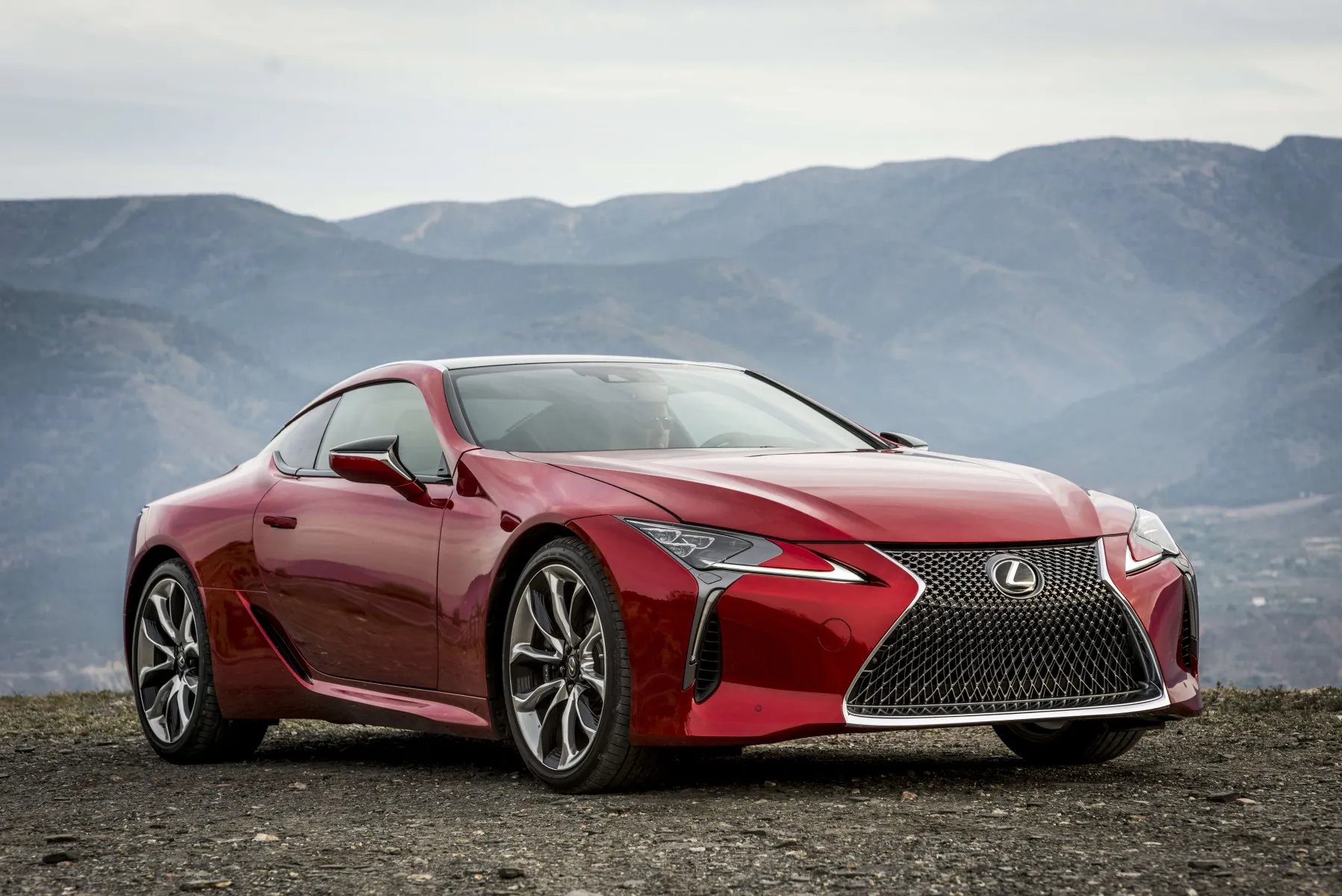
4. Lexus LC 500 (2026)
The 2026 Lexus LC 500 is perhaps the most surprising entry on this comfort list. Its dramatic, low-slung styling suggests an aggressive, track-focused machine. Yet underneath that stunning bodywork lies a chassis tuned with genuine comfort in mind.
Lexus completely redesigned the LC’s suspension geometry for the 2026 model year. They lengthened the suspension arms to increase wheel travel significantly. More wheel travel directly translates to better absorption of road surface irregularities.
The new multi-link rear suspension is particularly impressive in its design. It isolates the subframe from the body using large rubber bushings. This isolation prevents road harshness from transmitting directly into the passenger compartment.
The LC 500 also benefits from Lexus’s latest adaptive variable suspension system. It reads road conditions ten times per second and adjusts damping accordingly. This rapid response time keeps the ride smooth without sacrificing body control in corners.
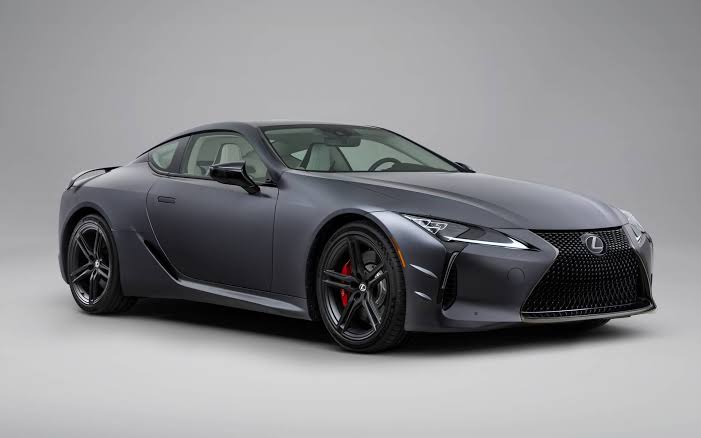
Toyota’s acoustic engineering division contributed extensively to the LC’s cabin refinement. They identified and eliminated every major sound transmission path individually. The result is a cabin that is remarkably quiet given how sporting the car looks and feels.
The naturally aspirated 5.0-liter V8 engine is another source of genuine pleasure. It produces a rich, musical exhaust note without creating interior drone. The engine vibration is well isolated, keeping the cabin free from unwanted buzz or vibration.
Lexus uses their renowned Kiriko glass-cut interior trim to striking visual effect. Beyond its beauty, the sculpted surfaces actually help diffuse interior sound waves. Form and function come together beautifully in this thoughtfully engineered space.
The front seats are deeply bolstered for support but remain comfortable on long journeys. They use a special urethane foam that provides both support and cushioning simultaneously. Lumbar adjustment is precise and effective for a wide range of body types.
The LC 500 rides on larger-diameter wheels than its predecessors, which raised concerns initially. However, Lexus compensated by using specially developed tires with thicker sidewalls. This tire choice plays a critical role in absorbing small road surface variations efficiently.
Even the glass area contributes to the comfortable driving environment. Acoustic laminated glass is used all around the cabin perimeter. This reduces both wind noise and external sound intrusion across all frequency ranges.
The 2026 LC 500 proves that sporting design and genuine comfort are not mutually exclusive concepts. Lexus has threaded this needle with remarkable skill and thoughtfulness. It remains one of the most underrated comfort stories in the entire luxury coupe segment today.
Also Read: 10 Hot Hatches That Outrun Proper Sports Cars in the Real World
5. Audi A5 Coupe (2026)
The 2026 Audi A5 Coupe represents the sweet spot of everyday luxury coupe comfort. It does not have the extravagance of a Bentley or the drama of a Rolls-Royce. What it offers instead is consistent, confidence-inspiring comfort that works brilliantly on real roads every single day.
Audi’s optional adaptive damper control system transforms the A5’s ride character completely. In Comfort mode, the dampers soften dramatically to soak up road imperfections. The transition between modes is smooth and logical, never jarring or disorienting.
The A5’s platform benefits from extensive use of aluminum in key structural areas. This reduces unsprung weight significantly compared to steel-intensive designs. Lower unsprung weight allows the suspension to respond more quickly to road surface changes.
Audi also tuned the A5’s electric power steering for a relaxed, natural feel. It weights up appropriately at speed without becoming heavy or tiring in town. The steering feel contributes to the sense of effortless, unstressed driving.
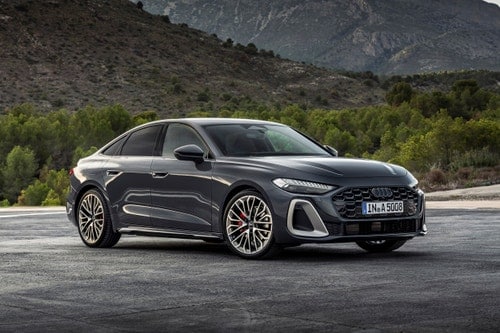
The cabin in the 2026 A5 is a study in restrained, functional luxury. Material quality throughout is exceptional for a car in this price category. The seats strike an excellent balance between sport and comfort for extended driving sessions.
Acoustic glass is used for the windscreen and front side windows as standard. Additional sound insulation in the floor and doors further reduces road and tire noise. The cabin remains impressively hushed even on coarser road surfaces and motorway joints.
The 2.0-liter turbocharged four-cylinder engine is refined beyond what its cylinder count suggests. At highway speeds it settles into a quiet, unobtrusive background hum. Engine vibration is well controlled through sophisticated rubber mounting systems.
Audi’s Quattro all-wheel drive system also contributes subtly to ride quality. The added chassis stability it provides reduces the nervous reactions that can disturb ride comfort. The car feels planted and settled in a way that rear-wheel-drive alternatives sometimes do not.
The A5 also offers an excellent optional air suspension on higher trim levels. This replaces the standard steel springs with adjustable airbags. The transformation in ride quality is immediately noticeable and genuinely impressive on broken urban roads.
Interior noise management extends to the door seals, which are dual-layered throughout. These seals create a more complete acoustic barrier against external sounds. Every engineering detail has been considered in pursuit of a calm and peaceful driving environment.
The 2026 Audi A5 Coupe proves that comfort does not require an enormous price tag. Thoughtful engineering and careful tuning can achieve excellent results at more accessible luxury price points. It is the smart choice for buyers who prioritize daily comfort without sacrificing genuine premium quality.
5 Luxury Coupes That Beat You Up On Rough Roads
These punishingly harsh vehicles suffer from overly stiff suspension tuning and massive low-profile tires that create genuine discomfort on typical roads, transforming luxury coupe ownership into endurance tests as rock-hard damping transmits every pavement imperfection directly into spines, run-flat tires amplify impacts through reinforced sidewalls, and sport-tuned chassis settings prioritize track capability that owners never use over the daily comfort they desperately need.
1. Porsche 911 GT3 (2026)
The 2026 Porsche 911 GT3 is one of the most celebrated performance cars in automotive history. On a racetrack, its chassis is nothing short of a work of genius. On a pothole-ridden urban road, it is a genuinely punishing experience for driver and passenger alike.
The GT3 uses a motorsport-derived suspension setup with solid aluminum components throughout. These components are chosen for their precision and durability at the limit. Unfortunately, that precision comes at a high cost in everyday ride comfort.
The front suspension uses a double-wishbone setup with minimal compliance built into the geometry. This means every road irregularity is transmitted to the steering wheel with faithful accuracy. What feels communicative on a track feels simply harsh on broken tarmac.
Porsche calibrates the GT3’s dampers specifically for high-speed stability and cornering performance. This tuning makes the car feel taut and responsive in a sporting context. However, it also means the car cannot soften adequately for real-world road conditions.
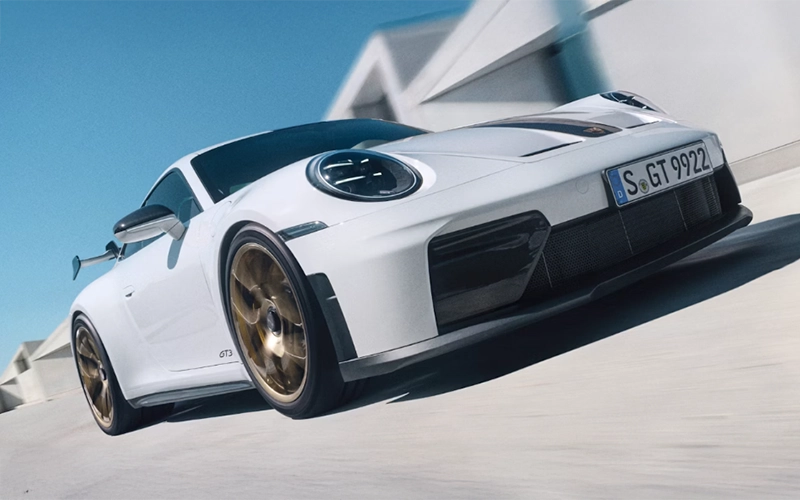
The standard 21-inch wheels and ultra-low-profile tires compound the problem severely. Thin sidewalls provide almost no cushioning between the wheel rim and road surface. Every sharp-edged pothole delivers a jarring impact that resonates through the entire cabin.
The cabin itself offers very little in the way of acoustic insulation or vibration damping. Porsche deliberately removes excess weight, including some sound-deadening materials. The resulting cabin noise levels on rough roads are significant and fatiguing over distance.
The bucket seats are superb for track driving but less forgiving for urban commutes. They hold you in place with fierce lateral bolstering. On a bumpy road, however, they transmit every chassis movement directly and unflinchingly into your body.
The steering, while brilliantly precise, also serves as a conduit for road harshness. Surface texture and imperfections are communicated through the steering wheel continuously. At low speeds on rough roads, this constant feedback becomes genuinely tiring to manage.
Even the engine, mounted in the rear, contributes to the firm ride sensation. The rear-heavy weight distribution loads the rear suspension significantly under acceleration. This weight bias can create a tendency to skip and tramline over uneven surfaces.
The GT3’s carbon ceramic brakes add to the harshness at low speeds. They can exhibit some shudder when applied cold in urban traffic conditions. This is normal behavior for track-oriented ceramics, but unwelcome on the daily commute.
The 2026 GT3 is an absolutely extraordinary machine in the right environment. Put it on a racetrack or a smooth canyon road, and it is transformative and thrilling. Drive it to the grocery store on broken city streets, and you will arrive with an aching back and ringing ears.
2. BMW M4 Competition (2026)
The 2026 BMW M4 Competition is a genuinely brilliant performance machine with a serious comfort problem. BMW’s M division has built an exceptional performance car. They have perhaps forgotten that some buyers actually drive on public roads regularly.
The M4 Competition comes standard with adaptive M suspension in its firmest configuration. Even in its softest setting, the ride remains significantly stiffer than any non-M BMW product. The dampers simply do not have enough compliance range for truly comfortable urban driving.
BMW uses 20-inch forged wheels on the Competition as standard equipment. These wheels are paired with performance tires that have very limited sidewall height. The combination creates a ride that feels aggressive even on reasonably smooth road surfaces.
The carbon fiber roof option, while saving weight and lowering the center of gravity, also changes the car’s harmonic behavior. It can amplify certain vibration frequencies through the cabin structure. This makes some road surfaces sound and feel worse than they actually are.
The M xDrive all-wheel drive system is excellent for traction but does not soften the ride. The additional mechanics actually add some weight and complexity to the drivetrain. This extra mass can occasionally contribute to a slightly unsettled feeling over undulations.
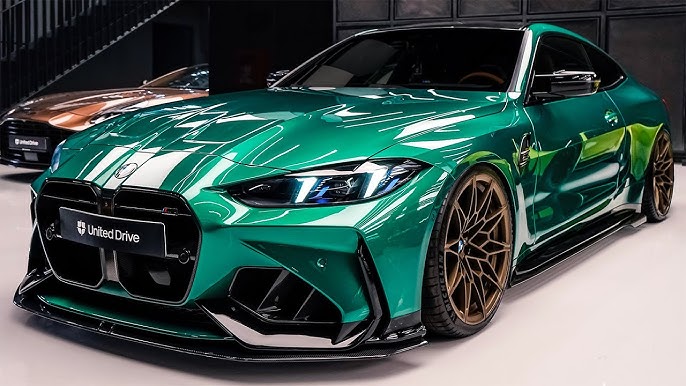
BMW’s Active M Differential is tuned for performance rather than comfort on rough surfaces. Under acceleration over uneven roads, it can create unpredictable torque reactions. These reactions disturb the ride quality at exactly the moment you want smoothness.
The seat padding in the M4 Competition is deliberately firm for performance driving purposes. This firmness is excellent for lateral support during aggressive cornering maneuvers. However, it also means that every chassis bump is transmitted more directly to the occupant.
Road and tire noise intrusion in the M4 Competition cabin is notable at motorway speeds. The performance-oriented tire compounds are inherently noisier than comfort-focused alternatives. BMW’s acoustic insulation does not fully compensate for the additional noise these tires generate.
The eight-speed M Steptronic gearbox can occasionally produce a driveline shunt on rough surfaces. Particularly in its automatic mode, gear selection timing is not always ideal for comfort. Manual control via the paddles is preferable but requires constant attention on broken roads.
The M4’s chassis is genuinely stiff, which is essential for its performance credentials. That stiffness, combined with the aggressive suspension tuning, creates a cumulative harshness. Each individual element is justifiable in isolation, but together they create a punishing daily experience.
3. Chevrolet Corvette Z06 (2026)
The 2026 Chevrolet Corvette Z06 is an engineering masterpiece and a torture device simultaneously. It produces over 670 horsepower from a naturally aspirated flat-plane crank V8. It also produces an impressive quantity of back pain on anything but perfectly smooth pavement.
The Z06’s suspension is derived directly from racing applications. The springs are dramatically stiffer than those on the standard Corvette Stingray. This stiffness is absolutely necessary for the Z06 to achieve its extraordinary lateral performance figures.
Magnetic Ride Control is standard on the Z06 and represents impressive technology. It can change damper stiffness almost instantaneously using magnetically responsive fluid. However, even its softest setting remains far firmer than most buyers would consider comfortable.
The Z06 rides on massive 20-inch front and 21-inch rear wheels with minimal sidewall height. These wheels look visually spectacular and contribute to the car’s sharp handling responses. They also ensure that road imperfections are delivered to occupants with an absolute minimum filtering.
The carbon fiber tub that forms the Z06’s core structure is extraordinarily rigid. This rigidity is fundamental to the car’s performance capabilities and structural integrity. It also means that vibrations enter the cabin efficiently and travel throughout the structure quickly.

The flat-plane crank V8, while sonically intoxicating, produces noticeable vibration at idle. This vibration is a byproduct of the engine’s exotic firing order and is entirely normal. However, combined with the firm suspension, it adds another layer of sensory intensity at low speeds.
The cabin of the Z06 is actually surprisingly well-appointed for such a focused performance car. Chevrolet has invested considerably in interior quality in recent generations. However, the underlying harshness of the platform undermines the premium materials around you.
The Brembo carbon ceramic brake system is standard on the Z06. These brakes offer extraordinary stopping power and resistance to fade on the track. At low speeds in cold conditions, they can produce judder and a grabby feel that disturbs smooth progress.
The low ground clearance of the Z06 creates constant anxiety on broken urban roads. Speed bumps require careful navigation to avoid damaging the front splitter or undertray. This practical concern adds a layer of stress to everyday driving that comfort-focused coupes never impose.
Steering feedback in the Z06 is incredibly direct and communicative for performance purposes. On smooth roads, this translates to an intoxicating driving experience. On rough roads, it means you are constantly wrestling with the wheel and fighting surface feedback.
The Corvette Z06 exists for one primary purpose, and it achieves that purpose brilliantly. Track days, canyon roads, and performance driving events are its natural habitat. Urban roads and suburban commuting are genuinely not what this car was designed to accommodate.
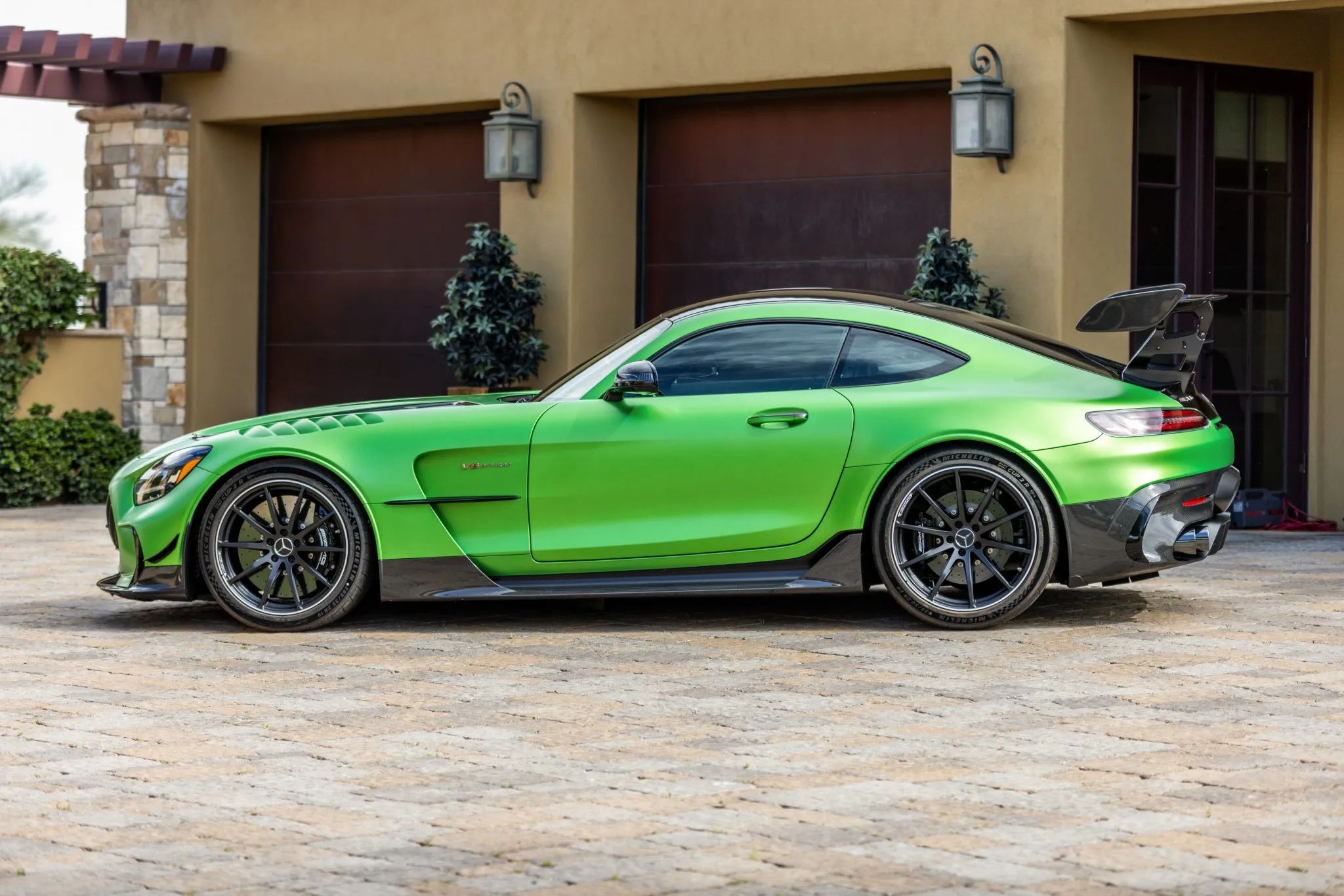
4. Mercedes-AMG GT Black Series (2026)
The 2026 Mercedes-AMG GT Black Series represents the absolute extreme of what the AMG division produces. It is a road-legal racing car in the most literal sense possible. Driving it on normal public roads is an experience that demands respect, patience, and a strong lower back.
The Black Series uses a fully adjustable coilover suspension system adapted from racing applications. The spring rates are dramatically higher than even the standard AMG GT. This extreme stiffness is necessary to handle the aerodynamic downforce generated at high speeds.
The aerodynamic package adds significant downforce at speed but also complicates low-speed driving. The car’s suspension must be firm enough to manage this aerodynamic load consistently. Softening it would cause unpredictable handling at the speeds this car is designed to reach.
The 20-inch center-lock wheels are an overt racing reference that has practical consequences. They are paired with semi-slick Michelin Pilot Sport Cup 2R tires on track configurations. These tires have almost no sidewall compliance and transmit road texture with brutal honesty.
Cabin noise at anything above parking lot speeds is substantial and continuous. The flat-plane crank 4.0-liter V8 produces a spectacular mechanical soundtrack that fills the cabin. Road and wind noise add considerable additional volume that standard conversation requires elevation to overcome.
The cabin itself is stripped back compared to standard AMG GT models. Weight reduction has eliminated some acoustic insulation and comfort-focused trim elements. The resulting space is beautiful in a purposeful way, but amplifies every chassis noise and vibration.
The fixed carbon ceramic brakes require a warm-up period before they achieve full effectiveness. Cold braking can feel inconsistent and occasionally alarming in stop-and-go traffic. This characteristic is entirely normal for this class of brake system, but unsettling if unfamiliar.
The gearbox in the Black Series is a seven-speed dual-clutch unit of racing derivation. In automatic mode on congested roads, it can feel jerky and unrefined at very low speeds. Smooth city driving requires significant skill and anticipation to execute consistently.
The body structure’s extreme rigidity is impressive from an engineering perspective. Every chassis flex has been engineered out of the carbon fiber composite monocoque. This rigidity is wonderful for precision at speed but means every road input is faithfully transmitted to occupants.
The driving position is low, aggressive, and uncompromising in its sporting orientation. Getting in and out gracefully requires practice and some degree of physical flexibility. Once inside, the racing-influenced ergonomics work brilliantly for performance but less so for relaxed travel.
The AMG GT Black Series is a genuinely extraordinary machine for those who understand and appreciate its purpose. It is a trackday weapon that happens to carry registration plates and a warranty. Expecting everyday comfort from it is like expecting a racing horse to carry your groceries.
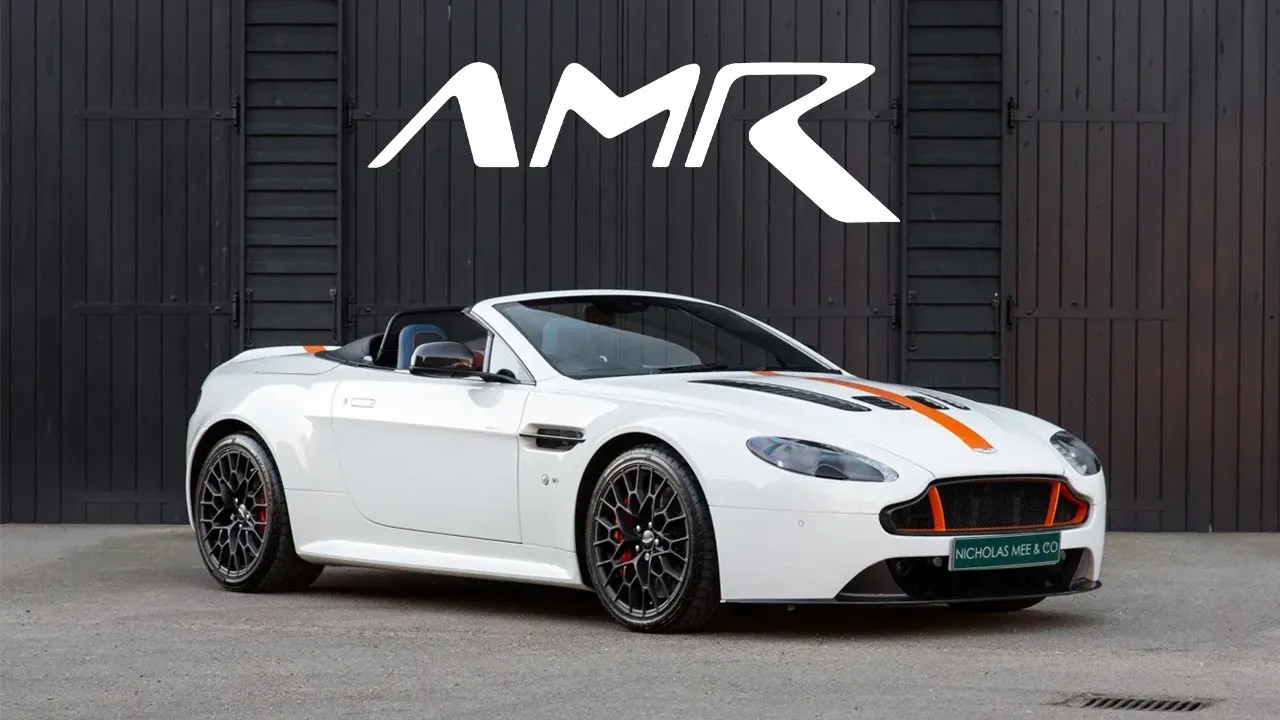
5. Aston Martin Vantage AMR (2026)
The 2026 Aston Martin Vantage AMR is one of the most visually arresting coupes available at any price. Its proportions are almost impossibly beautiful, and its performance credentials are genuine and impressive. Its ride quality on anything but billiard-table smooth pavement, however, is a significant challenge.
The AMR specification adds even stiffer suspension settings than the already-firm standard Vantage. It uses a manual gearbox and recalibrated chassis tuning specifically for driver-focused performance. This enthusiast-oriented philosophy results in a car that prioritizes driver engagement over occupant comfort.
Aston Martin uses a sophisticated aluminum-bonded and riveted chassis structure for the Vantage. This structure is extremely rigid, which provides an excellent foundation for the suspension’s work. However, that rigidity also means road noise and vibration enter the cabin efficiently.
The 503-horsepower twin-turbocharged inline-six is mounted far back in the chassis for ideal weight distribution. This positioning is excellent for handling balance, but means the transmission tunnel intrudes into the cabin noticeably. The tunnel contributes to a somewhat claustrophobic feeling in an already narrow interior.
The manual gearbox in the AMR requires skilled use to avoid driveline shunt on rough roads. Matching revs precisely on uneven surfaces while managing the stiff clutch is demanding. It rewards skilled drivers but imposes a learning curve that can be frustrating in everyday traffic.
The 21-inch front and 21-inch rear wheels wear Pirelli P Zero Trofeo R tires in full AMR specification. These are semi-racing tires with minimal road noise consideration in their design. The sound they generate on coarse road surfaces is substantial and intrusive in the cabin.
Body roll in the Vantage AMR is controlled aggressively by thick anti-roll bars at both axles. These bars are essential for the car’s flat, composed cornering attitude. However, they also transmit bumps from one side of the car to the other, creating a choppy secondary ride motion.
The sports exhaust system, while spectacular in its soundtrack, also contributes to noise levels. Interior drone at certain engine speeds can become fatiguing on longer journeys. This drone is less noticeable on smooth roads but amplified significantly on rough surfaces.
The seats are genuinely excellent for their intended purpose of supporting performance driving. They wrap around the occupant firmly and prevent unwanted body movement in corners. On broken roads, however, that firm support means every chassis movement is immediately communicated to your body.
The steering rack is tuned for razor-sharp responses and exceptional precision at the limit. This makes the Vantage AMR genuinely exciting and involving to drive on a great road. On broken urban surfaces, however, that precision translates to constant small corrections and a tiring interaction with road surface noise.
The 2026 Aston Martin Vantage AMR is a car of breathtaking beauty and genuine performance talent. It belongs on great driving roads where its abilities can be fully explored and appreciated. On the broken, patched, and pothole-riddled roads most of us actually go through daily, it will test your commitment to its considerable charms relentlessly and without mercy.
Also Read: 10 Forgotten Engines That Are Worth Resurrecting in 2026
