
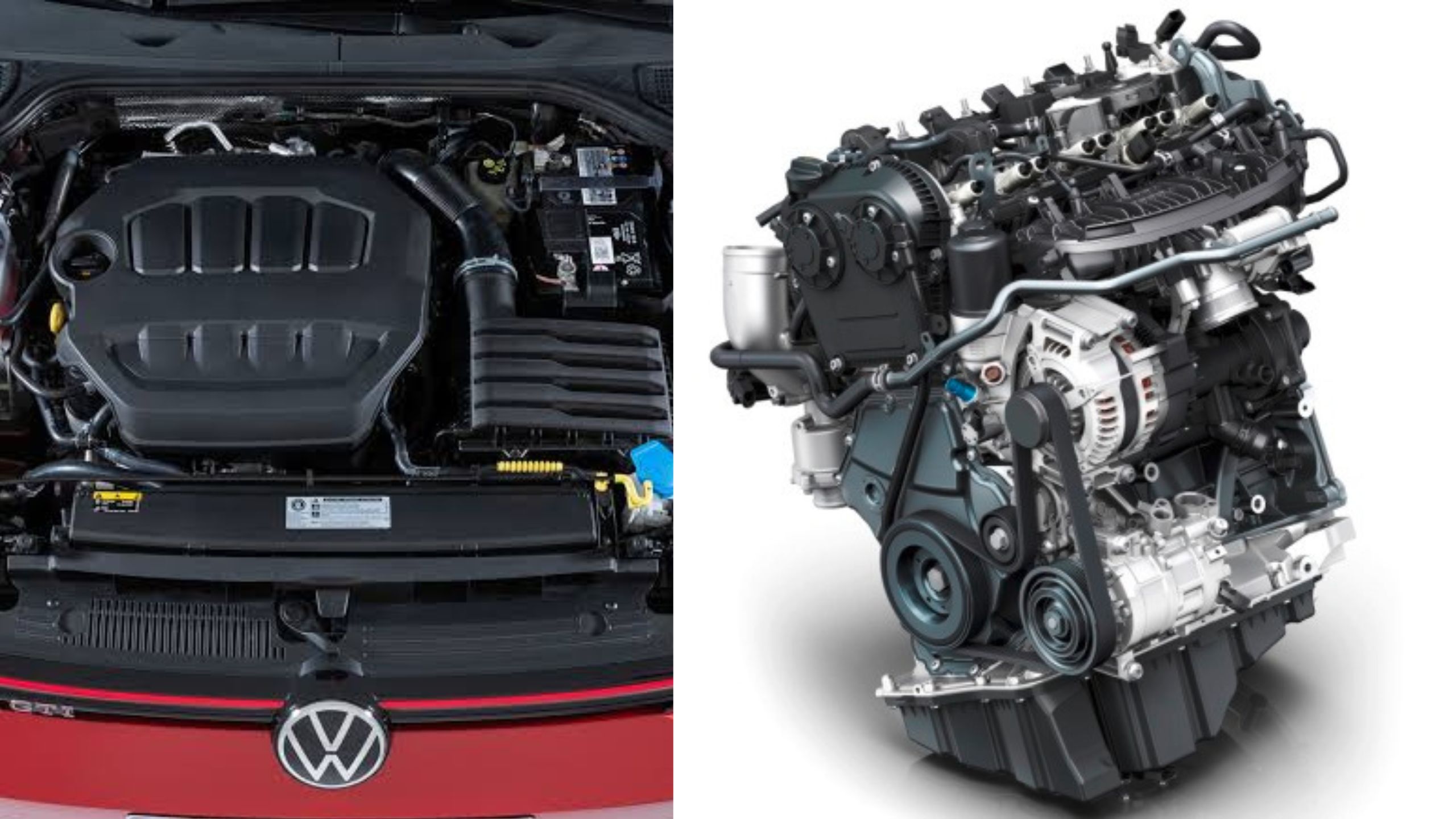
Direct injection engines are everywhere today. They promise better fuel economy and stronger performance. Automakers love them for meeting strict emission standards. Buyers love them for the power they deliver at the pump.
But there is a hidden problem with direct injection technology. Carbon deposits build up on the intake valves over time. In port injection engines, fuel washes the valves clean with every cycle. Direct injection bypasses the valves entirely, so no fuel ever touches them.
Oil vapors from the crankcase ventilation system stick to the intake valves. These vapors bake onto the metal surfaces and harden into thick carbon deposits. Over thousands of miles, these deposits restrict airflow into the engine. The result is rough idling, misfires, hesitation, and lost power.
Most direct injection vehicles start showing symptoms before 80,000 miles. Some show problems as early as 40,000 miles. The carbon cleaning process involves walnut blasting or manual scraping. It can cost between $300 and $700 at most shops.
Knowing which vehicles are most prone to this issue saves you money. It also helps you maintain peak engine performance. Here are ten vehicles that commonly need carbon cleaning before hitting 80,000 miles.
1. BMW 3 Series (N54/N55 Engine)
The BMW 3 Series is one of the most beloved sports sedans ever built. It combines luxury, performance, and everyday practicality in one package. Millions of drivers around the world choose it for its sharp driving dynamics. However, underneath that elegant hood lies a serious carbon buildup problem.
BMW introduced the N54 twin-turbocharged engine in 2007. The N55 followed as a refined single-turbo replacement in 2011. Both engines use direct injection exclusively. This means the intake valves never receive any fuel washing during normal operation.
The N54 and N55 engines are notorious in the enthusiast community. Carbon deposits accumulate rapidly on their intake valves. Many owners report symptoms appearing as early as 40,000 to 50,000 miles. By 80,000 miles, the buildup is often severe enough to cause real performance issues.
Common symptoms include rough cold starts that last several seconds. The engine may stumble or hesitate during light throttle acceleration. You might also notice reduced fuel economy over time. Some drivers experience occasional misfires under hard acceleration.
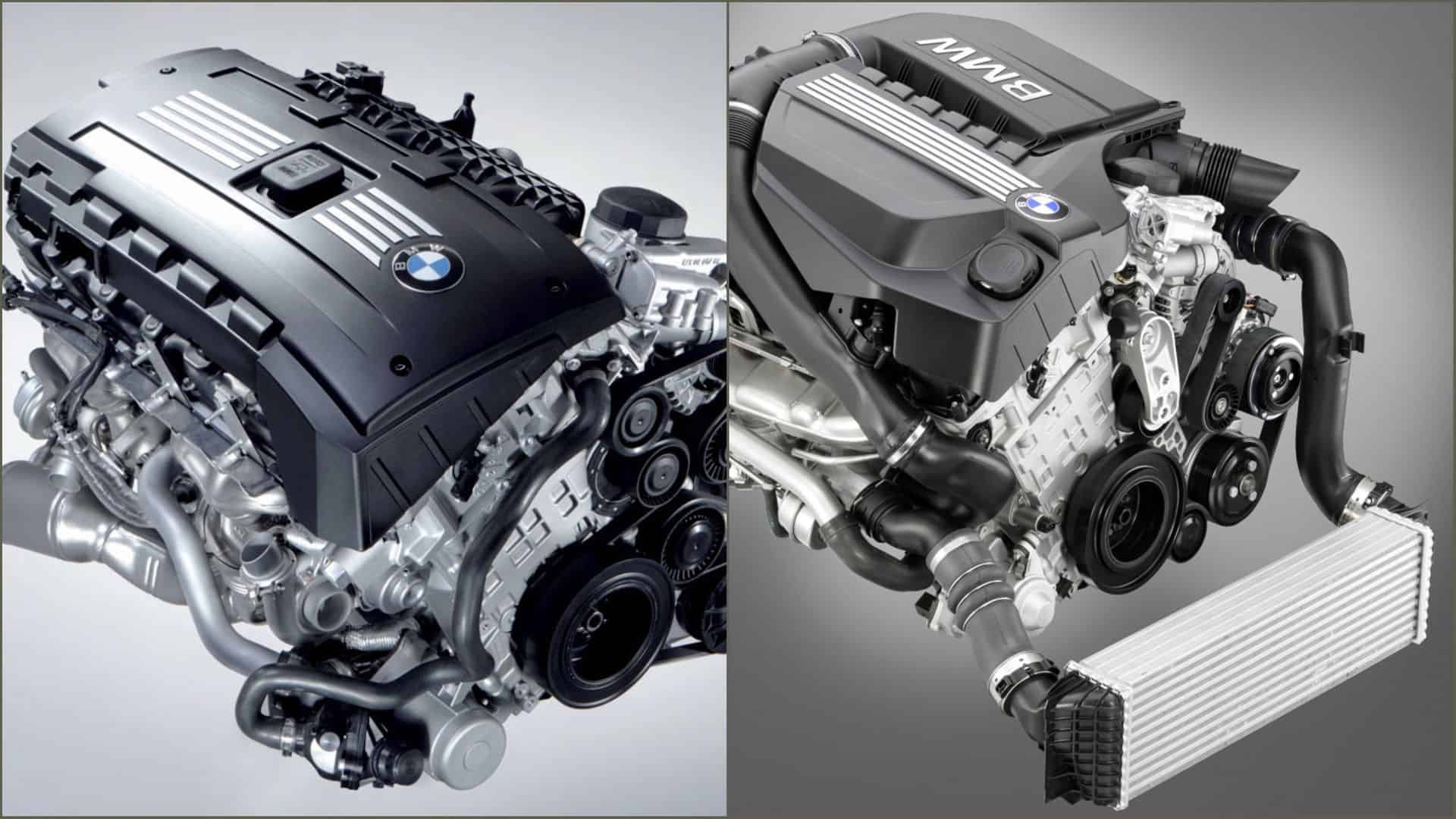
The intake valves in these engines can accumulate thick, rock-hard carbon layers. These deposits shrink the effective opening of each intake valve. Less air enters the combustion chamber with each stroke. The engine compensates by running richer, which worsens the problem further.
Walnut blasting is the most effective cleaning method for these engines. A technician removes the intake manifold to access the valves directly. Crushed walnut shells are blasted through the intake ports under pressure. The abrasive shells knock the carbon loose without damaging the valve surfaces.
BMW owners should budget approximately $400 to $600 for this service. Independent BMW specialists often charge less than dealerships. Some enthusiasts with mechanical skills perform the cleaning themselves. The job requires several hours and specific tools to complete properly.
After cleaning, the improvement is immediately noticeable. Cold starts become smoother and more confident. Throttle response sharpens noticeably across all RPM ranges. Fuel economy often returns close to factory specifications after the procedure.
Prevention is difficult but not impossible with these engines. Some owners use catch cans to reduce oil vapor entering the intake. Others add port injection kits specifically designed for the N55. Regular short-interval oil changes also help reduce the amount of oil vapor produced.
The BMW 3 Series remains an outstanding car despite this maintenance requirement. Understanding the issue helps owners plan and budget properly. Treating carbon cleaning as routine maintenance protects the engine long-term. Ignoring it leads to expensive repairs and permanent performance loss.
2. Volkswagen Golf GTI (EA888 Engine)
The Volkswagen Golf GTI is a cultural icon in the hot hatch world. It has defined the affordable performance car segment for decades. The EA888 turbocharged four-cylinder engine powers modern GTI models. This engine is celebrated for its punch but criticized for its carbon issues.
Volkswagen uses direct injection in the EA888 engine family. Earlier versions of this engine used only direct injection with no port supplement. Carbon deposits accumulate steadily on the intake valves as a result. Many GTI owners encounter problems well before reaching 80,000 miles.
The 2.0T TSI engine in the GTI runs under significant boost pressure. Higher cylinder pressures increase the rate at which oil vapors condense on valves. The intake valves heat up dramatically during spirited driving. These extreme temperature swings accelerate the bonding of carbon deposits to metal surfaces.
Symptoms in the GTI often appear around 50,000 to 60,000 miles. Drivers notice hesitation when pulling away from a stop. Cold start misfires become increasingly common as the deposits worsen. Some owners report a slight roughness during sustained highway cruising.
Volkswagen later introduced dual-injection systems in updated EA888 variants. These newer versions combine direct injection with port injection. The port injection spray washes the intake valves during operation. This largely solves the carbon buildup problem in the newer generation.
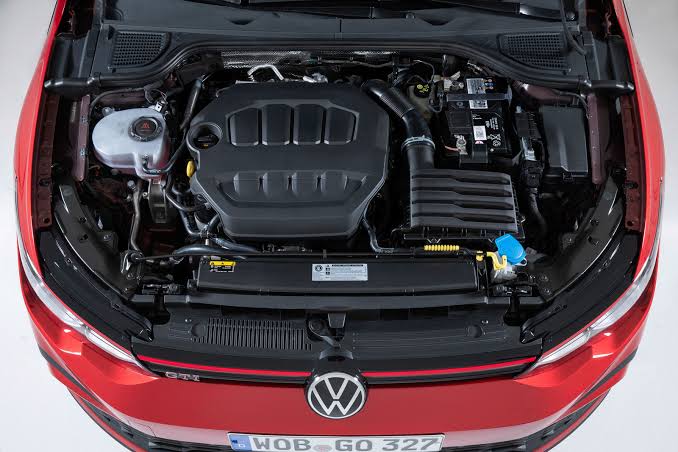
Older GTI models from 2010 through 2014 are most vulnerable to this issue. These cars used pure direct injection without any supplemental port spraying. If you own one of these models, plan for carbon cleaning by 60,000 miles. Waiting until symptoms appear often means the buildup is already severe.
Walnut blasting is the preferred cleaning method for the EA888 engine. The intake manifold must be removed to expose the intake ports. The job takes approximately two to three hours at a competent shop. Costs range from $300 to $500, depending on your location and the shop’s labor rate.
Many GTI owners in enthusiast forums report dramatic improvements after cleaning. Power delivery becomes smoother and more linear. The engine revs more freely throughout the entire power band. Fuel efficiency also tends to improve by one to two miles per gallon.
Installing an oil catch can is a popular preventive measure among GTI owners. A catch can intercept oil vapors before they reach the intake. It traps the oily residue in a small reservoir that you empty periodically. This slows carbon accumulation significantly, though it does not eliminate it completely.
The Golf GTI remains one of the best all-around performance cars available. Staying ahead of carbon buildup keeps it performing as Volkswagen intended. Budgeting for this service every 50,000 to 60,000 miles is wise. A well-maintained GTI engine can last well beyond 200,000 miles with proper care.
3. Audi A4 (2.0T TFSI Engine)
The Audi A4 is a benchmark luxury compact sedan. It blends refined comfort with genuine driving satisfaction. The 2.0T TFSI engine has powered countless A4 models over the years. Unfortunately, this engine shares the same carbon buildup vulnerability as its VW siblings.
Audi and Volkswagen share the EA888 engine platform across multiple models. The 2.0T TFSI in the A4 operates under similar conditions to the GTI engine. Direct injection means the intake valves never get cleaned by passing fuel. Oil vapor deposits accumulate steadily with every mile driven.
The Audi A4 is often driven at higher sustained speeds than economy cars. Highway driving at a steady throttle generates consistent heat in the intake system. This heat bakes the oil vapors onto the valve stems and heads. The result is faster-than-average carbon accumulation in many A4 engines.
Owners typically notice symptoms around 50,000 to 70,000 miles. Rough cold starts are often the first sign of significant buildup. The engine may take longer to smooth out on cold winter mornings. Slight stumbling under a light load is another commonly reported symptom.
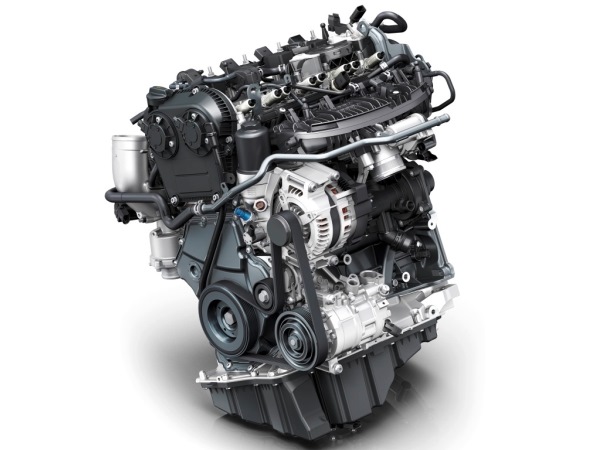
Audi dealerships are familiar with this issue and perform the cleaning regularly. Independent European specialists also handle this job with expertise. The process involves removing the intake manifold and blasting the ports. Walnut media is used to safely dislodge the hardened deposits.
Audi owners should expect to pay between $400 and $700 for this service. Dealer pricing tends to be higher than independent shop rates. Many owners choose independent specialists to save significant money. The quality of the work is typically comparable between the two options.
The improvement after cleaning is often described as transformative by A4 owners. The engine returns to its original crisp throttle response. Cold starts become smooth and immediate without prolonged stumbling. Highway fuel economy often improves by a measurable margin after the service.
Later Audi A4 models with dual-injection systems are less prone to this problem. The Gen 3 EA888 engine introduced port injection alongside direct injection. This combination dramatically reduces valve deposits over time. Buyers shopping for a used A4 should confirm which engine generation they are purchasing.
Catch cans are available for the A4 and help reduce oil vapor contamination. Regular oil changes with quality synthetic oil also help minimize deposits. Choosing an oil with good volatility characteristics reduces the amount of vapor produced. These preventive steps extend the interval between necessary cleanings.
The Audi A4 is a well-engineered car that rewards attentive ownership. Carbon cleaning is simply part of responsible maintenance for earlier models. Staying proactive prevents power loss and rough running from becoming serious problems. A clean engine is a happy engine, and a happy A4 is a joy to drive.
4. Ford F-150 (EcoBoost 3.5L Engine)
The Ford F-150 is America’s best-selling vehicle for good reason. It combines capability, comfort, and technology in a capable full-size truck. The 3.5L EcoBoost V6 is one of Ford’s most popular and powerful engine options. However, this high-output twin-turbo engine is not immune to carbon buildup.
Ford introduced the EcoBoost engine to deliver V8 power with V6 economy. The direct injection system plays a key role in achieving that efficiency. Fuel is injected directly into the cylinders at very high pressure. This bypasses the intake valves entirely, leaving them unprotected from oil vapors.
F-150 EcoBoost trucks work hard in real-world conditions. Towing, hauling, and frequent cold starts all accelerate carbon deposit formation. The intake system sees heavy loads that cause higher operating temperatures. These conditions bake carbon onto the valves faster than in lighter passenger cars.
Symptoms often begin appearing between 60,000 and 80,000 miles in EcoBoost trucks. Hesitation under load is one of the most commonly reported complaints. Some owners notice a slight misfire when towing heavy trailers. Rough idle at operating temperature is another telltale sign of valve deposits.
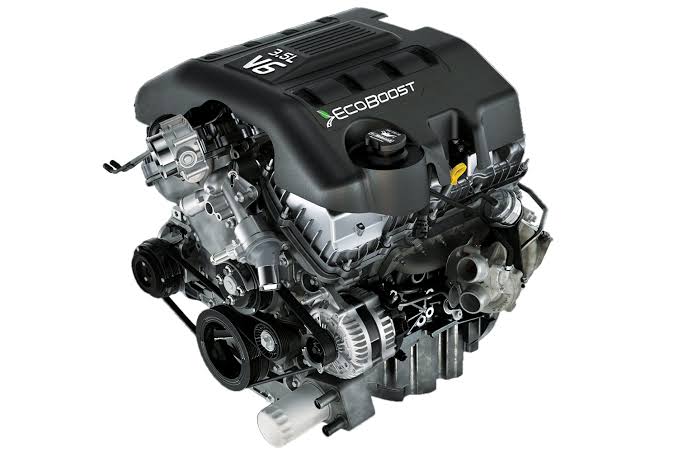
Ford dealers and independent shops are both capable of performing the cleaning. The 3.5L EcoBoost requires the removal of the intake manifold for access. The twin-turbocharged design makes the engine bay more complex to work in. Labor time is longer than on simpler four-cylinder engines, which increases the cost.
Owners should expect to pay between $500 and $800 for EcoBoost carbon cleaning. The higher cost reflects the engine’s complexity and longer labor time. Some shops charge more in high-cost-of-living areas. Getting multiple quotes from reputable shops is always a smart approach.
Many F-150 EcoBoost owners report impressive results after the carbon cleaning service. Throttle response under load becomes noticeably crisper and more immediate. Fuel economy during mixed driving often improves after the procedure. Towing confidence also returns when the engine breathes freely again.
Ford updated later EcoBoost engines with port injection capability. The second-generation 3.5L EcoBoost added port injectors to supplement the direct system. This dual-injection setup significantly reduces intake valve carbon accumulation. Trucks from 2017 onward with the updated engine are considerably less prone to this issue.
Catch cans are widely available for the 3.5L EcoBoost platform. Many truck owners install them as a first modification after purchase. Running quality synthetic oil and changing it regularly also helps. These simple steps can push the first necessary cleaning well past 80,000 miles.
Also Read: Seven of the Ten Least Reliable Cars in 2026 Are EVs or Plug-In Hybrids
5. Chevrolet Camaro (LTG 2.0T Engine)
The Chevrolet Camaro is an American muscle car icon. The turbocharged LTG 2.0L four-cylinder engine offers surprising performance in the base model. It delivers 275 horsepower while returning decent fuel economy. But this engine carries the same direct injection carbon burden as many European turbos.
General Motors introduced the LTG engine across several platforms. The Camaro, ATS, and Malibu all used versions of this turbocharged four-cylinder. Direct injection is central to the LTG’s efficiency and power output. Without any port injection supplement, the intake valves are exposed to constant oil vapor.
The Camaro’s sporting nature means the engine often runs at high loads. Spirited acceleration, track days, and aggressive driving heat the intake system rapidly. Higher temperatures accelerate carbon bonding to the valve surfaces. Camaro owners who drive enthusiastically may see deposits build faster than average.
Symptoms in LTG-powered Camaros usually appear around 50,000 to 70,000 miles. Cold start hesitation is often the first noticeable complaint. The engine may stumble briefly when pulling away from traffic lights. Some drivers report occasional misfires during aggressive full-throttle acceleration.
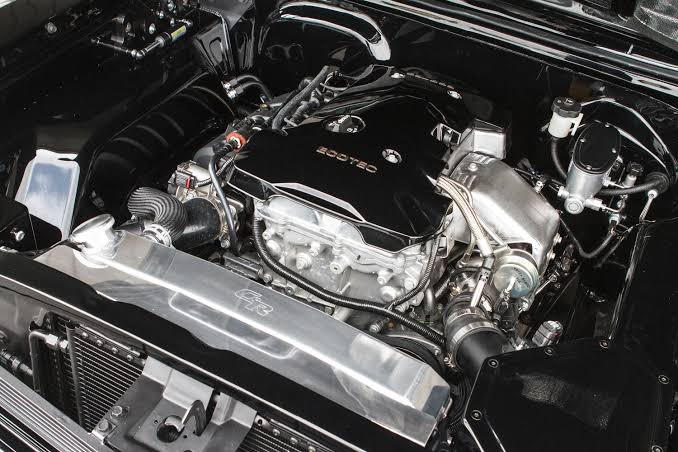
General Motors dealers are equipped to handle this carbon cleaning procedure. Independent shops with GM experience can perform the job competently as well. The LTG engine requires intake manifold removal for proper valve access. Walnut blasting is the recommended method to remove hardened carbon safely.
Camaro owners should budget approximately $350 to $550 for this service. Costs vary depending on the shop and regional labor rates. Some enthusiasts tackle the job themselves with a rented walnut blasting kit. The DIY approach requires mechanical confidence but saves significant money on labor.
After cleaning, LTG Camaro engines feel noticeably more responsive. The throttle sharpens, and power delivery becomes smoother throughout the rev range. Cold starts become crisp and immediate without any stumbling period. The engine simply feels like new again after a proper cleaning service.
Installing an oil catch can on the LTG engine is a popular modification. Many Camaro enthusiasts add one during the first oil change after purchase. It captures oil vapors from the crankcase ventilation system before they enter the intake. This slows deposit formation and extends the interval between cleaning services.
The Camaro remains a thrilling car that deserves proper maintenance. Staying ahead of carbon buildup keeps the LTG engine performing at its best. Regular catch can maintenance and timely cleaning services protect your investment. A well-maintained LTG engine will reward you with years of exciting driving.
6. Hyundai Sonata (2.0T Engine)
The Hyundai Sonata is a practical and popular family sedan. The 2.0T turbocharged four-cylinder engine offers brisk performance for everyday driving. Hyundai positioned it as the performance-oriented choice in the Sonata lineup. However, this engine shares the direct injection carbon vulnerability common across the industry.
Hyundai’s 2.0T engine uses a Theta II turbocharged architecture. Direct injection delivers precise fuel control and strong mid-range power. The engine produces 245 horsepower in its most potent Sonata Sport tune. Without port injection assistance, the intake valves collect deposits steadily over time.
The Sonata 2.0T is often driven in mixed urban and highway conditions. Stop-and-go traffic combined with highway commutes creates variable heat cycles in the intake. These repeated heating and cooling cycles accelerate carbon deposit adhesion. Family car duty cycles are actually quite hard on direct injection engines.
Owners typically begin noticing symptoms between 50,000 and 75,000 miles. Morning cold starts may take slightly longer to smooth out than expected. Light throttle hesitation during city driving is a frequently reported complaint. Some owners notice a faint roughness that comes and goes during normal driving.
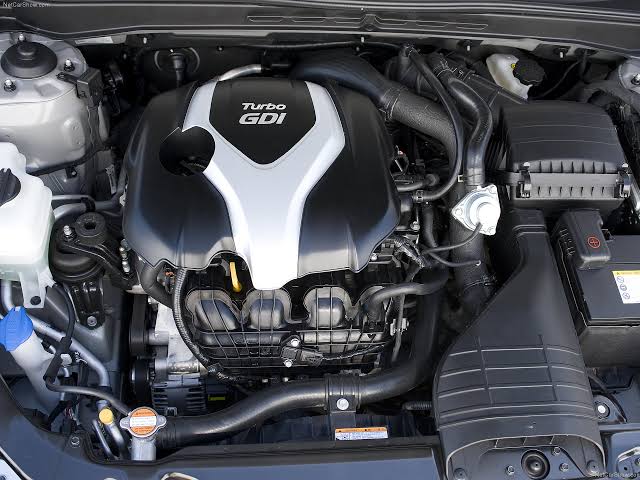
Hyundai dealerships perform carbon cleaning as a recognized maintenance service. The 2.0T requires intake manifold removal to properly access the valves. Technicians use walnut blasting to remove deposits without valve damage. The procedure takes two to three hours, depending on the severity of the buildup.
Costs for Sonata 2.0T carbon cleaning range from $300 to $500 at most shops. Hyundai dealerships may charge slightly more due to higher labor rates. Independent Korean car specialists often provide competitive pricing. Getting the car in before severe buildup develops keeps costs lower.
The improvement after cleaning is consistent with what other direct injection owners experience. The engine idles more smoothly and responds more eagerly to throttle inputs. Highway fuel economy improves measurably after the service. Refinement returns to near-factory levels across the entire driving range.
Hyundai introduced dual-injection on some later engine variants to address this issue. The newer engines with port injection supplements do not accumulate deposits as rapidly. Owners of older 2.0T Sonatas without this feature should plan for cleaning services. Staying proactive keeps this reliable family car in top condition.
7. Mercedes-Benz C300 (M274 Engine)
The Mercedes-Benz C300 represents accessible luxury in a compact sedan package. The M274 turbocharged four-cylinder engine powers this popular model. It delivers smooth power and impressive refinement befitting the Mercedes name. However, carbon buildup on the intake valves is a known challenge with this engine.
Mercedes-Benz designed the M274 as a modern, efficient turbocharged unit. Direct injection allows the engine to meet strict emissions regulations globally. The precise fuel delivery improves combustion efficiency and power output. But the absence of port injection leaves the intake valves vulnerable to oil vapor deposits.
C300 owners tend to use their cars for premium daily driving. Frequent short trips are particularly harmful for direct injection engines. Short trips prevent the engine from reaching full operating temperature consistently. Oil vapors accumulate more rapidly when the engine runs at lower temperatures for extended periods.
Symptoms in the C300 often emerge between 50,000 and 80,000 miles. Cold start hesitation is commonly reported among C300 owners online. The engine may occasionally stumble when accelerating from low speeds in traffic. Some owners notice a slight reduction in the engine’s characteristic smoothness over time.
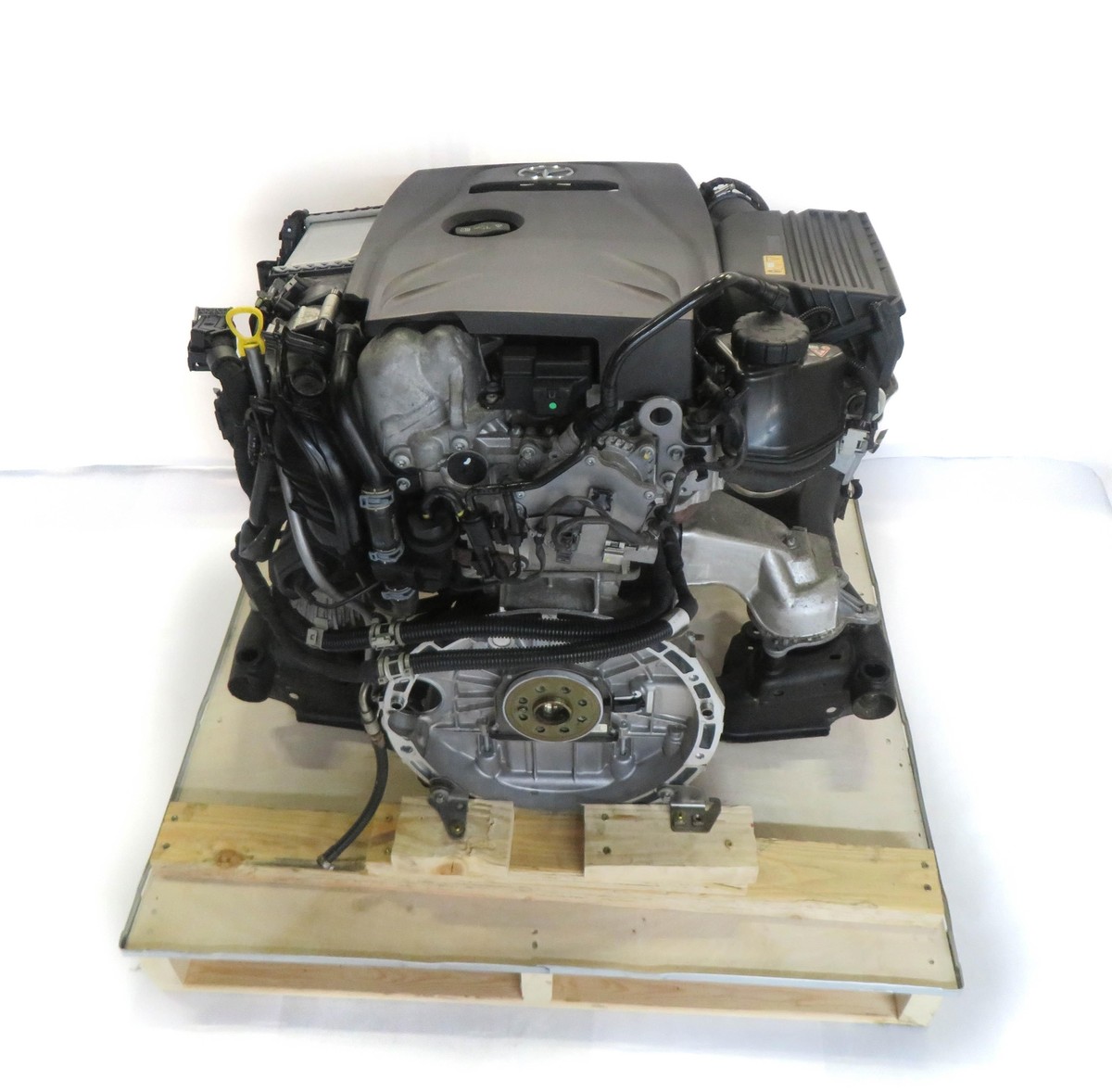
Mercedes-Benz dealers perform carbon cleaning as a documented maintenance procedure. The M274 requires careful disassembly to reach the intake valves properly. Factory-trained technicians are familiar with the procedure and the engine’s layout. Independent European specialists also perform this service with equal competence.
C300 owners should expect to pay between $500 and $800 for this service. Mercedes dealership labor rates are among the highest in the industry. Independent European shops can perform the same job for significantly less. The quality of the cleaning is equivalent regardless of where the work is done.
After cleaning, the M274 engine returns to its characteristic smoothness. The refined power delivery that defines the Mercedes driving experience is restored. Cold starts become immediate and quiet without prolonged warm-up stumbling. The refinement that C300 owners expect returns fully after a proper cleaning.
Regular use of quality full synthetic oil reduces oil vapor production in the M274. Mercedes-Benz recommends specific oil grades that minimize volatility at operating temperature. Following the manufacturer’s oil specification is important for this engine. Proper oil selection is one of the simplest ways to slow carbon deposit formation.
8. Honda Civic Si (1.5T Engine)
The Honda Civic Si is a beloved sports compact with a passionate following. The turbocharged 1.5L engine provides energetic performance with excellent fuel economy. Honda designed this engine to be efficient, responsive, and long-lasting. However, direct injection operation makes it susceptible to intake valve carbon deposits.
Honda introduced the 1.5T engine across the Civic, CR-V, and Accord lineups. Direct injection is a core feature of this engine’s efficiency strategy. The precise fuel delivery enables strong torque at low RPM for sporty driving. But this comes at the cost of unprotected intake valves over extended mileage.
The Civic Si is often driven with more enthusiasm than a standard commuter car. Higher RPM operation and frequent acceleration put extra demands on the engine. The crankcase ventilation system works harder under spirited driving conditions. More oil vapor enters the intake system, accelerating carbon deposit formation.
Honda Civic Si owners often report symptoms appearing around 60,000 to 80,000 miles. Slight hesitation when cold is one of the earliest signs of buildup. Some drivers notice the engine feels slightly less crisp than it did when new. Occasional light stumbling during city driving is another commonly reported symptom.
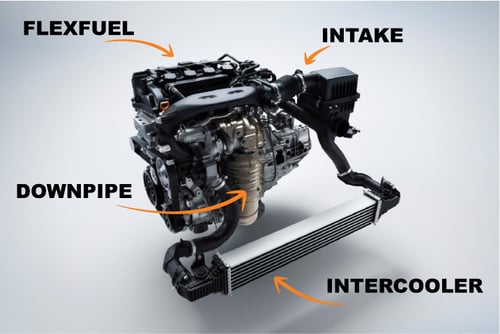
Honda dealers are equipped to diagnose and address this issue. The 1.5T requires intake manifold removal for proper valve access during cleaning. Walnut blasting safely removes the hardened carbon without damaging valve surfaces. The procedure is well-documented and widely understood by Honda technicians.
Carbon cleaning for the Civic Si 1.5T typically costs between $300 and $500. Honda dealership rates vary by region and dealer pricing policies. Independent Honda specialists often provide more competitive labor rates. Either option delivers equivalent results when the technician is experienced with the procedure.
The post-cleaning improvement is consistently reported as significant by Civic Si owners. Throttle response sharpens noticeably across the entire RPM range. The engine revs more freely and feels more eager during spirited acceleration. Cold starts become smooth and confident without the hesitation that preceded the service.
Oil catch cans are available for the 1.5T platform and are popular among Si owners. Installing one early in the car’s life significantly slows carbon accumulation. Pairing a catch can with regular synthetic oil changes provides excellent long-term protection. These simple measures help preserve the engine’s performance for years to come.
9. Subaru WRX (FA20DIT Engine)
The Subaru WRX is a rally-inspired performance sedan with a devoted fan base. The FA20DIT turbocharged boxer four-cylinder engine powers this exciting car. It produces 268 horsepower and delivers the all-weather traction the WRX is famous for. But this high-performance engine is notably prone to carbon buildup on its intake valves.
Subaru designed the FA20DIT with direct injection for improved power and efficiency. The boxer engine layout presents unique challenges for the intake system. The horizontally opposed cylinders create a long, complex intake path for each bank. This layout can worsen oil vapor accumulation compared to more conventional engine designs.
WRX owners drive their cars with considerable enthusiasm in all conditions. All-weather capability encourages year-round spirited driving in diverse climates. Cold weather starts, followed by aggressive warm-up driving, are hard on the intake system. These real-world usage patterns accelerate carbon deposit formation significantly.
Symptoms in the WRX FA20DIT typically appear between 40,000 and 70,000 miles. Some performance-minded owners notice the engine feels slightly down on power. Throttle response may feel less immediate than it did during the first few years. Cold start, stumbling, and occasional misfires become more frequent as deposits worsen.
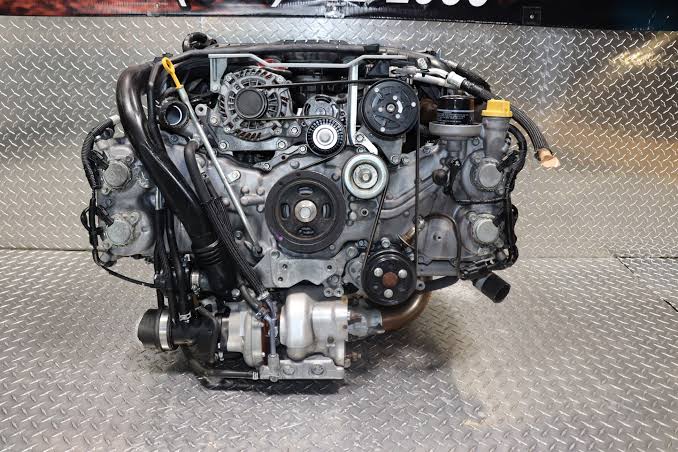
Subaru dealers handle carbon cleaning for the WRX as part of their service repertoire. The boxer engine layout makes intake manifold access more involved than in traditional engines. Technicians familiar with Subaru’s unique architecture handle the job most efficiently. Walnut blasting through the intake ports effectively removes hardened deposits.
WRX owners should budget between $400 and $650 for carbon cleaning services. The boxer engine’s complexity slightly increases labor time compared to inline engines. Independent Subaru specialists often provide competitive pricing with excellent expertise. Many longtime Subaru technicians are intimately familiar with this common maintenance need.
After cleaning, the FA20DIT engine feels noticeably more energetic and responsive. Power delivery becomes smoother and more linear throughout the entire RPM range. Cold starts improve dramatically, and the engine settles into idle more quickly. The crisp boxer engine character that WRX owners love returns in full force.
Catch cans designed specifically for the FA20DIT are popular in the WRX community. The Subaru enthusiast aftermarket offers numerous options at various price points. Combining a catch can with quality synthetic oil changes provides strong protection. Many WRX owners report significantly slower carbon accumulation with these preventive measures in place.
10. Cadillac ATS (2.0T LTG Engine)
The Cadillac ATS was America’s answer to the BMW 3 Series. It combined sharp handling, rear-wheel drive dynamics, and Cadillac’s luxury heritage. The 2.0T LTG turbocharged engine powered the ATS with 272 horsepower. This engine delivers an engaging driving experience but carries the familiar carbon buildup challenge.
The LTG engine in the ATS shares its architecture with the Chevrolet Camaro unit. Direct injection is fundamental to the LTG’s power and efficiency credentials. High-pressure fuel injection into the combustion chamber bypasses the intake valves. Oil vapors from the crankcase ventilation system deposit freely on the unprotected valve surfaces.
ATS owners often choose their cars for dynamic driving on challenging roads. Spirited cornering and frequent acceleration put the LTG engine through demanding cycles. Higher engine loads increase crankcase pressure and oil vapor production. The ATS driving experience, while rewarding, accelerates carbon accumulation over time.
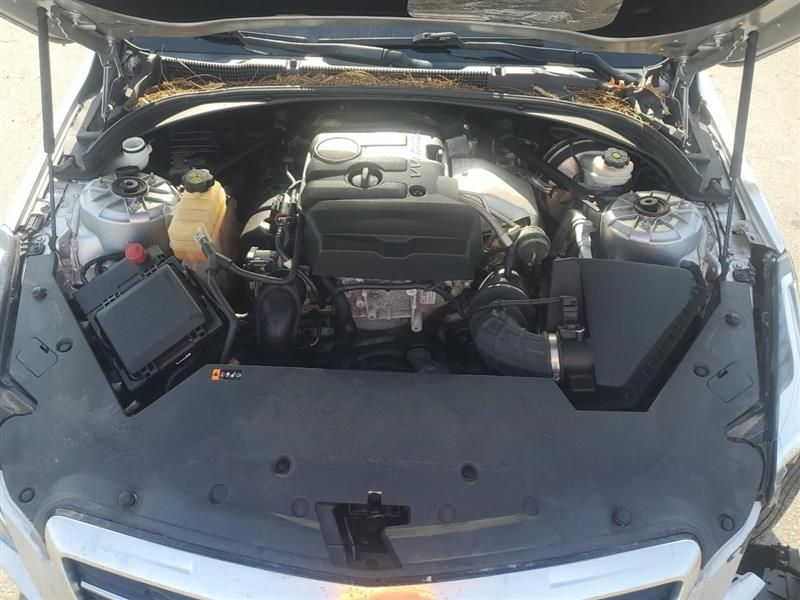
Symptoms in the ATS 2.0T typically emerge between 50,000 and 75,000 miles. Cold start roughness is the most frequently reported early symptom. Light throttle hesitation during city traffic is another common complaint among ATS owners. Some drivers notice a subtle loss of the engine’s initial sharpness and responsiveness.
Cadillac dealers perform carbon cleaning as part of their scheduled maintenance offerings. The LTG in the ATS requires the same intake manifold removal procedure as in the Camaro. Technicians blast walnut media through the intake ports to remove the accumulated deposits. The procedure takes approximately two to three hours from start to finish.
ATS owners should expect to pay between $400 and $600 for this carbon cleaning service. Cadillac dealership labor rates are moderate compared to European luxury brands. Independent GM specialists can perform the work for less without sacrificing quality. Either option effectively restores the engine to its original breathing capacity.
After cleaning, the ATS 2.0T engine rediscovers its original character. Throttle response sharpens, and power delivery becomes linear and immediate again. The sports sedan handling that defines the ATS is complemented by a properly breathing engine. Cold starts become clean and smooth, restoring driver confidence on chilly mornings.
The Cadillac ATS is an underappreciated gem in the used car market today. Proper maintenance, including timely carbon cleaning, keeps this car performing brilliantly. Installing a catch can and using quality synthetic oil helps extend cleaning intervals. A well-maintained ATS remains a rewarding driver’s car well beyond 150,000 miles.
Also Read: Subaru Holds Consumer Reports Top Brand Spot Two Years Running
