
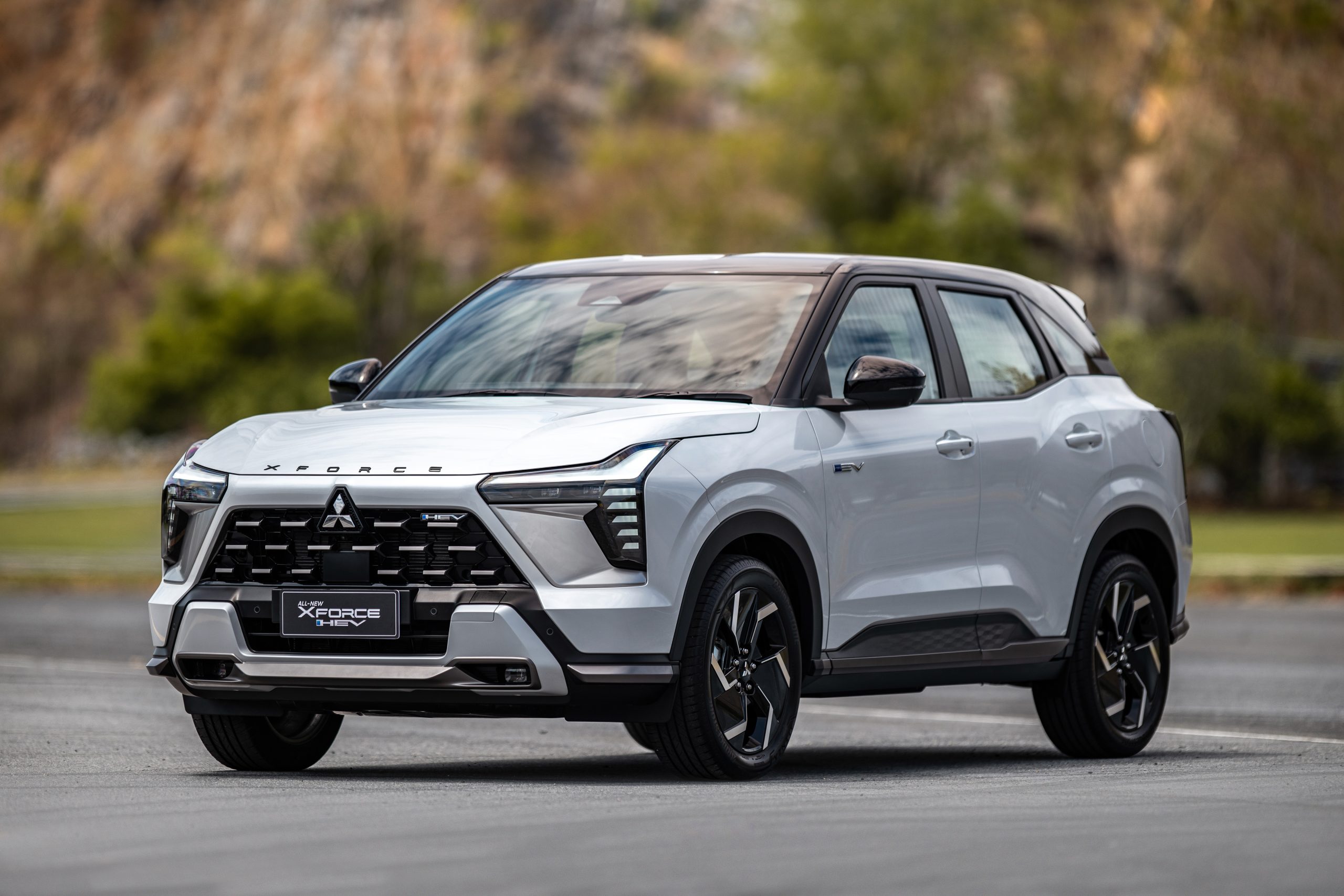
Mitsubishi occupies a unique position in the automotive world. Unlike some Japanese brands that dominate sales charts year after year, Mitsubishi has often focused on serving buyers who prioritize practicality, durability, and affordability.
Over the decades, the company has produced everything from rugged off-road vehicles to efficient family crossovers, earning a reputation for building cars that can deliver years of dependable service when properly maintained.
However, not every Mitsubishi model has achieved the same level of success. Some have become respected choices among enthusiasts and everyday drivers alike, while others have struggled to justify their place in an increasingly competitive market.
For vehicle shoppers, this creates an important challenge. A Mitsubishi badge alone does not automatically guarantee that a model is worth purchasing. Some vehicles offer excellent value through strong reliability records, useful features, and reasonable ownership costs.
Others suffer from outdated designs, weak performance, limited refinement, or poor competitiveness against rivals. Understanding the difference between these models can save buyers both money and frustration.
The vehicles featured in the “worth buying” category have earned their place through a combination of real-world dependability, practical design, and ownership satisfaction.
These are models that continue to attract buyers because they perform their intended roles effectively. Whether serving families, commuters, or adventure seekers, they provide qualities that make them stand out within Mitsubishi’s lineup.
The models in the “to avoid” section tell a different story. While they may not be terrible vehicles, they possess enough shortcomings to make choices more appealing. In some cases, newer competitors simply outperform them. In others, aging engineering or disappointing ownership experiences limit their appeal.
This comparison is designed to help prospective buyers identify where Mitsubishi delivers genuine value and where caution is advised.
By examining both the strongest and weakest offerings, shoppers can make more informed decisions and focus their attention on vehicles that are most likely to provide a rewarding ownership experience.
Understanding these distinctions is especially important in today’s market, where choosing the right vehicle can have a significant impact on long-term satisfaction and ownership costs.
Also Read: 5 Best Hybrids vs 5 Best EVs for 2026
3 Mitsubishi Models Worth Buying
Finding the right Mitsubishi can be more challenging than many buyers expect. The brand has spent decades building vehicles that range from rugged off-road legends to practical family transportation, yet not every model has left the same impression on the automotive world.
Some Mitsubishi vehicles have earned a reputation for reliability, durability, and long-term value, making them attractive choices for both new and used car shoppers.
These are the models that continue to generate positive feedback years after leaving the showroom because they successfully fulfill the needs of their owners without demanding excessive maintenance costs or creating major ownership headaches.
The vehicles featured in this section represent some of Mitsubishi’s strongest achievements. They are not necessarily the fastest, most luxurious, or most technologically advanced vehicles available, but they excel in areas that matter most to everyday drivers.
Dependability, practicality, comfort, and affordability are qualities that often determine whether a vehicle remains satisfying after years of ownership. The models chosen here have demonstrated their strengths through real-world use rather than marketing promises.
Another reason these vehicles deserve recognition is their ability to appeal to different types of buyers. Some are ideal for families looking for a spacious and comfortable daily driver. Others attract adventure seekers who need genuine capability beyond paved roads.
Some options appeal to budget-conscious drivers who simply want dependable transportation without unnecessary complexity. This variety highlights Mitsubishi’s ability to serve multiple segments of the market when it gets a vehicle right.
The purpose of examining these models is not simply to praise them but to understand why they have succeeded where others have struggled. By looking at their strengths, buyers can identify the characteristics that make a Mitsubishi worth owning.
Whether the focus is reliability, versatility, durability, or value for money, these vehicles stand out because they consistently deliver what buyers expect. For anyone considering a Mitsubishi, these are the models most likely to provide a positive ownership experience and justify their place in the marketplace.
1. Mitsubishi Outlander
Among Mitsubishi’s current offerings, the Outlander stands as one of the clearest examples of how the brand has evolved. For years, Mitsubishi struggled to compete with larger rivals in the crossover segment, but the Outlander changed that narrative by becoming a much more refined and appealing family vehicle.
It deserves recognition because it successfully balances practicality, comfort, and value without trying to be something it is not.
One of the most impressive aspects of the Outlander is how well it caters to families. Buyers looking for a daily driver often prioritize space, comfort, and convenience over outright performance.
Mitsubishi understood this and designed the Outlander around real-world needs. The cabin provides generous room for passengers, while the cargo area offers flexibility for shopping trips, luggage, and recreational equipment.
The available third row is especially noteworthy because very few vehicles in this segment offer that level of passenger capacity.
The interior also represents a major step forward for Mitsubishi. Earlier products from the company were frequently criticized for feeling outdated and lacking refinement.
The Outlander addresses those concerns with improved materials, a more attractive dashboard layout, and technology features that feel modern and competitive. Drivers spend countless hours inside their vehicles, and these improvements make a noticeable difference during daily use.
Safety is another area where the Outlander shines. Advanced driver assistance systems help reduce fatigue and increase confidence behind the wheel. Families appreciate these technologies because they provide an extra layer of protection during commuting and long-distance travel.
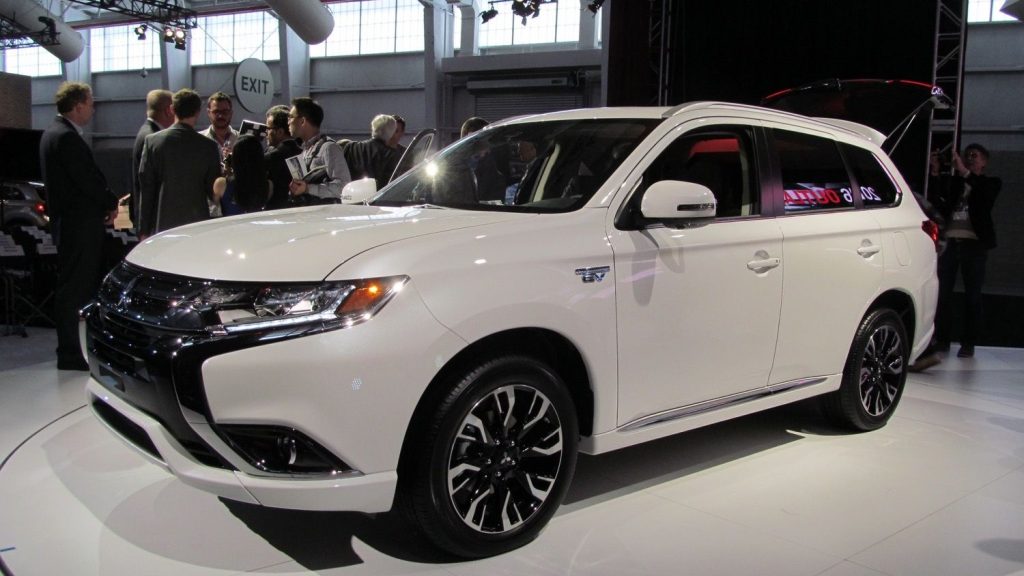
Fuel efficiency and manageable maintenance costs further strengthen the Outlander’s appeal. Ownership expenses can quickly add up over time, and a vehicle that helps keep those costs under control is always attractive.
Combined with Mitsubishi’s reputation for generous warranty coverage, the Outlander offers peace of mind that many competitors struggle to match.
Rather than relying on flashy marketing or extreme performance claims, the Outlander succeeds through practical strengths that matter every day. That focus on usability is exactly why it earns a place among Mitsubishi models worth buying.
Specifications
- Engine: 2.5L Inline 4 Cylinder
- Torque: 245 Nm
- Horsepower: 181 hp
- Length/Width: 4710 mm / 1862 mm
2. Mitsubishi Pajero
The Pajero occupies a special place in Mitsubishi history because it represents the brand’s ability to build vehicles capable of thriving in some of the toughest conditions on Earth.
Long before modern crossovers became popular, the Pajero established itself as a serious sport utility vehicle that could handle rough terrain while still providing reasonable comfort for everyday use.
What separates the Pajero from many competitors is its reputation for toughness. This is not a reputation created by marketing campaigns alone.
It was built through decades of service in deserts, mountain regions, rural communities, and demanding work environments around the world. Owners consistently praise its ability to endure difficult conditions while remaining mechanically dependable.
The vehicle’s off-road capability remains one of its strongest selling points. Even today, many enthusiasts seek out used Pajeros because they offer genuine four-wheel-drive performance.
Whether traveling on unpaved roads, crossing challenging terrain, or dealing with severe weather, the Pajero demonstrates a level of confidence that many modern SUVs cannot match.
Comfort also plays a role in its lasting appeal. While rugged capability is often its headline feature, the Pajero was designed to handle long journeys with relative ease. Supportive seating, a commanding driving position, and a spacious interior make it suitable for both adventure travel and everyday transportation.
Another factor worth considering is longevity. Well-maintained Pajeros frequently remain on the road for many years, accumulating impressive mileage without major mechanical failures. This durability makes them particularly attractive in the used market, where buyers often seek dependable vehicles capable of delivering long-term value.
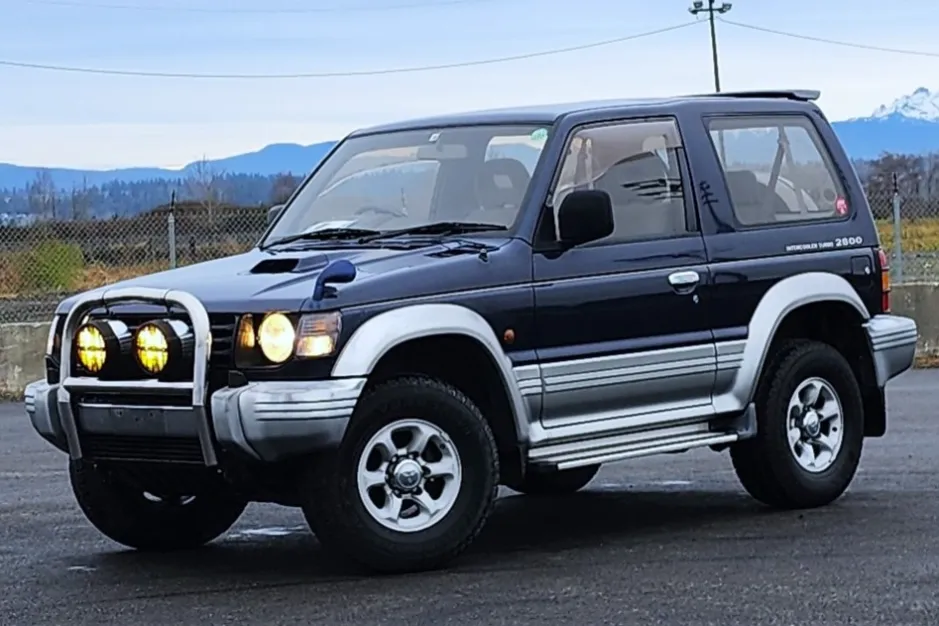
The Pajero’s enduring popularity demonstrates that some vehicles transcend trends. While many SUVs have shifted toward urban lifestyles and image-focused design, the Pajero remains respected because of its substance.
It was built to perform demanding tasks reliably, and that characteristic continues to attract buyers who value capability above fashion.
Specifications
- Engine: 3.8L V6
- Torque: 329 Nm
- Horsepower: 250 hp
- Length/Width: 4900 mm / 1875 mm
3. Mitsubishi Lancer
The Mitsubishi Lancer earned its reputation in a very different way from the Outlander and Pajero. Instead of relying on SUV practicality or off-road toughness, the Lancer became known as a straightforward compact sedan that offered dependable transportation at an affordable price.
Although the model is no longer sold in many markets, it remains one of the most sensible Mitsubishi vehicles available on the used market.
One of the reasons the Lancer deserves recognition is its simplicity. In an era where vehicles have become increasingly complicated, there is still considerable value in a car that focuses on the basics.
The Lancer was designed to provide reliable daily transportation without unnecessary complexity. This straightforward engineering has helped many examples remain dependable years after production ended.
The driving experience is another factor that contributes to its appeal. While standard Lancer models were not designed as high-performance machines, they offered predictable handling and easy operation.
Drivers appreciated the car’s balanced nature, especially in urban environments where comfort and maneuverability matter more than outright speed. The vehicle felt approachable for new drivers while remaining practical for experienced owners.
Affordability plays a major role in the Lancer’s continued popularity. Used vehicle buyers often seek cars that can provide dependable transportation without generating excessive repair bills.
The Lancer fits that requirement well. Parts availability remains relatively good, maintenance procedures are generally straightforward, and ownership costs are often lower than many alternatives.
Interior space also helped the vehicle attract a wide audience. Despite its compact dimensions, the cabin provided enough room for small families and daily commuters. Trunk space was respectable for the segment, making the car useful for everything from grocery shopping to weekend travel.
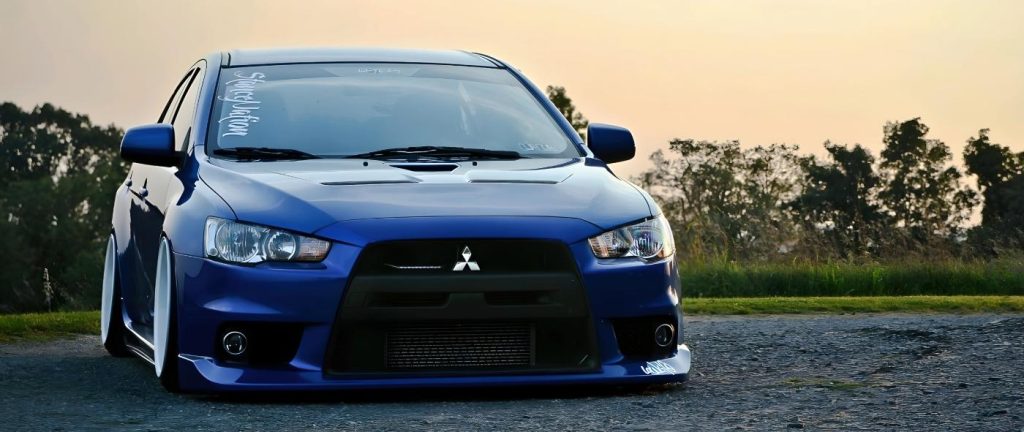
Many people remember the Lancer because of the legendary Evolution performance variants, but even the standard models deserve attention. They may not have delivered the excitement of their rally-inspired counterparts, yet they provided something equally valuable: honest transportation that could be counted on day after day.
For buyers seeking a practical used sedan with a solid reputation, the Lancer remains one of Mitsubishi’s strongest achievements.
Specifications
- Engine: 2.0L Inline 4 Cylinder
- Torque: 197 Nm
- Horsepower: 148 hp
- Length/Width: 4570 mm / 1760 mm
3 Mitsubishi Models To Avoid
Not every vehicle produced by a manufacturer becomes a success, and Mitsubishi is no exception. While the company has created several respected models throughout its history, there have also been vehicles that failed to meet expectations in key areas.
Some struggled because of outdated engineering, others because they faced stronger competitors, and a few simply offered too many compromises for the price buyers were asked to pay. Understanding these weaker entries is just as important as recognizing the successful ones.
A vehicle can have a low purchase price or an attractive appearance and still fall short when it comes to long-term satisfaction. Buyers often focus on monthly payments, fuel economy figures, or promotional offers while overlooking factors such as comfort, performance, refinement, resale value, and practicality.
These overlooked details can have a significant impact on the ownership experience. A car that appears appealing at first glance may become frustrating to live with after months or years of daily use.
The models discussed in this section are not necessarily complete failures. In fact, each of them possesses at least a few positive qualities that helped attract buyers. However, when compared with competitors or even other Mitsubishi products, their weaknesses become difficult to ignore.
Some offer underwhelming performance, while others suffer from limited interior quality, outdated technology, or poor value retention. These shortcomings prevent them from being among the strongest choices available to consumers.
This section aims to provide a balanced perspective by highlighting where these vehicles fall short and why buyers should approach them carefully. The goal is not to criticize Mitsubishi unfairly but to identify models that may lead to disappointment when compared with available alternatives.
Making a smart vehicle purchase often involves avoiding poor choices as much as selecting good ones. By understanding the limitations of these Mitsubishi models, shoppers can make more informed decisions and focus their attention on vehicles that offer a better combination of reliability, comfort, performance, and long-term value.
1. Mitsubishi Mirage
The Mitsubishi Mirage often attracts buyers because of its low purchase price, but affordability alone is not enough to make a vehicle a good choice.
While the Mirage succeeds in keeping costs down, it does so by making compromises that significantly affect the ownership experience. Those compromises are the primary reason it appears on the list of Mitsubishi models to avoid.
Performance is perhaps the most frequently criticized aspect of the Mirage. Its small engine was designed with fuel economy as the top priority, and that decision becomes obvious the moment the accelerator is pressed.
Highway merging, passing slower traffic, and carrying multiple passengers can make the vehicle feel strained. Drivers who regularly travel on faster roads may find the lack of power frustrating.
The interior also reveals where costs were reduced. While basic transportation does not require luxury materials, the Mirage often feels noticeably cheaper than many competitors.
Cabin materials, seat comfort, and noise insulation lag behind numerous alternatives in the subcompact segment. Long trips can become tiring because road and engine noise are more noticeable inside the cabin.
Ride quality presents another concern. The Mirage’s lightweight construction helps improve efficiency, but it can also make the vehicle feel less stable during high-speed driving or when encountering strong crosswinds. Buyers expecting a refined driving experience may be disappointed.
Resale value is another weakness worth mentioning. Vehicles with stronger reputations for quality and refinement tend to hold their value more effectively over time. The Mirage often struggles in this area, reducing its long-term financial appeal.
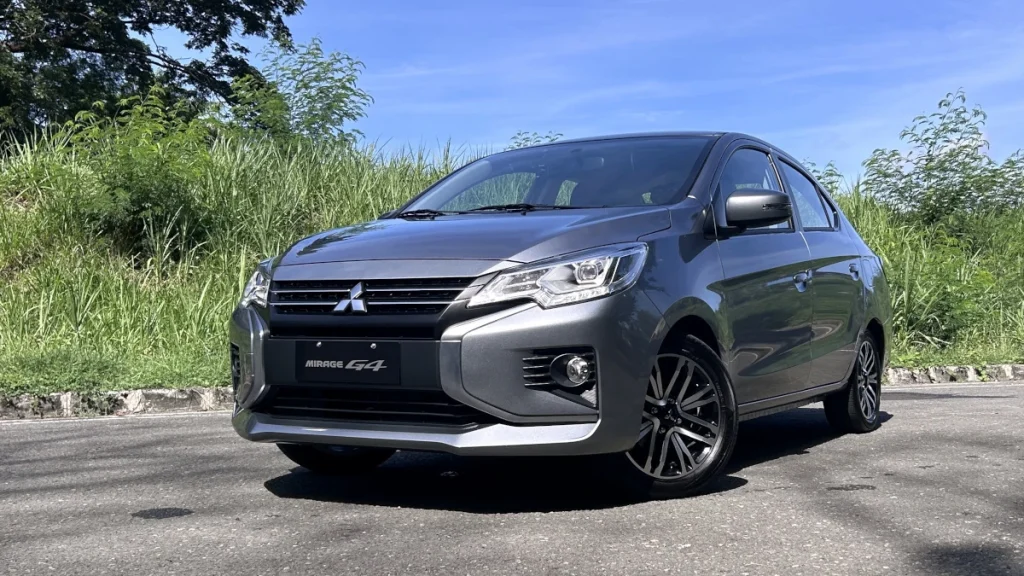
Fuel economy remains impressive, and some owners appreciate its simplicity. However, buyers should remember that low ownership costs are only one part of the equation.
When comfort, performance, refinement, and long-term satisfaction are considered together, the Mirage becomes difficult to recommend over many competing small cars that offer a more balanced package.
Specifications
- Engine: 1.2L Inline 3 Cylinder
- Torque: 100 Nm
- Horsepower: 78 hp
- Length/Width: 3845 mm / 1665 mm
2. Mitsubishi Eclipse Cross
The Eclipse Cross arrived with considerable expectations because its name referenced one of Mitsubishi’s most recognizable sports car badges. Unfortunately, the vehicle struggled to live up to that legacy. Although it functions adequately as a compact crossover, several characteristics prevent it from being one of the stronger choices in Mitsubishi’s lineup.
A major issue involves its identity. Buyers expecting sporty driving dynamics based on the Eclipse name often discover a crossover that prioritizes practicality instead of excitement. There is nothing wrong with focusing on utility, but the mismatch between the name and the actual driving experience created disappointment among many consumers.
The powertrain is another area where criticism frequently emerges. Acceleration is adequate for daily driving, yet it rarely feels energetic. Competing crossovers often provide smoother performance, more refined transmissions, or stronger engines that make everyday driving more enjoyable.
Interior packaging also leaves room for improvement. While passenger space is acceptable, some rivals utilize their dimensions more effectively. Cargo capacity and rear seat usability do not always match expectations for a vehicle in this segment. Buyers comparing multiple options may quickly notice these shortcomings.
Visibility was another common complaint in earlier versions. Certain design choices limited rearward visibility, making parking and maneuvering more challenging than necessary. Although technology can help compensate for these issues, thoughtful design remains important.
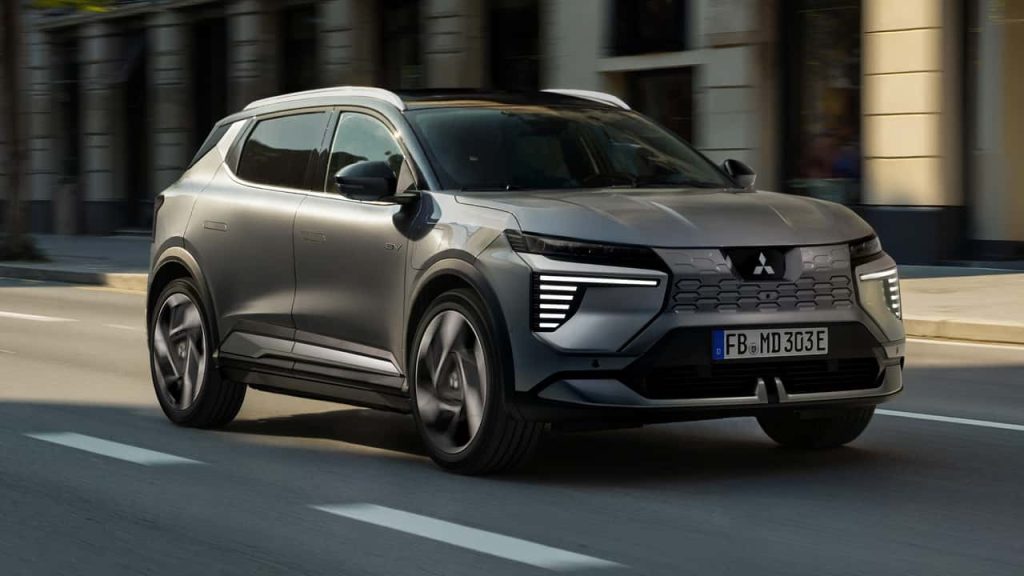
The Eclipse Cross is not a terrible vehicle. It offers respectable safety features and a distinctive appearance that some buyers genuinely like.
The problem is that compact crossover shoppers have access to numerous alternatives that deliver stronger performance, better interior refinement, or greater practicality for similar money. Because of that intense competition, the Eclipse Cross often struggles to justify its position.
Specifications
- Engine: 1.5L Turbocharged Inline 4 Cylinder
- Torque: 250 Nm
- Horsepower: 152 hp
- Length/Width: 4545 mm / 1805 mm
3. Mitsubishi i MiEV
The Mitsubishi i-MiEV deserves recognition for one important reason: it was among the earliest mass-produced electric vehicles available to everyday consumers.
At a time when many manufacturers were still experimenting with electrification, Mitsubishi took a bold step by bringing an electric car to market. While that achievement deserves respect, being a pioneer does not automatically make a vehicle a smart purchase today.
The biggest challenge facing the i MiEV is its age. Electric vehicle technology has advanced rapidly over the past decade, and the i MiEV reflects the limitations of an earlier generation. Its driving range falls far short of what modern buyers expect from an electric vehicle. For drivers who regularly travel beyond city limits, range anxiety can become a constant concern.
The vehicle’s compact size is another factor that limits its appeal. While small dimensions can be beneficial in crowded urban environments, they also create compromises in passenger comfort and cargo capacity. Families or drivers who need versatility may find the cabin too restrictive for daily use.
Performance is similarly modest. The i MiEV was designed primarily as an efficient commuter vehicle rather than an engaging driving machine. Acceleration is adequate for city streets, but the car can feel underpowered compared with newer electric vehicles that deliver stronger and more responsive performance.
Battery degradation is another concern for used car shoppers. Since many examples are now well over a decade old, potential buyers must carefully evaluate battery condition before making a purchase. Replacing or repairing an aging battery pack can significantly impact ownership costs.
The interior also reveals the vehicle’s age. Compared with modern electric cars, the cabin feels basic and lacks many of the technology features consumers now consider standard. Infotainment systems, connectivity options, and driver assistance technologies are limited when compared with contemporary competitors.
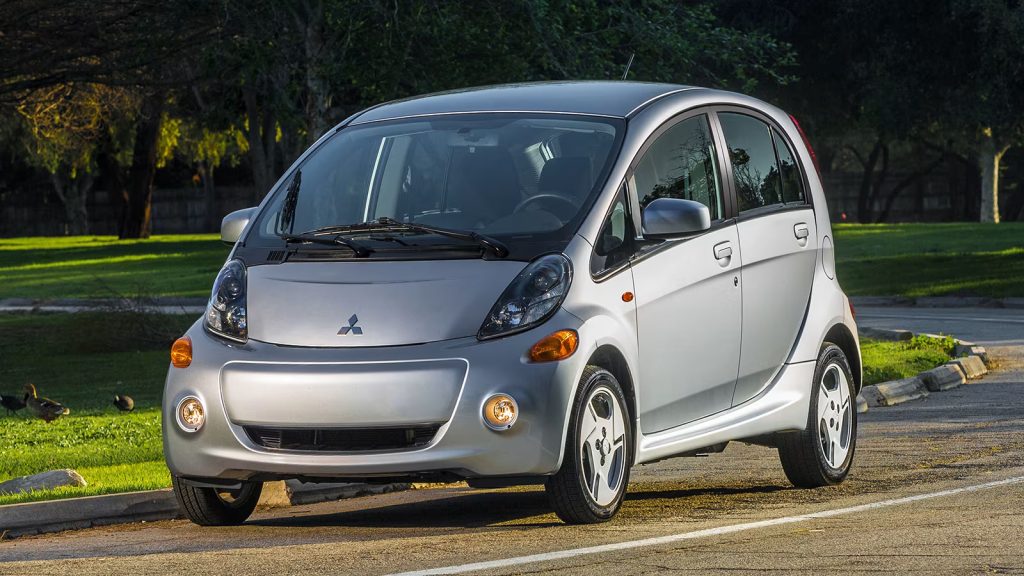
The i MiEV deserves credit for helping introduce electric mobility to a wider audience, but history alone is not enough to justify a purchase today.
Modern electric vehicles offer substantially better range, comfort, performance, and technology. Unless a buyer specifically wants an inexpensive city commuter and fully understands its limitations, there are usually stronger options available.
Specifications
- Engine: Electric Motor
- Torque: 196 Nm
- Horsepower: 66 hp
- Length/Width: 3475 mm / 1475 mm
Also Read: 5 Reliable Toyotas vs 5 Reliable Hondas
