
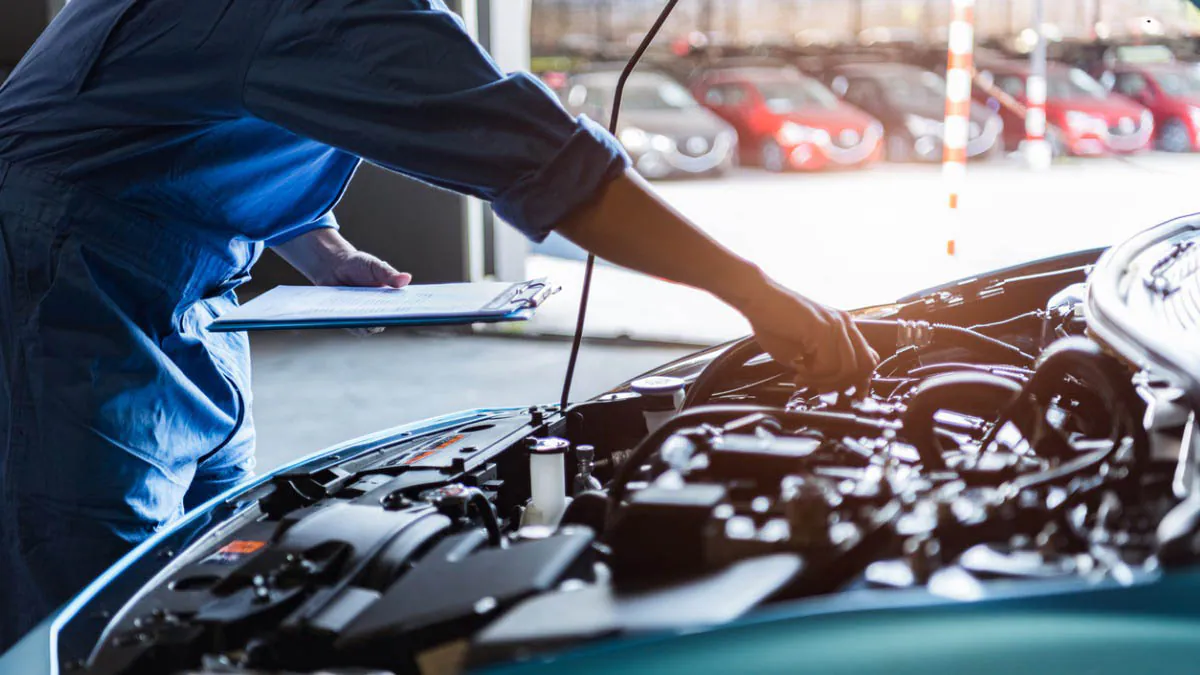
Buying a used car is already a balancing act between price, reliability, and long-term cost. In recent years, hybrid vehicles have become especially attractive in the used market because they promise excellent fuel efficiency, lower emissions, and smoother driving in city conditions.
Models from brands like Toyota and Honda have built strong reputations for reliability, which makes many buyers assume that a used hybrid is a safe and economical choice. However, this assumption often changes dramatically when the vehicle is out of warranty.
The reality is that hybrid vehicles combine two complex systems in one car: a traditional internal combustion engine and an electric powertrain with a high-voltage battery system.
While this combination improves fuel economy and reduces emissions, it also introduces layers of mechanical and electronic complexity that become increasingly expensive to manage once factory warranty coverage expires. When something goes wrong in a hybrid, the repair is rarely simple or cheap, especially if the vehicle is older and has high mileage.
Out-of-warranty hybrid cars expose owners to some of the highest potential repair costs in the used vehicle market. The most significant concern is the hybrid battery pack, which can cost thousands of dollars to replace.
However, this is not the only risk. Inverters, power control units, electric motors, regenerative braking systems, and specialized cooling systems all add to the financial burden. Unlike conventional gasoline cars, where independent mechanics can often source affordable parts and perform repairs, hybrids frequently require specialized diagnostics and trained technicians.
This article explains in depth why buying a hybrid out of warranty can be the riskiest used car decision. It breaks down the mechanical complexity, battery degradation issues, repair cost structures, long-term ownership risks, and hidden maintenance expenses that many buyers overlook.
While hybrids are excellent vehicles when new or under warranty, their risk profile changes significantly once coverage expires. Understanding these risks is essential before making a purchase decision that could lead to unexpected and costly repairs.
Also Read: 10 Cars With Insurance Premiums Lower Than a Compact Sedan
Why Hybrid Powertrains Become Costly
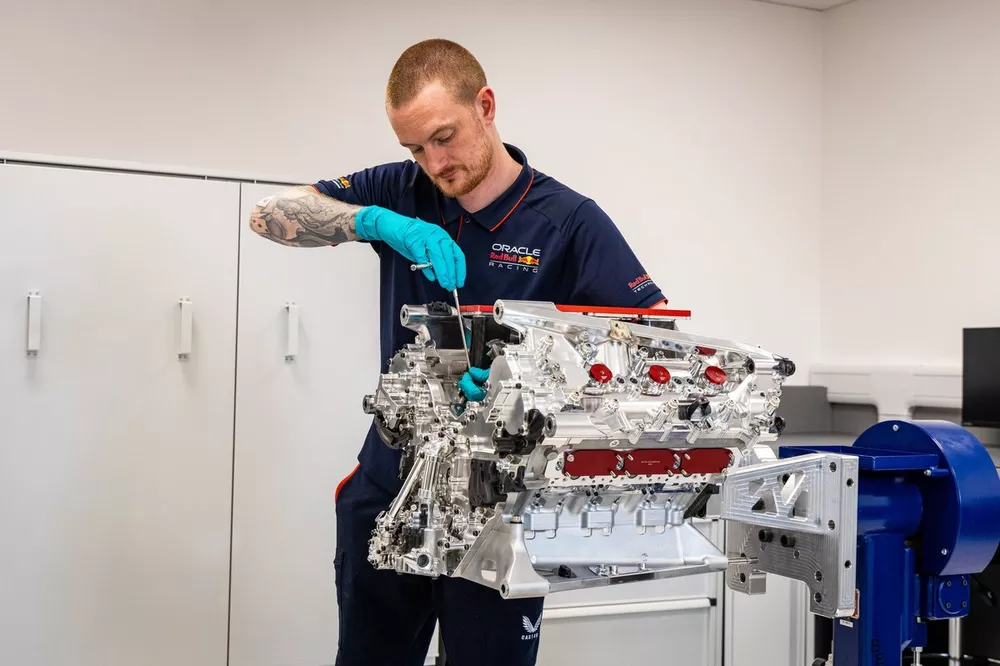
Hybrid vehicles are designed to deliver efficiency by combining a gasoline engine with an electric motor and a battery system. While this setup reduces fuel consumption, it also creates a highly integrated system where multiple components must work in perfect coordination. Once the warranty period ends, any failure in this system becomes the owner’s financial responsibility, and that is where costs can escalate quickly.
One of the biggest reasons hybrids become expensive outside warranty is the interdependence of their systems. In a conventional car, the engine and transmission are the primary concerns. In a hybrid, however, the electric motor, battery pack, inverter, and regenerative braking system all interact constantly.
If one component begins to fail, it can place additional stress on others, leading to cascading issues that are difficult to isolate and diagnose without advanced equipment.
Another major cost factor is the specialized nature of hybrid repair work. Unlike traditional vehicles that most mechanics can service, hybrids require trained technicians who understand high-voltage systems and complex electronic control modules. These specialists often work at authorized service centers, which tend to charge higher labor rates. As a result, even minor issues can become expensive simply due to diagnostic and labor requirements.
Parts availability also plays a role in increasing costs. While some hybrid components are shared with standard gasoline models, many critical parts are unique to hybrid systems. Inverters, battery cooling units, and power control modules are not widely stocked by independent repair shops. This limited availability can lead to higher pricing and longer repair times, increasing the ownership burden.
Hybrids are heavily software-dependent. Many systems are controlled by electronic modules that require manufacturer-specific diagnostic tools. Once the car is out of warranty, access to software updates and official diagnostic support may be limited or expensive.
This creates a situation where even simple warning lights can lead to costly dealership visits, making out-of-warranty hybrid ownership significantly more risky than it appears at first glance.
Battery Degradation and Replacement Reality
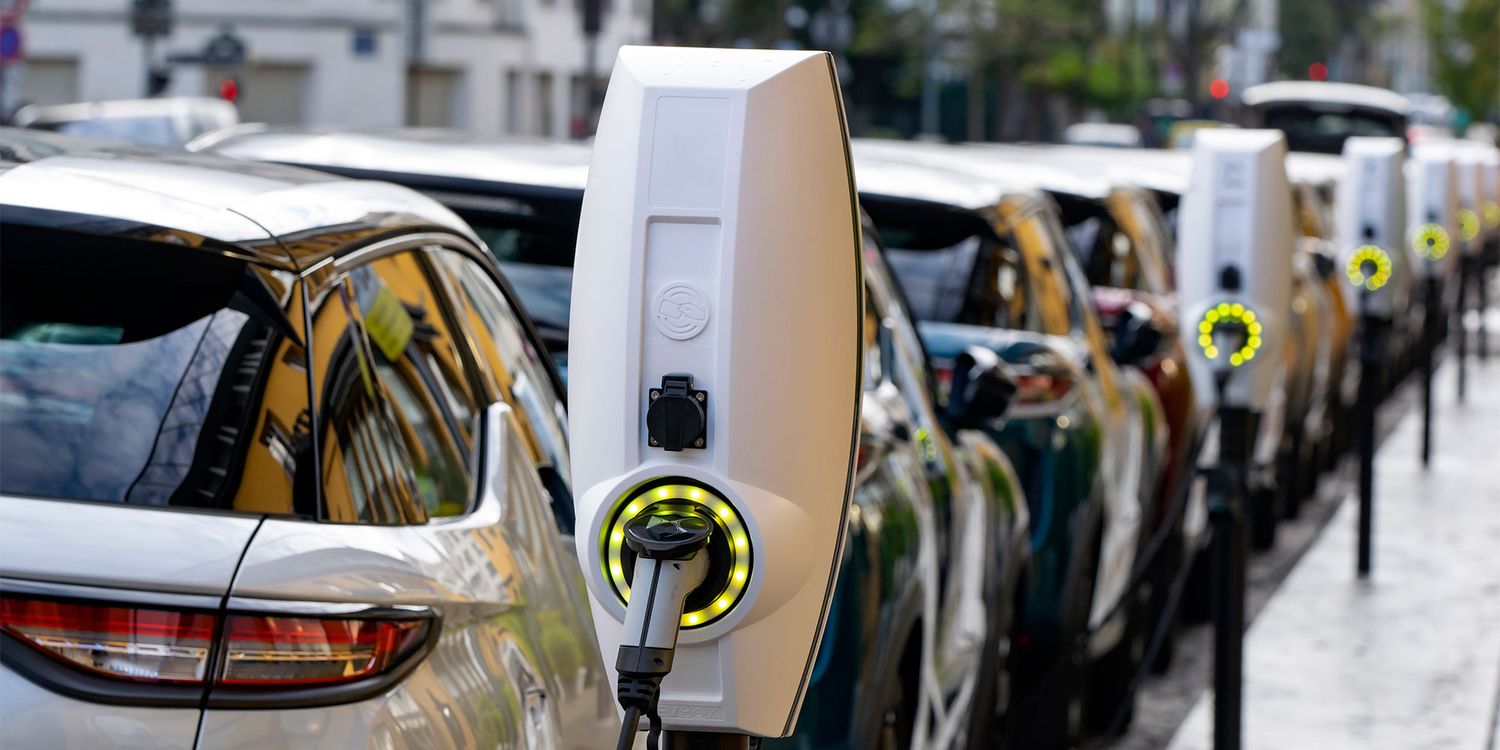
The most well-known concern with hybrid vehicles is the high-voltage battery pack. While modern hybrid batteries are designed to last many years, they are not immune to degradation.
Over time, repeated charging and discharging cycles reduce their capacity, which directly affects fuel efficiency, performance, and drivability. Once the warranty expires, any battery-related issue becomes a major financial risk for the owner.
Battery replacement is one of the most expensive repairs in the automotive industry. Depending on the model, replacing a hybrid battery can cost anywhere from a significant fraction of the car’s value to an amount that exceeds the vehicle’s market price. Even refurbished or rebuilt batteries, while cheaper, still represent a substantial expense and may come with limited warranties or uncertain longevity.
Another issue is that battery degradation is often gradual and not immediately obvious to buyers. A used hybrid may appear to function normally during a short test drive, but its battery capacity could already be significantly reduced. This hidden deterioration can lead to reduced fuel efficiency, inconsistent power delivery, and increased reliance on the gasoline engine, effectively eliminating one of the main benefits of owning a hybrid.
Environmental factors also affect battery life. High temperatures, frequent short trips, and extended periods of inactivity can all accelerate battery wear. In regions with extreme climates, such as very hot summers, hybrid batteries may degrade faster than expected. This makes out-of-warranty hybrids particularly risky in areas where environmental stress is high.
Battery failure is not always sudden. Many hybrids enter a slow decline phase where the battery still functions but no longer performs efficiently. During this period, owners often experience increasing fuel consumption and reduced performance without realizing the underlying cause.
By the time the issue is diagnosed, replacement may be the only viable solution, reinforcing why battery risk is the central concern in used hybrid ownership.
Engine and Electric Motor Risks
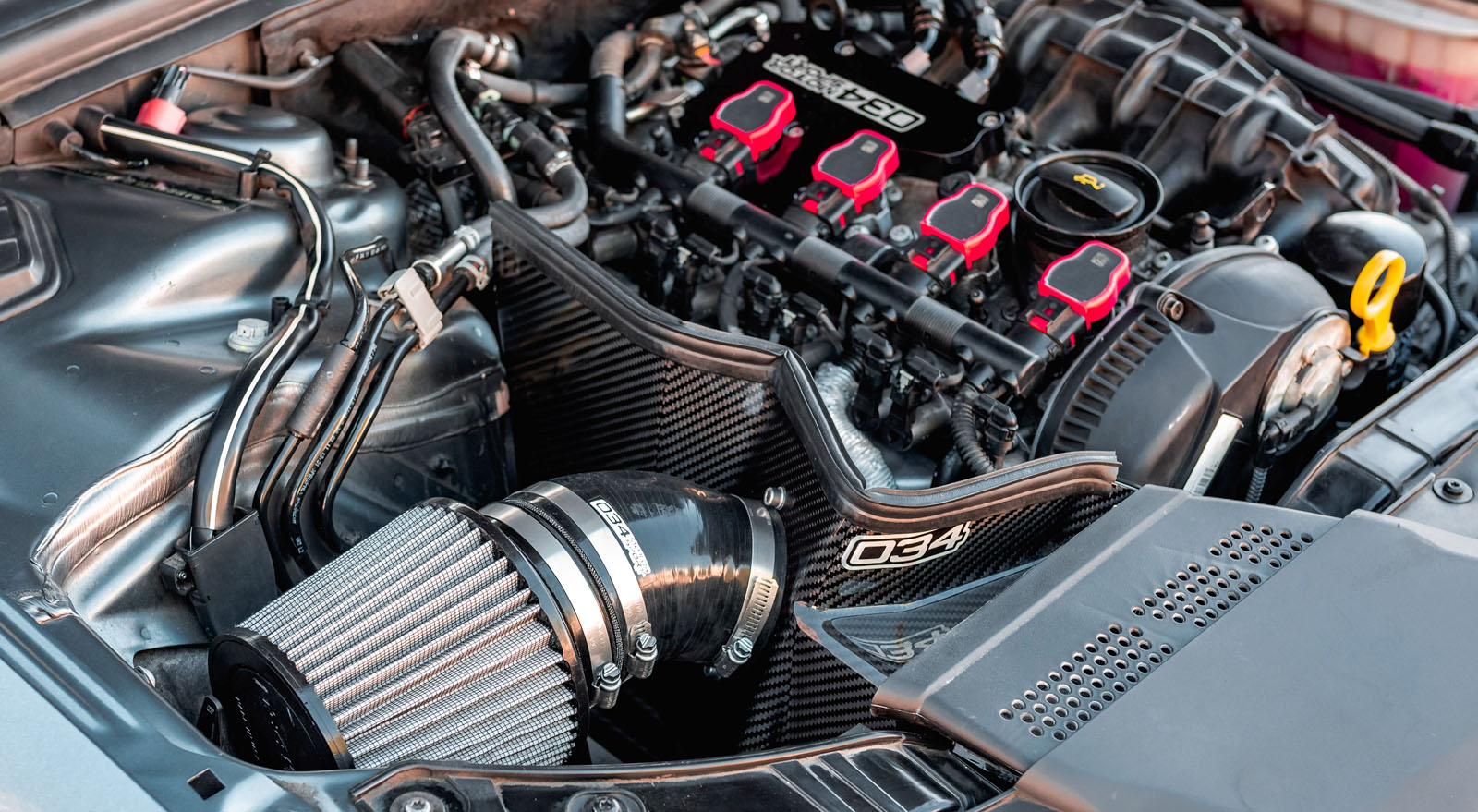
Hybrid vehicles are fundamentally more complex than traditional cars because they rely on two propulsion systems working together. This dual system is efficient, but it also introduces multiple points of failure that can become costly once warranty protection is gone.
Unlike a standard vehicle, where the engine is the primary concern, hybrids require attention to both mechanical and electrical systems simultaneously.
The gasoline engine in a hybrid is often designed to work differently from conventional engines. It may cycle on and off frequently, operate under variable load conditions, and integrate closely with electric assist functions.
While this improves efficiency, it can also lead to unique wear patterns that are not common in standard engines. Over time, components such as starters, sensors, and cooling systems may experience unusual stress.
On the electric side, components like the inverter and electric motor are critical but expensive. The inverter converts energy between the battery and motor, and any failure in this system can severely impact vehicle operation. Similarly, electric motors are highly durable but costly to replace or repair if damaged. These parts are not typically user-serviceable and require specialized knowledge and tools.
Regenerative braking systems also add complexity. While they reduce wear on traditional brake components, they introduce additional electronic control systems that can malfunction. When regenerative braking fails or degrades, the vehicle may revert to traditional braking, increasing wear on physical brake components and reducing efficiency.
The interaction between these systems creates diagnostic challenges. A symptom such as reduced fuel economy or warning lights could stem from either the engine or electric system, or even from their interaction. This complexity makes troubleshooting time-consuming and expensive, especially without warranty coverage that would otherwise absorb diagnostic costs.
Also Read: 10 Cars That Survive Being Used as Daily Uber Vehicles
Repair Costs and Parts Availability
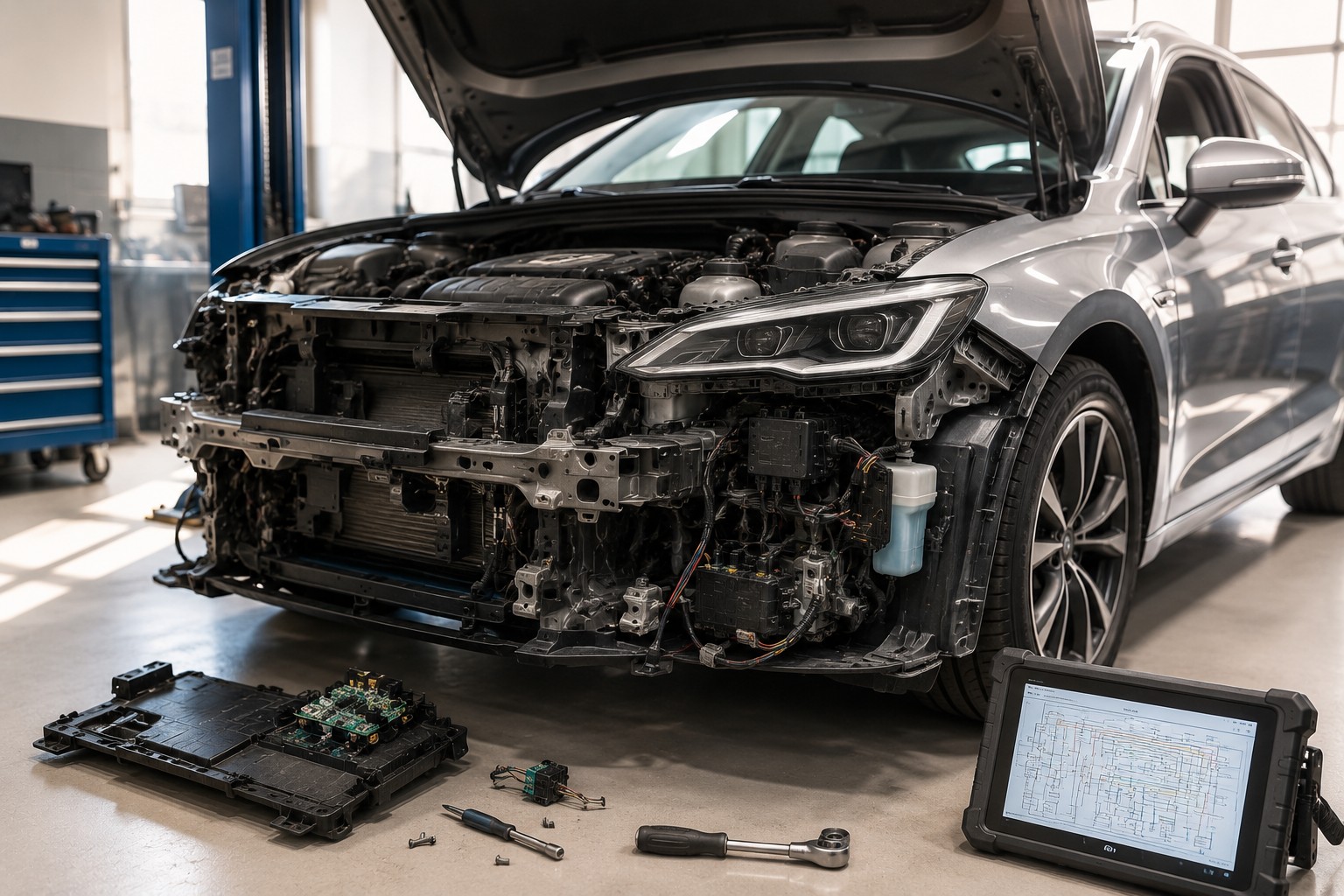
Once a hybrid vehicle is out of warranty, repair costs become one of the most significant concerns for owners. Unlike conventional cars, where parts are widely available and repairs are straightforward, hybrids often require specialized components and trained technicians. This dependency significantly increases the cost of ownership.
One of the key issues is labor specialization. Hybrid systems operate at high voltage and require strict safety procedures. Mechanics must be trained and certified to work on these systems, which limits the number of available service providers. As a result, owners often have to rely on dealerships or specialized workshops, both of which charge higher labor rates.
Parts availability is another challenge. While some hybrid components are shared with conventional vehicles, many critical parts are unique and not widely stocked. Items such as battery cooling systems, inverters, and hybrid control modules may need to be ordered directly from manufacturers. This not only increases cost but also extends repair timelines.
Diagnostic complexity further increases expenses. Hybrid systems require advanced diagnostic tools that are often proprietary to manufacturers. Independent mechanics may not have access to these tools, forcing owners to visit authorized service centers for even minor issues. Each diagnostic session can add a high cost before any actual repair begins.
Repair costs can escalate quickly when multiple systems are involved. A seemingly small issue in a hybrid can trigger errors across both the electric and gasoline systems. This interconnected nature means that repair estimates are often higher than expected, reinforcing the financial risk of owning an out-of-warranty hybrid vehicle.

Hidden Maintenance and Long Ownership Costs
Beyond major repairs and battery concerns, hybrids also come with hidden maintenance costs that many buyers overlook. While they are often marketed as low-maintenance vehicles due to reduced engine wear, the reality is more nuanced once the warranty period ends.
One hidden cost is cooling system maintenance. Hybrids use specialized cooling systems for batteries and electronic components. These systems require regular maintenance and can fail over time. If cooling performance declines, it can directly impact battery health and lead to expensive repairs.
Another overlooked expense is software and electronic system updates. Hybrid vehicles rely heavily on control software to manage energy distribution between the engine and electric motor. Over time, updates may be required to maintain efficiency and performance. In some cases, these updates are only available at authorized service centers, which can charge significant fees.
Tire and brake wear patterns can also differ in hybrids. While regenerative braking reduces brake pad wear, the added weight of the battery system can increase tire wear. This means owners may still face consistent maintenance costs in areas where they did not expect to save money.
Fuel savings, while real, may not always offset these costs once the vehicle ages. As battery efficiency declines and maintenance requirements increase, the cost advantage of a hybrid can shrink significantly. This is especially true for out-of-warranty vehicles where repair expenses are fully borne by the owner.
Long-term ownership costs for hybrids depend heavily on their condition and age. While they can be economical when new or certified pre-owned, out-of-warranty hybrids introduce financial uncertainties that can outweigh their fuel savings, making them a high-risk choice in the used car market.
