Ferrari has spent decades building some of the most emotionally charged performance cars in automotive history. From the sound of a naturally aspirated V12 screaming toward redline to the dramatic styling that made even parked Ferraris feel alive, the Italian manufacturer built its identity around passion and theater as much as speed.
That is why reactions to Ferrari’s first fully electric vehicle, reportedly named the Luce, have become so intense.
During the week of May 25, 2026, leaked previews, prototype sightings, and early design discussions surrounding Ferrari’s upcoming EV triggered widespread criticism from enthusiasts across social media, automotive forums, and industry comment sections.
Much of the backlash focused not on the idea of an electric Ferrari itself, but on the vehicle’s appearance. Many fans believe the Luce simply does not look like a Ferrari.
The criticism has quickly turned the car into one of the most debated upcoming launches in the automotive world, revealing just how difficult Ferrari’s transition into the EV era may become.
Also Read: 8 Cars That Are Nearly Impossible to Steal
Enthusiasts Expected Drama But Saw Something Else
Ferrari has always treated design as a core part of its brand identity. Models such as the F40, Enzo, LaFerrari, 458 Italia, and Daytona SP3 became icons partly because they looked aggressive, exotic, and unmistakably Italian.
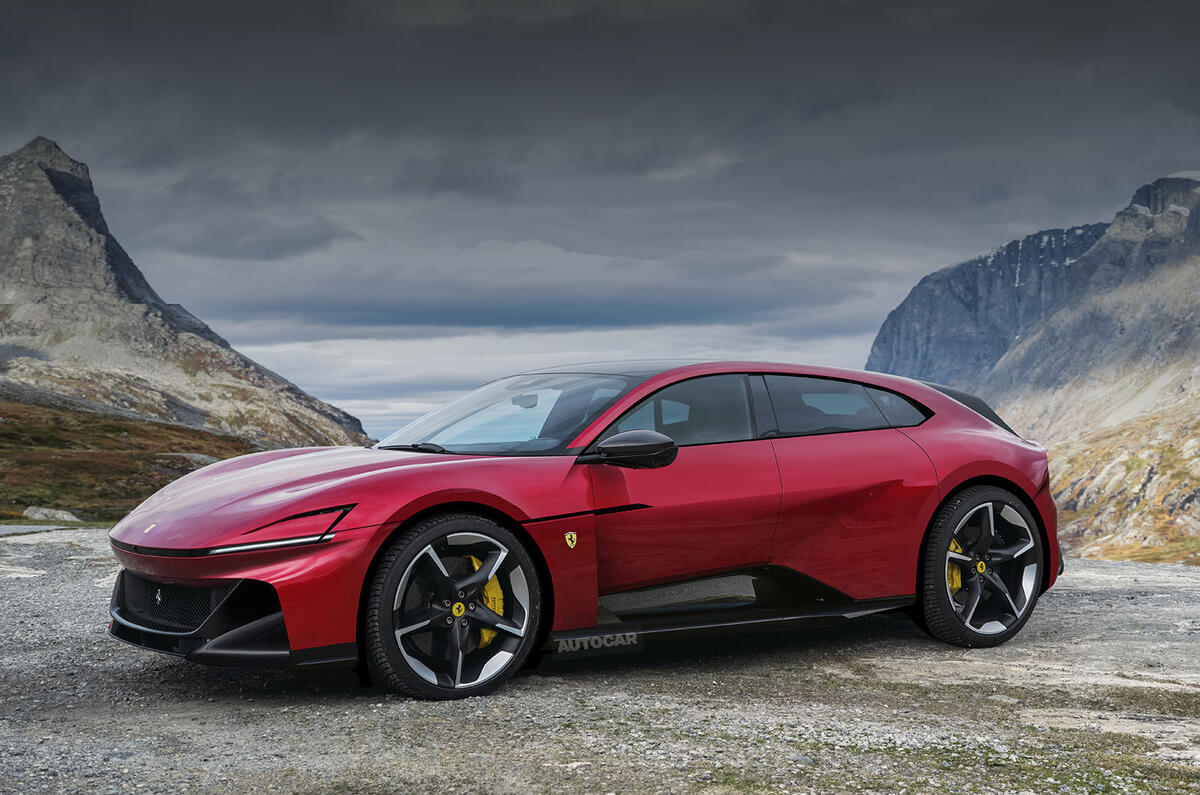
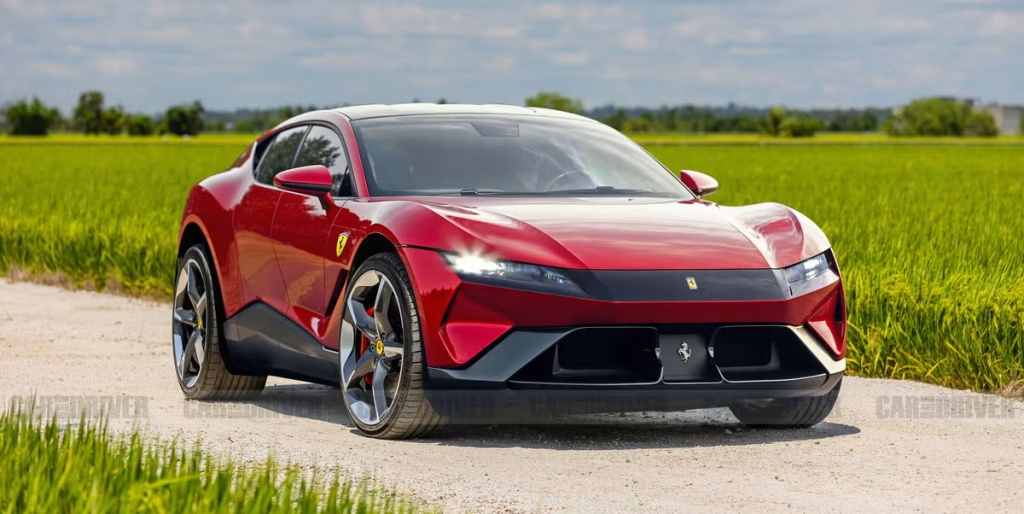
The early reactions to the Luce suggest many enthusiasts feel that emotional connection is missing. Spy shots and unofficial renderings indicate the EV may feature a taller body shape, smoother front end, and proportions that differ sharply from Ferrari’s traditional mid-engine supercar silhouette.
Some observers described it as resembling a crossover or futuristic grand tourer rather than a low-slung exotic sports car. Others criticized the front fascia specifically, arguing that the design lacks the sharp aggression typically associated with modern Ferraris.
Online discussions became flooded with comparisons to vehicles from unrelated brands, something rarely seen with Ferrari products.
Enthusiasts questioned whether the company had sacrificed visual identity in pursuit of aerodynamic efficiency and battery packaging requirements. That reaction highlights one of the biggest challenges facing performance EV design.
Electric platforms require entirely different engineering layouts compared to internal combustion supercars.
Without a large engine up front or behind the cabin, designers gain new freedom but also lose many traditional proportions that helped define classic sports car styling. Battery packs add further complications.
Large, floor-mounted battery systems often force vehicles to sit taller and appear visually heavier. Designers must work carefully to preserve excitement and elegance while accommodating the realities of EV architecture.
Ferrari now appears to be discovering how difficult that balance can become when customer expectations are extraordinarily high.
Ferrari Faces a Unique Problem in the EV Era
Most automakers entering the electric vehicle market focus heavily on technology, efficiency, and acceleration figures. Ferrari operates under completely different pressures.
The company does not simply sell transportation or performance numbers. It sells emotion, heritage, exclusivity, and identity. For Ferrari buyers, the emotional experience matters as much as outright speed.
That creates a serious challenge because electric vehicles fundamentally change many of the characteristics enthusiasts traditionally associate with Ferrari. The engine sound disappears.
Gear changes become irrelevant. Mechanical vibration fades away. The drama shifts from roaring combustion to silent acceleration. Now critics fear the styling may also lose some of Ferrari’s traditional soul.
The company has attempted to prepare customers gradually for electrification. Hybrid models such as the SF90 Stradale already introduced electrified performance into Ferrari’s lineup while retaining combustion engines.
Those cars generally received positive reactions because they still felt unmistakably Ferrari in both sound and appearance. A fully electric Ferrari changes the equation completely.
Reports suggest the Luce will deliver extraordinary performance figures, likely exceeding many current combustion-powered supercars in acceleration.
Ferrari engineers are also reportedly developing artificial sound technologies and advanced driving dynamics systems to preserve emotional engagement behind the wheel. But for many enthusiasts, first impressions begin with styling.
If the design fails to generate excitement immediately, convincing traditional Ferrari fans to embrace the EV transition becomes much harder.
The Backlash Shows How Protective Ferrari Fans Have Become
Part of the intense reaction surrounding the Luce comes from fear rather than simply dislike. Ferrari enthusiasts understand the automotive industry is changing rapidly.
Emissions regulations, electrification mandates, and global political pressure are reshaping even the most traditional performance brands. Many fans worry the transition could permanently alter what makes Ferrari special. As a result, every design choice receives enormous scrutiny.
Some supporters defended the Luce, arguing that leaked images and prototype sightings rarely reflect the final production design accurately. Others pointed out that controversial Ferrari styling is not new. Several modern Ferraris initially received criticism before eventually becoming widely admired.
The 458 Italia, the F12 Berlinetta, and even the now-beloved Enzo faced mixed reactions when first revealed. Yet the Luce situation feels different because it represents more than a single model launch.
It symbolizes Ferrari entering unfamiliar territory where the company risks alienating portions of its traditional customer base while attempting to attract a new generation of buyers. That tension is visible throughout the luxury performance industry.
Lamborghini, Porsche, Aston Martin, Maserati, and McLaren are all confronting similar questions about electrification and identity.
Porsche handled the transition relatively successfully with the Taycan because the car established its own personality while still feeling connected to the brand’s broader design language. Ferrari faces even higher emotional expectations.
The company’s entire mythology was built around combustion engines, Formula One racing heritage, and mechanical passion. Convincing enthusiasts that an electric Ferrari can still feel authentic may become one of the hardest branding challenges in modern automotive history.
Interestingly, some criticism appears tied less to the vehicle itself and more to resistance against the idea of an electric Ferrari existing at all.
Certain enthusiasts openly admitted they would struggle to accept a silent Ferrari regardless of performance or design quality. That reveals the deeper issue Ferrari now confronts.
The company is not merely launching another supercar. It is attempting to redefine what Ferrari means in a world moving steadily toward electrification.
Whether the Luce ultimately succeeds will depend on far more than online reactions to early styling previews. Real-world driving experience, emotional engagement, exclusivity, and final production execution will matter enormously once the vehicle officially debuts.
Still, the initial backlash sends an unmistakable message. Ferrari fans are willing to accept technological change only if the company preserves the emotional identity that made the brand legendary in the first place.
Right now, many enthusiasts are unconvinced that Luce has achieved that balance. For Ferrari, that may become the biggest challenge of the entire EV transition.
Also Read: 10 Electric Vehicle With Fake Engine Sound