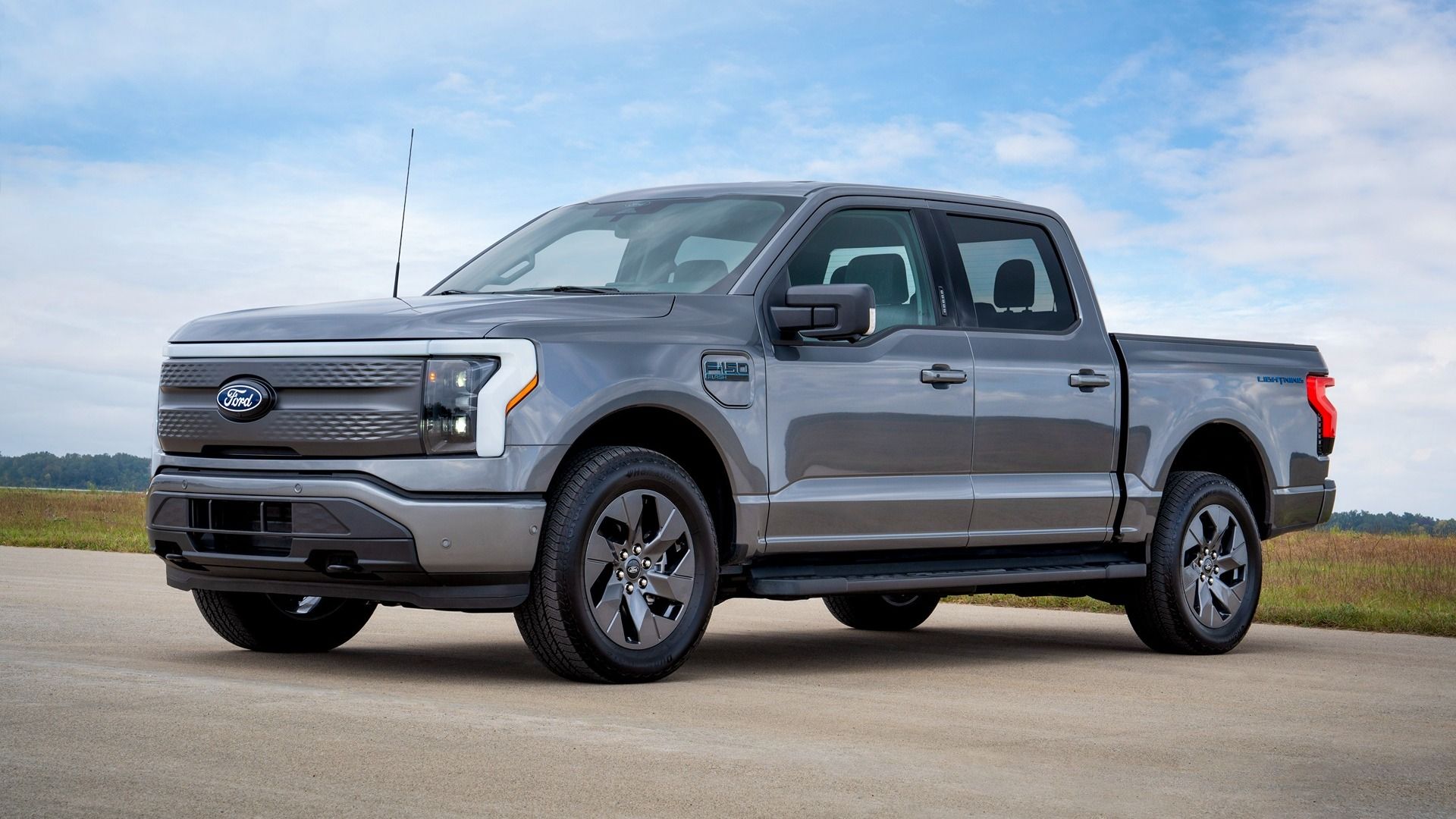
The electric vehicle revolution was supposed to transform the automotive industry at a pace few could have imagined a decade ago.
Legacy manufacturers committed billions of dollars to battery plants, new vehicle architectures, and ambitious production targets as they prepared for a future dominated by electric transportation. Yet by the end of 2025, reality had begun to look very different from those early forecasts.
Ford Motor Company delivered one of the clearest signs of that shift when it announced the discontinuation of the all-electric F-150 Lightning, one of the most high-profile electric vehicles ever launched by a traditional automaker.
At the same time, the company revealed plans to take a massive $19.4 billion write-down tied to electric vehicle programs, battery investments, and cancelled future projects.
The decision marked a dramatic turning point not only for Ford but also for the broader North American auto industry. For years, the F-150 Lightning had been presented as proof that electric vehicles could successfully enter America’s most important vehicle segment: full-size pickup trucks.
Instead, the vehicle’s cancellation became a symbol of the challenges facing automakers as they attempt to balance consumer demand, profitability, and long-term electrification goals.
Industry observers say Ford’s move reflects a growing recognition that the next phase of electric vehicle adoption may depend less on premium products and more on affordability. As manufacturers retreat from expensive electric trucks and SUVs, attention is increasingly shifting toward smaller, lower-cost EVs aimed at mainstream buyers.
Also Read: Chevy Suburban vs Ford Expedition Max & Which is Better?
The Rise and Fall of Ford’s Electric Flagship
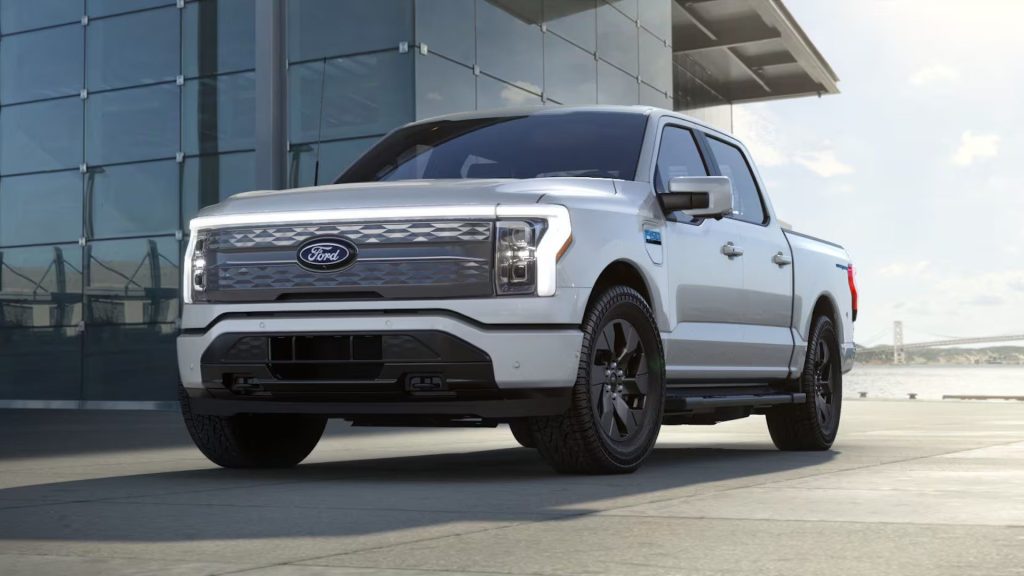
When Ford introduced the F-150 Lightning in 2021, the vehicle generated enormous excitement. The electric pickup arrived with impressive performance figures, strong towing capabilities, innovative technology features, and the backing of America’s best-selling truck nameplate.
Reservations quickly climbed into the hundreds of thousands, creating the impression that Ford had found the formula for bringing electric vehicles into the heart of the American market. Production began in 2022 at the Rouge Electric Vehicle Center in Michigan, and the company expanded manufacturing plans in anticipation of sustained demand.
At the time, many analysts viewed the Lightning as a crucial test case for the entire industry. If electric pickups could succeed, manufacturers would gain confidence that consumers were ready to embrace battery-powered alternatives across virtually every vehicle category.
The early momentum appeared promising. The truck earned major industry awards and attracted strong media attention. Ford executives repeatedly highlighted the model as evidence that the company’s electrification strategy was gaining traction.
But the optimism gradually faded. As the market matured, the realities of selling large electric trucks became more apparent. High battery costs pushed prices upward. Consumers concerned about towing range remained hesitant.
Charging infrastructure improvements continued, but not quickly enough to eliminate concerns among truck buyers who frequently travel long distances or tow heavy loads.
By late 2025, Ford concluded that the business case no longer supported continued production of the vehicle in its existing form.
A $19.4 Billion Reality Check
The cancellation of the F-150 Lightning was accompanied by one of the largest EV-related write-downs announced by any major automaker.
Ford said it expects approximately $19.5 billion in charges related to its electric vehicle investments, with the majority recorded beginning in the fourth quarter of 2025 and continuing through subsequent years.
Reuters reported that roughly $8.5 billion of the total is tied to cancelled EV programs, while another $6 billion stems from the dissolution of a battery joint venture with South Korean battery manufacturer SK On. Additional program-related costs account for approximately $5 billion.
The size of the write-down stunned many investors. For perspective, the amount exceeds the annual revenue of numerous automotive suppliers and rivals the market value of some publicly traded vehicle manufacturers.
While not all of the charge directly impacts cash flow, it nevertheless represents a major acknowledgment that previous assumptions about EV demand no longer align with current market conditions.
Ford executives framed the move as a strategic reset rather than a retreat from electrification altogether. Company leadership argued that the industry environment has changed significantly and that future investments must be directed toward projects with stronger long-term profitability.
Why the F-150 Lightning Struggled
The challenges facing the Lightning were not unique to Ford. Large electric trucks have proven difficult to sell profitably across the industry. While customers appreciate instant torque and advanced technology, they also expect trucks to perform demanding tasks such as towing heavy trailers, hauling cargo, and traveling long distances.
Those requirements place enormous demands on battery packs. To achieve competitive range figures, electric pickups require significantly larger batteries than smaller passenger cars. Larger batteries increase vehicle weight, raise production costs, and make profitability difficult to achieve.
Real-world testing frequently highlighted these limitations. Independent evaluations showed that towing heavy loads could dramatically reduce driving range, creating concerns among buyers who depend on their trucks for work or recreation.
Price also emerged as a major obstacle. Although the F-150 Lightning initially attracted attention with ambitious pricing targets, inflation, supply chain disruptions, and battery costs pushed transaction prices higher than many consumers expected.
As interest rates rose, monthly payments became increasingly difficult for mainstream buyers to justify. The result was a gap between enthusiasm and actual purchasing behavior.
Consumers liked the concept of electric trucks, but many were unwilling to accept the compromises associated with current battery technology.
Ford Shifts Toward Hybrids and Extended-Range Vehicles
Rather than abandoning electrification entirely, Ford is changing its approach. According to Reuters, the company plans to replace the fully electric Lightning with an extended-range electric vehicle.
This configuration combines electric propulsion with a gasoline-powered generator that can recharge the battery when needed. Ford believes the technology could deliver more than 700 miles of combined driving range while addressing concerns about charging infrastructure and towing capability.
The strategy reflects a broader industry trend. Automakers increasingly view hybrids and extended-range vehicles as a practical middle ground between conventional gasoline models and fully electric transportation.
These systems reduce fuel consumption while avoiding some of the limitations associated with battery-only vehicles.
Ford has also committed to expanding its hybrid lineup. Company executives believe demand for hybrid technology remains significantly stronger than many industry forecasts predicted several years ago.
That shift suggests the transition toward electrification may occur more gradually than originally expected.
The Battery Investment Challenge
One of the most significant aspects of Ford’s write-down involves battery manufacturing. During the peak of EV enthusiasm, automakers raced to secure battery supplies. Massive investments flowed into battery plants across North America as companies sought to reduce dependence on overseas suppliers and qualify for government incentives.
Ford’s partnership with SK On was a major part of that strategy. The joint venture, known as BlueOval SK, was expected to produce batteries for future Ford and Lincoln electric vehicles. The project represented one of the largest industrial investments in the company’s recent history.
Yet changing market conditions altered those plans. As EV growth slowed, projected battery demand no longer justified the scale of previously announced investments. Reuters reported that approximately $6 billion of Ford’s write-down is linked to ending the battery partnership.
The development highlights the risks associated with forecasting technology adoption years in advance.
Affordable EVs Become the New Priority
While Ford is walking away from expensive electric trucks, it is simultaneously increasing its focus on lower-priced EVs.
Industry analysts increasingly believe affordability represents the next major battleground for electric vehicles. Early adopters were often willing to pay premium prices for new technology, but mainstream consumers remain far more price sensitive.
Business Insider reported that several manufacturers are now preparing a new generation of EVs priced below $35,000. Among the most notable examples is Toyota’s upcoming C-HR EV, which is expected to enter the market at approximately that price point. Other companies are pursuing similar strategies as they seek to attract cost-conscious buyers.
Ford itself is developing a new affordable EV platform. The company has indicated that a $30,000 electric pickup is expected to arrive later in the decade as part of a broader lineup of lower-cost battery-powered vehicles.
Unlike the Lightning, these future products will be designed from the outset with affordability as a primary objective.
What This Means for the Industry
Ford’s decision arrives amid a growing wave of strategic reassessments throughout the automotive sector.
General Motors recently projected billions of dollars in losses tied to its own EV restructuring efforts. Stellantis has eliminated major plug-in hybrid programs. Volkswagen and other global manufacturers have also adjusted production plans in response to weaker-than-expected demand growth.
The common theme is flexibility. Automakers are no longer pursuing electrification under the assumption that every customer will immediately transition to battery-powered transportation. Instead, companies are developing broader portfolios that include gasoline engines, hybrids, extended-range vehicles, and fully electric models.
For consumers, this may ultimately result in greater choice. For investors, however, the transition remains expensive.
Ford’s $19.4 billion write-down demonstrates just how costly strategic adjustments can become when market expectations change. Yet company executives argue that making those changes now is preferable to continuing investments that no longer generate acceptable returns.
The end of the F-150 Lightning, therefore, represents more than the cancellation of a single vehicle.
It marks the conclusion of one chapter in the EV story and the beginning of another, one focused less on headline-grabbing electric trucks and more on building affordable products capable of reaching millions of mainstream buyers. Whether that strategy succeeds could determine the pace of electrification for years to come.
Also Read: 6 Best and Worst Years of the Ford F-150