
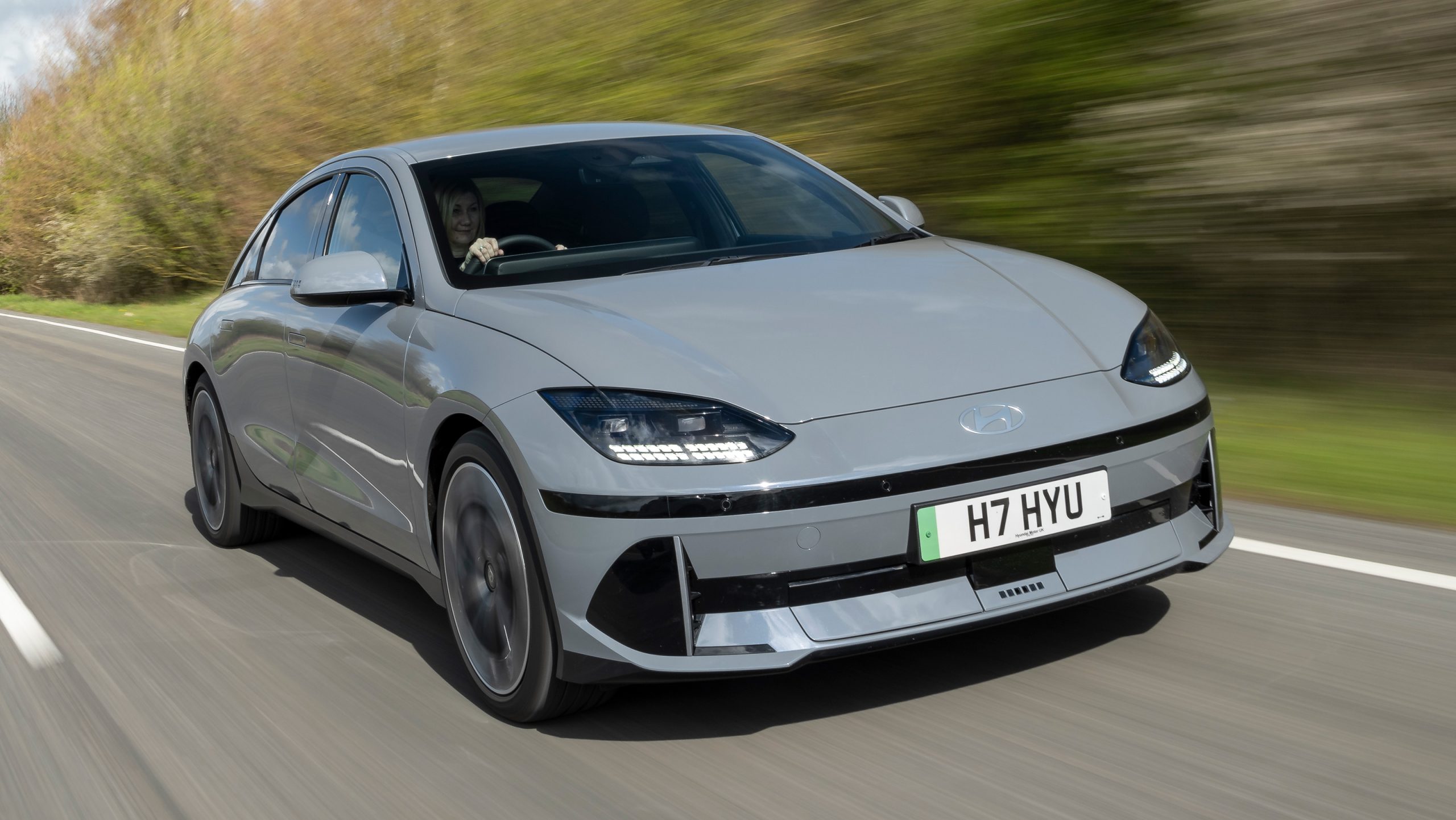
Hyundai has made a surprising move in its electric vehicle lineup, confirming that the standard Ioniq 6 will not return for the 2026 model year.
The announcement marks a significant shift for one of the automaker’s most technologically advanced electric vehicles and highlights the increasingly complex market conditions facing EV manufacturers around the world.
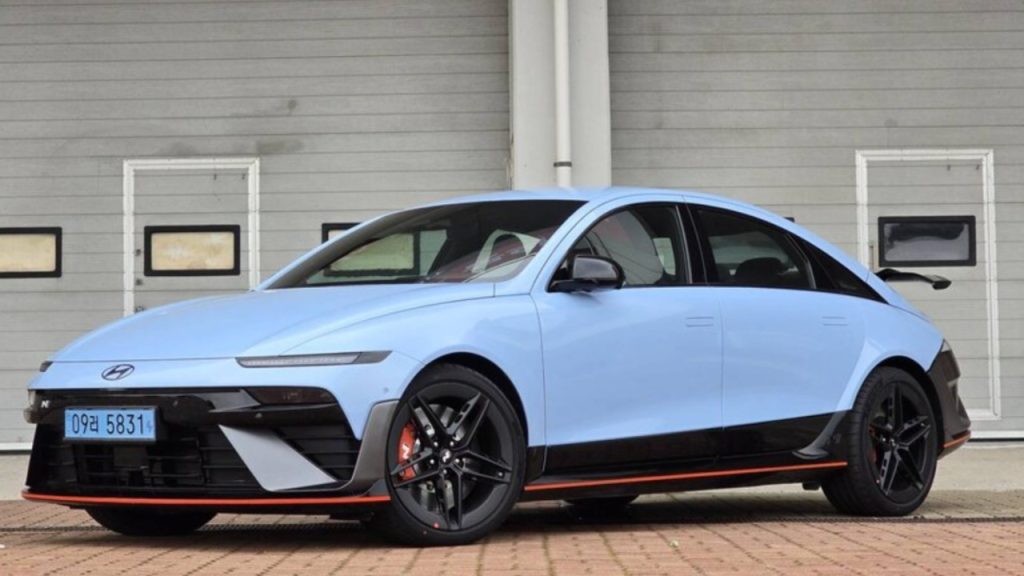
The decision means that consumers looking for a new Ioniq 6 in 2026 will have only one option available: the high-performance Ioniq 6 N.
While Hyundai has not abandoned the model entirely, the absence of a mainstream version signals that demand for electric sedans remains challenging despite years of investment across the industry.
At the same time, the company is attempting to clear remaining inventory through aggressive incentives, including 0% financing for 60 months or up to $7,500 in cash-back offers on eligible vehicles.
The development comes during a period of broader change within the electric vehicle sector. Several automakers have recently adjusted production plans, delayed product launches, or restructured EV programs as consumer demand evolves.
Hyundai’s decision regarding the Ioniq 6 provides another example of how manufacturers are adapting to a market that has become far more competitive and unpredictable than many expected only a few years ago.
For Hyundai, the move reflects both the strengths and limitations of today’s EV market. While interest in electric vehicles remains substantial, automakers are increasingly discovering that not every segment grows at the same pace.
Also Read: Ford Issues ‘Do Not Drive’ Recall On 4,653 Maverick And Bronco Sport Models
A Vehicle That Earned Praise but Faced Market Challenges
When Hyundai introduced the Ioniq 6, the vehicle was widely praised for its futuristic design, aerodynamic shape, and impressive efficiency. Built on the company’s dedicated Electric Global Modular Platform, the sedan represented a major step forward in Hyundai’s effort to compete with established EV manufacturers.
The car stood apart from many rivals because of its focus on aerodynamics. Its streamlined silhouette helped deliver excellent range figures while creating one of the most distinctive appearances in the electric vehicle market. Industry reviewers frequently highlighted its efficiency, advanced technology features, and competitive pricing.
Despite those strengths, the vehicle entered a segment that has become increasingly difficult. Consumer preferences have shifted dramatically toward crossovers, SUVs, and pickup trucks over the past decade. Traditional sedans continue to lose market share across North America, a trend that has affected both gasoline-powered and electric models.
For electric sedans, the challenge is even greater. Many consumers interested in EVs are gravitating toward crossover-style vehicles that provide greater cargo capacity, higher seating positions, and broader everyday practicality.
As a result, even well-regarded electric sedans have struggled to achieve the sales volumes originally anticipated by manufacturers. The Ioniq 6 appears to have encountered those same market realities.
Hyundai Focuses on Remaining Inventory
With no standard 2026 model planned, Hyundai has turned its attention toward clearing existing inventory.
The company is offering some of the most attractive incentives currently available in the EV market. Buyers can choose between 0% financing for 60 months or cash-back incentives worth up to $7,500 on remaining vehicles, depending on eligibility and market conditions.
Such incentives are becoming increasingly common across the industry. Automakers often use financing promotions and direct discounts to stimulate demand when inventory levels rise or when a model approaches the end of its production cycle.
In the case of the Ioniq 6, the incentives suggest Hyundai is eager to move remaining stock before the next phase of the vehicle’s lifecycle begins. For consumers, the offers create a potentially attractive opportunity.
Zero-percent financing can significantly reduce the full cost of ownership compared with conventional vehicle loans, especially in an environment where interest rates remain relatively high. Meanwhile, cash-back incentives provide immediate savings that can make electric vehicles more competitive with traditional gasoline-powered alternatives.
Industry analysts note that such promotions are increasingly important as manufacturers compete for a smaller pool of EV buyers than many companies initially expected.
The Ioniq 6 N Becomes the Sole 2026 Option
Although the standard model will not continue into the 2026 model year, Hyundai is keeping the Ioniq 6 name alive through the performance-oriented Ioniq 6 N.
The N division has become one of Hyundai’s most successful brand-building efforts in recent years. Originally developed around high-performance gasoline vehicles, the division has expanded into the electric era with a focus on creating enthusiast-oriented products that emphasize driving engagement alongside advanced technology.
The Ioniq 6 N is expected to build on the formula established by the Ioniq 5 N, a vehicle that received widespread praise for combining strong performance with innovative software designed to enhance the driving experience.
Unlike the standard Ioniq 6, which targeted a broad audience seeking efficiency and comfort, the N variant appeals to a much narrower group of buyers.
Performance models traditionally attract enthusiasts willing to pay premium prices for additional power, handling capability, and specialized features. While sales volumes are typically lower, these vehicles often generate excitement and help strengthen a brand’s image.
By retaining the performance version while eliminating the standard model, Hyundai appears to be prioritizing a niche product capable of generating stronger margins and greater enthusiast interest.
Electric Sedans Face a Difficult Environment
The decision regarding the Ioniq 6 also highlights a broader challenge affecting the automotive industry.
Electric sedans have struggled to replicate the success achieved by electric crossovers and SUVs. Even as EV adoption has expanded, consumer preferences have remained heavily skewed toward larger vehicle categories.
Several factors contribute to this trend. Modern crossovers offer practical advantages that appeal to families and everyday drivers. Higher seating positions improve visibility, while larger cargo areas provide greater versatility.
For many consumers, these benefits outweigh the aerodynamic efficiency advantages often associated with sedans. Manufacturers have responded accordingly.
Much of the industry’s investment in recent years has focused on electric SUVs and crossover models. Hyundai itself has experienced strong interest in vehicles such as the Ioniq 5, which occupies one of the most popular segments in the market.
The contrast between the Ioniq 5 and Ioniq 6 demonstrates how vehicle format can significantly influence consumer demand, even when both products share similar technology.
As automakers evaluate future investments, many are directing resources toward segments that offer the strongest growth potential.
Hyundai’s Broader EV Strategy Remains Intact
Despite the decision to skip a standard 2026 Ioniq 6, Hyundai’s full commitment to electrification remains unchanged.
The company continues to rank among the industry’s most aggressive investors in electric vehicle technology. Alongside sister brand Kia, Hyundai has developed one of the broadest EV portfolios currently available from a mainstream automaker.
The manufacturer has invested heavily in battery technology, dedicated EV platforms, charging capabilities, and software development. Future product plans continue to include additional electric models across multiple vehicle categories.
Executives have repeatedly emphasized that electrification remains a central pillar of the company’s long-term strategy.
The decision regarding the Ioniq 6, therefore, appears to be a product-specific adjustment rather than a broader retreat from electric vehicles. Similar moves have become increasingly common throughout the industry as manufacturers seek to align production with actual consumer demand.
Rather than pursuing volume at any cost, automakers are becoming more selective about where they allocate resources.
A Sign of a Changing EV Market
Hyundai’s announcement arrives at a time when the electric vehicle market is undergoing a period of transition.
Growth continues, but not at the pace many companies projected several years ago. Higher interest rates, changing incentive structures, and concerns about affordability have encouraged manufacturers to reassess certain assumptions about future demand.
Several automakers have recently adjusted production forecasts or revised product plans in response to those conditions.
The Ioniq 6 decision reflects this new reality. Companies are no longer assuming that every electric vehicle will automatically find a large audience simply because it offers battery-powered transportation. Instead, success increasingly depends on positioning products within segments where consumer demand is strongest.
For Hyundai, that appears to mean placing greater emphasis on crossovers, SUVs, and specialised performance vehicles while reevaluating the role of a traditional electric sedan.
What Happens Next?
The future of the Ioniq 6 beyond the 2026 model year remains uncertain. Hyundai has not indicated whether the standard model will eventually return in an updated form or whether the current pause represents a longer-term shift in strategy.
Much will likely depend on market conditions, consumer demand, and the level of competition over the next several years.
In the meantime, buyers interested in the vehicle have a limited window to take advantage of the company’s incentive programs. The combination of zero-percent financing and substantial cash-back offers makes the remaining inventory more attractive than it has been at any point since launch.
For the broader industry, the decision serves as another reminder that the electric vehicle market is entering a more mature stage of development. Automakers are increasingly focused on profitability, product positioning, and consumer preferences rather than simply expanding EV lineups as quickly as possible.
Hyundai’s choice to forgo a standard 2026 Ioniq 6 may disappoint some sedan enthusiasts, but it reflects a practical response to changing market realities.
As manufacturers continue refining their electrification strategies, decisions like this are likely to become more common, shaping the next chapter of the industry’s transition toward an electric future.
Also Read: 6 Best and Worst Years of the Ford F-150
