
Tesla has taken another step in its effort to reinvigorate demand in the United States by introducing a new long-wheelbase version of its best-selling Model Y.
The new Model Y L, featuring a six-seat, three-row layout, arrives at a crucial time for the electric vehicle maker as it adapts to a changing domestic market shaped by the expiration of federal EV incentives, intensifying competition, and shifting consumer preferences.
Instead of introducing an entirely new vehicle, Tesla is expanding one of its most successful products. This approach highlights the company’s focus on getting more from existing platforms, lowering development costs, and responding more efficiently to changing market demand.
Industry analysts say the move demonstrates Tesla’s determination to broaden the appeal of the Model Y, which already accounts for the majority of the company’s global vehicle sales.
According to Reuters, the launch version of the Model Y L starts at $61,990 in the United States. The new SUV offers seating for six passengers in a three-row configuration and delivers an estimated 325 miles of driving range, making it one of the longest-range electric SUVs in its class.
The company also confirmed that the model is available in the United Arab Emirates after earlier launches across several Asia-Pacific markets. The timing of the launch is no coincidence.
Tesla has experienced a more challenging U.S. sales environment since the federal EV tax credit expired, making many electric vehicles thousands of dollars more expensive for consumers.
While the company recently reported record second-quarter global deliveries of 480,126 vehicles, executives continue looking for ways to strengthen demand in North America, where affordability and changing buyer preferences have become increasingly important.
Reuters noted that introducing another Model Y variant allows Tesla to address a new customer segment without the lengthy development cycle associated with an all-new vehicle.
Also Read: 10 Nameplates That Have Been Discontinued Twice
Expanding the Model Y Instead of Starting From Scratch
For several years, speculation surrounded Tesla’s plans for future products. Many investors expected a completely new affordable electric vehicle or a replacement for aging premium models. Instead, the company has focused on refining its existing lineup through updated variants. The Model Y L represents that philosophy.
Built on the same platform as the standard Model Y, the new version incorporates a longer wheelbase and an extended body to accommodate an additional row of seating.
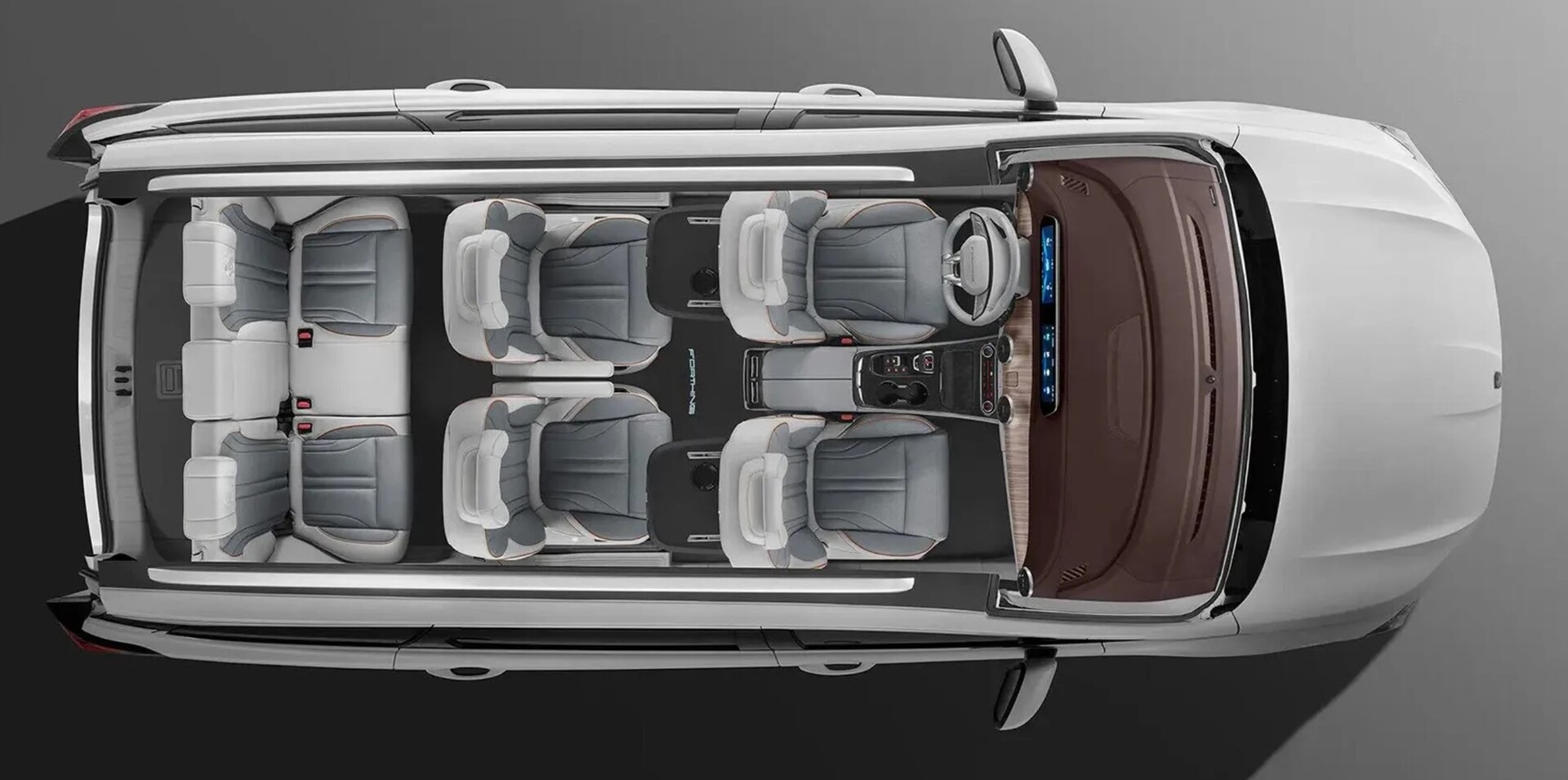
Unlike Tesla’s earlier seven-seat configuration, which squeezed two small seats into the rear cargo area, the Model Y L adopts a 2+2+2 seating arrangement with second-row captain’s chairs designed to improve passenger comfort and ease of access to the third row.
Business Insider reported that the vehicle also includes upgraded interior materials, enhanced rear-seat amenities, and additional storage solutions aimed at families seeking a practical alternative to larger electric SUVs.
Deliveries in the United States are expected to begin later this year with a limited launch series that includes premium equipment and complimentary Supercharging benefits.
The decision to expand the Model Y lineup also reflects Tesla’s broader product strategy. Rather than dividing engineering resources across numerous low-volume models, the company continues investing in vehicles that already enjoy strong brand recognition and manufacturing efficiency.
Filling the Gap Left by the Model X
The introduction of the Model Y L also addresses an important gap in Tesla’s American lineup. With production of the Model S and Model X having come to an end earlier this year, Tesla no longer offered a premium family-oriented SUV capable of comfortably seating more than five occupants.
The standard Model Y remained available with an optional third row, but many customers criticized the limited legroom and practicality of the rear seats.
Industry observers believe the longer-wheelbase version effectively replaces much of the functionality previously offered by the Model X while doing so at a substantially lower price point.
According to Reuters, Tesla has deliberately chosen to introduce different versions of the Model Y and Model 3 instead of launching completely new passenger vehicles.
This approach allows the company to respond more quickly to changing consumer demand while benefiting from established production lines and mature supply chains. The strategy has already proven successful overseas.
Tesla first launched the Model Y L in China, where the six-seat configuration helped strengthen sales despite intense competition from domestic manufacturers such as BYD.
Following strong customer reception, the company gradually expanded availability into Australia, India, and several other Asia-Pacific markets before bringing the vehicle to North America.
Reuters reported that the positive response in those regions gave Tesla confidence that American buyers would also welcome a larger version of its best-selling electric SUV.
Responding to a Changing EV Market
The launch comes during a period of significant change for the American electric vehicle industry.
Over the past year, consumer demand has shifted noticeably following the removal of federal purchase incentives. Many buyers who once considered electric vehicles have instead chosen hybrids, attracted by improved fuel economy without concerns about charging infrastructure or long-distance travel.
Tesla has responded by expanding its lineup through refreshed versions of existing products rather than relying solely on price reductions. Earlier this year, the company introduced lower-cost Model 3 and Model Y variants to improve affordability.
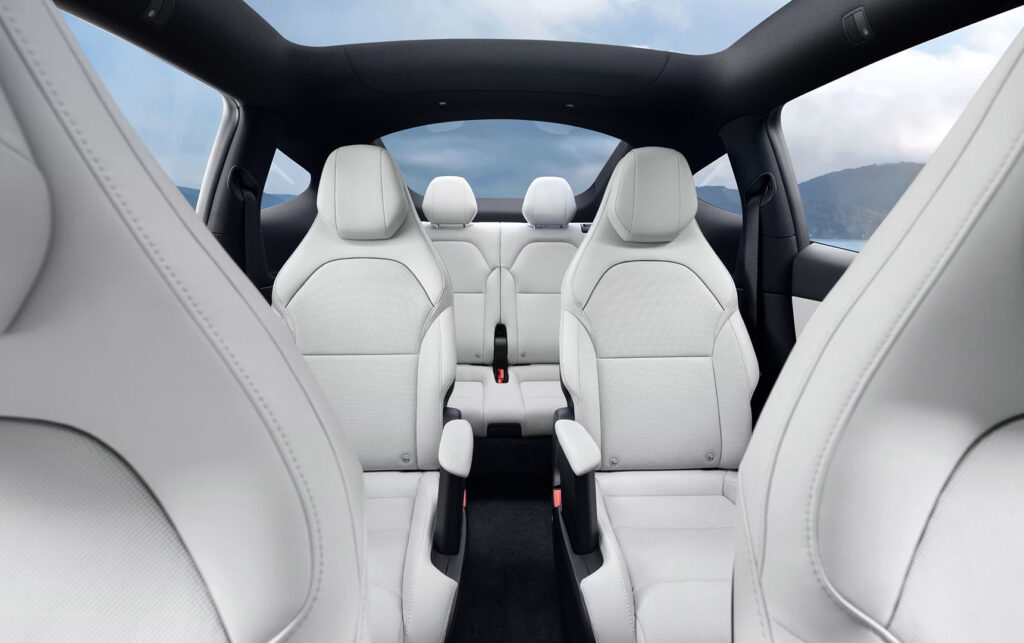
The addition of the Model Y L now targets families who need additional seating but still prefer an electric vehicle over a traditional gasoline-powered SUV.
Although the starting price places the Model Y L above several competing three-row electric SUVs, Tesla believes its Supercharger network, software ecosystem, over-the-air updates, and brand recognition continue to provide important competitive advantages.
Analysts also note that the vehicle arrives at a time when consumers increasingly value versatility, making the additional passenger space a potentially significant selling point.
The Model Y L Could Shape Tesla’s Next Phase of Growth
The introduction of the Model Y L represents more than the addition of another trim level to Tesla’s lineup. It also demonstrates the company’s broader strategy of generating greater value from its existing vehicle platforms while adapting to an increasingly competitive electric vehicle market.
Developing an entirely new model requires years of engineering work and billions of dollars in investment. By expanding the capabilities of the Model Y, Tesla can address a wider range of customers without significantly increasing manufacturing complexity.
Industry analysts believe this approach could help improve production efficiency as well. Because the Model Y L shares most of its components with the standard Model Y, Tesla can continue using many of the same suppliers, production equipment, and assembly processes already in place at its factories.
That commonality reduces costs while allowing the company to scale production more quickly if demand proves stronger than expected.
The vehicle also arrives as competition intensifies in the three-row electric SUV segment. Manufacturers, including Kia, Hyundai, Volvo, and Mercedes-Benz, have introduced larger electric SUVs aimed at families seeking additional passenger capacity.
Tesla’s advantage lies in combining a familiar driving experience, access to the extensive Supercharger network, and one of the industry’s most advanced software ecosystems. These strengths continue to differentiate the brand, even as rivals introduce increasingly capable alternatives.
According to Reuters, Tesla’s leadership remains focused on balancing near-term vehicle sales with long-term investments in autonomous driving, artificial intelligence, and robotics.
While those technologies are expected to define the company’s future, executives recognize that sustaining healthy automotive sales remains essential for funding those ambitious projects. Expanding the Model Y lineup is therefore both a product decision and a business strategy designed to strengthen Tesla’s core revenue stream.
The success of the Model Y L will ultimately depend on how American consumers respond over the coming months. If the six-seat configuration attracts families who previously overlooked the standard Model Y, Tesla could reinforce its position in one of the most important segments of the EV market.
Strong demand would also validate the company’s decision to evolve its existing products instead of pursuing an expensive wave of entirely new passenger vehicles, giving Tesla greater flexibility as the U.S. electric vehicle market continues to mature.
Also Read: 8 Cars Leaving Showrooms After the 2027 Model Year
