
Tesla’s latest quarterly sales performance highlights an increasingly important shift in the company’s global strategy.
While demand in the United States has softened amid intensifying competition and the expiration of key federal purchase incentives, stronger deliveries across several European markets have helped cushion the impact, allowing the electric vehicle manufacturer to maintain healthier global delivery figures than many analysts expected.
The contrasting regional performance reflects the changing dynamics of the global EV industry. North America, once Tesla’s strongest growth engine, has become more competitive as established automakers expand their electric vehicle lineups and consumers increasingly consider hybrid alternatives.
Meanwhile, several European countries continue to record healthy EV adoption despite broader economic uncertainty, allowing Tesla to offset weaker sales elsewhere.
According to Reuters, Tesla delivered 480,126 vehicles worldwide during the second quarter of 2026, comfortably exceeding Wall Street expectations of roughly 406,000 deliveries.
Although the total remained below the same period last year, the stronger-than-anticipated result reassured investors that demand had not weakened as sharply as many analysts feared. Tesla shares climbed following the announcement as investors responded positively to the better-than-expected delivery figures.
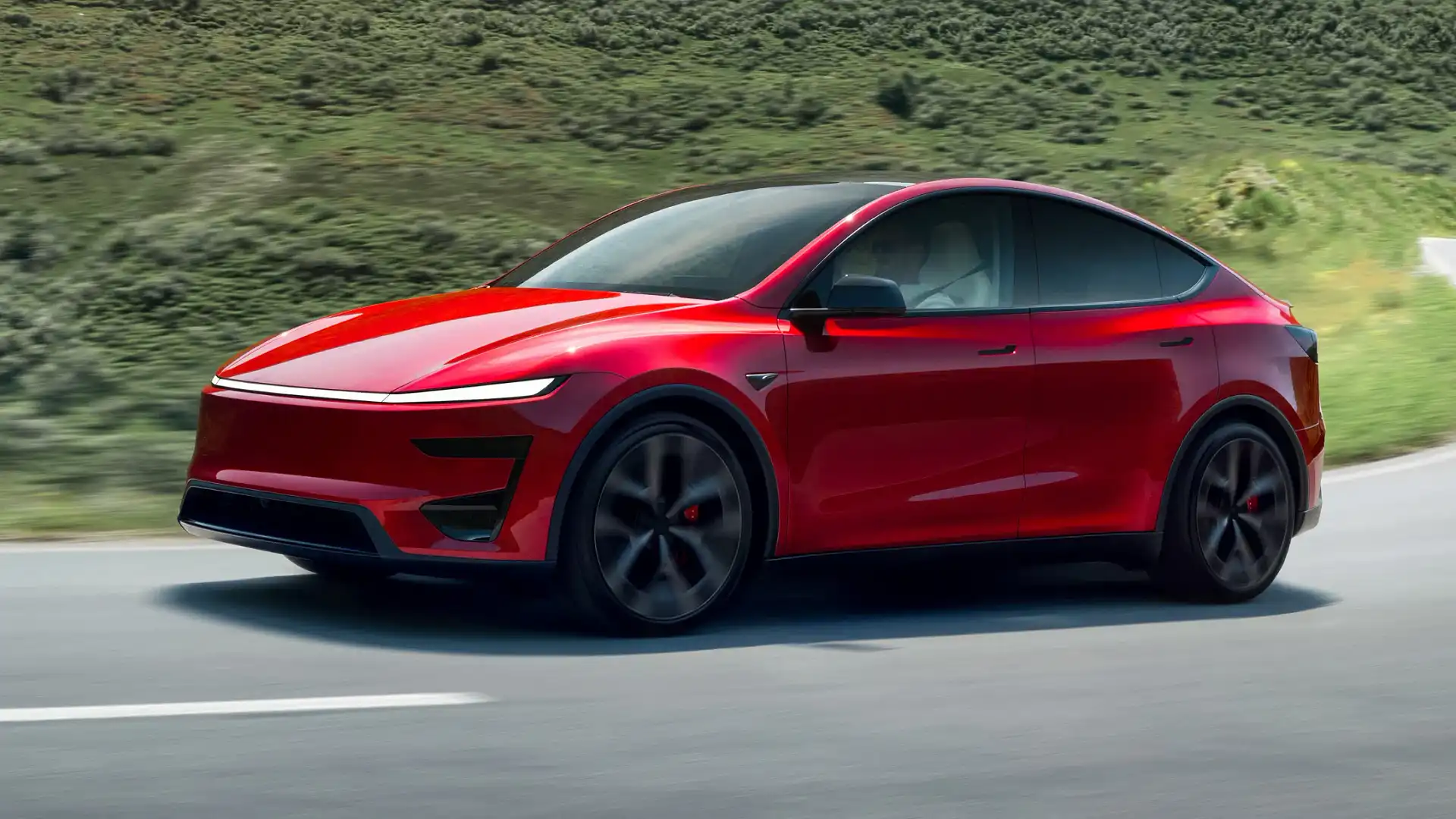
Industry analysts attributed much of the improvement to stronger performance in Europe, where Tesla increased deliveries following the introduction of updated Model Y production and expanded availability of refreshed vehicles across several key markets.
The company’s European factories also continued operating at higher utilization levels after earlier production adjustments, helping improve vehicle availability during the quarter.
Also Read: Tesla Launches Six-Seat Model Y L in the U.S. to Revive EV Sales
Europe Emerges as a Key Growth Market
Tesla’s recent performance demonstrates how important Europe has become to the company’s global sales strategy.
After several quarters of uneven deliveries caused by production transitions and changing product availability, registrations began improving across major European markets.
Countries including Norway, Spain, the Netherlands, and parts of Central Europe reported stronger demand for Tesla’s updated lineup as customer deliveries accelerated during the second quarter.
According to data compiled by the European Automobile Manufacturers’ Association (ACEA), battery-electric vehicle registrations continued to increase across the European Union, even as demand across the broader automotive market showed signs of slowing.
Tesla benefited from that broader market expansion while also increasing deliveries of the refreshed Model Y, which remains one of the company’s highest-volume products globally.
Analysts believe the updated Model Y has played an important role in stabilizing European demand. The revised model introduced exterior styling changes, improved interior materials, suspension refinements, and updated technology, encouraging both new buyers and existing Tesla owners considering replacement vehicles.
Tesla also continues benefiting from its manufacturing presence in Germany through Gigafactory Berlin-Brandenburg. Producing vehicles locally allows the company to shorten delivery times, reduce transportation costs, and respond more quickly to changing customer demand throughout Europe.
Industry observers say that operational flexibility has become increasingly valuable as manufacturers compete in a rapidly evolving EV market.
U.S. Market Faces Growing Headwinds
While Europe provided encouraging results, Tesla’s domestic business encountered a more challenging environment.
The expiration of federal EV purchase incentives earlier this year increased effective purchase prices for many consumers, reducing demand across much of the American electric vehicle market.
At the same time, higher financing costs have encouraged buyers to compare monthly ownership expenses more carefully, leading some consumers to delay purchases or choose hybrid vehicles instead.
Competition has also intensified considerably. General Motors, Ford, Hyundai, Kia, Honda, Rivian, Mercedes-Benz, BMW, and several other manufacturers have expanded their electric offerings, giving consumers more alternatives than at any previous point in Tesla’s history.
Rather than competing against only a handful of rivals, Tesla now operates in nearly every major vehicle segment alongside established global brands.
To maintain sales momentum, Tesla has continued adjusting pricing, introducing promotional financing offers, expanding lease incentives, and launching new product variants, including the recently announced six-seat Model Y L.
Analysts say these measures have helped support deliveries, but they have also increased pressure on vehicle margins compared with earlier years.
Despite softer U.S. demand, Tesla remains the country’s largest electric vehicle manufacturer by market share. However, industry researchers note that maintaining that leadership is becoming increasingly difficult as competitors strengthen their product portfolios and buyers diversify their purchasing decisions.
Investors Shift Their Focus Beyond Delivery Numbers
While quarterly delivery figures remain one of Tesla’s most closely watched performance indicators, investors are increasingly paying attention to the broader health of the company’s business.
Vehicle deliveries continue to influence market sentiment, but analysts now place equal emphasis on operating margins, pricing strategy, software revenue, energy storage growth, and progress in artificial intelligence.
According to Reuters, Tesla’s better-than-expected second-quarter deliveries helped ease immediate concerns that demand had deteriorated significantly following the end of federal EV tax incentives in the United States.
However, many analysts cautioned that delivery growth alone does not guarantee stronger profitability. The company’s repeated use of incentives, promotional financing, and price adjustments has supported sales volumes but also raised questions about future margins.
Tesla’s upcoming quarterly earnings report is therefore expected to receive considerable attention. Investors will be looking for updates on automotive gross margins, production costs, and management’s outlook for the remainder of 2026.
Analysts also expect further details regarding demand trends across North America, Europe, and Asia to determine whether the second-quarter performance represents the beginning of a broader recovery or simply reflects temporary regional improvements.
Europe Provides Stability While Global Competition Intensifies
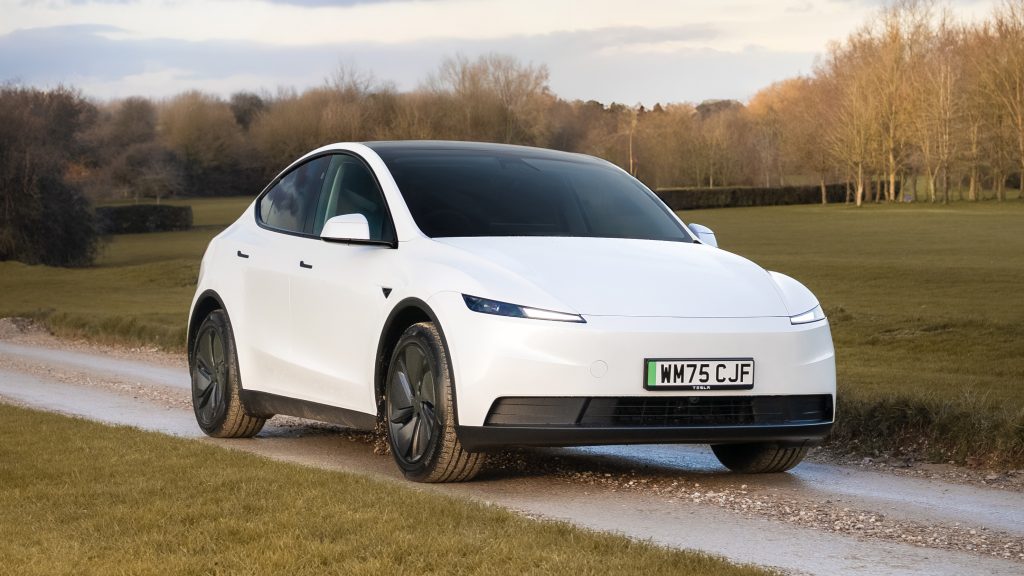
Europe’s stronger performance has demonstrated the value of Tesla’s diversified international manufacturing network. Gigafactory Berlin has become increasingly important in supplying vehicles throughout the region, reducing shipping costs and improving delivery times compared with imported vehicles.
Industry analysts believe local production will remain one of Tesla’s competitive strengths as European governments continue encouraging domestic electric vehicle adoption through emissions regulations and infrastructure investments.
At the same time, competition across Europe has become considerably more intense. Volkswagen Group, BMW, Mercedes-Benz, Renault, Hyundai, Kia, Volvo, and Chinese manufacturers such as BYD and MG continue expanding their electric vehicle offerings.
This growing number of competitors has created one of the world’s most competitive EV markets, forcing manufacturers to differentiate themselves through technology, pricing, software, charging convenience, and customer service rather than relying solely on brand recognition.
Despite the increased competition, Tesla continues to benefit from one of the continent’s most extensive fast-charging networks.
The Supercharger network remains a significant competitive advantage, particularly for customers who regularly travel long distances. Continued expansion of charging infrastructure has helped strengthen customer confidence while supporting broader EV adoption across multiple European countries.
A Changing Global EV Strategy
Tesla’s latest quarterly results also illustrate how the company’s priorities are evolving. Rather than depending primarily on rapid volume growth in a single region, Tesla is increasingly balancing demand across North America, Europe, and Asia.
This diversified approach helps reduce the impact of regional economic slowdowns, policy changes, or temporary fluctuations in consumer demand.
The company is simultaneously investing in several long-term growth initiatives beyond vehicle sales.
Expansion of its energy storage business, continued development of Full Self-Driving technology, artificial intelligence research, robotics, and autonomous ride-hailing services all form part of Tesla’s broader strategy to diversify future revenue streams.
While automotive sales remain the company’s largest source of revenue, investors increasingly view these emerging businesses as important contributors to long-term growth.
Industry analysts also note that consumer expectations have changed considerably over the past few years. Early EV buyers often prioritized innovation and performance, whereas today’s customers place greater emphasis on affordability, charging convenience, reliability, resale value, and full ownership costs.
These changing priorities are influencing product development across the industry and encouraging manufacturers to refine pricing strategies while expanding model lineups.
Looking ahead, Tesla faces a balancing act between protecting profitability and maintaining its leadership in an increasingly crowded global EV market.
Europe has provided valuable support during a period of softer U.S. demand, demonstrating the importance of the company’s international footprint.
However, sustaining long-term growth will require continued product innovation, competitive pricing, and efficient manufacturing as rivals strengthen their positions across every major market.
Although the global delivery battle has become more competitive than ever, Tesla’s ability to adapt its regional strategy and leverage its worldwide production network suggests the company remains well positioned to respond to shifting market conditions while defending its position as one of the world’s leading electric vehicle manufacturers.
Also Read: Tesla Stock Falls Despite Stronger-Than-Expected Q2 Deliveries
