

Continental has revealed a new artificial intelligence-powered driver monitoring system designed to detect distraction, fatigue, and reduced driver attention with greater accuracy, marking another significant step in the evolution of advanced vehicle safety technology.
The next-generation system combines AI-driven image analysis with in-cabin sensing to help automakers meet increasingly stringent global safety regulations while supporting the growing adoption of advanced driver-assistance systems (ADAS).
The announcement comes as driver monitoring technology becomes an increasingly important part of modern vehicles.
While advanced driver-assistance systems such as adaptive cruise control, lane-centering assistance, and hands-free highway driving continue to evolve, regulators and automakers alike recognize that drivers must remain alert and ready to take control whenever necessary.
As a result, intelligent driver monitoring systems are rapidly transitioning from premium options to essential safety features.
According to Continental, the new AI-based driver monitoring system uses advanced algorithms capable of analyzing facial expressions, eye movements, head position, and full driver behavior in real time.
The technology is designed to identify signs of distraction and fatigue earlier than previous systems while reducing false alerts, helping improve both vehicle safety and the full driving experience.
Also Read: 10 Most Expensive Dodges Ever Built
AI Becomes Central to Driver Safety
Artificial intelligence is playing an increasingly important role in modern automotive safety, and Continental’s latest system reflects that shift.
Traditional driver monitoring systems typically rely on relatively simple measurements, such as whether a driver’s eyes remain open or whether their hands stay on the steering wheel. While effective in many situations, these systems can sometimes struggle to accurately distinguish between momentary distractions and genuine safety risks.
According to Continental, its new AI-powered solution processes multiple visual inputs simultaneously, allowing the system to develop a more comprehensive understanding of driver behavior.
Rather than reacting to a single movement, the software evaluates combinations of eye direction, blinking frequency, head orientation, facial movements, and other behavioral indicators before determining whether intervention is necessary.
The company says this approach improves accuracy while reducing unnecessary warnings that can frustrate drivers.
Detecting Fatigue Before It Becomes Dangerous
Driver fatigue remains one of the leading contributors to serious traffic accidents worldwide. According to road safety experts, fatigue reduces reaction times, impairs decision-making, and increases the likelihood of lane departures, delayed braking, and loss of vehicle control.
Unlike obvious distractions such as mobile phone use, fatigue often develops gradually, making it more difficult for drivers to recognize when their alertness has declined.
Continental’s new monitoring system continuously evaluates behavioral patterns associated with drowsiness.
According to the company, artificial intelligence enables the system to identify subtle changes in blinking behavior, eyelid movement, gaze stability, and head posture that may indicate fatigue before a driver experiences a complete loss of concentration.
If the system determines that attention levels have fallen below safe thresholds, it can issue visual, audible, or haptic alerts encouraging the driver to refocus or take a break.
Distraction has become another major challenge for vehicle safety. Modern drivers frequently interact with navigation systems, smartphones, infotainment displays, and other in-car technologies. Even brief moments of inattention can significantly increase crash risk, particularly at highway speeds.
According to Continental, the AI-powered monitoring system is capable of recognizing when a driver is looking away from the road for extended periods or engaging in behaviors inconsistent with safe vehicle operation.
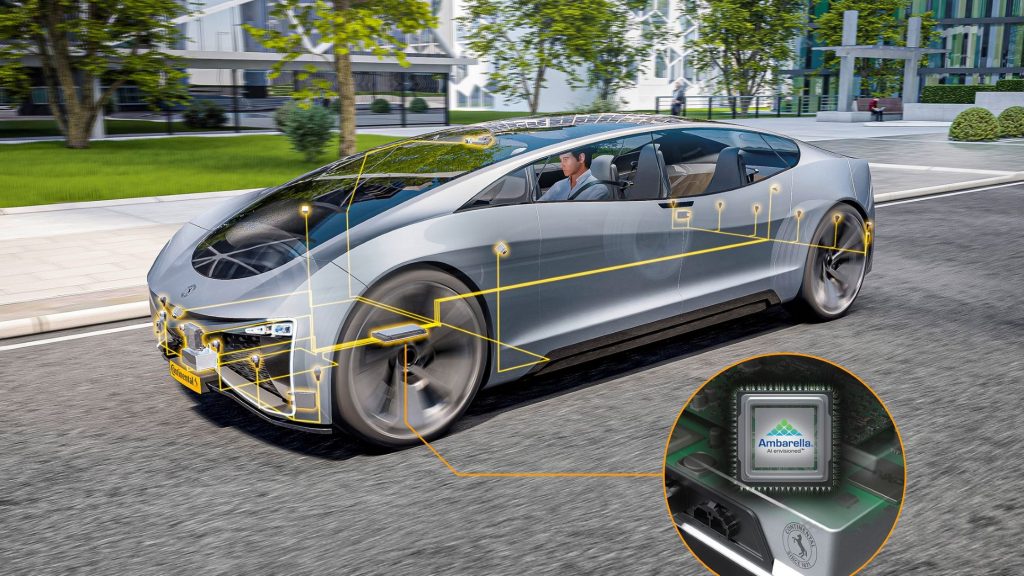
Instead of relying solely on simple eye tracking, the AI analyzes broader driver behavior to distinguish between normal driving movements and potentially hazardous distraction.
For example, briefly checking a side mirror differs significantly from repeatedly looking down at a mobile device or turning away from the road for several seconds.
By understanding context more effectively, the system aims to provide smarter and more meaningful alerts.
Supporting Advanced Driver-Assistance Systems
The importance of driver monitoring has increased dramatically as advanced driver-assistance systems become more capable.
Technologies such as adaptive cruise control, lane-centering assistance, traffic jam assist, and hands-free highway driving can reduce driver workload under certain conditions, but they still require human supervision.
According to Continental, intelligent driver monitoring serves as a critical safety layer by ensuring drivers remain prepared to resume control whenever automation reaches its operational limits.
If the system detects that the driver is no longer paying sufficient attention, it can provide escalating warnings before requesting immediate intervention.
This capability is becoming increasingly important as manufacturers introduce higher levels of driving automation while maintaining driver responsibility.
Regulatory requirements are also driving rapid adoption of driver monitoring technology. Several global markets have introduced or are preparing regulations requiring advanced distraction and fatigue detection systems in new vehicles.
According to Continental, its latest AI-based platform has been developed with future regulatory requirements in mind, enabling automakers to integrate compliant monitoring solutions across multiple vehicle segments.
Europe has already implemented General Safety Regulation (GSR) requirements that encourage broader deployment of driver monitoring systems, while similar discussions continue in other regions.
Industry analysts expect driver monitoring to become increasingly common across mainstream passenger vehicles over the next several years rather than remaining limited to luxury models.
One advantage of artificial intelligence is its ability to recognize complex behavioral patterns that traditional rule-based software may overlook.
According to Continental, machine learning allows the monitoring system to better distinguish between harmless driver behavior and situations that genuinely require intervention.
For instance, a driver may briefly glance toward a side street while checking for traffic, which should not necessarily trigger a warning. By analyzing multiple visual cues simultaneously, AI can better understand context and avoid unnecessary alerts.
The company also notes that ongoing software development can further refine detection performance as more real-world driving data becomes available.
This ability to improve over time represents one of AI’s biggest advantages in automotive safety applications.
Privacy and In-Cabin Data Processing
As interior cameras become more common, privacy remains an important consideration. Continental states that its driver monitoring technology is designed with data protection in mind, processing driver information securely while supporting manufacturer-specific privacy requirements.
Many modern driver monitoring systems perform image analysis locally within the vehicle rather than transmitting video to external servers.
This approach helps reduce privacy concerns while allowing real-time analysis without relying on internet connectivity.
Automakers implementing the technology will ultimately determine how driver data is managed in accordance with regional regulations and customer privacy policies.
Continental is one of several major automotive suppliers investing heavily in intelligent interior sensing systems.
Companies including Bosch, Valeo, Forvia, Magna, Aptiv, Smart Eye, Seeing Machines, and Cipia have all introduced increasingly sophisticated driver monitoring technologies as automakers prepare for stricter safety regulations and more advanced driving assistance features.
Many manufacturers, including General Motors, Mercedes-Benz, BMW, Ford, Hyundai, Volvo, and Tesla, have also expanded their use of interior cameras to support various driver assistance functions.
Competition among suppliers has accelerated innovation in artificial intelligence, camera hardware, image processing, and software algorithms, helping improve system accuracy while reducing implementation costs.
Industry analysts expect these technologies to become standard equipment across a growing number of passenger vehicles before the end of the decade.
Continental’s latest AI-based driver monitoring system demonstrates how artificial intelligence is becoming an increasingly important part of vehicle safety.
According to the company, the technology has been developed to identify distraction and fatigue more accurately while supporting the next generation of advanced driver-assistance systems and helping automakers comply with evolving safety regulations.
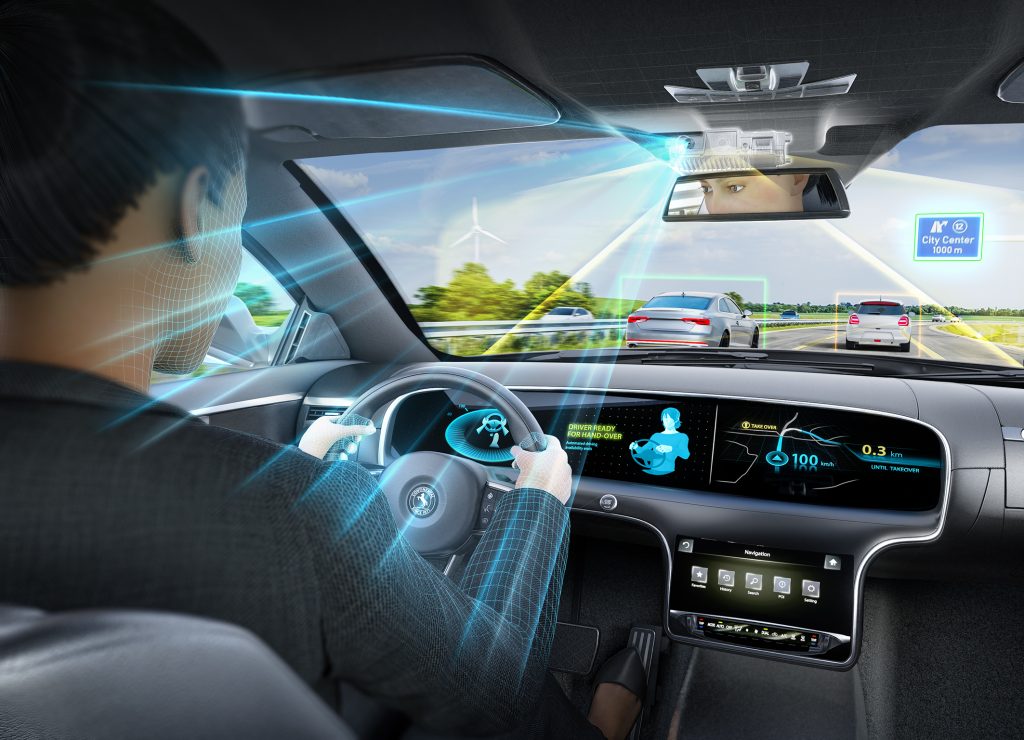
As vehicles continue incorporating higher levels of automation, intelligent driver monitoring will play a crucial role in ensuring that drivers remain engaged whenever human intervention is required.
By combining AI-powered image analysis, real-time behavioral monitoring, and seamless integration with modern safety systems, Continental aims to provide automakers with a solution that enhances both safety and driver confidence.
While fully autonomous vehicles remain under development, technologies such as AI-driven driver monitoring represent an important bridge between today’s advanced driver-assistance systems and the increasingly automated vehicles of the future.
As regulators, automakers, and consumers place greater emphasis on preventing distraction-related crashes, intelligent in-cabin monitoring is expected to become one of the defining safety technologies of the next generation of automobiles.
Also Read: 10 States With the Most Uninsured Drivers, Ranked
