
When people buy a car in the United States, the upfront price often gets most of the attention, but long-term ownership costs are what truly determine whether a vehicle is affordable. One of the biggest hidden expenses in car ownership is repair and maintenance.
Even a cheap car can become expensive if it constantly needs specialized parts or dealer-only service. On the other hand, some vehicles are widely known across independent repair shops for being simple, durable, and inexpensive to fix, no matter where you take them. These are the cars that mechanics themselves often recommend when customers ask for something practical, predictable, and easy on the wallet.
The concept of a “cheap to fix” car is not just about reliability, although reliability plays a major role. It also includes factors like parts availability, design simplicity, labor time, and how many mechanics are familiar with the platform. In the United States, brands like Toyota, Honda, Mazda, and certain domestic manufacturers consistently rank high because their vehicles are engineered with mass-market serviceability in mind.
This means that even if something does go wrong, the repair process is usually straightforward, and parts are widely stocked at local shops.
Another important factor is the size of the vehicle’s ownership base. Cars that are extremely common across America tend to have lower repair costs because mechanics have more experience with them, and aftermarket parts suppliers produce components at scale.
For example, a Honda Civic or Toyota Corolla is seen in nearly every repair shop in the country, which keeps labor costs down and reduces diagnostic time. In contrast, luxury vehicles or complex European imports often require specialized tools and training, which increases the cost of even minor repairs.
Modern engineering trends have also created a divide in repair costs. Vehicles with turbocharged engines, advanced electronics, or complex drivetrain systems often cost significantly more to repair than simpler naturally aspirated engines with basic mechanical layouts.
While these advanced features improve performance and efficiency, they also introduce more potential failure points. This is why many budget-conscious American drivers still prefer older-style, proven engine designs that prioritize long-term durability over cutting-edge technology.
This article highlights ten cars that are widely recognized in the United States as some of the cheapest to fix at any mechanic. These vehicles are known for their low parts cost, easy maintenance, and strong reliability records. Whether you are a first-time buyer, a commuter trying to save money, or someone looking for a dependable used car, these models represent some of the most cost-effective ownership experiences available today.
Each car on this list has been selected based on long-term repair affordability, mechanic familiarity, and widespread availability of replacement parts across the U.S. automotive market.
1. Toyota Corolla
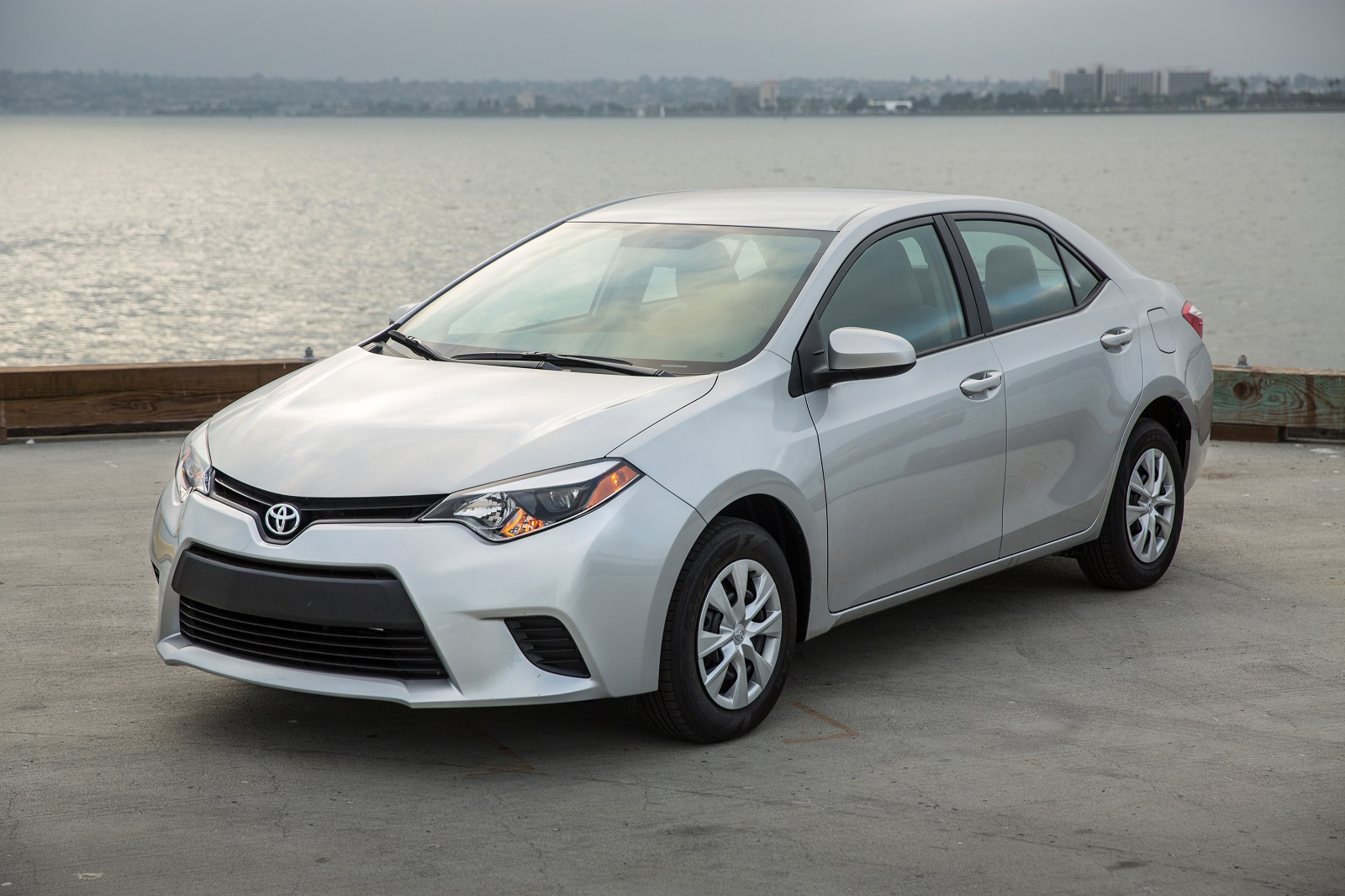
The Toyota Corolla is often considered the benchmark for low-cost car ownership in the United States, and its reputation for cheap repairs is built on decades of consistent engineering philosophy. One of the biggest reasons the Corolla remains inexpensive to fix is its mechanical simplicity.
Toyota has always prioritized reliability and ease of maintenance over experimental technology in this model, which means most systems in the car are straightforward and easy for any mechanic to understand. This reduces diagnostic time, which is one of the hidden drivers of repair costs.
Another major factor is the massive number of Corollas on American roads. Because it is one of the best-selling cars in U.S. history, parts suppliers manufacture components at extremely high volume. This leads to lower prices for everything from brake pads and alternators to suspension parts and sensors.
Independent mechanics also keep these parts in stock because they know how frequently they will be needed, which reduces waiting time and labor inefficiency.
The Corolla also benefits from Toyota’s long-term engineering focus on durability. Engines in the Corolla lineup are designed to run for hundreds of thousands of miles with minimal internal issues if regular maintenance is performed.
This means fewer catastrophic failures that would otherwise lead to expensive repairs. Most of the maintenance required is routine and predictable, such as oil changes, brake service, and fluid replacements, all of which are relatively inexpensive.
In addition, the Corolla has very few complicated systems compared to more premium vehicles. There is less reliance on high-end electronics or complex turbocharging setups, especially in older and base models. This simplicity makes it easier for mechanics to troubleshoot problems quickly without needing specialized diagnostic tools. Even electrical issues tend to be easier and cheaper to resolve compared to many competing sedans.
The Toyota Corolla remains one of the cheapest cars to fix in America because it combines simplicity, mass availability, and proven long-term reliability into one extremely cost-efficient package.
2. Honda Civic
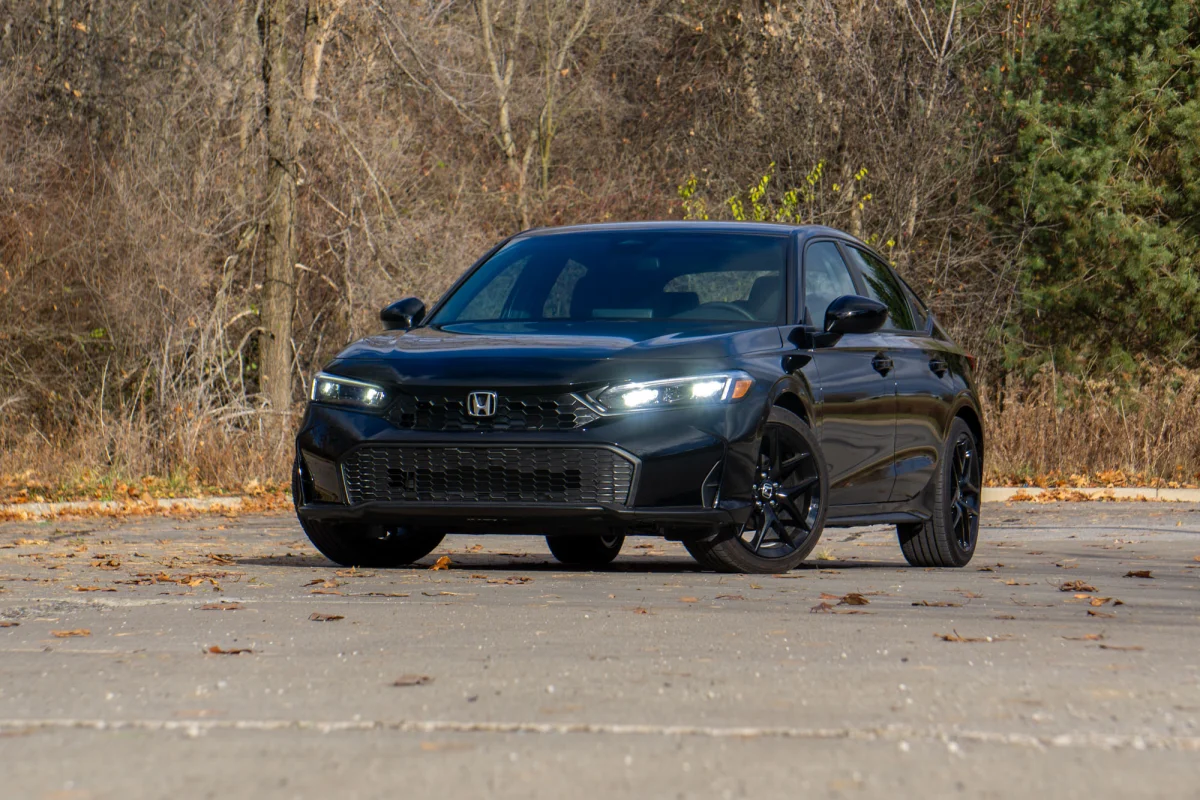
The Honda Civic is another cornerstone of affordable vehicle ownership in the United States, widely respected for its low repair costs and strong mechanical dependability. One of the Civic’s biggest strengths is the consistency of its engineering across generations.
Honda has refined its engine and drivetrain designs over decades, meaning mechanics encounter very familiar layouts regardless of model year. This familiarity significantly reduces diagnostic time, which directly lowers labor costs during repairs.
The Civic also benefits from one of the largest parts ecosystems in the automotive industry. Because millions of Civics are on the road in the United States, aftermarket manufacturers produce replacement parts at extremely competitive prices. This competition drives down costs for consumers, making even major repairs like alternators, starters, or suspension work far more affordable than many competing vehicles.
Another key reason the Civic is cheap to fix is its engine reliability. Honda engines are known for their ability to withstand high mileage without requiring major internal repairs. With proper maintenance, it is common for Civics to exceed 200,000 miles without needing significant engine work. This reduces the likelihood of expensive breakdowns and keeps long-term ownership costs low.
The Civic also avoids unnecessary mechanical complexity in many trims. While newer models may include advanced technology, the core mechanical systems remain relatively simple and easy to service. This ensures that even independent mechanics without dealership-level tools can efficiently repair most issues.
Finally, the Civic’s popularity ensures that mechanics across the United States are highly experienced with it. Whether in small towns or large cities, the Civic is one of the most commonly serviced vehicles, which means repair procedures are fast, predictable, and cost-effective.
3. Toyota Camry
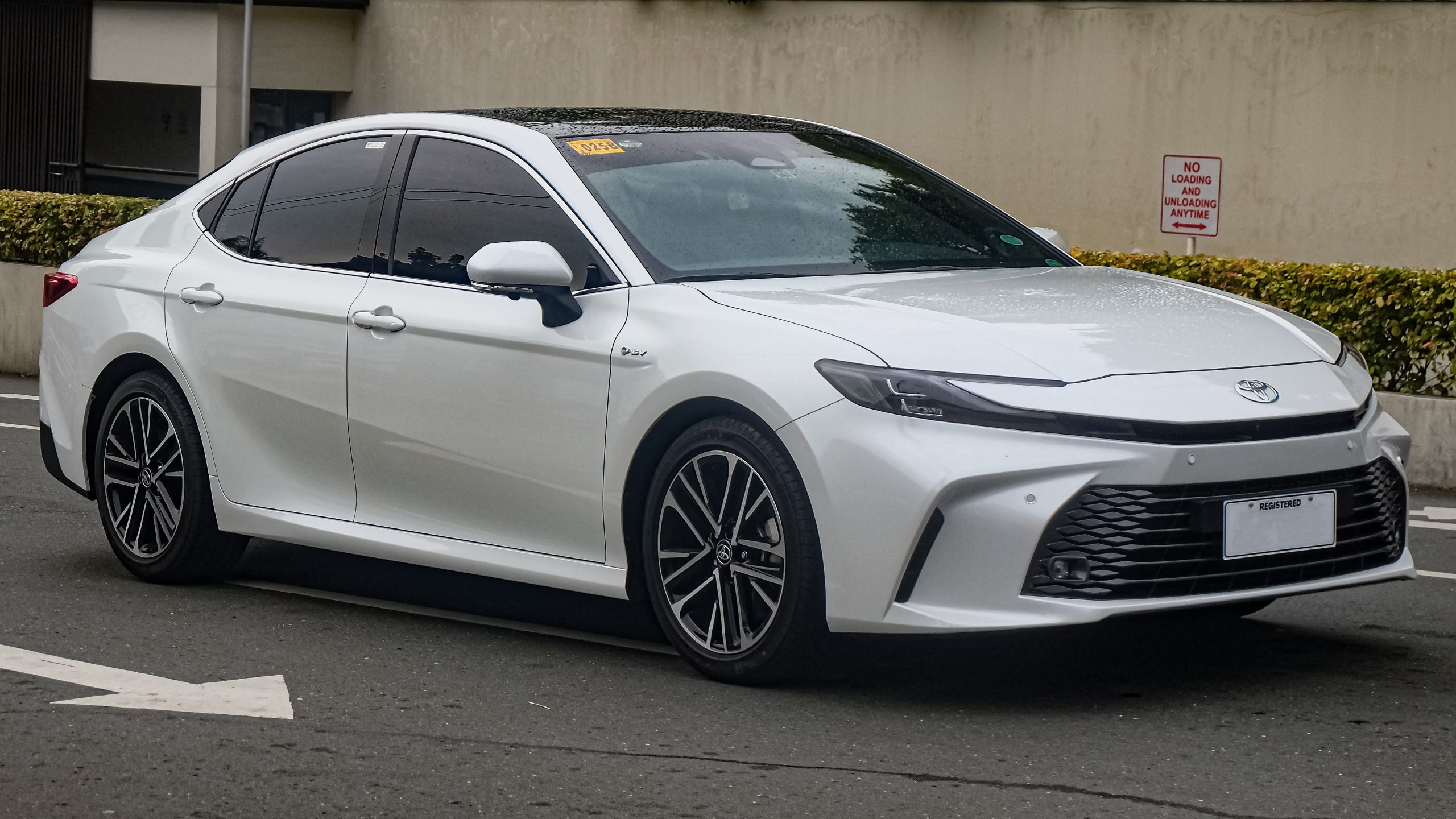
The Toyota Camry has built a reputation in the United States as one of the most reliable midsize sedans, and its low repair costs are a major part of that reputation. One of the reasons the Camry is so affordable to fix is that it is engineered with practicality in mind rather than complexity. Toyota designs the Camry to appeal to families and commuters, which means it prioritizes long-term durability and ease of maintenance over high-performance engineering.
Because the Camry is one of the best-selling sedans in America, parts availability is extremely high. This widespread availability reduces costs for both OEM and aftermarket components. Mechanics are also very familiar with the Camry platform, which means diagnostic time is minimal even when problems arise. This efficiency helps keep labor costs significantly lower compared to less common vehicles.
Another important factor is the Camry’s strong engine reliability record. Most Camry engines are designed to operate efficiently for well over 200,000 miles with routine maintenance. Major internal engine failures are rare, and most repairs involve standard wear-and-tear components such as brakes, belts, or suspension parts. These are typically inexpensive and easy to replace.
The Camry also benefits from Toyota’s conservative engineering approach. The vehicle avoids unnecessary complexity in its drivetrain and electronic systems, especially in older models. This reduces the likelihood of expensive system failures and makes troubleshooting easier for mechanics.
Even when electronic issues do occur, they are usually straightforward to diagnose compared to more technologically complex vehicles.
The Toyota Camry remains one of the cheapest midsize cars to fix in the United States because it combines reliability, simplicity, and massive market presence into a highly serviceable package.
4. Honda Accord
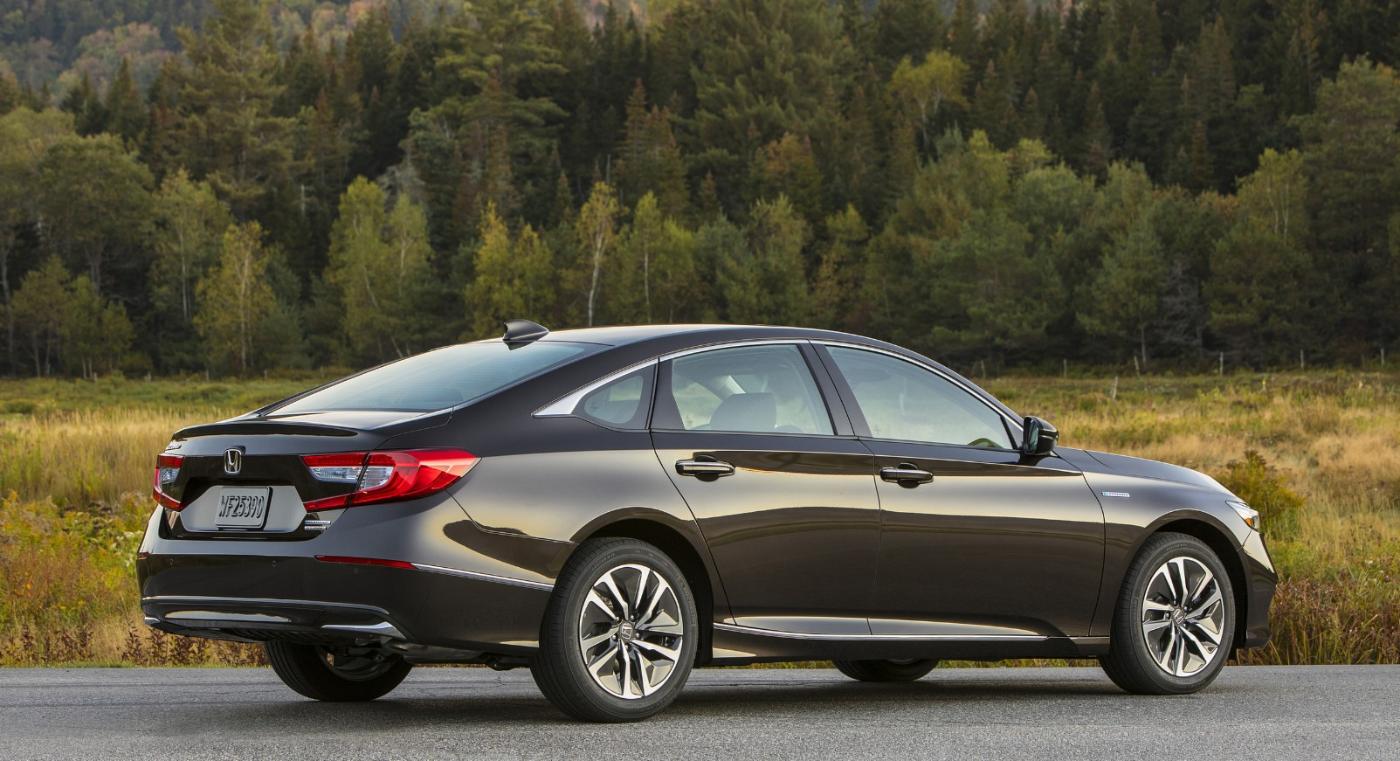
The Honda Accord is widely recognized across the United States as a midsize sedan that delivers both comfort and long-term affordability, particularly when it comes to repair costs. One of the main reasons the Accord is inexpensive to fix is its shared engineering philosophy with the Honda Civic. Many of its components are designed with durability and simplicity in mind, which makes repairs easier and more predictable for mechanics.
Another major advantage is the Accord’s widespread popularity. Like the Civic and Camry, the Accord is one of the most common vehicles on American roads. This ensures that replacement parts are widely available and competitively priced. Independent repair shops often stock Accord parts due to high demand, which reduces downtime and repair expenses.
The Accord also benefits from Honda’s strong reputation for engine reliability. Many Accord models are capable of reaching extremely high mileage with routine maintenance. This reduces the likelihood of expensive engine rebuilds or replacements. Most repair needs involve standard maintenance items, which are relatively low-cost and easy to service.
In addition, the Accord is designed with serviceability in mind. Honda engineers typically ensure that components are accessible and not overly difficult to replace, which reduces labor time during repairs. Even complex systems are generally less complicated than those found in luxury vehicles or European imports.
As a result, the Honda Accord remains one of the most cost-effective midsize sedans in the United States when it comes to repair and maintenance expenses.
5. Mazda3
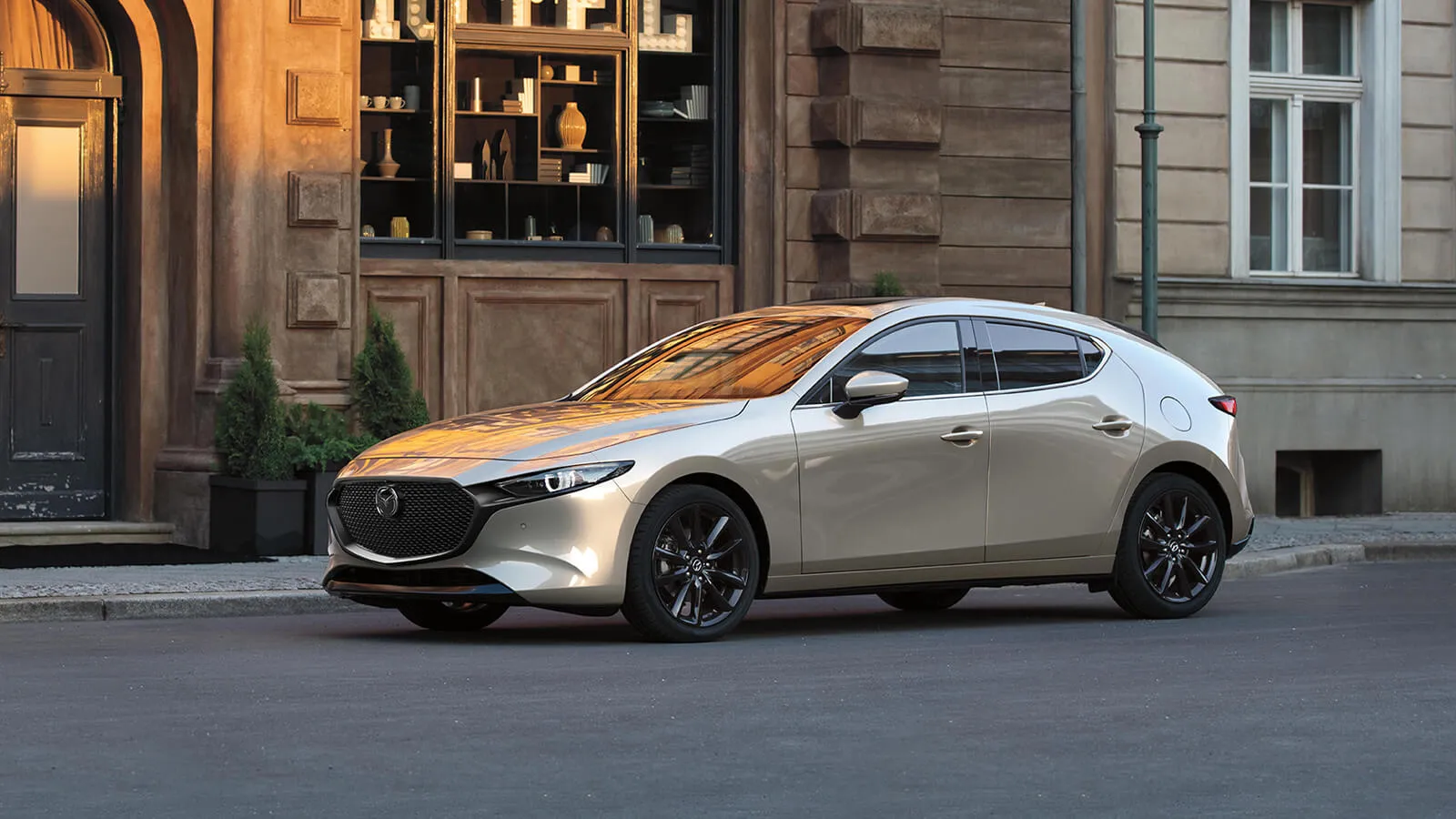
The Mazda3 stands out in the compact car segment as a vehicle that blends driving enjoyment with relatively low repair costs. One of the reasons the Mazda3 is affordable to fix is its focus on mechanical efficiency and simplicity. Mazda has traditionally avoided overly complex engineering solutions in favor of clean, functional designs that are easier for mechanics to work on.
Another advantage is that the Mazda3 shares many common components across different model years, which increases parts availability and reduces cost variability. While it is not as widely produced as the Toyota Corolla or Honda Civic, it still benefits from a strong aftermarket supply chain in the United States.
Mechanics generally find the Mazda3 straightforward to repair. Most systems are logically designed, which reduces diagnostic time and labor complexity. This is important because labor often makes up a significant portion of repair bills in the United States.
The Mazda3 also avoids excessive reliance on complicated turbocharged systems in many trims, especially in older models. This reduces the likelihood of expensive engine-related failures. Even when turbocharged variants are involved, Mazda has improved reliability significantly in recent years.
The Mazda3 remains one of the more affordable compact cars to maintain in the U.S., especially for drivers who want a balance between driving experience and long-term repair affordability.
Also read: 5 Cars That Outlast Their Owners And 5 That Die Before The Loan Ends
6. Toyota RAV4
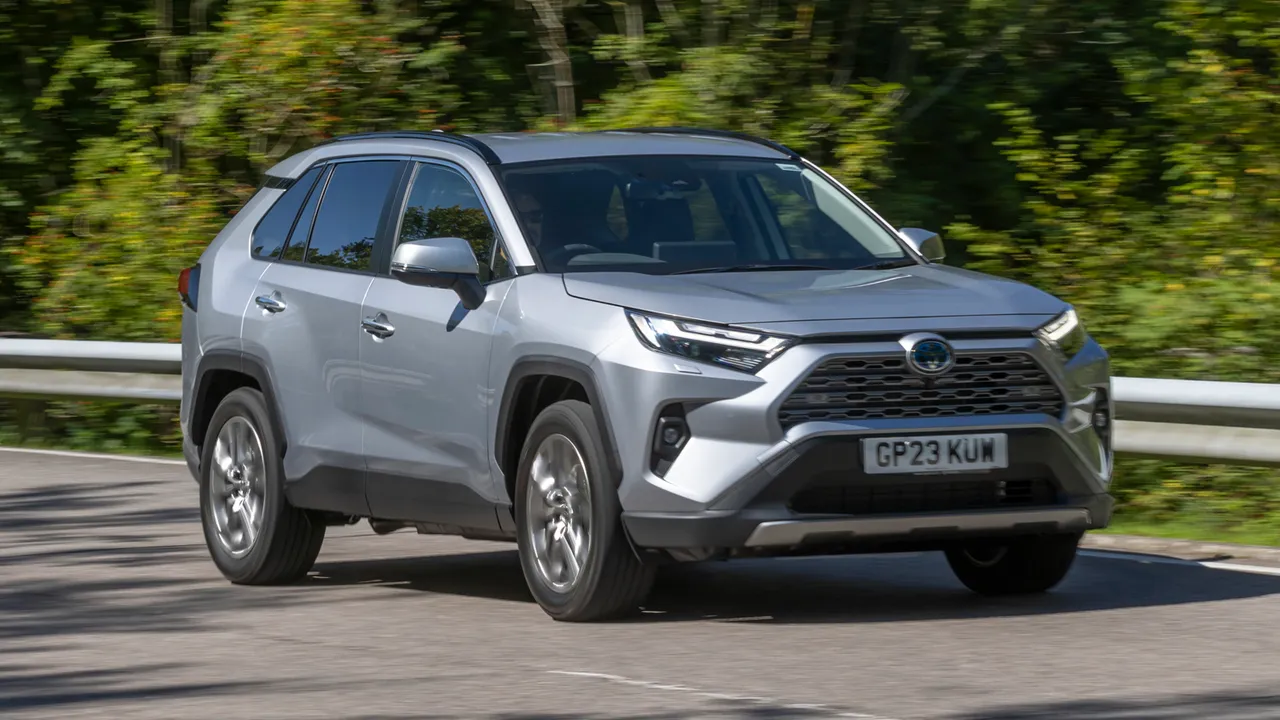
The Toyota RAV4 is one of the most popular compact SUVs in the United States, and its reputation for low repair costs is closely tied to Toyota’s long-standing engineering philosophy of durability and simplicity. One of the biggest reasons the RAV4 is inexpensive to fix is its extremely high sales volume.
Because it is one of the best-selling SUVs in America, replacement parts are produced in large quantities, which keeps prices competitive and widely accessible at both dealerships and independent auto parts stores.
Another important factor is that mechanics across the United States are highly familiar with the RAV4 platform. Since it has been in production for decades and is widely used by families, commuters, and even fleet services, repair shops rarely encounter difficulties diagnosing or servicing it. This familiarity reduces labor time, which is often one of the most expensive components of any car repair.
The RAV4 also benefits from a mechanical layout that is designed to avoid unnecessary complexity. Its engines are generally naturally aspirated in many generations, meaning fewer turbo-related issues and fewer high-stress components that could fail prematurely. This results in fewer expensive engine repairs compared to more performance-oriented SUVs.
Additionally, the RAV4 is known for having a strong track record of reliability, with many vehicles easily surpassing 200,000 miles when properly maintained. Most repairs tend to involve standard wear-and-tear items such as brakes, tires, suspension components, and fluid services, all of which are relatively inexpensive and widely available.
The Toyota RAV4 remains one of the cheapest SUVs to maintain in the United States because it combines reliability, widespread parts availability, and mechanical simplicity in a highly practical package.
7. Honda CR-V
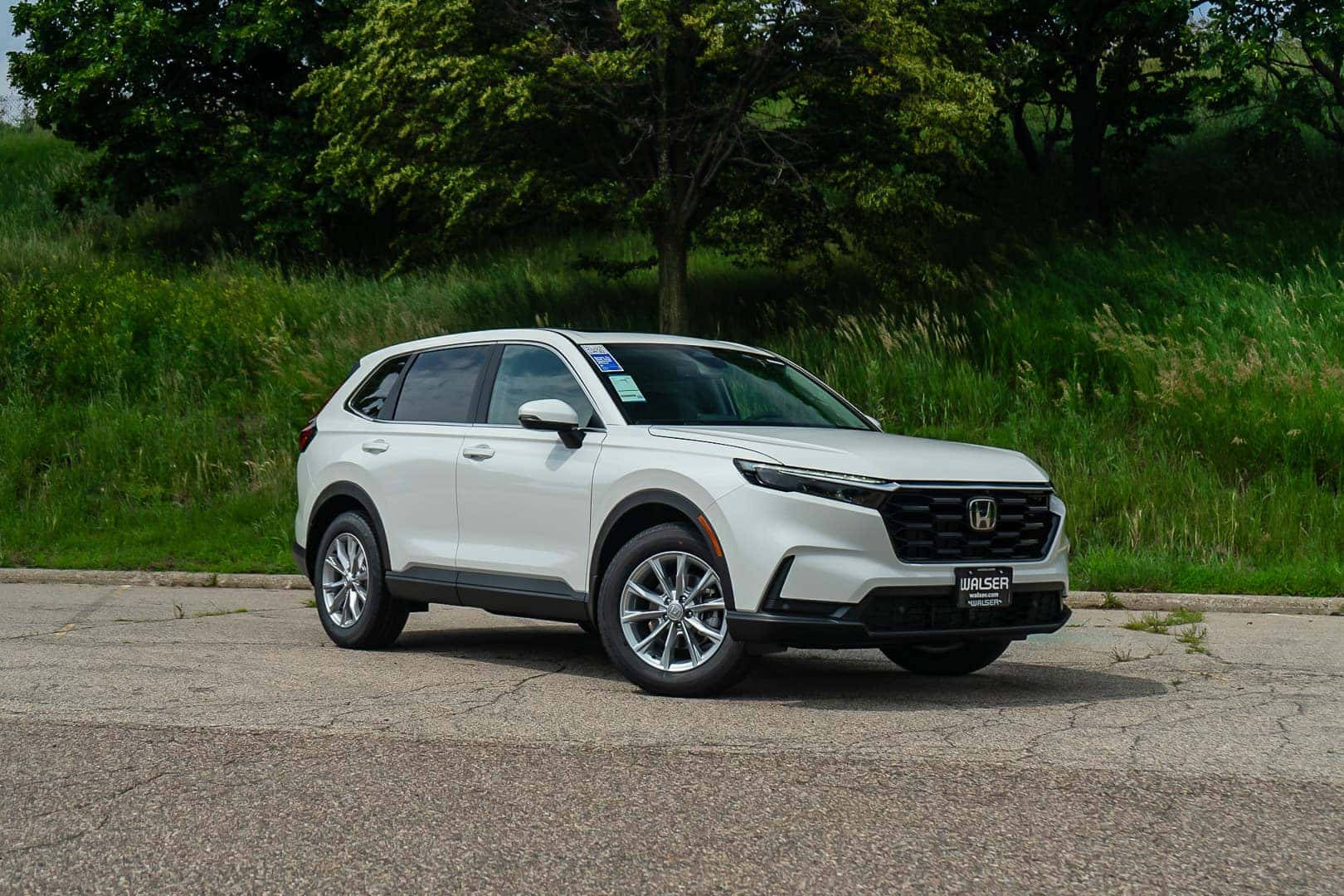
The Honda CR-V is another compact SUV that consistently ranks among the most affordable vehicles to repair in the United States. One of the key reasons for its low repair cost is Honda’s long-standing commitment to engineering vehicles that are easy to maintain over the long term. The CR-V benefits from this philosophy through its durable engine designs and straightforward mechanical systems that reduce both breakdown frequency and repair complexity.
Because the CR-V is one of the most commonly driven SUVs in America, parts availability is extremely strong. Independent mechanics and auto parts stores stock CR-V components regularly due to high demand, which significantly reduces waiting times for repairs. This widespread availability also helps keep prices competitive across both OEM and aftermarket suppliers.
Another major advantage is the CR-V’s strong reputation for reliability. Many CR-V models are capable of lasting well over 200,000 miles with routine maintenance. When repairs are needed, they are typically predictable and involve standard components such as brakes, suspension parts, or exhaust systems rather than complex engine or transmission failures.
The CR-V also benefits from Honda’s design approach, which prioritizes accessibility for mechanics. Components are generally placed in a way that makes servicing easier, which reduces labor hours. This is particularly important in the United States, where labor costs can often exceed parts costs during repairs.
The Honda CR-V is one of the most cost-effective SUVs in America because it combines reliability, ease of maintenance, and a strong national parts network into a very mechanic-friendly vehicle.
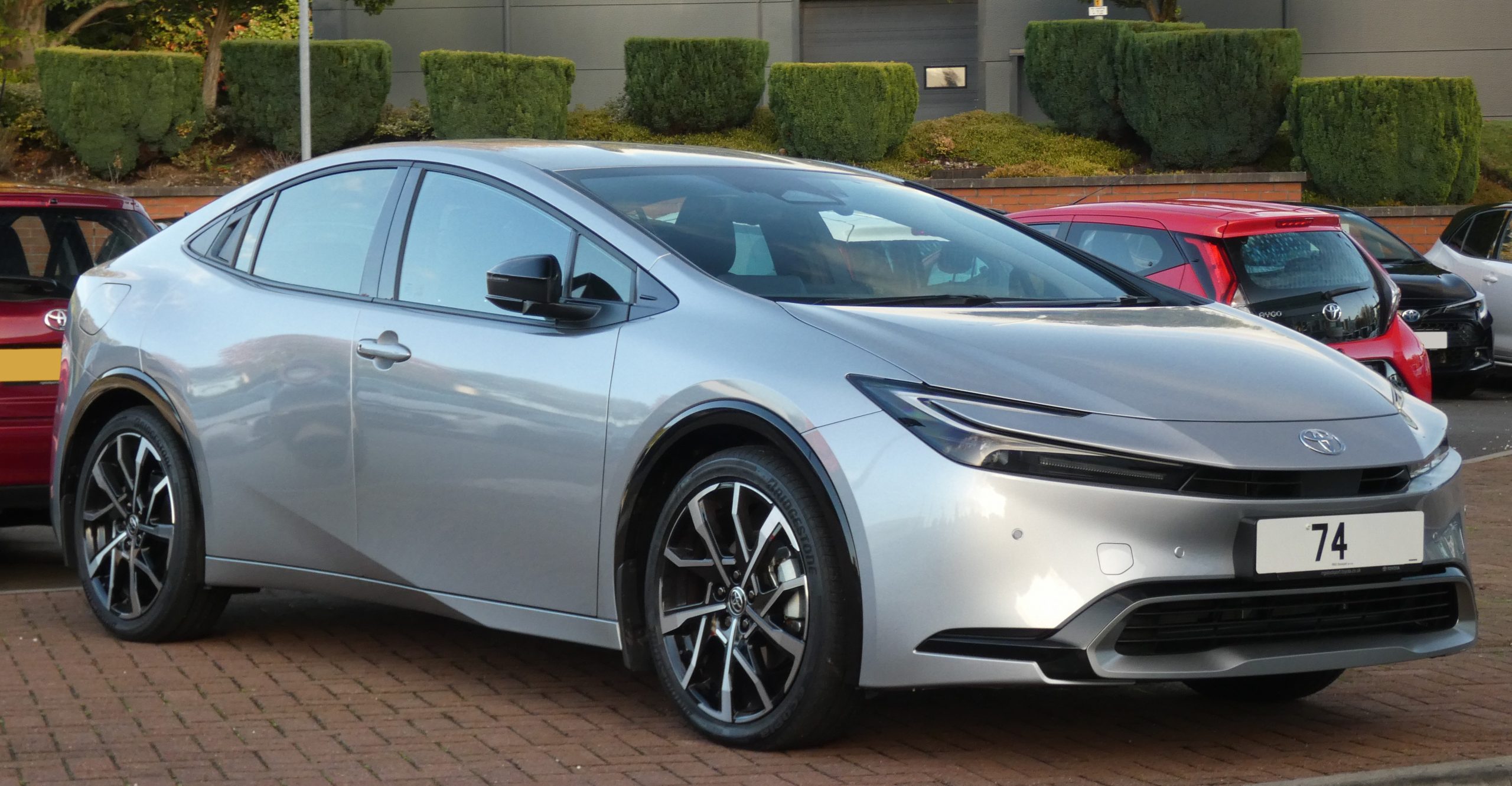
8. Toyota Prius
The Toyota Prius is one of the most recognized hybrid vehicles in the United States, and while hybrid systems can sometimes be expensive to repair, the Prius is widely known for being one of the cheapest hybrids to maintain. One of the main reasons for this is Toyota’s exceptional engineering of the hybrid system, which is designed for long-term durability rather than short-term performance. Many Prius vehicles are capable of reaching extremely high mileage with minimal major issues.
A key cost-saving factor in the Prius is its regenerative braking system. Unlike traditional vehicles that rely heavily on brake pads and rotors, the Prius uses its electric motor to slow the vehicle down in many situations. This significantly reduces wear on brake components, which lowers maintenance frequency and cost over time.
Another important advantage is the reliability of the hybrid battery system. While battery replacement can be expensive when it eventually becomes necessary, Toyota has engineered the Prius battery packs to last for many years under normal driving conditions. In many cases, owners report minimal battery issues even after a decade of use.
The Prius also benefits from a large ownership base in the United States, particularly among rideshare drivers and commuters. This widespread use ensures that mechanics are familiar with hybrid systems and that replacement parts are readily available. Over time, this familiarity has helped reduce diagnostic costs and repair complexity.
The Toyota Prius remains one of the cheapest hybrid vehicles to maintain in the United States due to its durability, efficient design, and reduced wear on critical mechanical systems.
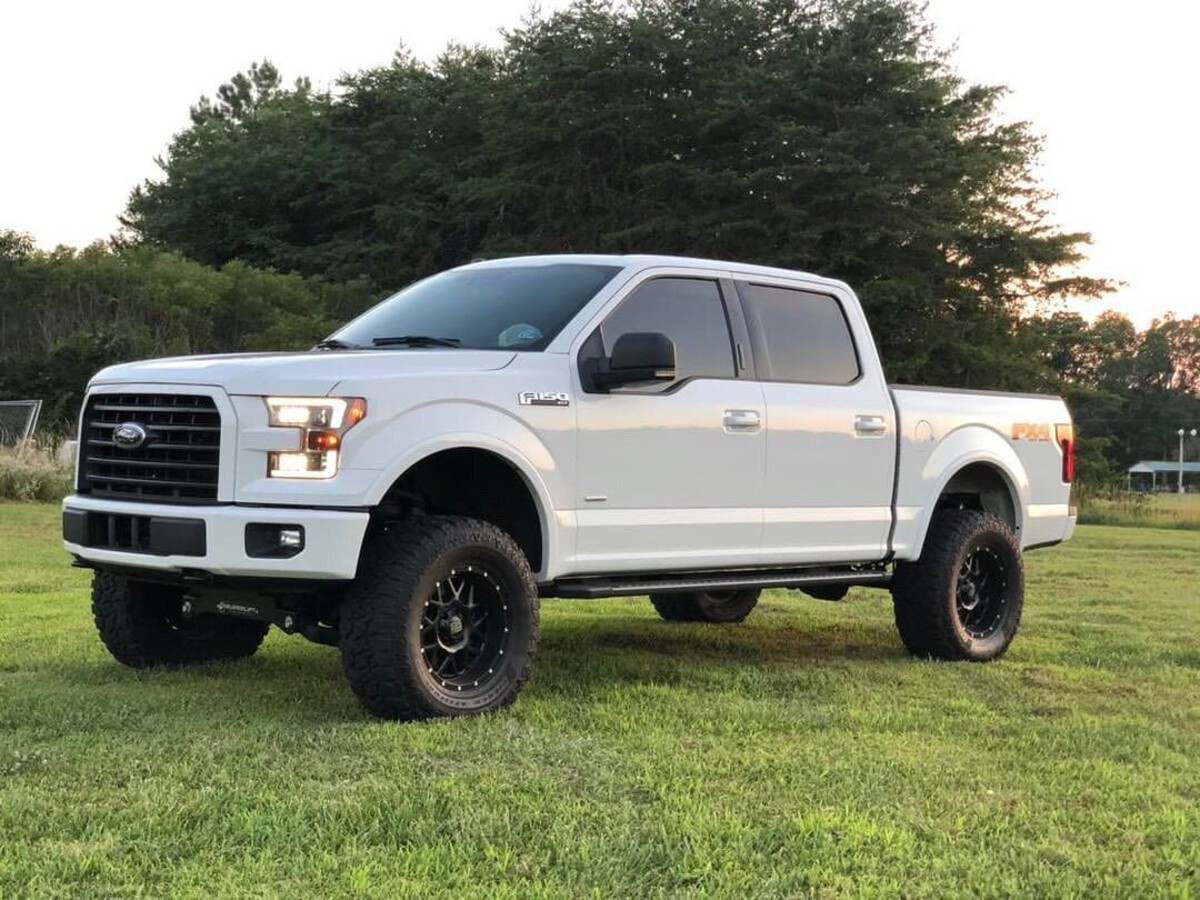
9. Ford F-150
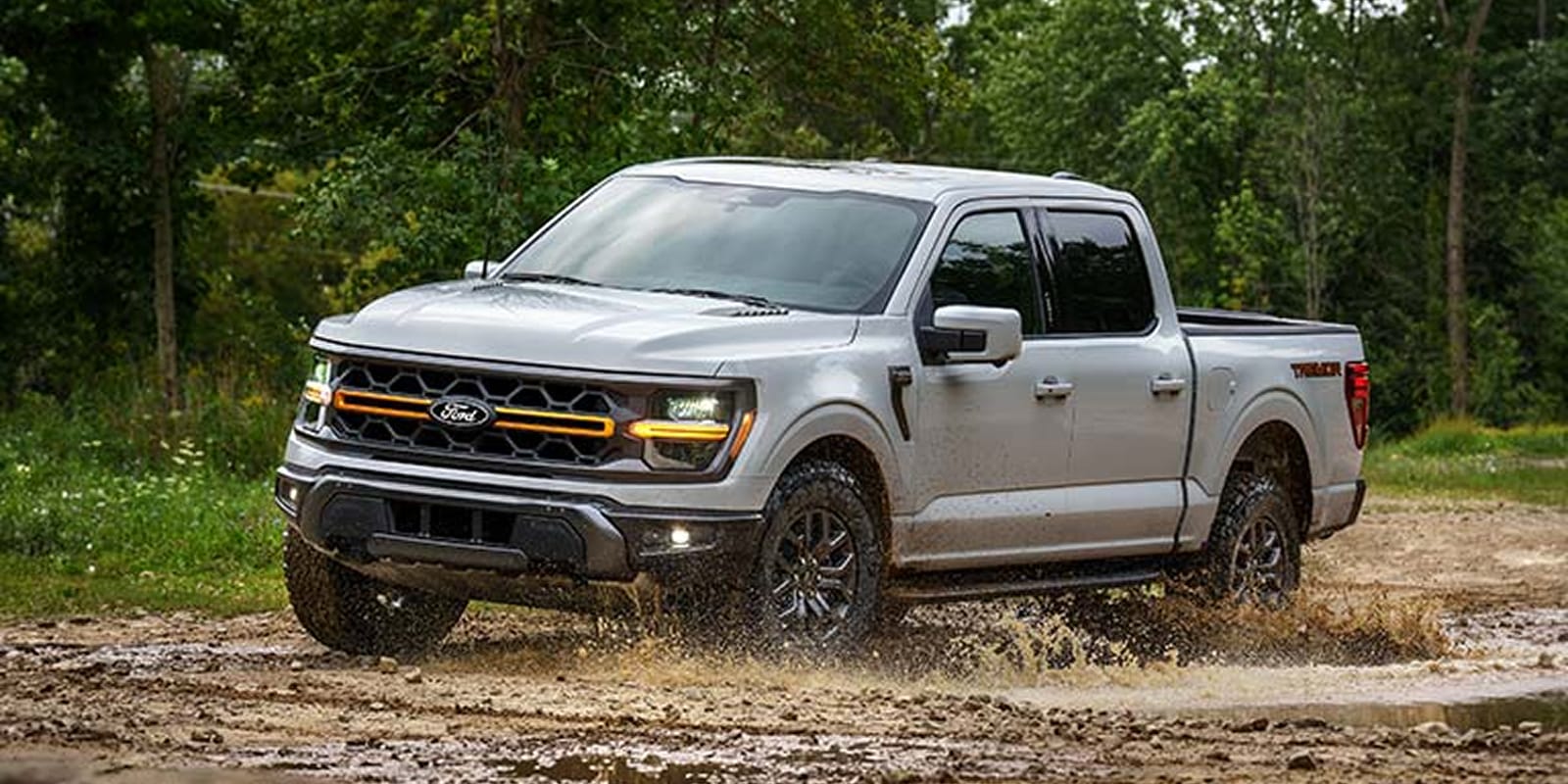
The Ford F-150 is the most popular full-size pickup truck in the United States, and its widespread ownership plays a major role in keeping repair costs relatively low compared to other trucks in its class. One of the biggest advantages of the F-150 is the massive availability of parts. Because it is produced in extremely high volumes and used across nearly every industry, replacement components are easy to find and competitively priced.
Another major factor is mechanic familiarity. Nearly every repair shop in the United States has extensive experience working on the F-150 due to its popularity. This reduces diagnostic time and makes repairs faster and more efficient. Whether the issue is engine-related, suspension-based, or electrical, most mechanics can quickly identify and fix problems without specialized training.
The F-150 also benefits from a relatively simple and rugged design philosophy, especially in its more basic trims. While newer models include advanced technology, the core mechanical structure remains straightforward compared to many luxury trucks or imported alternatives. This helps reduce both the likelihood of complex failures and the cost of repairs when issues do occur.
Additionally, the aftermarket support for the F-150 is one of the strongest in the automotive industry. From independent parts manufacturers to salvage yards, there is a constant supply of affordable replacement components, which helps keep ownership costs manageable even for older models.
The Ford F-150 remains one of the cheapest full-size trucks to repair in the United States due to its popularity, parts availability, and widespread mechanic experience.
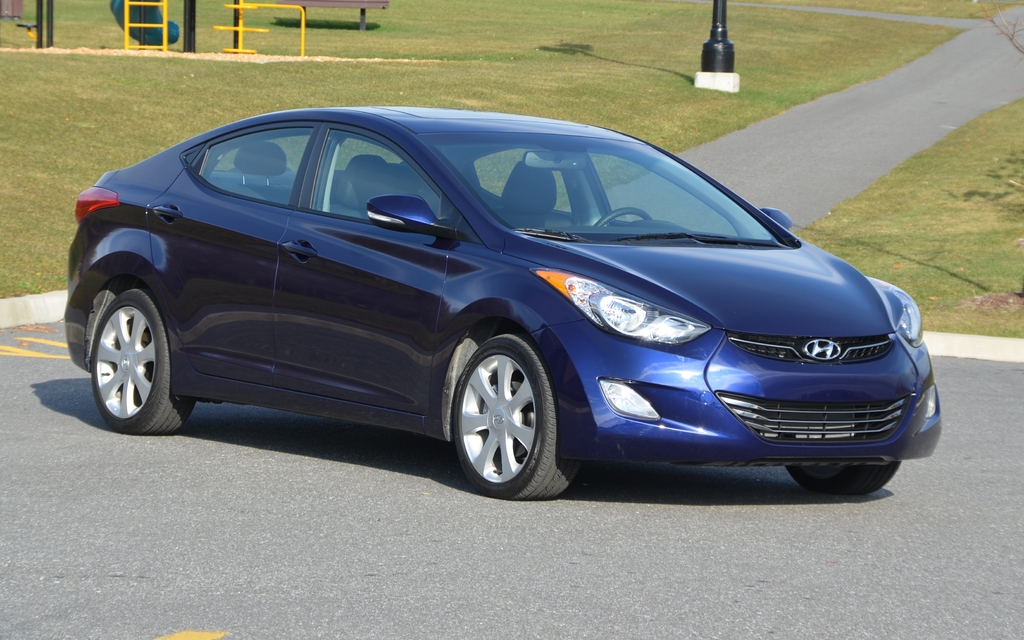
10. Hyundai Elantra
The Hyundai Elantra has evolved significantly over the years and is now considered one of the more affordable compact sedans to maintain in the United States. One of its biggest advantages is Hyundai’s strong focus on value engineering, which ensures that parts are designed to be cost-effective and widely available. This helps reduce both repair and maintenance expenses for owners.
Another important factor is Hyundai’s generous warranty coverage, which has historically reduced early-life repair costs for many Elantra owners. Even after the warranty period ends, the vehicle continues to benefit from relatively low parts pricing compared to many competitors in the compact sedan segment.
The Elantra also features a relatively simple mechanical layout in many of its trims. While newer models include more advanced technology and safety systems, the core drivetrain and engine components remain straightforward enough for most independent mechanics to service without difficulty.
Parts availability for the Elantra has improved significantly in the United States as the brand has grown in popularity. This increased demand has led to a stronger aftermarket supply chain, which helps keep repair costs competitive and accessible.
The Hyundai Elantra offers a strong balance of affordability, reliability, and modern features, making it one of the cheapest compact cars to maintain in the United States today.
Also read: 10 Cars With Windshields That Don’t Show Glare At Sunset
