
Working as a rideshare driver for 60 hours a week is not just a side hustle; it is a full-time business that depends heavily on the vehicle you choose. Whether you drive for Uber, Lyft, or similar platforms, your SUV is your income generator, workplace, and long-term investment all in one.
The wrong vehicle can quietly drain your earnings through fuel costs, maintenance expenses, depreciation, and downtime. On the other hand, the right SUV can significantly increase your profit margin, improve passenger satisfaction, and reduce stress during long driving hours.
In today’s rideshare economy, efficiency matters more than luxury. Drivers are covering thousands of kilometers every month, often in heavy traffic conditions, especially in urban regions. This makes fuel economy one of the most important deciding factors.
Hybrid SUVs have become especially popular because they combine the space and comfort of an SUV with the fuel savings of an electric-assisted engine. Research consistently shows that high-mileage drivers benefit most from hybrid systems due to reduced fuel dependency and lower cost per mile.
However, fuel economy is only one part of the equation. Comfort is equally important because drivers spend long hours behind the wheel. A well-cushioned seat, good suspension, quiet cabin, and reliable air conditioning directly impact driver fatigue and passenger experience. A comfortable passenger is more likely to give higher ratings and tips, which can make a noticeable difference in weekly earnings. Additionally, reliability plays a major role since breakdowns mean lost income and expensive repairs.
SUVs are particularly preferred in rideshare driving because they offer better ride height, more cabin space, and improved passenger comfort compared to sedans. They also perform better on uneven roads and handle longer trips more efficiently. With many manufacturers now offering hybrid and fuel-efficient SUV models, drivers in 2026 have more options than ever before.
This article breaks down the 8 best SUVs for rideshare drivers working long hours. Each vehicle is selected based on fuel efficiency, maintenance cost, comfort, reliability, and long-term profitability. Whether you are starting fresh or upgrading your current rideshare vehicle, this guide will help you choose a practical, cost-effective SUV that maximizes your earnings while minimizing stress.
ALSO READ: 8 Smells in a Used Car That Cost Thousands to Fix Later
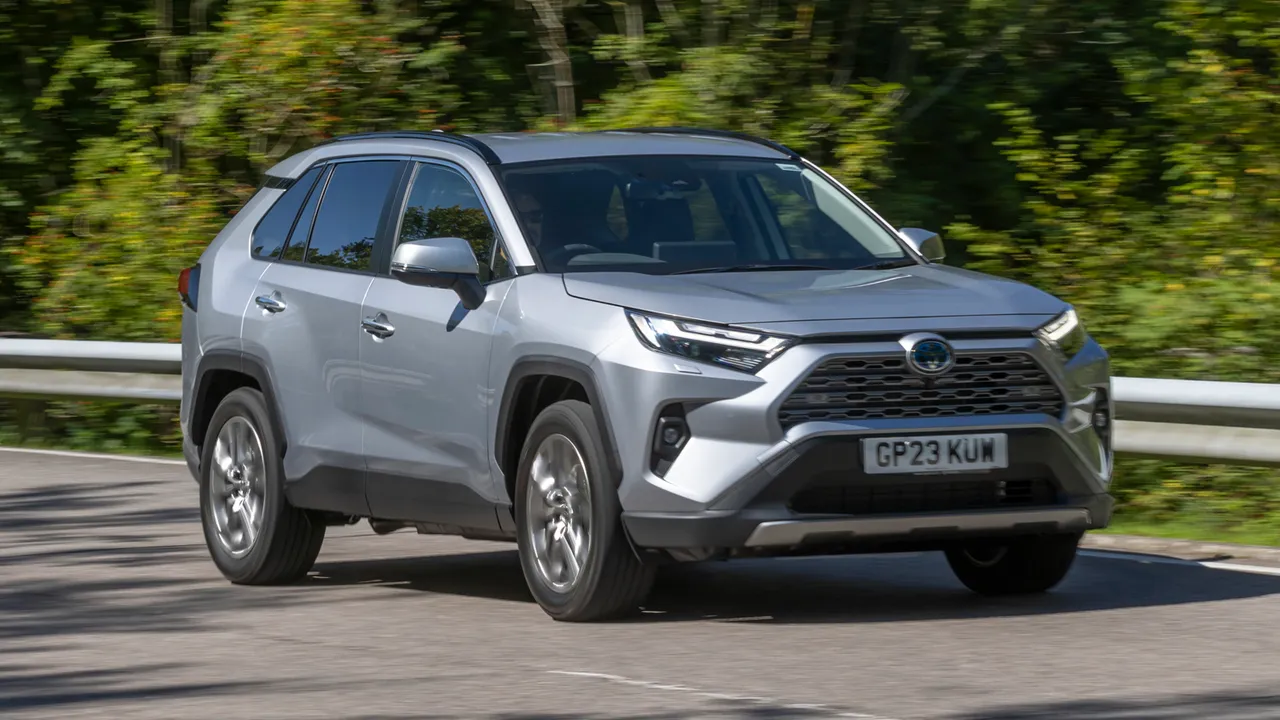
1. Toyota RAV4
The Toyota RAV4 Hybrid is widely considered one of the most dependable SUVs for full-time rideshare drivers who spend long hours on the road every day. It has built a strong reputation in the global automotive market for combining fuel efficiency, long-term durability, and low maintenance requirements, which makes it especially valuable for drivers working 60-hour weeks.
Since rideshare driving involves constant stop-and-go traffic, airport runs, and long city commutes, the hybrid system in the RAV4 significantly reduces fuel consumption compared to traditional gasoline SUVs. This directly translates into higher weekly profits because fuel is one of the biggest expenses for drivers.
Another major advantage of the RAV4 Hybrid is its long-term reliability. Toyota has engineered this model to withstand extremely high mileage usage, which is exactly what rideshare drivers require. Many drivers report using the same RAV4 Hybrid for several years with minimal mechanical issues, even after covering hundreds of thousands of kilometers.
This reduces downtime, which is critical because every hour a car is off the road means lost income. For someone working full-time in rideshare services, this reliability becomes just as important as fuel efficiency.
Passenger comfort is also a strong factor that contributes to its popularity. The interior is spacious enough to accommodate both passengers and luggage comfortably, making it suitable for airport trips, group rides, and long-distance bookings.
The seats are designed with ergonomic support, which helps reduce fatigue for both drivers and passengers during long rides. Additionally, the suspension system absorbs road imperfections effectively, creating a smoother ride experience even on uneven city roads or highways.
From a financial perspective, the RAV4 Hybrid may require a higher initial investment, but its long-term cost efficiency is impressive. Lower fuel consumption, reduced maintenance costs, and strong resale value help balance out the upfront price.
Over time, drivers often find that the total cost of ownership is lower compared to cheaper SUVs that require frequent repairs or consume more fuel. This makes it one of the most economically sound choices for high-mileage rideshare professionals.
The Toyota RAV4 Hybrid stands out as a complete package for rideshare drivers who prioritize reliability, fuel savings, and passenger satisfaction. It is especially suitable for those who treat rideshare driving as a full-time profession rather than a side income, because it delivers consistent performance over long periods without major compromises.
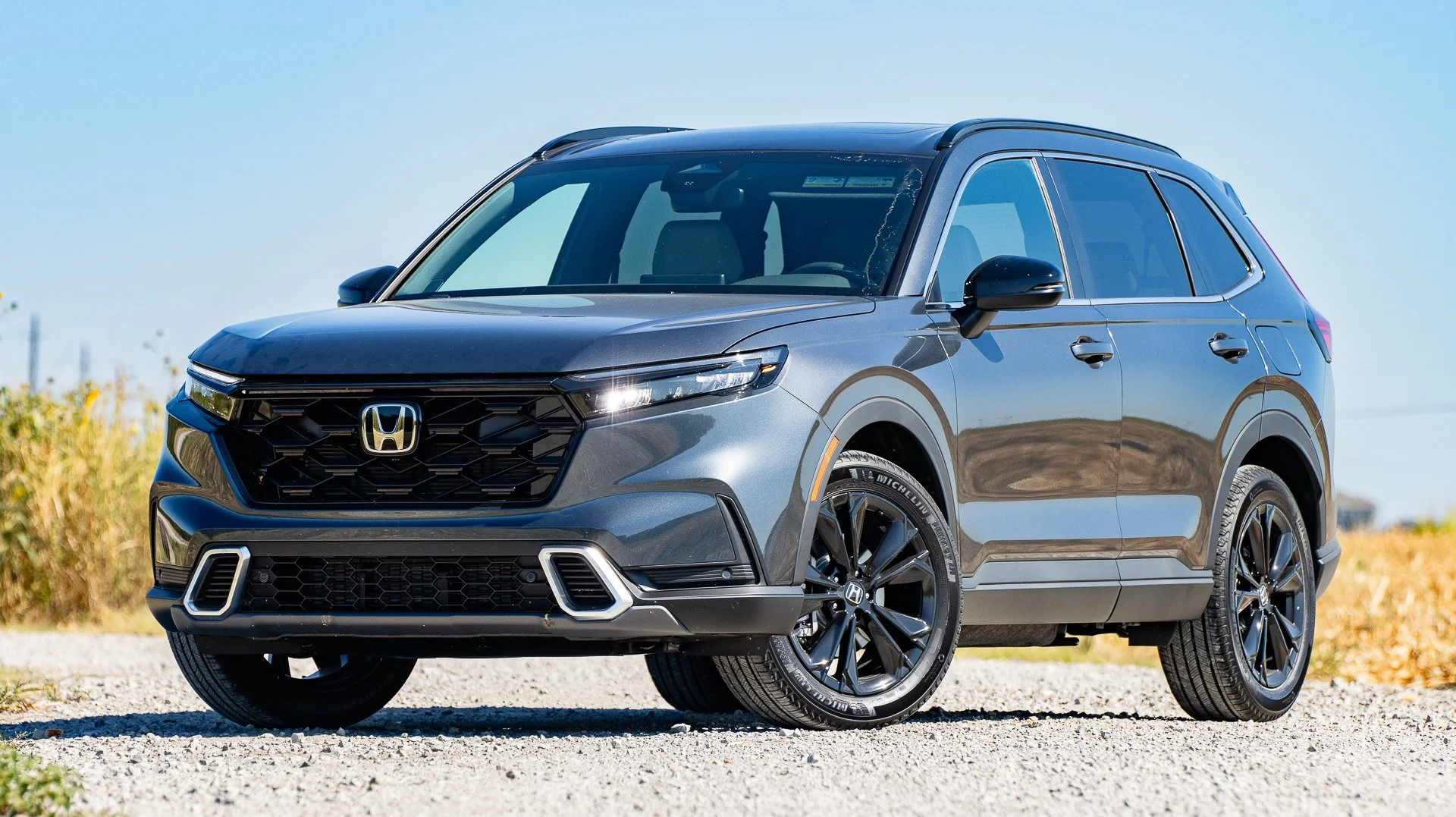
2. Honda CR-V Hybrid
The Honda CR-V Hybrid is another top-tier SUV that is extremely well-suited for rideshare drivers working extended shifts of 10 to 12 hours per day. It is known for its smooth driving dynamics, spacious interior design, and highly efficient hybrid powertrain.
For drivers who spend most of their day behind the wheel, comfort becomes a critical factor, and the CR-V Hybrid excels in this area by offering one of the most driver-friendly cabins in its category. The seating position is naturally supportive, which helps reduce back and leg strain during long driving hours.
One of the most important strengths of the CR-V Hybrid is its fuel efficiency in real-world city driving conditions. Rideshare driving typically involves frequent braking, idling, and slow acceleration, all of which are ideal scenarios for hybrid technology.
The CR-V Hybrid intelligently switches between electric and gasoline power to optimize fuel usage, which significantly reduces monthly fuel expenses. Over time, this can result in substantial savings, especially for drivers who complete a high number of rides each week.
Another key advantage is the refined cabin experience. The interior is designed with noise reduction in mind, meaning passengers enjoy a quiet and comfortable ride even in heavy traffic conditions. This improves customer satisfaction and can lead to better ratings, which are essential for receiving more ride requests and higher-paying trips on platforms like Uber and Lyft. A high rating profile also helps drivers gain access to premium ride categories.
Reliability is another strong reason why the CR-V Hybrid is widely chosen by professional drivers. Honda has a long-standing reputation for producing durable vehicles with low maintenance requirements.
The hybrid system itself is designed for long-term efficiency and requires minimal intervention when properly maintained. This reduces the risk of unexpected breakdowns, which can severely affect a driver’s weekly income.
The Honda CR-V Hybrid is ideal for rideshare drivers who want a balance of comfort, fuel savings, and long-term reliability. It is particularly effective for those working long, continuous shifts where fatigue reduction and smooth driving performance are essential for maintaining productivity.
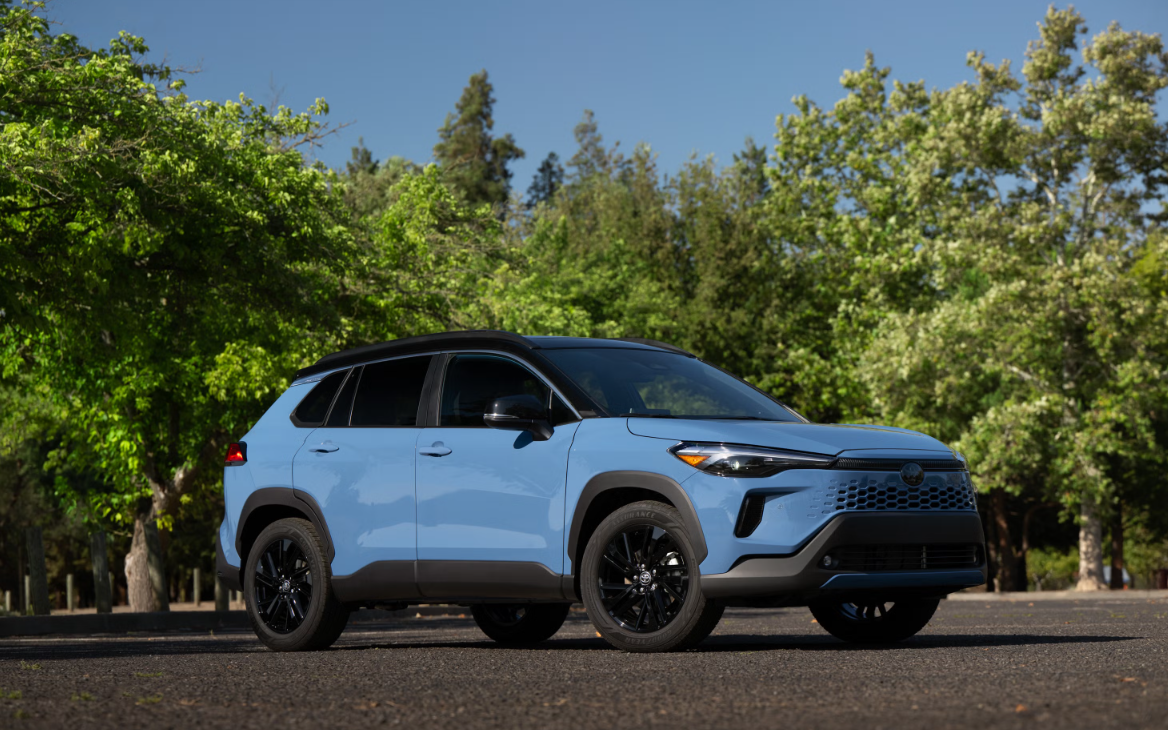
3. Toyota Corolla Cross Hybrid
The Toyota Corolla Cross Hybrid is one of the most cost-effective SUV options available for rideshare drivers who want to enter the market without a large financial burden. It offers an excellent combination of affordability, fuel efficiency, and Toyota’s well-known reliability, making it an attractive entry-level SUV for both new and experienced drivers.
Since rideshare profitability depends heavily on minimizing expenses, this model provides a strong foundation for maximizing earnings in the long run.
One of the biggest advantages of the Corolla Cross Hybrid is its compact size, which makes it extremely practical for dense urban environments. Drivers operating in crowded cities benefit from easier parking, better maneuverability, and reduced stress in traffic-heavy areas.
This allows them to complete more trips in less time, which can improve daily earnings efficiency. Despite its compact design, it still maintains enough interior space to comfortably accommodate passengers and their luggage.
Fuel economy is another major highlight of this SUV. The hybrid system is highly efficient in stop-and-go traffic, which is the most common driving condition for rideshare drivers. Over weeks and months of continuous driving, this results in noticeable fuel savings. Since fuel is one of the highest recurring expenses in rideshare work, reducing it directly increases net income.
Although it is smaller than other SUVs in this list, the Corolla Cross Hybrid still offers a comfortable ride experience for passengers. The seating is adequate for standard trips, and the trunk space is sufficient for airport runs and short-distance travel. While it may not be ideal for large groups, it performs extremely well for everyday solo or small-group rides, which make up the majority of rideshare requests.
The Toyota Corolla Cross Hybrid is best suited for drivers who want to keep startup and operating costs low while still benefiting from hybrid efficiency and Toyota reliability. It is a smart choice for those focused on maximizing profit margins in city-based rideshare operations.
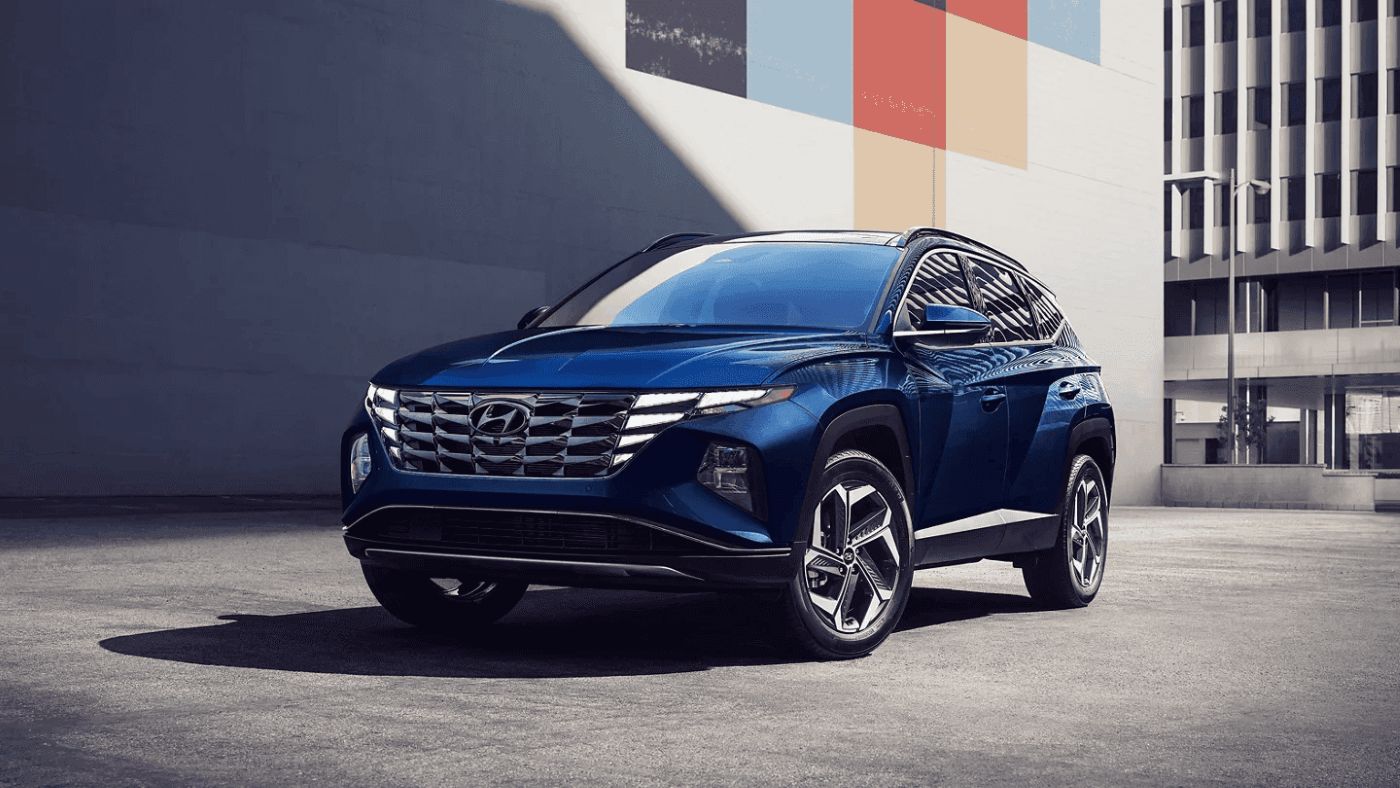
4. Hyundai Tucson Hybrid
The Hyundai Tucson Hybrid stands out as one of the most modern and technology-rich SUVs in the rideshare segment. It is designed for drivers who want to provide a premium experience to passengers while also benefiting from fuel efficiency and long-term practicality. Its futuristic design, advanced infotainment system, and driver assistance features make it a strong competitor in the mid-size hybrid SUV category.
One of the biggest advantages of the Tucson Hybrid is its interior design and technology integration. The dashboard layout is modern and intuitive, featuring a large digital display and user-friendly controls. This enhances the driving experience and makes long shifts more manageable. For rideshare drivers, this also creates a positive impression on passengers, which can lead to better ratings and increased ride requests over time.
Comfort is another area where the Tucson Hybrid performs strongly. The seats are well-cushioned and designed for long-duration use, reducing driver fatigue significantly. The suspension system is tuned to absorb road imperfections, ensuring a smooth ride even on rough city roads or uneven highways. This is especially important for maintaining passenger satisfaction during long trips.
Fuel efficiency is also competitive within its segment. The hybrid system is optimized for urban traffic conditions, where electric assistance reduces fuel consumption during slow speeds and idle periods. This makes it particularly suitable for rideshare drivers who operate primarily in cities with frequent traffic congestion.
The Hyundai Tucson Hybrid is ideal for drivers who want a balance of comfort, modern features, and fuel savings. It is especially appealing to those who value technology and passenger experience as part of their rideshare business strategy.
ALSO READ: 9 Cars That Survive New Drivers Without a Single Major Repair
5. Kia Sportage Hybrid
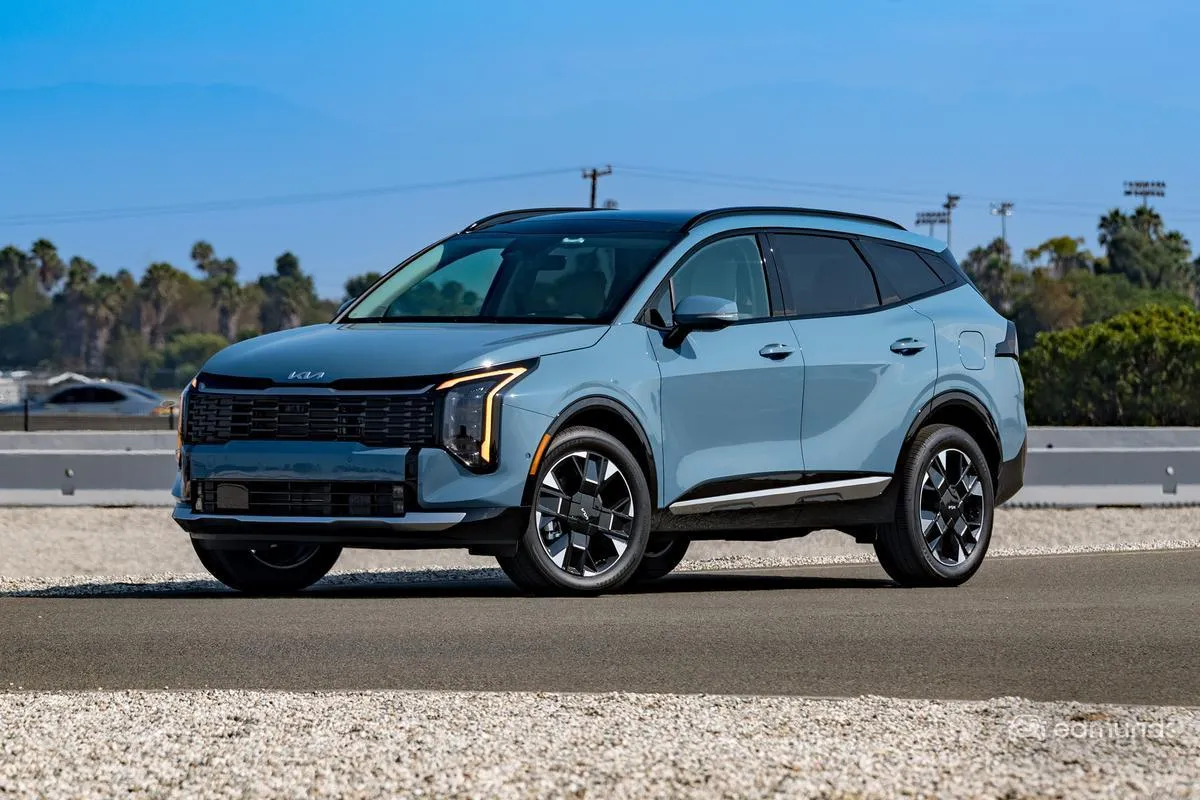
The Kia Sportage Hybrid is a highly practical SUV that offers excellent value for money, making it a strong contender for rideshare drivers looking to maximize return on investment. It combines affordability, spacious interior design, and modern hybrid efficiency in a way that appeals to both new and experienced drivers. For those working long hours, this balance of cost and comfort becomes extremely important.
One of the strongest advantages of the Sportage Hybrid is its interior space. It offers generous legroom and headroom for passengers, which enhances comfort during longer rides. This is particularly beneficial for airport transfers and group bookings where passenger satisfaction plays a major role in tips and ratings. The cargo area is also spacious enough to accommodate luggage, making it versatile for different ride types.
Fuel efficiency is another important highlight. The hybrid system helps reduce fuel consumption significantly in city driving conditions, which is where rideshare drivers spend most of their time. Over weeks of continuous operation, this leads to noticeable cost savings, improving profitability.
From a value perspective, the Kia Sportage Hybrid offers a strong set of features at a competitive price point. It includes modern infotainment systems, driver assistance technologies, and comfort-focused interior design without the premium price tag of some competitors. This makes it especially attractive for drivers who want a well-equipped SUV without overspending upfront.
The Kia Sportage Hybrid is a well-balanced option for rideshare drivers who want space, efficiency, and affordability in one package. It is particularly suitable for those who want to scale their rideshare business while keeping operational costs under control.
6. Toyota Highlander Hybrid
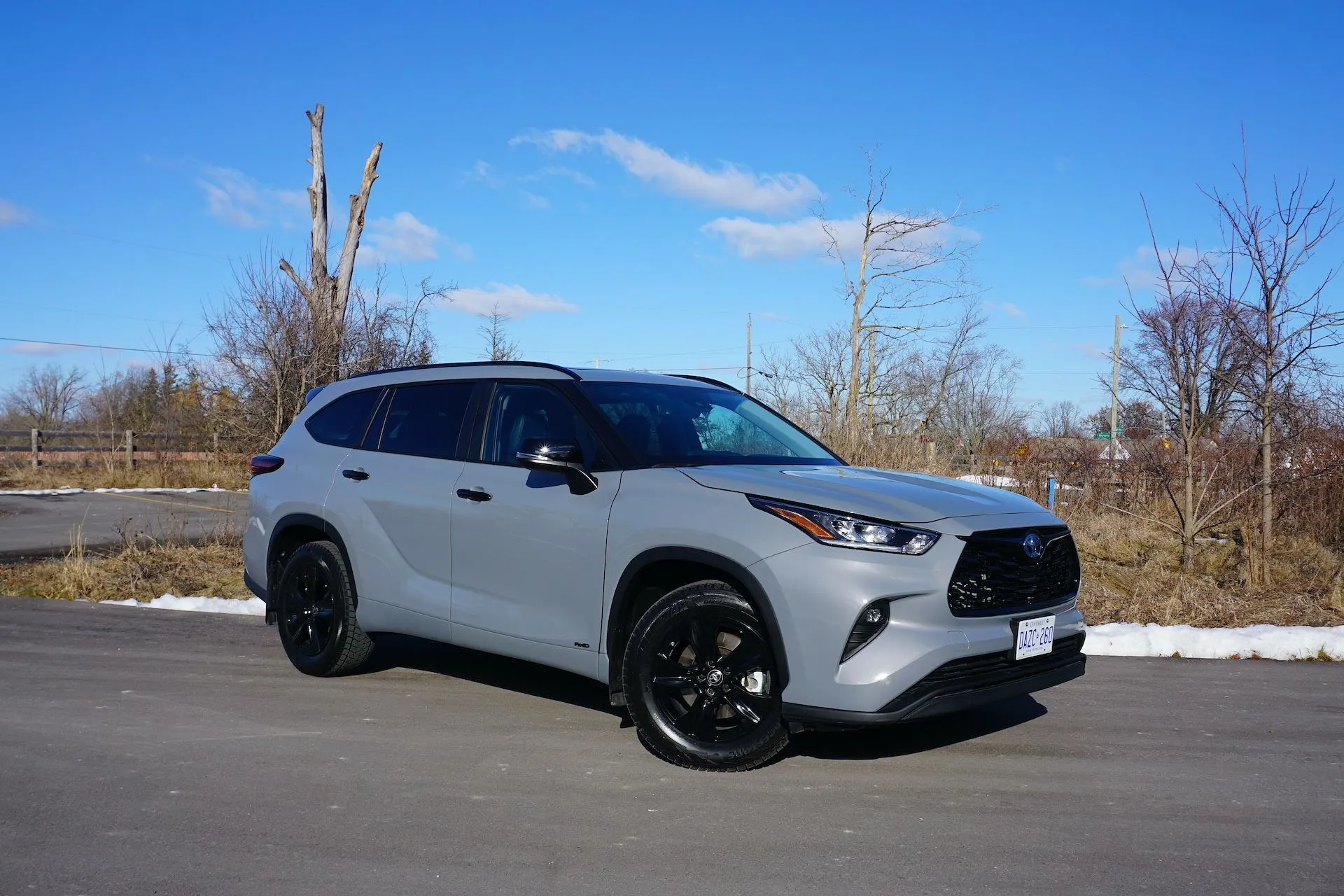
The Toyota Highlander Hybrid is one of the most profitable SUV choices for rideshare drivers who frequently receive high-capacity bookings such as airport runs, group travel, and family trips. Unlike compact SUVs, the Highlander is built with three-row seating, which immediately increases earning potential because rideshare platforms often pay more for larger vehicle categories. For drivers working 60 hours a week, this ability to accept higher-value rides can significantly increase weekly income.
One of the most impressive features of the Highlander Hybrid is that it manages to deliver strong fuel efficiency despite its large size. Traditionally, full-size SUVs are known for high fuel consumption, but Toyota’s hybrid system reduces this drawback by intelligently balancing electric and gasoline power.
In real-world rideshare conditions, especially in city traffic, this leads to meaningful fuel savings over time. For drivers who regularly complete long shifts, this improvement directly boosts net earnings.
Passenger comfort is another area where the Highlander excels. The cabin is extremely spacious, with well-designed seating across all three rows. Even passengers sitting in the third row experience better comfort compared to many competing SUVs.
This makes it ideal for airport transfers, tourist rides, and shared group bookings. A comfortable ride experience often results in higher ratings, better tips, and more repeat passengers.
In addition, the Highlander Hybrid offers a smooth and stable driving experience, even when fully loaded with passengers. The suspension system is tuned to handle weight efficiently, which ensures that ride quality does not degrade when carrying multiple passengers or luggage. This is particularly important for maintaining professional standards during high-demand rideshare hours.
The Toyota Highlander Hybrid is best suited for rideshare drivers who want to maximize earnings through larger group rides. It is especially valuable in markets where airport trips and family bookings are common, making it a strong income multiplier for experienced full-time drivers.
7. Ford Escape Hybrid
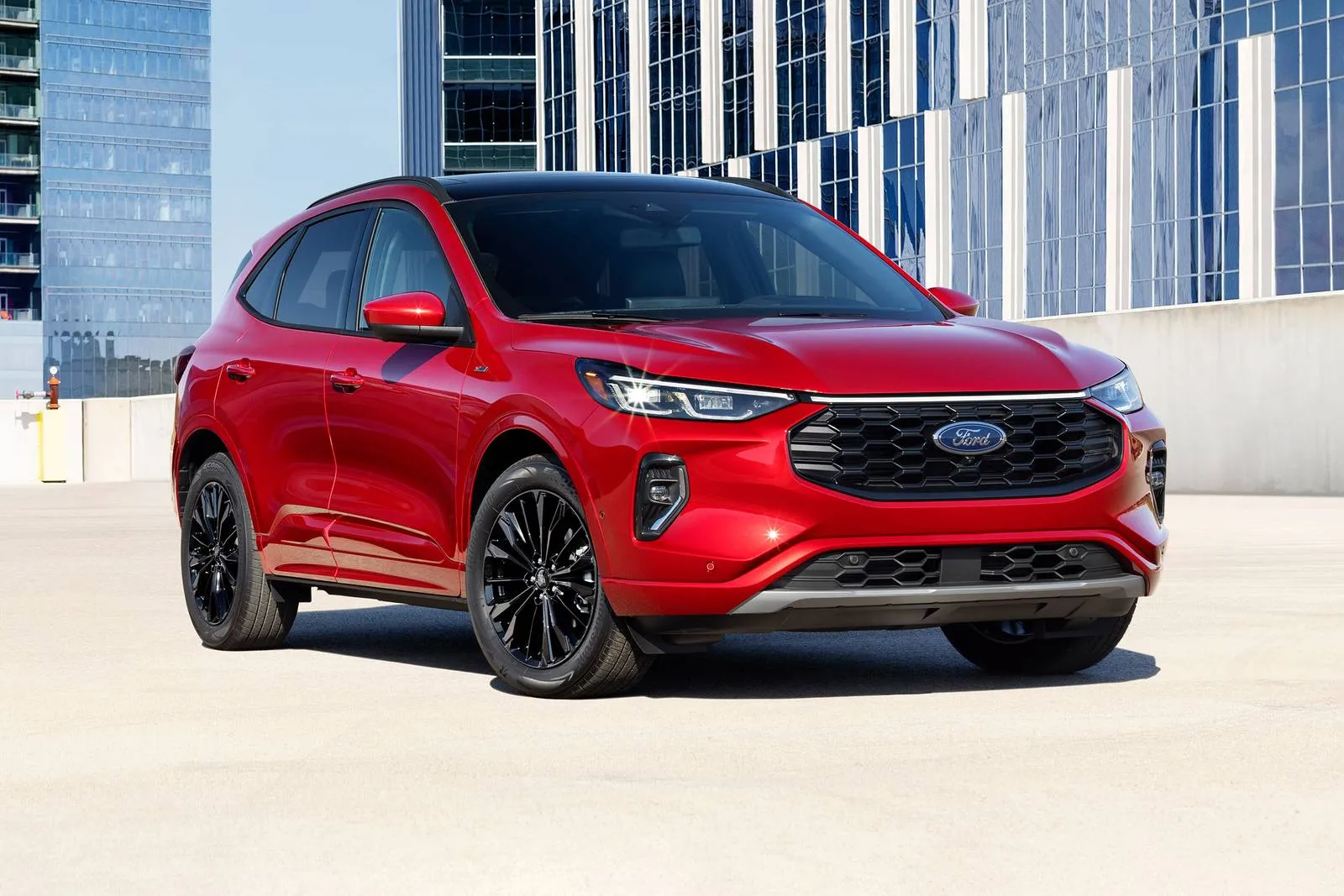
The Ford Escape Hybrid is a compact and highly efficient SUV designed for urban rideshare environments where traffic congestion, tight parking spaces, and frequent short trips are the norm. For drivers working long hours in busy cities, this SUV offers a practical balance between fuel economy, comfort, and maneuverability. Its smaller footprint makes it easier to navigate crowded streets, which helps reduce stress and improve driving efficiency.
One of the key strengths of the Escape Hybrid is its fuel economy in stop-and-go traffic conditions. Since rideshare driving often involves waiting in traffic, idling at pickup points, and making frequent short trips, the hybrid system plays a crucial role in reducing fuel consumption. Over time, this leads to noticeable savings, especially for drivers completing dozens of rides per day.
Comfort is also well considered in the Ford Escape Hybrid. The interior is designed to support long hours of driving, with comfortable seating and a user-friendly dashboard layout. While it is not as luxurious as premium SUVs, it provides everything a rideshare driver needs to maintain productivity during long shifts. The seating position is designed to reduce fatigue, which is important for drivers working 10 to 12-hour days.
Another advantage is its affordability compared to larger hybrid SUVs. The Escape Hybrid is generally more budget-friendly, both in terms of purchase price and maintenance costs. This makes it a strong option for drivers who want to enter the rideshare market without taking on high financial risk. Lower ownership costs also improve long-term profitability.
The Ford Escape Hybrid is ideal for city-based rideshare drivers who prioritize efficiency, ease of driving, and cost control. It performs best in dense urban environments where quick trips and fuel savings matter more than large passenger capacity.
8. Nissan Rogue Hybrid
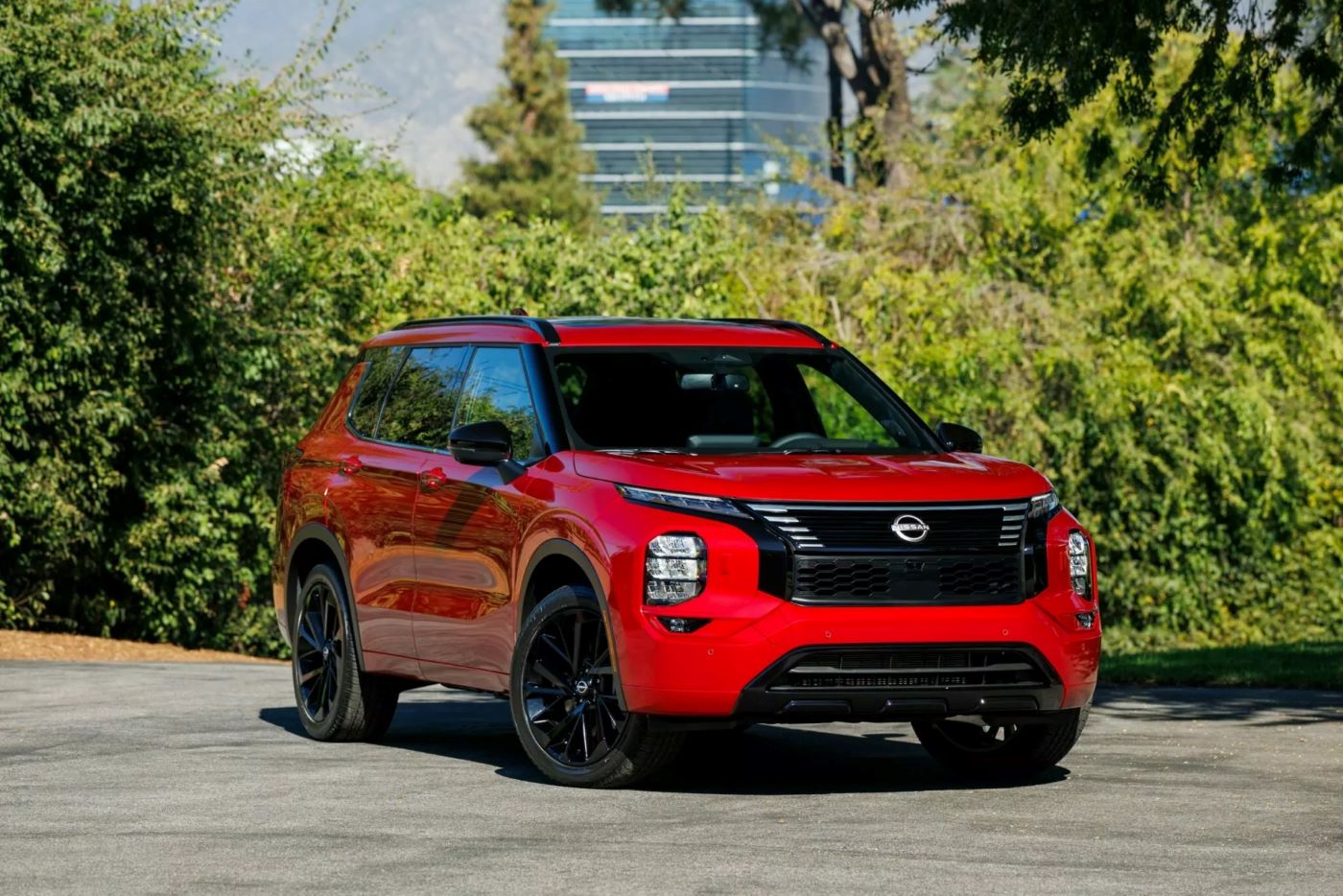
The Nissan Rogue Hybrid is a well-balanced SUV that offers a combination of comfort, efficiency, and affordability, making it a strong choice for rideshare drivers who want a dependable all-around vehicle. It is designed to meet the needs of both drivers and passengers, which is important for maintaining high ratings and consistent ride demand in competitive rideshare markets.
One of the most important advantages of the Rogue Hybrid is its fuel efficiency in real-world driving conditions. The hybrid system is optimized for urban traffic, where it reduces fuel consumption during slow speeds and frequent stops. For drivers working long shifts, this helps keep fuel costs under control, which directly improves weekly earnings.
The interior of the Rogue Hybrid is spacious and thoughtfully designed. Passengers benefit from comfortable seating and adequate legroom, making it suitable for both short trips and longer rides.
The cabin is also quiet, which enhances the ride experience and contributes to higher customer satisfaction ratings. For rideshare drivers, this can lead to more frequent ride requests and better platform visibility.
Maintenance and ownership costs are generally reasonable for the Nissan Rogue Hybrid. It is not as expensive to maintain as some premium SUVs, which helps drivers reduce long-term expenses. This is especially important for high-mileage users who need a vehicle that can handle continuous use without frequent costly repairs.
The Nissan Rogue Hybrid is a strong choice for rideshare drivers seeking balance. It may not be the most luxurious or the largest SUV, but it delivers consistent performance, good fuel economy, and passenger comfort, making it a reliable income-generating vehicle for full-time driving.
