
The early 2000s were a fascinating time for the American automotive industry. It was an era caught between analog simplicity and the rapid rise of modern technology. Automakers were experimenting with bold designs, new platforms, and evolving safety features, while still relying heavily on proven mechanical formulas from the 1990s.
For many drivers, these vehicles represented a sweet spot between affordability, usability, and character. Yet today, many of those once-common cars are quietly fading away from American roads, often without much notice.
There are several reasons behind this gradual disappearance. First, age plays a major role. Most vehicles from the early to mid 2000s are now over 15 to 25 years old, which places them well beyond the typical lifespan of mass market cars. As they accumulate mileage, maintenance costs increase, and many owners choose to scrap rather than repair them.
Additionally, changing consumer preferences have pushed sedans, coupes, and compact cars out of the spotlight in favor of SUVs and crossovers. This shift has left many older models obsolete in the eyes of buyers, reducing their presence on the road even further.
Another important factor is build quality and reputation. Some 2000s vehicles were known for reliability and continue to survive in large numbers. Others, however, suffered from poor engineering, weak transmissions, or uninspiring design, leading to lower resale value and shorter lifespans.
As a result, these cars often disappeared faster, either ending up in junkyards or simply being forgotten by the general public. According to automotive analyses, some models “vanished almost as quickly as they appeared,” due to poor sales, reliability issues, or lack of long term appeal .
Economic events also played a role. Programs like cash for clunkers in the late 2000s encouraged owners to trade in older vehicles for newer, more fuel efficient models. Many perfectly functional cars from the early 2000s were scrapped during this time, accelerating their decline.
Meanwhile, stricter emissions standards and evolving safety expectations have made it harder for older cars to remain practical daily drivers.
Today, spotting certain 2000s vehicles on American roads feels like encountering a relic from a different era. While they may not yet qualify as classic cars, their numbers are shrinking steadily. This article takes a closer look at ten such vehicles that were once common sights but are now quietly disappearing, exploring what made them popular, why they faded, and why they still matter in automotive history.
Also Read: 10 Cars With Insurance Premiums Lower Than a Compact Sedan
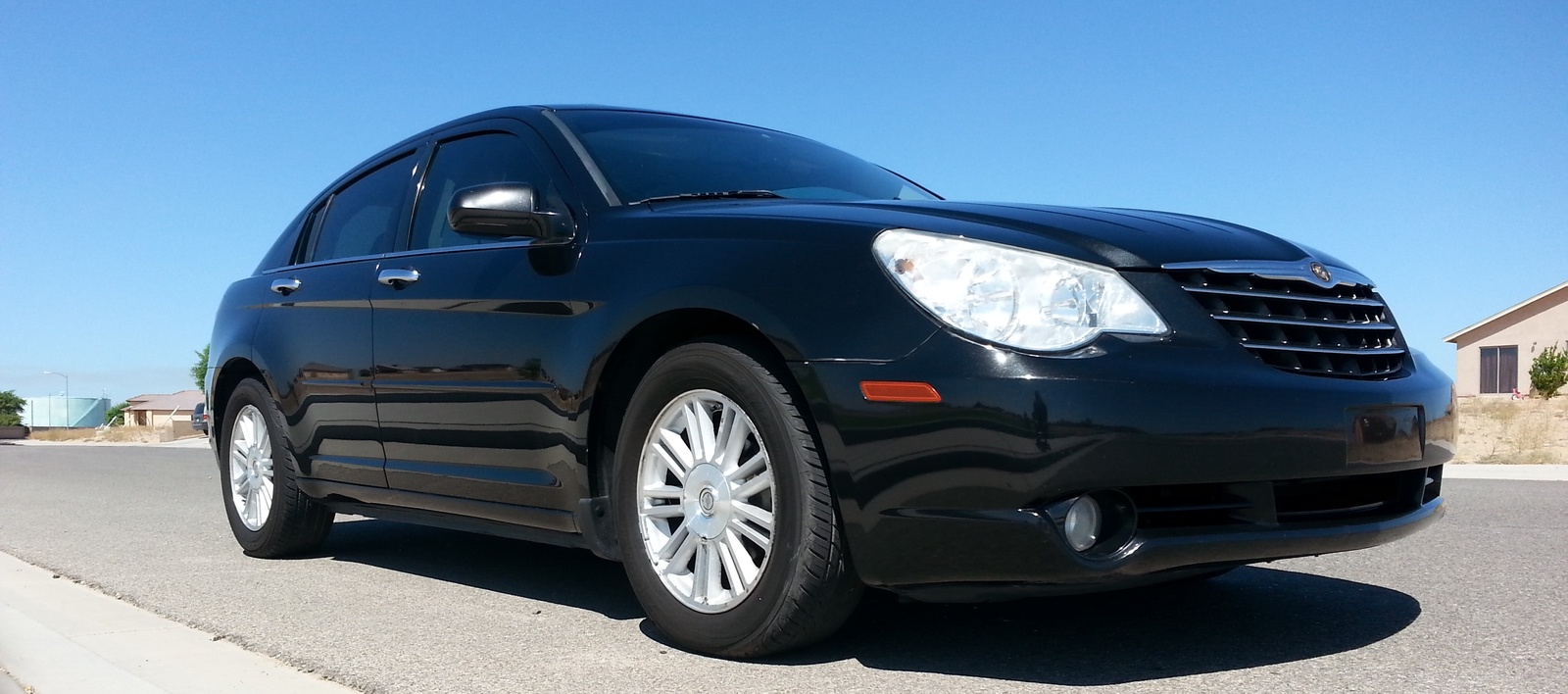
1. Chrysler Sebring Sedan
The Chrysler Sebring sedan was once positioned as a mainstream contender in the midsize segment, competing directly with heavyweights like the Toyota Camry and Honda Accord. Introduced in the early 2000s, it aimed to provide American buyers with a comfortable and affordable alternative that blended style with practicality.
At first glance, the Sebring had many of the ingredients needed for success, including a spacious interior, a smooth ride, and a recognizable nameplate that had already gained traction in the convertible segment.
However, the sedan version of the Sebring struggled to maintain a strong identity. While competitors refined their designs and improved build quality, the Sebring often felt a step behind. Interior materials were frequently criticized for being cheap, and the driving experience lacked the refinement buyers were beginning to expect. This gap became more noticeable as Japanese automakers continued to raise the bar in reliability and comfort.
Reliability issues also contributed to the Sebring’s decline. Owners reported problems with engines, transmissions, and electrical systems, which made long term ownership less appealing. As these cars aged, repair costs often exceeded their value, leading many owners to abandon them rather than invest in maintenance. Over time, this contributed to a sharp drop in their presence on the road.
Another reason for the Sebring’s disappearance is its lack of enthusiast appeal. Unlike some cars that gain a cult following, the Sebring failed to inspire strong emotional connections with drivers. It was seen as a functional but forgettable vehicle, which meant fewer people were interested in preserving it as it aged.
Today, the Chrysler Sebring sedan is rarely seen in everyday traffic. It serves as a reminder of a time when American automakers were struggling to keep up with global competition, and it highlights how quickly a once common car can fade into obscurity when it fails to stand out.
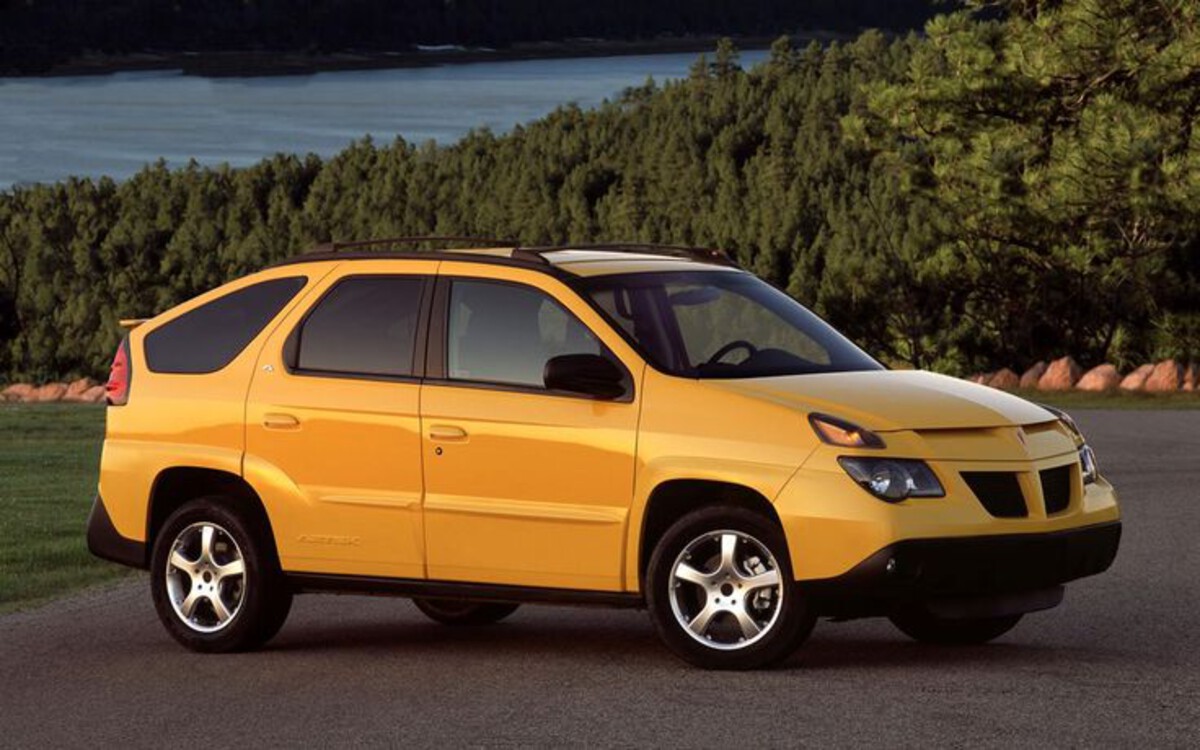
2. Pontiac Aztek
The Pontiac Aztek is perhaps one of the most infamous vehicles of the 2000s, known as much for its bold ambition as for its polarizing design. When it was introduced, Pontiac envisioned the Aztek as a versatile crossover that would appeal to adventurous, younger buyers. It featured innovative elements like a configurable interior, optional camping accessories, and a focus on lifestyle oriented functionality.
Despite these forward thinking ideas, the Aztek quickly became a symbol of design gone wrong. Its unconventional styling divided opinions, with many critics and consumers finding it unattractive. While some appreciated its uniqueness, the majority of buyers were put off by its appearance, which significantly impacted sales.
Beyond aesthetics, the Aztek faced challenges in performance and refinement. It was built on a platform that limited its driving dynamics, and while it offered practicality, it did not excel in any particular category. As a result, it struggled to compete with more polished alternatives that entered the market in subsequent years.
Over time, the Aztek’s reputation overshadowed its actual capabilities. Even though it offered features that were ahead of its time, such as flexible cargo solutions and outdoor friendly accessories, these innovations were largely ignored due to its controversial design. As newer and more attractive crossovers emerged, the Aztek quickly fell out of favor.
Today, the Pontiac Aztek is rarely seen on American roads. Its disappearance is partly due to its limited production run and partly due to its lack of long term appeal. However, it has gained a small cult following in recent years, proving that even the most criticized vehicles can find appreciation over time.
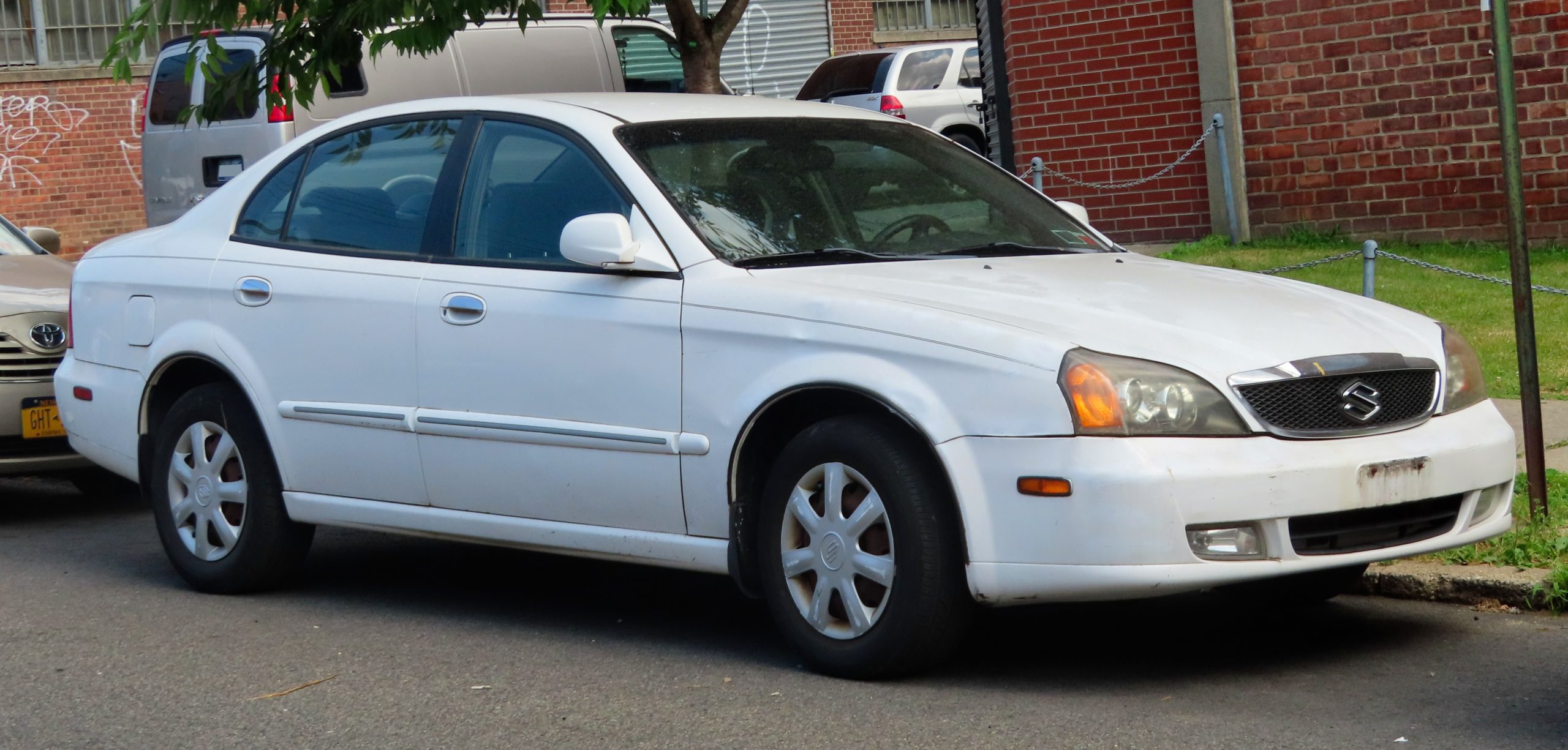
3. Suzuki Verona
The Suzuki Verona was an attempt by Suzuki to establish a stronger presence in the midsize sedan market in the United States. Introduced in the mid 2000s, the Verona offered a unique proposition, featuring a straight six engine that was uncommon in its class. This gave it a distinctive edge on paper, setting it apart from competitors that relied on four cylinder engines.
Despite its technical uniqueness, the Verona struggled to gain traction with American buyers. Its performance did not live up to expectations, and the engine, while smooth, lacked the power needed to compete effectively. Additionally, fuel efficiency was not particularly impressive, which made it less appealing in a segment where economy was becoming increasingly important.
Build quality and refinement were also areas of concern. The Verona’s interior materials and fit and finish were often criticized, and it lacked the polish of more established rivals. This made it difficult for Suzuki to convince buyers to choose the Verona over more reliable and better known options.
Another factor that contributed to the Verona’s disappearance was Suzuki’s declining presence in the U.S. market. As the brand struggled financially and eventually exited the American car market, support for its vehicles diminished. This made ownership less attractive, further accelerating the car’s decline.
Today, the Suzuki Verona is almost nonexistent on American roads. It stands as an example of how even a technically interesting car can fail if it does not meet the broader expectations of consumers in terms of performance, reliability, and brand confidence.
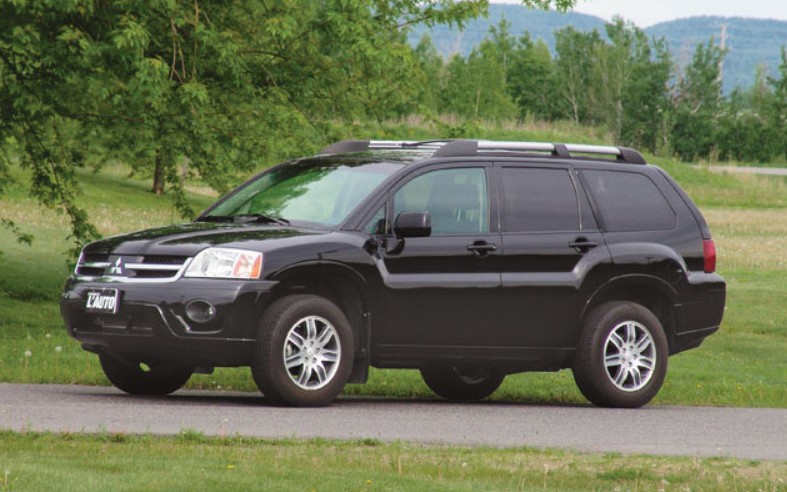
4. Mitsubishi Endeavor
The Mitsubishi Endeavor was introduced as a midsize SUV aimed at revitalizing Mitsubishi’s presence in the American market. It featured bold styling, a spacious interior, and a V6 engine, making it a competitive option on paper. At the time, SUVs were growing in popularity, and the Endeavor seemed well positioned to capitalize on this trend.
However, the Endeavor struggled to stand out in a crowded segment. While it offered decent performance and practicality, it did not excel in any particular area. Competing SUVs from brands like Toyota and Honda provided better reliability and resale value, which made them more appealing to buyers.
One of the key issues with the Endeavor was its aging technology. Even at launch, some aspects of the vehicle felt outdated, including its transmission and driving dynamics. Over time, these shortcomings became more pronounced, especially as newer SUVs introduced advanced features and improved efficiency.
Reliability concerns also played a role in the Endeavor’s decline. Owners reported issues with transmissions and other components, which reduced confidence in the vehicle’s long term durability. As repair costs increased, many vehicles were retired earlier than expected.
According to automotive analyses, vehicles like the Endeavor often “never gained traction with buyers” and eventually became rare sightings due to weak sales and longevity issues . Today, the Mitsubishi Endeavor is seldom seen on American roads, reflecting its limited impact and eventual disappearance.
Also Read: 10 Cars That Survive Being Used as Daily Uber Vehicles
5. Isuzu Axiom
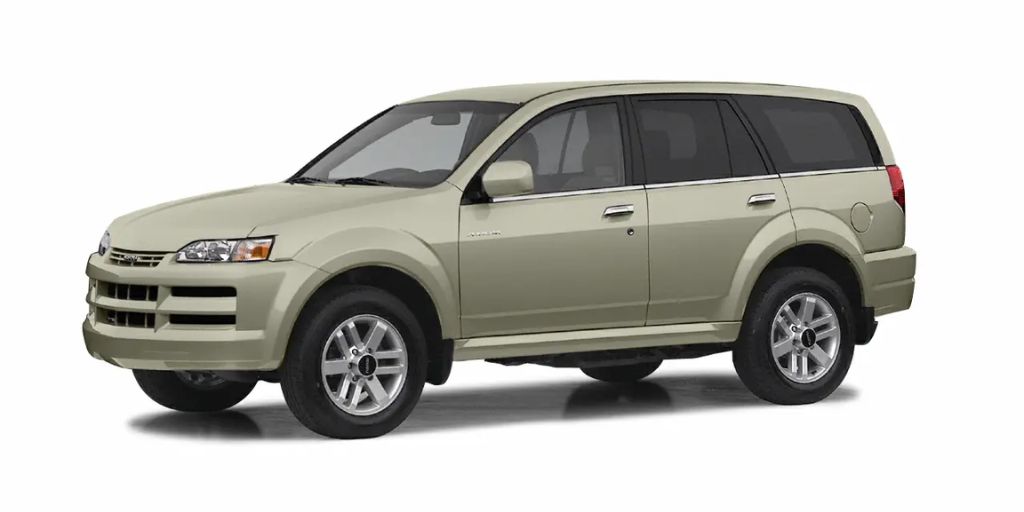
The Isuzu Axiom was a distinctive SUV that aimed to combine rugged capability with a futuristic design. Introduced in the early 2000s, it featured bold styling that set it apart from more conventional SUVs. Isuzu marketed the Axiom as a versatile vehicle capable of handling both urban environments and off road adventures.
Despite its unique design, the Axiom faced significant challenges in the market. Its styling, while distinctive, was not universally appealing, and many buyers preferred more traditional looking SUVs. This limited its audience and contributed to lower sales figures.
Performance was another area where the Axiom struggled. While it offered capable off road performance, its on road driving dynamics were less refined. This made it less suitable for everyday use compared to competitors that prioritized comfort and handling.
Isuzu’s declining presence in the U.S. market also played a major role in the Axiom’s disappearance. As the brand shifted its focus away from passenger vehicles, support for models like the Axiom diminished. This made ownership less practical, especially when it came to maintenance and parts availability.
Today, the Isuzu Axiom is a rare sight on American roads. Its disappearance highlights the challenges faced by niche vehicles in a competitive market, especially when they lack strong brand backing and widespread appeal.
6. Chevrolet Cobalt
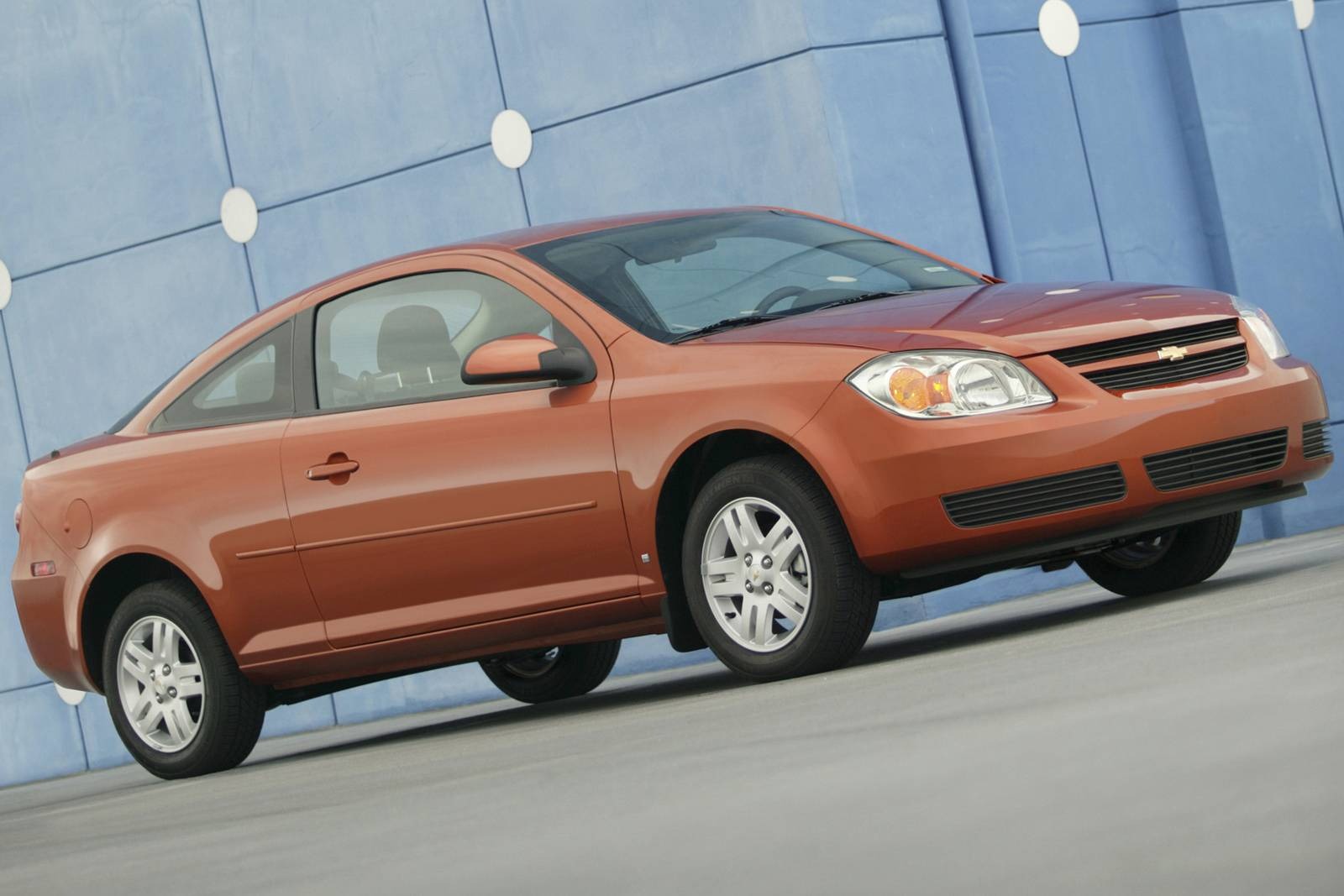
The Chevrolet Cobalt was introduced as a replacement for the Cavalier, aiming to provide a more modern and refined compact car. It offered improved styling, better safety features, and a range of engine options, including performance oriented variants like the SS. For a time, it was a common sight on American roads, serving as an affordable and practical choice for many drivers.
However, the Cobalt’s reputation was severely impacted by one of the most significant automotive controversies of the 2000s. The ignition switch recall, which affected millions of vehicles, raised serious concerns about safety and corporate accountability. This issue not only damaged the car’s reputation but also led to a decline in consumer trust.
Beyond the recall, the Cobalt faced stiff competition from more reliable and better built compact cars. While it offered decent performance and value, it struggled to match the quality and refinement of competitors from Japan and Korea. Over time, this made it less appealing in the used car market.
As the Cobalt aged, many units were either scrapped or replaced by newer vehicles. The recall also led to a significant number of cars being taken off the road, further reducing their presence. Today, it is increasingly rare to see a Cobalt in good condition.
The Chevrolet Cobalt’s disappearance serves as a reminder of how critical safety and reliability are in determining a vehicle’s long term survival. Even a widely sold car can fade quickly if its reputation is compromised.
7. Dodge Neon
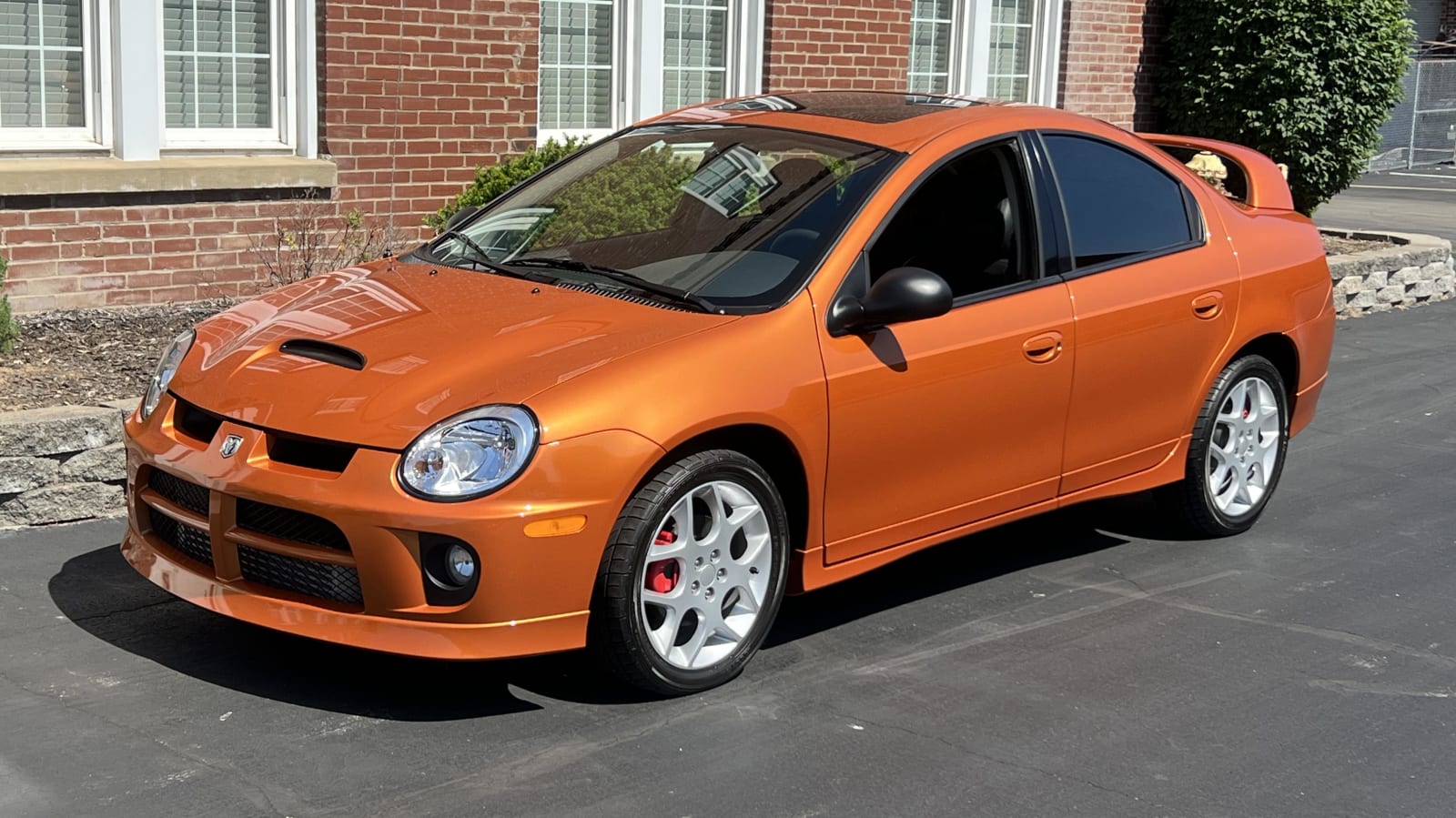
The Dodge Neon was one of the most recognizable compact cars of its time, known for its affordability and distinctive design. It appealed to a wide range of buyers, from first time drivers to enthusiasts who appreciated its performance potential. For many years, it was a staple of American roads.
Despite its popularity, the Neon faced several challenges that contributed to its decline. Reliability issues were a major concern, with many owners reporting problems with engines, transmissions, and build quality. These issues became more pronounced as the cars aged, leading to higher maintenance costs.
Another factor was the changing expectations of consumers. As the compact car segment evolved, buyers began to prioritize comfort, technology, and refinement. The Neon, with its basic interior and limited features, struggled to keep up with these demands.
The car also became a common target for modification, which, while appealing to enthusiasts, often led to poorly maintained examples. Many Neons were driven hard and not properly cared for, which accelerated their disappearance from the road.
Today, the Dodge Neon is rarely seen in everyday traffic. Its decline reflects both its initial shortcomings and the broader evolution of the compact car market.
8. Buick Rainier
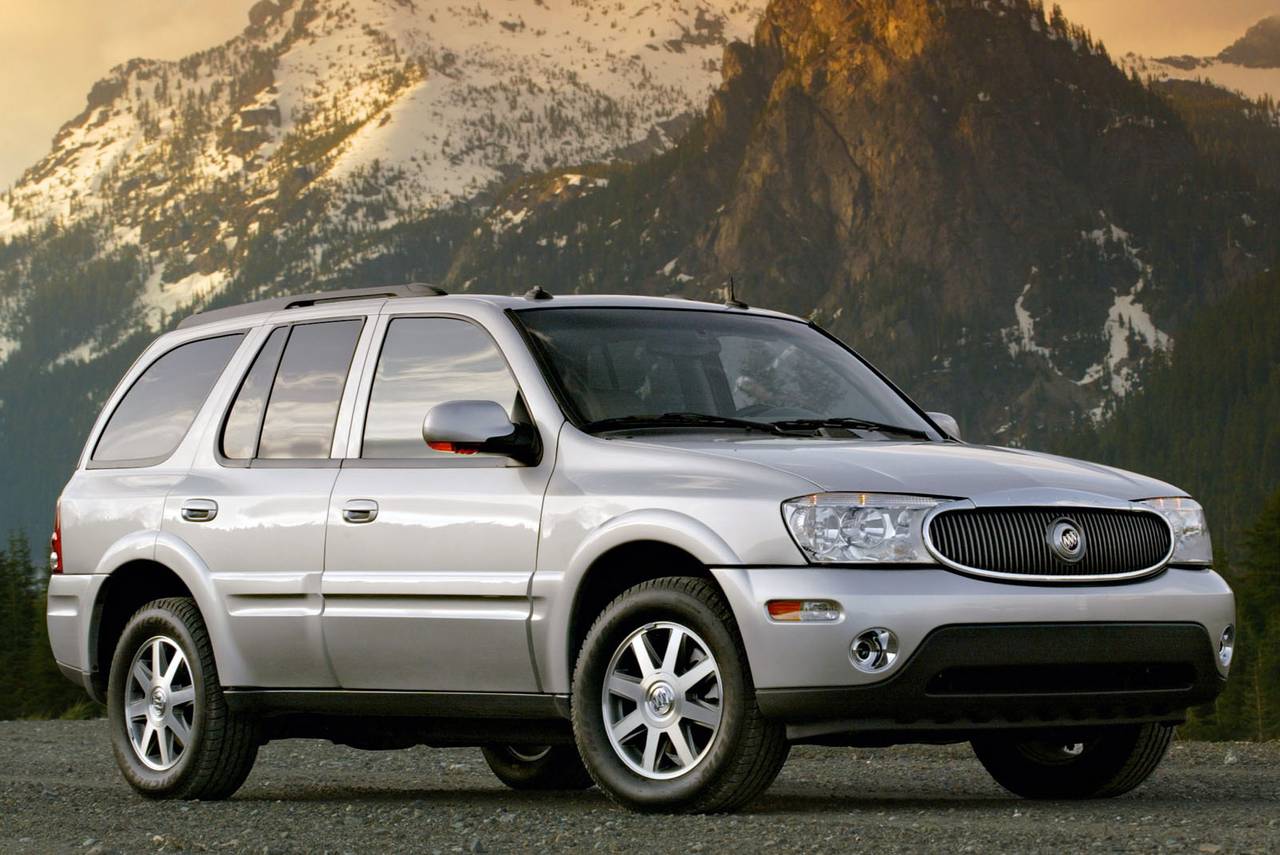
The Buick Rainier was part of a family of midsize SUVs developed by General Motors, sharing its platform with models like the Chevrolet TrailBlazer and GMC Envoy. It was designed to offer a more upscale experience, with improved comfort and styling aimed at attracting premium buyers.
While the Rainier had its strengths, it struggled to establish a clear identity. It was often seen as too similar to its siblings, which made it less distinctive in a competitive market. Buyers looking for luxury SUVs often turned to more established brands, while those seeking value opted for its more affordable counterparts.
Another issue was timing. The Rainier was introduced during a period of rapid change in the SUV market, with newer models offering better efficiency, technology, and design. As a result, it quickly became outdated compared to its competitors.
Reliability and maintenance costs also played a role in its decline. As these vehicles aged, they became more expensive to maintain, leading many owners to replace them rather than invest in repairs.
According to automotive sources, vehicles like the Rainier have become so rare that they are “unlikely to pop up” even in used listings, highlighting their disappearance from the market . Today, the Buick Rainier is a seldom seen reminder of a transitional period in SUV design.
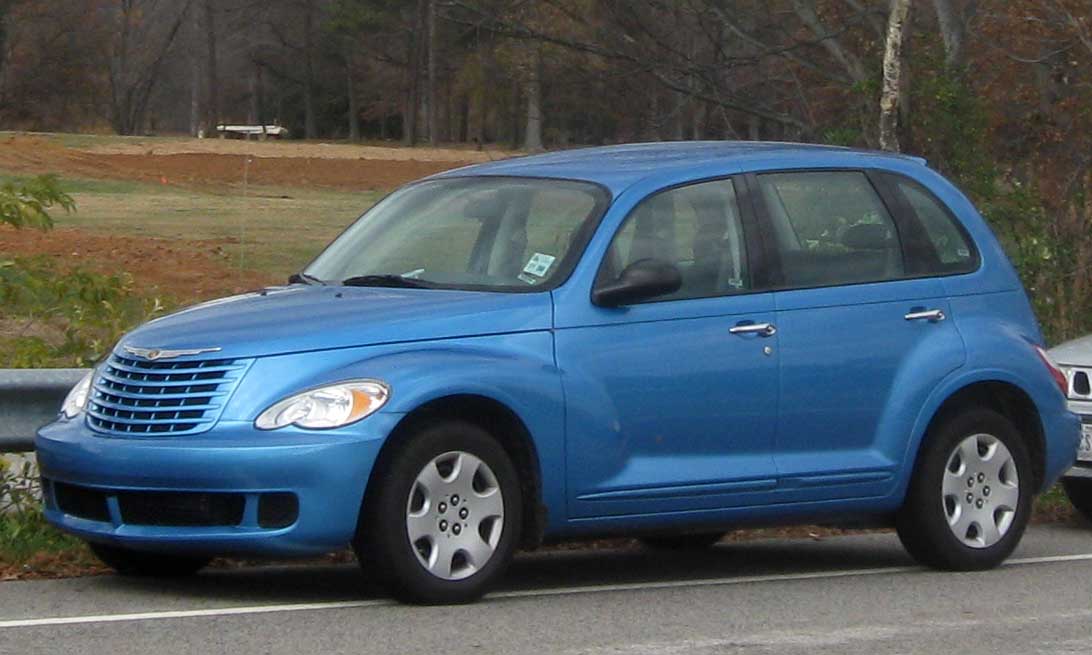
9. Chrysler PT Cruiser
The Chrysler PT Cruiser was one of the most distinctive cars of the 2000s, known for its retro inspired design. When it was first introduced, it generated significant interest and quickly became a popular choice among buyers looking for something different. Its unique styling and practical interior made it stand out in a crowded market.
However, the PT Cruiser’s appeal began to fade over time. While its design was initially seen as charming, it eventually became polarizing, and newer vehicles with more modern aesthetics began to overshadow it. Additionally, its performance and fuel efficiency were not particularly competitive, which further reduced its appeal.
Reliability issues also contributed to its decline. Owners reported problems with engines, transmissions, and other components, which made long term ownership less attractive. As these cars aged, many were retired due to the cost of repairs.
The PT Cruiser also suffered from changing market trends. As crossovers and SUVs became more popular, demand for compact retro styled vehicles declined. This shift left the PT Cruiser without a clear place in the market.
Today, the Chrysler PT Cruiser is becoming increasingly rare on American roads. Its disappearance reflects both its initial success and its inability to adapt to changing consumer preferences.
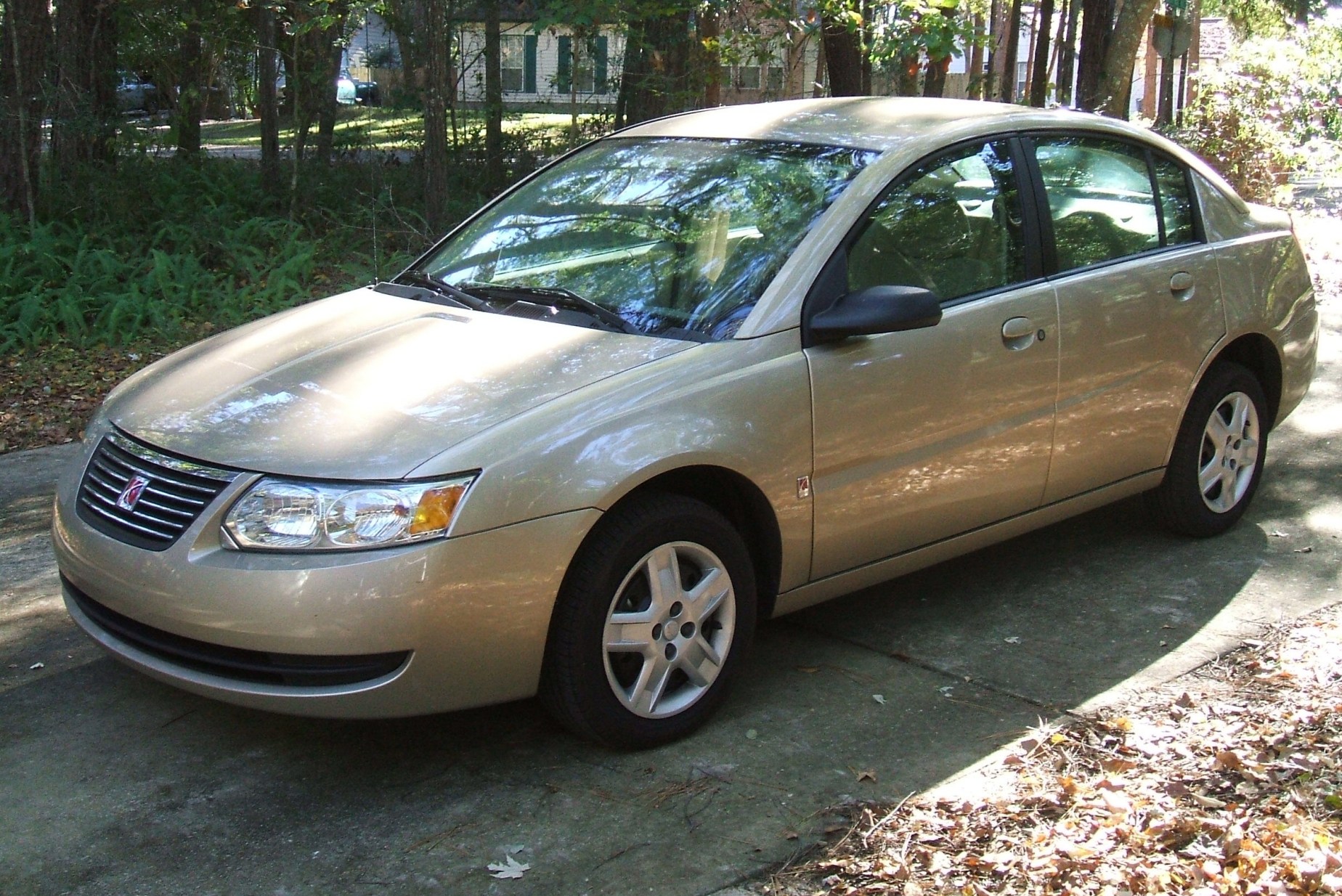
10. Saturn Ion
The Saturn Ion was part of General Motors’ effort to create a different kind of car brand, focusing on innovation and customer experience. The Ion featured unique design elements, such as a center mounted instrument cluster, and aimed to offer a fresh alternative in the compact car segment.
Despite these innovations, the Ion struggled to gain widespread acceptance. Its unconventional design choices were not universally appreciated, and some drivers found them confusing or impractical. This limited its appeal compared to more traditional competitors.
Build quality and reliability were also concerns. While the Ion offered some advantages, it lacked the refinement and durability of leading compact cars. This made it less attractive to buyers looking for long term value.
The decline of the Saturn brand itself played a major role in the Ion’s disappearance. When General Motors discontinued Saturn, support for its vehicles diminished, making ownership less appealing. As a result, many Ions were eventually phased out of regular use.
Today, the Saturn Ion is rarely seen on American roads. Its disappearance marks the end of an experiment in automotive branding and design, and it serves as a reminder of how quickly a car can fade when it lacks lasting appeal.
