
Tow truck drivers play a critical role in keeping roads safe and traffic flowing smoothly. Every day, they respond to breakdowns, accidents, mechanical failures, and roadside emergencies involving a wide range of vehicles. While many people think towing work is mostly about removing crashed cars, the reality is far more diverse. Tow truck operators encounter everything from heavy commercial trucks to family SUVs, each with unique challenges, risks, and recovery procedures.
One of the most common aspects of this profession is the variety of trucks and large vehicles that end up stranded on highways, city roads, and industrial routes. These vehicles often require specialized towing equipment, advanced safety precautions, and experienced operators who understand weight distribution, braking failures, and cargo stability.
Unlike smaller passenger cars, trucks tend to break down in more complicated ways and in more dangerous locations, such as high-speed highways or remote transport corridors.
Tow truck drivers often report that certain types of trucks appear repeatedly in roadside incidents. These include long-haul semi trucks, delivery vans, construction vehicles, and tankers carrying liquids or fuel. Each category brings its own set of challenges. For example, a loaded dump truck stuck on a slope presents a different recovery scenario compared to a broken-down bus with passengers onboard. Weather conditions, road design, and traffic density also play a major role in how frequently these incidents occur.
Understanding which vehicles appear most often on the side of the road helps explain broader patterns in transportation safety and logistics stress. Heavy usage, long operating hours, driver fatigue, and mechanical strain are all contributing factors. In commercial transport, especially, tight delivery schedules can increase the likelihood of breakdowns or accidents.
In this article, we will explore nine of the most common trucks and large vehicles that tow truck drivers see on the roadside. Each section breaks down why these vehicles end up needing assistance, what challenges they present during towing, and what makes them a frequent sight for recovery professionals.
From semi trucks to buses, this guide provides a detailed look at real-world roadside recovery patterns and the vehicles most often involved.
Also Read: 10 Cars With Insurance Premiums Lower Than a Compact Sedan
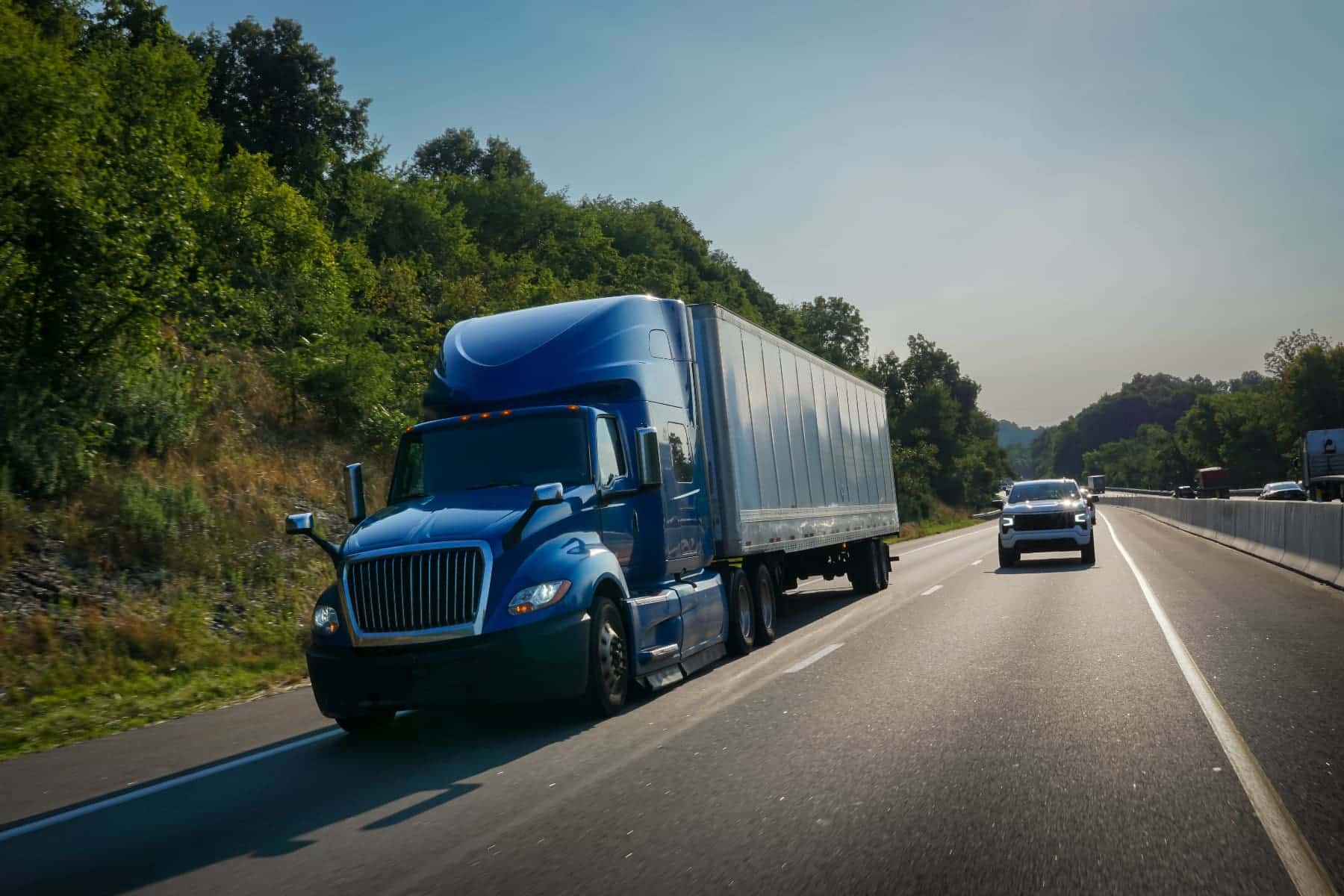
1. Semi Truck (Tractor Trailer)
Semi trucks are one of the most frequently encountered vehicles by tow truck operators on highways and major transport routes. These massive freight carriers are essential to supply chains, but their heavy usage and long-distance travel make them highly susceptible to breakdowns. Engine failures, tire blowouts, and brake overheating are common issues that lead to roadside stops. Because they often carry heavy loads, even a minor mechanical issue can turn into a major recovery operation.
One of the biggest reasons semi trucks end up on the roadside is continuous long-haul driving. These vehicles often travel thousands of kilometers without long breaks, which puts extreme stress on engines, gear systems, and cooling components. Over time, even well-maintained trucks can suffer unexpected breakdowns simply due to constant use.
Another major factor is the weight of the cargo they carry. Fully loaded trailers put enormous pressure on tires, axles, and braking systems. When something fails, the truck can become completely immobile, often in dangerous highway conditions where space and time are limited for recovery operations.
Weather also plays a huge role in semi-truck breakdowns. Rain, fog, and snow reduce traction and visibility, increasing the chances of jackknifing or sliding off the road. In many cases, tow truck drivers must coordinate with traffic control to safely recover these vehicles without causing secondary accidents.
Mechanical systems in semi trucks are highly complex, and even small issues like air brake leaks or fuel system faults can bring the entire vehicle to a halt. Since these trucks are vital for the logistics and transport industries, they are among the highest priority recovery jobs for towing professionals.
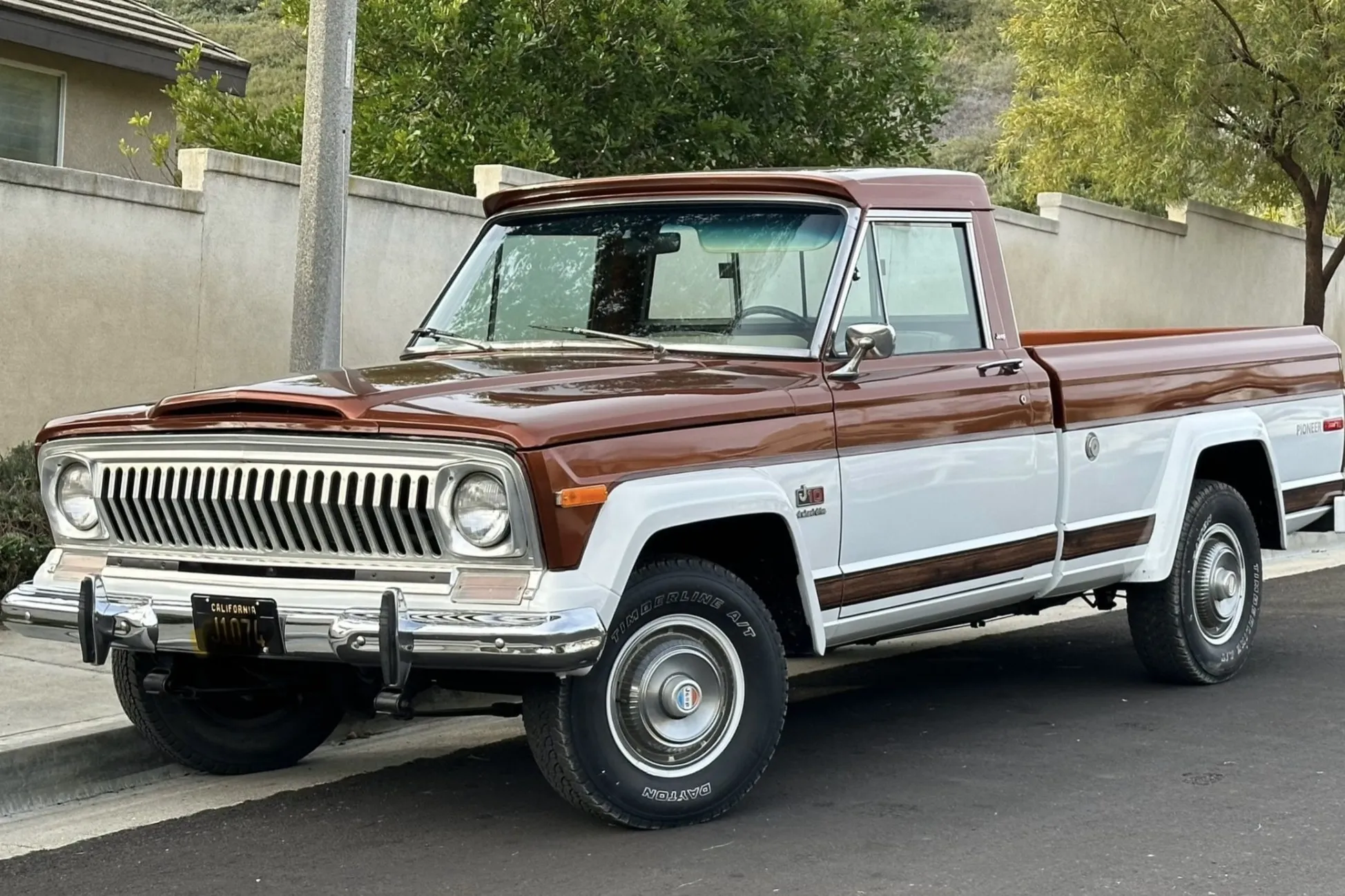
2. Pickup Truck
Pickup trucks are among the most common vehicles that tow truck drivers encounter on both highways and rural roads. Their popularity for personal, commercial, and agricultural use means they are constantly on the move, often under heavy loads or in challenging terrain. This increases the likelihood of breakdowns and roadside incidents.
A major reason pickup trucks require towing is overloading. Many owners use them for tasks beyond their designed capacity, such as hauling construction materials, towing heavy trailers, or transporting machinery. This puts stress on the engine, suspension, and transmission, leading to overheating or sudden failure.
Pickup trucks are also widely used in off-road environments like farms, construction sites, and rural paths. These conditions expose vehicles to mud, uneven terrain, and water crossings, which can easily result in vehicles getting stuck or damaged.
Another common issue is tire failure. Because pickup trucks are often driven on rough surfaces, tire punctures, sidewall damage, and blowouts are frequent. When this happens in remote areas, towing becomes necessary even for relatively minor issues.
Despite being built for durability, pickup trucks still suffer from electrical and battery problems, especially in older models or poorly maintained vehicles. Their versatility makes them one of the most frequently assisted vehicle types on the road.
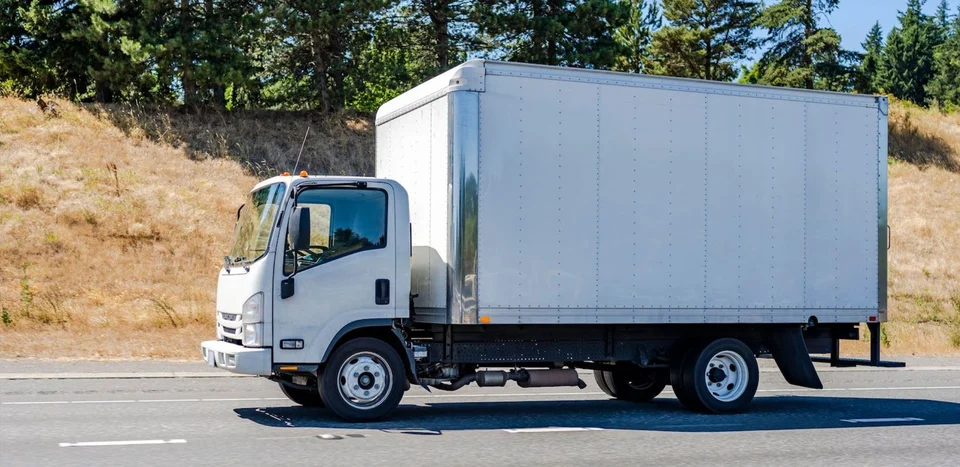
3. Box Truck
Box trucks are a staple of local and regional delivery services, making them a regular sight for tow truck drivers. These medium-duty trucks are used to transport goods ranging from furniture to retail inventory. Their constant stop-and-go usage in urban environments increases mechanical stress, making breakdowns relatively common.
One of the biggest issues with box trucks is overheating. Since they often operate in dense city traffic with frequent braking and acceleration, the engine cooling system works continuously. If maintenance is neglected, this can quickly lead to engine failure.
Transmission wear is another major concern. Box trucks carry significant loads and frequently shift gears in traffic conditions. Over time, this constant strain can cause gear slipping or a complete transmission breakdown.
Urban environments also expose box trucks to tight driving conditions. Narrow streets, loading docks, and congested roads increase the risk of minor collisions or scraping incidents that can immobilize the vehicle.
Brake systems also face heavy stress due to frequent stopping. Combined with heavy cargo loads, this leads to faster wear and higher chances of roadside failure, especially in older delivery fleets.
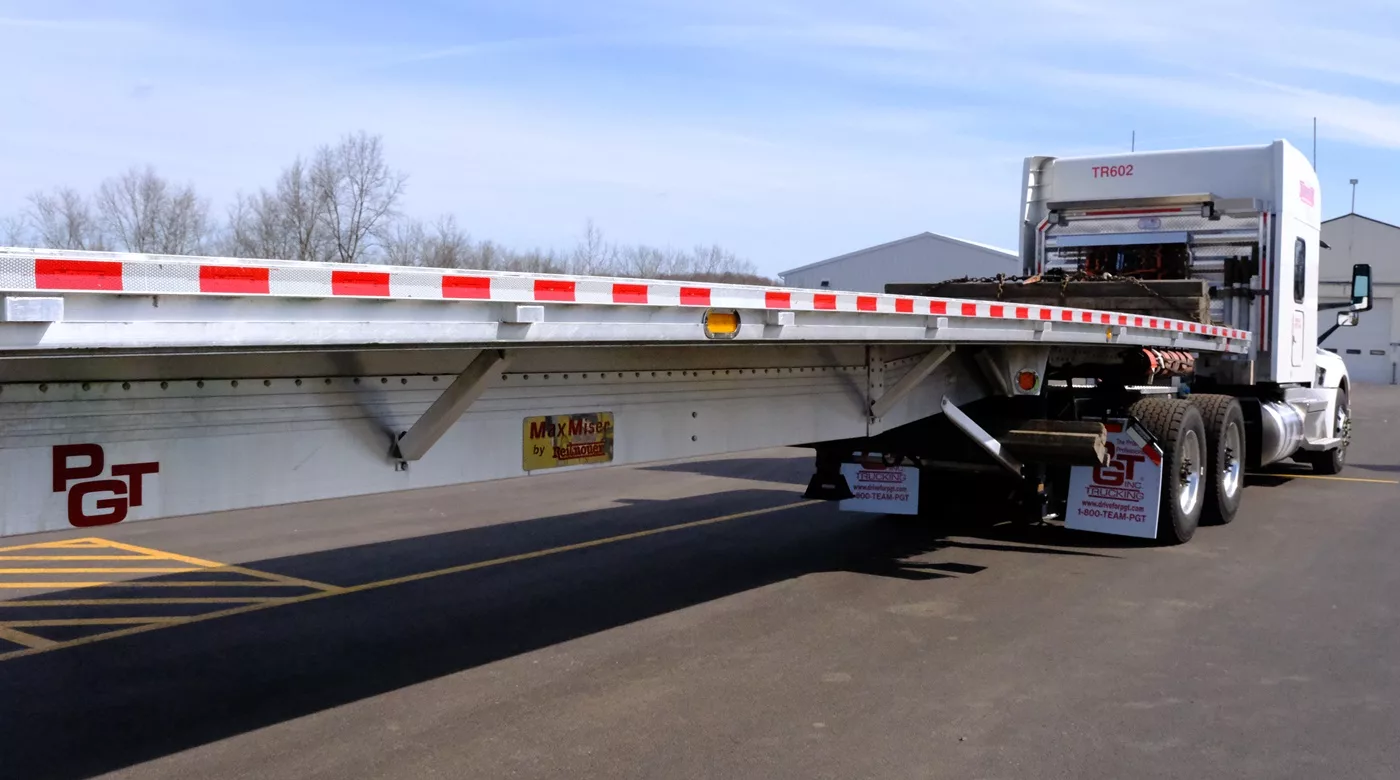
4. Flatbed Truck
Flatbed trucks are widely used in construction, equipment transport, and vehicle hauling, which makes them frequent candidates for roadside assistance. Their open platform design allows for flexible cargo loading, but also introduces stability challenges depending on how loads are secured.
One of the most common problems is cargo shifting. If equipment or materials are not properly secured, they can move during transport and destabilize the truck. This can lead to accidents or mechanical strain that requires towing assistance.
Flatbed trucks are also frequently used in construction zones, where roads are uneven, muddy, or unfinished. These conditions increase the chances of getting stuck or damaging suspension systems.
Brake failure is another concern, especially when flatbeds carry heavy machinery. The stopping force required is significantly higher, which puts continuous pressure on braking systems during long hauls.
In accident scenarios, flatbed trucks can be difficult to recover because their cargo often adds extra weight and imbalance. Tow truck operators must carefully plan lifting and towing procedures to avoid further damage or safety risks.
5. Dump Truck
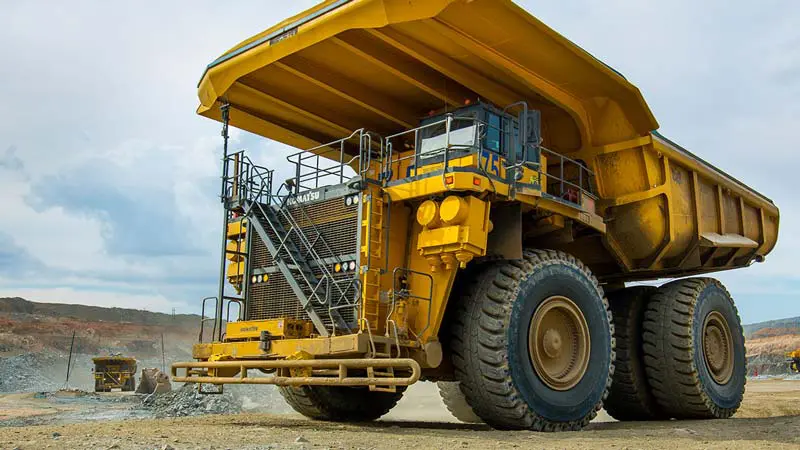
Dump trucks are essential in construction and mining operations, but their heavy loads and rugged usage make them frequent roadside recovery cases. These vehicles often carry gravel, sand, soil, or debris, which puts extreme pressure on their hydraulic and braking systems.
Hydraulic system failure is one of the most common issues in dump trucks. When the lifting mechanism fails, the truck bed may become stuck in an elevated or partially raised position, making it unsafe and immobile.
Overloading is another major cause of breakdowns. Dump trucks are often pushed beyond recommended weight limits on job sites, leading to tire blowouts, axle stress, and suspension damage.
These trucks also operate in extremely rough environments such as construction zones, mining areas, and unpaved roads. Uneven terrain increases the risk of tipping, getting stuck, or damaging critical components.
Continuous heavy-duty operation means engines and transmissions are under constant strain. Combined with short, repetitive hauling cycles, this leads to faster wear and a higher likelihood of roadside failure.
6. Tanker Truck
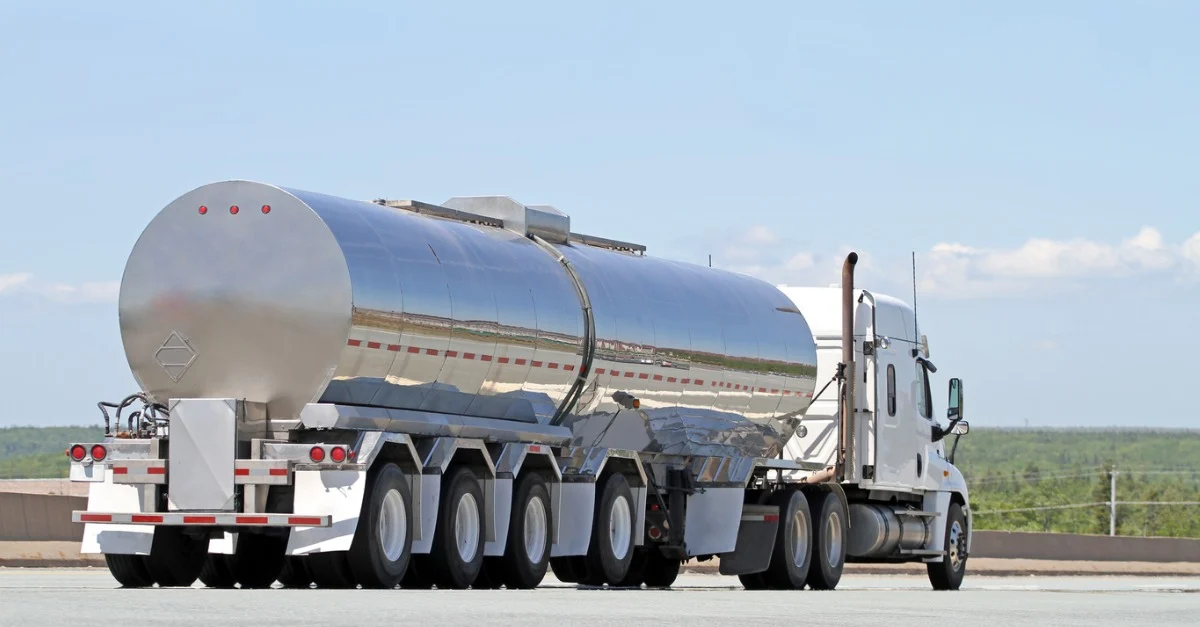
Tanker trucks are some of the most sensitive and high-risk vehicles on the road due to the liquid or gas they transport. These trucks require specialized handling even during normal operation, and breakdowns can be especially complex. Because they often carry fuel, chemicals, or other liquid cargo, even a minor roadside incident can turn into a serious safety situation requiring immediate professional response.
One of the biggest challenges with tanker trucks is the movement of liquid cargo inside the tank. Unlike solid cargo, liquids shift constantly during acceleration, braking, and turning. This phenomenon, known as liquid surge, can affect vehicle balance and make it harder for drivers to maintain control, especially at high speeds or during sudden maneuvers.
Mechanical failures in tanker trucks are also particularly dangerous. Brake issues, tire blowouts, or engine failures must be handled with extreme caution due to the potential risk of spills or leaks. In some cases, tow truck operators must first secure the area before even beginning the recovery process.
Environmental conditions also play a major role in tanker truck incidents. Extreme heat can increase pressure inside the tank, while cold temperatures can affect fluid viscosity and tank integrity. Both conditions can lead to operational failures that leave the vehicle stranded.
Because of the hazardous nature of their cargo, towing a tanker truck requires strict safety protocols. Operators often need specialized training and equipment to ensure that the recovery process does not cause environmental damage or safety hazards for nearby traffic.
Also Read: 10 Cars That Survive Being Used as Daily Uber Vehicles
7. Delivery Van
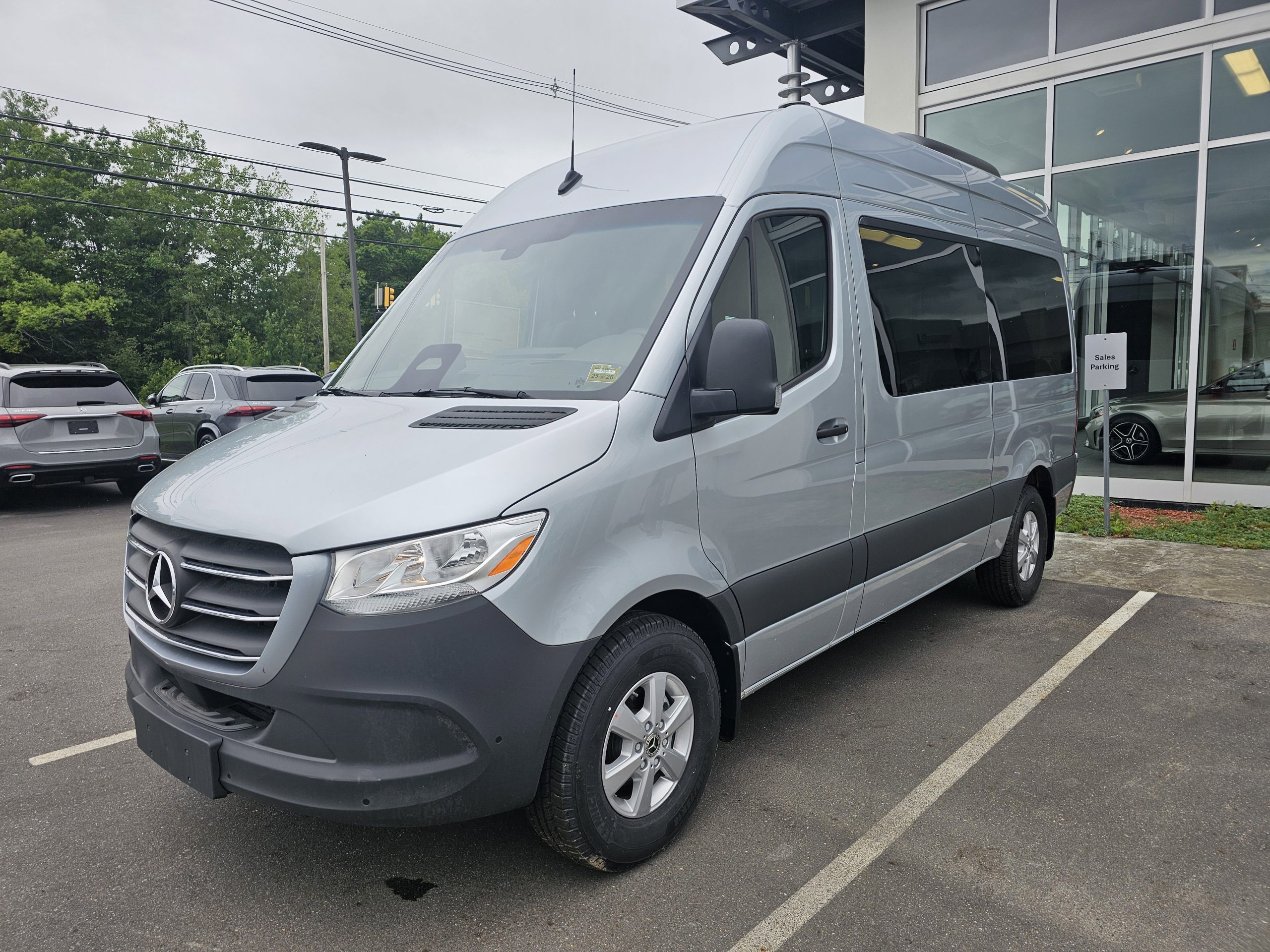
Delivery vans are everywhere in urban and suburban areas, making them a frequent sight for tow truck drivers. Their constant use in logistics and e-commerce delivery services means they are rarely idle, which significantly increases wear and tear on their mechanical systems. These vehicles operate under tight schedules, often making dozens or even hundreds of stops per day.
One of the most common issues with delivery vans is engine strain caused by continuous stop-and-go driving. Unlike highway driving, urban delivery routes require constant acceleration and braking, which places heavy stress on engines and fuel systems over time.
Brake wear is another frequent problem. Delivery vans are constantly stopping at intersections, loading zones, and residential addresses. This repeated braking leads to faster deterioration of brake pads and rotors, increasing the chances of sudden failure.
Tire damage is also common due to urban driving conditions. Potholes, curbs, and uneven roads contribute to frequent punctures or sidewall damage. Since delivery schedules are strict, even minor tire issues can result in immediate roadside breakdowns requiring towing.
In addition, electrical issues are increasingly common in modern delivery vans due to GPS systems, onboard computers, and delivery tracking technology. When these systems fail, it can sometimes disable the vehicle or require roadside assistance.
8. SUV (Sport Utility Vehicle)
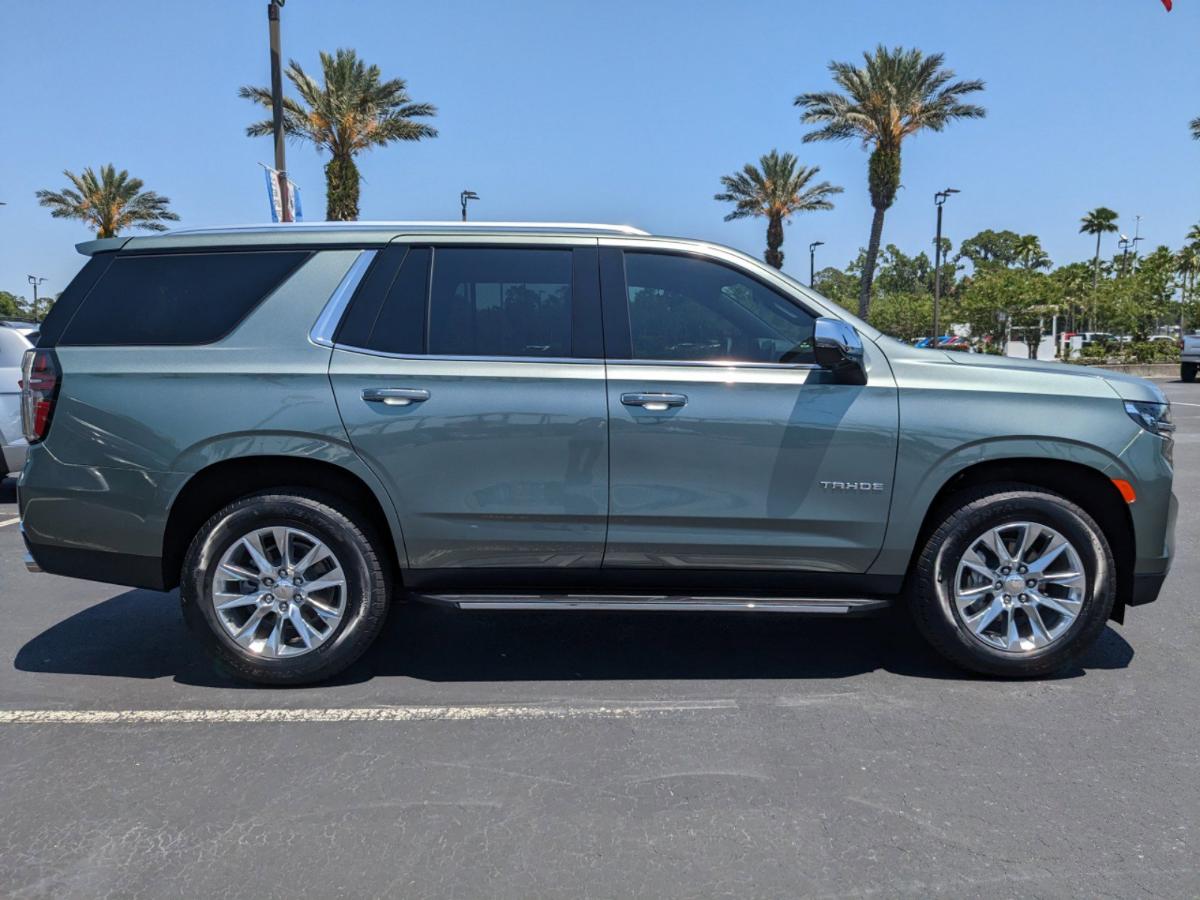
SUVs are among the most widely used personal vehicles, and tow truck drivers frequently encounter them on highways, rural roads, and city streets. Their size, weight, and versatility make them popular for families and long-distance travel, but they are also prone to specific mechanical and driving-related issues.
One common problem is transmission strain. Many SUVs are used for towing trailers, boats, or heavy loads, which places additional stress on the drivetrain. Over time, this can lead to overheating or complete transmission failure, leaving the vehicle stranded.
Another major issue is the higher center of gravity in SUVs. While this design provides better visibility and off-road capability, it also increases the risk of rollovers during sharp turns or sudden evasive maneuvers. This is especially common in high-speed highway accidents.
SUVs also experience frequent battery and electrical system failures. Modern SUVs come equipped with advanced electronics such as navigation systems, sensors, and entertainment units, all of which place additional demand on the electrical system.
Despite their rugged reputation, SUVs are often used for long-distance travel, family vacations, and daily commuting. This constant usage increases wear on components like brakes, suspension systems, and tires, making roadside breakdowns relatively common for tow truck operators.
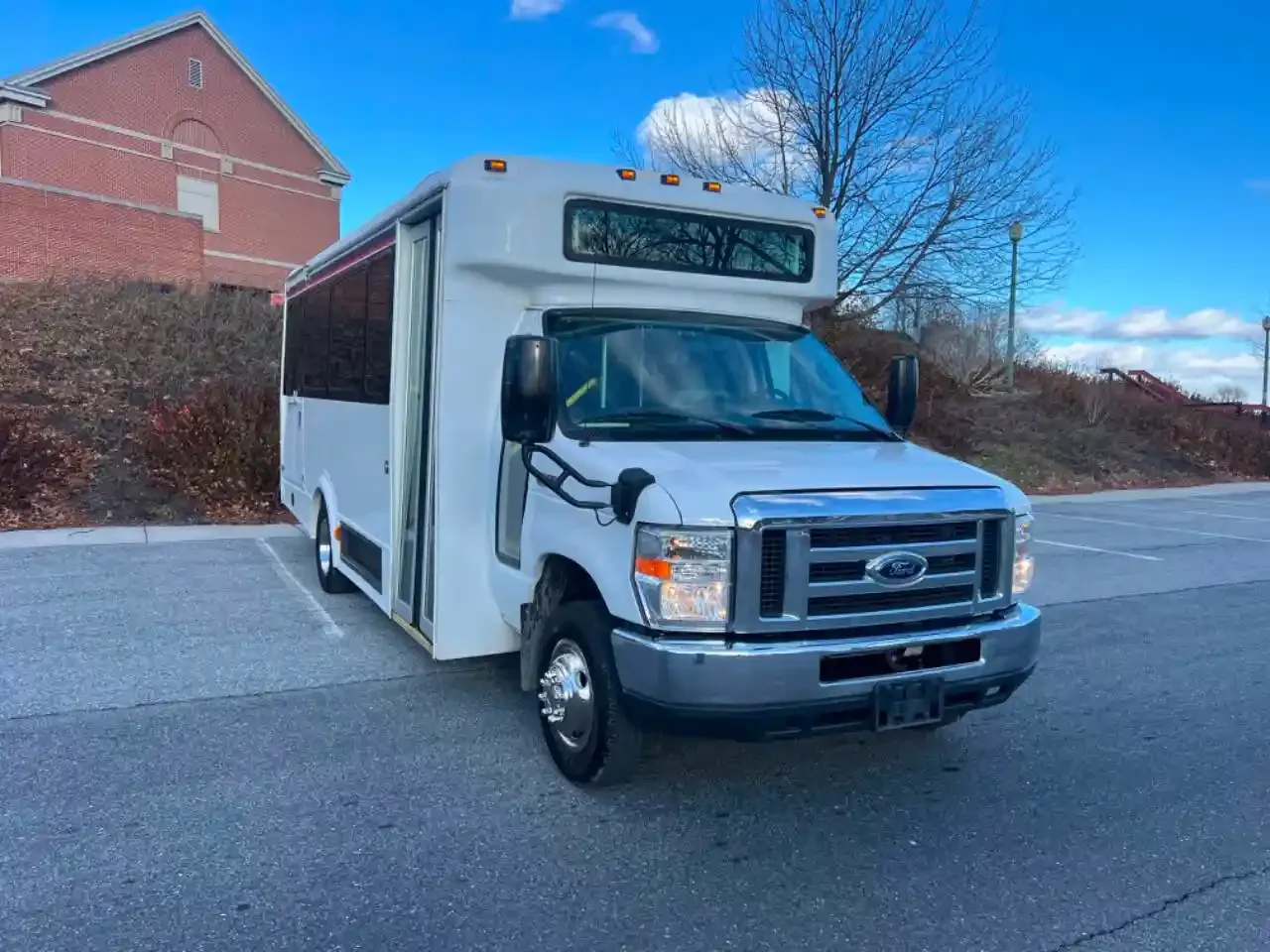
9. Bus
Buses, including city transit buses, school buses, and long-distance coaches, are among the largest passenger vehicles that tow truck drivers deal with. When they break down, the situation is often more complex than with other vehicles due to the number of passengers involved and the size of the vehicle itself.
Engine failures in buses are often caused by long operating hours and continuous use. Public transport buses, in particular, run almost all day with minimal downtime, which puts extreme pressure on engines and cooling systems.
Brake system issues are especially critical in buses due to their weight and passenger capacity. A failure in the braking system can be extremely dangerous, so even minor brake problems often result in immediate roadside stops and towing requests.
Passenger safety adds another layer of complexity to bus recovery operations. In many cases, passengers must be safely evacuated and transported before towing can even begin. This requires coordination between towing services, transport authorities, and sometimes emergency responders.
Traffic disruption is another major issue when a bus breaks down. Due to their size, buses often block lanes or entire sections of road, especially in narrow city streets or busy highways. This makes them high-priority recovery cases that require quick and efficient towing operations.
Buses also suffer from suspension wear due to constant passenger loads and uneven road conditions. Over time, this leads to mechanical failures that increase the likelihood of roadside breakdowns, making them a frequent challenge for tow truck drivers.
