
Diesel trucks have built a reputation for durability, towing power, and long-term value. Many buyers choose diesel pickups because they expect them to survive hundreds of thousands of miles with proper maintenance. In many cases, that reputation is well deserved.
Certain diesel trucks are known for engines that seem nearly indestructible, transmissions that handle years of heavy work, and drivetrains that continue performing under tough conditions. These trucks become favorites among contractors, ranchers, fleet owners, and enthusiasts who value reliability more than flashy technology.
However, not every diesel truck lives up to the legend. Some models suffer from expensive emissions failures, weak transmissions, injector problems, turbocharger issues, or catastrophic engine damage long before owners expect serious repairs.
The diesel truck market has evolved significantly over the last three decades. Earlier diesel pickups focused heavily on simplicity and mechanical durability. Many older engines lacked modern emissions systems, making them easier and cheaper to maintain.
As environmental regulations became stricter, manufacturers introduced advanced exhaust treatment systems, variable geometry turbochargers, diesel particulate filters, and exhaust gas recirculation systems. While these technologies reduced emissions, they also increased complexity.
Some manufacturers adapted successfully, while others released engines that developed costly reliability problems. As a result, certain diesel trucks became legendary for longevity while others earned reputations for spending more time in repair shops than on the road.
Truck reliability depends on more than just the engine. Transmission strength, cooling systems, fuel delivery systems, suspension durability, electrical reliability, and build quality all contribute to long-term ownership satisfaction. A diesel engine may be capable of lasting 500,000 miles, but repeated transmission failures or electrical issues can still make ownership frustrating and expensive. Maintenance history also matters tremendously.
Even highly respected diesel engines can fail prematurely if neglected, abused, or modified improperly. Conversely, some problematic trucks can survive for years when maintained carefully and driven responsibly. Still, patterns emerge over time, and experienced mechanics, owners, and fleet operators consistently identify certain trucks as dependable workhorses while warning buyers away from others.
This article examines five diesel trucks that have built strong reputations for durability and long-term dependability, followed by five diesel trucks that are widely known for expensive reliability issues and premature breakdowns.
The goal is not to attack specific brands but to provide a balanced understanding of which trucks tend to reward owners over the long run and which models deserve caution before purchase. Whether you are shopping for a used diesel truck, researching long-term ownership costs, or simply interested in diesel pickup history, understanding these reliability trends can save thousands of dollars and countless headaches.
A diesel truck is often a major investment, and knowing which models truly hold up can make all the difference between years of dependable service and endless repair bills.
Also Read: 10 Cars With Insurance Premiums Lower Than a Compact Sedan
5 Diesel Trucks That Hold Up
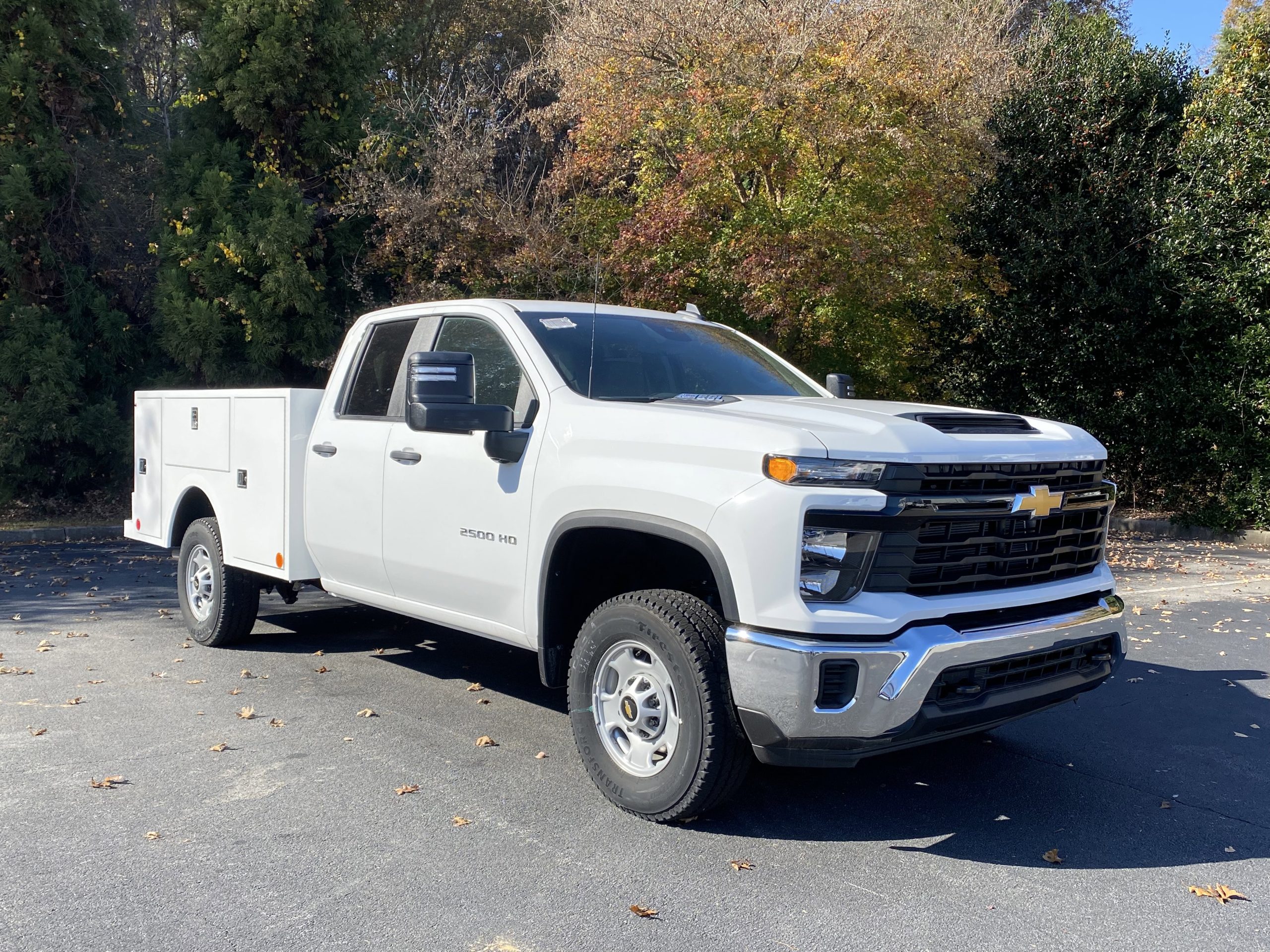
1. Chevrolet Silverado 2500HD
The LBZ Duramax-powered Chevrolet Silverado 2500HD is widely regarded as one of the most durable modern diesel trucks ever built, and its reputation is not based on hype but on long-term real-world performance.
This engine marked a sweet spot in diesel development where manufacturers had already refined earlier mistakes but had not yet been burdened by the most restrictive emissions systems. As a result, the LBZ combined strong horsepower, excellent torque delivery, and mechanical resilience in a way that few diesel engines have matched since. Many owners describe it as the last era of truly simple yet powerful diesel engineering from General Motors.
One of the most important reasons for the LBZ’s legendary status is its refined version of the Duramax architecture. Earlier Duramax engines, while strong, were known for injector weaknesses and occasional reliability concerns under heavy towing conditions.
The LBZ addressed many of these flaws by improving internal components, fuel system durability, and engine tuning. This allowed it to handle sustained towing loads without the same level of stress that affected earlier generations. Paired with the highly respected Allison automatic transmission, the truck created a powertrain combination that became a benchmark for heavy-duty reliability.
Owners frequently report that LBZ trucks can easily exceed 300,000 miles without requiring major engine rebuilds, provided maintenance is consistent. This level of longevity is particularly impressive considering many of these trucks are used for commercial work, towing heavy trailers, or operating in demanding environments.
The engine’s ability to maintain compression, fuel efficiency, and stable oil consumption over long distances contributes heavily to its reputation. It is not uncommon to find well-maintained examples still performing strongly after two decades of use.
Another major advantage of this truck is the relative absence of complex emissions systems compared to newer diesel vehicles. Without diesel particulate filters or overly complicated exhaust after-treatment systems, the LBZ avoids many of the expensive repair cycles that plague modern diesel trucks. This simplicity reduces maintenance costs and eliminates many failure points that often lead to limp mode, reduced power, or costly sensor replacements in newer models.
From a driving perspective, the LBZ also strikes a strong balance between power and control. It delivers smooth acceleration, strong mid-range torque, and consistent towing performance even under heavy load conditions.
Whether hauling equipment, trailers, or recreational loads, the truck maintains stability and confidence on highways and steep grades. Combined with a durable chassis and well-designed suspension, the Silverado 2500HD LBZ remains one of the most respected diesel trucks in both professional and enthusiast communities.
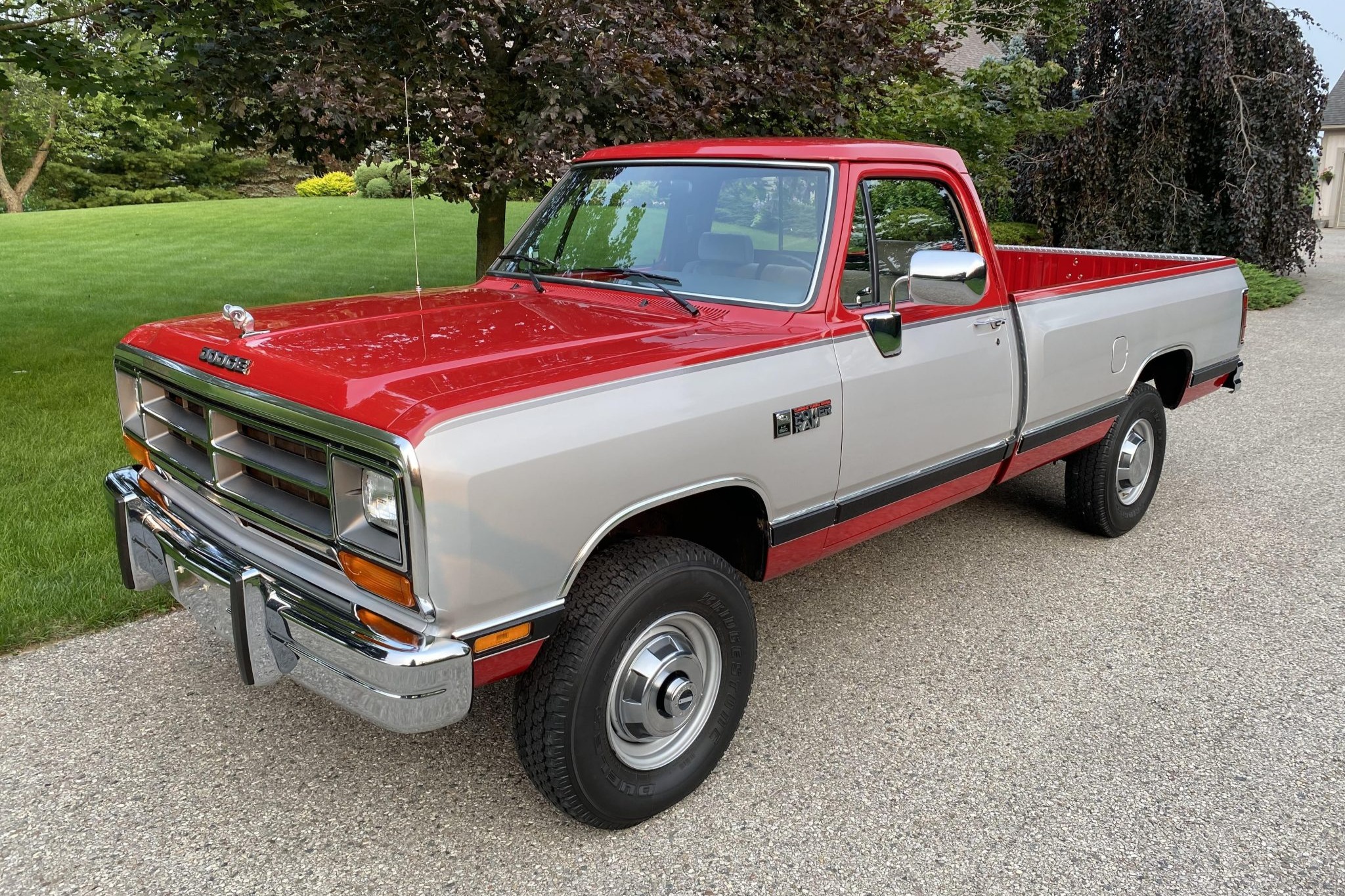
2. Dodge Ram 2500 and 3500
The 12-valve Cummins-powered Dodge Ram trucks represent one of the most iconic and mechanically respected diesel platforms in automotive history.
Built during a time when diesel engineering prioritized simplicity, durability, and ease of maintenance over emissions compliance or advanced electronics, these trucks became the foundation of Cummins’ legendary reputation in the pickup truck market. Even decades later, they remain highly sought after by enthusiasts, farmers, and commercial operators who value long-term reliability above all else.
At the heart of the truck is the inline six-cylinder 5.9-liter Cummins engine, which is often praised for its overbuilt internal design. The engine was not designed to operate near its limits, which is one of the key reasons it has survived in so many high-mileage applications.
Forged internal components, a strong cast iron block, and a mechanical fuel injection system contribute to a level of durability that modern electronically controlled diesel engines often struggle to match. Many examples are known to surpass 400,000 or even 500,000 miles with basic maintenance routines.
The mechanical injection pump is another defining feature that sets this engine apart from modern diesel systems. Unlike electronically controlled fuel injection systems that rely on multiple sensors and computer calibration, the mechanical system is simpler, more predictable, and easier to diagnose.
This makes the engine particularly appealing in remote or rural environments where access to advanced diagnostic tools may be limited. Repairs are often straightforward, and many owners are able to perform maintenance themselves without specialized equipment.
Another key strength of the 12-valve Cummins is its ability to handle power upgrades without sacrificing durability. Many owners modify these engines to produce significantly more horsepower and torque than factory specifications, yet the engine block and internal components are often capable of handling these increases without catastrophic failure.
This flexibility has made the platform extremely popular in performance diesel communities, where reliability under increased stress is highly valued.
Although the interior and comfort features of these trucks are relatively basic compared to modern pickups, their mechanical strength more than compensates for the lack of luxury. The chassis is rugged, the drivetrain is simple, and the engineering philosophy emphasizes long-term serviceability. As a result, these trucks continue to be used as daily drivers, work trucks, and restoration projects, proving that good engineering can stand the test of time without relying on complexity.
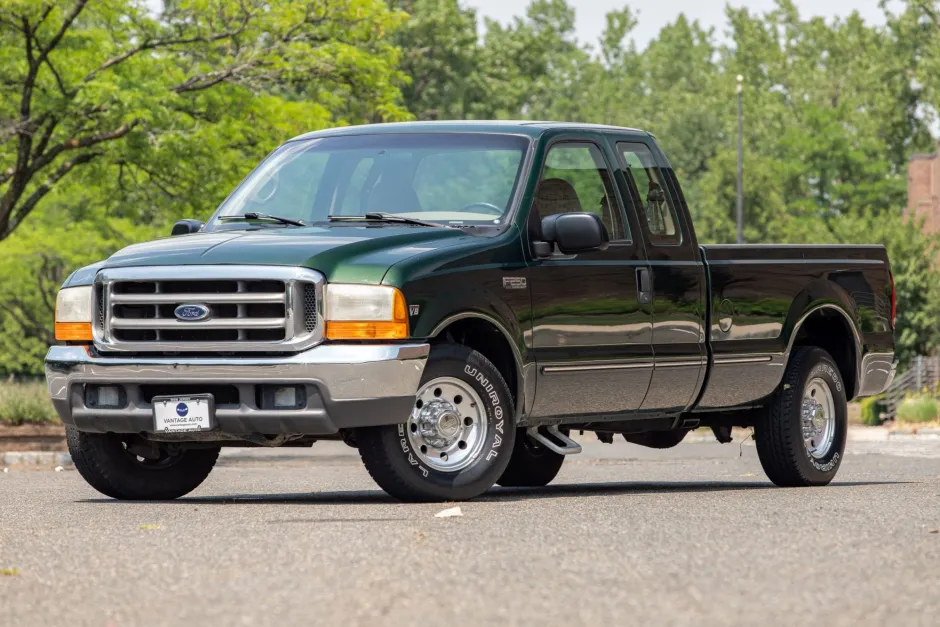
3. Ford 250 Super Duty
The introduction of the 6.7 Power Stroke engine marked a turning point for Ford diesel trucks, restoring confidence after years of criticism surrounding earlier Power Stroke models.
Developed in-house by Ford, this engine was designed to compete directly with Cummins and Duramax offerings while addressing the reliability issues that had previously damaged Ford’s diesel reputation. The result was a modern, powerful, and significantly more dependable diesel platform that quickly became popular among commercial users and heavy-duty truck buyers.
One of the most impressive aspects of the 6.7 Power Stroke is its engineering foundation. The engine uses a compacted graphite iron block, which provides excellent strength while reducing weight compared to traditional cast iron designs.
This allows the engine to handle high combustion pressures associated with modern diesel performance while maintaining structural integrity over long periods of use. Combined with advanced fuel injection technology, the engine delivers strong torque output and improved fuel efficiency compared to earlier generations.
Owners frequently praise the engine’s smooth power delivery and quiet operation. Unlike older diesel engines that often produced significant noise and vibration, the 6.7 Power Stroke offers a refined driving experience that feels closer to a heavy-duty gasoline truck while still delivering diesel-level torque.
This makes it particularly suitable for long-distance towing, highway driving, and commercial transport applications where driver comfort is important.
The transmission pairing in these trucks also plays a major role in their reliability reputation. Ford’s heavy-duty automatic transmissions during this era were designed to handle increased torque loads without the same level of wear issues seen in earlier models. This created a more balanced powertrain system where both engine and transmission could operate under heavy load conditions without excessive strain.
While emissions systems such as diesel particulate filters and exhaust gas recirculation systems do introduce potential maintenance costs, the core engine design remains highly durable when properly maintained.
Many fleet operators have reported strong long-term performance with relatively predictable maintenance requirements. As a result, the 6.7 Power Stroke has become one of Ford’s most successful diesel engines, helping rebuild trust in the Super Duty lineup.
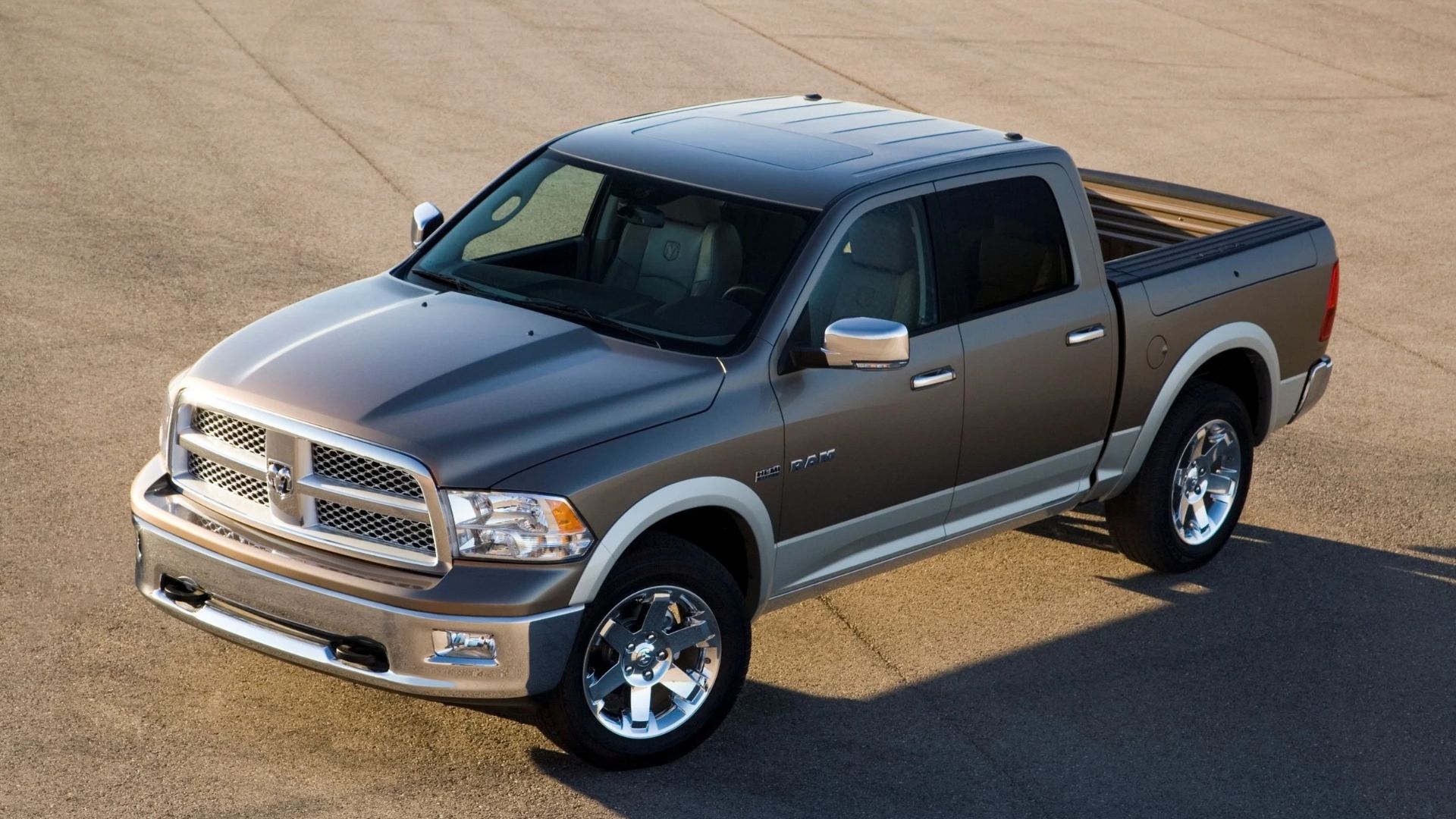
4. Dodge Ram
The early common rail 5.9 Cummins engines represent an important evolution in diesel technology, bridging the gap between mechanical simplicity and modern electronic fuel control.
These trucks introduced a more refined driving experience while maintaining much of the durability that had made earlier Cummins engines legendary. As a result, they are widely regarded as some of the best-balanced diesel trucks ever produced.
The common rail injection system allows for more precise fuel delivery, improving both performance and efficiency. This results in smoother acceleration, quieter operation, and better throttle response compared to earlier mechanical injection systems.
Despite the added electronic complexity, the underlying engine architecture remains extremely strong, allowing it to handle high mileage and heavy towing applications with relative ease.
One of the key advantages of this generation is the reduced emissions complexity compared to later diesel trucks. Without diesel particulate filters or highly restrictive exhaust treatment systems, these trucks avoid many of the costly failures that became common in newer diesel platforms. This makes them more predictable and often less expensive to maintain over the long term.
Owners consistently report strong towing performance, particularly in highway and load-bearing conditions. The engine produces excellent low-end torque, making it highly effective for hauling trailers, equipment, and heavy loads. Combined with a solid chassis and reliable drivetrain components, the truck became a favorite among both personal and commercial users.
Although automatic transmissions in some configurations required careful maintenance or upgrades for heavy towing use, manual transmission versions are especially respected for their durability. This combination of strong engine design and relatively simple architecture makes the early common rail 5.9 Cummins one of the most dependable diesel trucks of its era.
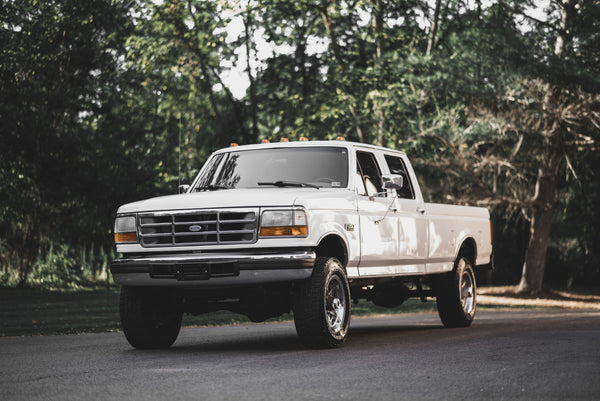
5. Ford Super Duty with the 7.3 Power Stroke
The 7.3 Power Stroke remains one of the most respected diesel engines ever installed in a pickup truck, and its reputation for reliability continues to influence diesel buyers today.
Introduced in the late 1990s, this engine was designed during a time when manufacturers prioritized mechanical durability over emissions compliance and advanced electronic systems. As a result, it became known for its exceptional longevity and ability to withstand years of heavy use.
The engine’s conservative tuning plays a major role in its durability. Rather than pushing for maximum horsepower, Ford engineered the 7.3 to operate within safe stress limits, ensuring that internal components experienced less wear over time. This approach significantly increased engine life expectancy and reduced the likelihood of catastrophic failure, even under demanding towing conditions.
Another strength of the 7.3 Power Stroke is its relatively simple electronic system compared to modern diesel engines. While it does include electronic controls, it avoids the complexity of newer emissions equipment and high-pressure fuel systems that often contribute to expensive repairs. This makes diagnostics and maintenance more straightforward for owners and mechanics alike.
The Super Duty platform itself also contributed to the truck’s reputation. With a strong frame, durable suspension, and reliable drivetrain components, the truck was built to handle commercial workloads. Many units were used in construction, agriculture, and fleet operations, where dependability was critical. The truck’s ability to remain operational under harsh conditions helped solidify its legendary status.
Even today, the 7.3 Power Stroke continues to be highly valued in the used truck market. Many examples with extremely high mileage remain in service, demonstrating the engine’s exceptional durability. Its combination of simplicity, strength, and long-term reliability makes it one of the most trusted diesel engines ever produced.
Also Read: 10 Cars That Survive Being Used as Daily Uber Vehicles
5 Diesel Trucks That Break Down Early
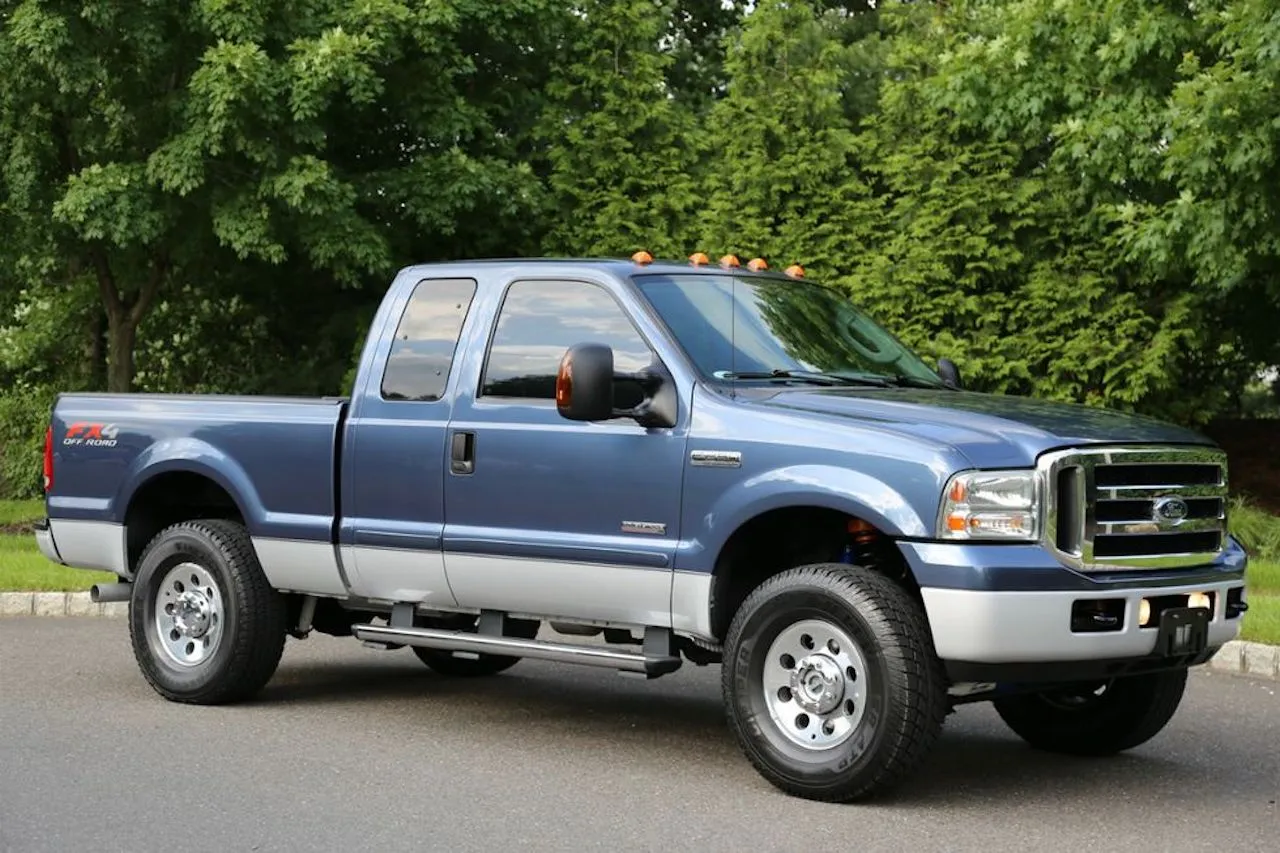
1. Ford Super Duty with the 6.0 Power Stroke
The 6.0 Power Stroke engine is widely regarded as one of the most controversial diesel engines ever installed in a pickup truck, and its reputation for early failure has been well documented by mechanics, fleet operators, and long-term owners.
While it was designed to be more powerful and emissions-compliant than the outgoing 7.3 Power Stroke, the engine’s rushed development and complex engineering changes resulted in a platform that struggled with long-term reliability. Many owners experienced repeated breakdowns, leading to one of the highest complaint rates in diesel truck history.
One of the most serious design weaknesses involved the head bolt and head gasket system. The factory torque to yield head bolts was often unable to maintain proper sealing pressure under high combustion loads, especially during towing or performance use.
This led to blown head gaskets, coolant loss, overheating, and in severe cases, complete engine failure. Because repairing this issue requires significant labor and upgraded components, repair costs often become extremely high, discouraging long-term ownership.
Another major reliability concern was the engine’s oil cooling and EGR system design. The oil cooler could become restricted over time, reducing coolant flow and creating a chain reaction of overheating issues. This overheating would then affect the EGR cooler, sometimes causing it to rupture and leak coolant into the intake system. These failures often occurred together, creating confusion for owners and expensive diagnostic processes for repair shops.
The high-pressure oil system also contributed to frequent reliability complaints. Components such as the standpipes, dummy plugs, and injectors were prone to failure, especially in colder climates or under heavy load conditions. Symptoms included hard starting, rough idle, and intermittent power loss. These issues often appeared unpredictably, making the truck difficult to trust for daily or commercial use.
Although some owners improved reliability through extensive modifications commonly referred to as “bulletproofing,” the need for such upgrades highlights the engine’s fundamental weaknesses. While the truck itself had strong towing capability and a solid chassis, the engine’s internal issues made it one of the most problematic diesel platforms ever mass-produced.
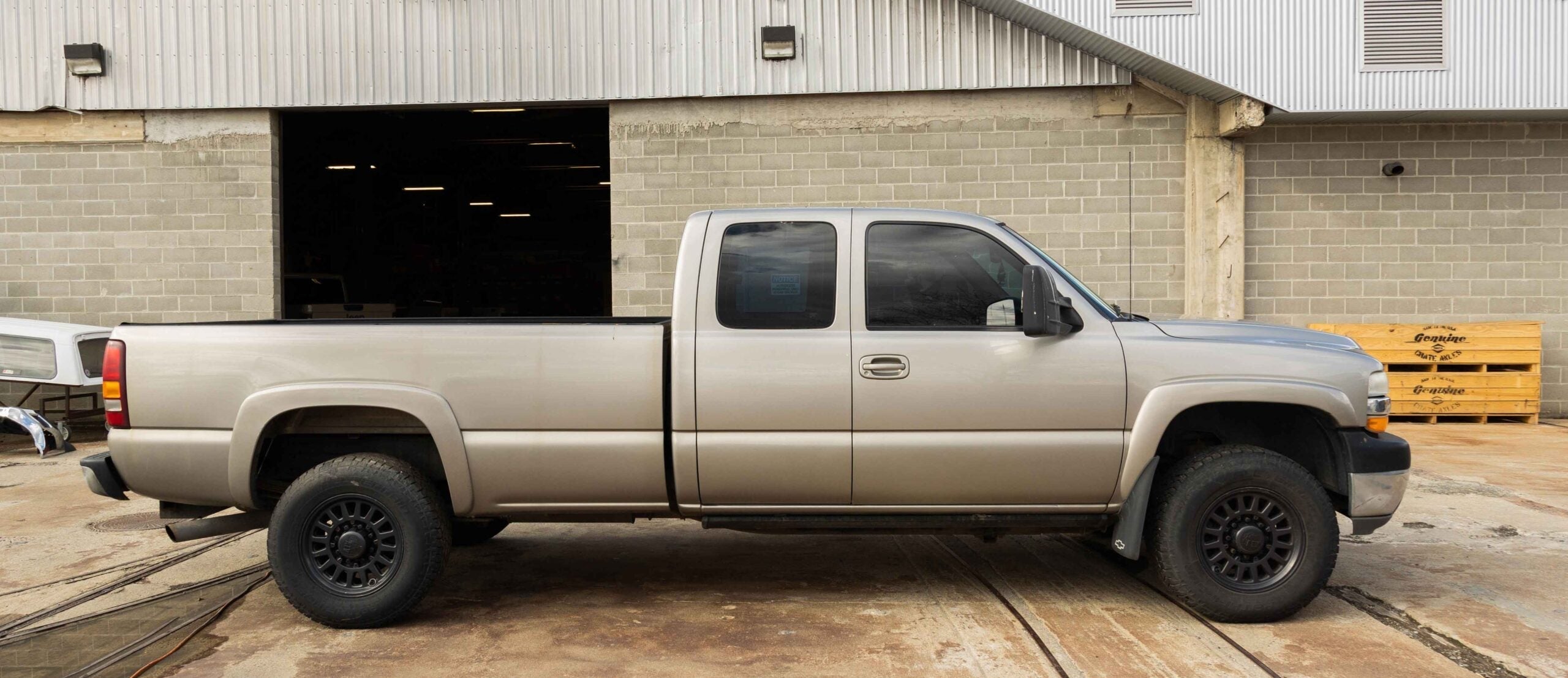
2. Chevrolet Silverado with the LB7 Duramax
The early LB7 Duramax engine introduced Chevrolet into the modern diesel performance market with strong power and smooth operation, but it quickly became known for a critical weakness that overshadowed many of its strengths. While the engine block and architecture were solid, injector failure became one of the most expensive and common problems faced by owners, leading to widespread dissatisfaction with long term reliability.
The primary issue with the LB7 engine was its injector design and placement. The injectors were located inside the engine, making them difficult and labor intensive to replace. Over time, these injectors were prone to cracking or leaking, which caused fuel contamination, excessive smoke, rough running conditions, and poor fuel economy. In many cases, multiple injectors would fail simultaneously, significantly increasing repair costs.
Because injector replacement requires extensive disassembly of the engine, labor costs alone made repairs expensive even when parts were covered under warranty. This led many owners to delay repairs, which often worsened engine performance and reliability over time. Some trucks experienced repeated injector failures within relatively low mileage ranges, creating frustration and reducing confidence in the platform.
Despite this weakness, the LB7 Duramax engine did offer strong towing performance and smooth power delivery when functioning correctly. The Allison transmission paired with the engine was generally reliable and well-regarded, which helped maintain some level of performance credibility. However, the injector issue remained the dominant concern throughout ownership.
As mileage increased, additional issues such as fuel system contamination and minor sensor failures also began to appear, further increasing maintenance costs. While the LB7 laid the foundation for future Duramax success, its early design flaw made it one of the most problematic diesel trucks in terms of long term ownership expenses.
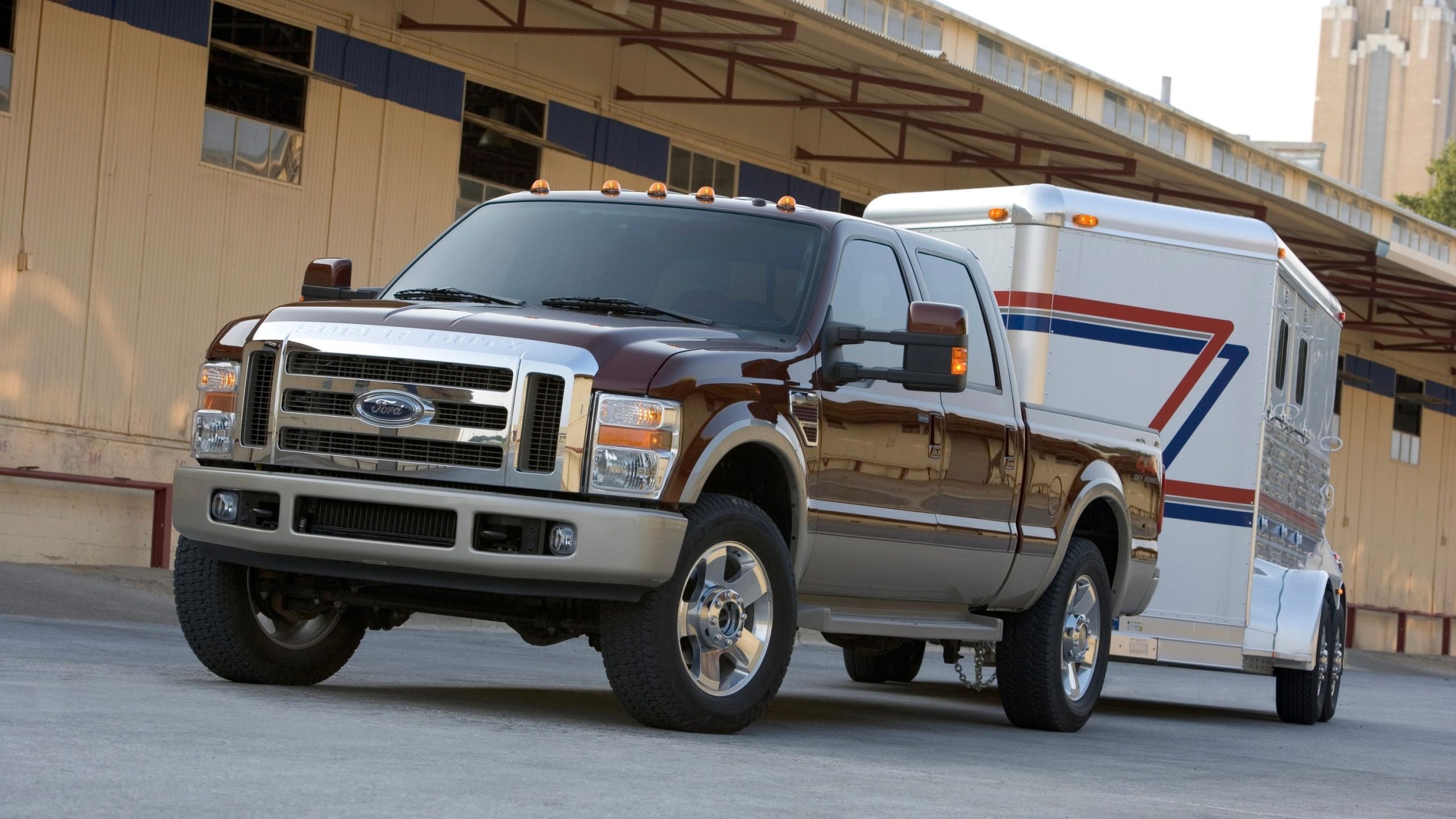
3. Ford Super Duty with the 6.4 Power Stroke
The 6.4 Power Stroke was introduced as an attempt to solve the reliability problems of the 6.0 engine while meeting stricter emissions regulations, but instead it created a new set of complex and expensive issues that significantly reduced its long-term durability reputation. Although it delivered impressive horsepower and acceleration, its internal design and emissions systems created ongoing challenges for owners.
One of the most serious issues was fuel dilution caused by diesel particulate filter regeneration cycles. During regeneration, excess fuel could enter the engine oil, thinning it and reducing its ability to properly lubricate internal components. Over time, this led to accelerated engine wear, bearing damage, and in some cases, complete engine failure if oil changes were not performed frequently enough.
The twin turbocharger system, while innovative, also introduced reliability concerns. The sequential turbo setup was complex and sensitive to heat and carbon buildup, which often resulted in turbo failures or reduced performance. When one turbo failed, repair costs were extremely high due to the labor required to access and replace components.
Additionally, the emissions system itself created constant maintenance challenges. Diesel particulate filters frequently became clogged, especially in trucks used for short trips or city driving, where regeneration cycles were incomplete. This led to reduced power, warning lights, and limp mode activation, making the truck unreliable for consistent daily use.
The engine also suffered from internal durability concerns, including cracked pistons in some cases due to high cylinder pressures and thermal stress. Combined with poor fuel economy and high maintenance costs, the 6.4 Power Stroke quickly developed a reputation as one of the most expensive diesel trucks to own long-term.
Even though it offered strong performance when operating correctly, the combination of emissions complexity, mechanical stress, and high operating costs made it a poor choice for buyers seeking long-term reliability.
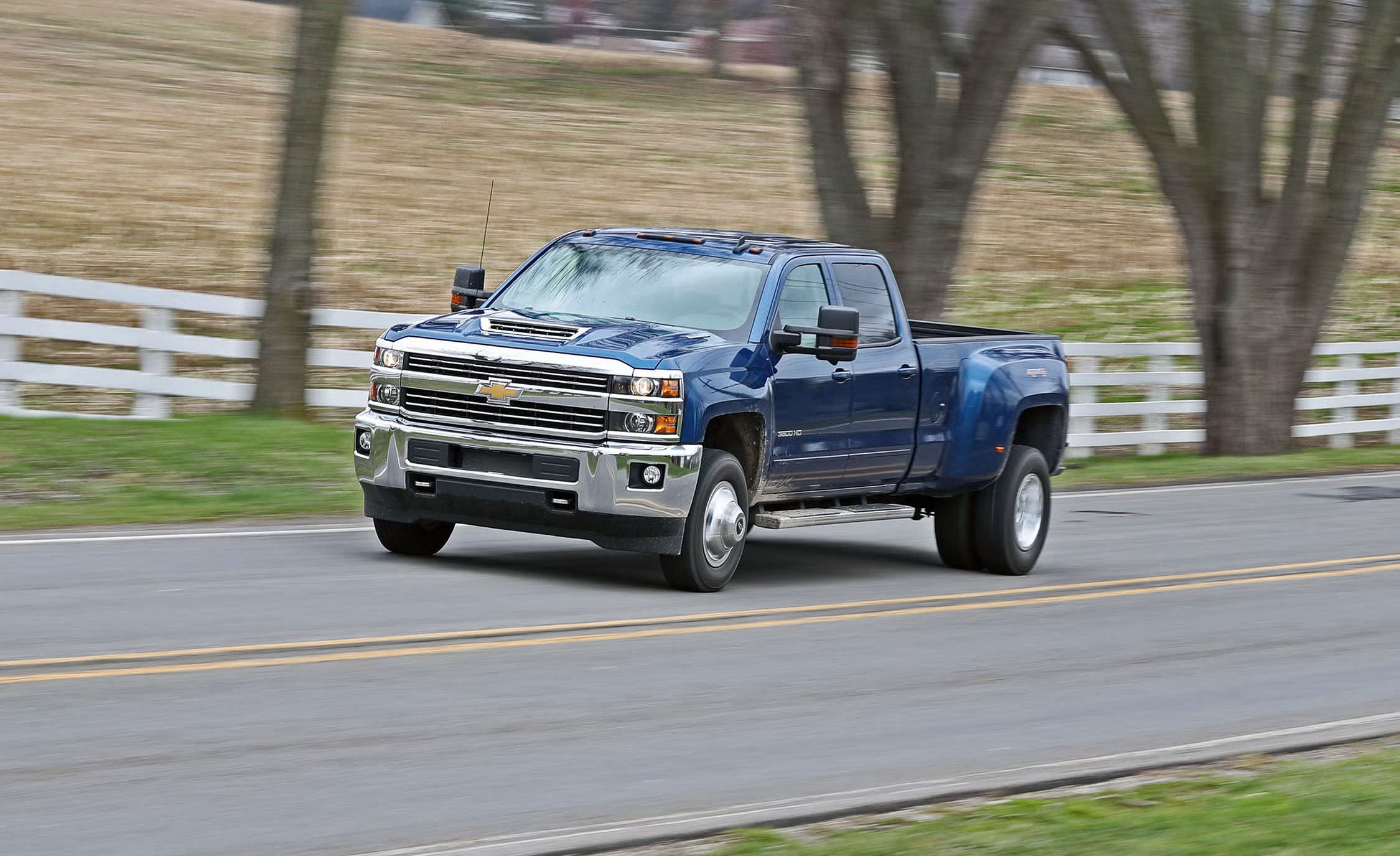
4. Ram 2500 and 3500 with Early DEF System Issues
While the Cummins engine itself remained one of the most durable diesel engines in the industry, early adoption of diesel exhaust fluid systems in Ram heavy-duty trucks introduced a new layer of complexity that negatively affected real-world reliability. These issues were not always catastrophic engine failures, but they significantly impacted usability, maintenance costs, and owner satisfaction.
The DEF system relies on sensors, injectors, heaters, and control modules to reduce emissions, but early versions of this system were prone to failure. DEF heaters often malfunctioned in colder temperatures, causing warning lights and system shutdowns. Sensor errors could trigger limp mode even when the engine itself was operating normally, leading to frustration for drivers who relied on the truck for towing or commercial work.
EGR systems also contributed to reliability concerns. Carbon buildup and valve malfunctions sometimes led to reduced performance, rough idling, and increased maintenance requirements. Although these issues did not always result in engine failure, they created frequent trips to dealerships and repair shops.
Turbocharger and exhaust system restrictions further added to maintenance complexity. While the Cummins engine maintained strong internal durability, the surrounding emissions systems created unpredictable reliability patterns that were not present in older, simpler diesel trucks. This contrast made early DEF-equipped models feel less dependable despite having a strong base engine.
Many owners who previously experienced older, simpler Cummins trucks found these newer systems frustrating due to increased electronic dependency and diagnostic difficulty. While improvements were made in later model years, early DEF systems remain a common concern among used truck buyers evaluating long-term ownership costs.
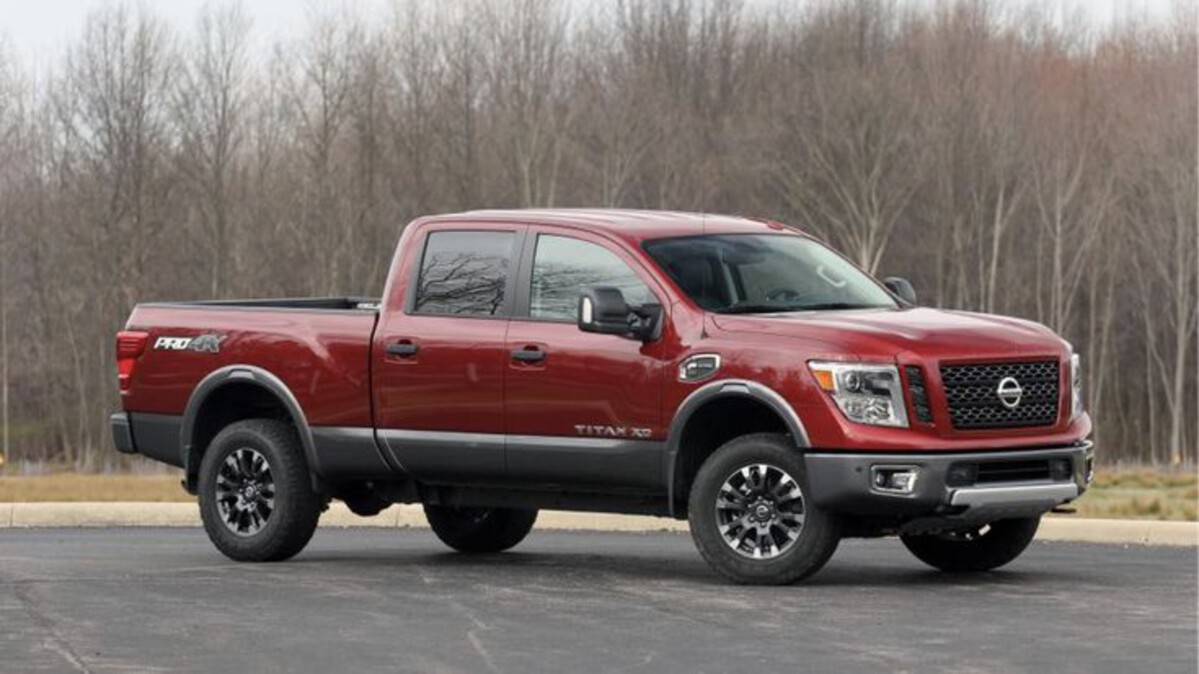
5. Nissan Titan XD with the 5.0 Cummins
The Nissan Titan XD equipped with the 5.0 Cummins diesel engine was designed to offer a unique middle ground between light-duty and heavy-duty trucks, but it struggled to meet expectations in both performance and reliability. Despite the reputation of the Cummins name, this engine and platform combination did not achieve the long-term dependability associated with traditional Cummins-powered Ram trucks.
The 5.0-liter V8 Cummins engine introduced a more complex design compared to the well-known inline six Cummins engines. This added complexity included advanced emissions systems, turbocharging components, and high-pressure fuel systems that increased the number of potential failure points. Owners reported issues such as turbo failures, fuel system malfunctions, and emissions-related faults that affected drivability.
Another significant challenge was limited market support. Because the engine was exclusive to Nissan, there was less aftermarket development, fewer experienced diesel technicians familiar with the platform, and reduced parts availability compared to more established diesel truck brands. This made repairs more expensive and time-consuming.
The truck also suffered from identity issues in the market. It was not as capable as full-size heavy-duty diesel trucks in towing and payload capacity, yet it carried the complexity and maintenance costs of a diesel engine. This made it difficult for buyers to justify its purchase, especially when more proven alternatives existed.
Over time, resale values declined, and long-term ownership confidence remained low. While some units performed adequately with proper maintenance, the platform failed to establish a strong reliability reputation. Eventually, Nissan discontinued the diesel option entirely, reinforcing the perception that the Titan XD diesel did not achieve its intended goals.
