
In a city that never sleeps, vehicles rarely get a break. The streets of New York City are among the busiest and most demanding in the world, filled with traffic congestion, sudden stops, potholes, aggressive driving patterns, and endless hours of operation.
For most private car owners, reaching 100,000 miles is considered an achievement. Crossing 200,000 miles often requires exceptional maintenance and careful driving. Yet in the taxi industry, especially in New York City, some vehicles have managed to travel well beyond half a million miles while continuing to operate reliably under punishing conditions.
These extraordinary cars became legends not because they were exotic sports cars or luxury performance machines, but because they demonstrated unmatched durability, engineering excellence, and mechanical resilience. NYC taxis are tested harder than almost any passenger vehicle in the world.
They spend long hours idling in traffic, endure harsh winters, survive hot summers, and carry passengers nearly around the clock. This environment exposes every weakness in a vehicle’s design. Engines, transmissions, suspensions, brakes, and cooling systems all face constant stress. The cars that survive and thrive in this environment earn a reputation for toughness that few vehicles can match.
Over the decades, several models became icons in the taxi industry precisely because they could handle this brutal workload while remaining economical to maintain. Some of these cars became famous among mechanics and fleet owners for regularly surpassing 500,000 miles, a milestone that most automobiles never approach.
Their stories are not only about mileage but also about engineering philosophy, maintenance discipline, reliability, fuel efficiency, and the evolution of the automotive industry itself. Certain models dominated taxi fleets for years because they consistently delivered dependable service and low operating costs.
Others surprised everyone by achieving incredible longevity despite skepticism about their design. The following vehicles represent some of the toughest and most enduring cars ever used as NYC taxis. Each one earned its place through years of real-world performance on one of the harshest urban battlegrounds for automobiles anywhere on Earth.
Also Read: 10 Cars With Insurance Premiums Lower Than a Compact Sedan
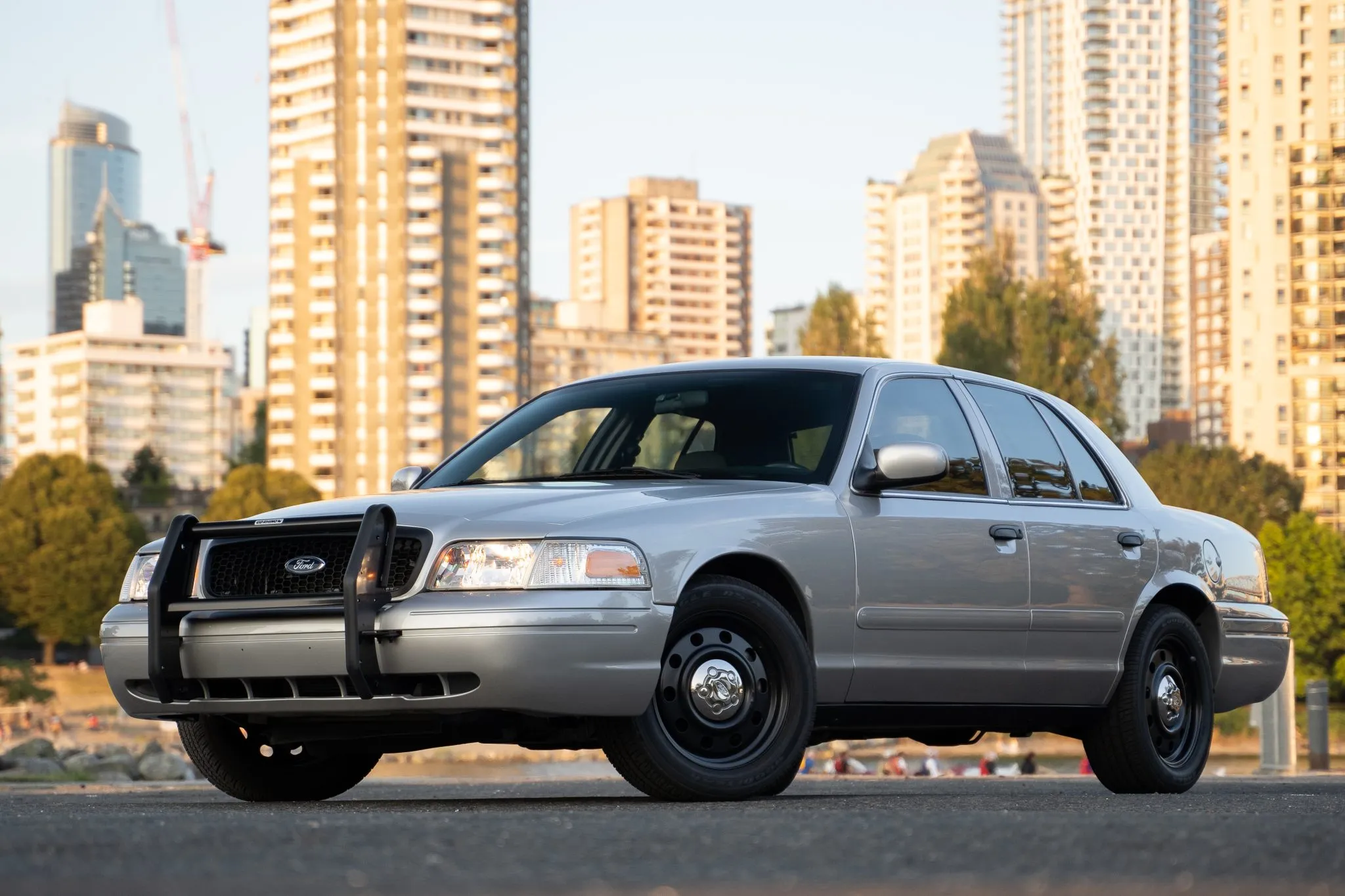
1. Ford Crown Victoria
The Ford Crown Victoria is perhaps the most iconic taxi vehicle in New York City history. For decades, this full-size sedan dominated taxi fleets because of its incredible durability and body-on-frame construction. Fleet operators loved the Crown Victoria because it was simple to repair, inexpensive to maintain, and capable of surviving relentless daily abuse.
Mechanics became deeply familiar with its engineering, allowing repairs to be completed quickly and efficiently. Many Crown Victorias comfortably surpassed 500,000 miles, while some reportedly exceeded 700,000 miles with proper maintenance. The vehicle’s robust V8 engine and sturdy automatic transmission contributed significantly to its legendary reputation among taxi owners.
One reason the Crown Victoria performed so well in NYC taxi service was its straightforward engineering. Unlike many modern cars packed with complicated electronics, the Crown Victoria relied on proven mechanical systems that could withstand years of heavy use.
Its Rear Wheel Drive layout made it durable under constant stop-and-go driving conditions. The suspension system was also designed to absorb rough roads and potholes effectively. Taxi drivers appreciated the spacious cabin, comfortable seats, and large trunk space, which made long shifts more manageable and improved passenger comfort.
Another major advantage of the Crown Victoria was fleet standardization. Because so many taxi companies used the same vehicle, replacement parts were widely available and relatively affordable.
This reduced downtime and repair costs significantly. Mechanics often joked that they could rebuild a Crown Victoria with their eyes closed because of how common the car became in the taxi world. Its popularity extended beyond taxis into police fleets, further strengthening the availability of service expertise and components.
The vehicle’s fuel economy was not exceptional compared to smaller sedans or hybrids, but operators accepted the tradeoff because of the car’s reliability and longevity. In commercial fleet operations, reducing breakdowns and maximizing uptime often matter more than fuel savings alone.
The Crown Victoria excelled at remaining operational day after day. Drivers trusted the car during long shifts because it rarely left them stranded unexpectedly.
Although production eventually ended, the Crown Victoria remains one of the greatest examples of automotive endurance in urban transportation history. Even years after leaving production lines, some retired taxi examples continue to operate in secondary markets worldwide.
Its legacy in New York City taxi culture remains unmatched, symbolizing an era when rugged simplicity and mechanical toughness defined the ideal fleet vehicle.
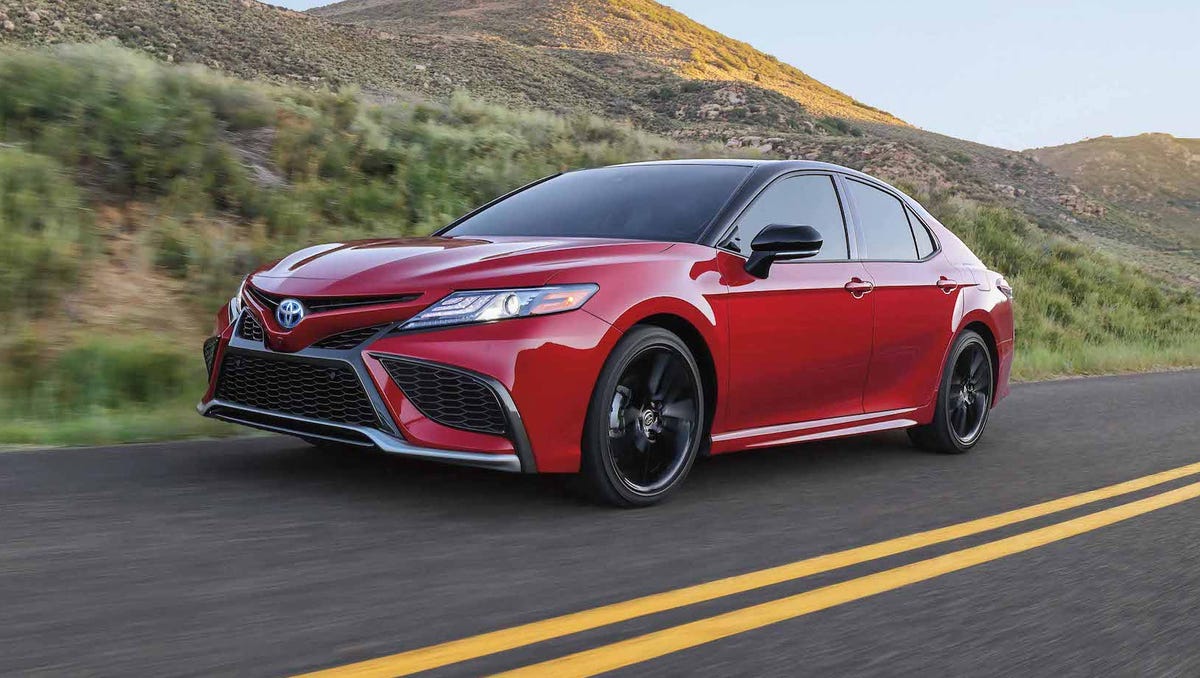
2. Toyota Camry
The Toyota Camry built a strong reputation in NYC taxi fleets by combining reliability, fuel efficiency, and long-term durability. While it lacked the imposing presence of the Crown Victoria, the Camry proved that midsize sedans could also survive the intense demands of commercial taxi use.
Taxi operators quickly realized that the Camry could deliver hundreds of thousands of miles with relatively low maintenance costs. Many fleet examples crossed the 500,000-mile mark while retaining their original engines and transmissions with only routine servicing and preventive maintenance.
One of the Camry’s greatest strengths was its exceptionally reliable powertrain. Toyota engineered its engines for smooth operation and long-term dependability rather than extreme performance. This philosophy made the Camry ideal for nonstop urban driving.
Its four-cylinder engines delivered excellent fuel economy compared to larger V8-powered taxis, helping fleet owners reduce operating expenses significantly. Over time, these fuel savings added up to substantial financial advantages for taxi companies managing large fleets.
The Camry also benefited from Toyota’s reputation for quality manufacturing. Components were carefully engineered to minimize wear and reduce the likelihood of major failures. Taxi mechanics often praised the simplicity and consistency of Toyota engineering, noting that many repairs were predictable and manageable.
Even after years of abuse, many Camrys continued operating with impressive mechanical integrity. Drivers appreciated the car’s comfortable ride quality and easy maneuverability through crowded city streets.
Another factor contributing to the Camry’s success was passenger comfort. The interior offered a quieter and smoother experience than many traditional taxi vehicles. Air conditioning systems generally performed reliably, an important consideration during New York’s hot summers.
The cabin layout was practical, and rear seat passengers enjoyed adequate legroom for urban transportation needs. Fleet owners recognized that customer satisfaction also played a role in vehicle selection.
As hybrid technology became more common, Toyota expanded its influence in taxi fleets even further. Hybrid Camry models demonstrated that fuel-efficient vehicles could also achieve impressive durability in commercial use. Battery longevity became less of a concern as real-world taxi operations showed that Toyota hybrid systems were remarkably resilient under heavy mileage conditions.
The Toyota Camry remains one of the most respected high-mileage sedans ever produced. Its performance in the NYC taxi service reinforced Toyota’s global reputation for reliability and proved that efficient midsize cars could survive extreme urban driving environments just as effectively as larger traditional fleet vehicles.
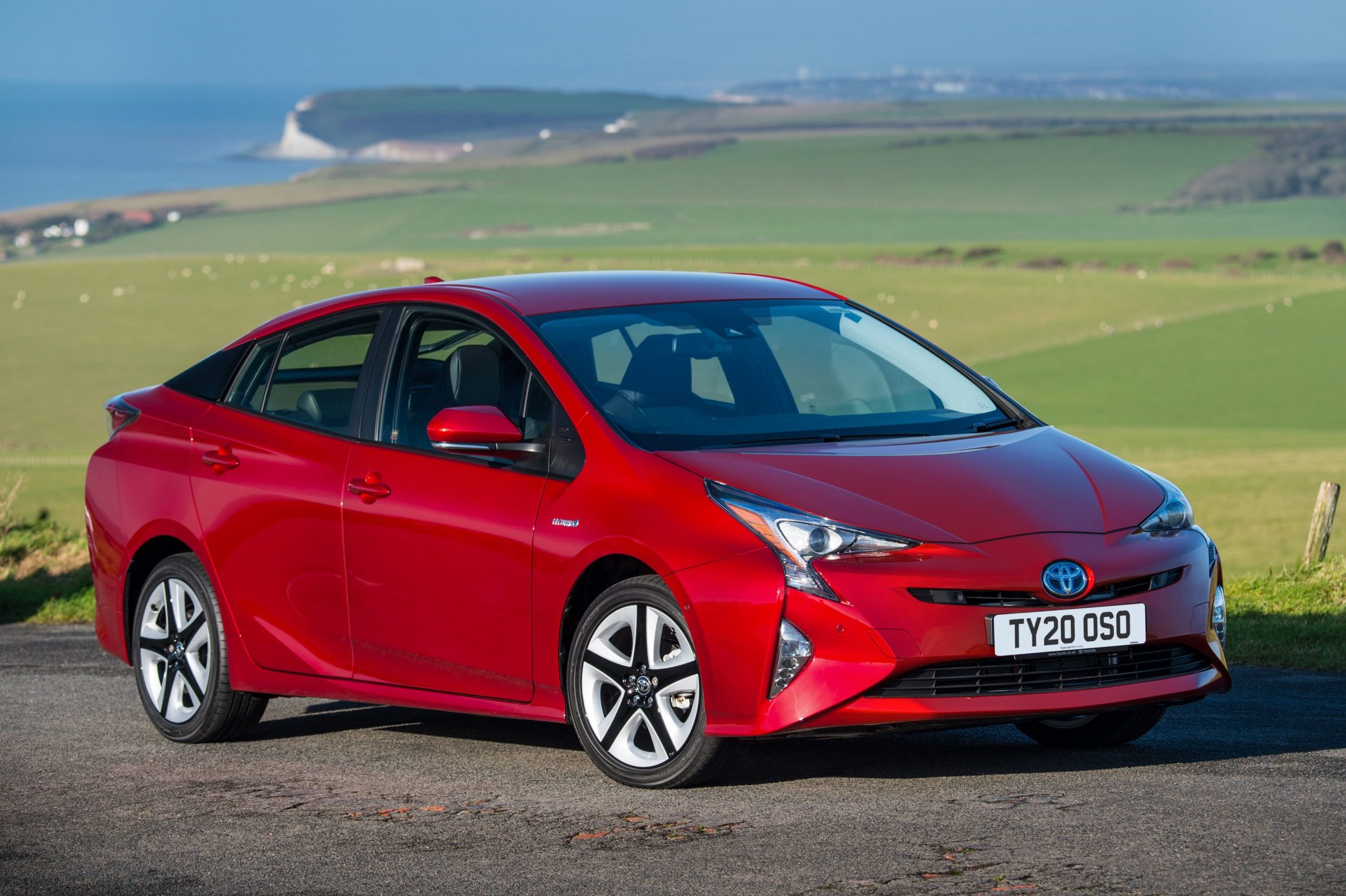
3. Toyota Prius
The Toyota Prius transformed the taxi industry by proving that hybrid vehicles could handle demanding commercial service while dramatically reducing fuel consumption. When hybrids first entered taxi fleets, many skeptics questioned whether battery systems and electric components could survive nonstop urban operation.
The Prius quickly silenced those doubts. Numerous NYC taxi operators reported Prius vehicles surpassing 500,000 miles while maintaining impressive fuel economy and surprisingly low maintenance costs.
One of the Prius’s biggest advantages was its hybrid drivetrain, which excelled in stop-and-go city traffic. Traditional gasoline vehicles waste significant fuel while idling or accelerating repeatedly in congestion.
The Prius used electric assistance and regenerative braking to improve efficiency dramatically. Taxi operators benefited from major fuel savings, especially during periods of rising gasoline prices. For fleets operating around the clock, these savings had a massive impact on profitability.
The Prius also reduced wear on certain mechanical components. Regenerative braking systems helped extend brake life because the electric motor assisted with slowing the vehicle. The gasoline engine often operated under less strain than conventional engines because the electric motor shared part of the workload. This contributed to impressive engine longevity. Many taxi drivers reported fewer unexpected mechanical failures compared to older fleet vehicles.
Reliability played a major role in the Prius’s success. Toyota designed the hybrid system with durability in mind, and real-world taxi use became one of the strongest demonstrations of its engineering quality.
Some Prius taxis crossed extraordinary mileage milestones while still using original battery packs. This challenged widespread assumptions that hybrid batteries would require frequent and expensive replacements. Mechanics gradually became more comfortable servicing hybrid systems as the Prius gained popularity.
Passenger comfort and practicality also contributed to the Prius’s acceptance. The hatchback design provided useful cargo space, while the cabin remained comfortable for urban transportation. Drivers appreciated the smooth and quiet driving experience, especially during long shifts. The car’s compact dimensions made it easier to navigate crowded Manhattan streets and tight parking areas.
The success of the Prius in NYC taxi fleets influenced the broader automotive industry significantly. It demonstrated that hybrid technology was not merely an environmental experiment but a viable commercial solution capable of enduring extreme real-world conditions.
Today, the Prius remains one of the most important vehicles in the evolution of modern taxi transportation and high-mileage automotive engineering.
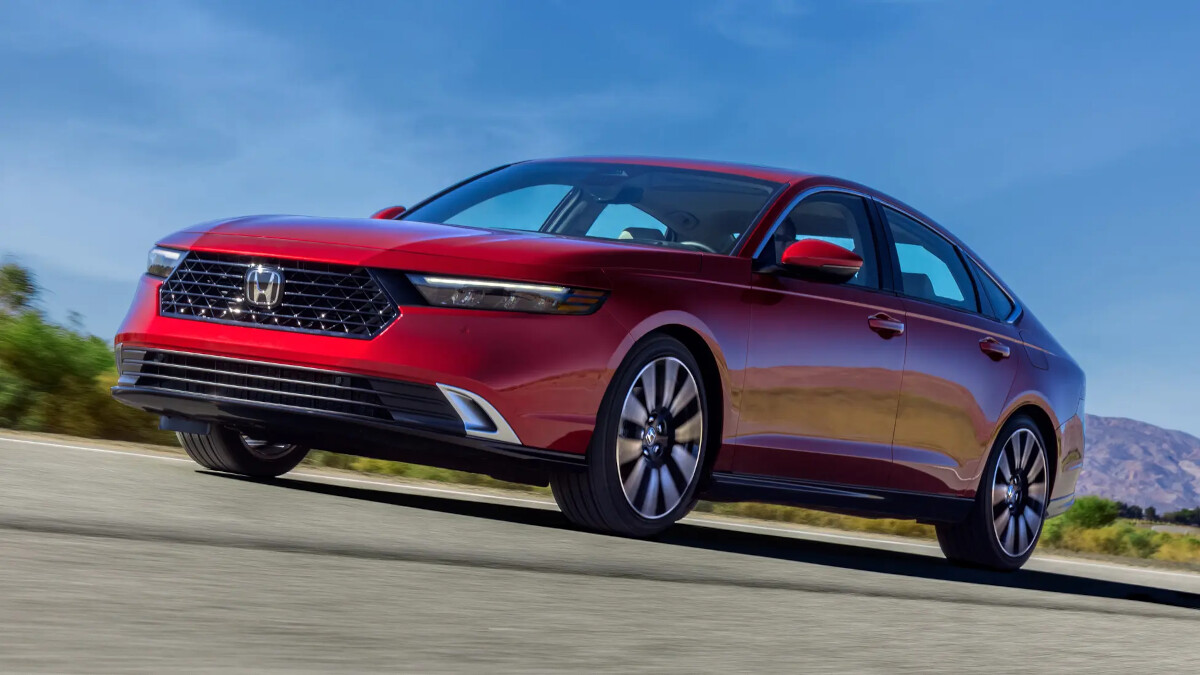
4. Honda Accord
The Honda Accord earned its place among legendary NYC taxi vehicles through a combination of reliability, efficiency, and mechanical durability. Known globally for its dependable engineering, the Accord proved highly capable in demanding commercial environments where constant operation exposes every weakness in a vehicle.
Many taxi fleet Accords successfully exceeded 500,000 miles, reinforcing Honda’s reputation for building long-lasting automobiles that can endure years of intense urban use.
One of the Accord’s greatest strengths was its efficient and durable engine lineup. Honda engines became famous for their smooth operation, fuel efficiency, and ability to maintain performance over extremely high mileage.
Taxi operators appreciated the Accord’s balance between operating costs and reliability. Fuel economy was strong enough to reduce expenses significantly, while maintenance requirements remained manageable. Routine servicing often kept these vehicles running reliably for years beyond expectations.
The Accord also offered excellent driving dynamics compared to many traditional fleet vehicles. Its responsive steering and refined suspension made it easier for drivers to maneuver through congested city traffic. Long shifts became less exhausting thanks to comfortable seating and a relatively quiet cabin.
Drivers spending twelve or more hours behind the wheel valued vehicles that reduced fatigue while remaining dependable throughout demanding schedules.
Another important factor in the Accord’s success was Honda’s manufacturing consistency. Components were engineered with precision and designed for long-term durability. Mechanics often noted that properly maintained Accords developed fewer catastrophic failures than many competing sedans. Even when repairs became necessary, parts availability and widespread familiarity with Honda engineering simplified the maintenance process.
Passenger experience also benefited from the Accord’s refined design. Rear seat comfort was respectable for a midsize sedan, and the vehicle delivered a smoother ride than many older taxi models.
Air conditioning systems generally performed well, and interior materials often held up impressively despite years of heavy passenger traffic. These qualities helped maintain customer satisfaction in a highly competitive transportation market.
Over time, the Accord became an important example of how modern Front Wheel Drive sedans could thrive in commercial service environments once dominated by larger body-on-frame vehicles. Its longevity in NYC taxi fleets demonstrated that smart engineering, efficient design, and careful maintenance could produce exceptional durability even under relentless urban operating conditions.
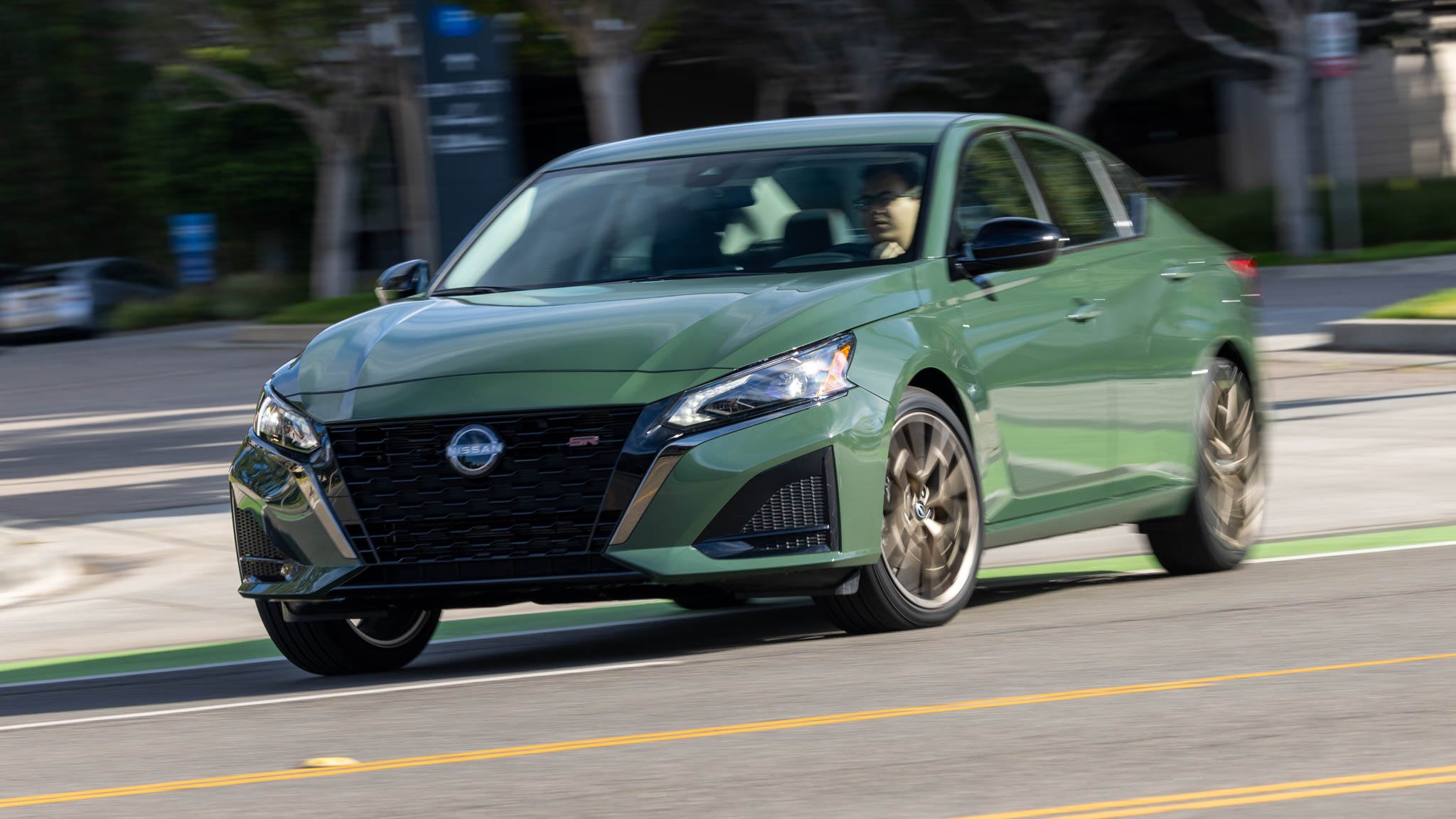
5. Nissan Altima
The Nissan Altima became a common sight in NYC taxi fleets during the transition away from older full-size sedans. Fleet owners were attracted by the Altima’s fuel efficiency, comfortable interior, and relatively affordable operating costs.
While opinions on long-term durability sometimes varied depending on model years and maintenance practices, many Altima taxis still achieved extraordinary mileage totals, with several crossing the 500,000-mile threshold under disciplined fleet management.
One reason the Altima succeeded in taxi service was its balance between size and efficiency. It offered enough interior space for passengers while remaining compact enough to navigate crowded city streets easily. Drivers appreciated its comfortable seating and smooth ride quality during long shifts. The car’s fuel economy was also better than many larger traditional taxis, helping operators manage expenses more effectively.
The Altima’s four-cylinder engines generally performed reliably under heavy use when maintained carefully. Oil changes, transmission servicing, and cooling system maintenance played critical roles in extending vehicle lifespan.
Fleet operators who followed strict preventive maintenance schedules often achieved impressive longevity from their Altima fleets. Taxi environments are particularly demanding because vehicles spend extensive time idling and accelerating repeatedly in traffic, making maintenance discipline essential.
However, achieving very high mileage in Altima taxis typically required attentive care and timely repairs. Unlike some legendary fleet vehicles known for near indestructibility, the Altima demanded more proactive maintenance to remain dependable over extreme mileage totals.
Taxi operators who neglected servicing often encountered costly mechanical issues earlier than expected. Those who invested consistently in maintenance were more likely to see exceptional longevity.
The Nissan Altima represents an important phase in the modernization of NYC taxi fleets. It demonstrated how midsize sedans with efficient engines and modern comfort features could compete effectively in commercial transportation. Although not every Altima became a half-million-mile success story, many proved remarkably durable when operated and maintained professionally.
Also Read: 10 Cars That Survive Being Used as Daily Uber Vehicles
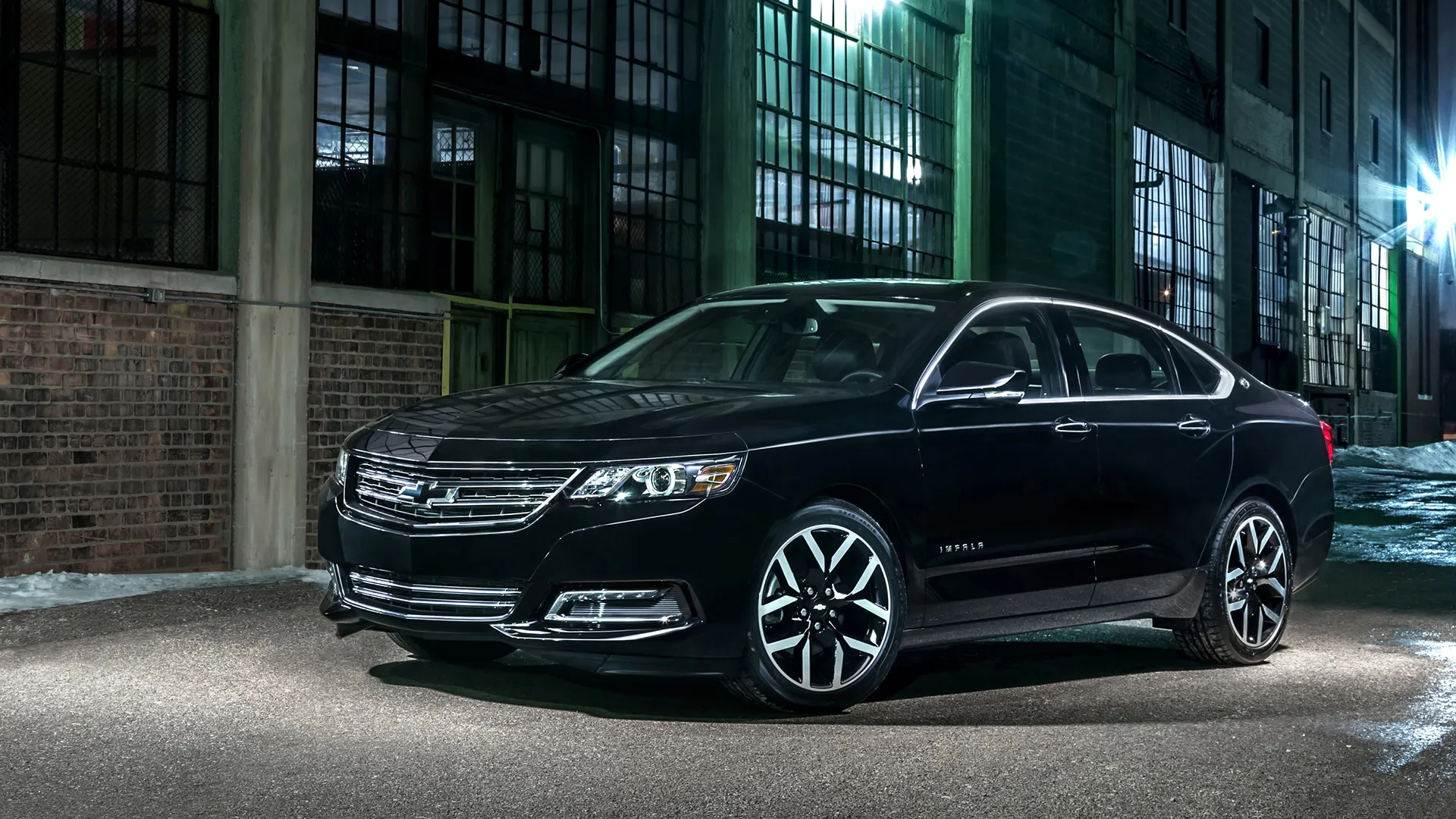
6. Chevrolet Impala
The Chevrolet Impala established itself as a durable and dependable fleet vehicle in NYC taxi service through a combination of spacious design, reliable engines, and strong road presence.
For many years, the Impala served as a practical alternative to traditional taxi sedans, offering comfort for passengers and durability for operators. Numerous fleet examples accumulated massive mileage totals, with several reportedly surpassing 500,000 miles through disciplined maintenance and nonstop commercial operation.
One of the Impala’s major strengths was interior space. Taxi passengers appreciated the roomy rear seats and comfortable cabin layout, particularly during longer rides through busy city traffic.
Drivers also benefited from ergonomic controls and supportive seating that reduced fatigue during extended shifts. Since taxi drivers often spend entire days inside their vehicles, comfort becomes an important factor in maintaining productivity and satisfaction.
The Impala’s engine lineup contributed significantly to its reputation for longevity. Chevrolet offered dependable V6 engines that balanced power and durability effectively. These engines handled the constant acceleration and stop-and-go conditions of NYC traffic reasonably well when maintained properly.
Fleet operators often prioritized regular oil changes, transmission servicing, and cooling system inspections to maximize vehicle lifespan. Properly maintained Impalas demonstrated impressive endurance under harsh urban conditions.
Another factor that made the Impala attractive to taxi fleets was affordability. Purchase prices were competitive, replacement parts were widely available, and repair costs remained manageable. Mechanics familiar with General Motors vehicles could service the Impala efficiently, reducing downtime and keeping taxis operational for longer periods. In commercial fleet operations, minimizing time out of service is critical for profitability.
The Impala also evolved technologically over time, incorporating improved safety systems, better fuel efficiency, and more refined interiors. Newer models provided smoother rides and quieter cabins, enhancing the passenger experience.
Fleet operators increasingly recognized that customer comfort and modern amenities influenced public perception of taxi services, especially as competition from rideshare platforms intensified.
Although the automotive market gradually shifted toward crossovers and hybrid vehicles, the Chevrolet Impala remains respected for its contributions to high-mileage fleet transportation. Its performance in the NYC taxi service demonstrated that well-engineered American sedans could still compete effectively in one of the world’s toughest driving environments.
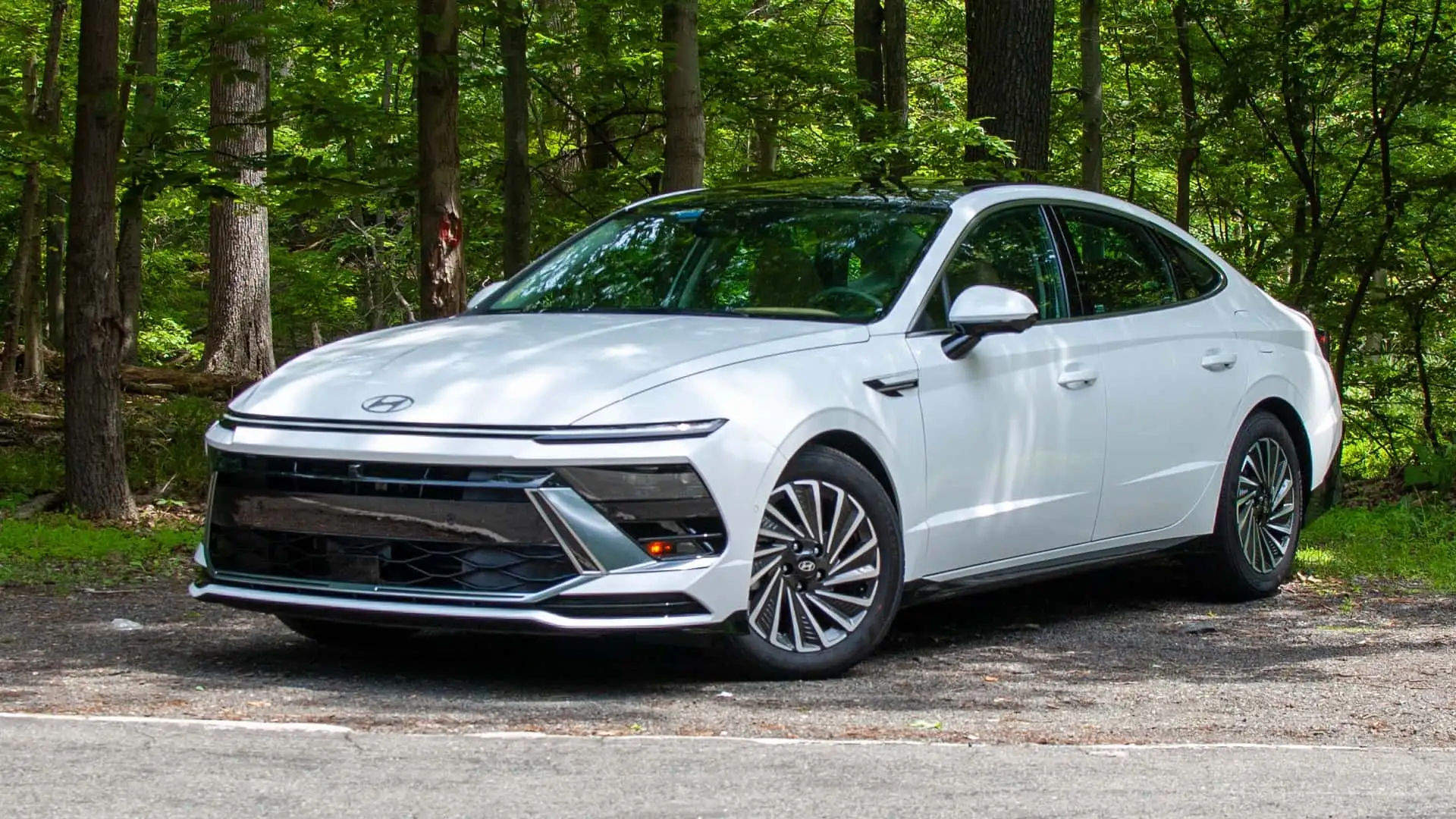
7. Hyundai Sonata
The Hyundai Sonata emerged as an unexpected success story in commercial taxi operations. Earlier generations of Hyundai vehicles were not always associated with exceptional longevity, but the Sonata gradually changed perceptions by delivering improved quality, reliability, and value.
In NYC taxi fleets, several Sonata models accumulated extraordinarily high mileage totals, with some crossing the 500,000-mile milestone through disciplined maintenance and continuous operation.
One reason the Sonata gained popularity among taxi operators was affordability. Fleet companies could purchase Sonatas at competitive prices while still receiving modern features and respectable fuel economy.
Lower acquisition costs made the vehicle appealing for businesses seeking to expand or refresh their fleets without excessive financial pressure. Over time, Hyundai’s improvements in manufacturing quality further increased confidence in the brand.
The Sonata’s fuel-efficient four-cylinder engines proved particularly suitable for urban taxi service. NYC driving conditions involve constant braking, acceleration, and idling, making fuel economy an important consideration.
Sonata models delivered solid efficiency while maintaining enough power for highway driving and heavy passenger loads. Operators appreciated the balance between operating costs and practical performance.
Passenger comfort also played an important role in the Sonata’s fleet success. The cabin offered generous interior space, supportive seating, and relatively quiet operation. Riders often found the vehicle more refined than expected, helping improve customer experiences during city transportation. Taxi drivers valued the comfortable driving position and user-friendly controls during long working hours.
Reliability improved substantially in newer Sonata generations. Hyundai invested heavily in engineering quality and durability, leading to stronger engines, improved transmissions, and more robust electronic systems.
Taxi fleets that adhered to preventive maintenance schedules often achieved remarkable longevity from their vehicles. Regular servicing became especially important because commercial taxi operation places extraordinary strain on all mechanical systems.
The Hyundai Sonata’s success in NYC taxi service reflected broader changes within the automotive industry. It demonstrated how rapidly improving manufacturers could challenge established brands through better engineering, attractive pricing, and enhanced reliability.
Although Hyundai once faced skepticism regarding long-term durability, high-mileage taxi Sonatas helped prove that the company had evolved into a serious competitor capable of producing dependable fleet vehicles.
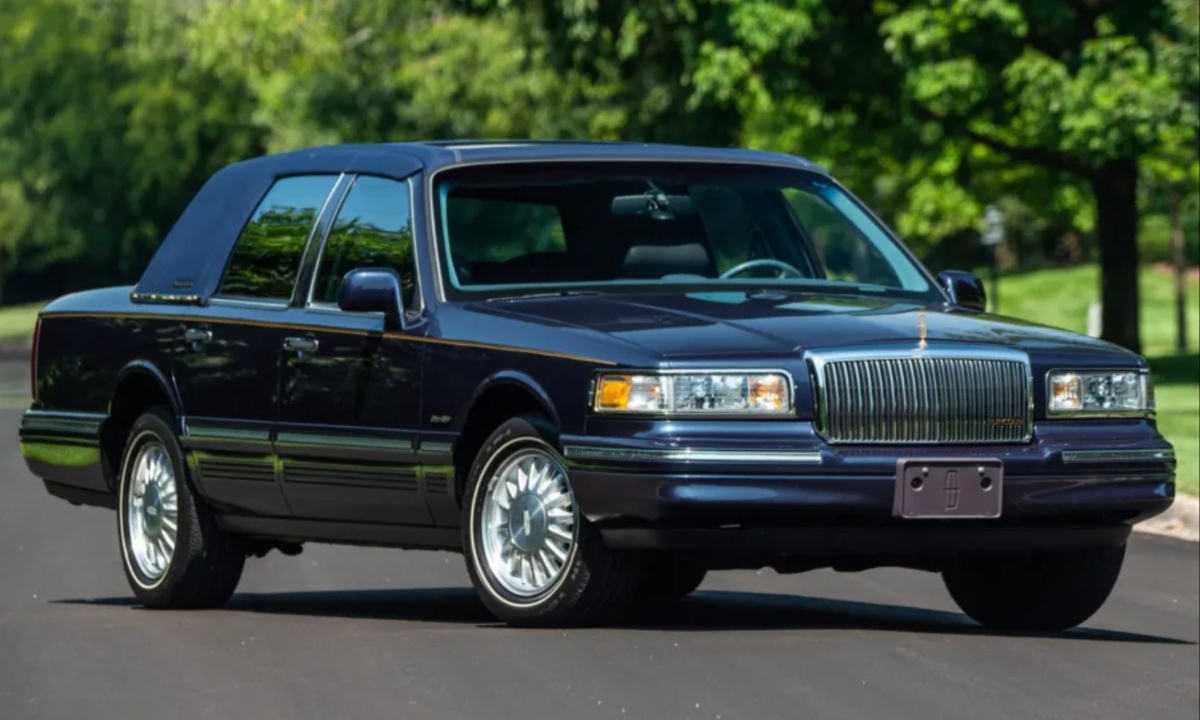
8. Lincoln Town Car
The Lincoln Town Car occupied a unique position in New York City transportation culture. While often associated with luxury car services and executive transportation, many Town Cars also served in commercial taxi and livery fleets for years.
Known for exceptional comfort, durable construction, and smooth ride quality, the Town Car became one of the most enduring full-size American sedans ever produced. Numerous examples crossed the 500,000-mile threshold, particularly in professional transportation services operating around the clock.
One of the Town Car’s defining characteristics was its body-on-frame construction, similar to the Ford Crown Victoria. This design provided excellent durability and simplified repairs after minor accidents or heavy wear.
Fleet operators appreciated the vehicle’s ruggedness because urban driving environments expose cars to constant stress, potholes, and occasional collisions. Mechanics found the Town Car relatively straightforward to service, helping reduce maintenance complexity.
The Town Car’s powerful V8 engine delivered smooth and reliable performance under demanding conditions. Although fuel economy was modest compared to smaller sedans or hybrids, operators accepted higher fuel costs in exchange for longevity and passenger comfort.
Properly maintained engines frequently accumulated enormous mileage totals while remaining operationally dependable. Long-distance airport transportation services especially valued the Town Car’s highway comfort and reliability.
Passenger experience represented one of the Town Car’s greatest advantages. Spacious interiors, soft suspension tuning, and quiet cabins created a premium transportation atmosphere that distinguished the vehicle from standard taxi sedans.
Rear seat passengers enjoyed generous legroom and a smooth ride over rough city streets. This comfort level made the Town Car particularly popular among executive clients and luxury transportation services.
Drivers also appreciated the vehicle’s comfort during long shifts. Supportive seating, predictable handling, and strong road presence contributed to reduced fatigue over extended working hours. Although maneuvering a large sedan through congested Manhattan streets could sometimes be challenging, many professional drivers preferred the confidence and stability offered by the Town Car’s substantial size.
The Lincoln Town Car remains one of the last great traditional American luxury sedans. Its durability in professional transportation fleets demonstrated that comfort and longevity could coexist successfully. Even after production ended, many retired fleet examples continued operating for years in secondary markets, further proving the exceptional endurance of this iconic vehicle.
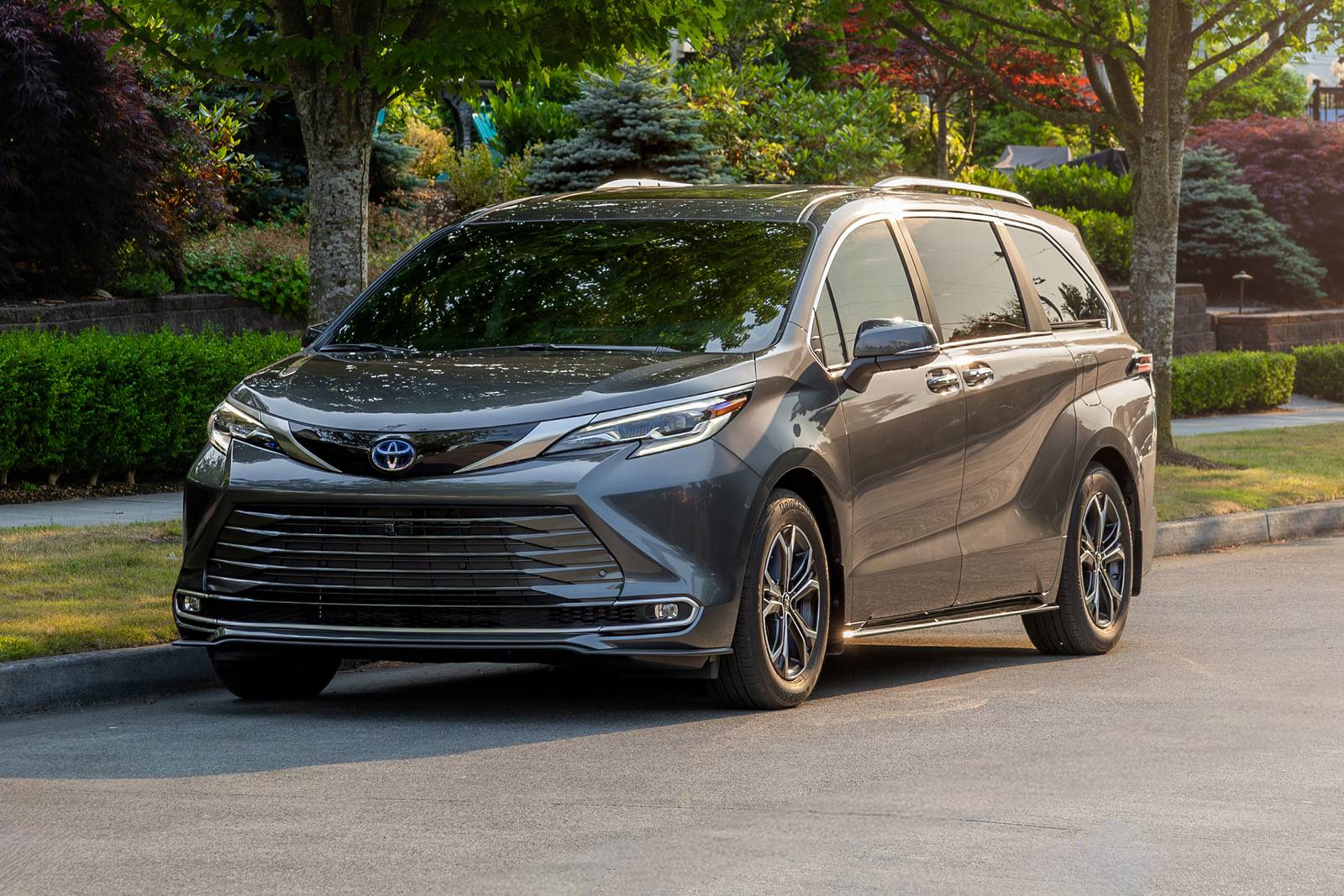
9. Toyota Sienna
The Toyota Sienna became increasingly important in NYC transportation services as passenger needs evolved and demand for larger vehicles grew.
Although technically a minivan rather than a traditional sedan, the Sienna proved remarkably durable in taxi and livery operations. Many fleet operators adopted the Sienna because of its spacious interior, comfortable ride, and Toyota’s strong reputation for reliability. Several high-mileage examples reportedly surpassed 500,000 miles while remaining in active service.
One of the Sienna’s biggest advantages was passenger capacity. Unlike standard sedans, the Sienna could comfortably transport larger groups, families, and travelers with luggage. This flexibility made it highly valuable for airport transportation and urban ride services.
Sliding doors improved accessibility for passengers entering and exiting in crowded city environments, while the elevated roofline created a more spacious cabin atmosphere.
Toyota’s engineering excellence contributed significantly to the Sienna’s durability. The vehicle’s V6 engines developed strong reputations for longevity when maintained properly.
Taxi and livery operators often followed strict maintenance schedules involving frequent oil changes, cooling system inspections, brake servicing, and transmission maintenance. These preventive measures helped extend vehicle lifespan dramatically under demanding commercial conditions.
Drivers appreciated the Sienna’s smooth ride quality and comfortable driving position. Long shifts became more manageable thanks to supportive seating, good visibility, and relatively refined road manners for a large vehicle. Despite its size, the Sienna remained reasonably maneuverable in city traffic. Advanced safety features and modern technology also improved driver confidence during extended urban operation.
Passenger satisfaction represented another major advantage. The spacious interior, comfortable seating arrangements, and quiet cabin created a pleasant transportation experience. Customers traveling with children, luggage, or larger groups often preferred minivan-style transportation over cramped sedans.
As transportation services evolved to accommodate diverse passenger needs, vehicles like the Sienna became increasingly valuable within commercial fleets.
The Toyota Sienna demonstrated that durability and practicality were not limited to traditional taxi sedans. Its success in high-mileage transportation service reinforced Toyota’s reputation for engineering long-lasting vehicles capable of enduring some of the harshest operating conditions imaginable. Today, the Sienna continues to play an important role in urban transportation fleets worldwide.
