
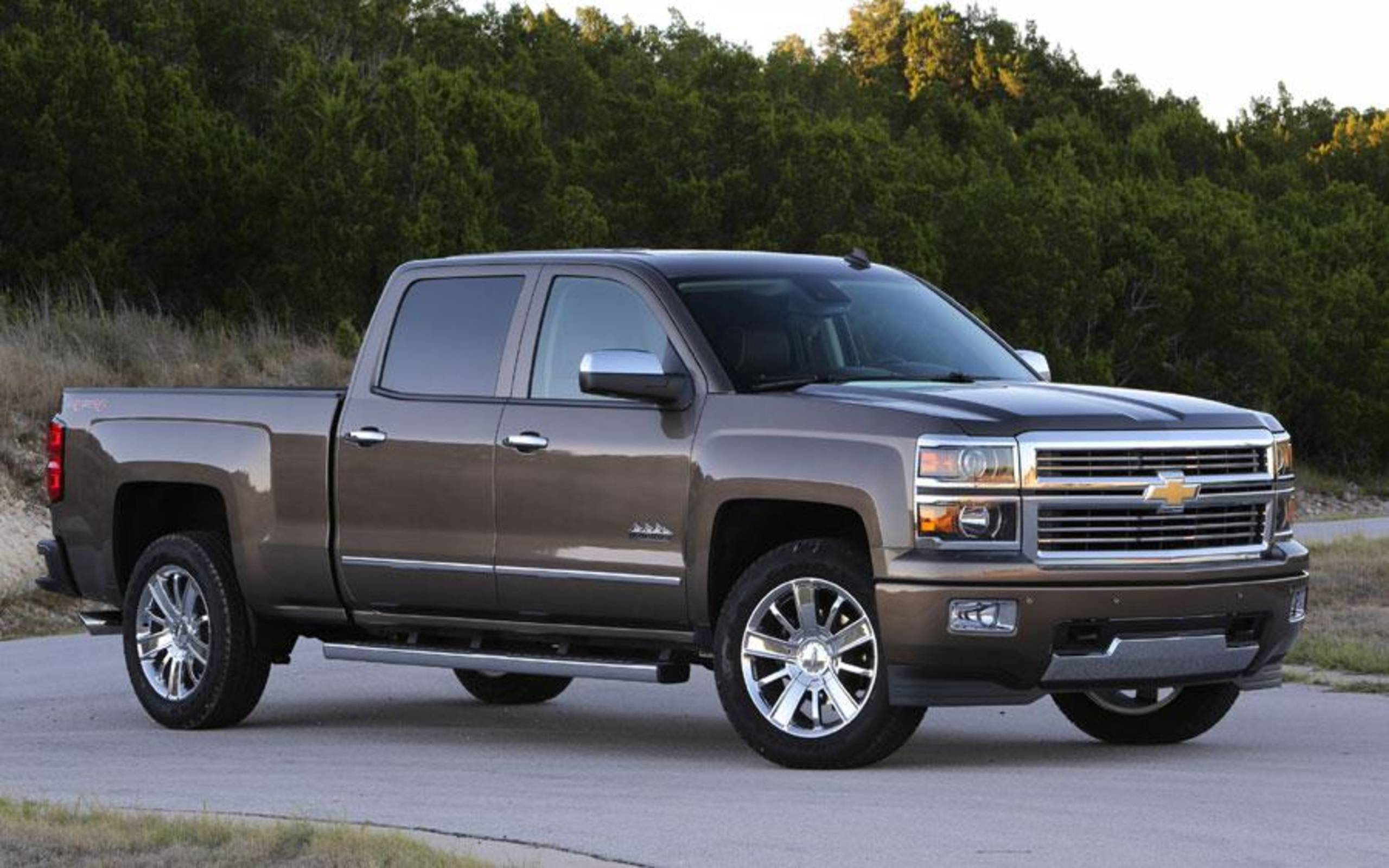
Pickup trucks changed dramatically during the last two decades. Manufacturers chased lighter-weight construction, improved fuel economy, and stricter efficiency regulations, leading many brands to rethink how trucks were engineered.
One of the biggest changes came with the growing use of aluminum body panels and lighter materials. While these newer trucks delivered advantages in fuel savings and corrosion resistance, many longtime truck owners still believe older steel-body pickups felt tougher, heavier, and more durable under punishing real-world conditions.
Before the shift toward aluminum-intensive construction, trucks were often built with thick steel panels, rugged frames, and simpler mechanical designs meant to survive years of hauling, towing, and labor.
These pickups gained reputations on farms, construction sites, oil fields, and mountain roads where reliability mattered more than advanced technology or luxury interiors. Owners valued trucks that could absorb abuse without developing rattles, flexing body panels, or expensive repair problems.
Many of these older pickups also carried a sense of mechanical honesty. Doors closed with heavy weight, beds resisted dents better, and chassis components often felt massively overbuilt compared to modern standards.
Even though some older trucks suffered from rust or lower fuel efficiency, their durability under severe workloads helped create loyal followings that still exist today. Countless examples remain on roads with high mileage because the core engineering was designed for endurance first.
Another reason these trucks remain respected involves repair simplicity. Older steel-body pickups were generally easier to fix after accidents or heavy worksite damage. Replacement parts stayed affordable, and independent mechanics could service them without the specialized tools or advanced calibration systems required by many newer trucks.
This list highlights ten pickups that earned reputations for feeling stronger and tougher before the widespread transition toward aluminum body construction. Some became legendary workhorses, while others quietly proved themselves through decades of hard use.
They represent an era when truck engineering focused heavily on raw strength, heavy-duty construction, and long-term durability above everything else.
Also Read: 10 Cars That Hit 60 MPH Faster Than Advertised
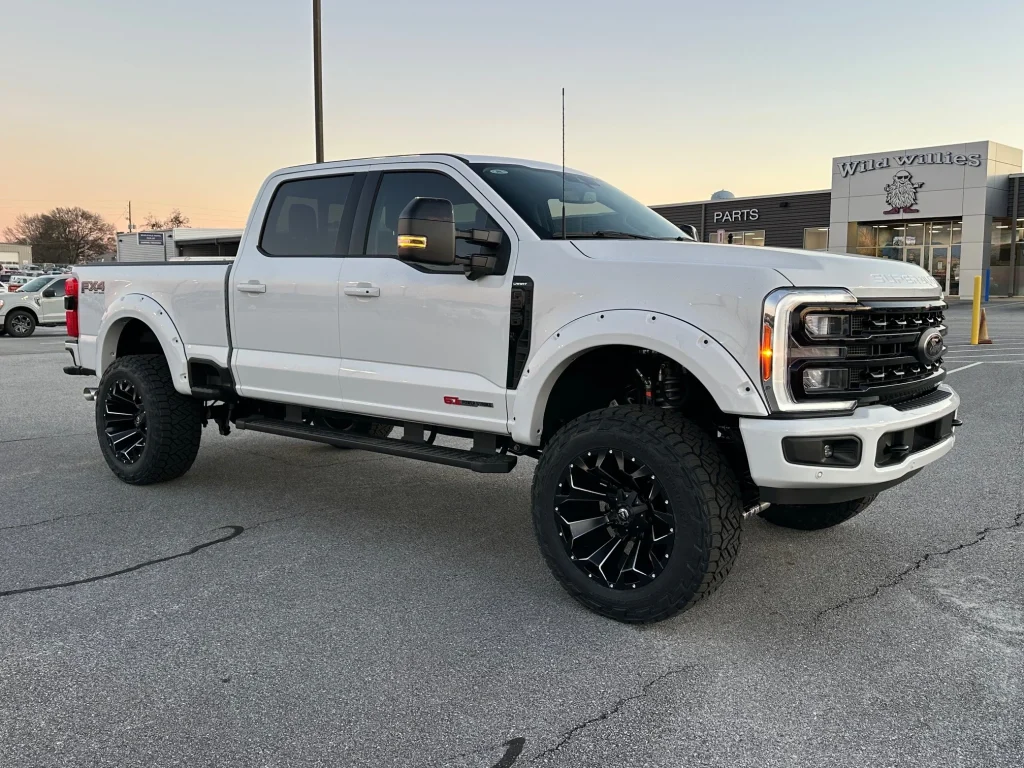
1. Ford F-250 Super Duty
The Ford F-250 Super Duty from the early 2000s became one of the clearest symbols of old-school heavy-duty truck engineering.
Built long before Ford introduced aluminum body construction across its lighter truck lineup, these Super Duty models developed reputations for brute strength and incredible durability under difficult working conditions.
Contractors, ranchers, utility companies, and towing operators trusted them because the trucks felt massively overbuilt from nearly every angle.
One reason the F-250 stood out was its heavy steel body construction combined with an exceptionally robust frame. The truck carried real physical heft, and owners often describe the body panels as thicker and tougher than many modern pickups.
Doors shut with a solid mechanical feel, while the bed handled serious abuse from tools, machinery, and construction materials without feeling fragile.
The suspension and axle setups also contributed heavily to the truck’s reputation. Solid front axles on many models gave the F-250 excellent durability during towing and off-road work. Drivers hauling trailers through rough terrain appreciated the truck’s ability to absorb punishment without developing excessive chassis flex or instability.
Powertrain choices further strengthened its legacy. Diesel engines such as the 7.3-liter Power Stroke became legendary for longevity when maintained correctly.
Many trucks crossed enormous mileage totals while continuing to handle demanding workloads daily. Even gasoline versions gained respect for their straightforward reliability and strong towing capability.
Another advantage involved repairability. Mechanics familiar with older Ford trucks could service many systems without advanced diagnostic complications. Steel body panels were also easier and less expensive to repair after worksite damage compared with modern lightweight construction methods.
These trucks were not refined by modern standards. Ride quality could feel stiff, fuel economy remained poor, and interiors lacked luxury. Yet owners valued them because they delivered confidence under pressure.
Years later, many older F-250 Super Duty trucks still perform heavy labor every day, proving how durable pre-aluminum heavy-duty pickups could truly be.
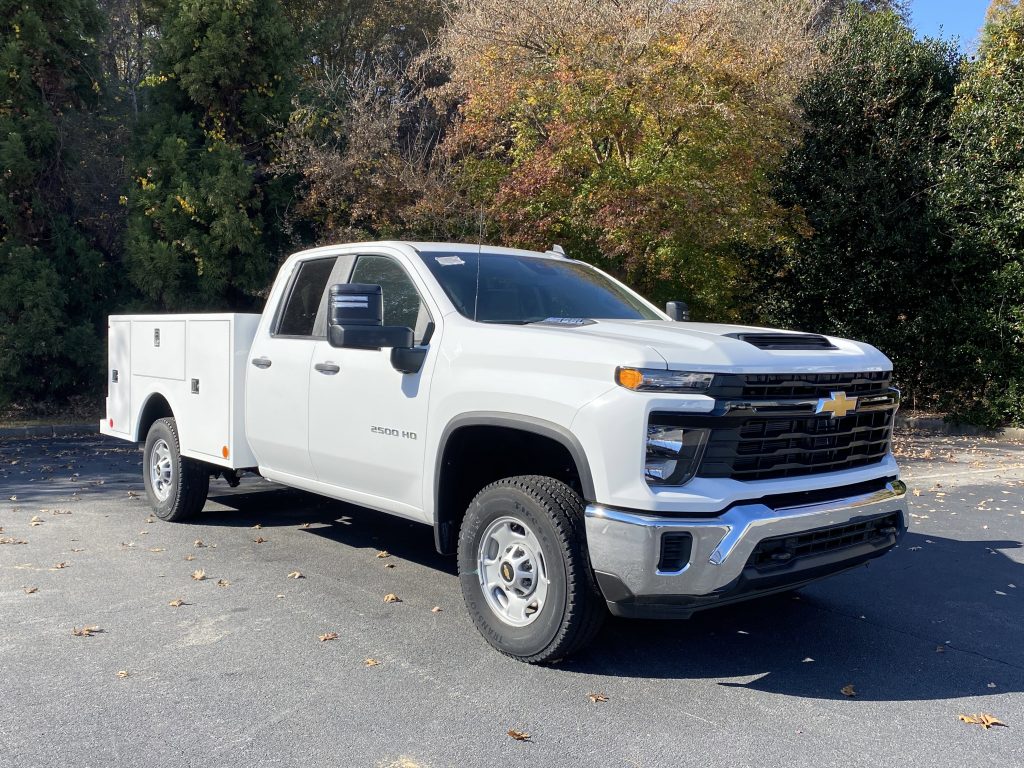
2. Chevrolet Silverado 2500HD
The Chevrolet Silverado 2500HD earned enormous respect during the early and mid-2000s because it combined strong towing ability with a rugged steel body structure built for long-term abuse.
Before lightweight materials became a major focus in the truck industry, Chevrolet engineered the 2500HD with durability as a primary objective. Owners working in agriculture, construction, and equipment hauling quickly discovered how tough these trucks could be under extreme conditions.
The Silverado 2500HD felt substantial in every aspect of its construction. Thick steel panels, a reinforced frame, and heavy-duty suspension components gave the truck a planted and stable character even when carrying large payloads.
Drivers towing trailers frequently praised how solid the chassis remained during difficult highway conditions and rough back roads.
One of the truck’s greatest strengths came from the Duramax diesel engine paired with the Allison transmission. This combination developed an outstanding reputation among towing enthusiasts because it delivered strong power alongside impressive long-term reliability.
Many high-mileage examples continue operating today with original drivetrains still handling demanding workloads.
Unlike some modern trucks prioritizing luxury and technology, the older Silverado 2500HD focused heavily on practical durability.
The interiors were straightforward and functional, while mechanical systems remained easier to diagnose and repair than many newer pickups filled with advanced electronics. This simplicity helped keep maintenance manageable for owners who depended on their trucks daily.
The steel bed construction also became highly valued in work environments. Contractors loaded tools, generators, and heavy materials into these trucks constantly, and the beds resisted dents and structural fatigue remarkably well. Even after years of hard labor, many examples still retain impressive structural integrity.
Another reason these trucks remain popular involves aftermarket support. Replacement parts are widely available, and mechanics understand the platform thoroughly. Owners can continue repairing and maintaining these pickups economically long after many modern vehicles become too expensive to justify keeping.
The Silverado 2500HD represented an era when heavy-duty pickups were engineered first as serious work machines. That commitment to strength and durability still keeps thousands of them active decades later.
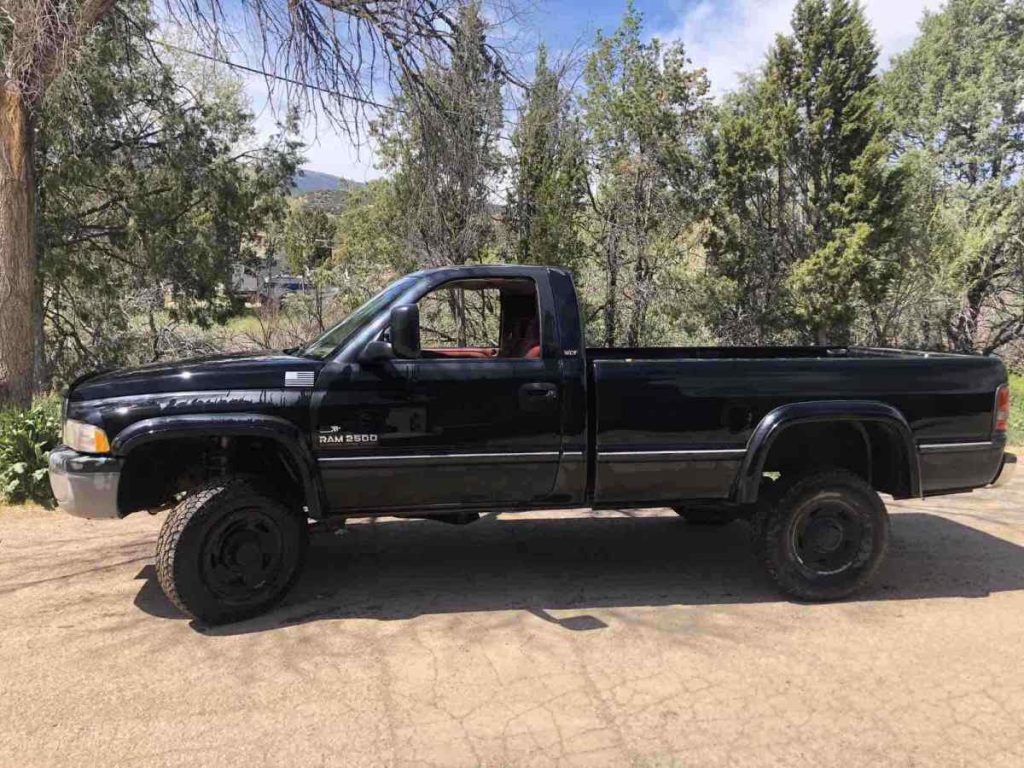
3. Dodge Ram 2500
The Dodge Ram 2500 from the pre-aluminum era built its reputation through sheer toughness and unmistakable character. Long before luxury interiors and lightweight construction became major selling points, the Ram 2500 focused on strength, hauling ability, and mechanical simplicity.
Owners working in farming, towing, and industrial environments respected these trucks because they handled punishing workloads without feeling delicate or overly complicated.
One feature that immediately separated the Ram 2500 from many competitors was its bold, heavy-duty design. The truck carried thick steel body panels and a massive frame that gave it an intimidating road presence.
Even older examples still feel substantial when driven, with a sense of solidity that many longtime truck owners believe newer pickups struggle to replicate.
The available Cummins diesel engine became one of the biggest reasons for the truck’s legendary status. Inline six Cummins-powered Rams earned enormous loyalty because the engines tolerated high mileage and constant towing extremely well.
Many owners pushed these trucks through hundreds of thousands of miles hauling trailers, livestock, and heavy equipment while the engines continued operating dependably.
Suspension durability also played a huge role in the Ram’s reputation. Solid front axle configurations on many models delivered excellent strength for rough terrain and heavy front-end loads. Drivers frequently used these trucks on oil fields, gravel roads, and remote work sites where weaker suspensions often failed prematurely.
Inside the cabin, earlier Ram 2500 models were simple and practical. Materials were not luxurious, but the straightforward layouts made the trucks easier to maintain over long periods. Owners valued function more than flashy technology, and the Ram delivered exactly that philosophy.
Repair flexibility became another major advantage. Steel body panels were easier to fix after dents or work-site accidents, and the mechanical systems remained accessible for independent shops and experienced owners. Parts availability also stayed strong because of the truck’s popularity in commercial applications.
The Ram 2500 represented a period when heavy-duty pickups were expected to survive brutal treatment daily. Decades later, many pre-aluminum examples continue towing and hauling hard, proving how rugged these older steel-body trucks truly were.
4. GMC Sierra 2500HD
The GMC Sierra 2500HD became highly respected among truck owners who wanted heavy-duty capability with a slightly more premium personality. Beneath the upscale touches, however, the Sierra 2500HD remained an extremely rugged machine built during a time when steel body construction dominated the industry.
These trucks earned loyal followings because they combined durability, towing confidence, and long-term mechanical strength in one dependable package.
A major reason older Sierra 2500HD models still command respect is the strength of their chassis design. The fully boxed frame and heavy steel construction created a truck that felt planted under heavy loads.
Whether hauling trailers across highways or carrying construction materials through rough terrain, the Sierra maintained stability and structural confidence that owners appreciated immediately.
The truck also benefited from GM’s highly regarded Duramax diesel and Allison transmission pairing. This combination became famous for dependable towing performance and impressive longevity.
Owners frequently used these trucks for cross-country hauling and commercial work without encountering the severe drivetrain failures that plagued some competing heavy-duty pickups.
Unlike many newer trucks emphasizing digital screens and luxury gadgets, earlier Sierra 2500HD models focused on durability first. Switchgear felt sturdy, seats handled years of use well, and mechanical systems remained relatively straightforward to repair. That practicality helped the truck age more gracefully in demanding environments.
The steel cargo bed became another important strength. Contractors often subjected these trucks to serious abuse from tools, machinery, and oversized materials. Even after years of hard labour, many Sierra beds retained their structural integrity better than lighter modern alternatives, vulnerable to dents and flex.
Owners also appreciated the truck’s long-term serviceability. Replacement body panels, drivetrain parts, and suspension components remained widely available and reasonably affordable. Independent diesel mechanics especially became very familiar with the platform, making repairs less intimidating for high-mileage owners.
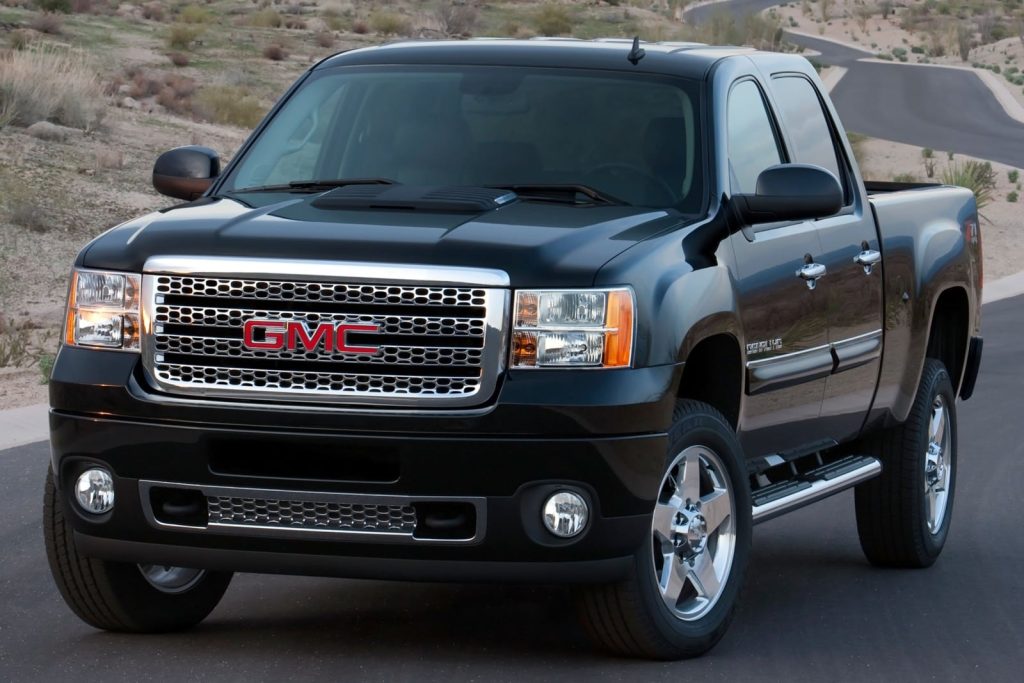
The Sierra 2500HD represented a time when heavy-duty pickups were engineered primarily as durable work equipment. That old-school philosophy continues to keep many of these trucks active today, often still performing demanding jobs long after newer vehicles would have retired from hard labour.
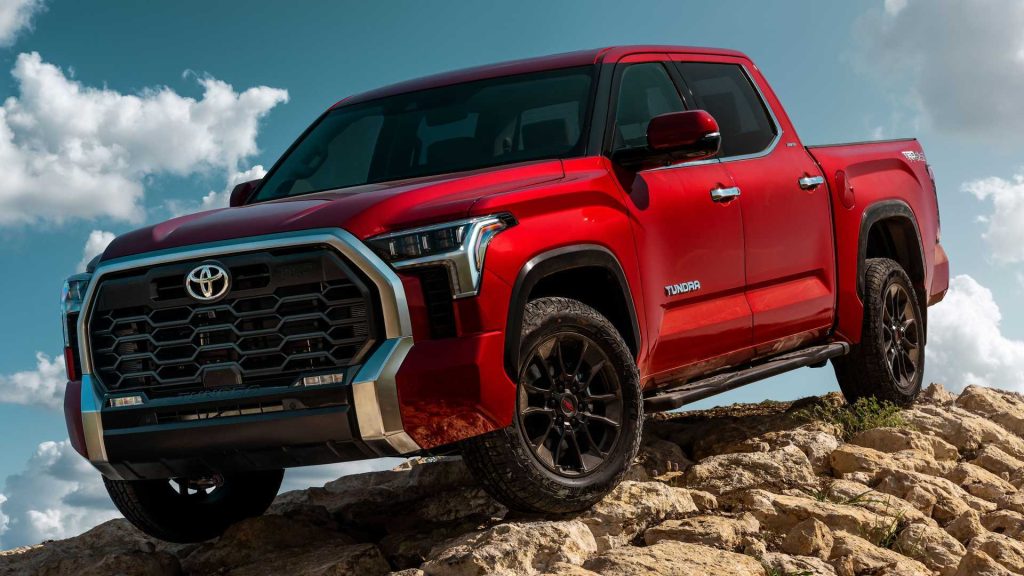
5. Toyota Tundra
The Toyota Tundra earned respect differently from most domestic heavy-duty trucks. Instead of focusing purely on extreme towing numbers or oversized styling, Toyota concentrated on long-term durability and consistent build quality.
Before lightweight construction became common across the industry, the steel-body Tundra developed a reputation for toughness that surprised many truck buyers who originally doubted Toyota’s place in the full-size market.
One reason the older Tundra felt so durable involved its rigid frame and solid body structure. The truck carried a substantial weight and a sturdy driving feel that owners appreciated during hauling and towing.
Doors, tailgates, and bed panels had a thick, solid character that reflected Toyota’s conservative engineering philosophy.
The available V8 engines became central to the truck’s long-term reputation. These power plants delivered dependable performance without excessive mechanical complexity. Many high-mileage Tundras continue operating today with original drivetrains because Toyota prioritized reliability and durability over chasing extreme horsepower figures.
Another factor separating the tundra from its competitors was assembly quality. Owners frequently praised how well the interiors held together after years of rough use.
Switches, seat materials, and trim pieces resisted wear impressively, especially compared with some domestic rivals from the same era that developed rattles and cabin deterioration much earlier.
The steel cargo bed also proved highly durable in work environments. Contractors, landscapers, and recreational owners loaded heavy equipment into these trucks regularly, yet the beds maintained structural integrity well over time. Many older Tundras still perform demanding hauling duties with little sign of weakness in the body structure.
Toyota’s strong reliability reputation further increased owner loyalty. Drivers willing to maintain these trucks properly often kept them for decades because repair costs stayed manageable and major failures remained relatively uncommon.
Independent mechanics also appreciated the straightforward engineering approach used throughout the platform.
The Tundra may not have dominated sales charts against Detroit’s biggest trucks, but it earned deep respect among owners who valued strength, dependability, and old-fashioned steel-body toughness. Years later, many pre-aluminium Tundras still work daily, proving how durable Toyota’s early full-size pickups truly became.
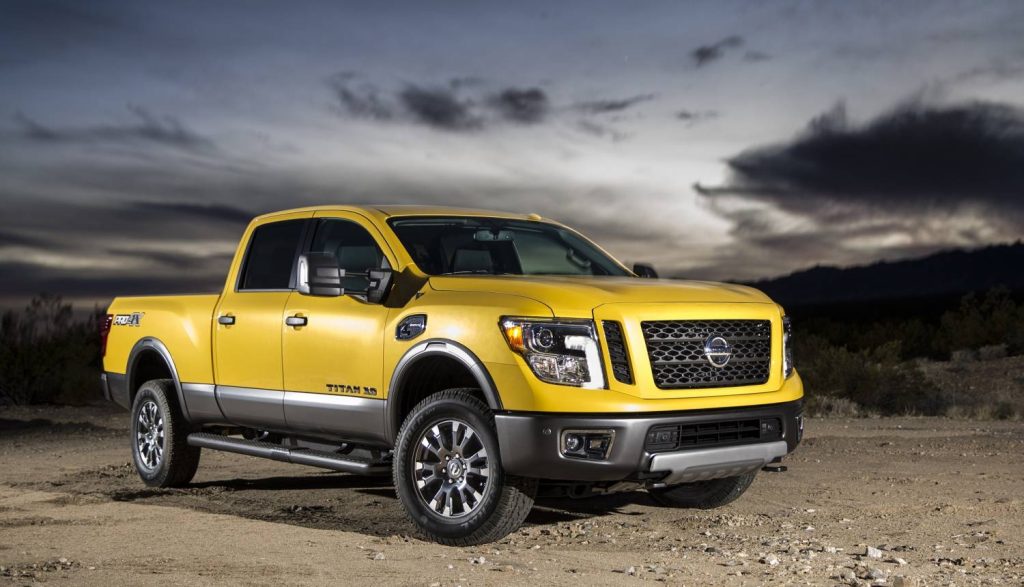
6. Nissan Titan
The Nissan Titan entered the American truck market determined to challenge long-established domestic rivals with a straightforward formula centered on power and durability.
During its early years, the Titan stood out because it felt unapologetically heavy-duty, using thick steel construction and a robust chassis before lightweight body materials became fashionable across the industry.
From the moment drivers stepped inside, the truck projected solidity. The doors shut with noticeable weight, and the body structure handled rough pavement without excessive flex or vibration.
Owners frequently commented that the Titan felt more substantial than expected, especially compared with some lighter-duty trucks marketed heavily toward comfort rather than hard work.
The powerful V8 engine became one of the Titan’s biggest strengths. Nissan designed the drivetrain to deliver strong low-end torque and dependable towing capability without relying on overly complicated systems. Many owners used these trucks for hauling trailers, boats, and work equipment for years with minimal mechanical drama.
The steel bed construction also helped the Titan earn respect among contractors and outdoor enthusiasts. Cargo areas handled heavy tools and machinery well, resisting dents and structural fatigue even after long periods of abuse.
Tailgate durability became another positive point because the hardware remained sturdy under repeated loading cycles.
Another important advantage involved the truck’s suspension tuning. While the ride remained firm enough for work applications, the Titan also maintained impressive stability under load. Drivers towing through windy highways or uneven terrain often praised the truck’s planted feeling and predictable handling.
The interior reflected a practical philosophy rather than chasing luxury trends. The controls were large, easy to use, and durable enough to survive demanding work environments. Owners valued this simplicity because it reduced long-term reliability concerns related to fragile electronics.
Although the Titan never reached the sales dominance of Ford or Chevrolet pickups, it developed a loyal following among drivers wanting a durable steel-body truck built with straightforward engineering principles.
Many early Titans remain active today because they were constructed during a period when truck manufacturers still prioritised heavy-duty toughness above lightweight efficiency goals.
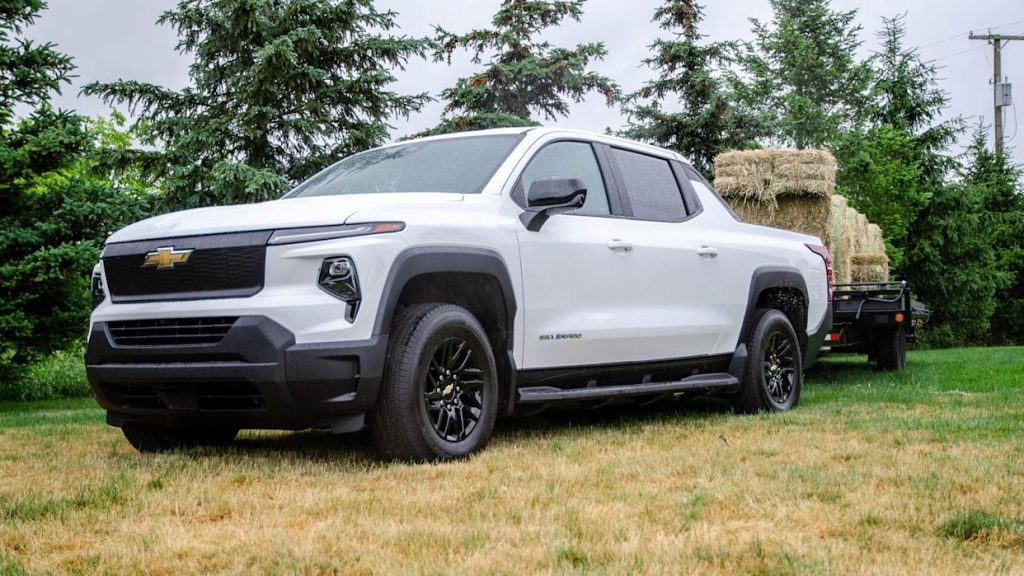
7. Chevrolet Silverado 1500
The Chevrolet Silverado 1500 from the early and mid-2000s became a favourite among truck buyers who needed dependable strength without moving into heavy-duty territory.
Built during an era before aluminium body construction changed the industry, these Silverados developed reputations for ruggedness, mechanical simplicity, and worksite durability that still keep many of them active today.
One reason the older Silverado felt stronger than many modern pickups was its heavy steel body structure. The truck carried noticeable weight and solidity, especially when traveling over rough roads or hauling cargo.
Owners often mention how planted the chassis feels under load, with less of the lightweight sensation some drivers notice in newer trucks focused heavily on fuel economy.
The available V8 engines also contributed heavily to the Silverado’s reputation. GM’s small block V8 lineup delivered dependable torque and relatively simple maintenance compared with many later turbocharged powertrains.
High-mileage examples continue appearing on roads because these engines tolerate years of towing, hauling, and daily driving with proper care.
The truck’s cargo bed became another major strength. Landscapers, contractors, and farmers regularly loaded these pickups with tools, gravel, lumber, and machinery.
The steel bed floors resisted serious structural damage surprisingly well despite constant abuse. Even heavily used work trucks often retained solid body integrity long after cosmetic wear appeared.
Repair costs also helped extend the Silverado’s lifespan. Parts remained widely available and affordable, while independent mechanics understood the platform thoroughly. This made it economically realistic for owners to maintain ageing trucks instead of replacing them every few years.
Inside the cabin, earlier Silverados focused more on practicality than luxury. Large controls, durable seats, and straightforward layouts worked well in demanding environments where drivers entered the truck wearing muddy boots or work gear daily. That honest utilitarian design aged surprisingly well.
The Silverado 1500 represented a period when half-ton pickups still emphasized toughness first. Decades later, countless examples continue serving as dependable work vehicles because their steel body construction and durable mechanical systems were engineered for real long-term abuse.
8. Ford Ranger
The Ford Ranger proved that toughness was not limited to massive heavy-duty trucks. Long before Ford introduced aluminium-intensive construction in larger pickups, the Ranger earned a reputation for durability through compact simplicity and strong steel body engineering.
Many older Rangers remain on roads today because the trucks were built to handle years of hard labor without becoming complicated or expensive to maintain.
The Ranger’s compact size actually worked in its favor. Its lighter weight reduced strain on suspension components and drivetrains while still allowing the truck to carry impressive loads for its class. Farmers, tradespeople, and small business owners frequently used Rangers as daily work vehicles because they balanced efficiency with rugged dependability.
Steel body construction gave the truck a sturdy feel uncommon among smaller pickups from the era. The bed-handled tools, equipment, and building materials surprisingly well, and the frame tolerated rough roads without developing major structural issues. Owners regularly pushed these trucks beyond what compact pickups were expected to handle.
Another major advantage involved the Ranger’s mechanical simplicity. The engines were straightforward, durable, and relatively inexpensive to repair.
Manual transmission versions especially became famous for surviving high mileage with minimal major repairs. Independent mechanics appreciated how accessible many components remained compared with newer, tightly packaged vehicles.
The interior followed the same practical philosophy. Controls were simple, visibility remained excellent, and the cabins resisted heavy wear better than many competitors. Even older Rangers often maintain functional dashboards and durable seating despite decades of use.
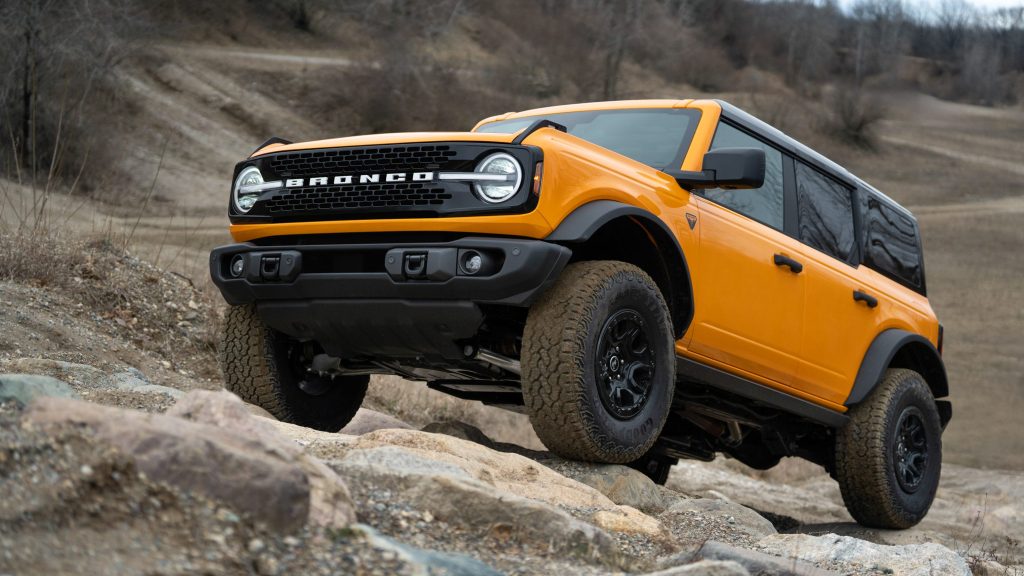
The truck also gained popularity in off-road communities because of its strong frame and manageable dimensions. Drivers modified Rangers for trails, camping, and outdoor recreation while still relying on them for everyday transportation. This versatility increased owner loyalty and helped preserve many examples.
Fuel economy further strengthened the Ranger’s appeal. Owners could use the truck for daily commuting without suffering the high operating costs associated with larger pickups. That practicality encouraged people to keep their Rangers for extremely long periods.
The Ford Ranger succeeded because it delivered honest truck capability in a durable, steel-body package. Years after production of older generations ended, these pickups continue proving how resilient compact trucks from the pre-aluminum era could truly be.
9. Toyota Tacoma
The Toyota Tacoma became legendary because it blended compact dimensions with remarkable durability. Before lightweight materials became common in truck construction, the Tacoma relied on strong steel body engineering that allowed it to survive years of abuse in harsh environments.
Owners used these trucks on farms, mountain trails, construction sites, and remote backroads where reliability mattered more than luxury features.
One reason the Tacoma earned such loyalty involved its sturdy frame and dependable suspension setup. The truck handled rough terrain confidently while maintaining structural strength even after years of off-road driving. Many older Tacomas still operate with original body panels and drivetrains despite extremely high mileage totals.
Toyota’s engines also became central to the truck’s long lifespan. Both four-cylinder and V6 versions developed reputations for reliability when maintained correctly. Owners frequently kept these trucks for decades because catastrophic mechanical failures remained relatively uncommon compared with many competitors.
The steel cargo bed proved highly practical for daily work. Contractors and outdoor enthusiasts loaded tools, camping equipment, motorcycles, and construction materials into Tacomas constantly. Even heavily used examples often retained impressive bed durability long after cosmetic wear became visible.
Another advantage involved repair simplicity. Mechanics everywhere became familiar with the Tacoma platform, and replacement parts remained easy to source. This kept maintenance affordable and encouraged owners to preseageingging trucks rather than replacing them.
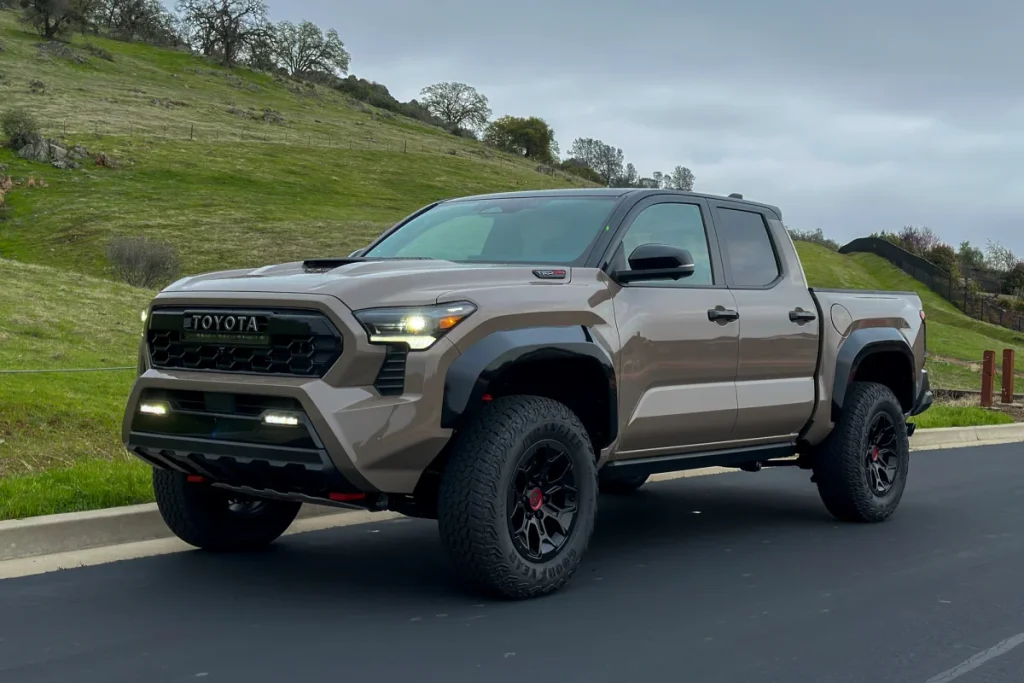
The Tacoma also built a massive enthusiast following. Off-road communities especially respected the truck because its strong steel body and compact size handled trails exceptionally well. Many owners modified older Tacomas for adventure use while still relying on them for daily transportation.
Decades later, pre-aluminum Tacomas remain valuable because they represent a period when midsize pickups emphasized rugged dependability and straightforward engineering above trendy technology or lightweight construction goals.
10. GMC Sierra 1500
The GMC Sierra 1500 from the pre-aluminum years delivered a blend of work truck toughness and premium styling that attracted loyal owners across North America. Built with heavy steel construction and a durable frame, these trucks gained a reputation for feeling substantial under difficult working conditions.
Many remain active today because they were engineered during a period when durability carried enormous importance in truck development.
The Sierra’s body structure felt solid and planted, especially when towing or hauling. Owners appreciated how stable the truck remained with heavy loads in the bed or large trailers attached behind it. The steel panels also handled jobsite abuse well, resisting dents and structural fatigue better than many lighter modern alternatives.
GM’s V8 engines further strengthened the Sierra’s reputation. These powerplants produced dependable torque while remaining relatively easy to service. High-mileage Sierras continue operating today because the drivetrains tolerated years of towing, highway travel, and daily work without becoming overly expensive to maintain.
Inside the cabin, the Sierra leaned slightly more upscale than comparable work-focused pickups, yet it still retained strong durability. Seats, controls, and dashboards generally handled long-term wear effectively. Many older interiors remain functional despite years of muddy boots, tools, and demanding work environments.
Another reason these trucks survived involves widespread parts availability. Independent repair shops understand the platform thoroughly, making repairs straightforward and affordable. Owners often choose to restore or maintain older Sierras because keeping them operational remains financially realistic.
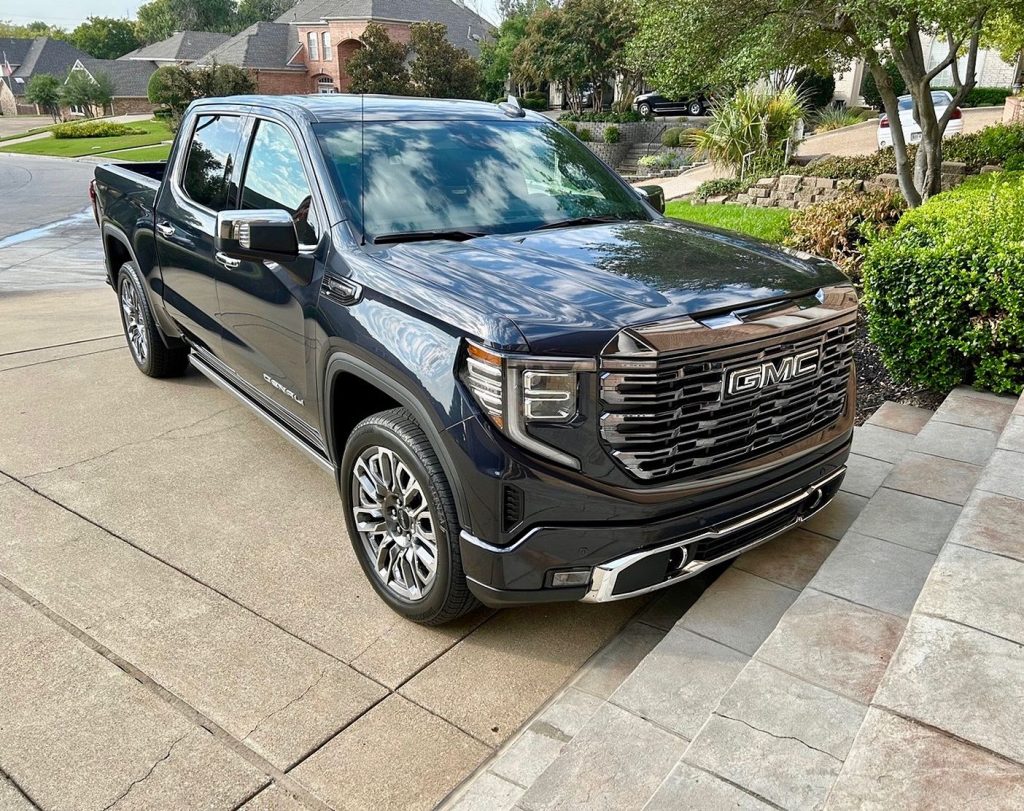
The cargo bed became another important strength. Landscapers, contractors, and farmers relied on these trucks daily for hauling equipment and materials. Even after decades of labor, many Sierra beds still retain impressive structural integrity.
The Sierra 1500 reflected an era when trucks balanced utility, durability, and mechanical simplicity. Its continued presence on roads today proves how well these steel-body pickups were built before lightweight construction transformed the modern truck market.
Also Read: 10 Vintage Cars Whose Values Doubled In The Last 10 Years
