
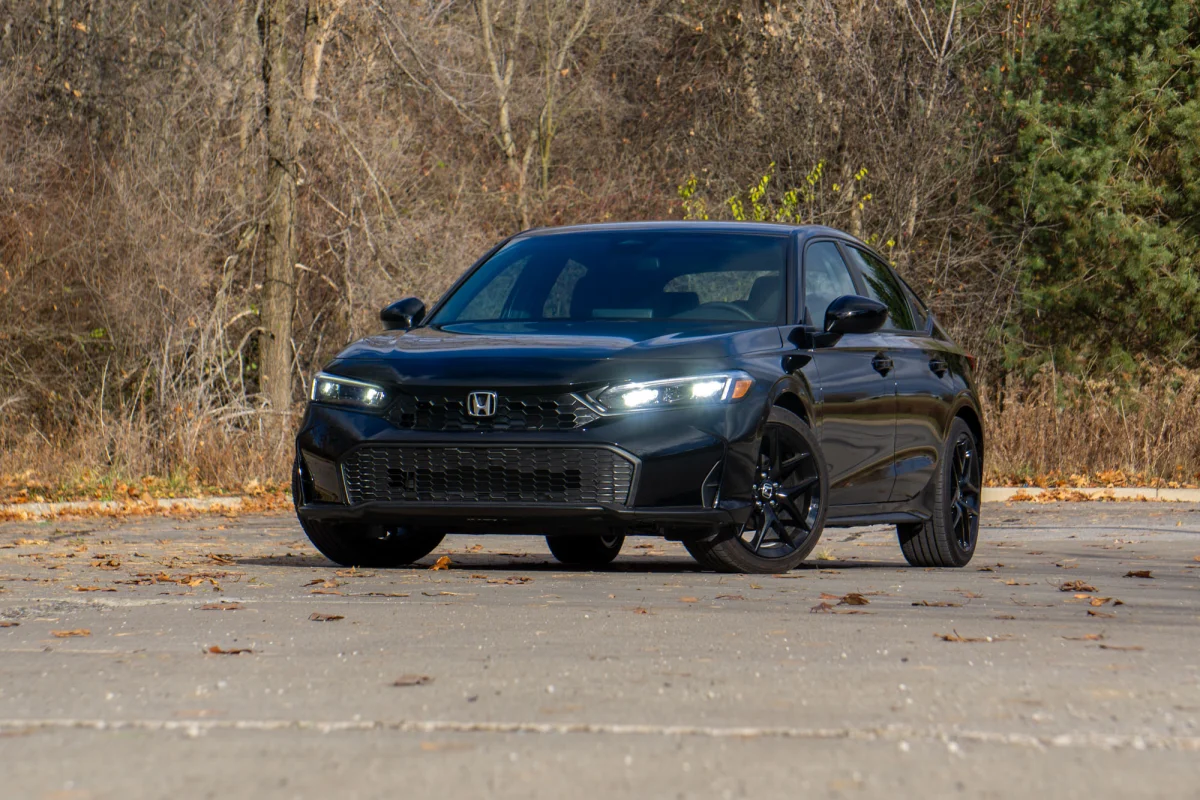
Modern cars are filled with advanced technology, touchscreen systems, driver assistance features, and increasingly complicated engineering. Yet despite all the progress in the automotive industry, some older vehicles continue proving that durability matters more than flashy innovation.
Across cities, highways, rural roads, and even harsh climates, certain cars from the late 1990s and early 2000s are still running reliably after more than twenty years of service. Many of them have crossed enormous mileage numbers while continuing to operate as dependable daily transportation.
The reasons behind this long lifespan vary from model to model. Some cars succeeded because they used simple, naturally aspirated engines that avoided unnecessary complexity.
Others became legends because replacement parts stayed affordable and widely available long after production ended. A few earned loyal followings thanks to strong transmissions, durable interiors, and mechanical designs that tolerated neglect better than most modern vehicles.
Another major factor is owner trust. Drivers who keep cars for two decades usually develop confidence in them through years of dependable performance. These vehicles survived changing fuel prices, economic downturns, evolving safety standards, and shifting automotive trends.
Even as SUVs and crossovers dominated the market, older sedans, wagons, and compact cars quietly remained on the road serving families, commuters, students, and retirees every single day.
High-mileage durability also says something important about engineering priorities from that era. Many manufacturers built vehicles before extreme touchscreen integration and heavily downsized turbocharged engines became common.
Simpler systems often meant fewer catastrophic failures once the cars aged. Mechanics still praise many of these vehicles because repairs remain straightforward compared with newer models requiring expensive electronic diagnostics and specialized components.
This list highlights ten cars that continue appearing on roads more than twenty years after they first reached buyers. Some became famous worldwide for reliability, while others quietly earned respect through long-term consistency.
They are not just surviving because owners cannot replace them. Many remain in active use because they still perform their jobs dependably after decades of real-world driving.
Also Read: 10 Pickups With the Worst Owner Regret in 2026
1. Toyota Corolla
The Toyota Corolla became one of the clearest examples of long-term automotive durability. Nearly every city in the world still has Corollas from the early 2000s operating as commuter cars, delivery vehicles, student transportation, and family sedans.
Many owners purchased them expecting basic reliability, but few imagined the cars would continue running well after two decades with relatively modest maintenance requirements.
Toyota achieved this durability through mechanical simplicity and careful engineering. Older Corollas used naturally aspirated four-cylinder engines that avoided unnecessary stress while still delivering strong fuel economy. The transmissions also earned excellent reputations for longevity, particularly when owners followed simple fluid maintenance schedules.
One of the Corolla’s greatest strengths is how well it tolerates neglect. Plenty of aging examples survived missed maintenance intervals, rough road conditions, and extremely high mileage while continuing to start reliably every morning.
Mechanics often describe the car as forgiving because even poorly maintained examples can remain functional far longer than expected.
The sedan’s lightweight construction also helped extend component life. Brakes, suspension parts, and steering systems generally experienced less strain compared with heavier vehicles. This kept ownership costs low and encouraged drivers to repair the cars instead of replacing them once they aged.
Another reason the Corolla survives so long involves global parts availability. Replacement components remain inexpensive and easy to source in countless countries. Independent repair shops know the platform extremely well, making repairs fast and affordable for owners on tight budgets.
Interior durability deserves credit, too. While the cabins were never luxurious, controls remained functional, and seats often resisted severe wear better than many competitors. Even after years of use, older Corollas frequently maintain a solid, dependable feel.
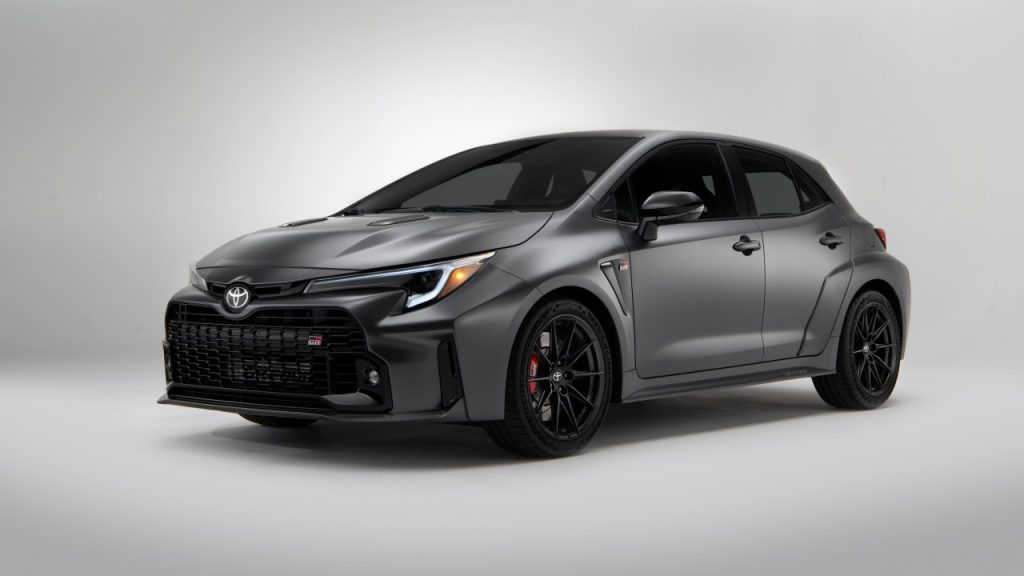
The Corolla became more than just reliable transportation. It turned into a symbol of predictable long-term ownership. Two decades after leaving dealership lots, thousands of these cars still handle daily driving duties with impressive consistency and very little drama.
2. Honda Accord
The Honda Accord earned its reputation by balancing comfort, efficiency, and mechanical dependability better than almost any midsize sedan of its era. Even today, Accords from the late 1990s and early 2000s remain common sights on highways and suburban streets.
Some continue serving as daily commuters with mileage numbers many modern vehicles never reach.
Honda designed the Accord with durability in mind. The engines became known for smooth operation and the ability to withstand years of regular use without major internal failures. Properly maintained four-cylinder models especially gained legendary reputations for crossing 200,000 miles while still running quietly and efficiently.
Unlike certain economy cars that felt disposable after a decade, the Accord aged with surprising grace. The suspension maintained a comfortable ride for many years, and steering precision often remained intact long after competing sedans developed excessive looseness or vibration. Drivers appreciated that the car still felt refined even as it accumulated serious mileage.
The Accord also benefited from strong fuel economy and manageable maintenance costs. Timing belt replacements and routine servicing were important, yet ownership expenses stayed reasonable compared with larger or more complicated vehicles. Because repairs were affordable, many owners chose to keep the cars instead of trading them in.
Cabin quality became another hidden advantage. Honda built interiors that resisted wear remarkably well, considering how heavily these cars were used.
Climate controls, gauges, and switchgear frequently continue functioning properly decades later. Many older Accords still have clean dashboards and comfortable seats despite years of commuting and family use.
Another factor helping the Accord survive involves owner loyalty. Drivers who experienced the car’s reliability often stayed committed to maintaining it carefully. This created countless well-preserved examples still operating today with original engines and transmissions.
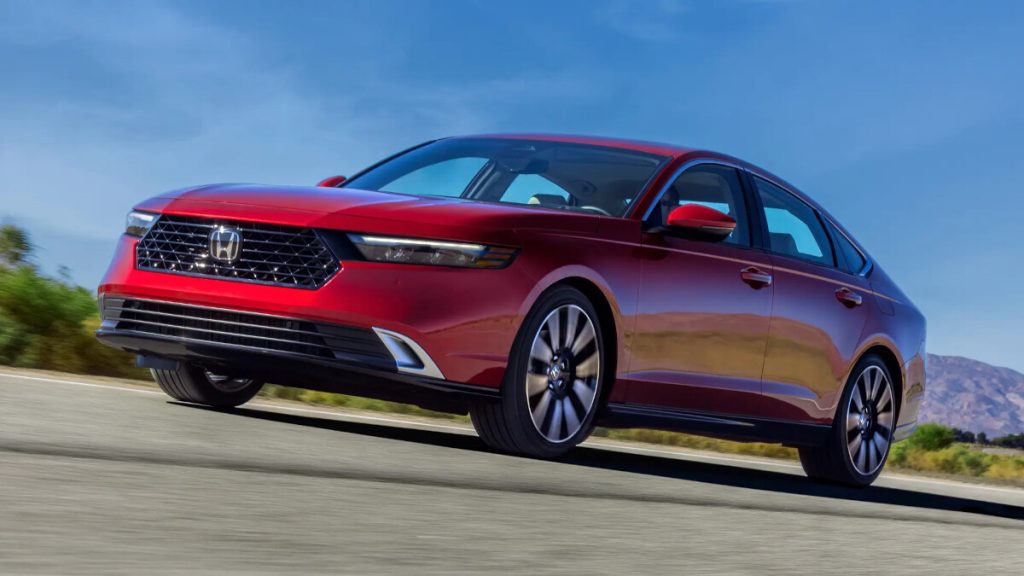
The automotive world changed dramatically during the last twenty years, but the Accord remains one of the clearest reminders that smart engineering and dependable mechanics can keep a car relevant long after newer models dominate dealership showrooms.
3. Buick LeSabre
The Buick LeSabre represents a type of American car that has nearly disappeared from modern roads. Large, soft-riding, naturally aspirated sedans once dominated highways, and the LeSabre became one of the most durable examples ever produced by General Motors.
Even decades after production ended, countless older LeSabres still serve as reliable transportation for retirees, commuters, and drivers who value comfort more than modern styling trends.
Much of the car’s reputation comes from the famous 3800 V6 engine. Mechanics regularly describe it as one of GM’s most dependable powerplants because it combines simple engineering with excellent longevity.
These engines frequently survive beyond 200,000 miles with basic maintenance, and many continue operating smoothly despite years of heavy use.
The LeSabre also avoided unnecessary complexity. Unlike modern luxury cars packed with fragile electronics and turbocharged systems, the Buick focused on proven mechanical components. Repairs remained straightforward and affordable, which encouraged owners to keep the cars on the road long after newer vehicles would have been scrapped.
Ride quality became another reason the sedan stayed popular for so long. The suspension absorbed rough pavement effortlessly, making long drives relaxing even after the vehicle aged. Many owners continue using older LeSabres because they still provide a level of comfort difficult to find in modern, affordable transportation.
Interior durability also deserves recognition. The seats remained supportive for years, and the controls were designed with simplicity in mind. Even high-mileage examples often retain functioning climate systems and solid cabin construction.
That reliability helped the LeSabre become especially common among elderly drivers who preferred dependable, familiar transportation.
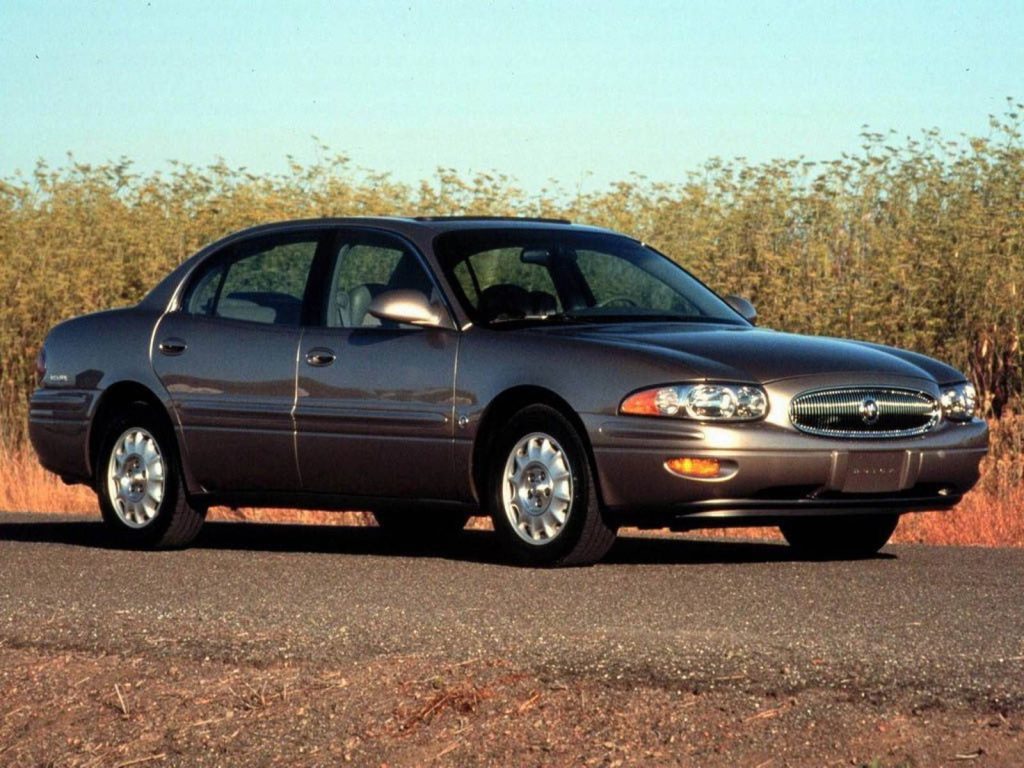
Another advantage is parts availability. Because General Motors produced huge numbers of these sedans, replacement components remain widely accessible and inexpensive. Independent repair shops understand the platform thoroughly, making ownership less intimidating for people driving older vehicles.
The LeSabre may no longer fit current automotive fashion, but its ability to survive for more than two decades proves how durable traditional American sedans can be when engineered around simplicity and comfort.
4. Lexus LS 430
The Lexus LS 430 became one of the clearest examples that luxury cars could also deliver extraordinary long-term reliability. Introduced during an era when many premium sedans developed reputations for expensive repairs and electronic failures, the LS 430 quietly established itself as a vehicle capable of lasting decades with proper maintenance.
Even now, many examples continue operating with remarkable refinement despite crossing extremely high mileage totals.
Toyota’s engineering philosophy played a major role in the sedan’s durability. The V8 engine earned praise for smoothness and longevity, often running for hundreds of thousands of miles without requiring major internal repairs.
Transmission performance also remained dependable compared with several European rivals that struggled with costly drivetrain problems as they aged.
The LS 430 approached luxury differently from competitors chasing aggressive sportiness. Lexus focused heavily on comfort, silence, and mechanical precision.
This created a car that experienced less stress during normal driving, helping many components last significantly longer. Owners frequently describe the sedan as feeling solid and composed even after two decades on the road.
Interior quality became one of the car’s defining achievements. Leather seats, wood trim, and electronic systems aged exceptionally well when maintained correctly. Many older LS 430 cabins still look surprisingly modern because Lexus used durable materials and careful assembly techniques.
Another reason these cars survive involves owner demographics. Buyers who originally purchased LS sedans often maintained them meticulously, following service schedules closely and addressing problems early. This careful ownership culture preserved countless examples in excellent mechanical condition.
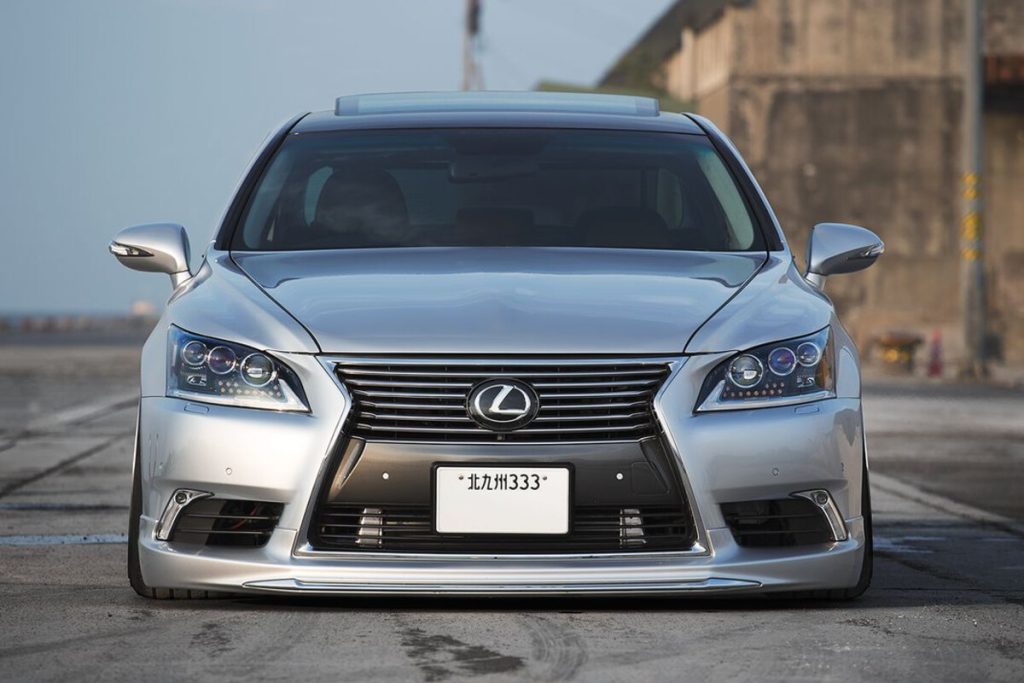
Mechanics also appreciate the car because many repairs remain manageable despite the luxury badge. The LS 430 avoided some of the overcomplicated systems that made aging European luxury sedans extremely expensive to keep running.
That balance between premium comfort and long-term dependability helped the car earn legendary status among automotive enthusiasts.
More than twenty years after its introduction, the LS 430 still represents a benchmark for reliability in the luxury segment. Few premium sedans from its era continue operating so smoothly after decades of real-world use.
5. Ford Crown Victoria
The Ford Crown Victoria survived in some of the harshest driving environments imaginable, which explains why so many remain on the road after more than twenty years.
Police departments, taxi fleets, government agencies, and private owners relied on the Crown Victoria because it handled punishment that destroyed less durable sedans. Even today, older examples still appear regularly as commuter cars and work vehicles across North America.
Ford built the Crown Victoria using a body-on-frame layout that prioritized strength and repairability.
This construction made the car heavier than many competitors, yet it also allowed the sedan to withstand rough roads, curb impacts, and high-mileage abuse without serious structural problems. Fleet operators valued that toughness because downtime cost money.
The V8 engine became another major reason for the car’s long lifespan. The powerplant earned a reputation for durability under extreme conditions, especially in police service, where engines often idled for hours every day. Many Crown Victorias crossed enormous mileage totals while still operating reliably with proper maintenance.
Another factor helping the sedan survive involves mechanical simplicity. Repairs are straightforward compared with many modern vehicles filled with tightly packed components and advanced electronics. Mechanics know the platform extremely well, and replacement parts remain inexpensive due to the massive number produced over the years.
Inside the cabin, the Crown Victoria focused more on practicality than luxury. The controls were simple, the seats were comfortable, and visibility remained excellent. This straightforward design aged better than complicated interiors loaded with fragile technology systems.
The taxi service further proved the sedan’s durability. In many cities, Crown Victorias spent years driving nearly nonstop, with different drivers operating them around the clock. Cars that survive that kind of treatment gain strong reputations naturally, and the Ford earned trust through repeated real-world performance.
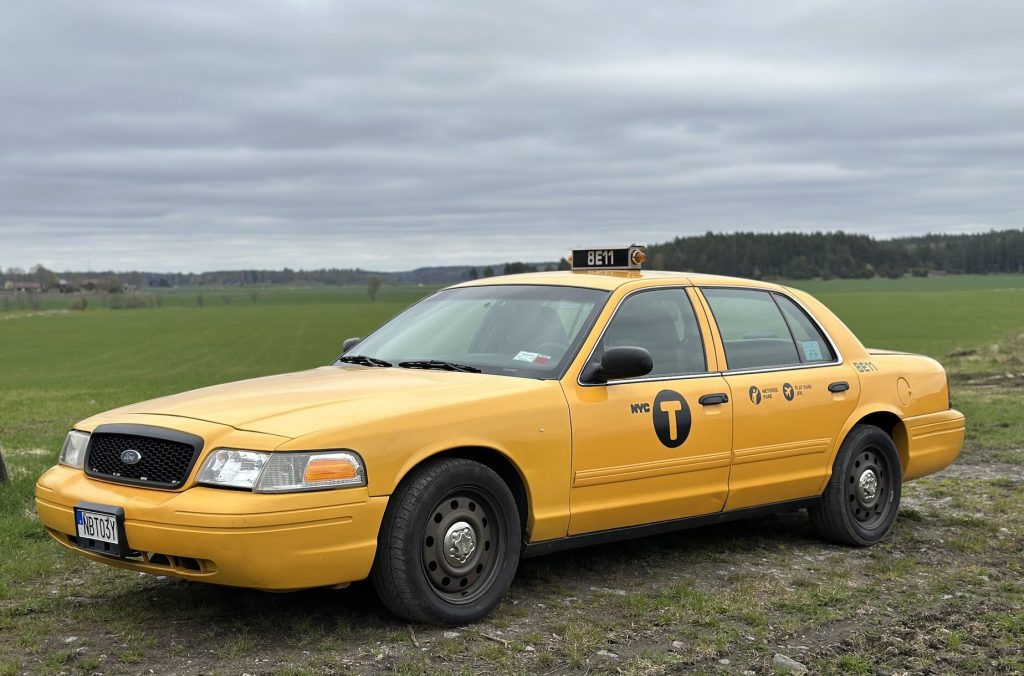
Even though modern sedans became more fuel-efficient and technologically advanced, few matched the Crown Victoria’s reputation for toughness. Decades after leaving production, the car continues serving loyal owners because it was engineered to endure heavy daily use without becoming difficult or expensive to maintain.
6. Toyota Camry
The Toyota Camry became so famous for reliability that many people almost take its durability for granted. Yet the reason countless early 2000s Camrys still operate today is not luck.
Toyota engineered the car to provide dependable transportation year after year with minimal drama, and owners responded by keeping them on the road far longer than most manufacturers expected.
One of the Camry’s greatest strengths is consistency. The engines delivered smooth performance without being pushed aggressively for maximum power.
Because of this balanced tuning, many four-cylinder and V6 models continue functioning reliably after hundreds of thousands of miles. Routine oil changes and fluid maintenance are often enough to keep the drivetrains healthy for decades.
The Camry also became known for low operating costs. Brake jobs, suspension repairs, and common maintenance procedures remained affordable, encouraging owners to repair aging cars instead of replacing them. That practicality helped create enormous numbers of surviving examples still used for commuting, rideshare work, and family transportation.
Toyota paid close attention to ride comfort as well. The suspension delivered a calm driving experience that appealed to drivers of all ages.
Even older Camrys usually remain easy to drive with smooth steering and predictable road manners. This helped many owners keep the cars longer because they continued feeling comfortable despite advancing age.
Interior durability became another hidden advantage. Seats, dashboards, and controls generally resisted severe wear better than many competing sedans. It is common to find twenty-year-old Camrys with functioning climate controls, intact upholstery, and surprisingly quiet cabins considering their mileage.
The sedan’s worldwide popularity also guaranteed excellent parts support. Independent mechanics everywhere understand the platform, making repairs straightforward and inexpensive. That accessibility keeps older Camrys economically practical even after decades of service.
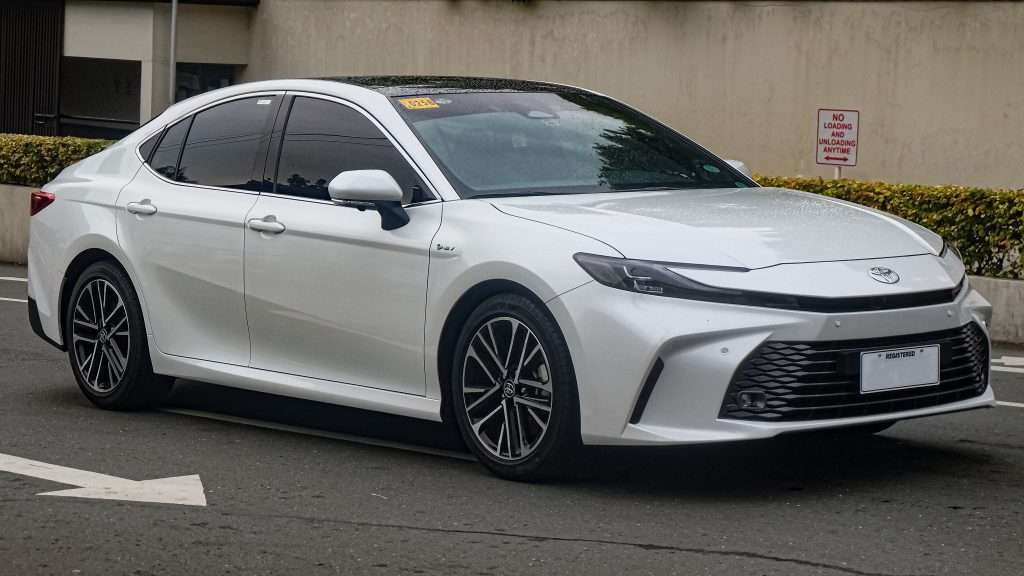
The Camry rarely aimed to be exciting or flashy. Instead, it focused on reliability, comfort, and efficiency. Those qualities allowed it to remain useful long after trendier vehicles disappeared, which explains why so many continue driving daily after more than two decades on the road.
7. Honda Civic
The Honda Civic earned a place among the longest-lasting vehicles ever built because it combined efficiency, simplicity, and dependable engineering in a package millions of drivers trusted. More than twenty years after many early 2000s Civics first reached dealerships, these cars still appear everywhere, from crowded cities to rural highways.
Their continued survival is tied directly to Honda’s reputation for building durable small cars that resist mechanical breakdowns even under constant use.
Fuel economy became one of the Civic’s strongest advantages during its era. Rising fuel prices pushed many buyers toward compact sedans, and the Civic delivered excellent mileage without feeling underpowered for normal daily driving.
Owners who commuted long distances appreciated that they could operate the car cheaply while still enjoying dependable performance year after year.
Honda’s engines played a massive role in the Civic’s longevity. The four-cylinder powerplants became known for smooth operation and impressive durability when serviced regularly.
Many Civics crossed extremely high mileage totals while still retaining strong fuel efficiency and reliable cold starts. Manual transmission versions, especially, developed reputations for lasting decades with relatively few major issues.
Another important reason the Civic survives so long is its lightweight design. Lower vehicle weight reduced stress on brakes, tires, and suspension components. This helped keep ownership costs manageable and made repairs less frequent compared with heavier vehicles from the same era.
The aftermarket community surrounding the Civic also contributed to its survival. Replacement parts remain inexpensive and widely available, while enthusiasts continue restoring and maintaining older models. Independent mechanics understand the platform thoroughly, making repairs simple for owners on tight budgets.
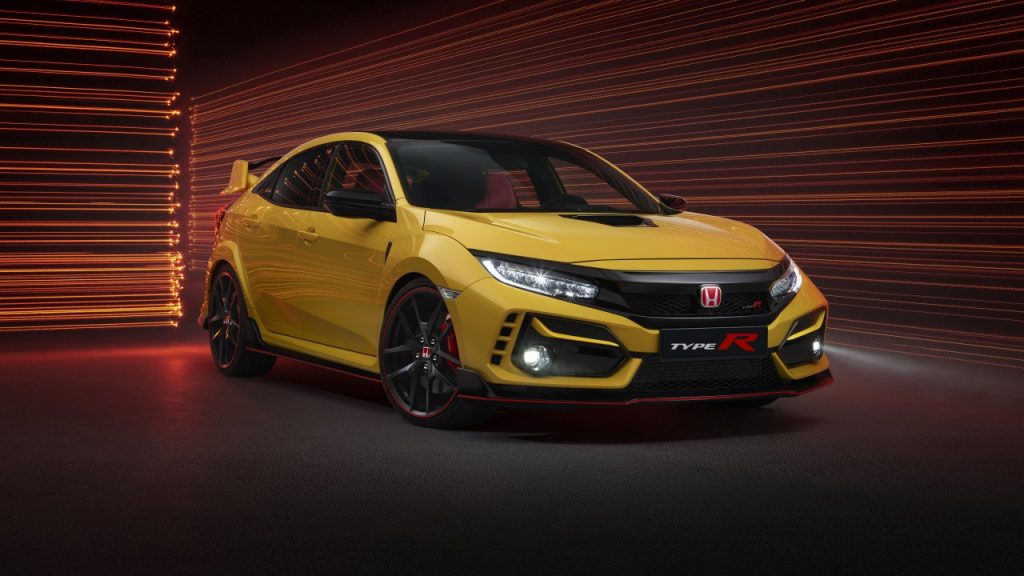
Inside the cabin, older Civics emphasized practicality rather than luxury. The controls were easy to use, visibility remained excellent, and interior layouts aged surprisingly well. Even decades later, many examples still feel functional and comfortable enough for everyday driving.
The Civic became more than basic transportation. It turned into one of the automotive industry’s clearest examples of how dependable engineering can keep a compact car relevant and useful long after most vehicles from its generation disappear from the roads.
8. Mercedes-Benz W124 E-Class
The Mercedes-Benz W124 represents a period when Mercedes focused heavily on engineering durability above rapid technological change. Although many W124 models are now more than thirty years old, large numbers continue operating reliably across the world.
Their reputation for longevity became so strong that many mechanics and enthusiasts still consider the W124 one of the toughest luxury sedans ever produced.
Mercedes built these cars with exceptional structural strength. Doors close with a heavy, solid feel even after decades of use, and many chassis remain remarkably free of rattles despite enormous mileage.
Taxi fleets in Europe famously relied on W124 sedans because the cars handled nonstop operation better than many commercial vehicles.
Engine durability became another defining feature. Diesel versions especially earned legendary status for surviving hundreds of thousands of miles with proper maintenance.
Gasoline engines also proved dependable thanks to conservative tuning and high-quality internal components. These cars were engineered during a time when long-term reliability carried enormous importance for the brand’s reputation.
The W124 approached luxury differently from modern premium cars. Instead of focusing mainly on large touchscreens and complicated electronic systems, Mercedes concentrated on build quality and mechanical refinement. Because of this philosophy, many aging W124s remain easier to maintain than newer luxury sedans loaded with fragile electronics.
Owners often describe the driving experience as calm and stable. The suspension delivers impressive comfort while maintaining strong highway composure. Even today, many W124 sedans still feel planted and refined during long-distance travel.
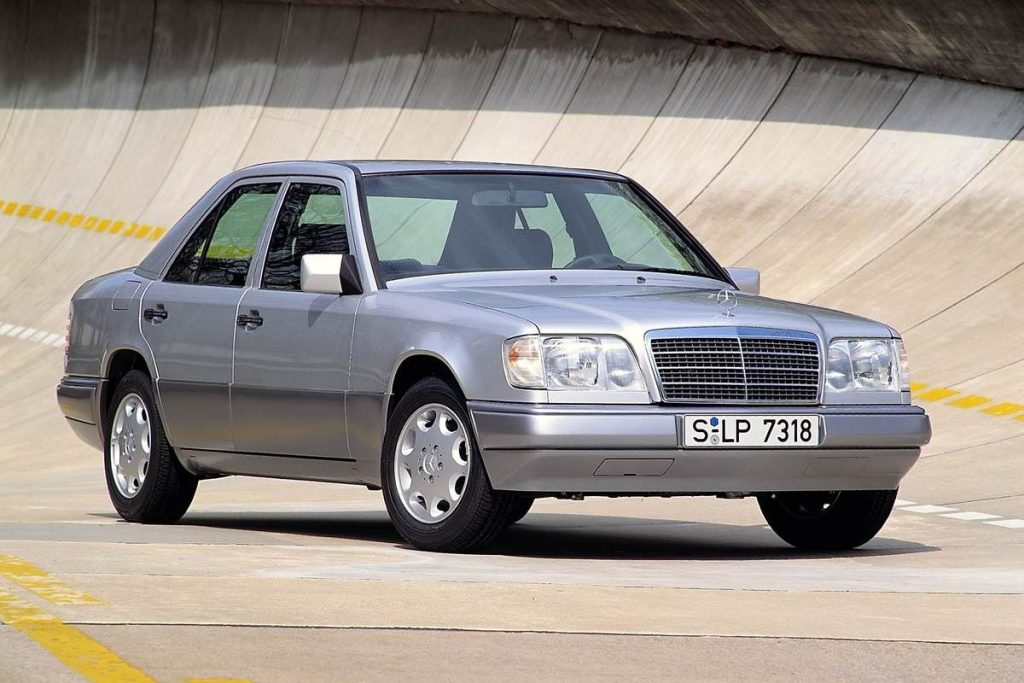
Another reason these cars continue surviving involves owner dedication. Enthusiasts value the W124 highly and frequently invest in preventative maintenance to preserve it. Parts support also remains surprisingly strong due to the car’s enduring popularity worldwide.
The automotive industry changed dramatically after the W124 era, but the sedan remains a symbol of long-term engineering excellence. Decades after production, these Mercedes models continue proving that a carefully built luxury car can remain dependable and roadworthy far beyond ordinary expectations.
9. Volvo 240
The Volvo 240 gained legendary status because it seemed capable of surviving nearly anything. Even though production ended decades ago, many Volvo 240 models continue operating as daily transportation in different parts of the world.
Their boxy styling may look old-fashioned today, but durability and mechanical toughness helped these cars earn devoted followers who still trust them after years of heavy use.
Volvo engineered the 240 with safety and longevity as top priorities. The body structure became famous for its strength, allowing many examples to remain structurally solid long after competitors from the same era rusted away or developed major wear problems. Owners appreciated that the car felt sturdy and dependable in all weather conditions.
The engines also contributed heavily to the sedan’s reputation. Volvo used simple, durable powerplants that tolerated high mileage extremely well when maintained properly. Many 240s crossed enormous mileage totals while continuing to run smoothly.
Mechanics often praise these engines because they are relatively easy to service compared with modern vehicles packed tightly with complicated electronics.
Another reason the 240 survives involves practicality. The spacious cabin, upright seating position, and excellent visibility made the car comfortable for everyday driving. Wagon versions especially became popular among families and outdoor enthusiasts who needed cargo space without sacrificing reliability.
The car’s straightforward engineering helped keep ownership manageable over long periods. Repairs are usually understandable for experienced independent mechanics, and enthusiast communities continue supporting the platform with restoration knowledge and parts availability.
This strong support network allows aging vehicles to remain roadworthy decades after production ended.
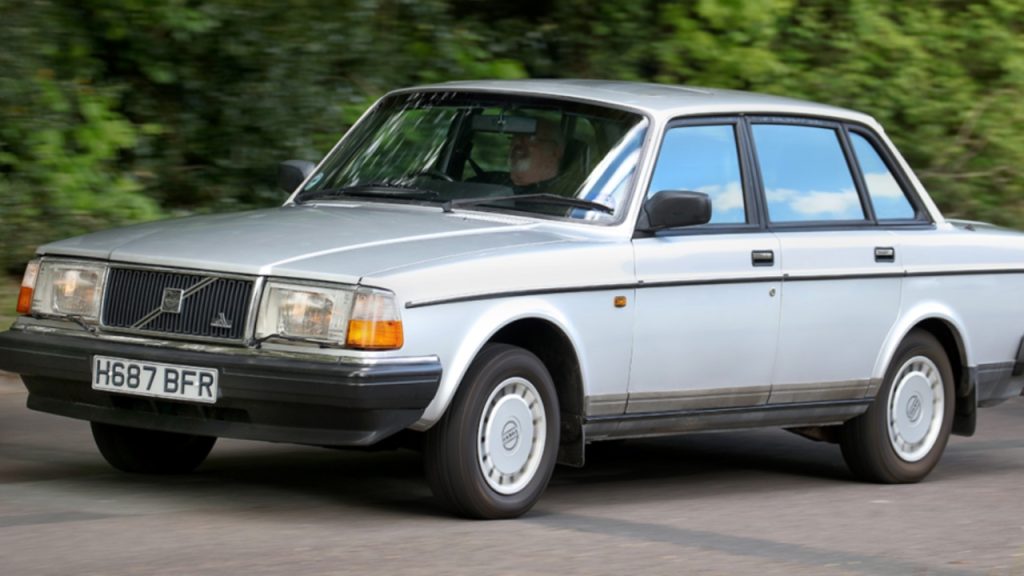
The Volvo 240 also developed a reputation for handling harsh climates exceptionally well. Snowy regions embraced the car because it combined durability with predictable winter driving behavior. Many owners became emotionally attached to their vehicles after years of dependable service.
Modern cars offer far more technology and performance, yet the Volvo 240 continues earning admiration because it was designed to last. Its ongoing presence on roads today proves that thoughtful engineering and rugged construction can keep a vehicle alive for generations.
10. Subaru Outback
The Subaru Outback built its long-lasting reputation by combining car-like comfort with rugged all-weather capability. Many early 2000s Outbacks are still driven daily because owners trust them in conditions where ordinary sedans struggle.
Snow, rain, gravel roads, and long highway journeys became part of the Outback’s identity, helping it develop one of the most loyal owner communities in the automotive world.
Subaru’s symmetrical all-wheel drive system played a major role in the vehicle’s survival. Drivers living in mountainous or snowy regions discovered the Outback could handle difficult weather confidently without requiring a large SUV.
That capability encouraged owners to keep the vehicles for many years because they remained useful in changing driving conditions.
The wagon design added another layer of practicality. Families appreciated the spacious cargo area, while outdoor enthusiasts used Outbacks for camping trips, hiking adventures, and road travel. Because the cars adapted to so many lifestyles, owners often invested in maintaining them instead of replacing them quickly.
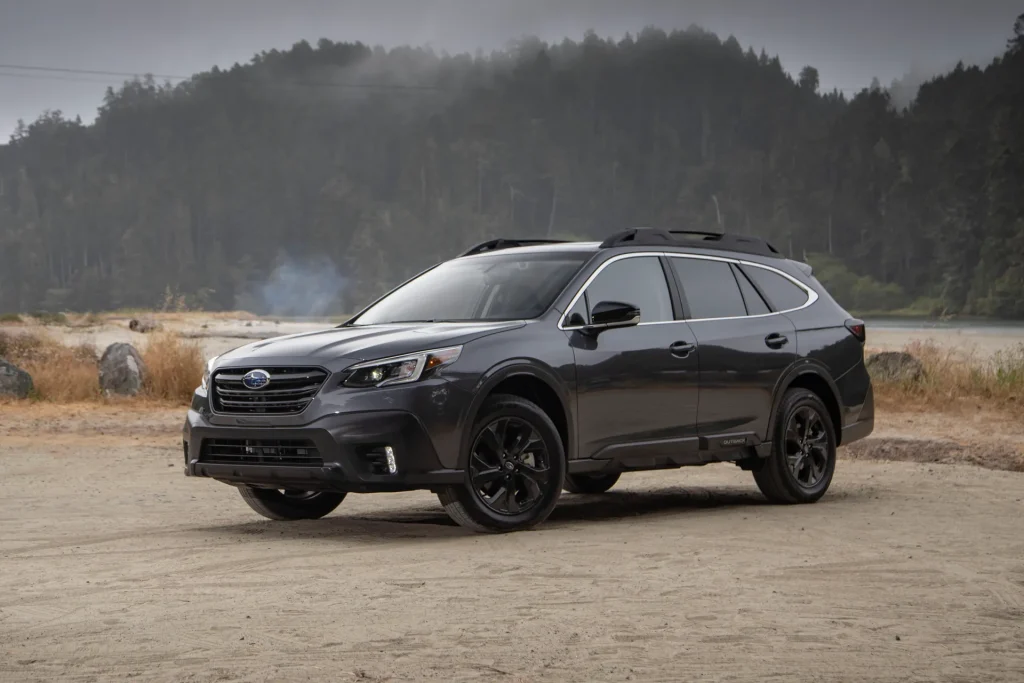
Subaru engines from this era required careful maintenance, particularly regarding head gasket concerns on certain models. However, owners who addressed these issues properly often ended up with vehicles capable of lasting extremely long periods.
Once repaired and maintained consistently, many Outbacks continued delivering dependable service well beyond two decades.
The cabin design emphasized functionality over luxury. Controls remained simple, visibility was excellent, and seating comfort made long drives manageable. Even older examples frequently maintain solid interior durability, considering how heavily many were used for outdoor activities and family transportation.
Another reason older Outbacks remain common is the strength of the Subaru enthusiast community. Owners actively share maintenance advice, repair tutorials, and technical knowledge that help preserve aging vehicles.
Parts support also remains strong because Subaru has maintained consistent engineering philosophies for years.
The Outback succeeded because it filled multiple roles at once. It worked as a commuter car, winter vehicle, family hauler, and adventure wagon. That versatility helped countless owners continue driving them long after many other vehicles from the same generation disappeared from the road.
Also Read: 9 Affordable Vehicles With 10 Airbags as Standard
