
Modern cars are more advanced than ever before. They are packed with digital displays, automated safety systems, touch-sensitive controls, connected apps, voice assistants, and fuel-saving technologies that promise a smarter driving experience. Car manufacturers market these features as revolutionary improvements that increase convenience, efficiency, and safety.
In many ways, modern vehicles truly are superior to older models. They are safer in crashes, more fuel efficient, and filled with technologies that would have seemed futuristic only a decade ago. However, not every innovation has been welcomed by drivers. In fact, many modern car features have become a major source of frustration for everyday motorists around the world.
Drivers often discover that some of these supposedly advanced systems make driving more complicated instead of easier. Features designed to reduce distraction can actually force drivers to take their eyes off the road. Safety technologies sometimes intervene at the wrong moment, creating annoyance or even panic.
Digital interfaces may look sleek and futuristic, but they can remove the simplicity and practicality that drivers appreciated in older vehicles. Even luxury cars with premium pricing are criticized for including features that owners consider unnecessary, unreliable, or overly intrusive.
One of the biggest complaints among drivers today is the growing dependence on software instead of physical controls. Many manufacturers have replaced traditional buttons and knobs with touchscreens and haptic surfaces. While this creates a cleaner interior design, it often sacrifices usability.
Drivers also dislike features that constantly beep, vibrate, or override human input. Lane keeping assistance, driver monitoring systems, and aggressive collision warnings can feel less like helpful assistants and more like irritating backseat drivers.
Another issue is that modern cars increasingly collect data and rely on subscriptions. Some manufacturers now lock features behind monthly payments, even after customers have already purchased expensive vehicles.
This trend has created backlash among consumers who feel they are losing ownership and control over their own cars. Combined with rising repair costs and software glitches, many drivers believe modern vehicles are becoming unnecessarily complicated.
Despite all the criticism, these features usually come from good intentions. Automakers are under pressure to improve safety ratings, reduce emissions, and compete in a technology-driven market. Unfortunately, not every innovation translates into a better real-world driving experience.
Some systems are poorly implemented, while others solve problems that many drivers never had in the first place. As a result, certain modern car features have become widely disliked by drivers across different age groups and driving styles.
In this article, we will explore ten of the most hated features in modern cars and explain why so many drivers find them frustrating. From intrusive safety systems to confusing touchscreen controls, these controversial technologies continue to divide opinions in the automotive world.
Also Read: 10 Cars With Insurance Premiums Lower Than a Compact Sedan
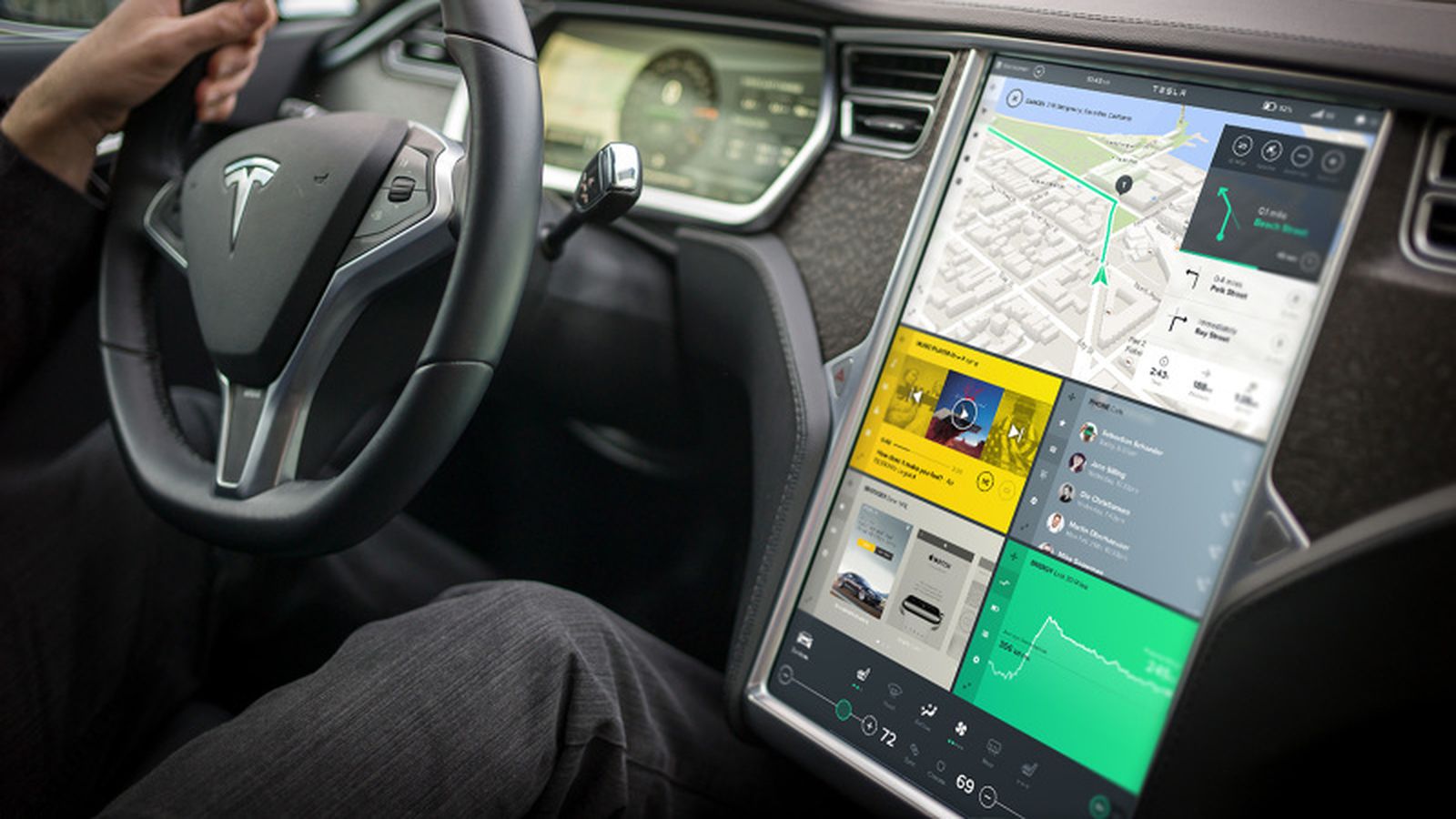
1. Touchscreen Only Controls
One of the most criticized trends in modern cars is the replacement of physical buttons with touchscreen controls. Many automakers now use large digital displays to manage everything from climate control and seat heating to audio settings and navigation. While these screens create a futuristic appearance, drivers often complain that they make basic tasks more difficult and distracting.
Traditional buttons and knobs allowed drivers to adjust settings by touch without taking their eyes off the road. A simple twist of a knob could lower the temperature or increase volume instantly.
Touchscreens remove this tactile feedback. Drivers now need to navigate menus, tap small icons, and visually confirm inputs while driving. This can increase distraction and reduce safety, especially in heavy traffic or poor weather conditions.
Another common complaint is touchscreen lag and software glitches. Unlike mechanical buttons, digital interfaces can freeze, crash, or respond slowly. Drivers become frustrated when simple actions like changing radio stations or adjusting the air conditioning take several seconds.
In some cars, even windshield defrosters are buried inside touchscreen menus, making urgent adjustments unnecessarily complicated.
Fingerprints and glare are additional annoyances associated with touchscreens. Large glossy displays quickly become covered in smudges, reducing visibility and making interiors appear dirty. Sunlight reflections can also make screens difficult to read during daytime driving. Some drivers find themselves constantly wiping displays just to maintain clarity.
The learning curve is another issue. Different car brands use different menu layouts and software designs. Drivers switching vehicles may struggle to find essential functions quickly. Older drivers, in particular, often prefer simple controls over complicated digital systems. Many consumers argue that manufacturers prioritize modern aesthetics over practical usability.
Despite criticism, automakers continue expanding touchscreen usage because digital systems are cheaper to manufacture and easier to update through software. However, many drivers still prefer a balanced approach that combines modern technology with physical controls for essential functions.
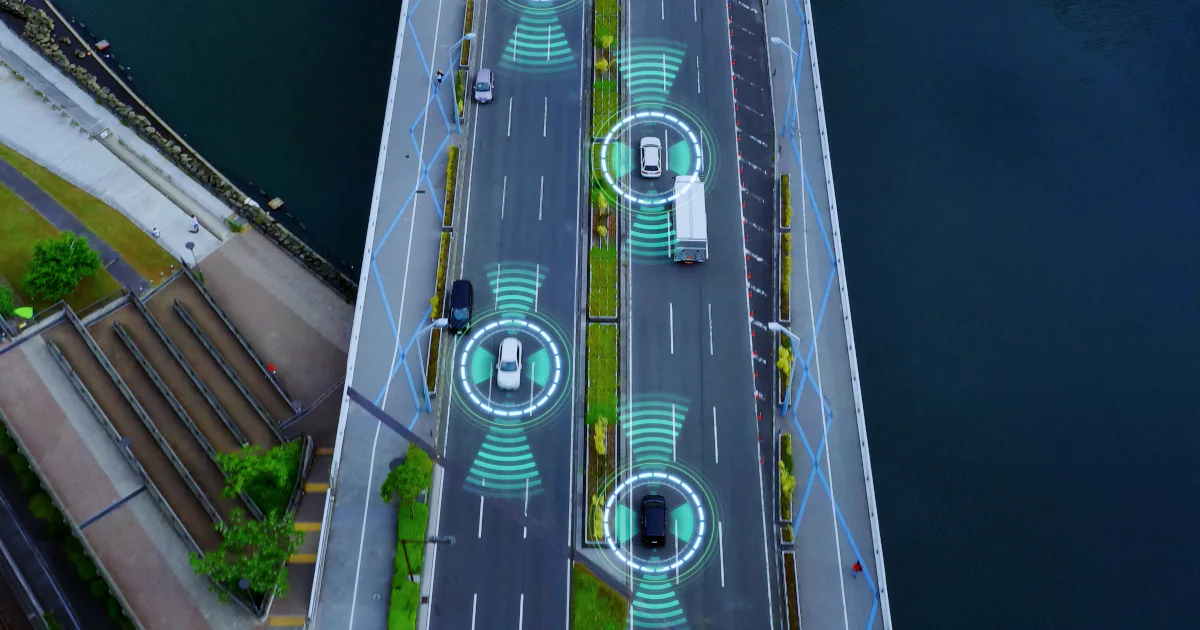
2. Overly Sensitive Lane Keeping Assistance
Lane keeping assistance was introduced to improve road safety by preventing accidental lane departures. The system uses cameras and sensors to detect lane markings and gently steer the vehicle back into position if the driver drifts. While the technology can help prevent accidents, many drivers dislike how intrusive and overly sensitive these systems have become.
One major complaint is false corrections. Some lane-keeping systems react aggressively even when drivers intentionally move within their lane to avoid potholes, debris, cyclists, or uneven road surfaces. The steering wheel may suddenly tug in the opposite direction, creating an uncomfortable and sometimes dangerous experience. Drivers often feel as though the car is fighting against them.
Road construction zones create additional problems. Temporary lane markings can confuse cameras, causing the system to issue warnings or make incorrect steering adjustments. Poorly painted roads, faded markings, and narrow lanes can also trigger erratic behavior. Drivers in rural areas or developing regions often find these systems especially unreliable.
Another frustration is the constant beeping and vibrating alerts. Some cars produce loud warning sounds every time the vehicle touches a lane marker without using a turn signal. Over time, these alerts become irritating, especially during long highway drives. Drivers may eventually disable the system entirely because of the annoyance.
Many motorists also dislike that lane-keeping assistance automatically reactivates every time the car starts. Even after disabling the feature, drivers often need to navigate menus repeatedly to turn it off again. This creates frustration for those who simply prefer traditional driving without electronic intervention.
Critics argue that overly intrusive assistance systems may actually reduce driver confidence. Instead of feeling supported, drivers may become tense or distracted by constant corrections. While the technology undoubtedly has safety benefits, many believe manufacturers still need to refine the balance between assistance and driver control.
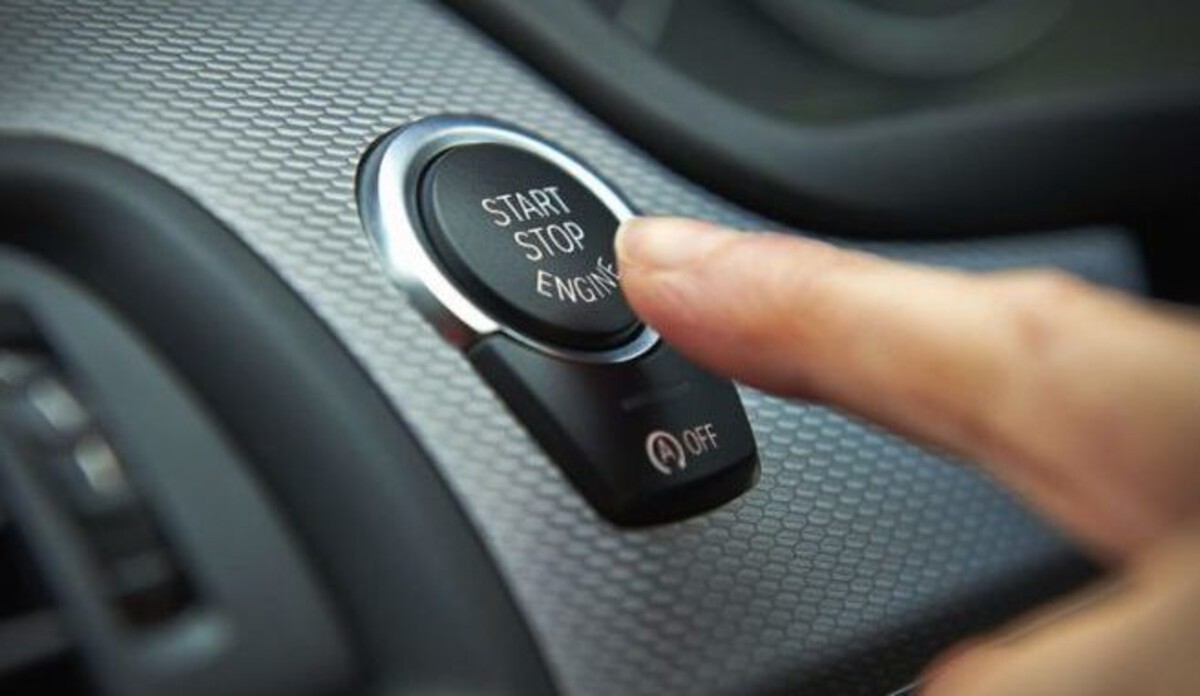
3. Automatic Engine Stop Start Systems
Automatic stop-start technology is designed to improve fuel economy and reduce emissions. The system temporarily shuts off the engine when the car stops at traffic lights or in traffic jams, then restarts it when the driver releases the brake or presses the accelerator. Although the concept sounds beneficial on paper, many drivers strongly dislike the feature.
One common complaint is the delay in acceleration. Even though modern systems restart quickly, some drivers feel a noticeable hesitation when moving away from a stop. This can create anxiety in situations where immediate acceleration is necessary, such as merging into traffic or making quick turns at intersections.
The constant restarting also feels unnatural to many drivers. Traditional driving habits are built around a continuously running engine. The repeated shutdown and restart cycle can make vehicles feel less refined, especially in heavy urban traffic where the system activates frequently.
Drivers are also concerned about long-term reliability. Frequent engine restarts place additional strain on starters, batteries, and related components. While manufacturers design systems to handle the extra wear, some consumers remain skeptical about maintenance costs and durability over time.
Climate control performance is another issue. In hot or cold weather, stop-start systems may reduce air conditioning or heating effectiveness while the engine is off. This becomes particularly uncomfortable during extreme temperatures or long waits at traffic signals.
Many drivers simply find the feature irritating enough to disable it whenever possible. However, similar to lane assistance systems, many vehicles automatically reactivate the stop-start system every time the engine is restarted. This repetitive process frustrates drivers who consistently prefer the feature turned off.
Although stop-start technology helps manufacturers meet emissions regulations, its real-world fuel savings are often modest. For many drivers, the inconvenience outweighs the environmental benefits.
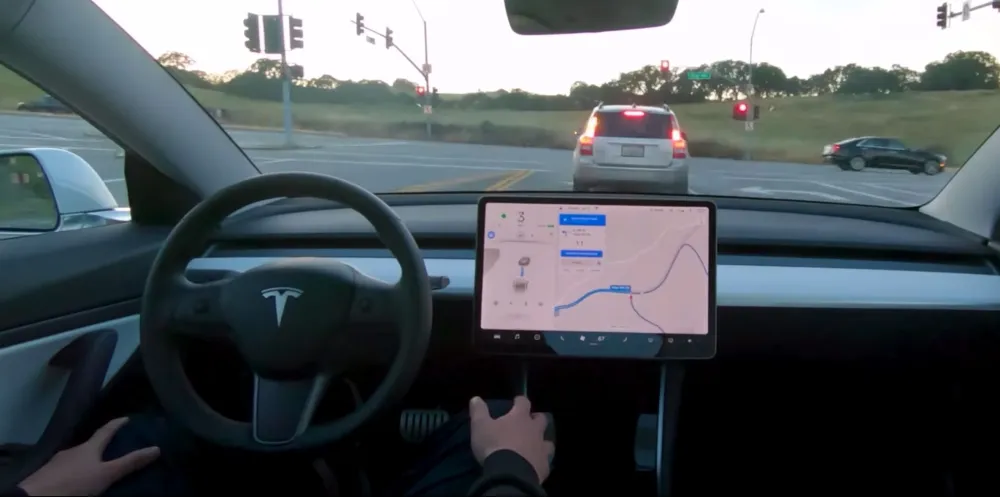
4. Subscription-Based Features
One of the most controversial trends in the automotive industry is the rise of subscription-based features. Instead of providing permanent access to vehicle functions, some manufacturers now charge monthly or yearly fees for features already installed in the car.
Drivers are particularly angry because they feel they already paid for the hardware when purchasing the vehicle. Heated seats, adaptive cruise control, remote start, and advanced navigation systems may physically exist in the car, yet remain locked behind software subscriptions. Consumers see this as unfair double-charging.
The idea of losing functionality because of an expired payment also frustrates many owners. Traditionally, buying a car meant owning all the included features permanently. Subscription models create uncertainty and ongoing costs that resemble smartphone apps rather than vehicle ownership.
Another concern involves long-term affordability. Monthly fees may seem small initially, but costs accumulate over several years. Drivers worry that future vehicles could eventually require subscriptions for essential features that were once standard equipment.
Privacy concerns also play a role. Subscription systems often rely on internet connectivity and data collection. Some drivers are uncomfortable with automakers tracking vehicle usage, driving habits, or location information to support connected services.
Critics argue that subscription models damage customer trust and loyalty. Many consumers view the practice as greedy and exploitative. While automakers defend subscriptions as a way to offer flexibility and continuous software improvements, backlash from drivers remains strong.
The automotive industry is still experimenting with these business models, but many drivers hope manufacturers will reconsider turning car ownership into a recurring payment ecosystem.
5. Excessive Driver Monitoring Systems
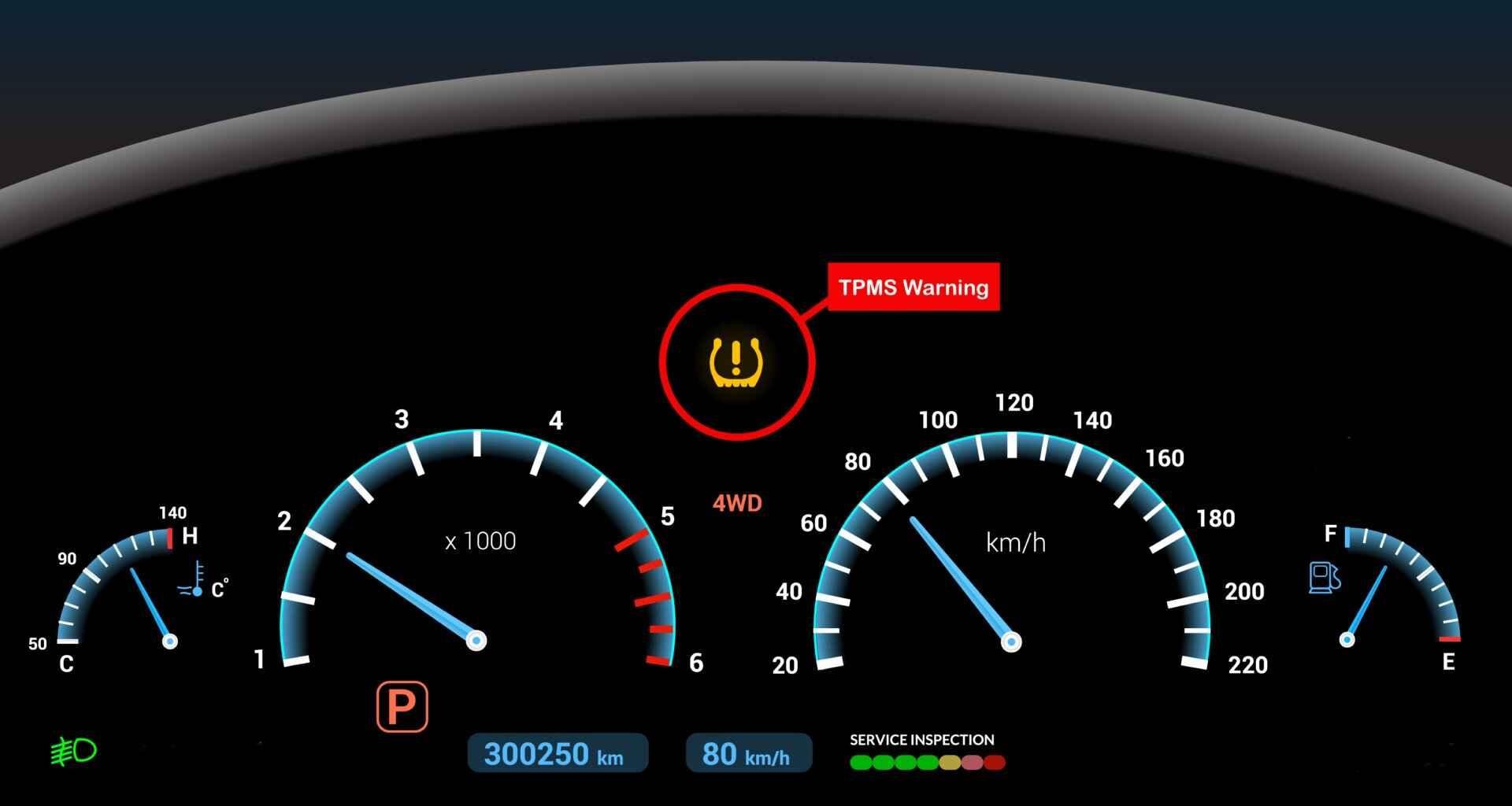
Modern vehicles increasingly use driver monitoring systems to improve safety. Cameras and sensors track eye movement, head position, steering input, and driver attention levels. If the system believes the driver is distracted or drowsy, it issues warnings or alerts.
Although safety is the primary goal, many drivers find these systems intrusive and irritating. Some complain that the warnings activate too easily, even during normal driving behavior such as briefly checking mirrors or adjusting dashboard settings.
Drivers wearing sunglasses or hats sometimes trigger false alerts because cameras struggle to track facial features accurately. In certain vehicles, looking at navigation screens for only a second can produce loud warnings demanding attention.
Privacy concerns are another major issue. Many drivers dislike the idea of interior cameras constantly monitoring their behavior. Questions about data storage, surveillance, and manufacturer access make some consumers uncomfortable with the technology.
Another frustration is the repetitive nature of the warnings. Continuous beeping and visual alerts can become mentally exhausting during long drives. Instead of helping drivers stay focused, excessive notifications may increase stress and irritation.
Some advanced systems even slow the vehicle or activate emergency procedures if they believe the driver is unresponsive. While this may save lives in genuine emergencies, false activations can create panic and confusion.
Critics believe driver monitoring systems should remain less intrusive and more accurate. Many drivers appreciate safety technology but want systems that assist without constantly policing their behavior.
Also Read: 10 Cars That Survive Being Used as Daily Uber Vehicles
6. Electronic Door Handles
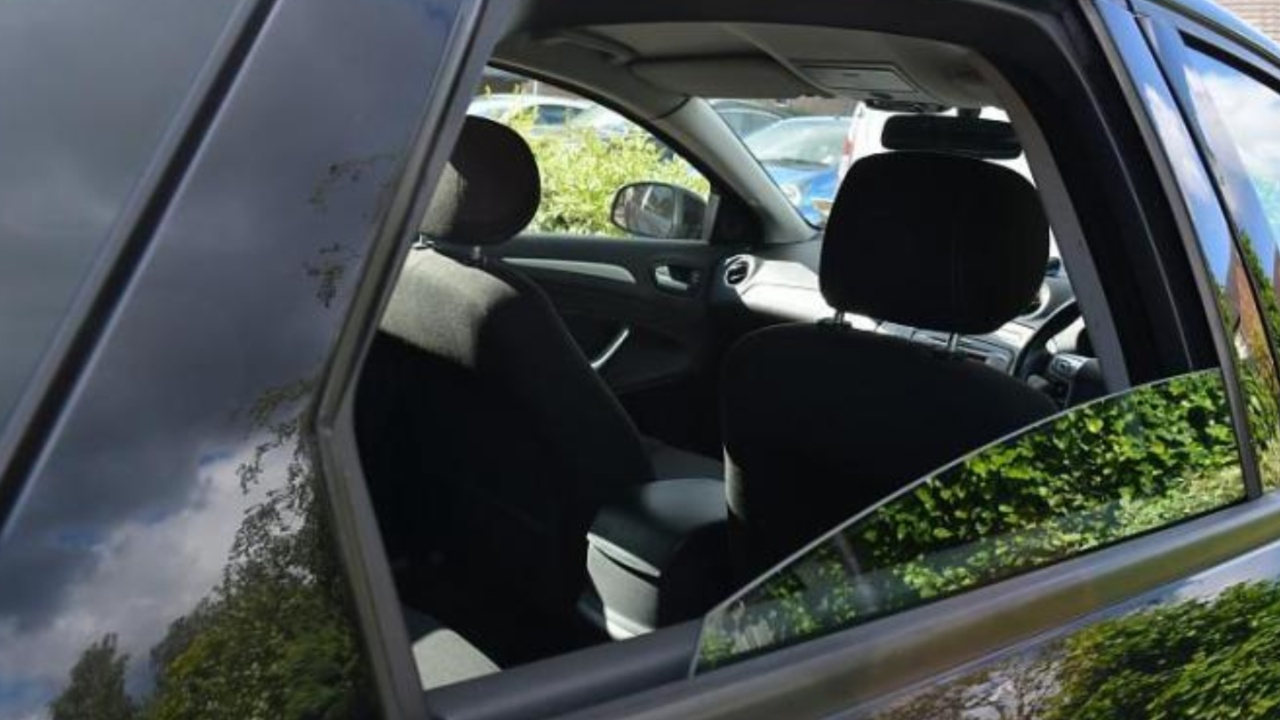
Electronic door handles have become popular in modern cars, especially electric vehicles. Instead of traditional mechanical handles, many cars now use flush-mounted electronic systems that extend outward or activate with sensors.
While these designs look sleek and futuristic, drivers frequently complain about practicality and reliability. Electronic handles may fail during power outages, battery failures, or software malfunctions. In emergency situations, this creates obvious safety concerns.
Cold weather presents another problem. Ice and snow can freeze flush handles shut, making doors difficult to open. Mechanical handles were generally more reliable under harsh conditions, whereas electronic designs introduce additional points of failure.
Many drivers also dislike the lack of tactile simplicity. Traditional handles provide immediate physical feedback, while electronic systems may require pressing hidden buttons or learning unfamiliar motions. First-time passengers often struggle to open doors correctly.
Repair costs are another concern. Mechanical handles are relatively simple and inexpensive to fix. Electronic systems involve motors, sensors, wiring, and software integration, making repairs more complicated and costly.
Some critics argue that electronic handles prioritize style over practicality. While manufacturers use them to improve aerodynamics and modern appearance, many drivers would gladly sacrifice slight efficiency gains for better reliability and ease of use.
As vehicles become increasingly dependent on electronics, concerns about long-term durability continue growing among consumers who value straightforward mechanical functionality.
7. Overcomplicated Gear Selectors
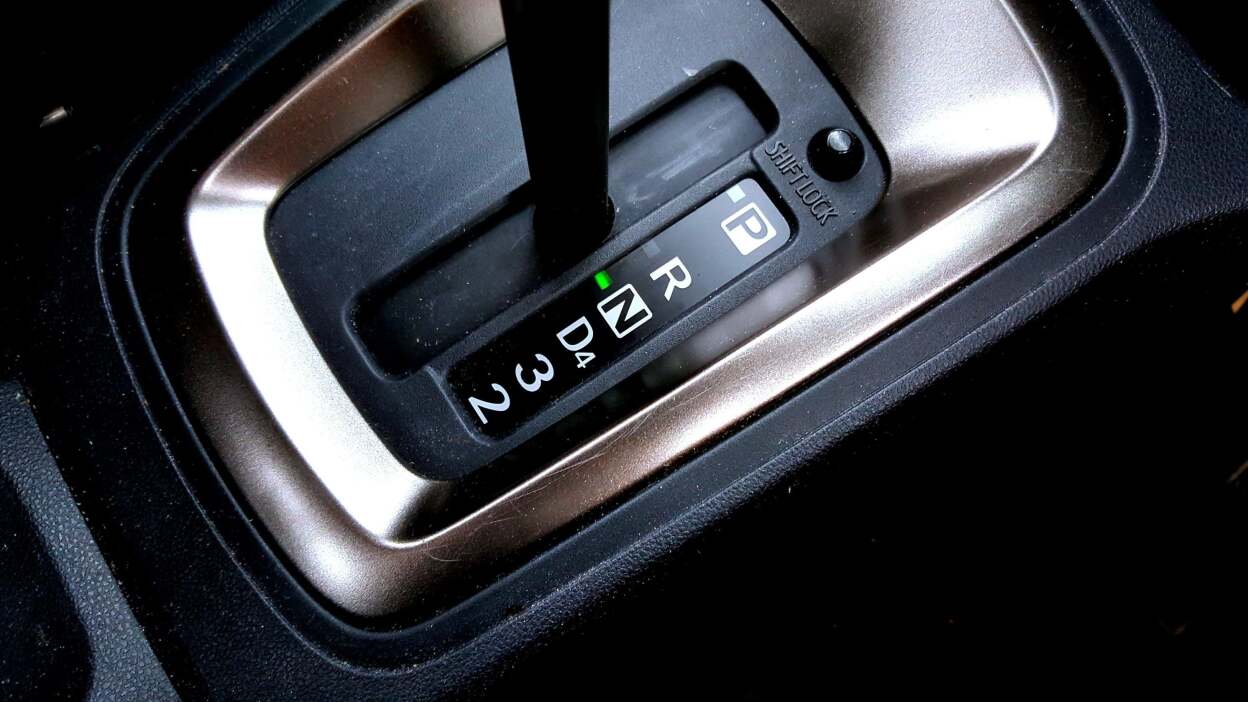
Traditional gear shifters have gradually disappeared from many modern vehicles. In their place, automakers now use buttons, rotary knobs, stalks, sliders, and electronic switches to control transmission functions.
Many drivers dislike these unconventional designs because they reduce intuitive operation. Traditional gear levers provided clear physical movement and familiar positioning. Modern electronic selectors can confuse drivers, especially during stressful situations or when switching between vehicles.
Some designs require multiple actions just to select reverse or park. Others place transmission controls near unrelated dashboard functions, increasing the risk of accidental inputs. Drivers often complain that simple tasks have become unnecessarily complicated.
Safety concerns have also emerged. There have been cases where drivers accidentally exited vehicles, believing they were in park when they were not. Confusing gear selector layouts can contribute to user error, particularly among older drivers unfamiliar with newer systems.
Another issue is the lack of mechanical feedback. Electronic selectors may feel disconnected compared to traditional gear levers. Drivers appreciate tactile confirmation when shifting gears, especially during parking maneuvers or difficult driving conditions.
Critics argue that manufacturers redesign gear selectors primarily to create futuristic interiors rather than improve usability. While electronic systems free up cabin space and support modern styling trends, many drivers still prefer conventional shifters for simplicity and confidence.
The backlash against overly creative gear selectors demonstrates that not every design innovation improves the driving experience.
8. Artificial Engine Sounds
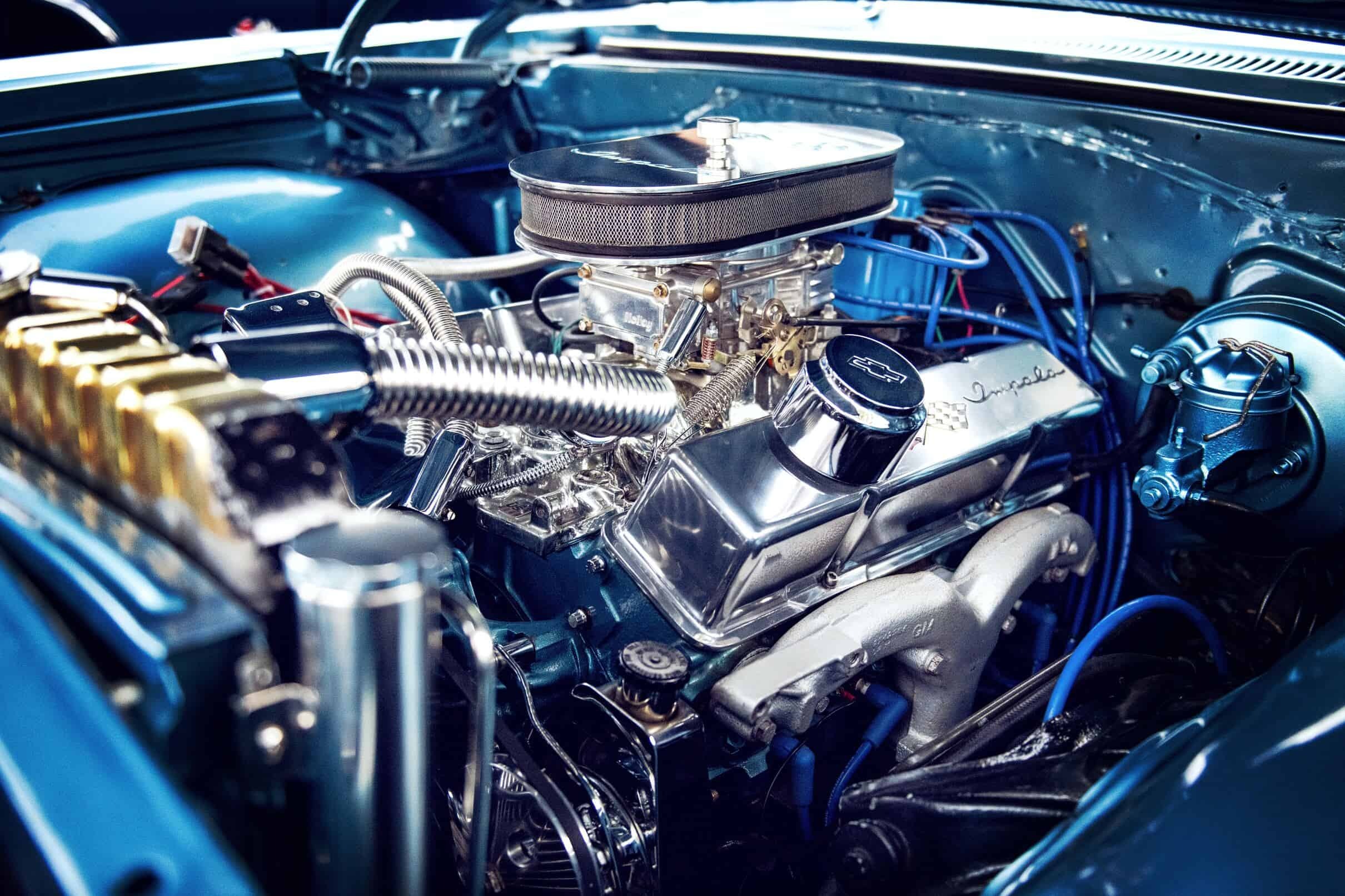
As fuel efficiency regulations become stricter and electric vehicles grow more common, many manufacturers now add artificial engine sounds to vehicles. These sounds are played through speakers inside or outside the car to simulate a sportier driving experience.
Many drivers consider fake engine noise one of the most unnecessary trends in modern automotive design. Enthusiasts especially dislike artificial sounds because they feel dishonest and inauthentic. Instead of hearing the actual engine, drivers hear digitally enhanced audio designed to imitate performance.
Some systems amplify noise excessively, creating an unnatural driving atmosphere. Drivers may feel disconnected from the vehicle because the sound no longer accurately reflects engine behavior or road conditions.
Electric vehicles introduce another dimension to the issue. Because electric motors operate quietly, manufacturers sometimes create futuristic artificial sounds for pedestrian safety or driver engagement. While safety regulations may require external warning sounds, many consumers dislike exaggerated synthetic audio effects.
Another criticism is that artificial sounds can become tiring during long drives. Constant low-frequency noise pumped through speakers may increase fatigue or reduce cabin comfort.
Drivers also question why manufacturers spend resources simulating engine sounds instead of improving actual vehicle dynamics, steering feel, or ride quality. Many believe authentic performance matters more than digital sound enhancement.
Although some drivers enjoy aggressive audio effects, a large number of consumers still prefer natural engine sounds or quiet cabins over artificial acoustic experiences.
9. Complex Infotainment Software
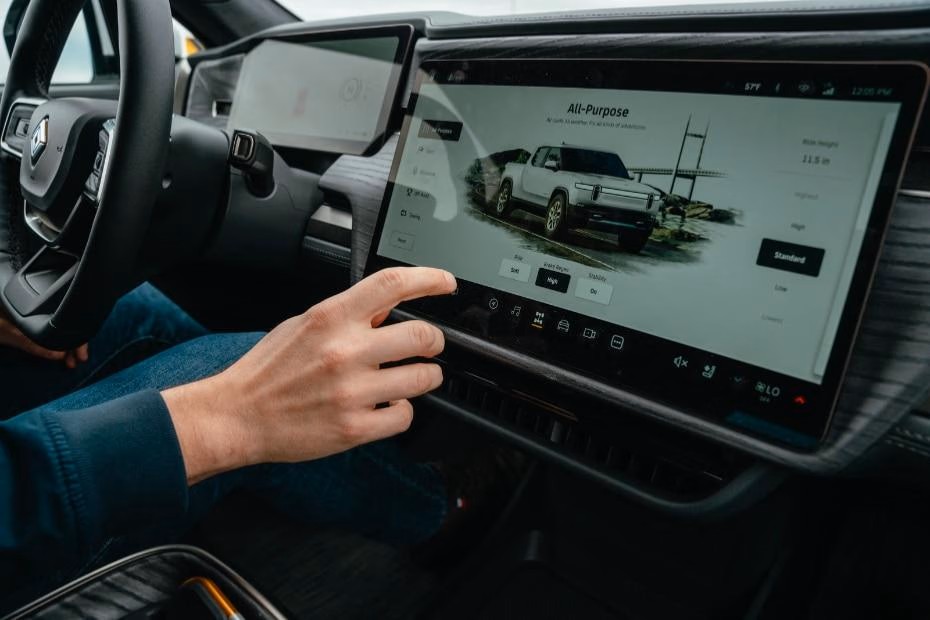
Infotainment systems are now central to the modern driving experience. They control navigation, media, communication, climate settings, and vehicle information through integrated software platforms. Unfortunately, many drivers find these systems frustratingly complex and unreliable.
Slow startup times are a common complaint. Some systems take several seconds or even minutes to become fully functional after starting the car. During this period, navigation, backup cameras, or audio controls may not respond properly.
Software bugs and crashes further frustrate drivers. Frozen screens, random reboots, connectivity failures, and unresponsive menus can occur unexpectedly. Unlike simple analog systems from older vehicles, modern infotainment relies heavily on software stability.
Menu complexity also creates usability problems. Important functions may be buried within multiple layers of settings, forcing drivers to search through complicated interfaces while driving. This increases distraction and reduces convenience.
Smartphone integration can also be inconsistent. Apple CarPlay and Android Auto occasionally disconnect or fail to synchronize correctly, leading to frustration during navigation or phone calls.
Frequent software updates create another challenge. While updates can improve functionality, they may also introduce new bugs or alter familiar interfaces unexpectedly. Some drivers dislike needing software management for basic vehicle operation.
Critics argue that automakers often prioritize flashy graphics over reliability and simplicity. Drivers generally want infotainment systems that are fast, stable, intuitive, and easy to use without constant troubleshooting.
10. Overly Aggressive Safety Alerts
Modern cars are filled with warning systems designed to improve safety. Blind spot monitoring, forward collision alerts, parking sensors, speed warnings, and cross traffic detection all aim to reduce accidents. However, many drivers believe these systems have become excessively aggressive.
Frequent beeping is one of the biggest complaints. Cars may produce warning sounds for minor situations that do not actually pose danger. Parking sensors may activate in tight garages, while collision alerts sometimes trigger for harmless roadside objects or vehicles turning safely ahead.
False alarms can reduce trust in the systems over time. Drivers who experience repeated unnecessary warnings may begin ignoring alerts altogether, potentially reducing effectiveness during genuine emergencies.
Some systems also intervene physically by braking automatically or tightening seatbelts unexpectedly. While these features may prevent accidents in certain cases, sudden interventions can startle drivers and create panic.
Customization limitations add to frustration. Some vehicles allow limited adjustment of warning sensitivity, while others force drivers to accept default settings. Drivers often want more control over how aggressively systems respond.
Another issue is sensory overload. Constant chimes, flashing lights, steering wheel vibrations, and dashboard messages can make driving feel stressful rather than relaxing. Instead of assisting quietly in the background, some systems dominate the driving experience.
Many drivers appreciate safety advancements but believe manufacturers need to reduce unnecessary alerts and improve calibration. Technology should support drivers without constantly interrupting or overwhelming them.
