
Some cars are built to last a lifetime. Others barely survive the warranty period before falling apart. The difference often comes down to engineering philosophy, material quality, and the dedication of the manufacturer to long-term reliability.
Certain automakers have spent decades refining their engines, transmissions, and chassis to handle punishment that would destroy lesser vehicles. These are the machines that taxi drivers swear by, that families pass down to their children, and that rack up mileage numbers that seem almost impossible.
Reaching 350,000 miles is no accident. It requires a combination of robust mechanical design and committed owner maintenance. The cars on this list have proven themselves not just in controlled tests but on real roads, in real conditions, driven by real people. Mechanics recognize them. Rental companies trust them. Rideshare drivers depend on them daily.
What separates a 350,000-mile car from a disposable one? It starts with engine design, moves through transmission durability, and ends with a community of owners who know how to care for their vehicles. These ten cars have earned their legendary status through decades of documented, real-world proof. Here are the machines that truly go the distance.
1. Toyota Land Cruiser
The Toyota Land Cruiser is one of the most indestructible vehicles ever built. It has earned a reputation across six continents as the car that simply refuses to quit.
The Land Cruiser’s engine is a masterpiece of conservative engineering. Toyota deliberately under-stresses its components, leaving enormous mechanical headroom that allows the engine to run cleanly for hundreds of thousands of miles. Oil changes and fluid maintenance are often all it takes to keep one running strong past 350,000 miles.
The body-on-frame construction gives the Land Cruiser a structural advantage over unibody competitors. The separation of the body and frame allows each to flex independently, reducing stress cracks and long-term fatigue. This design has been proven in desert expeditions, African aid missions, and daily suburban commutes alike.
The suspension components are overbuilt by design. Toyota engineers specified parts far stronger than necessary for normal driving conditions. This means that even after decades of use, the suspension holds up without the constant part replacements that plague lighter-duty vehicles.
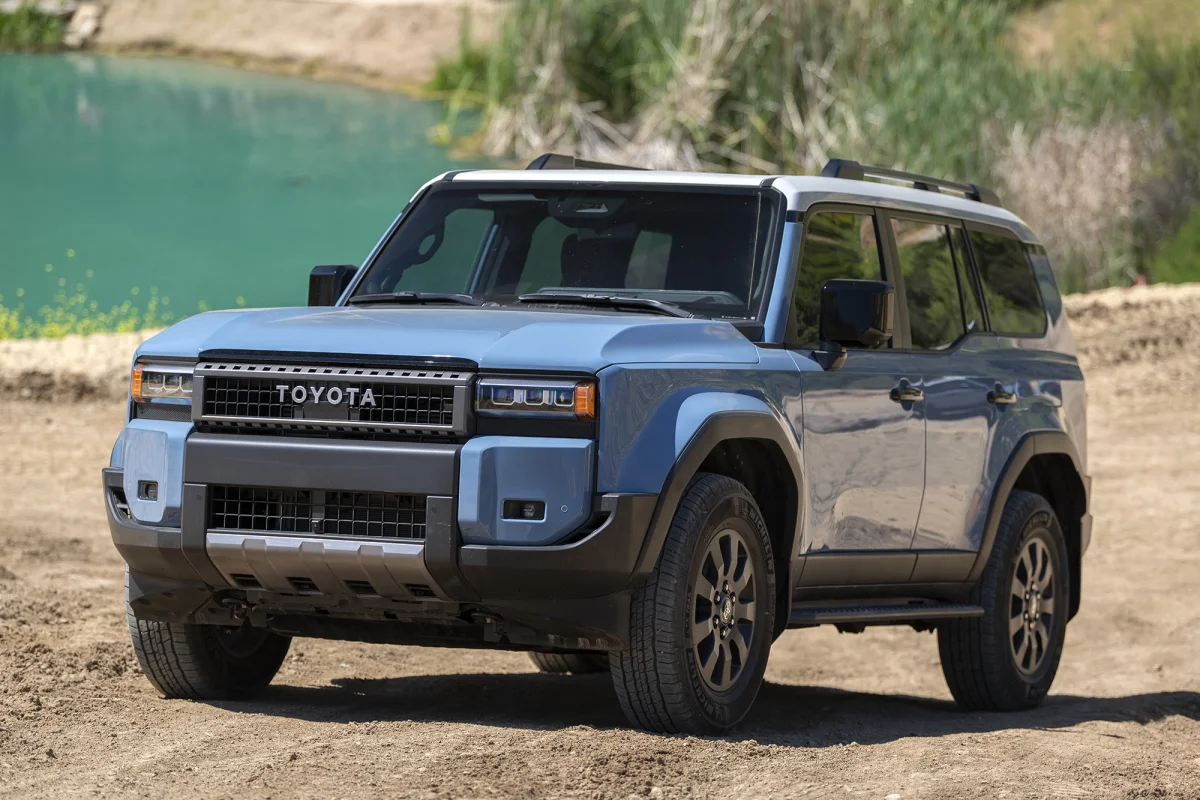
Taxi fleets in the Middle East have documented Land Cruisers running past 600,000 miles with only basic maintenance. These are not cherry-picked showroom examples. They are working vehicles driven hard every single day across rough terrain and extreme temperatures.
The 4.7-liter V8 and the older inline-six variants both share the same philosophy. They are tuned for torque and longevity rather than peak horsepower. This conservative power output means internal components experience far less stress per mile than performance-oriented engines of similar displacement.
Rust protection on Land Cruisers is serious and multi-layered. The undercarriage receives heavy-duty coating from the factory. Owners in salt-belt states report that the frame holds up remarkably well compared to American trucks of the same era, which often succumb to corrosion long before mechanical failure.
The Land Cruiser’s parts availability is exceptional globally. Because Toyota has sold the model for over 70 years in nearly every market, finding replacement parts is never a crisis. This global support network means a high-mileage Land Cruiser is never stranded without options.
Owners who treat their Land Cruisers with basic care report almost no major mechanical surprises before 300,000 miles. The most common high-mileage repairs involve seals and gaskets rather than catastrophic failures. That alone speaks to how well the core mechanical systems are designed.
The resale value of a well-maintained Land Cruiser is famously strong. A 200,000-mile example still commands serious money on the used market. This is not sentiment. It is the market accurately pricing in the known remaining lifespan of a proven machine.
2. Honda Civic
The Honda Civic is one of the best-selling cars in history for very good reasons. Underneath its modest exterior lives one of the most reliable drivetrains ever engineered for a mass-market vehicle.
Honda’s VTEC engines are legendary in automotive circles. They combine performance with durability in a way that few manufacturers have ever matched. The engineering tolerance levels inside a Civic engine are extremely tight, which reduces internal wear over time.
The Civic’s transmission options have both proven themselves at high mileage. The five-speed and six-speed manual gearboxes are among the most durable in the segment. Even the automatic variants, often weak points in other brands, hold up remarkably well with regular fluid changes.
Honda engineers design the Civic with a philosophy of simplicity. Fewer complex systems mean fewer points of failure. The engine compartment is clean, accessible, and sensibly laid out, which makes maintenance easier for both professionals and home mechanics.
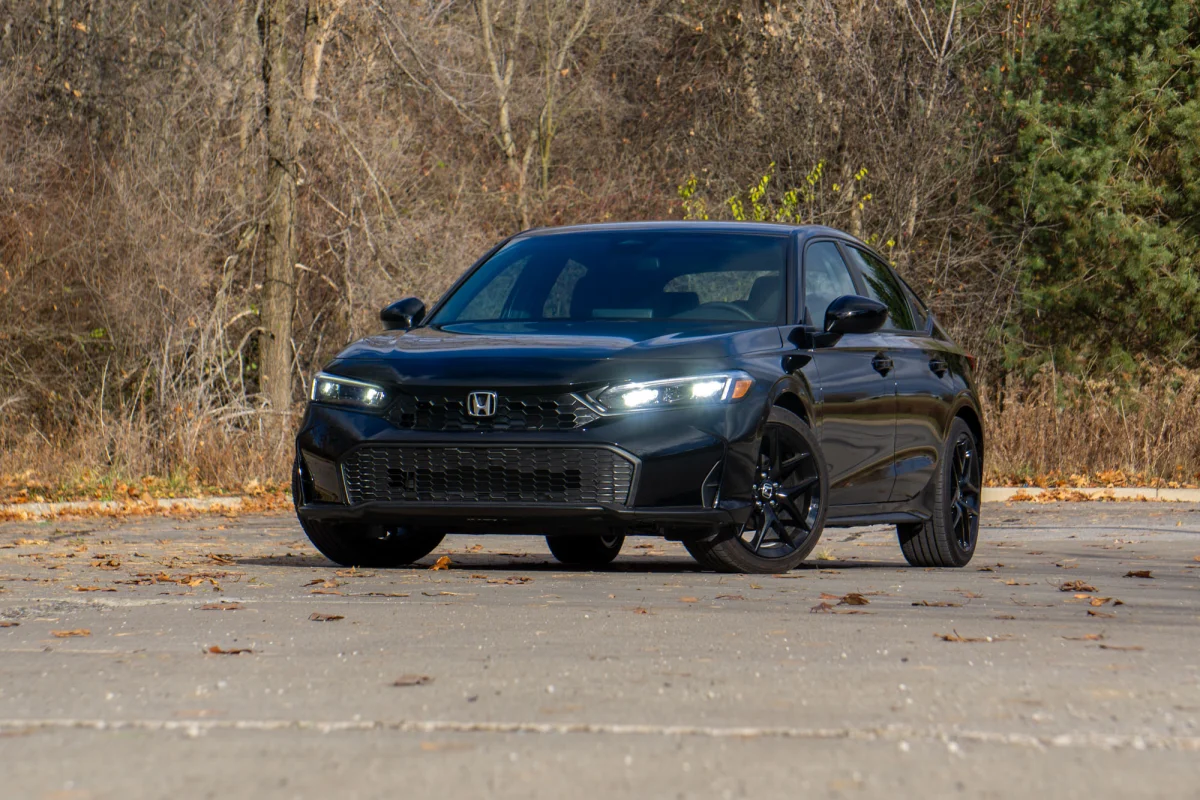
The 1.5-liter turbocharged engine in newer generations continues this tradition. It delivers excellent fuel economy without sacrificing long-term reliability. Many owners have documented this engine crossing 200,000 miles with only routine maintenance completed.
Corrosion resistance has improved dramatically in modern Civics. Honda applies multi-stage primer and protective coatings to body panels during manufacturing. Owners in northern climates report that newer Civics hold up far better than earlier generations when exposed to road salt.
The Civic community is one of the most active and informed in the automotive world. Online forums document high-mileage builds in extraordinary detail. This collective knowledge helps owners stay ahead of maintenance schedules and avoid the small neglected problems that snowball into expensive failures.
Replacement parts for the Civic are among the cheapest and most widely available of any car on the market. This means that keeping a Civic running past 350,000 miles does not require expensive dealer visits. Independent mechanics can source quality parts quickly and affordably anywhere.
Rideshare drivers consistently choose the Civic for high-mileage duty. They report minimal unexpected breakdowns even after years of all-day driving. The combination of fuel efficiency and mechanical durability makes it the rational choice for anyone putting on serious miles.
3. Toyota Camry
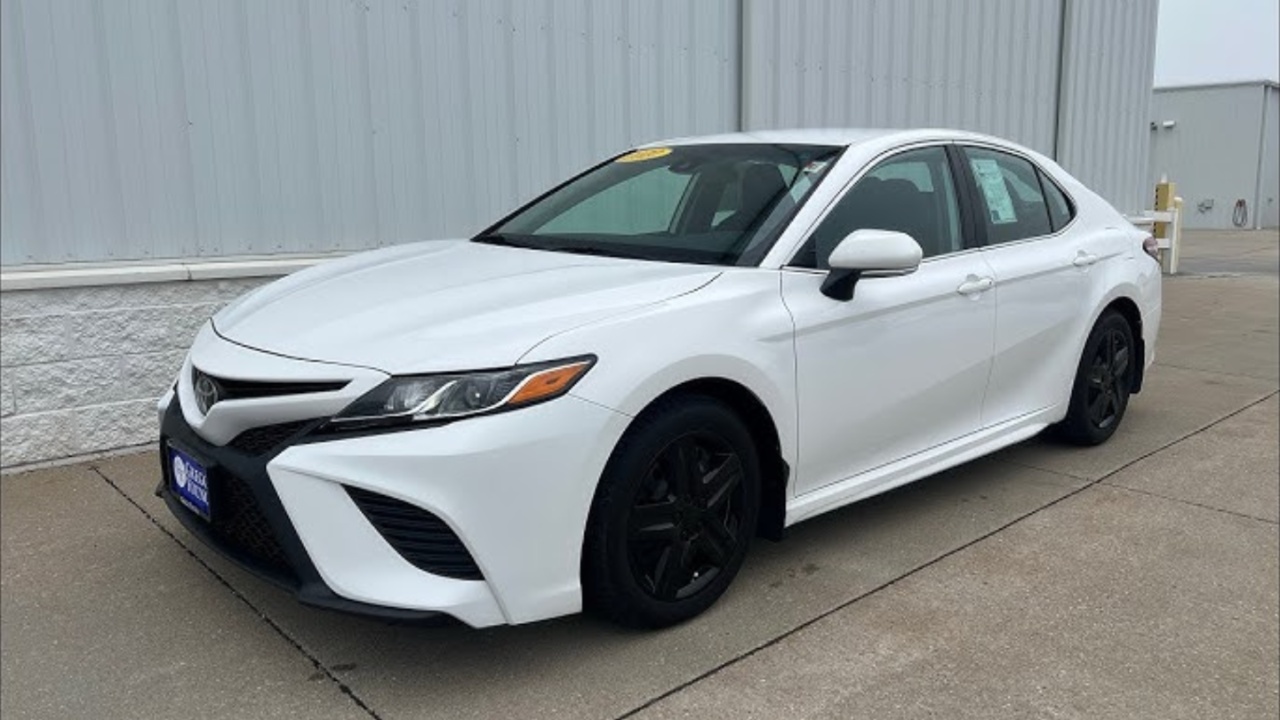
The Toyota Camry has been one of America’s best-selling sedans for decades. This is not the result of clever marketing alone. The Camry earns its sales by delivering decade after decade of bulletproof reliability.
The 2.5-liter four-cylinder engine found in most Camrys is one of the most proven powerplants in modern automotive history. It has been refined through multiple generations, with each iteration addressing the minor weaknesses of its predecessor. The result is an engine that treats high mileage as routine.
Toyota’s six-speed automatic transmission paired with the Camry has an outstanding long-term record. Proper fluid changes every 60,000 miles keep it shifting smoothly well past 300,000 miles. Many taxi operators running Camrys report transmission health remaining strong even at 400,000 miles.
The Camry’s chassis is engineered with generous tolerances throughout. Steering components, ball joints, and bushings all last significantly longer than segment averages. Owners consistently report that these components outlast manufacturer replacement intervals by wide margins when the car is properly maintained.
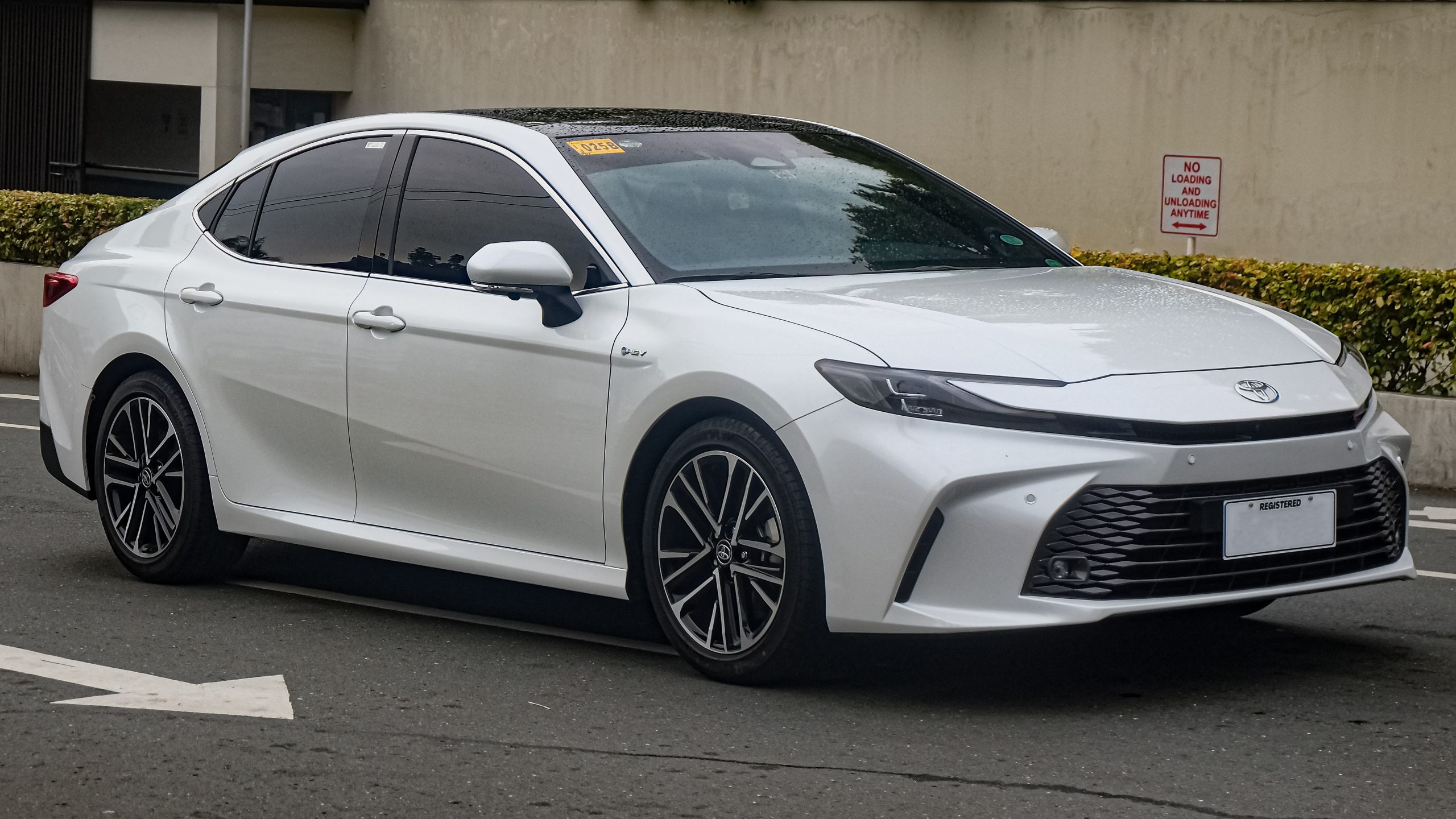
Consumer Reports has ranked the Camry among its top reliability picks for multiple consecutive decades. This is one of the most rigorous third-party reliability assessments available. A sustained record at the top of that ranking is no coincidence.
The hybrid variant of the Camry adds another layer of proven durability. Toyota’s hybrid battery technology has shown remarkable longevity in real-world use. Taxi companies operating hybrid Camrys have reported batteries lasting well past 300,000 miles, far exceeding original expectations.
Camry owners benefit from an enormous network of mechanics familiar with the vehicle. Because so many are on the road, every independent shop in America has experience working on them. This familiarity reduces diagnostic time and labor costs significantly.
The Camry’s interior materials hold up better than most competitors at equivalent mileage. Seats, dashboards, and door panels age gracefully. A well-maintained 300,000-mile Camry interior often looks closer to 150,000 miles, which matters for resale and daily quality of life.
Perhaps the most compelling evidence for the Camry’s longevity is the used car market itself. High-mileage Camrys command prices that no other mainstream sedan can match. Buyers with mechanical knowledge know what a 200,000-mile Camry represents. It represents at least another 150,000 miles of reliable transportation.
4. Honda Accord
The Honda Accord occupies a unique space in the automotive world. It delivers near-luxury comfort while maintaining the mechanical humility that produces exceptional longevity.
The Accord’s 2.4-liter naturally aspirated four-cylinder, found in generations spanning the 1990s through the 2010s, is one of Honda’s most durable engines ever produced. It is smooth, efficient, and remarkably resistant to the wear patterns that retire other engines early. Many examples cross 300,000 miles without ever being opened.
Honda’s engineering culture emphasizes precision manufacturing. The fit between internal engine components in an Accord is exceptionally tight from the factory. This precision reduces oil consumption and internal blowby over time, which are the two primary killers of high-mileage engines.
The Accord’s suspension design prioritizes feel and control without sacrificing durability. Struts, control arms, and tie rod ends are robust and well-protected. Owners who keep up with alignment checks find that their tire wear remains even and their suspension components outlast those of most competitors.
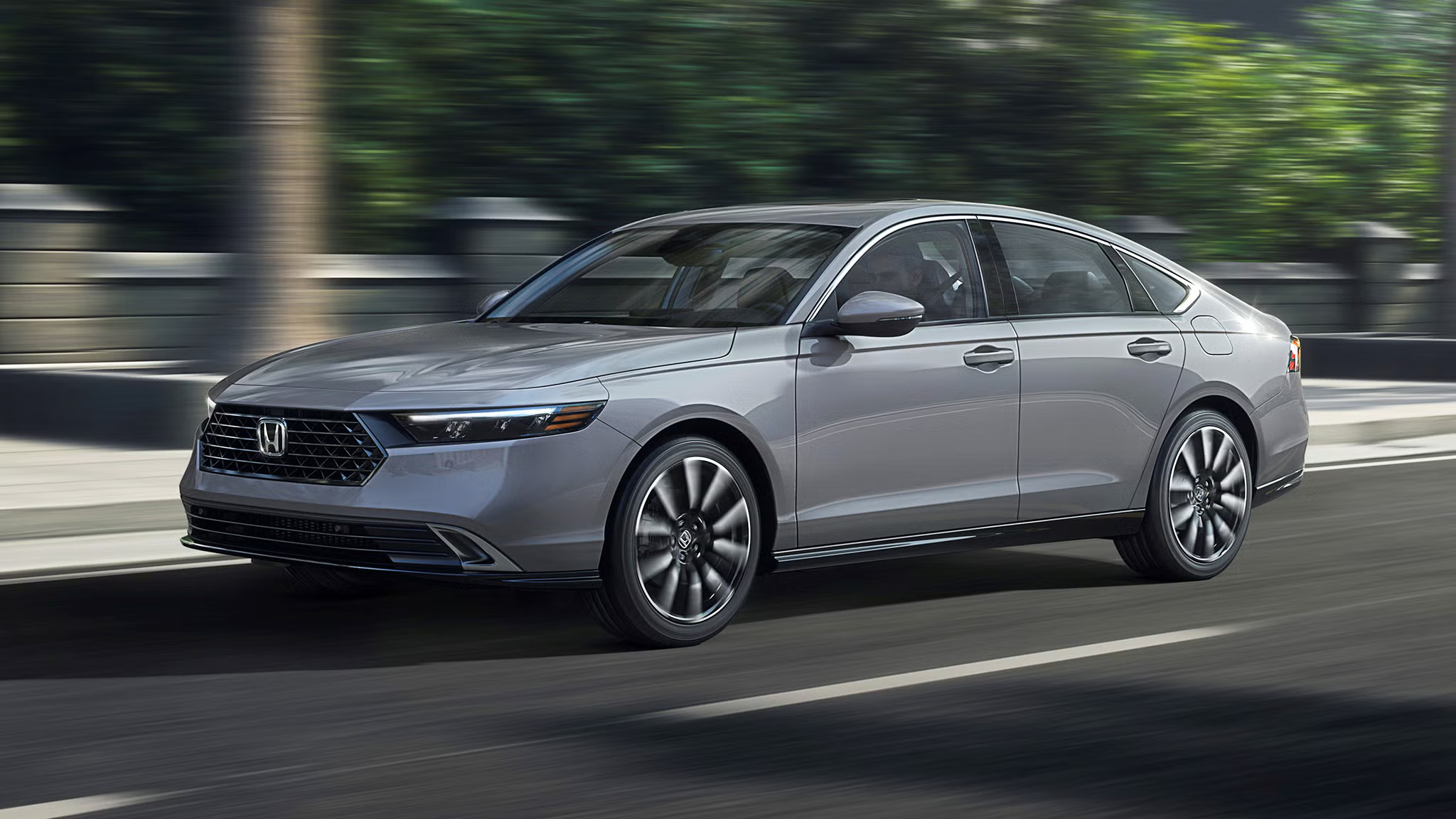
The V6 option available in multiple Accord generations also performs remarkably at high mileage. Despite its additional complexity, the 3.0 and 3.5-liter Honda V6 engines have documented 300,000-mile lifespans in real-world use. Timing belt service at specified intervals is the most critical maintenance item.
Body rust is minimal on properly maintained Accords outside of extreme salt environments. Honda has progressively improved its corrosion protection across generations. Owners in moderate climates report that even older Accords show minimal rust at 15 or more years of age.
The Accord transitions seamlessly between roles. It serves equally well as a family hauler, a rideshare vehicle, or a solo daily driver. This versatility means Accords accumulate miles across a wide range of use cases, all while demonstrating the same core reliability.
Resale values for well-maintained Accords are strong throughout their lifespan. The market recognizes their reliability the same way it recognizes the Camry’s. A 200,000-mile Accord with service records sells quickly because educated buyers know what they are actually purchasing.
The Accord community, like the Civic’s, is deeply knowledgeable and well-documented online. Generations of owners have charted every maintenance interval and common wear point. This collective intelligence makes it easier than ever to keep an Accord running strong past 350,000 miles.
Also Read: 9 Cars With Underpowered Engines Buyers Regret
5. Toyota Tacoma
The Toyota Tacoma is the best-selling midsize pickup truck in America and has held that position for nearly two decades. Its dominance is built on one foundation above all others: the reputation for lasting forever.
The Tacoma’s 2.7-liter four-cylinder and 4.0-liter V6 engines are both proven workhorses. Neither is particularly high-strung or technologically exotic. They are deliberately conventional engines built with quality materials and generous manufacturing tolerances.
Four-wheel-drive Tacomas rack up extraordinary mileage despite being used for genuinely demanding work. Owners report using them for towing, off-roading, and hauling regularly, all while watching the odometer roll past 300,000 miles without major mechanical intervention. Few trucks from any brand can make that claim.
The Tacoma’s frame is one of its strongest attributes. While Toyota issued a frame rust recall on certain 2000s-era Tacomas in northern markets, the underlying design and structural integrity of the frame itself are exceptional. Post-recall trucks with treated or replaced frames have gone on to extreme mileage without structural issues.
Resale values for the Tacoma are legendary in the automotive industry. A ten-year-old Tacoma with 200,000 miles frequently sells for more than competing trucks with half the mileage. The market is expressing exactly what it knows about the Tacoma’s remaining useful life.
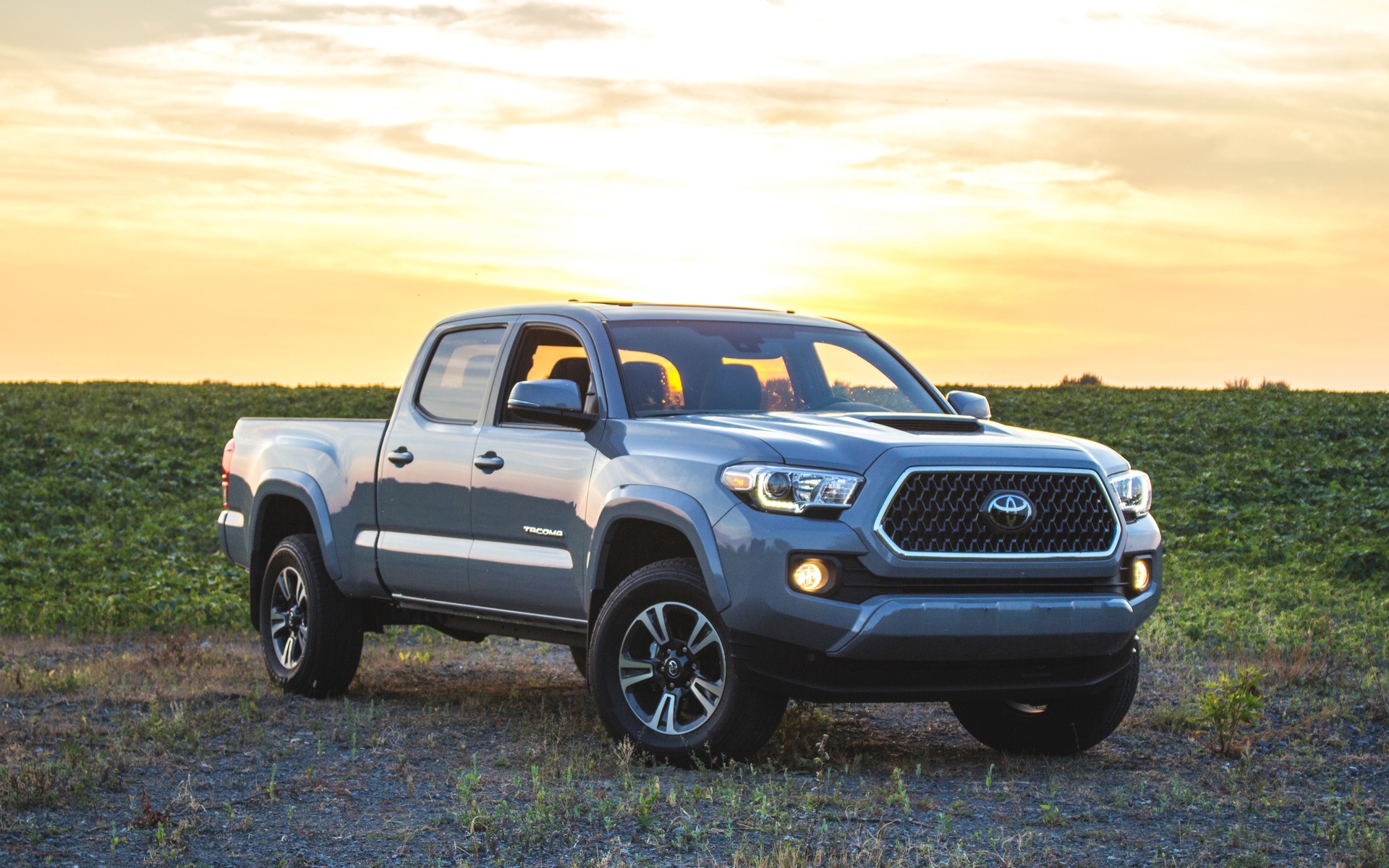
The drivetrain components in four-wheel-drive Tacomas are extraordinarily durable. Transfer cases, front differentials, and rear axles all carry the Toyota engineering philosophy of overbuilding for reliability. Owners who use quality gear oil and change it regularly report these components reaching very high mileage without failure.
Tacoma owners form one of the most dedicated communities in the truck world. Forums dedicated to high-mileage Tacomas are filled with documented examples surpassing 400,000 and even 500,000 miles. These are working trucks driven daily, not garage queens preserved for show.
The simple body-on-frame construction of the Tacoma makes repairs straightforward and accessible. Unlike more complex unibody crossovers, the Tacoma’s architecture allows mechanics to access components cleanly. This simplicity reduces labor time and keeps maintenance costs manageable at any mileage.
The Tacoma proves that a truck can be both genuinely capable and genuinely reliable simultaneously. Most heavy-duty trucks sacrifice one for the other. The Tacoma refuses to make that compromise, which is exactly why it remains the benchmark for midsize truck longevity.
6. Subaru Outback
The Subaru Outback has built a devoted following among outdoor enthusiasts, rural drivers, and anyone who needs all-weather capability without a full-sized SUV. Its durability record is strong enough to place it firmly on this list.
The Outback’s symmetrical all-wheel-drive system is one of Subaru’s most praised engineering achievements. It distributes power evenly across all four wheels constantly. This reduces stress on any single drivetrain component and improves mechanical balance across the entire powertrain.
Subaru’s 2.5-liter boxer engine is a distinctive design with a low center of gravity and inherent smoothness. Well-maintained examples routinely reach 250,000 to 300,000 miles before requiring significant internal work. The most critical maintenance item is head gasket service on older generations, which Subaru has addressed progressively in newer designs.
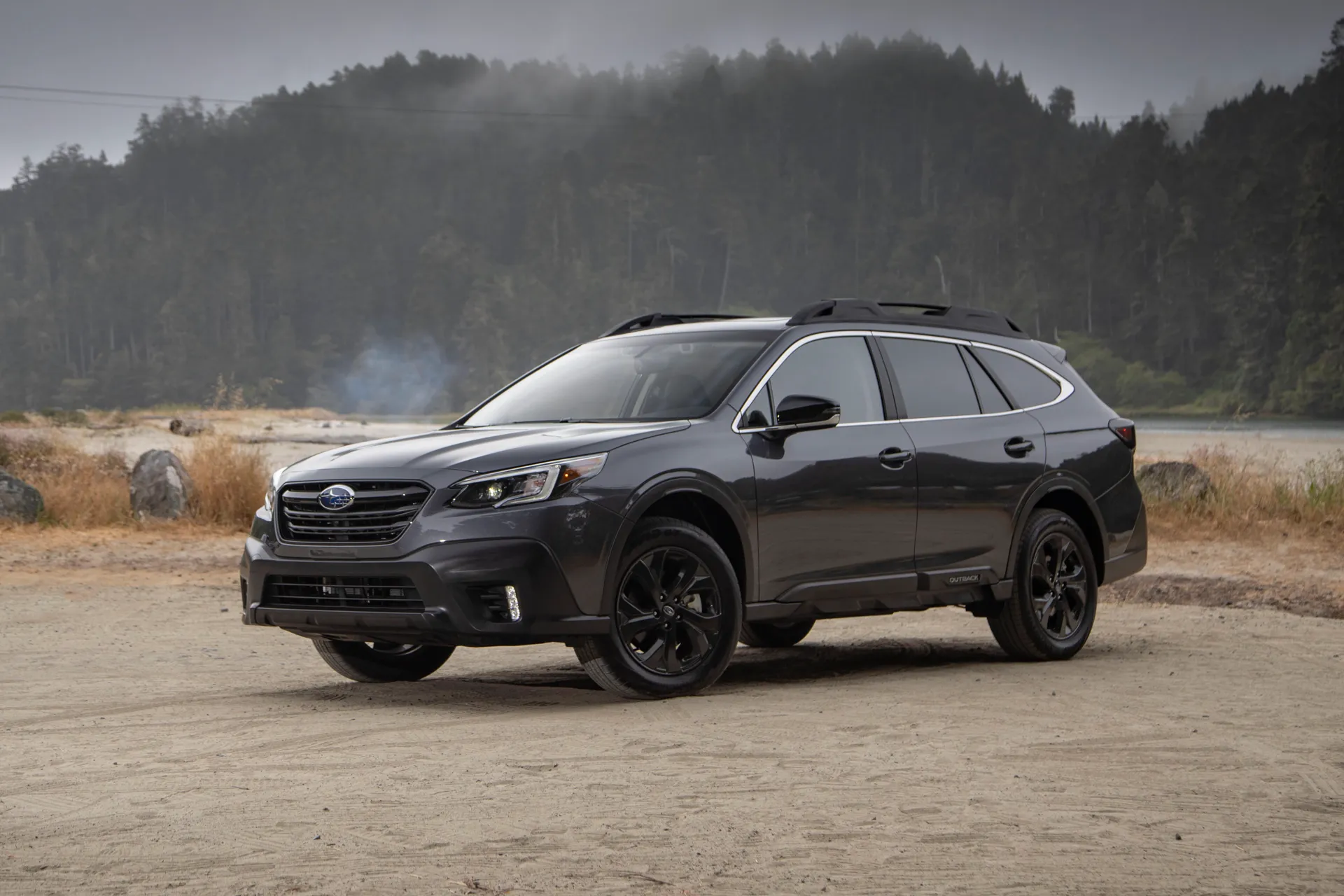
The Outback’s body structure is solid and well-protected from the factory. Subaru applies galvanized coatings to key underbody panels. Owners in the rust-heavy northeastern United States report that Outbacks hold up significantly better than many competing all-wheel-drive vehicles in harsh salt conditions.
Ground clearance on the Outback is genuinely useful. The raised ride height protects the undercarriage from damage on rough roads and light trails. This real-world protection means that the mechanical components underneath stay cleaner and better protected over the long term.
Subaru has invested heavily in improving its reliability metrics in recent model years. The EyeSight driver assistance system and other modern electronics have been refined to reduce warranty claims. The mechanical fundamentals that underpin the Outback have grown stronger with each generation.
The Outback’s cargo space and interior practicality mean it accumulates serious mileage across a wide range of uses. It functions as a camping vehicle, a family hauler, and a daily commuter simultaneously. This versatility keeps it on the road consistently, accumulating honest miles under diverse conditions.
Independent owner surveys consistently place the Outback among the most trusted used vehicles in its segment. Owners who buy used Outbacks with 100,000 miles routinely drive them another 150,000 miles without major mechanical concern. This is the real-world evidence that matters most.
Subaru dealerships and independent Subaru specialists are found in virtually every market. The widespread availability of knowledgeable mechanics and affordable parts makes maintaining a high-mileage Outback practical and cost-effective almost anywhere in North America.
7. Ford F-150
The Ford F-150 is the best-selling vehicle in America and has been for over four decades. It earns that title not through advertising alone but through genuine working-class durability that owners document in extraordinary mileage numbers.
The F-150’s 5.0-liter Coyote V8 is among the most capable and durable truck engines Ford has ever produced. It delivers strong power throughout its rev range while maintaining excellent long-term reliability. Owners running this engine regularly report crossing 300,000 miles with only normal maintenance completed.
The 3.5-liter EcoBoost V6, despite initial skepticism from traditional truck buyers, has proven itself at high mileage in real-world use. Regular oil changes with quality synthetic oil and timely spark plug replacement keep this engine healthy through very high odometer readings. Documented examples past 300,000 miles are increasingly common.
Ford’s aluminum body construction, introduced in 2015, initially attracted criticism for repairability concerns. In practice, the aluminum panels resist corrosion dramatically better than steel equivalents. This structural integrity means the truck’s body remains sound at mileage levels where older steel-bodied trucks would show serious deterioration.
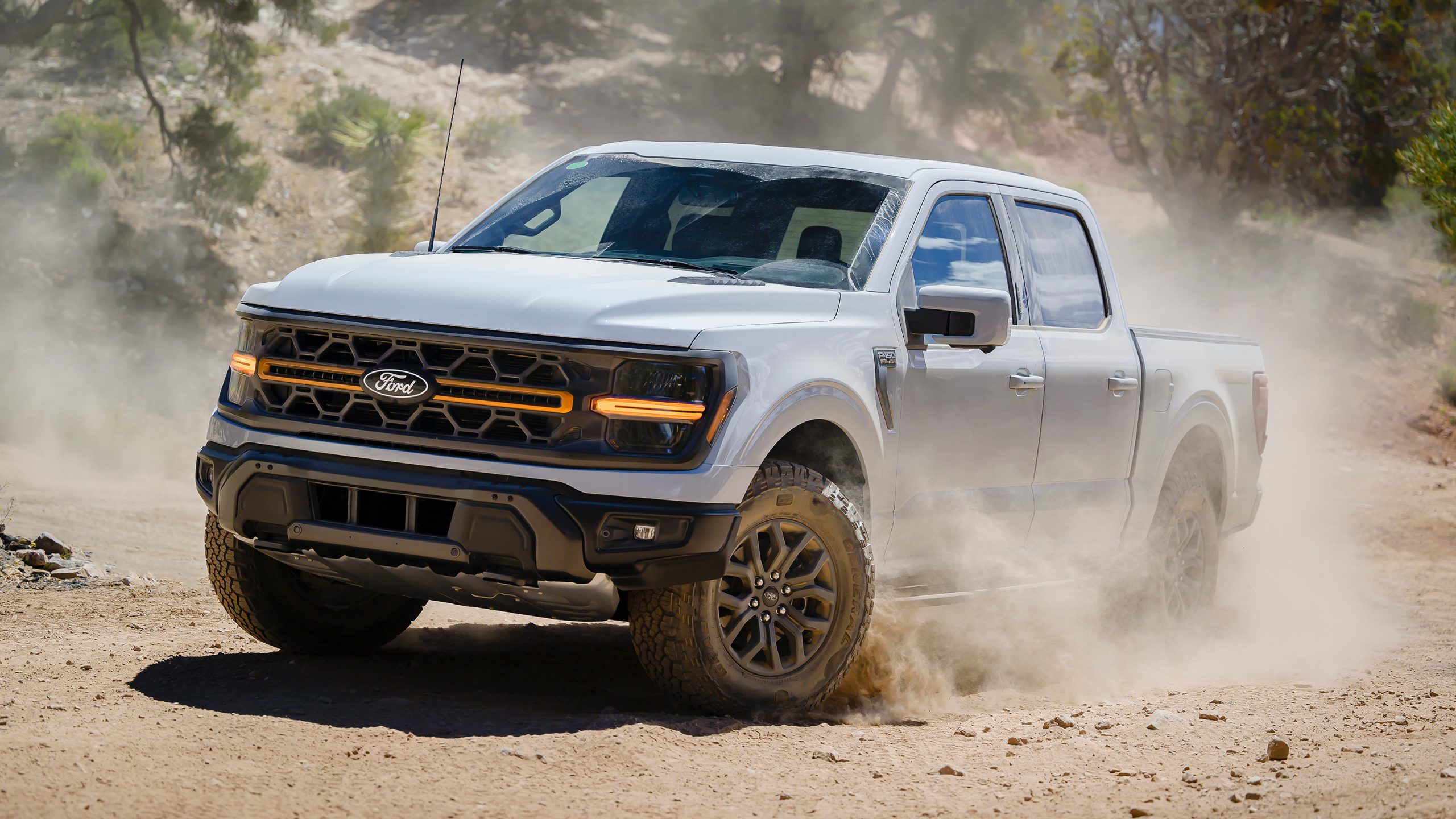
The F-150’s frame is engineered to handle serious payload and towing loads consistently over many years. High-strength steel construction and multi-stage corrosion treatment give the frame outstanding resistance to both mechanical stress and environmental attack. Fleet operators report frames remaining structurally sound past 400,000 miles in moderate climates.
Commercial and fleet operators trust the F-150 with demanding daily use precisely because the maintenance costs are predictable. Parts availability is the best of any vehicle on the market. Every parts store and every independent mechanic in America stocks or can quickly source anything needed for an F-150.
The towing and payload capacity of the F-150 means it accumulates miles while doing real work. Unlike a commuter car that only faces highway and city stress, the F-150 faces trailer loads, rough roads, and extreme weather regularly. The fact that it still reaches 350,000 miles under these conditions is remarkable.
Ford has invested billions in the F-150 platform across its many generations. Each generation has addressed weaknesses identified in its predecessor. The cumulative result is a truck that represents decades of continuous refinement rather than a fresh design each cycle.
The F-150 community is massive and deeply knowledgeable. High-mileage forums, maintenance guides, and owner communities provide extraordinary support for anyone trying to push an F-150 past the 350,000-mile threshold. This community infrastructure is itself a significant durability asset.
8. Lexus LS 400 / LS 430
The Lexus LS series, particularly the LS 400 and LS 430, represents one of the most remarkable engineering achievements in automotive history. Toyota built these cars to demonstrate that Japanese luxury could surpass the world’s finest automobiles, and they succeeded beyond any reasonable expectation.
The 1UZ-FE V8 engine found in the LS 400 is one of the most praised engines ever produced. It was designed with tolerances tighter than anything the American or European luxury market had seen at its debut in 1989. Mechanics who have worked on these engines describe them as approaching mechanical perfection.
High-mileage LS 400 examples are not unusual to find. Owners who maintain them meticulously report engines that feel tight and strong at 300,000 miles. The most common high-mileage maintenance involves timing belt replacement and valve adjustment, both of which are straightforward and affordable relative to the engine’s longevity.
The LS 430 refined everything the LS 400 established. Its 3UZ-FE V8 continued the tradition of over-engineering in every dimension. Transmission smoothness, noise isolation, and mechanical durability all improved while maintaining the extraordinary long-term reliability of the original design.
The build quality of these cars is immediately apparent when you open the hood or look underneath. Every bracket, every hose clamp, and every fastener is installed with precision that reflects an obsessive manufacturing culture. This attention to detail in assembly pays dividends for decades after the car leaves the factory.
Lexus LS models hold up structurally at high mileage better than almost any other luxury vehicle. The unibody construction is exceptionally rigid and well-protected against corrosion. Owners in moderate climates report that the underbody remains clean and solid past 200,000 miles with minimal protective treatment required.
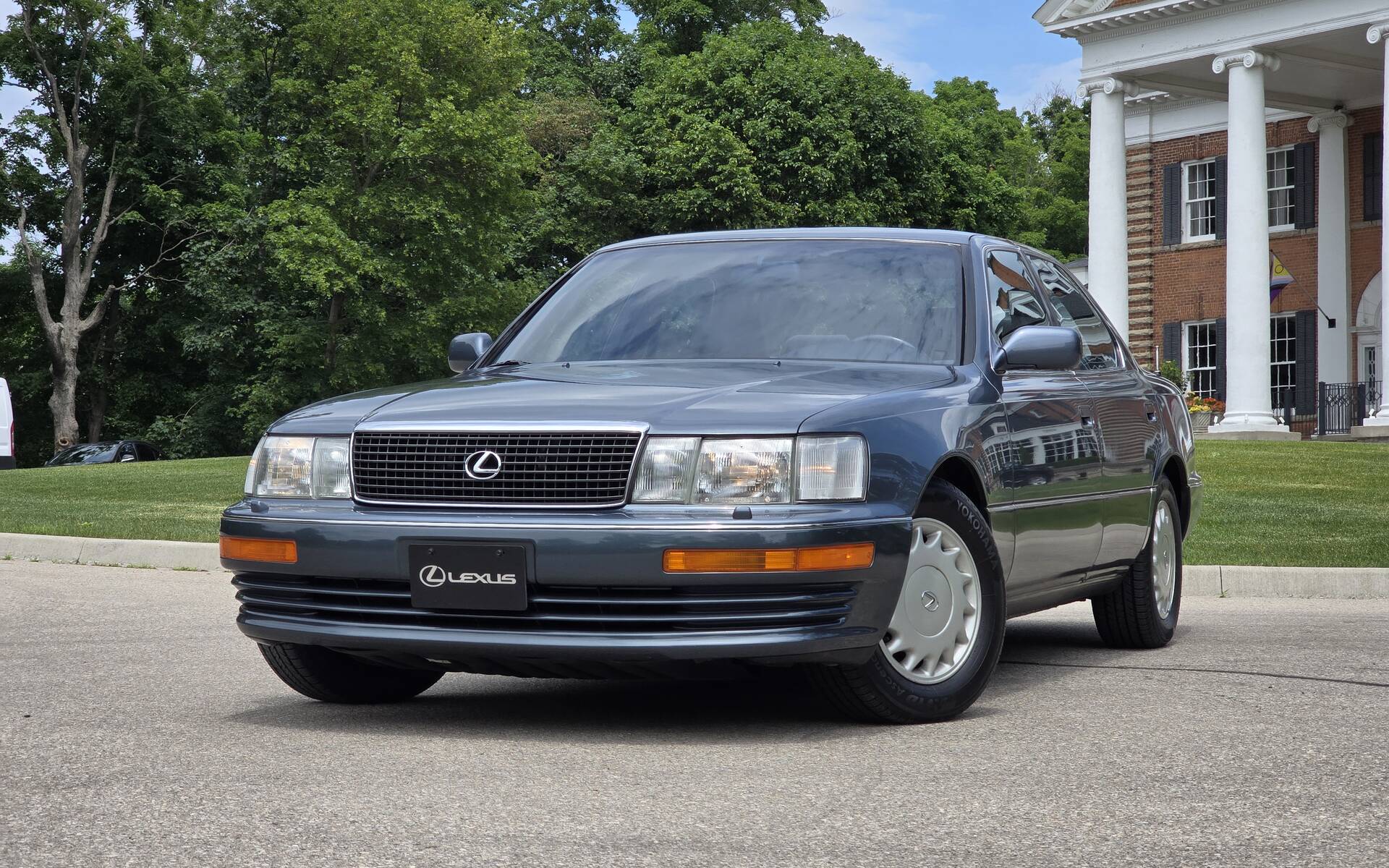
The luxury appointments inside the LS age with remarkable dignity. Premium leather, real wood trim, and quality soft-touch materials used throughout the cabin resist wear and degradation far better than materials used in mainstream vehicles. A well-maintained LS interior at 250,000 miles often looks shockingly good.
Parts availability has improved significantly as the LS 400 and 430 have become collector and enthusiast vehicles. The community supporting these cars is highly organized and technically sophisticated. Used original parts are plentiful, and aftermarket quality replacement components are increasingly available for every consumable.
The value proposition of a well-maintained LS 400 or 430 is extraordinary. You can purchase world-class engineering and near-bulletproof reliability for a fraction of the original purchase price. This is the ultimate expression of what genuine durability means in practical, economic terms.
9. Chevrolet Silverado / GMC Sierra
The Chevrolet Silverado and its mechanical twin, the GMC Sierra, form one of the most durable full-size truck platforms. Decades of commercial and personal use have documented their ability to reach extraordinary mileage milestones.
The 5.3-liter LS-based V8 engine found in most Silverados and Sierras is an engineering icon. It is a pushrod design that sacrifices complexity for absolute durability. This engine has been proven in millions of trucks across every conceivable use condition and regularly reaches 300,000 miles with conventional maintenance.
General Motors’ transmission engineering has matured significantly across Silverado generations. The 6L80 six-speed automatic, found in later models, is a robust and well-regarded unit. Proper fluid maintenance keeps it functioning smoothly through very high mileage, and documented examples past 300,000 miles are common among fleet operators.
The Silverado’s frame is built for serious commercial use. It is constructed from high-strength steel with substantial cross-member reinforcement throughout. Fleet managers who operate large numbers of Silverados consistently report that frame integrity remains sound well past 300,000 miles in all but the harshest salt environments.
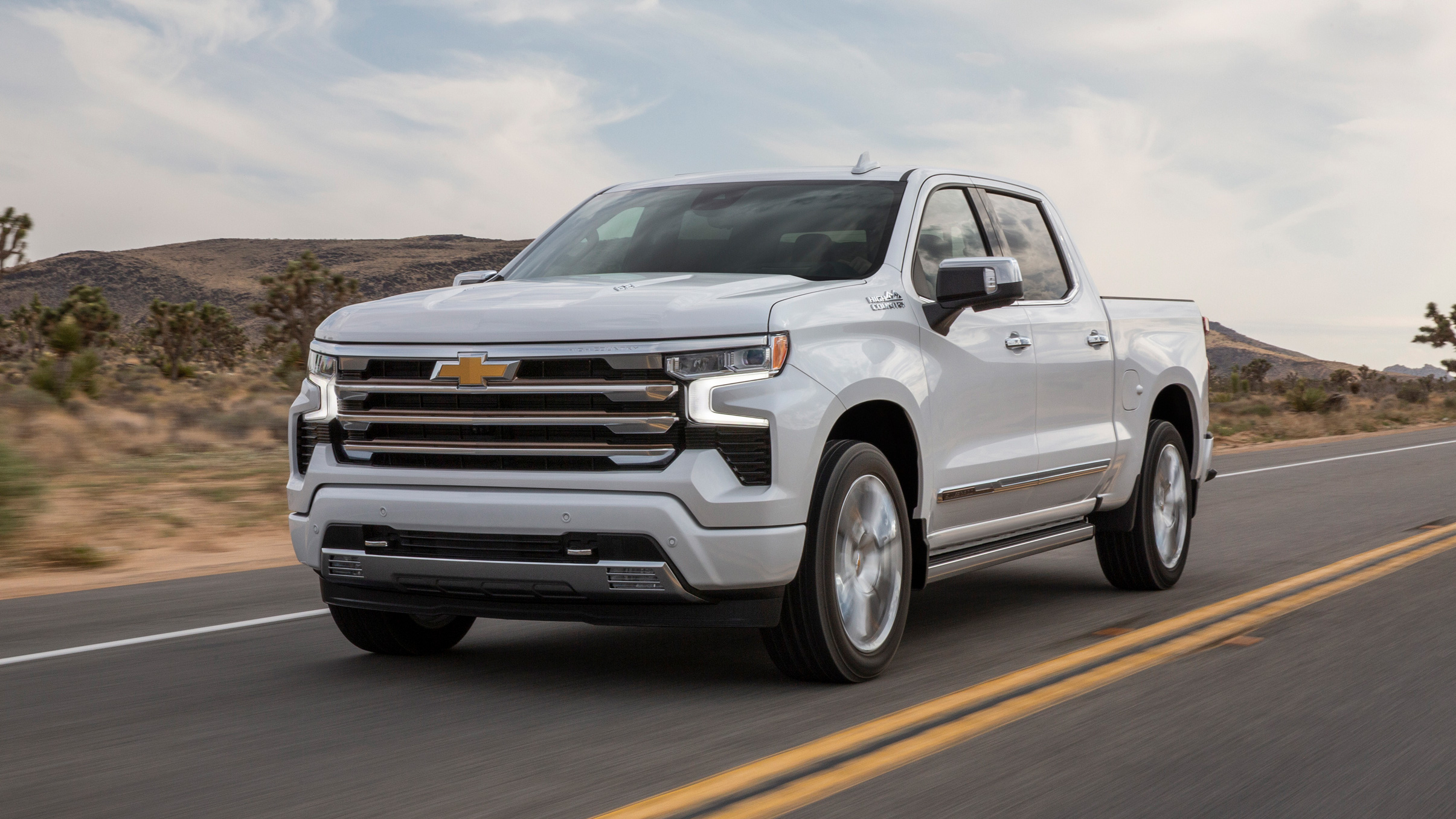
Commercial fleet operators choose the Silverado and Sierra in enormous numbers. This is not sentiment or brand loyalty driving those decisions. Fleet managers make decisions based purely on total cost of ownership data, and the Silverado consistently delivers the combination of upfront value, maintenance cost, and longevity that wins fleet contracts.
The availability of parts for the Silverado and Sierra is unmatched in the truck segment. Because these vehicles share components across so many model years and variants, the parts ecosystem is enormous. Aftermarket options are plentiful, competition among suppliers keeps prices low, and availability is essentially universal.
The Silverado’s towing and payload capabilities mean it works hard throughout its life. Owners who use their trucks for serious commercial purposes still reach 300,000 miles when maintenance is kept current. This combination of genuine capability and documented longevity defines the platform’s value.
GM has continuously refined the Silverado platform with each generation. Interior quality, technology, and powertrain efficiency have all improved while the core mechanical durability has been preserved. The result is a modern truck that builds on decades of proven reliability rather than abandoning it.
Silverado and Sierra owners benefit from one of the largest owner communities in the automotive world. High-mileage documentation, maintenance guides, and peer support networks are extensive and freely available. This community knowledge base is a genuine competitive advantage for any owner committed to maximum mileage.
10. Volvo 240 / 740 / 940 Series
The Volvo 240, 740, and 940 series are among the most beloved high-mileage vehicles in automotive history. These Swedish-built machines developed a cult following not despite their conservative design but because of it.
Volvo’s inline-four and inline-six engines fitted to these models are paragons of simplicity and durability. The B230 engine found in most 240s and 740s is particularly celebrated. It is a cast-iron block design with an aluminum head, built with generous dimensions and minimal stress levels.
The B230 engine responds extraordinarily well to basic maintenance. Regular oil changes, coolant flushes, and timing belt replacement are essentially all it requires to reach 300,000 miles. Stories of these engines crossing 500,000 miles with no internal work are not myths. They are well-documented facts within the Volvo enthusiast community.
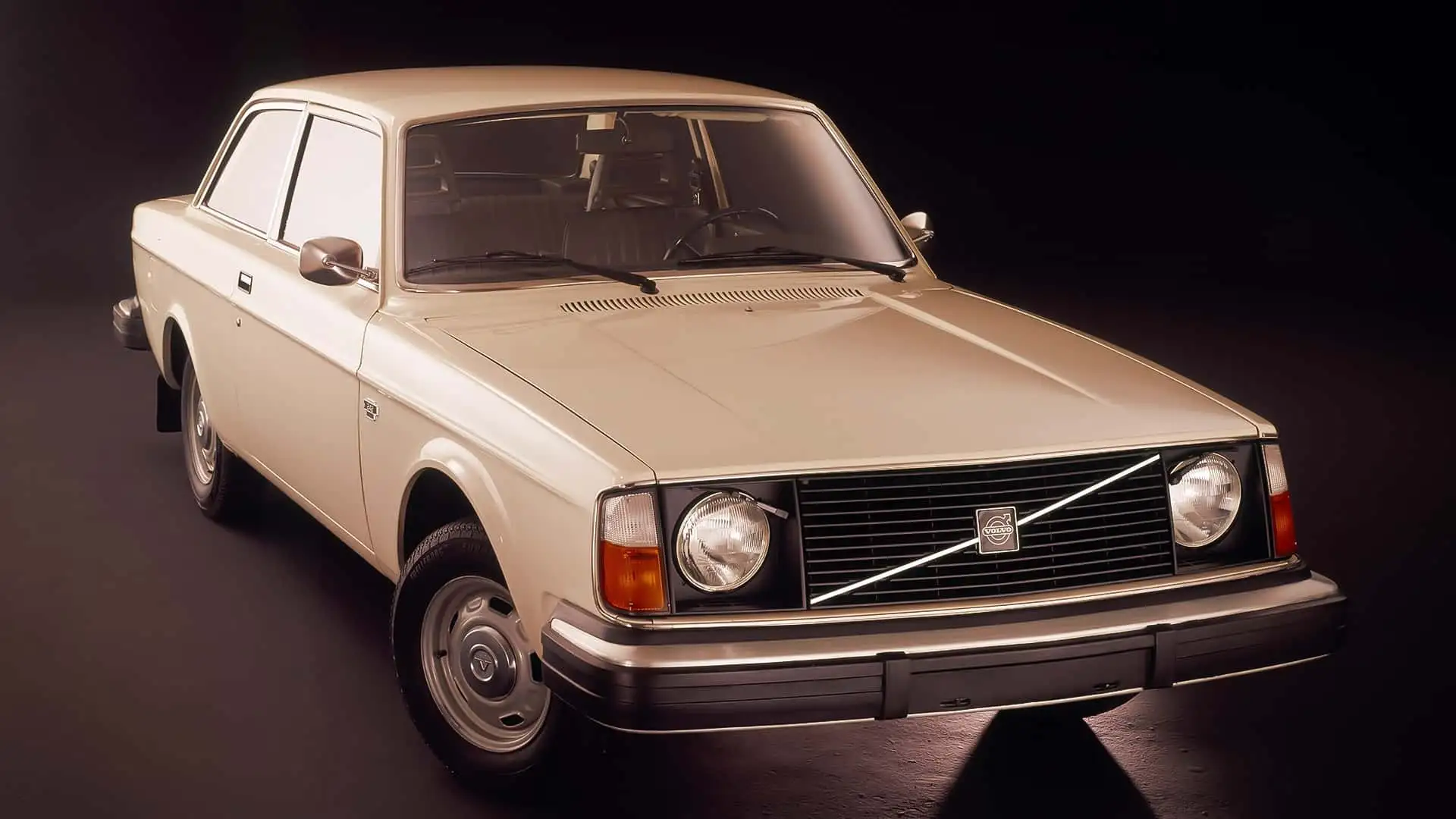
The body structure of these Volvos is exceptionally rigid. Volvo built its reputation on crash safety, which required structural engineering discipline that also happens to benefit long-term durability. The same rigidity that protects occupants in a collision also resists the fatigue and flex that deteriorate most car bodies over time.
The suspension design of the 240, 740, and 940 is simple, rugged, and repairable. Front MacPherson struts and a rear live axle on the 240 create a setup that mechanics can service quickly and affordably. Replacement parts for these models are inexpensive, widely available, and often interchangeable across years.
Rust is the primary enemy of these Volvos, particularly on older examples. The body steel used in the 1980s production was not as well-protected as modern equivalents. However, owners who address rust proactively with annual underbody treatment find that even 1980s examples survive for decades in good structural condition.
The interior quality of these cars reflects Swedish craftsmanship values that prioritize functionality over fashion. Seat fabrics, switchgear, and structural panels hold up remarkably well over time. A well-preserved 240 interior at 30 years of age still functions almost entirely as designed.
The global community of Volvo 240, 740, and 940 owners is passionate and encyclopedically knowledgeable. Every failure mode, every common repair, and every upgrade option has been documented and shared across generations of enthusiasts. This collective wisdom makes maintaining these cars to extreme mileage more accessible than any factory manual ever could.
These Volvos represent a philosophy of automotive engineering that has largely disappeared from the modern market. They were built to be maintained, repaired, and kept on the road indefinitely. In an era of disposable vehicles, they stand as proof that cars built with honest intent can serve their owners faithfully for a very long time.
Also Read: 9 Pickup Trucks That Got $20,000 More Expensive in 10 Years
