
Buying a car is one of the biggest financial decisions a person can make. It involves careful research, test drives, and a lot of hope that the vehicle will meet expectations on the road.
Engine power is one of the most critical factors in driving satisfaction. A car that feels sluggish, strained, or breathless on the highway quickly becomes a source of daily frustration.
Many automakers have made the mistake of fitting small, weak engines into vehicles that desperately need more power. These decisions are often driven by fuel economy targets, cost-cutting measures, or marketing strategies that prioritize numbers over real-world performance.
The result is a growing list of cars that buyers deeply regret purchasing. These are vehicles that look great on paper but disappoint the moment you press the accelerator.
Underpowered engines struggle on highway merges, mountain roads, and even basic overtaking maneuvers. They force drivers to work the gearbox harder, which ironically often leads to worse fuel efficiency than advertised.
In this article, we explore nine cars that became notorious for their weak engines. These are real buyer regrets, backed by owner complaints, automotive reviews, and long-term ownership frustrations that paint a clear picture of what happens when power takes a back seat.
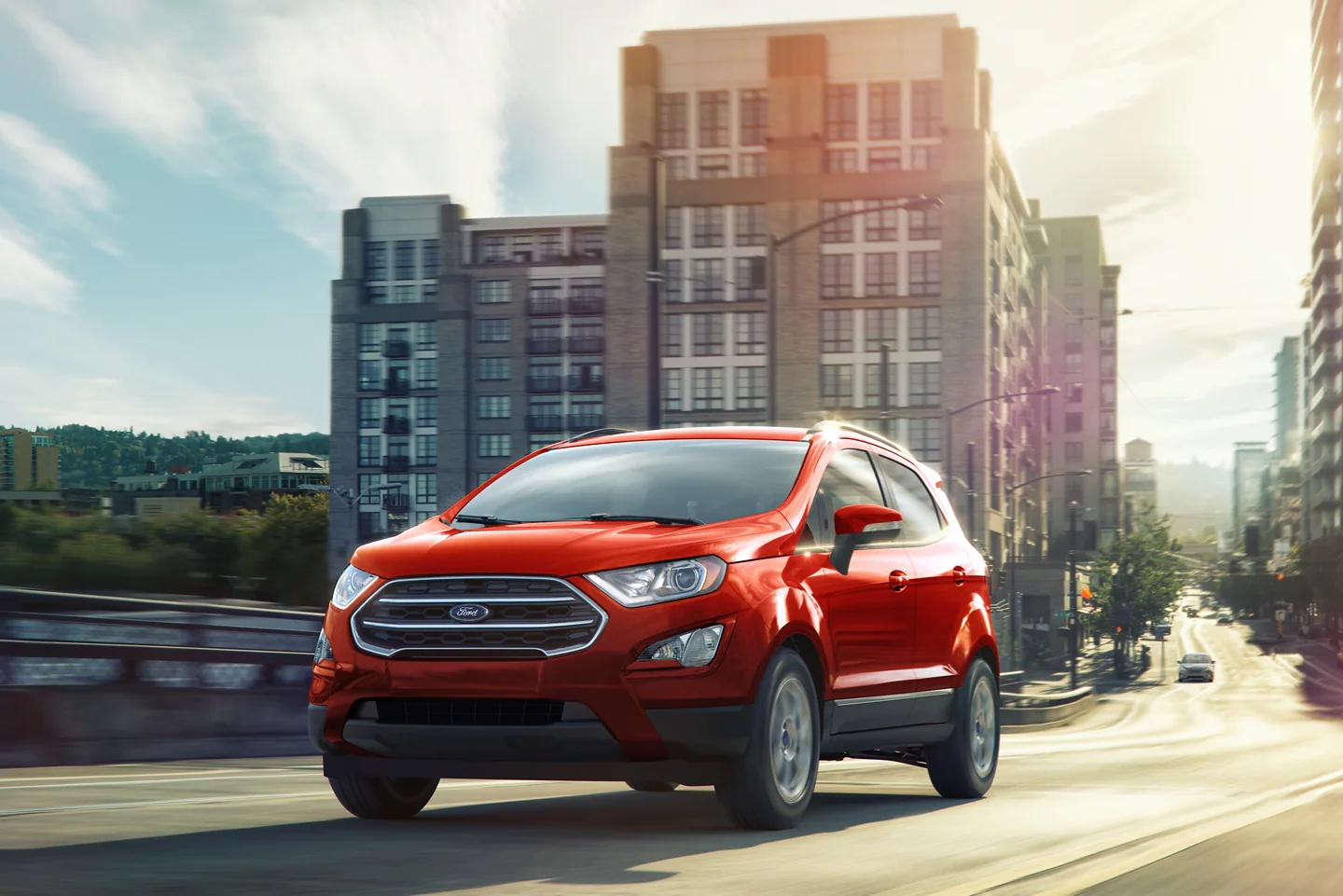
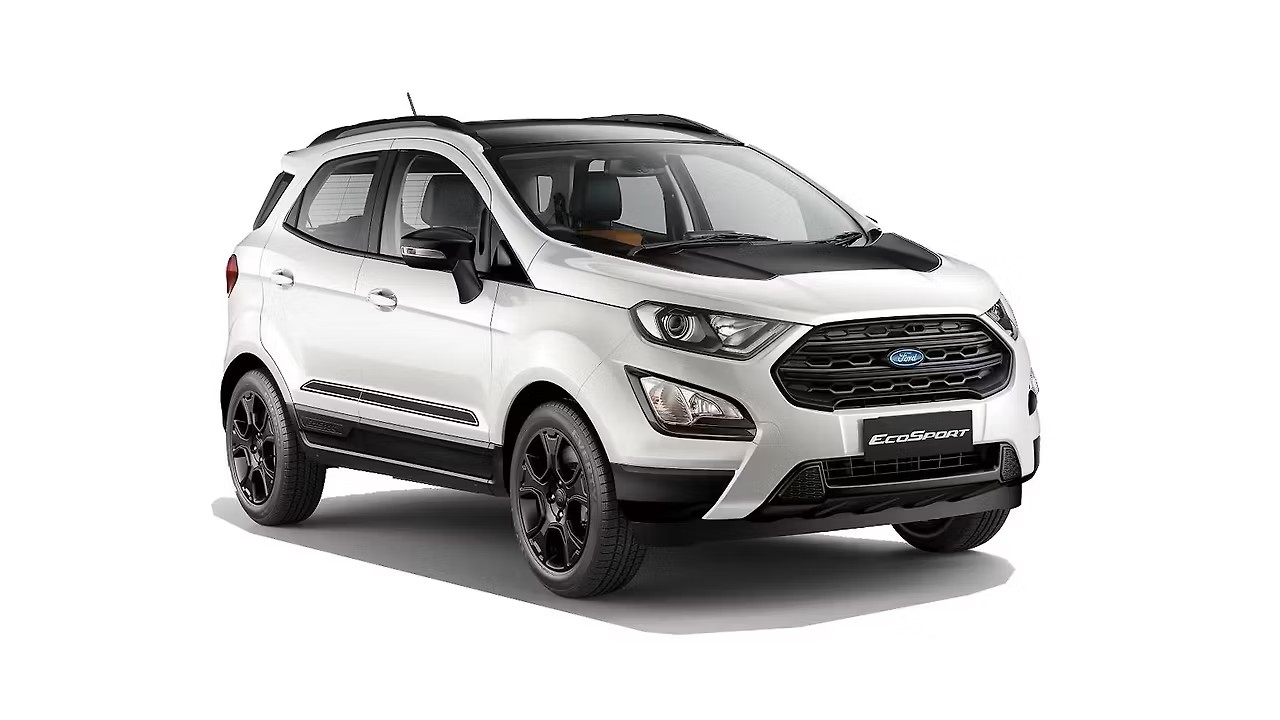
1. Ford EcoSport 1.5 Ti-VCT (Non-Turbo)
The Ford EcoSport was one of the most anticipated compact SUVs when it arrived in global markets. Ford marketed it as a bold, capable urban adventure vehicle ready for city streets and beyond.
However, the non-turbo 1.5-litre Ti-VCT petrol engine quickly became a major talking point and not in a good way. Buyers who expected spirited performance were met with a deeply underwhelming driving experience.
The engine produces around 123 horsepower, which sounds reasonable on paper. But in a body that weighs well over 1,200 kilograms, that power figure translates to a lethargic, strained driving character.
Highway driving is where the EcoSport’s underpowered nature becomes most painfully obvious. Merging onto expressways requires planning well in advance, almost as if you are piloting a much older, less capable vehicle.
Overtaking on two-lane roads becomes a nerve-wracking experience. You press the accelerator expecting a surge of power, and instead, the engine simply raises its voice without meaningfully increasing speed.
The gearbox, a five-speed manual in most markets, constantly demands downshifting to extract any usable performance. This defeats the purpose of a modern SUV that should feel effortless in most driving conditions.
Fuel economy, which was supposed to be the engine’s saving grace, also fails to impress in real-world conditions. Hard acceleration, caused by the lack of low-end torque, means the engine gulps fuel faster than its ratings suggest.
Owners frequently report feeling embarrassed on roads where even smaller hatchbacks pull away with ease. The EcoSport’s crossover styling creates expectations that the engine simply cannot fulfil.
Ford eventually addressed this with a turbocharged 1.0-litre EcoBoost engine in certain markets. That version transformed the car into something genuinely enjoyable, which only highlights how inadequate the base engine always was.
The interior quality, feature list, and packaging of the EcoSport were genuinely impressive for its price point. But all of that goodwill evaporates the moment you need to perform a confident overtake at 80 kilometres per hour.
Long-distance highway journeys become physically tiring in the EcoSport with the base engine. The constant need to manage throttle input and gear selection turns what should be a relaxed drive into an active, stressful chore.
Resale values for the non-turbo EcoSport have also suffered as a result of its reputation. Buyers in the used car market actively seek out the turbocharged variant, leaving the base engine models sitting on lots far longer.
For a brand with the performance heritage of Ford, the non-turbo EcoSport was a genuine misstep. It is a cautionary tale of what happens when badge engineering and cost-cutting override the need for a properly powered engine.
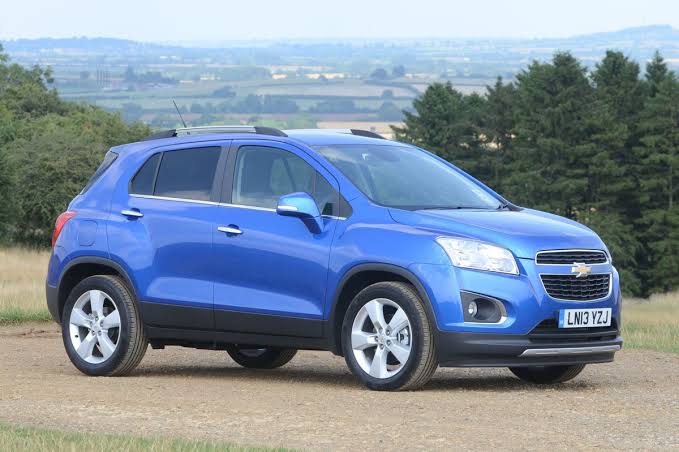
2. Chevrolet Trax 1.4 Turbo (First Generation)
The Chevrolet Trax arrived in showrooms positioned as an affordable, stylish small SUV for urban families. Its compact dimensions and smooth exterior design made it an attractive choice for first-time SUV buyers.
Under the bonnet sat a 1.4-litre turbocharged petrol engine producing approximately 138 horsepower. While the turbocharger was meant to add performance, the real-world driving experience told a very different story.
The engine suffers from significant turbo lag, meaning power delivery is neither immediate nor predictable. Drivers quickly learn to plan their acceleration well in advance, which is exhausting and counterintuitive.
At low city speeds, the Trax feels reasonably adequate for stop-and-go traffic. But the moment you attempt any serious acceleration on a highway on-ramp, a quick overtake, the engine’s limitations become embarrassingly clear.
Fully loaded with passengers and luggage, the Trax’s performance drops off a cliff. The engine sounds strained and stressed even at moderate speeds, which is deeply unsettling for occupants expecting a composed drive.
The six-speed automatic transmission available in many markets does not help the situation. It hesitates during gear changes and is slow to respond when the driver demands quick downshifts for passing power.
Fuel consumption figures also failed to match GM’s optimistic claims in everyday driving. The combination of turbo lag and the need for constant heavy throttle input erases any theoretical fuel savings from the small displacement engine.
Owners have expressed frustration in forum after forum about the Trax’s inability to maintain highway speeds gracefully. On inclines or in headwinds, the engine feels genuinely out of its depth.
Competitors in the same segment, like the Honda HR-V and Mazda CX-3, offered far more composed and confident driving experiences. The Trax struggled to justify its price when placed side by side with these alternatives.
GM’s decision to equip the Trax with such a modest powertrain was clearly motivated by cost and emissions targets. But the compromise came at the direct expense of buyer satisfaction and long-term ownership happiness.
The Trax’s cabin was actually quite pleasant, with decent materials and a practical layout for its size. It is genuinely sad that an otherwise acceptable small SUV was so fundamentally let down by its engine.
Service costs over time also became a concern for many Trax owners. The turbocharged engine requires premium fuel and more frequent oil changes, adding cost without delivering the performance buyers expected in return.
General Motors quietly upgraded the Trax for later generations, acknowledging the widespread criticism of the original powertrain. That acknowledgment, while welcome, was cold comfort for buyers who had already spent their money on the first generation.
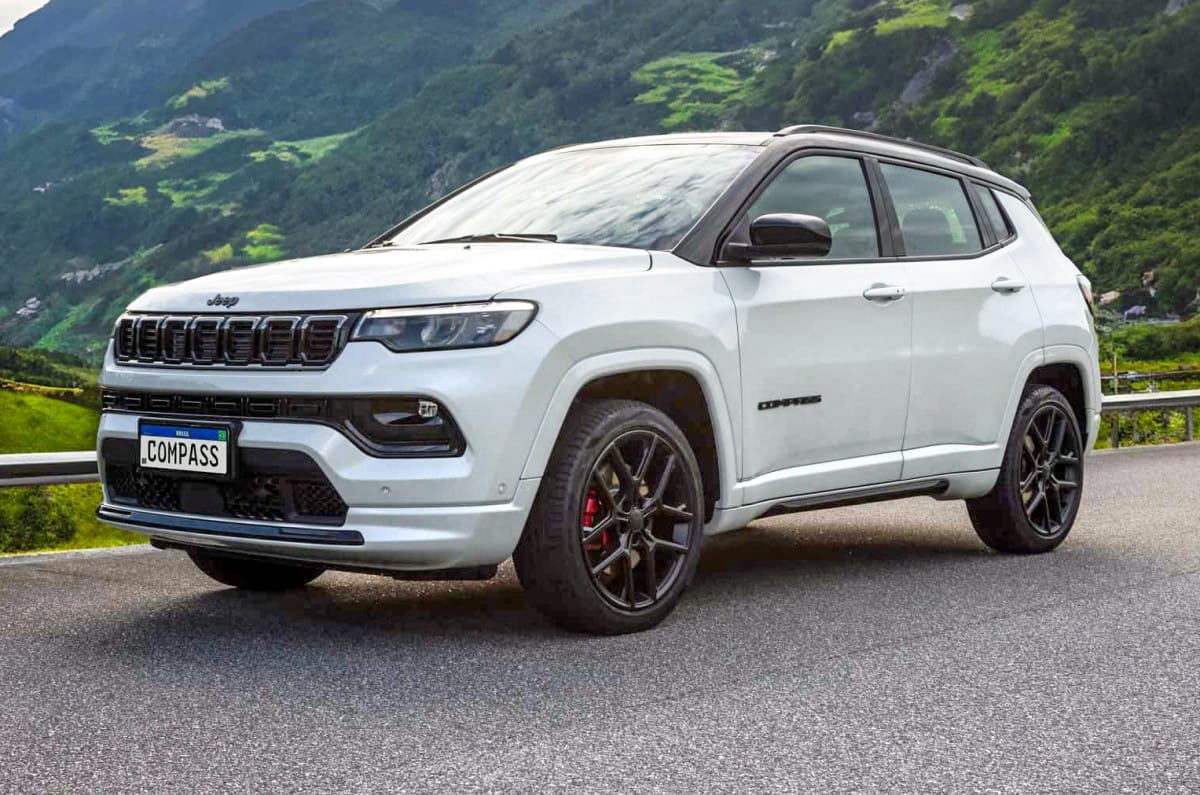
3. Jeep Compass 2.0 Petrol (Pre-Facelift)
The Jeep Compass launched with enormous excitement, particularly in markets like India, where the Jeep brand carries serious aspirational value. It looked rugged, it wore a prestigious badge, and it promised authentic Jeep DNA in a modern package.
Then buyers drove it. The 2.0-litre naturally aspirated petrol engine, producing around 163 horsepower, was the source of immediate and widespread disappointment. For a vehicle of the Compass’s size and weight, the engine felt completely mismatched.
The Compass weighs approximately 1,500 kilograms, and the naturally aspirated engine struggles visibly to motivate that mass. Even at moderate speeds, the engine spins frantically while progress feels frustratingly slow.
The six-speed manual gearbox compounds the frustration rather than alleviating it. Drivers must constantly work through the gears aggressively just to maintain momentum on anything other than flat urban roads.
Highway cruising becomes a genuine ordeal. Sustained speeds above 120 kilometres per hour have the engine screaming near its redline, generating significant cabin noise and raising fears about long-term reliability.
Overtaking on highways is a calculated risk rather than a casual manoeuvre. By the time the engine builds enough power to execute a pass, the window of opportunity has often already closed.
Fuel economy figures were another area where the Compass petrol disappointed. Despite the modest engine size, real-world consumption numbers regularly exceeded the manufacturer’s quoted figures by a significant margin.
The diesel variant of the Compass, by contrast, was widely praised for its torque delivery and highway composure. This only sharpened buyer frustration for those who chose petrol often for lower running costs and received a far inferior experience.
Jeep’s brand image, built on capability and grit, made the underpowered petrol engine feel like a betrayal. Buyers expected a vehicle that matched the aggressive exterior design with equally aggressive performance.
Resale values for the petrol Compass suffered noticeably compared to the diesel version. In used car markets, informed buyers consistently steered away from the naturally aspirated petrol, further damaging its reputation.
Dealers reportedly struggled to move pre-owned petrol Compass models at fair prices. The word-of-mouth reputation had spread far enough that even non-enthusiast buyers became wary of the powertrain.
Jeep eventually introduced a turbocharged petrol engine in updated versions of the Compass. The improvement was dramatic and immediate, which served as a silent but powerful admission that the original engine was never adequate for the job.
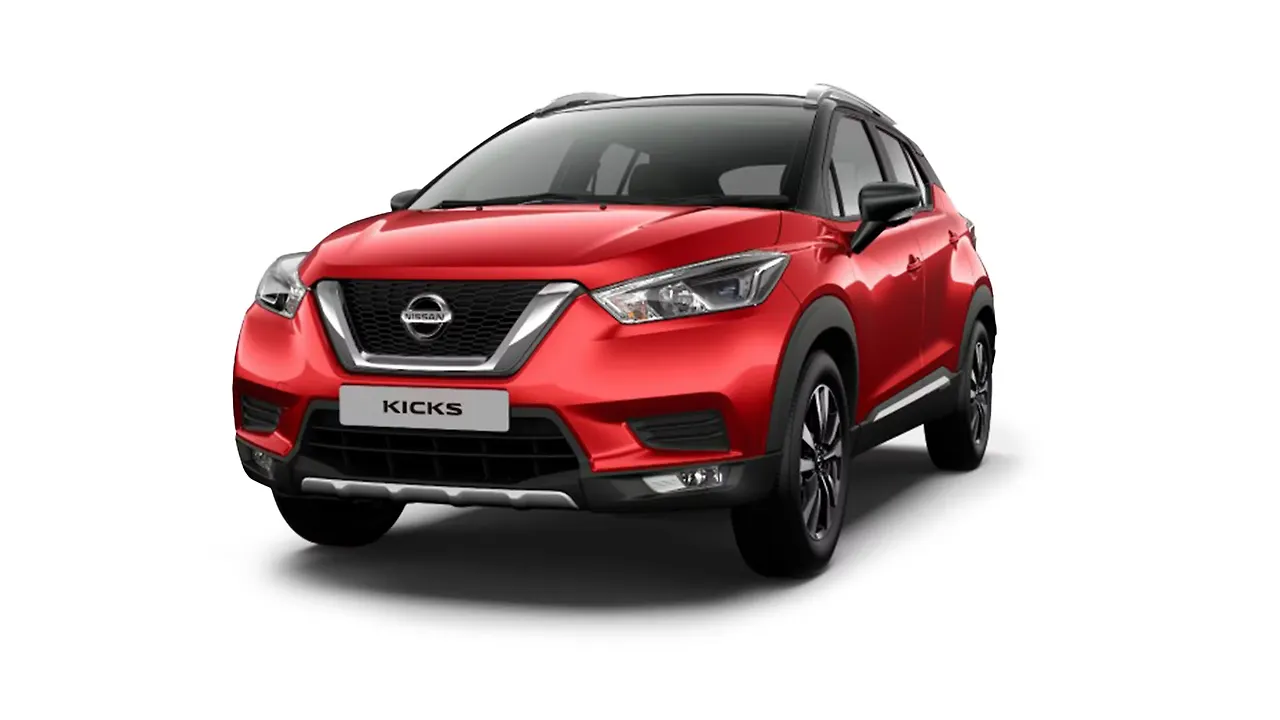
4. Nissan Kicks 1.5 HR15 (Non-Turbo)
The Nissan Kicks was positioned as a stylish, modern crossover with an emphasis on design and technology. Its bold exterior lines and premium-feeling interior made it a visually compelling choice in a crowded segment.
The powertrain, however, was a significant letdown for buyers who expected performance to match the car’s sporty appearance. The 1.5-litre HR15 naturally aspirated engine produces just 106 horsepower in several markets.
At 106 horsepower, the Kicks sits firmly at the bottom of the performance ladder among modern compact crossovers. Rivals like the Kia Seltos and Hyundai Creta offer far more power as standard, making the Kicks feel outdated from day one.
City driving is manageable, but only barely. Traffic gaps require precise timing, and the engine leaves little margin for error when merging or accelerating from a standstill in demanding situations.
Highway performance is where the Kicks truly suffers. Accelerating from 80 to 120 kilometres per hour takes an uncomfortable amount of time, and the engine sounds strained and unhappy throughout the process.
Passenger load dramatically affects performance. Add three adults and a boot full of luggage, and the Kicks transforms from merely slow to genuinely sluggish, struggling on even modest gradients.
The CVT (continuously variable transmission) offered in most markets makes the situation feel even more desperate. Under hard acceleration, the transmission holds the engine at a constant, droning high RPM that sounds alarming without producing proportional speed.
Nissan’s choice to pair a CVT with such a modest engine creates a particularly unpleasant auditory experience. The engine screams while the car crawls, which is among the most disheartening combinations in modern motoring.
Fuel efficiency, at least in theory, was meant to justify the small engine. But real-world owners report consumption figures that barely justify the performance sacrifices they make every single day.
The Kicks offers a genuinely appealing interior with good build quality and an intuitive infotainment system. It is a classic case of a well-packaged vehicle being let down by a powertrain that belongs in a smaller, lighter car.
Competitors quickly took market share from the Kicks by simply offering more power for similar money. In a segment where performance expectations are rising rapidly, Nissan’s conservative approach cost them dearly in sales and satisfaction.
Long-term Kicks owners report that the engine’s limitations never truly fade into the background. Every highway trip, every loaded journey, every overtaking attempt serves as a fresh reminder of what the car is missing.
Nissan has since updated the Kicks in many markets with a more modern e-Power hybrid system that delivers significantly better performance. The improvement confirms that the original powertrain was always the car’s greatest weakness.
Also Read: 8 Pickups With the Most Torque Per Dollar
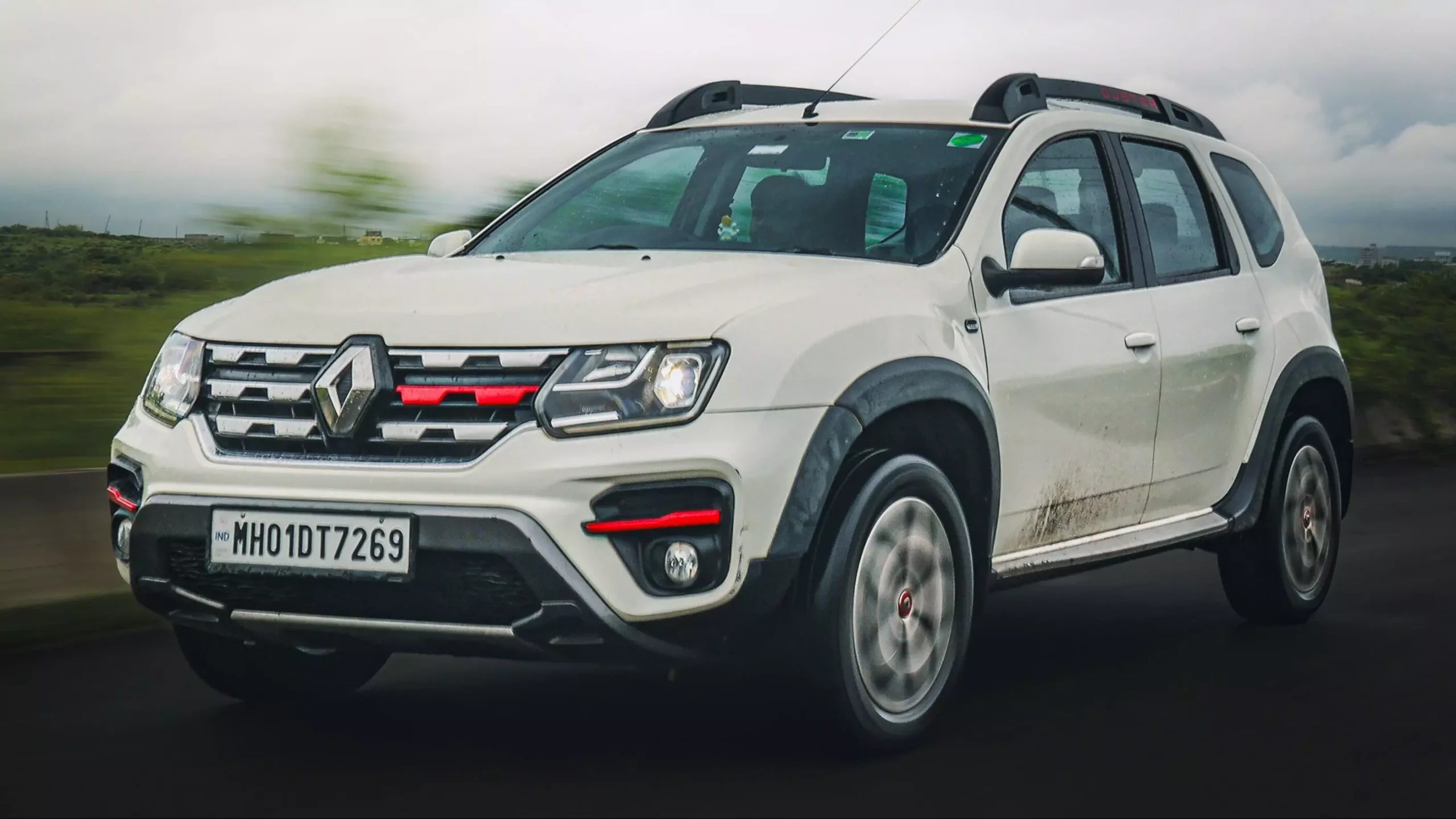
5. Renault Duster 1.6 (Naturally Aspirated Petrol)
The Renault Duster earned a legendary reputation for being a practical, rugged, and affordable SUV that punched well above its price point. It conquered rough terrain, carried families with ease, and built a fiercely loyal following across multiple continents.
But the 1.6-litre naturally aspirated petrol engine was always the Duster’s weakest link. Producing around 106 horsepower, it was never particularly impressive even when the Duster first launched, and it has only aged worse as rivals improved.
The Duster’s body-on-frame-adjacent construction and generous ground clearance add weight that the 1.6 petrol struggles to manage. On flat urban roads, the experience is tolerable if unremarkable.
The real problems emerge on highways and inclines. The engine requires maximum throttle to sustain comfortable highway speeds, leaving no reserve power for overtaking or sudden acceleration needs.
Mountain roads are a particular challenge. Drivers must plan overtakes kilometres in advance, and any unexpected gradient turns the Duster into a vehicle that actively frustrates rather than inspires confidence.
The five-speed manual gearbox is a straightforward, honest unit with no major faults of its own. But no gearbox can compensate for an engine that simply does not produce enough torque to move a heavy SUV with authority.
Loaded family trips expose the engine’s limitations most brutally. Four adults, luggage, and perhaps a roof carrier transform the Duster from a capable family vehicle to a lumbering, breathless disappointment.
The diesel variant of the Duster, with its strong torque curve and highway composure, was always the version worth buying. Owners who chose petrol often to avoid higher diesel maintenance costs frequently expressed regret at that decision.
Fuel consumption with the 1.6 petrol also disappointed buyers who expected the small engine to deliver significant savings. Heavy throttle requirements cancel out the theoretical efficiency benefits of the smaller displacement.
The Duster’s off-road credentials, suspension travel, and toughness remained genuinely impressive regardless of the engine choice. It made the powertrain disappointment even more frustrating, so close to being a truly great vehicle.
Over its production life, Renault never significantly upgraded the petrol powertrain in key markets. Buyers hoping for a turbocharged option were repeatedly disappointed, as Renault seemed content to keep the base engine unchanged year after year.
In markets where the Duster was replaced by newer models, the turbocharged engines introduced on successor vehicles proved that the old naturally aspirated unit was always an inferior choice. It should have been replaced far sooner than it was.
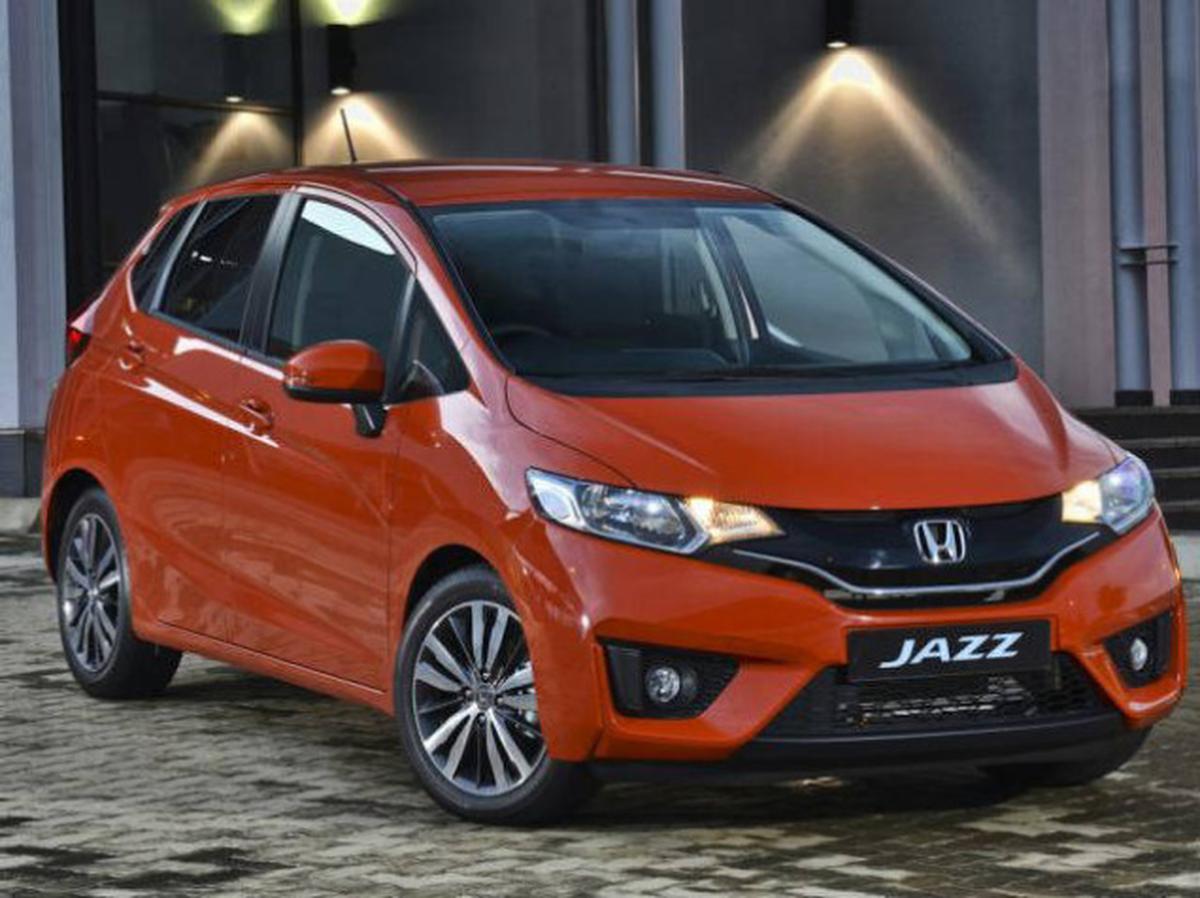
6. Honda Jazz/Fit 1.2 (Some Regional Variants)
The Honda Jazz, known as the Fit in certain markets, is universally praised for its clever packaging, Magic Seat system, and genuinely impressive interior space for its exterior size. It is a masterclass in efficient design.
However, certain regional variants of the Jazz were offered with a 1.2-litre naturally aspirated engine producing approximately 88 horsepower. In a car designed to carry families and their belongings, 88 horsepower is simply not enough.
The 1.2 Jazz feels reasonably sprightly when empty and going through the quiet urban roads. The car’s lightweight helps the modest engine maintain acceptable city performance for short, low-speed commutes.
The moment you add weight or demand highway performance, the illusion of adequacy collapses. Four passengers and a packed boot transform the Jazz into a vehicle that genuinely struggles to keep pace with normal traffic flow.
Motorway driving is stressful rather than relaxing. Overtaking lorries or maintaining speed on long uphill stretches requires full throttle, accompanied by a strained engine note that sounds perpetually on the edge of its limits.
The CVT transmission offered in some variants further dulls the driving experience. It searches endlessly for the right ratio under acceleration, creating a sensation of disconnection between throttle input and actual vehicle response.
Honda’s reputation for building excellent engines makes the 1.2’s mediocrity all the more surprising. The brand that produced the legendary B-series and K-series engines somehow delivered a base unit that inspires no confidence whatsoever.
Many Jazz buyers chose the car specifically because of Honda’s engineering reputation. The expectation of quality performance, even from a small engine, was a core part of the purchase decision.
That expectation was not met. Owners regularly report feeling let down by a car that handles, rides, and packages beautifully but simply cannot motivate itself with any conviction when circumstances demand it.
The 1.5-litre variant of the Jazz, available in markets like Japan and North America, demonstrates exactly what the car is capable of with an appropriately sized engine. The difference is night and day in terms of driver confidence and satisfaction.
Resale values for the 1.2 Jazz are noticeably lower than those of its 1.5 counterpart in markets where both were sold. Used car buyers have done their research and consistently prefer the more powerful variant for good reason.
The Jazz’s brilliance as a concept, maximum space, minimum footprint, deserved a better engine from the very beginning. The 1.2 was a cost-cutting measure that undermined one of the most cleverly designed small cars of its generation.
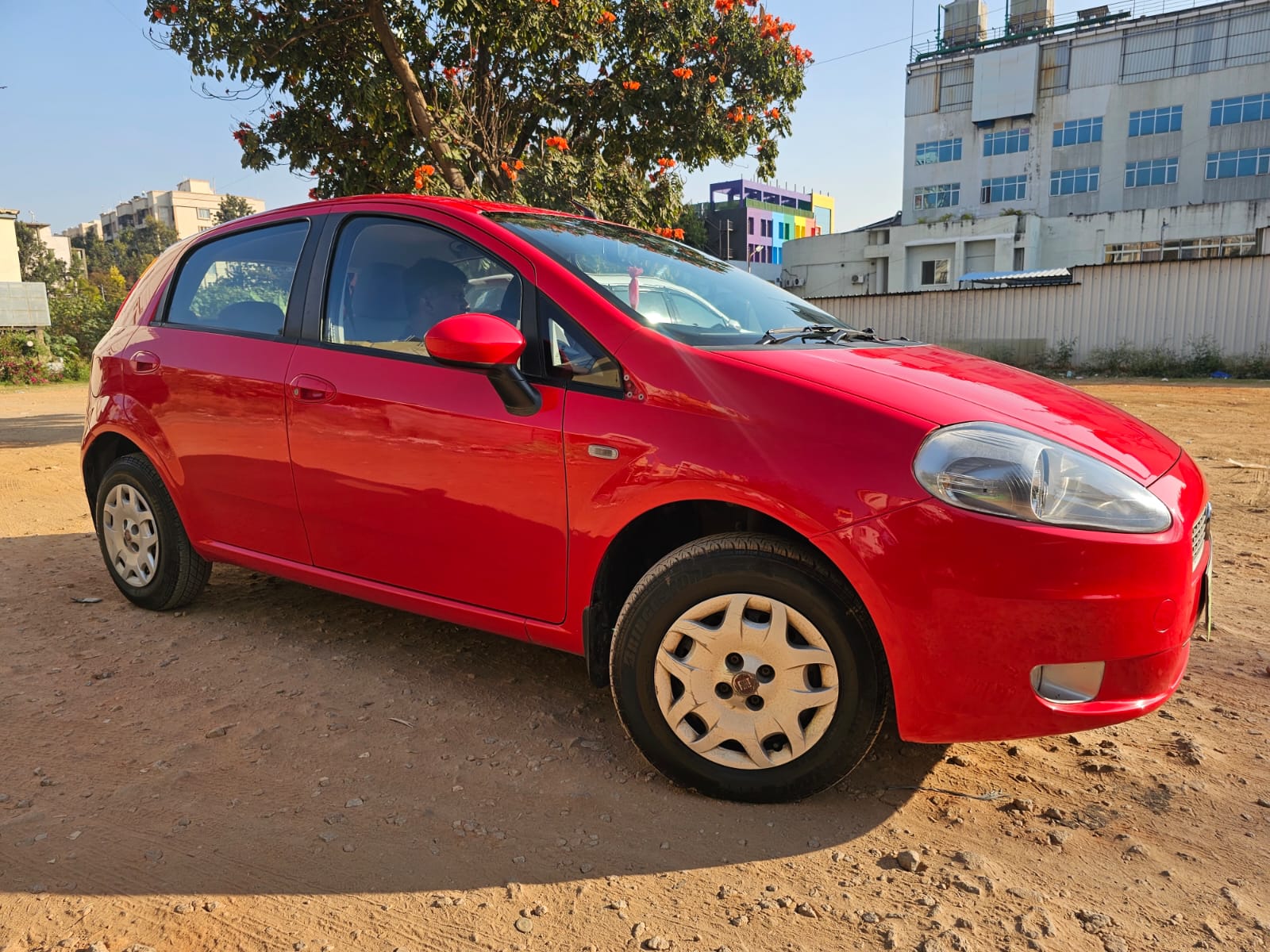
7. Fiat Punto 1.2 (Third Generation)
The Fiat Punto has a storied history in the European hatchback segment. Early generations were celebrated for their Italian flair, engaging driving dynamics, and punchy small engines that made city driving genuinely enjoyable.
The third-generation Punto, however, arrived with a 1.2-litre eight-valve engine that felt anachronistic almost from the moment it launched. With just 69 horsepower on tap, it was catastrophically underpowered for a modern hatchback.
At 69 horsepower, the Punto 1.2 was already below average when new. As years passed and rivals improved dramatically, the engine became an embarrassing anomaly in a segment full of far more capable alternatives.
The Punto’s relatively heavy body it was no lightweight among city cars, made the engine’s inadequacy even more pronounced. Simple tasks like joining a dual carriageway became genuinely anxiety-inducing experiences.
Motorway driving was best avoided entirely, though that was rarely practical for owners who needed the car for anything beyond short urban trips. At sustained highway speeds, the engine buzzed and protested loudly with very little to show for its effort.
Overtaking on rural roads required patience measured not in seconds but in minutes of preparation. Drivers would wait for long, clear stretches before attempting passes that most modern hatchbacks execute with casual ease.
The interior of the Punto was another area of frustration, as ageing materials and outdated technology made it feel like a value proposition that even the low price could not fully justify. The weak engine simply added insult to injury.
Fuel economy, while reasonable in gentle urban use, deteriorated rapidly when drivers pushed the engine to extract adequate performance. The constant high-RPM operation required just to keep pace with traffic negated the small engine’s theoretical efficiency.
Fiat’s competitors, Volkswagen Polo, Ford Fiesta, and Opel/Vauxhall Corsa were all significantly more powerful, more refined, and more satisfying to drive in the same price bracket. The Punto simply could not compete.
The lack of any significant powertrain update over the Punto’s extraordinarily long production run it remained in production far longer than any modern car arguably should meant the engine only fell further behind industry standards.
Owners who chose the Punto for its Italian charm and design quickly found that charm faded under the daily reality of driving a car that felt constantly breathless. The emotional purchase became a rational regret.
Fiat eventually discontinued the Punto without a direct successor, and its underpowered engines were cited among the chief reasons the model had lost all competitive relevance. It was a sad end for a once-beloved nameplate.
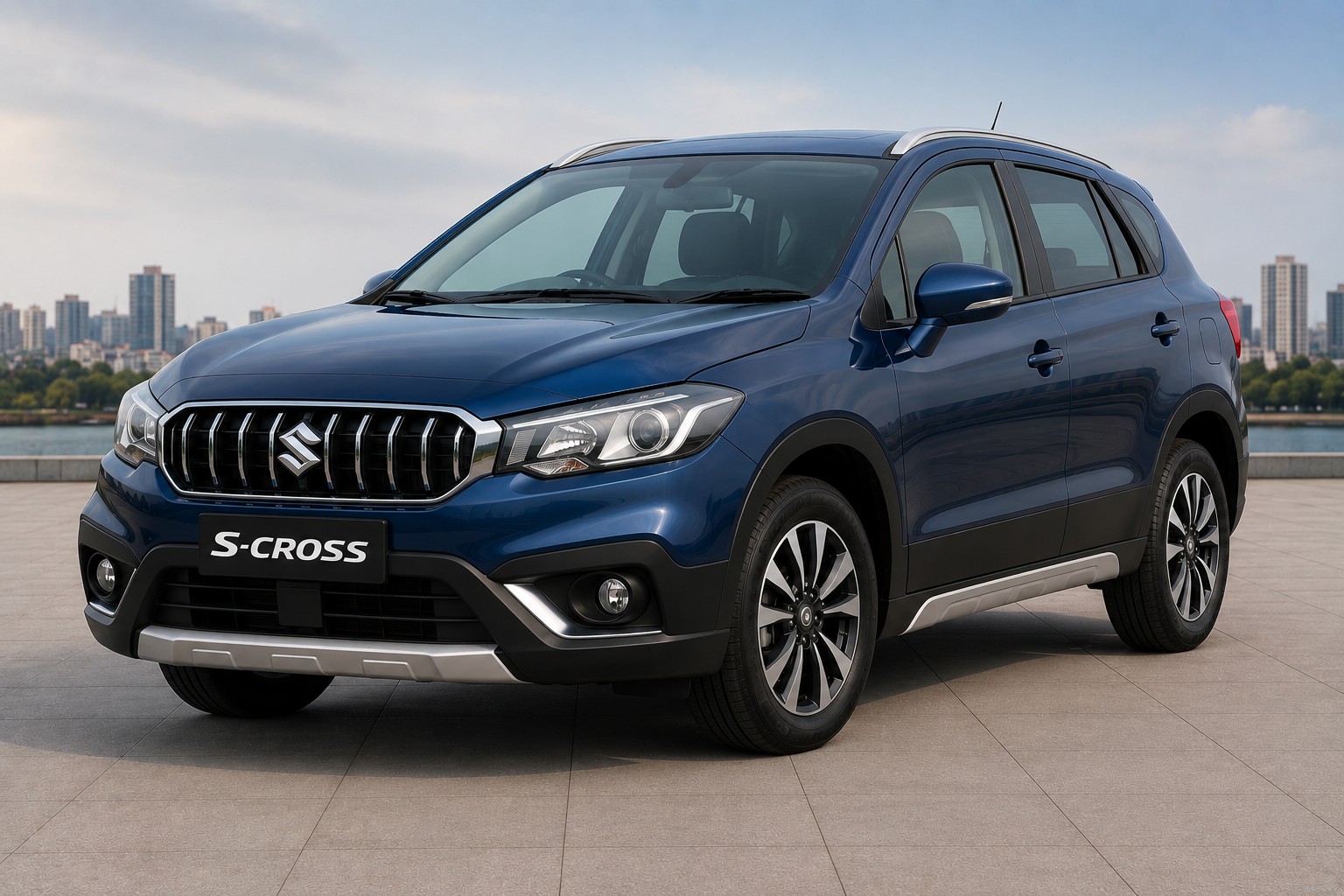
8. Maruti Suzuki S-Cross 1.6 Petrol (Initial Variants)
The Maruti Suzuki S-Cross arrived in India with significant fanfare, positioned as a premium crossover that would raise the brand’s image beyond its traditional small-car stronghold. It looked modern, featured a well-appointed interior, and carried a distinctive design.
The petrol variant, powered by a 1.6-litre naturally aspirated engine producing around 104 horsepower, quickly became a buyer regret story for those who expected performance matching the S-Cross’s upmarket positioning.
104 horsepower might sound adequate for a compact crossover, but the S-Cross is not a lightweight vehicle. Its mass, combined with the naturally aspirated engine’s modest torque output, creates a driving experience that feels permanently underdressed for the job.
City driving is workable, as most urban journeys do not demand particularly high power outputs. The engine feels acceptable at speeds below 60 kilometres per hour on flat roads with moderate traffic.
The true character of the engine reveals itself on highways. Attempting to cruise at 100 kilometres per hour and then accelerate to overtake requires significant lead time and a dramatic downshift that still feels inadequate.
Loaded with passengers and luggage for a weekend trip, the S-Cross petrol transforms from underwhelming to genuinely concerning. The engine’s noise levels climb steeply while actual progress remains frustratingly modest.
The diesel S-Cross, by contrast, offered strong torque and relaxed highway manners that made it a genuinely pleasant companion for long-distance Indian road trips. The comparison between the two powertrains could not have been starker.
Maruti Suzuki’s decision to offer the naturally aspirated petrol in the S-Cross was puzzling, given the vehicle’s premium aspirations. It created a significant gap between the expectations set by the styling and interior and the real-world delivery.
Buyers who chose the petrol variant often did so expecting lower running costs compared to diesel. What they discovered was that the constant need for heavy throttle inputs meant fuel consumption was often comparable to that of the diesel, eliminating the cost advantage.
The S-Cross petrol’s resale values in the Indian used car market tell the story clearly. Dealers and private sellers consistently struggled to achieve fair prices for the petrol variant, while diesel examples commanded strong premiums.
Maruti eventually discontinued the naturally aspirated petrol and introduced a mild-hybrid system that improved the driving experience measurably. The move acknowledged what buyers had been saying loudly from the very beginning.
The S-Cross story is a reminder that premium positioning requires powertrain substance to match. Styling alone cannot compensate for an engine that leaves drivers feeling shortchanged every time they press the accelerator.
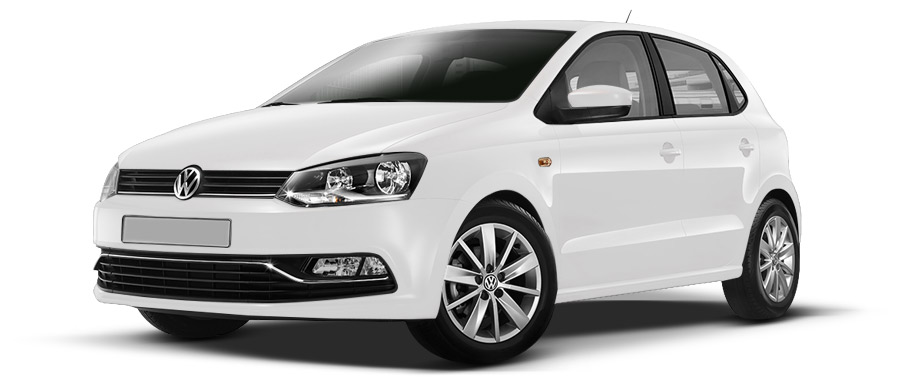
9. Volkswagen Polo 1.2 MPI (Non-TSI)
The Volkswagen Polo is one of the most respected names in the premium small car segment. Its build quality, interior refinement, and mature driving dynamics have consistently set the standard for what a compact hatchback should feel like.
The 1.2-litre MPI (multi-point injection) naturally aspirated engine, however, was a persistent weak point that drew consistent criticism from buyers who expected Volkswagen’s engineering excellence to extend to performance.
Producing approximately 70 horsepower in most configurations, the 1.2 MPI made the Polo feel like a car in constant conflict with itself. The exterior projected confidence and maturity, while the engine delivered hesitation and breathlessness.
Urban driving in the 1.2 MPI Polo is tolerable but never enjoyable. The car moves well enough in light traffic, but any situation requiring prompt acceleration reveals just how little power is available.
Highway entry ramps are a defining moment of frustration. While the Polo TSI merges with composed authority, the MPI version requires full throttle and maximum commitment just to reach a speed that does not embarrass drivers in front of faster-moving traffic.
Long motorway journeys are uncomfortable in a specific way unique to underpowered cars. The engine operates near its limit for extended periods, creating constant noise and vibration that would not exist if an extra 30 horsepower were available.
The 1.2 MPI’s lack of turbocharged torque means gear changes are frequent and essential. Drivers must stay actively engaged with the gearbox simply to maintain comfortable forward progress, which removes any sense of relaxed motoring.
Fuel economy, the engine’s primary selling point, also proved disappointing in real-world use. Extracting adequate performance required throttle inputs that quickly erased the theoretical advantages of the small, naturally aspirated unit.
The contrast with the 1.2 TSI version of the same car was devastating to the MPI’s reputation. With 105 horsepower and a strong torque curve from very low RPM, the TSI transformed the Polo into a genuinely engaging, capable companion.
The 1.2 MPI’s legacy is one of a missed opportunity. The Polo’s excellent bones, its chassis, steering, and ride quality deserved a better engine from day one, and buyers who purchased the base variant were the ones who ultimately paid the price for that mismatch.
Also Read: 7 Hidden Costs of Owning an EV Nobody Talks About
