
Plug-in hybrid vehicles have moved far beyond being niche commuter cars for eco-conscious buyers. In 2026, they represent one of the smartest middle grounds between traditional gasoline vehicles and fully electric cars.
Buyers who are not ready to depend entirely on public charging infrastructure are increasingly turning toward plug-in hybrids because they offer a meaningful electric-only driving range while still keeping a gasoline engine for long-distance travel. This balance has made them especially attractive in markets where charging networks are still developing or where buyers want flexibility without range anxiety.
However, not every plug-in hybrid deserves your money. Some models deliver excellent fuel economy, smooth transitions between electric and gasoline power, dependable reliability, and realistic electric ranges that genuinely reduce fuel costs. Others feel rushed to market, offering poor efficiency, cramped packaging, disappointing battery performance, or questionable long-term value.
The plug-in hybrid segment in 2026 is also more competitive than ever. Automakers have recognized that buyers expect more than just efficiency. Consumers now demand strong acceleration, premium interiors, advanced technology, refined ride quality, and practical cargo space alongside electrification.
Brands that have invested seriously in hybrid engineering are pulling ahead, while manufacturers that treated plug-in systems as temporary compliance solutions are starting to fall behind. Some vehicles still struggle with awkward power delivery, tiny real-world electric range, or inflated pricing that makes little financial sense compared with either conventional hybrids or full EVs. This creates a major gap between the best and worst plug-in hybrids currently on sale.
Another important factor is long-term ownership costs. A plug-in hybrid should save money over time through lower fuel consumption and reduced maintenance demands. But certain models become expensive due to battery degradation concerns, complex drivetrains, poor resale value, or expensive repairs once warranties expire.
Buyers who focus only on advertised fuel economy numbers can easily overlook these ownership realities. That is why evaluating a plug-in hybrid requires examining multiple areas, including efficiency, charging speed, driving dynamics, reliability history, technology integration, interior practicality, and resale performance.
The best plug-in hybrids in 2026 feel fully engineered around electrification rather than adapted from older gasoline platforms. They deliver seamless operation, enough electric range for daily commuting, and strong refinement. The worst ones often compromise too much in the name of efficiency while failing to provide the benefits buyers expect.
This article breaks down five plug-in hybrids that genuinely justify their price tags and five that are difficult to recommend in 2026. Each vehicle is evaluated based on value, real-world usability, reliability, reputation, technology, driving experience, and ownership satisfaction so buyers can make a smarter decision before spending their money.
Also Read: 10 Cars With Insurance Premiums Lower Than a Compact Sedan
Plug-In Hybrids Worth the Money in 2026
1. Toyota Prius Prime
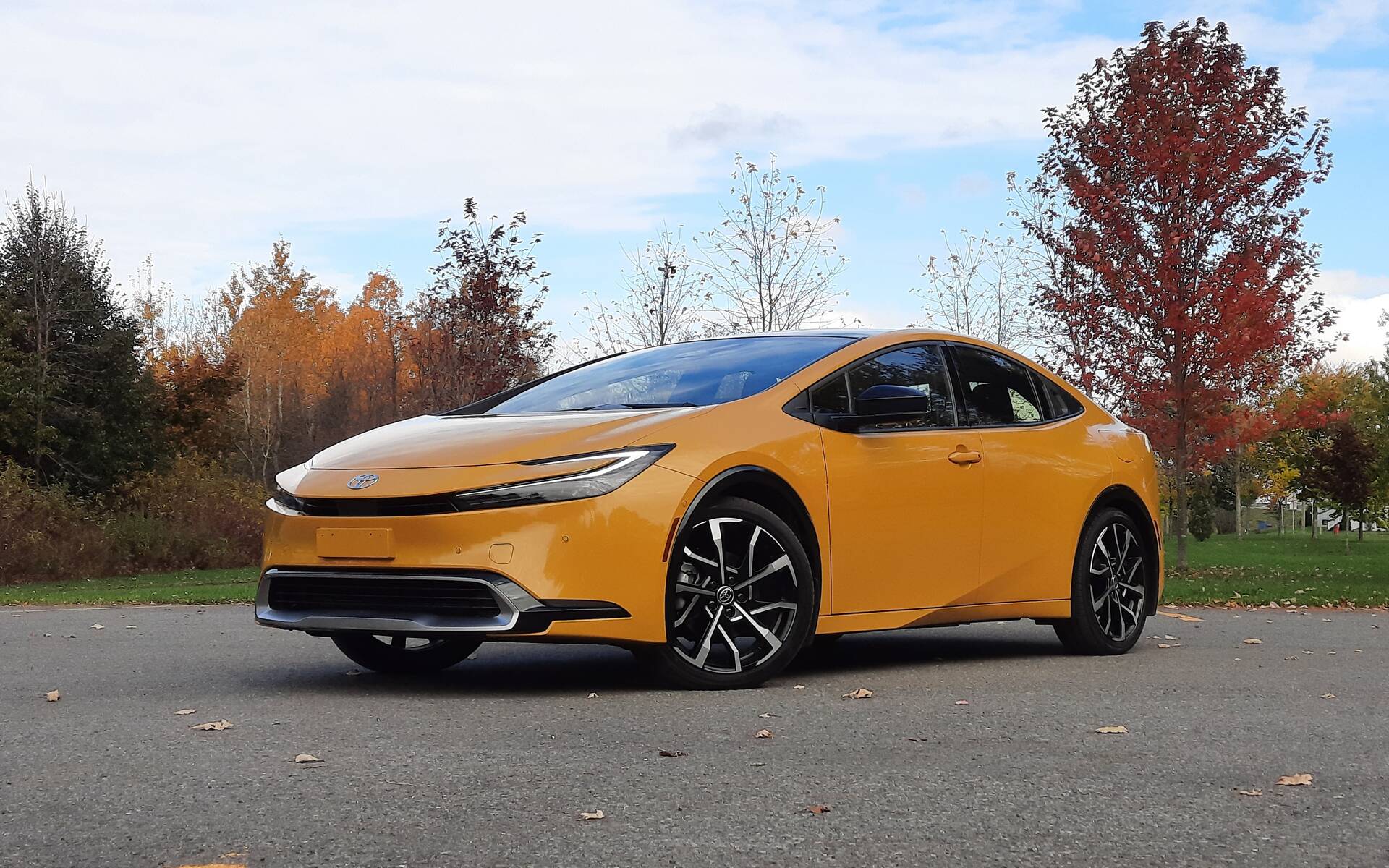
The Toyota Prius Prime continues to stand as one of the most intelligently engineered plug-in hybrids available in 2026. Toyota has spent decades refining hybrid systems, and the Prius Prime benefits from this unmatched experience.
Unlike many competitors that still feel experimental, the Prius Prime delivers an exceptionally polished driving experience with smooth power transitions, outstanding fuel efficiency, and impressive reliability. The latest generation also looks dramatically better than previous Prius models, replacing the old awkward styling with a sleek and sporty appearance that appeals to a much broader audience.
One of the biggest reasons the Prius Prime is worth the money is its realistic electric-only driving range. Many commuters can complete daily drives entirely on battery power without using gasoline at all. For drivers who charge consistently at home, fuel station visits become surprisingly rare.
Yet the gasoline engine remains available for long trips, making the car far more flexible than a fully electric vehicle for many households. The seamless transition between battery and gasoline operation also gives the Prius Prime a refinement level that some rivals still struggle to match.
Interior quality has improved significantly compared with older Prius generations. The cabin now feels modern, clean, and surprisingly upscale for the price category. Toyota has also integrated more advanced driver assistance systems, larger infotainment displays, and improved connectivity features.
While it is not a luxury car, the Prius Prime offers enough technology and comfort to satisfy most buyers seeking a practical daily vehicle. Cargo space remains useful despite the battery placement, and rear seat comfort is better than many compact rivals.
Reliability remains a major strength. Toyota hybrid systems have consistently demonstrated strong durability over long ownership periods. Buyers looking for predictable maintenance costs and strong resale value will find the Prius Prime extremely attractive.
This matters especially in the plug-in hybrid segment, where some competitors still carry uncertainty regarding long-term battery and drivetrain reliability. The Prius Prime avoids much of that concern through Toyota’s proven engineering approach.
2. Volvo XC60 Recharge
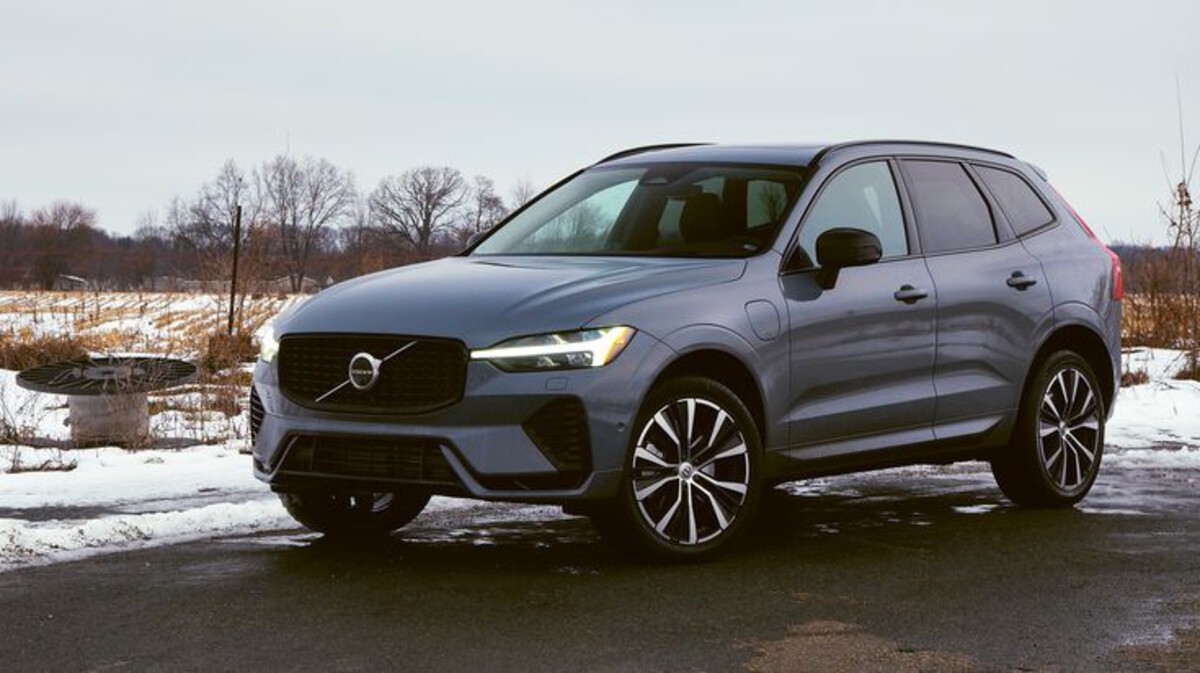
The Volvo XC60 Recharge proves that plug-in hybrids can also be genuinely luxurious. Unlike some electrified SUVs that feel compromised by their hybrid systems, the XC60 Recharge integrates electrification into a refined premium driving experience.
Volvo has managed to create a vehicle that combines strong electric performance, elegant Scandinavian design, advanced safety technology, and everyday practicality without sacrificing comfort or driving enjoyment.
Performance is one of the XC60 Recharge’s strongest qualities. The plug-in hybrid system delivers powerful acceleration that rivals many performance SUVs while still offering impressive fuel efficiency.
Electric driving feels smooth and responsive, especially in city traffic, where the instant torque provides effortless acceleration. Unlike underpowered plug-in hybrids that struggle when the battery depletes, the XC60 Recharge remains strong and composed regardless of driving mode.
The interior is among the finest in the segment. Volvo’s minimalist design philosophy creates a calm and upscale atmosphere that feels more sophisticated than many German competitors. High-quality materials, supportive seats, and thoughtful ergonomics contribute to an excellent daily driving experience.
The infotainment system integrates Google-based functionality effectively, providing intuitive navigation and voice controls that reduce frustration during everyday use.
Safety continues to be a defining Volvo characteristic. The XC60 Recharge includes extensive driver assistance technologies and crash protection systems that reinforce the brand’s safety reputation. Families looking for a premium plug-in SUV often place safety high on their priority list, and the XC60 Recharge excels in this area without making the driving experience feel intrusive or overly automated.
Another reason the XC60 Recharge is worth the money is its balance between luxury and practicality. The cabin remains spacious despite the battery integration, and cargo capacity stays competitive within the premium SUV class.
Ride comfort is excellent on long journeys, making the vehicle suitable for both commuting and family road trips. The electric-only range is also sufficient for many urban drivers to complete daily errands without consuming gasoline.
While the XC60 Recharge is not inexpensive, it delivers genuine value through its combination of performance, refinement, efficiency, and technology.
Buyers who want a luxury SUV that embraces electrification without losing comfort or practicality will find the XC60 Recharge among the best plug-in hybrids available in 2026. It demonstrates how well-executed hybrid technology can enhance rather than compromise a premium vehicle experience.

3. Kia Sportage Plug-In Hybrid
The Kia Sportage Plug-In Hybrid has become one of the biggest success stories in the electrified SUV market. Kia has transformed its reputation over the past decade, and the Sportage Plug-In Hybrid reflects how far the brand has progressed in design, technology, and quality. In 2026, it stands as one of the strongest value-oriented plug-in hybrids for buyers seeking practicality without premium pricing.
One of the Sportage Plug-In Hybrid’s greatest strengths is its interior design. Kia has created a cabin that feels modern, spacious, and technologically advanced.
Large digital displays, quality materials, and intuitive controls give the vehicle an upscale feel that exceeds expectations for its price category. Rear passenger space is especially impressive, making it a strong family vehicle for buyers who need comfort and practicality.
Efficiency and electric range are also highly competitive. The Sportage Plug-In Hybrid allows many drivers to complete short daily commutes using electricity alone while still providing the flexibility of gasoline power for longer trips.
The transition between electric and gasoline modes is smoother than many buyers expect at this price point. Kia has clearly invested significant effort into making the hybrid system feel refined and easy to use.
The driving experience strikes a good balance between comfort and responsiveness. While the Sportage Plug-In Hybrid is not a performance SUV, it feels stable and confident on highways while remaining comfortable over rough roads.
Steering and braking are predictable, and ride quality makes the vehicle pleasant for both city driving and long-distance travel. The cabin remains relatively quiet even at highway speeds, contributing to a more premium feel.
Kia also offers impressive warranty coverage, which significantly improves ownership confidence. Many buyers entering the plug-in hybrid market worry about battery longevity and repair costs.
Kia’s warranty support helps reduce those concerns while strengthening the vehicle’s long-term value proposition. Combined with improving brand reliability, the Sportage Plug-In Hybrid becomes a compelling option for practical buyers.
4. BMW X5 xDrive50e
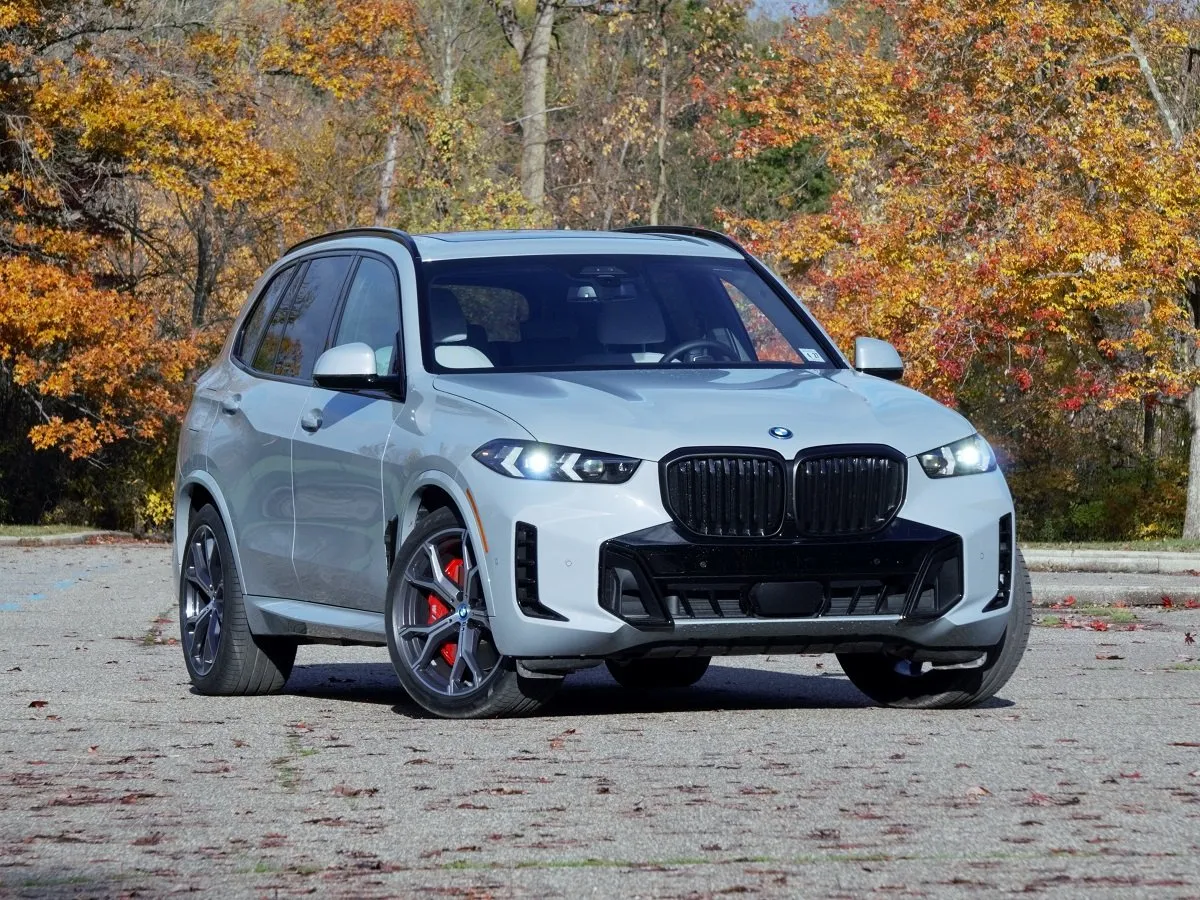
The BMW X5 xDrive50e demonstrates how plug-in hybrid technology can coexist with performance and luxury at a very high level. Unlike some luxury hybrids that prioritize efficiency while sacrificing character, the X5 xDrive50e still feels unmistakably like a BMW. It delivers strong acceleration, refined handling, and a premium interior while also offering substantial electric driving capability.
Performance is a major reason this vehicle deserves recognition. The hybrid powertrain provides smooth and immediate power delivery, making acceleration effortless in nearly every situation.
Electric operation feels strong enough for daily urban driving, while the gasoline engine adds serious performance when needed. The transition between power sources is impressively seamless, reflecting BMW’s sophisticated engineering.
Driving dynamics separate the X5 xDrive50e from many competitors. Some plug-in hybrid SUVs become excessively heavy or disconnected due to battery integration, but BMW has maintained the X5’s balanced handling characteristics.
The SUV feels composed through corners while still delivering a comfortable ride on long journeys. Buyers seeking both luxury and driver engagement will appreciate this balance.
The electric range has improved enough to make the X5 xDrive50e genuinely useful as a partially electric daily driver. Many owners can complete commutes and errands without using gasoline, particularly when charging regularly at home. This significantly improves efficiency while reducing fuel costs. Yet unlike a full EV, the vehicle still offers effortless long-distance touring capability without charging anxiety.
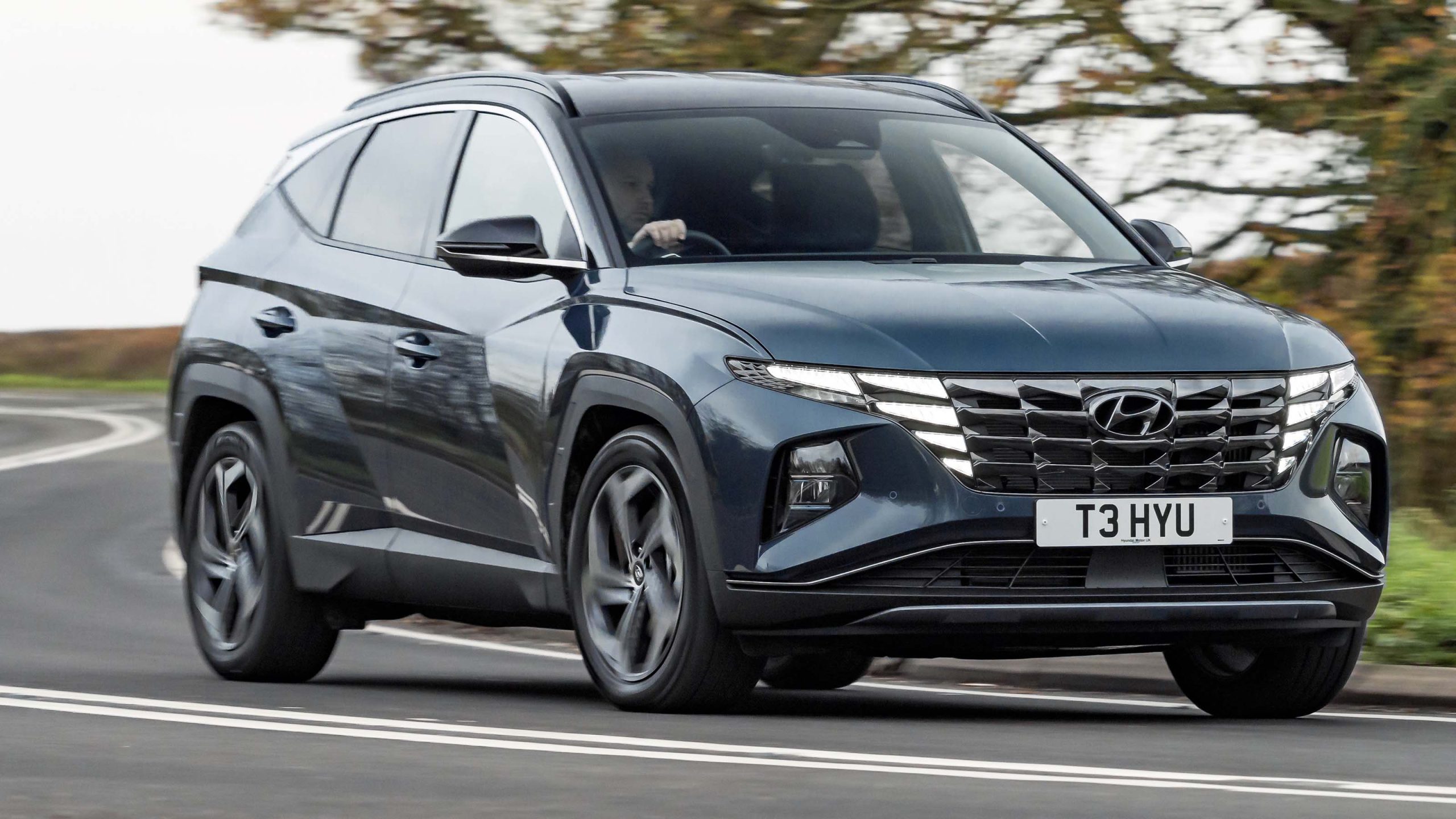
5. Hyundai Tucson Plug-In Hybrid
The Hyundai Tucson Plug-In Hybrid continues to stand out as one of the most well-rounded compact SUVs in the electrified market. Hyundai has become increasingly competitive through strong design, aggressive pricing, and substantial technology offerings, and the Tucson Plug-In Hybrid reflects this strategy exceptionally well. It delivers strong value without feeling cheap or compromised.
The exterior design remains one of the most distinctive in the segment. Hyundai moved away from conservative styling and created an SUV that feels modern and visually interesting without becoming overly futuristic. This gives the Tucson broad appeal among buyers who want something more stylish than traditional compact SUVs while still maintaining practicality.
Inside, the Tucson Plug-In Hybrid feels spacious and thoughtfully designed. Passenger comfort is excellent for a compact SUV, especially in the rear seats, where legroom compares favorably with larger vehicles. Technology integration is another strong point. Hyundai includes large displays, user-friendly controls, and numerous driver assistance systems that improve convenience and safety.
Efficiency is highly competitive, particularly for urban commuting. The electric range allows many owners to complete short trips entirely on battery power, significantly reducing fuel consumption.
Charging is relatively straightforward, and the transition between electric and gasoline operation feels refined. Hyundai has done an impressive job tuning the hybrid system for smoothness during everyday driving.
Pricing is perhaps the Tucson Plug-In Hybrid’s greatest strength. It offers many features typically found in more expensive SUVs while maintaining accessible pricing. Buyers receive substantial value in terms of comfort, technology, efficiency, and practicality. Hyundai’s improving reliability reputation and strong warranty coverage further strengthen the ownership experience.
The Tucson Plug-In Hybrid succeeds because it avoids major weaknesses. It may not dominate any single category, but it performs consistently well across nearly every important area, including comfort, efficiency, practicality, technology, and value. For buyers seeking a versatile and affordable plug-in hybrid SUV in 2026, the Tucson Plug-In Hybrid remains one of the safest and smartest choices.
Also Read: 10 Cars That Survive Being Used as Daily Uber Vehicles
Plug-In Hybrids to Avoid in 2026
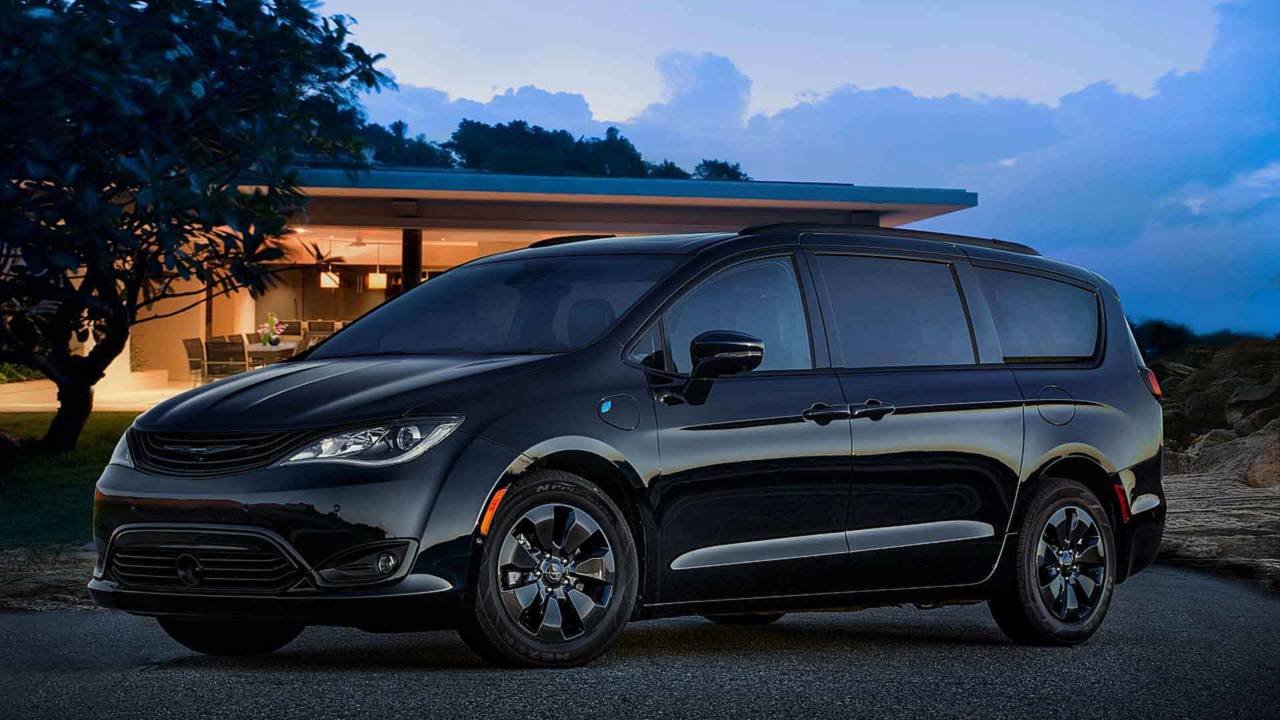
1. Chrysler Pacifica Hybrid
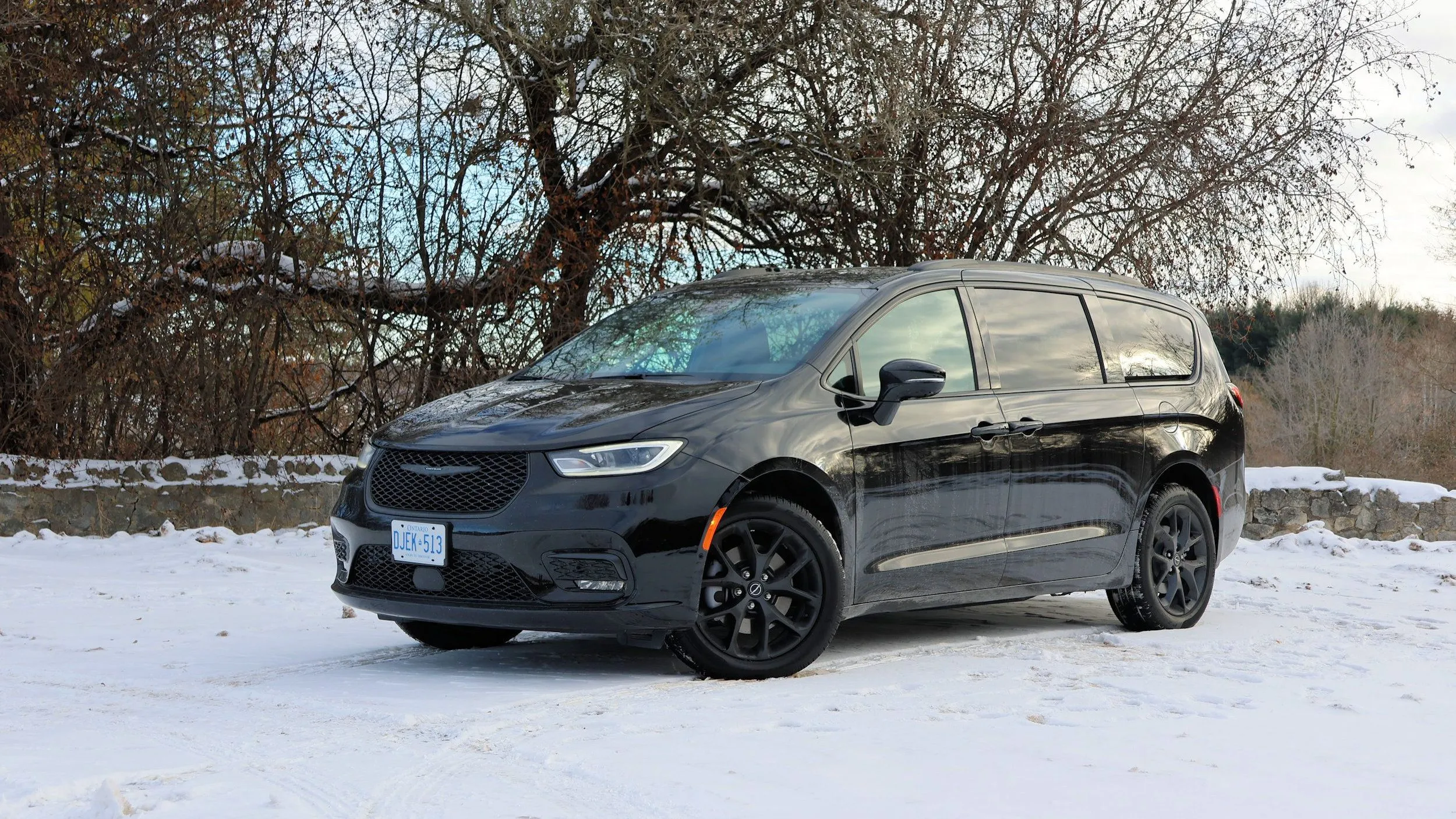
The Chrysler Pacifica Hybrid sounds appealing on paper because it combines family-friendly minivan practicality with plug-in hybrid efficiency. Unfortunately, real-world ownership experiences continue to reveal significant concerns that make it difficult to recommend confidently in 2026. Reliability issues remain the largest problem affecting the Pacifica Hybrid’s reputation.
Owners have reported recurring electrical problems, battery-related concerns, software glitches, and transmission issues over multiple production years. While Chrysler has attempted updates and recalls, long-term reliability confidence still lags behind key competitors. This becomes particularly concerning for family buyers who prioritize dependable transportation and low ownership stress.
The Pacifica Hybrid also suffers from inconsistent build quality. Some owners experience trouble-free ownership, while others encounter repeated dealer visits for unresolved issues. This unpredictability hurts consumer confidence and negatively affects resale values. In a segment where reliability is crucial, inconsistency becomes a major weakness.
Fuel efficiency and electric range are respectable, but they are no longer enough to offset reliability concerns. Competitors have improved significantly in recent years, offering hybrid or plug-in alternatives with stronger long-term durability reputations. Buyers spending substantial money on a family vehicle typically expect better dependability than the Pacifica Hybrid consistently delivers.
Interior practicality remains excellent because the Pacifica still functions as a highly usable minivan. However, the hybrid battery system compromises some cargo flexibility compared with the standard gasoline version. Families prioritizing maximum practicality may actually prefer the non-hybrid Pacifica or alternative minivans with stronger reliability records.
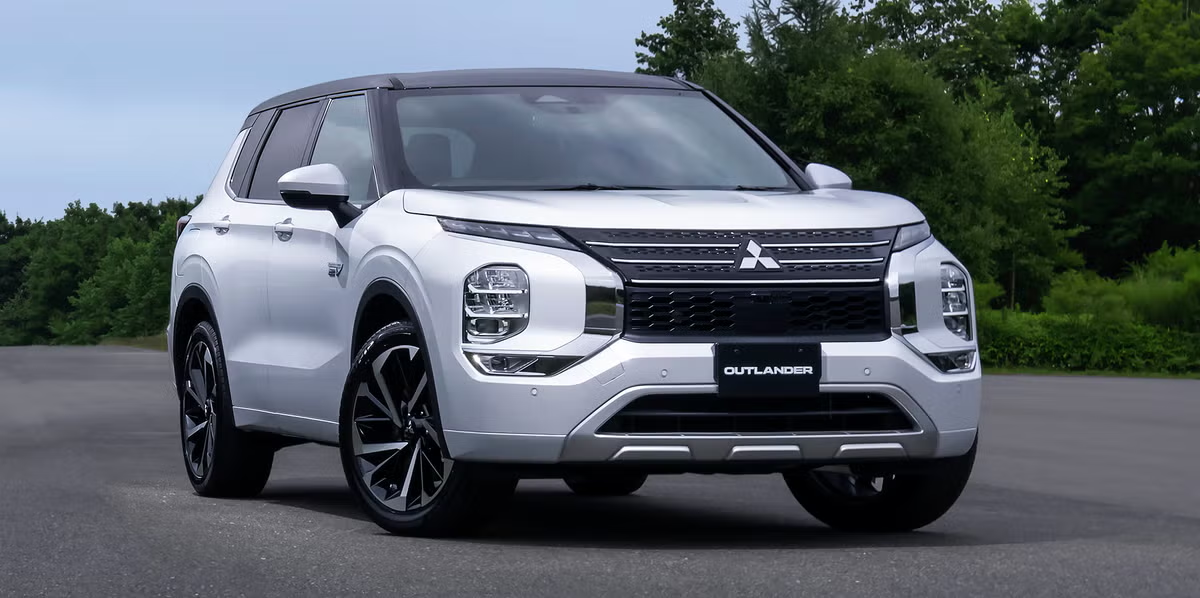
2. Mitsubishi Outlander Plug-In Hybrid
The Mitsubishi Outlander Plug-In Hybrid helped popularize the concept of affordable plug-in SUVs years ago, but by 2026, it feels increasingly outdated against newer competitors. While Mitsubishi deserves credit for entering the market early, the current Outlander Plug-In Hybrid struggles to remain competitive in several important areas.
One major issue is value. The pricing no longer feels as attractive once buyers compare the Outlander Plug-In Hybrid with newer rivals offering superior technology, better interiors, and stronger efficiency. Mitsubishi’s updates have improved the vehicle somewhat, but many aspects still feel behind class leaders in refinement and sophistication.
Efficiency numbers no longer stand out either. Earlier versions gained attention because few rivals existed, but the market has evolved rapidly. Many newer plug-in hybrids now offer better electric range, improved fuel economy, and more seamless operation. This reduces one of the Outlander Plug-In Hybrid’s original competitive advantages.
The Outlander Plug-In Hybrid is not necessarily a terrible vehicle, but it no longer represents strong value within a highly competitive segment. Buyers can now find alternatives with better interiors, stronger technology, smoother driving experiences, and more compelling long-term ownership potential for similar money.

3. Jeep Wrangler 4xe
The Jeep Wrangler 4xe became popular because it combined off-road capability with plug-in hybrid technology, but the reality of ownership can be frustrating for many buyers. While the concept is undeniably appealing, execution problems and questionable value make the Wrangler 4xe difficult to recommend broadly in 2026.
Reliability concerns continue to affect the Wrangler 4xe significantly. Owners have reported electrical issues, battery-related problems, warning light malfunctions, and software inconsistencies. Recalls and quality concerns have hurt consumer confidence, especially among buyers expecting dependable off-road performance far from service centers.
The driving experience on pavement also remains compromised compared with more refined SUVs. The Wrangler platform prioritizes off-road capability over everyday comfort, resulting in less stable highway behavior, more wind noise, and rougher ride quality.
Adding a hybrid system does not eliminate these core compromises. Buyers attracted by the plug-in technology may underestimate how truck-like the Wrangler still feels during daily commuting.
Pricing is another concern. The Wrangler 4xe commands premium pricing despite offering an interior that still feels relatively basic compared with similarly priced SUVs. Buyers paying luxury-level money often expect stronger refinement, higher-quality materials, and better technology integration than the Wrangler consistently provides.
The Wrangler 4xe makes sense for a narrow group of enthusiasts who specifically want off-road capability combined with some electric driving potential. However, for average buyers seeking a practical and efficient plug-in hybrid SUV, there are far better choices available in 2026 that provide stronger reliability, comfort, refinement, and value.
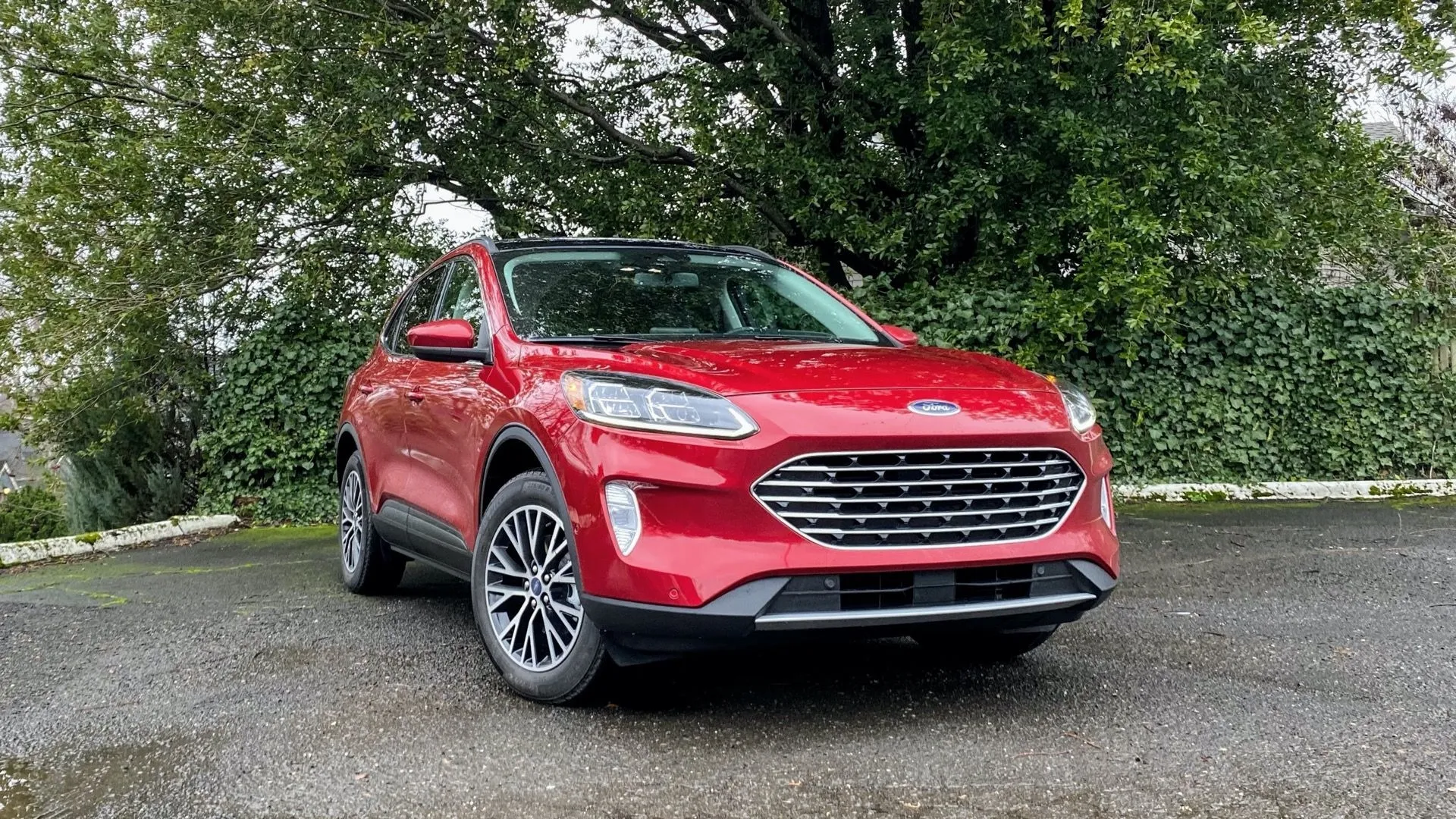
4. Ford Escape Plug-In Hybrid
The Ford Escape Plug-In Hybrid appears competitive initially, but several weaknesses prevent it from standing out in a crowded market. While not fundamentally flawed, it struggles to offer a compelling reason to choose it over stronger alternatives from Toyota, Hyundai, Kia, or Honda.
Interior quality is one of the main disappointments. Despite recent updates, the cabin still feels less refined than many rivals. Materials and design execution often fail to justify the vehicle’s pricing, particularly in higher trims where buyers expect a more premium experience. Competitors simply deliver more polished interiors with better technology integration.
Another issue is market positioning. Ford’s strongest identity currently revolves around trucks, performance vehicles, and larger SUVs. The Escape lineup has gradually lost visibility against more aggressively developed competitors. As a result, the Escape Plug-In Hybrid can feel overshadowed within its own segment.
Technology integration also feels inconsistent. Some systems work well, while others lack the polish and responsiveness buyers now expect from modern SUVs. Infotainment quality has become increasingly important in consumer purchasing decisions, and Ford’s execution here does not clearly surpass rivals.
The Escape Plug-In Hybrid is not a disastrous vehicle, but it lacks standout strengths. In a highly competitive segment where buyers can access better reliability, stronger resale value, more refined interiors, or superior driving experiences elsewhere, the Escape Plug-In Hybrid becomes difficult to recommend confidently in 2026.
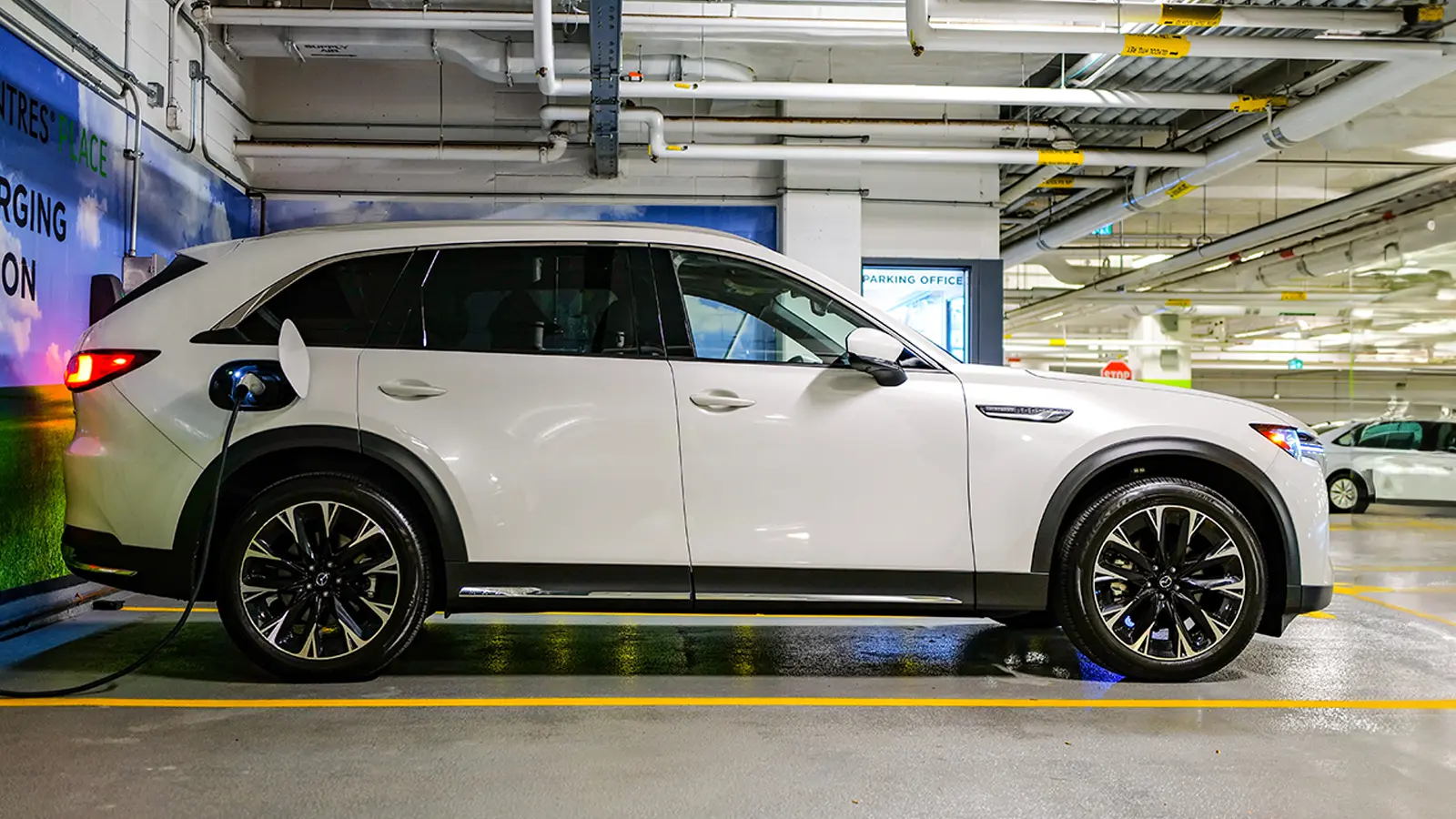
5. Mazda CX-90 Plug-In Hybrid
The Mazda CX-90 Plug-In Hybrid entered the market with significant expectations because Mazda had built a reputation for producing stylish and enjoyable vehicles. Unfortunately, the plug-in hybrid version of the CX-90 has struggled with refinement and consistency issues that hurt its appeal.
One problem involves drivetrain calibration. Some drivers report awkward transitions between electric and gasoline operation, reducing the smoothness expected from a premium leaning plug in hybrid SUV. Power delivery can occasionally feel inconsistent, particularly during low-speed driving situations where hybrid systems should perform most seamlessly.
The pricing strategy also creates challenges. Mazda positioned the CX-90 as a near-luxury offering, but some aspects of the ownership experience do not fully support that ambition. While the interior design looks attractive, certain materials and technology features still lag behind established luxury competitors charging similar prices.
Fuel efficiency and electric range are decent but not exceptional relative to the vehicle’s cost. Buyers spending premium money increasingly expect class-leading electrification performance, and the CX-90 Plug-In Hybrid does not consistently deliver enough advantages to justify its pricing against highly capable alternatives.
Ride quality and handling can also feel conflicted. Mazda attempted to maintain sporty dynamics while accommodating a large SUV platform and hybrid system. The result sometimes sacrifices comfort without fully delivering the athletic driving experience buyers may expect from the brand. Competitors often provide a more cohesive balance between comfort and responsiveness.
